Nearly 60 percent of planners surveyed said that they would be taking steps to address environmental issues at their events, according to the 2020 Events Trends Report recently issued by Eventbrite.

The survey included feedback from 6,800 event and experience planners worldwide—one-third of them from North America—to find out their expectations for 2020. Planners expressed more satisfaction with their jobs and indicated they’re focused on sustainability, inclusivity, and upping the original and immersive nature of their events. The biggest challenge they face is finding ways to involve more attendees.

Overall, the findings present insights into taking no “green” initiative for granted, navigating the needs of an evolving, diverse market and deconstructing the hot term “experiential.”

Sustainability, Seriously

The happy shock this year for Mother Earth is that while the 2019 survey showed a mere 6 percent of respondents thought environmental responsibility would impact their events, this year 59 percent said that they were upping the eco ante.

Now that it’s apparent sustainability is no longer a niche marketing tactic, but rather an imperative responsibility, just how do you get greener? Here are a few guidelines from the report.

  • Check that your venues have policies for energy efficiency, recycling, and waste minimization
  • Organize refuse stations into compost, recyclables, and trash
  • Glitter particles are micro-plastics that get washed into the ocean. If you’re using it, choose biodegradable, eco-friendly glitters like Glitterevolution or Mermaid Magic.
  • Consider ways in which your food, drinks, and swag could use less packaging and rely on less on plastic
  • Work with food and drink vendors with a commitment to sustainable practices
  • Communicate your green policies to attendees and be transparent about all the actions you’re taking to reduce impact

Doing It, and Doing It, and Doing It Differently

Inclusivity covers a lot of ground—there are many separations to un-separate, from racial designations and gender roles to physical abilities and dietary needs. Smart Meetings’ February feature story, “Accommodate All,” includes a few facts that point to the growing need to diversify.

• Fifty-two percent of 13- to 20-year-olds don’t identify as exclusively heterosexual, compared to 35 percent of millennials aged 21 to 34.

• The United States will be a “minority white” country by 2045, according to the U.S. Census Bureau.

• An estimated 26 million Americans have food allergies.

Forty-eight percent of planners surveyed by Eventbrite intend to diversify through speakers, talent and subject matter. “It’s not just about inviting more people to the table; it’s about making everyone feel welcome,” the report says.

Just What Does Experiential Mean, Anyway?

You’ve probably been hearing the term “experiential” a lot. It just means having to do with an experience, so isn’t everything you attend in person “experiential?”

Semantically, yes—but tell that to the last group of people who sat in front of a podium speaker being talked at for 90 minutes. You know the demand for that kind of set-up is bygone, just like Blackberrys and taxi cabs. They still exist and might be useful in some situations, but we have other options.

In tandem with experiential is the word “immersive,” which rings in with a little more energy because immersion—becoming a full, integral part of something—is what you really want for attendees. The report found that audiences want to deeply engage with subject matter. That means shaking people out of the ho-hum, providing novel experiences, fostering interchange and sparking conversation. Visual appeal, engaging all the senses and creating a temporary (or maybe lasting) community at an event are all ways to ensure your audience will remember you in the morning.

More Attendees for Less Money

The biggest challenge planners related was reaching new attendees, followed by insufficient budget and ticket sales. This suggests a marketing problem—how to bring in more people for less money? One of the answers is a natural result of making experiences immersive. Respondents indicated that the most effective form of event promotion is word of mouth. If your event is a can’t-miss, if it successfully creates a deep and engaging feeling in attendees, they will talk about it.

Another asset that comes from your devotion to Instagrammable moments is social media marketing at its finest—user-generated content. This means videos, photos and streaming generated by your audience, when they’re so hyped about being a part of your event that they can’t wait to share it. That’s a big deal, as the report indicates that such content is more trusted than what’s produced directly by a brand.

In Oakland, California, on the eve of Black History Month, an original member of the Black Panther Party sipped locally roasted coffee and munched on waffles at the offices of Visit Oakland as she recalled what it was like.

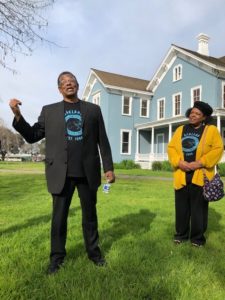
Saturu Ned and Katherine Campbell are standing in Defremery Park, where BBP rallies were held.

“I was looking for something to do until I could start college here, so I volunteered,” says Katherine Campbell, who is “almost 70” and was one of three former panthers leading a Black Panther Party Legacy Tour on this sunny morning. “Plus, we got housing; we got fed. Little did I realize how it would change the course of my life.”

The Black Panther Party (BPP) originated in Oakland in 1966. Over its 16 years, it created more than 65 “survival programs,” such as breakfast and lunch for school children, free health clinics, sickle cell anemia testing, senior housing, paratransit and community gardens. The party grew to more than 40 chapters and branches across the country and world—attracting support by celebrities, including Marlon Brando and Jane Fonda, and ferocious opposition by many in the political establishment and law enforcement.

“It was like going into the Sahara Desert, with no oasis,” says Saturu Ned, another member of the original BBP who is now CEO of Black Panther Power, a Black Panther apparel and retail company that earmarks all sales revenue to its Knowledge to the People Fund. This fund supports modern-day survival programs for “the basic needs of the people who reside in communities that are without an economic infrastructure or foundation,” according to the company’s website.

Central Headquarters of the BP Party (1048 Peralta St., Oakland)

During February, Oakland’s celebration of Black History Month includes a Black Food & Wine Experience (this sold-out event occurred on Feb. 1); Inside the Black Panther Archives with Fredrika Newton, widow of the party’s co-founder, Huey Newton (Feb. 12); and a Black Joy Parade (Feb. 23). Visit Oakland has created a black-history page on its website and is also promoting a list of black-owned restaurants and businesses that groups and others can support while visiting.

Planners can arrange two-hour walking tours of downtown Oakland sites that figured prominently in Black Panther history, but the media tour that Ned and his fellow panthers led also included the group’s former central headquarters, the site of its free health clinic and the unassuming yellow bungalow where 17-year-old Bobby Hutton, the first and youngest panther, was gunned down by police during an assault on him and fellow member Eldridge Cleaver.

Oakland Museum of California has a permanent exhibition devoted to the history of Black Power movements in the state that focuses on BBP. There is also a BBP legacy and alumni website.

Surprising to many, by 2025 millennials will comprise an estimated three-quarters of the global workforce. Millennials already have the most business travelers of any age group, comprising 38 percent, compared to 23 percent for Gen Xers and 8 percent for baby boomers.

Millennials also are the driving force behind changes in travel and hospitality, industries that have adopted their ever-evolving trends. These include tech-oriented travel habits (most millennials research and book flights and hotels from their mobile devices), lobbies that have outlets in every crevice of the hotel room, Instagrammable walls and breakfasts, and travel ideas that cater to experiences rather than products—for Instagram pics, of course.

The hotels listed below aren’t just for millennials, per se, but also for those who enjoy new experiences, documenting them along the way and sharing the grandeur with their attendees.

The Spectator Hotel

Situated in Charleston, South Carolina, the environment that surrounds the exterior and the historic atmosphere that runs throughout the interior of this property is perfect for millennial travelers looking for a place rich in culture. All guests have a personal butler assigned to them who can aid in setting up private tours around the city, provide tips on must-see spots, pick up food and even press clothes.

Crowne Plaza HY36

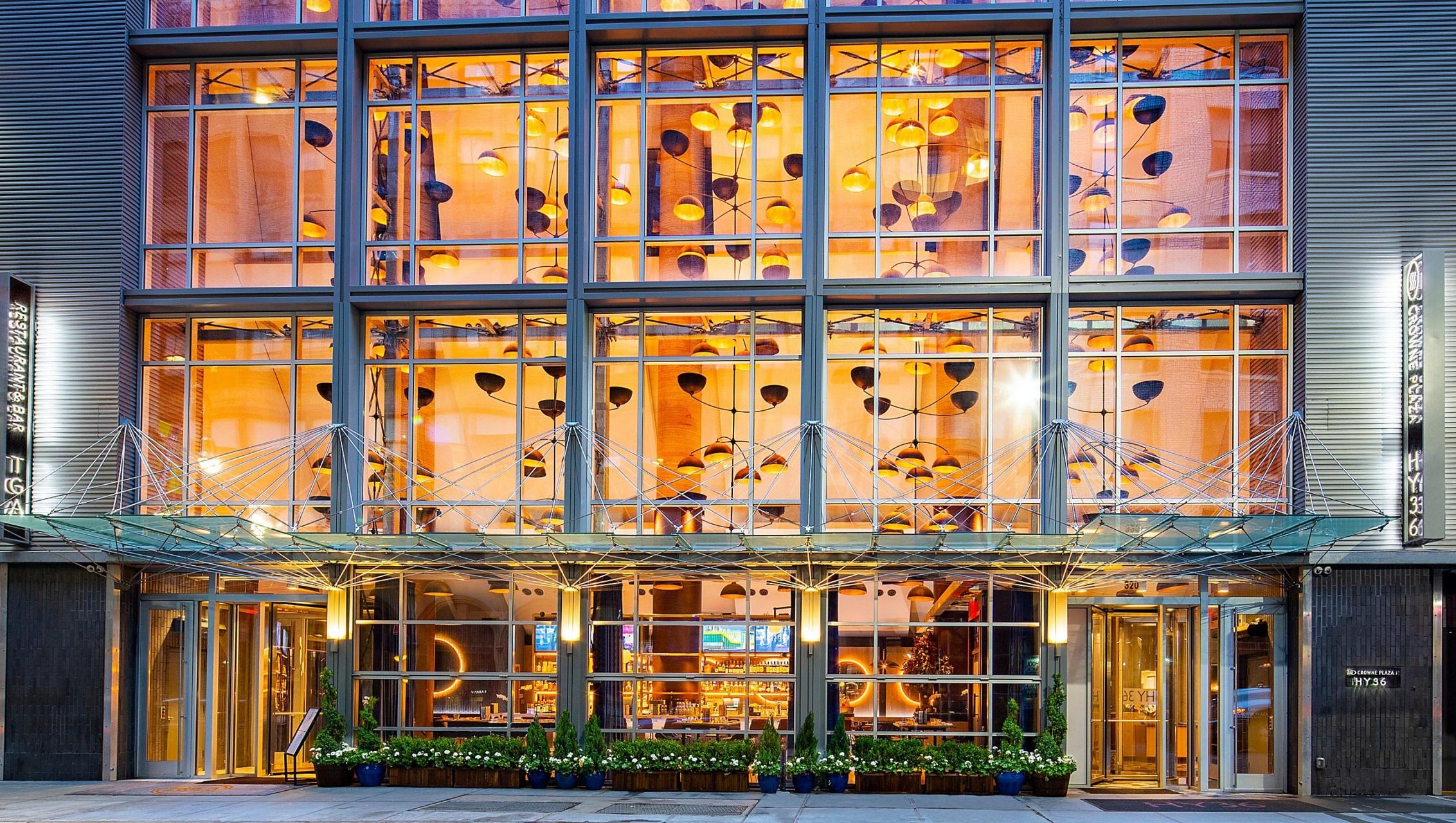
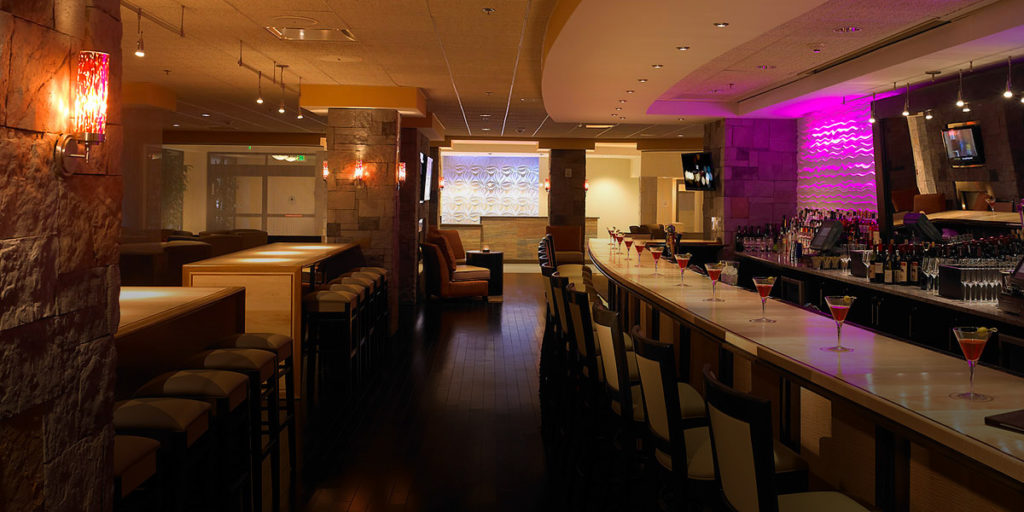
For millennials seeking minimalist hotels, this New York City property just may be the one. With a truly updated fitness center, featuring Peloton bikes and exercise machines equipped with virtual trainers, Crown Plaza makes it simple for guests to stick to their exercise routine. After meeting in the cozy Hudson Room, travelers can move over to TGA, the hotel’s signature restaurant, which features a backyard beer garden with an aesthetic perfect for social feeds.

The Strathallan

Adjacent to Rochester, New York’s arts district, and dining- and entertainment-laden Park Avenue, The Strath’s notable dining options include

Char Steak & Lounge, which has been on the city’s must-dine list since 2012, and Hattie’s rooftop lounge, which features 3,300 sq. ft. of outdoor gathering space, included in the property’s 6,100 sq. ft. of space.

W South Beach

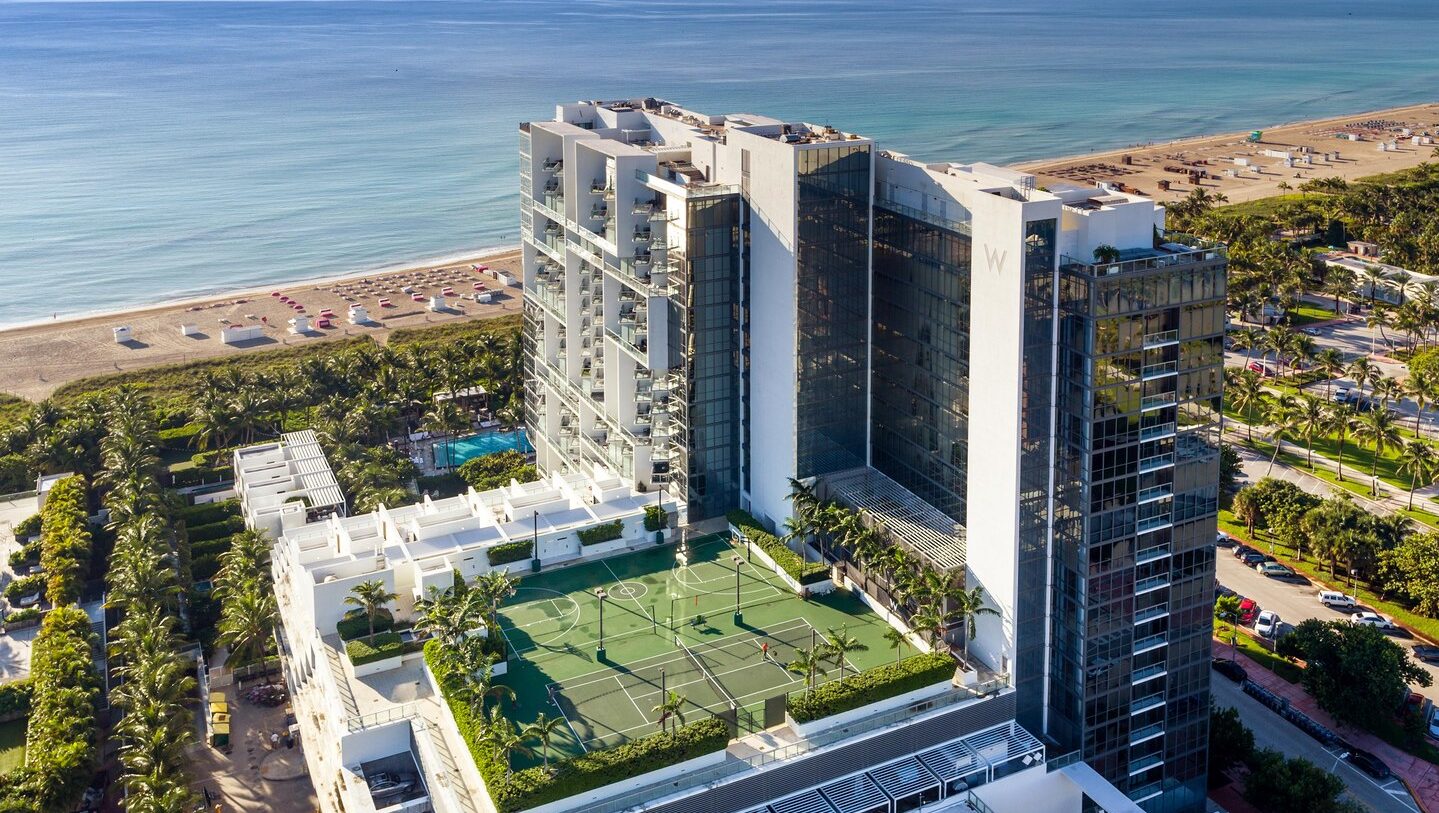
With both meeting space and entertainment options in abundance, W South Beach in Miami Beach could be an ideal option for your next event. The more than 14,500 sq. ft. of meeting space includes seven meeting rooms. W South Beach is close to Miami’s hotspots and home to its own hotspots, including Living Room bar and Irma’s, which hosts some of the city’s most renowned DJs.

AC Hotel Grand Rapids Downtown

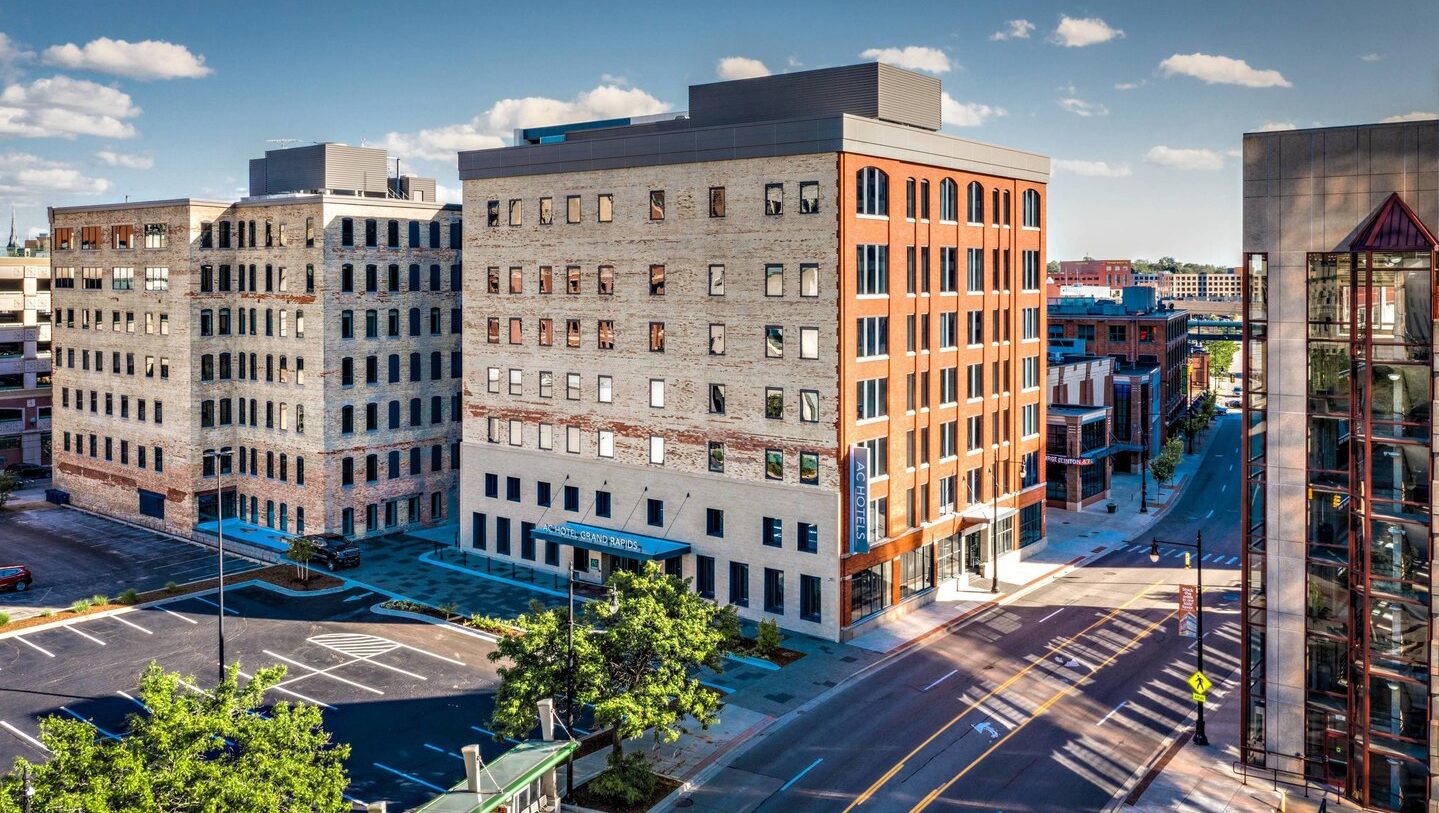
The modern touch of AC Hotel Grand Rapids in Michigan is perfect for new-age travelers seeking simplistic design and workspaces that don’t follow tradition. The AC Library, the property’s in-house library, serves as a quiet place to get work done or feed the mind with books it has on hand. While the hotel doesn’t feature much event space, it’s just steps away from 162,000-square-foot DeVos Place convention center.

The Reach Key West, Curio Collection by Hilton

This one’s for the millennials who love cozy, outdoor spaces. More than 4,000 sq. ft. of space looks out over the Florida island and into the sea. The Reach underwent a multimillion-dollar renovation in December, and in addition to the refreshed guest rooms and meeting space, the courtyard was enhanced so that the life-size chessboard can double as a dance floor and event space.

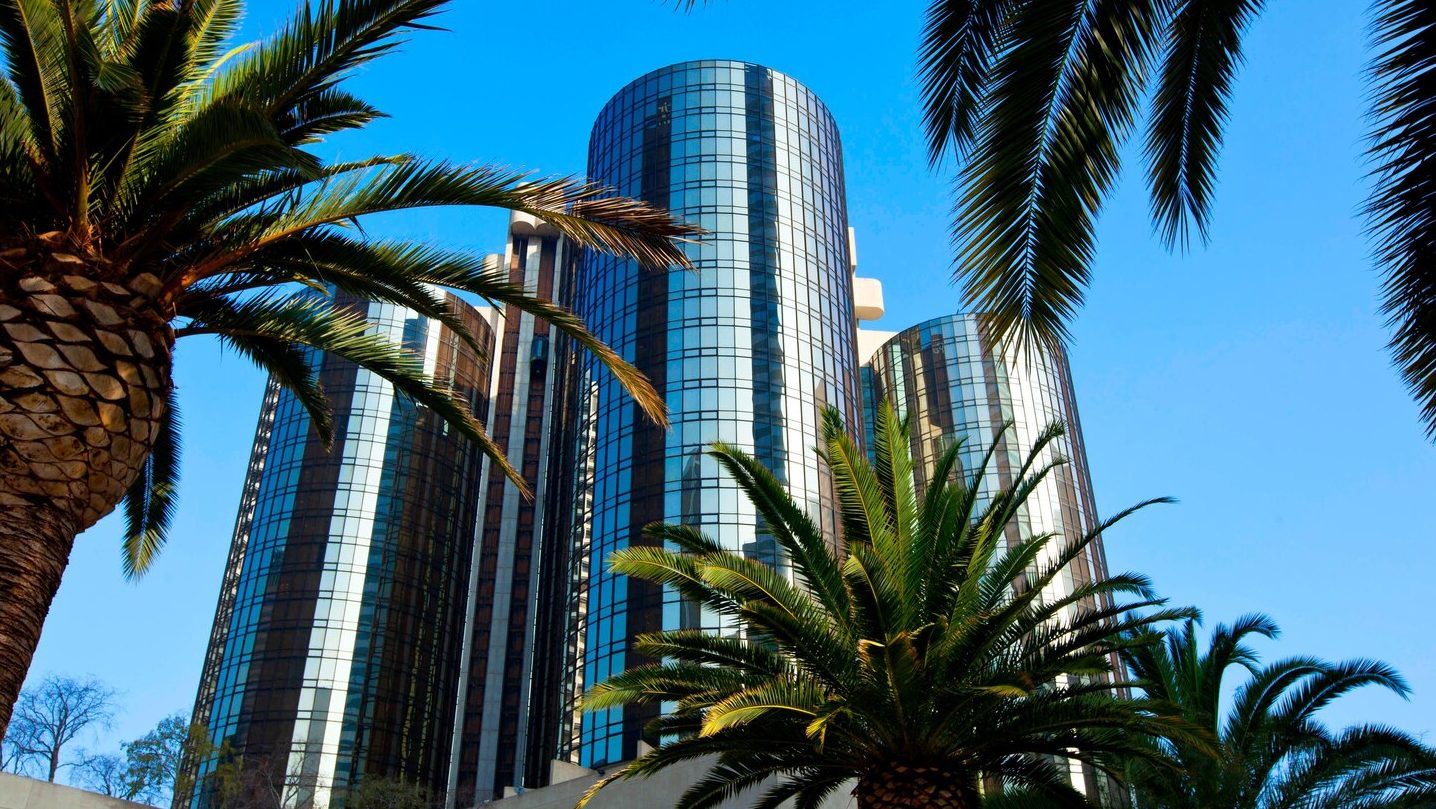
 The Westin Los Angeles

Peloton bikes are available in this hotel, too—inside of guests’ rooms. For guests who prefer to take their activity outside of the room, The Westin provides New Balance rental gear in case proper clothing was left behind. And if you feel the need for something more exciting, an on-site surf concierge can set you up with surf lessons.

Faced with major renovations following the devastation caused by hurricanes Maria and Irma in September 2017, El San Juan Hotel has rebounded in a big way with back-to-back renovations totaling more than $125 million, and now has joined the prestigious Fairmont Hotel & Resorts collection.

Renamed Fairmont El San Juan Hotel, it is set on Isla Verde Beach, close to Old San Juan, the downtown San Juan area andLuis Munoz Marin International Airport (SJU).Its famous historic features—including magnificent crystal chandeliers, hand-carved mahogany ceilings, cabaret stages and a 300-year-old Banyan tree—have been retained.

“We are bringing back the late ‘50s Havana-style, when everyone dressed up elegantly,” Managing Director Martin Smith told Forbes, adding that in lobby bars bartenders don white tuxedos with black piping, while waitresses wear long flowing skirts with white blouses.

These touches blend seamlessly with modern spaces such as the 388 newly renovated guest rooms, suites and villas, and cutting-edge Well & Being Spa.

“You walk in and you see it—it’s already a Fairmont,” Andro Nodarse-Leon, a partner at Leon, Mayer & Co., told Robb Report. (Leon, Mayer & Co. is a Miami-based private equity firm that purchased the hotel in 2015.) “You have that sense that it’s an important place within the community and the city.”

The hotel also features four pools with swim-up bars and luxury cabanas, a pro-level tennis court, 11 food-and-beverage venues and water sports rentals for jet skis, banana boats and parasailing. It provides nearly 40,000 sq. ft. of meeting space, including the newly renovated 11,040-square-foot grand ballroom.

Designed by famous Miami Beach architect Morris Lapidus, the resort first opened on February 1, 1958. Lapidus also created the Fontainebleau and Eden Roc hotels in Miami Beach. By the 1960s, it had become a magnet not only for the island’s high society, but also the jet set, often hosting celebrities the likes of Frank Sinatra, Sammy Davis Jr., Liza Minelli, Nat King Cole, Eddie Fisher and Carol Channing. But as it passed through different owners and management companies over time, the hotel lost some of its luster.

A $60 million renovation in 2017 brought back some of the old glamour. But hurricanes Maria and Irma hit just two months after renovations were completed. Much of the property was under as much as four feet of water, and the widespread damage prompted a new $65 million renovation.

“I’m looking forward to 2020 being the first year with the hotel entirely complete, so that we can see all that come to life again,” Nodarse-Leon said.

Read more about Puerto Rico’s recovery from recent hurricanes and what groups can do to help in “After Disaster: When Hurricanes and Earthquakes Sink Caribbean Economies, Groups Become a Lifeline,” in the February issue of Smart Meetings.

In this age of wellness, the mainstream focus is turning away from “powering through” until inevitable burnout, then slapping a prescription on whatever symptoms result. Now comes the age of self-care, of taking preventive measures… of facial oils with crystals in the bottle to infuse your skincare with sprightly energy.

Somewhere between those cosmetic marketing techniques and your new awareness of the lymphatic system, there are simple steps to embracing well-being. A little goes a long way—and doubly so when attempting to make travel healthy.

BEI San Francisco is one of the properties looking to make self-care seamless. Wellness-inspired programming ranges from on-site acupuncture and yoga sessions to breakfast sessions where guests and locals alike can merge in the coworking floor space to hear speakers on a range of topics. The re-flagged and newly renovated hotel seeks to bring its “Stay, Work, Play” motto to visitors as well as the surrounding community.

Here are three everyday takeaways inspired by BEI Hotel’s outlook.

Take Time to Breathe

Often, self-care practices such as fitness or meditation are regarded as extracurricular, to be indulged if the to-do list is finished. But wellness initiatives need to be prioritized to have an effect. Begin with what’s free, easy and can be done anywhere—breathing.

At the BEI Breakfast Series, Magali Mathieu, co-founder of AtlasGo, asked listeners to put down their parfaits and begin with three deep breaths. She spoke about how integrating wellness practices into her startup began with developing her personal attention to them—as she did when she devoted months of weekends to completing her yoga teacher training.

During that time, her co-founders said they were initially concerned that she wouldn’t have much energy for running the business while pursuing yoga, but they ended up seeing the exact opposite—she had better energy, presence and focus.

A few deep breaths make a difference; deep breathing activates your parasympathetic nervous system, the reparative “rest and digest” mode that slows the heart rate and lowers blood pressure. Take the space between these paragraphs to practice.

There’s Always Time for Movement

An article last year in The Guardian about health initiatives at the office mentions the work of Dr. James Levine, an endocrinologist whose research helped prompt the surge of standing desks. While a standing desk can be a good alternative, the issue is not standing over sitting: It is moving over not moving. The lack of motion is what leads to the ill effects noted in Levine’s research.

Whether this immobility takes place at the office or from sitting in the airport for one hour, on a plane for three hours, in an Uber, or at meetings and meals, the effect is the same. An hour at the gym won’t undo 12 hours of sitting.

Some hotels are looking beyond the standard treadmill-stuffed gym to provide guests with opportunities to combat this sedentary set-up. At BEI San Francisco, guest rooms are equipped with stability balls and yoga classes are offered on site. Future programming will include other fitness classes, as well as workouts accessible from in-room televisions.

Community Integration

Wellness is also about human connection. Integrating hotel spaces and amenities with the local community is a trend that’s not slowing down. This can be done via inviting the community in to shared coworking spaces and programming (as BEI San Francisco does) as well as by showcasing the surrounding area through local art, music, history, and curated food and beverage. This makes travelers feel more engaged with the place they visit. It also prevents cities and communities from feeling like they’re overrun by hotels and tourists, with no benefits gleaned from the exchange.

The same principles can be applied at events, where local collaboration makes everyone more invested in the outcomes and wanting to continue them.

Making It Easy

Fortunately, attunement to holistic health is center stage, ranging from social initiatives such as the Dry January sobriety pledge to Hyatt partnering with Headspace to offer meditation tech. So, take a deep breath, or 10, and walk up and down the stairs a few times. It’s only going to get easier.

In a world where gym brands, retailers and high-end restaurants are opening hotels, you may have thought you heard it all. But video game company Atari has just unveiled plans to open eight themed hotels, with the first one beginning construction mid-2020 in Phoenix.

Hotel development and design will be led by GSD Group, an agency focused on innovation and strategy, according to its press release.

Being a video game company at its core, Atari will stock its Phoenix property full of fun entertainment options, including the newest in virtual reality and augmented reality. It will also feature restaurants and, fittingly, arcade bars. Meeting space for groups remains a possibility.

Select properties will also feature venues and studios, catered to esports events and streaming video games. The other Atari properties are scheduled to open in Denver, Chicago, Las Vegas, Seattle, as well as Austin, Texas, and San Jose, California. No ground-breaking dates have been released.

Sometimes the easiest way to trigger out of the box thinking is to get attendees out of the conference room for a couple of hours. Smart Meetings asked the experts at Greater Ontario California Convention & Visitors Bureau for tips on planning a productive excursion.

1. Start with a good breakfast. Active bodies and minds require high-quality fuel. Locally sourced hearty meals, such as biscuits and gravy from Corky’s Kitchen & Bakery in Rancho Cucamonga can get everyone off on the right foot. Don’t forget to pack nuts and fruits for quick pick-me-ups later in the day.

2. Walk, Ride or Stroll. A central location with easy access to the outdoors—whether it is a hike, a bike ride or a stroll through a Bass Pro Shops’ Outdoor World—can bring a group together. Consider integrating the exercise into the theme of the meeting with team-building scavenger hunts or gratitude practice.

3. Go al fresco. Warm-weather locations lend themselves to eating outside. Enhance the experience by bringing global flavors from surrounding neighborhoods—Indian, Thai, Chinese, Taiwanese or Caribbean are now ubiquitous in Southern California now—can make the experience more exciting as attendees can try new tastes under twinkling lights with lots of fresh air on the side.

Attendees will soon have 1.4 million square feet of new reasons to love Las Vegas. The ceremonial final beam for Las Vegas Convention Center (LVCC) expansion marked a major milestone in increasing amenities groups are looking for in the No. 1 business destination. What will the addition mean for groups of all sizes? Consider this your virtual tour of the newest asset in your favorite destination.

What Will the Expansion Include?

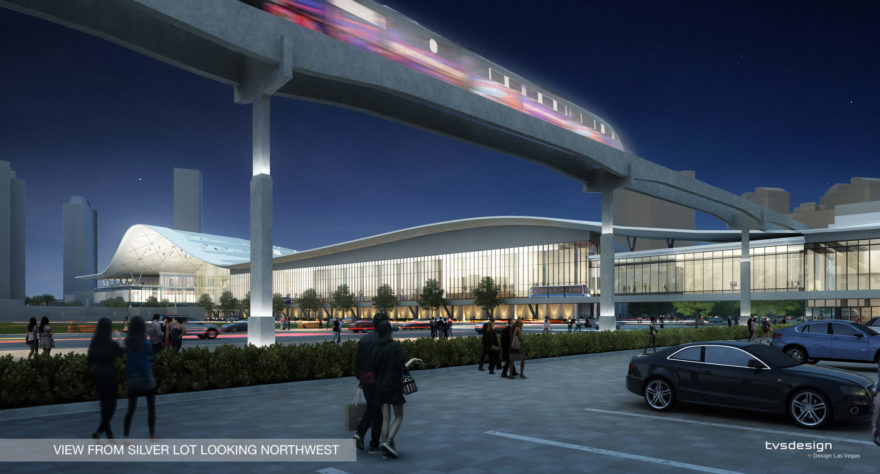
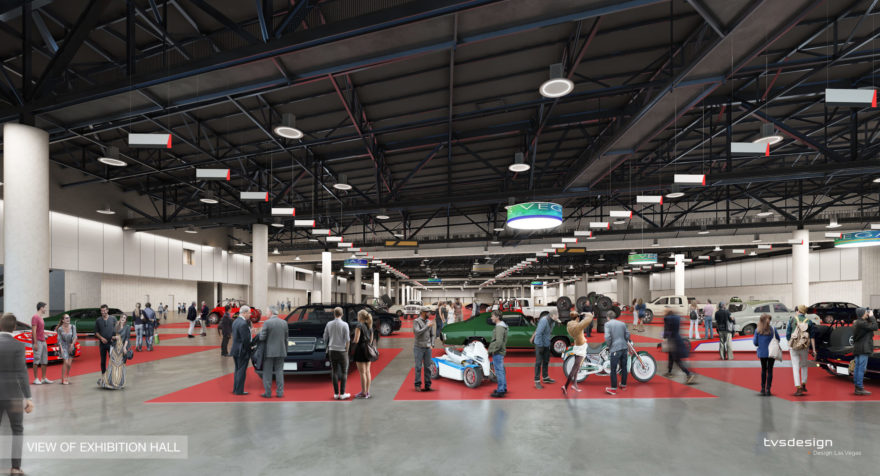
LVCC Phase Two Expansion will add a new 600,000-square-foot West Hall, increasing the total Las Vegas Convention Center campus exhibition space to 2.5 million square feet. One exposition area alone clocks in at 328,000 square feet of column-free space. Another 150,000 square feet of meeting space is flexible enough to house 80 individual breakout sessions.

The modern entrance is dramatically punctuated by an undulating porte cochere with a geometric architectural design. It shelters an outdoor terrace that affords up to 2,000 people picture-perfect city views. The interior features a calming vibe, the play of abundant natural light and interactive LED screens.

How Tech-Friendly Is It?

In addition to some of the fastest Wi-Fi speeds in the destination, integrated audio-visual equipment streamlines presentation prep and encourages audience participation. AV upgrades and the use of strategic architectural elements also make safety provisions easier and more efficient.

One of the most exciting innovations taking place on the campus of the LVCC is a high-speed people mover now being drilled 40 feet underground by Elon Musk’s The Boring Company. Autonomous Tesla shuttles will whisk attendees between three passenger stations, connecting the existing 3.2 million square feet of LVCC’s space with the new 1.4 million-square-foot West Hall, turning what was a 15-minute walk into a 1.5-minute ride.

When Can Groups Experience the Expansion’s Amenities?

Phase Two will open its doors in December 2020, just in time to welcome CES. Phase Three will bring the existing 3.2 million square feet of space at the 60-year-old existing facility up-to-date by 2023. Construction for the LVCC expansion and renovation project has been meticulously planned in phases so space will always be available to accommodate groups while these transformational upgrades are taking shape.

Jeffrey Saunders, the president, CEO and co-owner of Saunders Hotel Group, recently passed away. He represented the third generation of his family’s hotel business, based in Boston.

Saunders graduated from Cornell University School of Hotel Management in 1979. He then started his career at The Ritz-Carlton Boston and Waldorf Astoria Hotel in New York City before joining the family business.

He was very active in the hospitality industry. Saunders helped fund and redevelop various projects around Boston, including Loews Boston, which opened in 2004 on Boston’s Berkeley Street, and Comfort Inn & Suites Logan Airport, which debuted in 2000.

In addition to his contributions to the hospitality industry, he also was heavily involved in philanthropic and civic activity. He was a board member of Combined Jewish Philanthropies, The Friends of the Boston Park Rangers and various other charity organizations. Saunders was past president of Massachusetts Lodging Association and served as president of the New England Chapter of the Cornell Society of Hotelmen. He also was a board member of Greater Boston Convention & Visitors Bureau.

Saunders acted as a delegate at the White House Conference on Travel and Tourism and was a member of the board of advisors at Boston University School of Hospitality Administration. He also served on the board at Elizabeth Bishop Wine Resource Center at Boston University, and was the founder and chair of New England Hotel Lodging Roundtable.

He is survived by his wife, Debra, and two children, Stephanie and Alexander.

A robot named Cute Little Peanut is serving room-service meals to avoid human contact with quarantined air passengers wearing face masks who flew from Singapore to Hangzhou, China, this week. United Airlines, the largest U.S. carrier operating in China, cancelled 24 flights between the United States and China because demand has evaporated. North Korea closed its border with China, and 17 Chinese cities have imposed lockdowns. Thailand, which relies heavily on Chinese visitors, says it’s expecting a $1.6 billion loss in tourism revenue with the lockdown on Chinese cities and banning of tour groups.

MoreHow to Protect Your Attendees from Coronavirus

The continued spread of coronavirus is to blame, of course. The death toll from the deadly virus that is believed to have originated from bat meat sold at a market in the city of Wuhan, China, now exceeds 100. Cases have been reported in at least 13 other countries, although no deaths have yet resulted outside of China.

The Centers for Disease Control and Prevention has advised travelers to avoid all nonessential trips to China and has issued a Level 3 travel advisory to the entire country.

With the attention of the world riveted on this spreading public health crisis, what has been the impact on group travel, conferences and planners—many of whom may have worked a year or more to stage meetings in China? Or who are depending on important attendee contingents or keynoters from that nation?

“I have been impressed how all countries have taken this crisis very seriously and how quickly and efficiently they have worked to limit and contain the virus. Clearly everyone remembers and has learned from the SARS epidemic from years ago,” says Catherine Chaulet, president and CEO of Global DMC Partners. “Clients have already reached out to us about their programs in China; however, most are requesting more information or to delay their programs versus canceling. However, as we know from other cases, things can change rapidly as the knowledge of this risk and the progression of the virus is gathered. We will continue to monitor the situation carefully and advise our clients accordingly.”

One of the many planned events put in limbo is DEF CON China 2.0, a top cyber-security conference that was set to take place in Beijing April 17-19. “China has announced a six-month hold on events like ours as part of the effort to combat the coronavirus outbreak,” the DEF CON team said in a forum post. Organizers have yet to officially cancel their gathering, hoping that the crisis will abate by spring, or that they can secure a later date.

A major Huawei developers’ conference, HDC.Cloud 2020, scheduled in Shenzhen Feb.11-12, has been pushed back to late March, according to the event’s website. The conference serves as the telecom giant’s primary event for IT developers.

The virus’ impact on travel is not limited to China. Some 20 U.S. airports are now screening incoming passengers from China for the virus. However, USA Today notes that the first two U.S. cases, in Seattle and Chicago, involved travelers who didn’t show symptoms at the airport. Understandably, the situation makes some people wary of visiting airports and flying, especially without masks, which by all accounts have proliferated in airport concourses.