Don’t get locked into your own limited point of view. See the world through someone else’s lens.

Travel may be one of the greatest opportunities to change your perspective about, well, anything. Immerse yourself in a different culture and a stroll down the street, your morning coffee, or a chat with a local shopkeeper take on completely new meanings. Go a little deeper to learn about the history, economy and education system of the country and it might change your perspective about your own.

WatchWhat’s New in Travel?

My husband and I recently returned from Vietnam, where we traveled the country from Hanoi in the north to Hue in the central region and to Ho Chi Minh City, formerly Saigon, in the south. Vietnam was a revelation in terms of perspective-shifting. I was in high school during the Vietnam War and lived in Japan when it officially ended, but was still going on clandestinely, so I was relatively familiar with its history. But the fact that what I’d always known as the Vietnam War was called the American War in Vietnam came as a surprise.

Why?

Because I was locked into my own limited perspective. But now I was seeing history through the eyes of people who had experienced it. Visiting the War Remnants Museum, which traced the history of the war through photo-journalism, maps and machines of war was sobering, to say the least. But the vibrancy of the culture, the friendliness of the people and the freshness of the food were all delightful. It gives me hope that peace among countries, or even across the dinner table, is possible.

Imagine what would happen if you consciously shifted your perspective to let in alternate viewpoints about work, relationships, food, politics­—really anything. Rather than prejudging or limiting your inputs, imagine spending a day or a week or a lifetime looking at things from a completely different point of view from your own. If you feel resistance, that’s okay, just try it out for a few minutes to see what it feels like.

See also3 Biggest Travel Stories of 2019

Here are some tips to help you shift your perspective and broaden your horizons—geographic and otherwise.

  • Have an open and honest conversation with someone whose views are fundamentally different from your own. Many of us shy away from discussing thorny issues like politics right when we need those conversations more than ever. But if that’s too dicey for you (and, believe me, I understand), try talking about sports, hobbies or careers. You might discover ideas that you’ve never even considered.
  • Shake up your routine. Take a new route to work, try a new cuisine, volunteer for a cause, or just change the wallpaper on your computer desktop. Anything new can give your brain a wake-up call as potent as a shot of caffeine.
  • Turn off the negativity. Establish a no complaint zone at work or home and see how people adjust to it. Stay away from the news or Instagram for a day or two. You might find new ideas popping up unprompted or wells of optimism that you’d forgotten existed.
  • Trust that tomorrow may actually be better than today. Sometimes when we face a challenging time, we convince ourselves that life will always be struggle or that we’ll always be the ones playing catch-up. It’s just not true. Look for the lesson in the hardship, even if it’s a painful one, and trust that things will change. They always do.

Libby Gill is the author of Traveling Hopefully and popular keynote speaker.

Update: On Jan. 24, the U.S. State Department issued a Level 4 “do not travel” advisory for the central Chinese province of Hubei and a second case was confirmed by the Chicago Department of Public Health. 

Now that a particularly severe strain of coronavirus has infected hundreds in Asia, caused nine confirmed deaths, shut down ground and air transportation from the town of Wuhan, China, and been confirmed in the United States, protecting attendees from the disease has to move to the top of planner checklists. Smart Meetings talked to the experts for best practices.

What Is 2019-nCoV?

World Health Organization (WHO) describes the new virus as having pneumonia-like symptoms, including fever, headache, cough and sore throat. It may have originated in a market in China in December and has since been reported in Thailand, Taiwan, Japan and South Korea. This week, a traveler returning from Wuhan, China to Seattle, Washington, was diagnosed as having coronavirus by the Centers for Disease Control. Five U.S. airports—Chicago O’Hare (ORD), Hartsfield-Jackson (ATL), John F. Kennedy (JFK), Los Angeles International (LAX) and San Francisco International (SFO)—have begun screenings for passengers coming from that area in China. WHO is warning that some “super-spreaders” are highly infectious and can spread the disease through coughing or sneezing.

Editor’s Note: On Jan. 23, Tim Hentschel, CEO of HotelPlanner reported that he has seen a 30 percent decrease in travel into China and a 12 percent drop in Chinese groups traveling outside of China. He expects the percentage of cancellations of outbound Chinese groups to increase as the Chinese Government takes steps to quarantine Wuhan. In total, more than 375 groups have been cancelled in the last two weeks. “Group travel tends to be hit hardest by these types of issues,” he said. 

What Can Planners Do?

WHO is recommending the frequent handwashing and covering coughs and sneezes, but has not yet issued an international public health emergency.

John Ayo, author of Travel Balance: A Unique Health Guide for Your Journey, suggests that in addition to standard hygiene precautions, planners take the time to boost their own defenses and the resiliency of attendees using the same strategies he recommends for any flu season. “Needing to know the name of the virus is like needing to know the label on the beer bottle that hits you over the head,” he says. “The key is increasing your immune system.”

Following are his tips for you—and your guests:

  • Eat immune-boosting herbs such as oregano and garlic (you could even talk to the chef about incorporating them into the meal)
  • Limit sugars (that includes most alcoholic cocktails, although liquors such as vodka and whiskey contain little sugar)
  • Make hygiene convenient (set up hand-washing and sanitation stations)
  • Schedule sun and exercise time (yoga in the morning or afternoon scavenger hunts make it communal)
  • Limit contagion between guests (introducing fist-bumps and happy-face masks is a fun way to keep any bacteria isolated)

We attended a stopover near Smart Meetings’ offices by Visit Anchorage, the DMO for Alaska’s largest city (pop. just under 300,000). Here are key takeaways for planners.

Myth: It’s too cold and too far. In fact, the average high temperature in July is 65 degrees; in January, it’s 22 degrees. There are 240 daily flights to Anchorage on major airlines; from Chicago, flight time is 6 ½ hours; Seattle is just over 3 hours away by air. Downtown from Ted Stevens Anchorage International Airport (ANC) is a 15-minute ride.

Reality: 1,500 moose wander the city and surrounding area. In the vicinity are approximately 310 black and brown bears, 300 beluga whales, 2,400 Dali sheep and 150 beavers. Never fear: Visit Anchorage representatives will show up at your prior year’s event to overcome moose anxiety, and they can even bring along an Iditarod Trail Sled Dog Race musher with puppies (!) to promote record attendance.

Where to Stay

There are 8,700 hotels rooms in Anchorage, with 3,000 near newly renewed William A. Egan Civic & Convention Center (45,000 sq. ft. of flexible meeting, exhibit and prefunction space) and Dena’ina Civic and Convention Center (nearly 200,000 sq. ft.).

Where to Meet

Major meeting hotels are Anchorage Marriott Downtown (392 guest rooms, 14,729 sq. ft. of meeting space); Hotel Captain Cook (546 guest rooms, a 9,000-square-foot ballroom and 14 meeting rooms) and Sheraton Anchorage Hotel & Spa (370 guest rooms, 23,317 sq. ft.).

For smaller gatherings and incentives, check out The Lakefront Anchorage (248 guest rooms, 9,000 sq. ft. of meeting space), a Millennium property situated on Lake Hood within the city; the lake is the world’s busiest float plane base, for flightseeing and fishing trips, and the hotel is headquarters of the Iditarod race.

Forty miles south of Anchorage, Alyeska Resort (300 guest rooms, 9,000 sq. ft. of meeting space plus 15,000 sq. ft. of special events space) is tucked in the Chugash Mountains and excels as a luxury base camp for summer and winter excursions. In ski season, it offers the longest continuous double-black diamond ski run in North America.

Unique meeting and event spaces include Anchorage Museum (24,000 sq. ft. of new exhibit space) and Alaska Native Heritage Center, which celebrates the state’s 11 major cultural groups on 26 acres just outside downtown.

What to Do

Seasonal outdoor activities abound. These include glacier cruising on boats that carry from 70 to 240 passengers, whale watching, Northern Lights viewing, salmon fishing, gold panning, hiking, biking and skiing in the Chugach Mountains and national parks.

Cultural options include concerts and dance at Alaska Center for the Performing Arts, and summer music festivals and other events round out the year. A lively craft brewing scene and more coffee shops per capita than anywhere in the United States are available anytime. Anchorage has no sales tax, so shopping for Alaska Native art becomes even more enticing.

An online meeting planning toolkit for planners can be accessed at anchorage.net.

Eduardo Fernandez

Fernandez is the new general manager of Royal Sonesta Boston. His most recent position with Sonesta was at Sonesta Fort Lauderdale Beach in Florida, where he was general manager. His career began at Le Centre Sheraton Hotel and Towers in Montreal; he later worked for various other Sheraton hotels in New York, Delaware and Miami. He also spent two years serving as general manager of B Ocean Fort Lauderdale.

Philip Yi

Yi has been promoted to vice president of marketing and communications for Omni Hotels & Resorts. Previously, he was vice president of digital commerce and corporate strategy. Yi also serves as an advisory board member for 6DOS, a computer software company.

Andrew Rubinacci

Omni Hotels & Resorts named Rubinacci its chief commercial officer. He initially served as senior vice president of revenue management and global distribution, a role he took on when he first began working with Omni one year ago.

David Kerr

The Setting Inn Napa Valley in California selected Kerr as its general manager. He began working in the hospitality industry as front desk manager at Monarch Beach Resort in Dana Point, California, and later climbed the ranks to serve as rooms controller, night audit and revenue analyst there. Kerr became hotel manager at Timber Cove Resort in Jenner, California, and three months later, became revenue manager, a position he holds, in addition to his general manager post, at The Setting Inn.

Rachel Wilson

Wilson has been promoted to general manager for Kimpton Hotel Vintage Portland in Oregon. She first worked for the property as assistant general manager in 2018. Before joining the Kimpton family, Wilson worked for, and quickly climbed the ranks at, various independent and Crowne Plaza properties in California.

Peter Twachtman

Twachtman is now CEO of Lark Hotels, based in Amesbury, Massachusetts. Prior to this appointment, Twachtman was corporate director of operations and then chief operating officer at Migis Hotel Group in Portland, Maine.

Mike Waddell

Waddell is the new general manager for Hyatt Regency Indian Wells Resort & Spa in California. He recently served as general manager for Andaz Scottsdale Resort & Bungalows in Arizona. Waddell has been with the Hyatt brand for two decades, beginning at Hyatt Regency Indian Wells as a valet attendant and subsequently serving as sales manager. He later worked in various roles within the company, including vice president of sales for Hyatt’s Europe, Africa, Middle East and Southwest Asia regions.

You have planned every last detail of your event and you expect your client to love it. From the top-notch speakers to the world-class food, it appears that everything is going to be great—until one of your attendees confusedly asks, “What happened to the Wi-Fi?”

Not only do attendees want to plug their personal devices into the network—your speakers also rely on a strong Wi-Fi connection to load their presentations, not to mention its importance to various sound and lighting systems. Luckily, there are a few steps you can take to ensure your facility’s Wi-Fi is smooth and efficient.

Here are three Wi-Fi issues an event planner should consider before deciding on a venue.

Density

As devices get smaller, people are increasingly travelling with more than one. Gone are the days of just one device per person; instead, we live in a world where corporate event-goers may have two or three devices each. With so many devices connected to the same Wi-Fi network, you need to make sure your chosen venue has appropriately configured network infrastructure.

Besides making sure all your attendees can connect to the Wi-Fi, you also need to ensure that they can access it from anywhere in the venue (yes, they may want to watch Netflix in the bathtub after that breakout session in the garden).

Device Diversity

As you will most likely have dozens to thousands of devices connecting to a single network, clear visibility in it is imperative to quickly spot and resolve any issues that may arise. You may want to ask staff at your venue if the network will continue to perform well when diverse demands are placed on the bandwidth.

Critical Wi-Fi Analytics

Where there is tech there must be tech support. When choosing your venue, ask what kind of wireless support systems are in place and which insights are provided. Wi-Fi support systems are essential if you are to avoid long periods of annoyance and frustration. One company, Wyebot,  claims it can provide problem and solution identification that results in “a 90 percent reduction in mean-time to problem resolution, a 50 percent reduction in Wi-Fi problem tickets and reduction in onsite problem-solving visits by up to 80 percent.”

The Westin Dallas Fort Worth Airport

The hotel’s 506 rooms were recently re-energized with new decor and furnishings, as were its restaurant and fitness center. It boasts 34,701 sq. ft. of meeting space—and provides complimentary shuttle service to the airport. A cool feature for those who don’t like missing a workout: their Gear Lending program lets you borrow freshly laundered New Balance gear (even shoes) so you can pack light and still get a sweat on.

Virgin Hotels Dallas

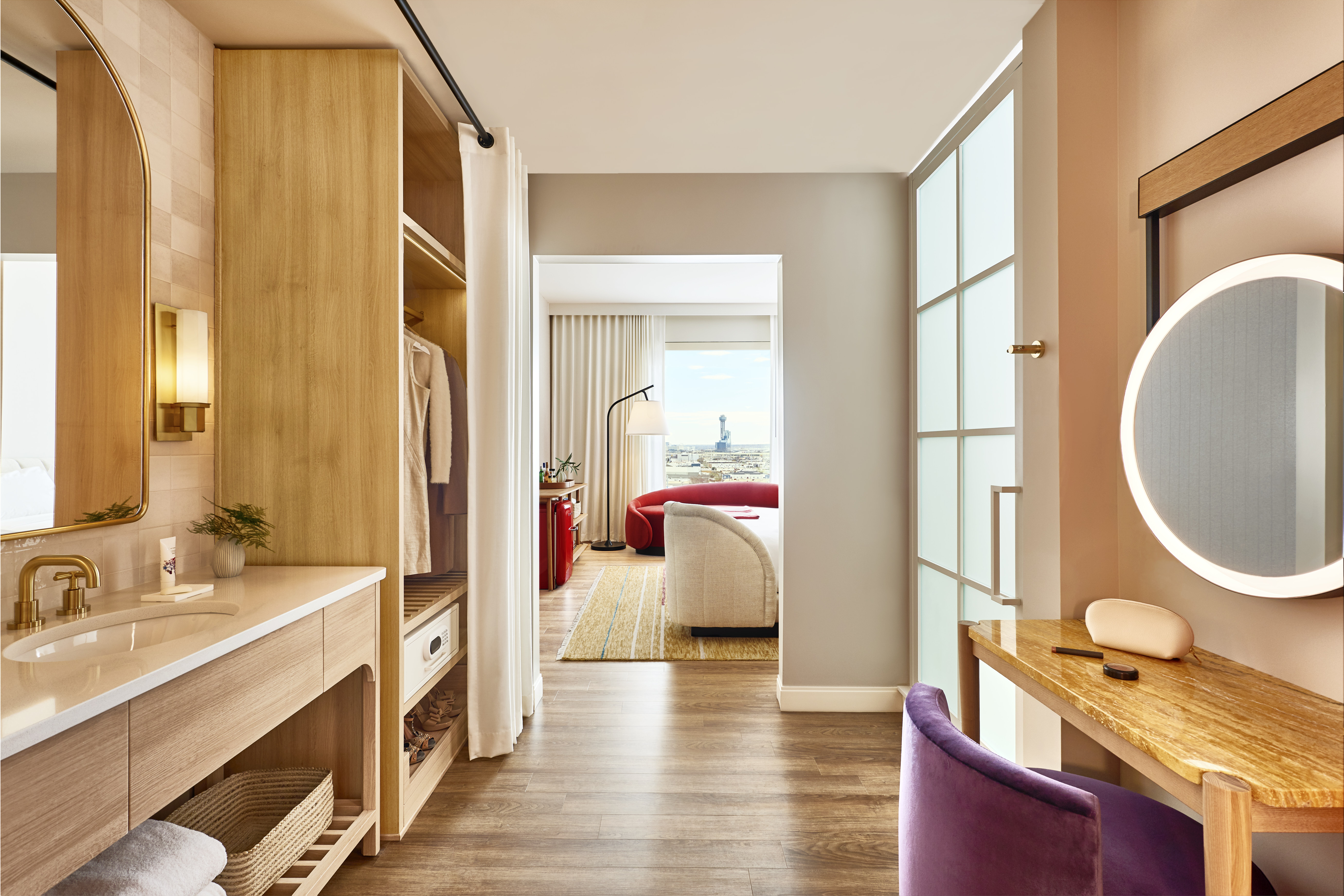
The third location after Chicago and San Francisco, this Dallas hotel has more than 15,500 sq. ft. of meet space, including a Secret Garden and an Adult Playground. Its 268 chambers (not “rooms”, mind you) are chic and bright, many with sweeping views of the city. Virgin Hotels have got the tech-integration down, offering a Personal Comfort Assistant app called Lucy, who does everything from ordering room service while you’re still on the town to getting your extra towels delivered.

AC Hotel by Marriott Washington D.C. Downtown

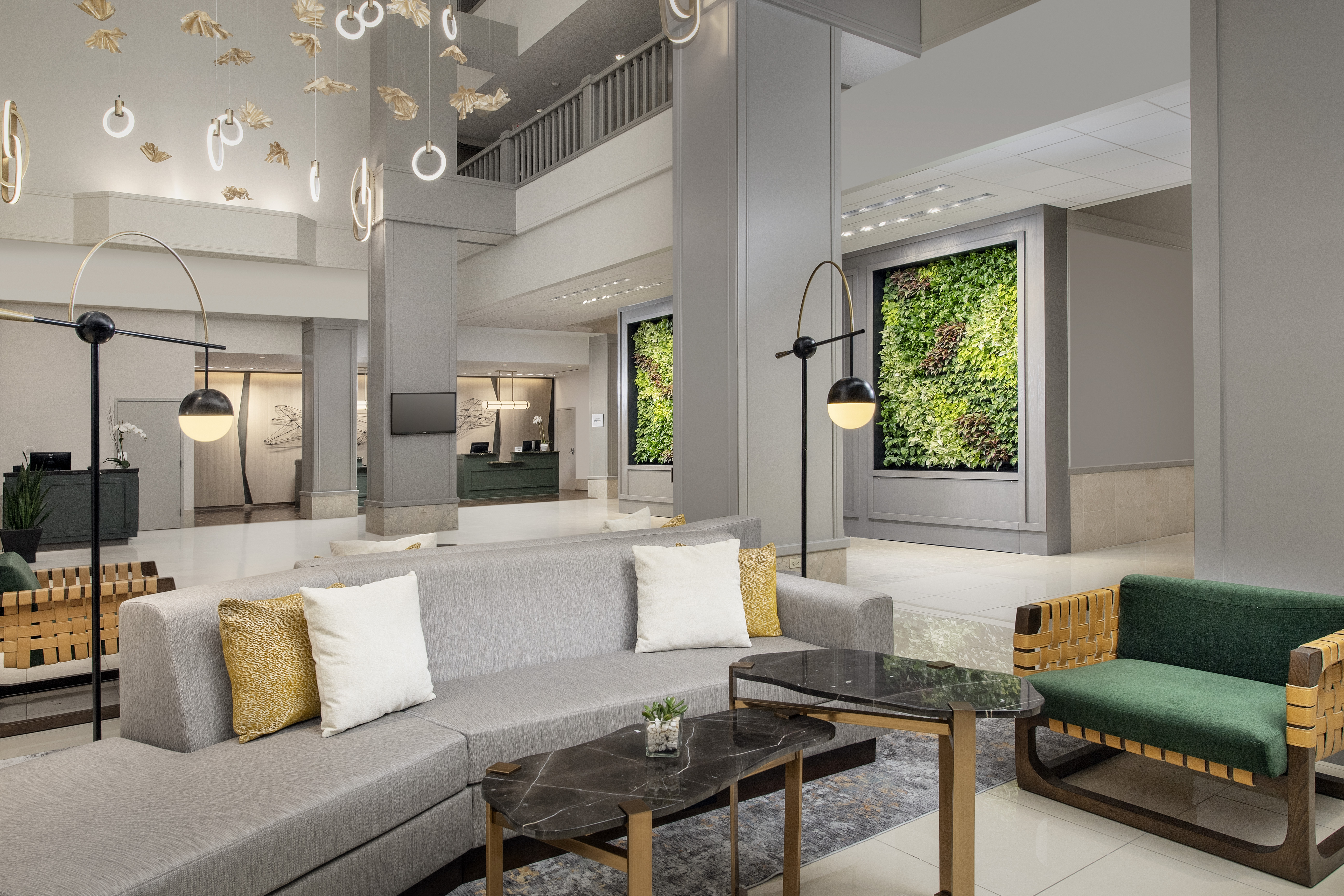
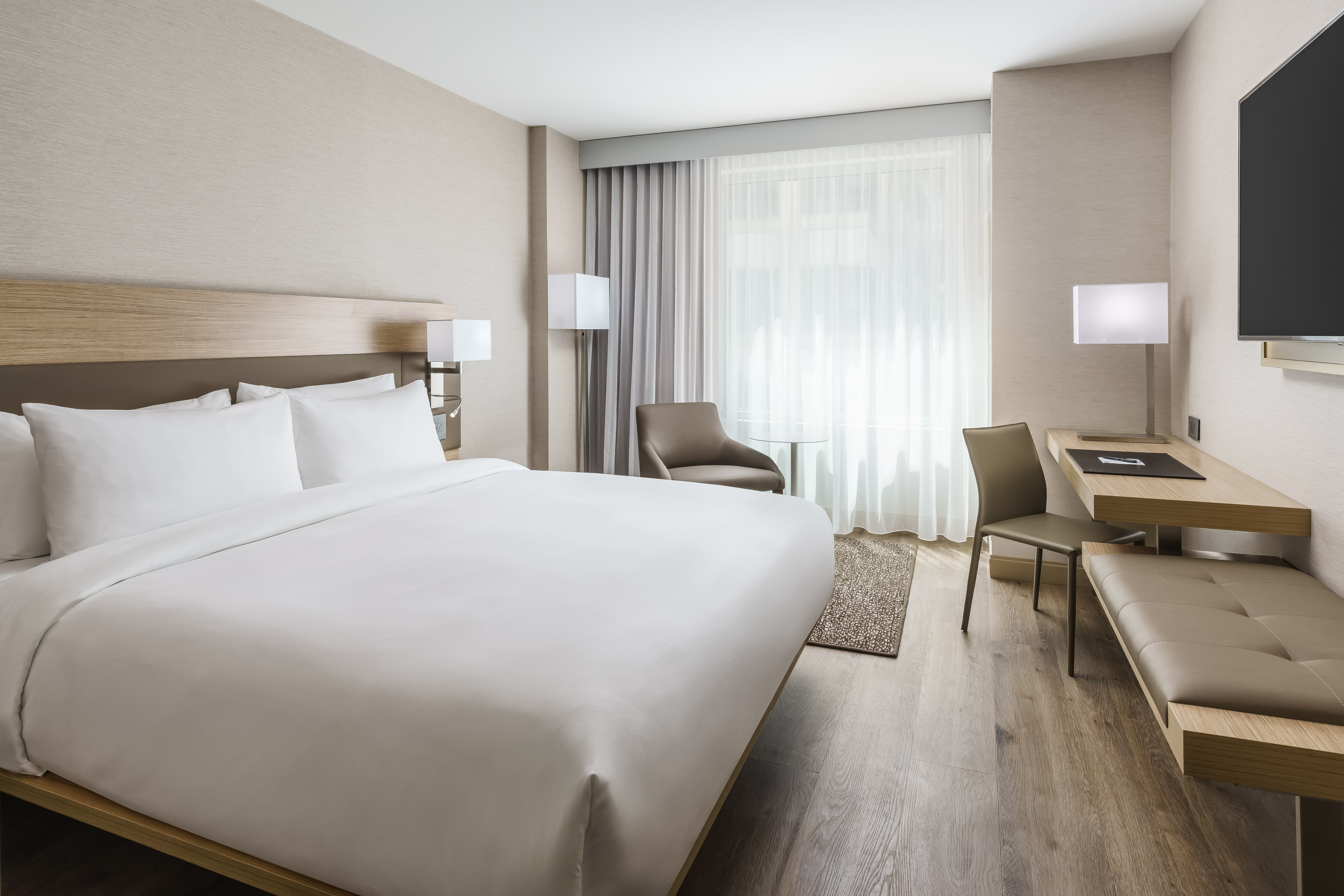
This AC Hotel is the first new hotel building in the Golden Triangle of D.C. in 50 years. It’s 219 guest rooms feature plush but simple style, and the signature AC Lounge in the hotel lobby serves up elevated buffet breakfast and afternoon craft cocktails. Make good use of events space for up to 125 guests with on-site AV and European-inspired catering.

Generator Washington D.C.

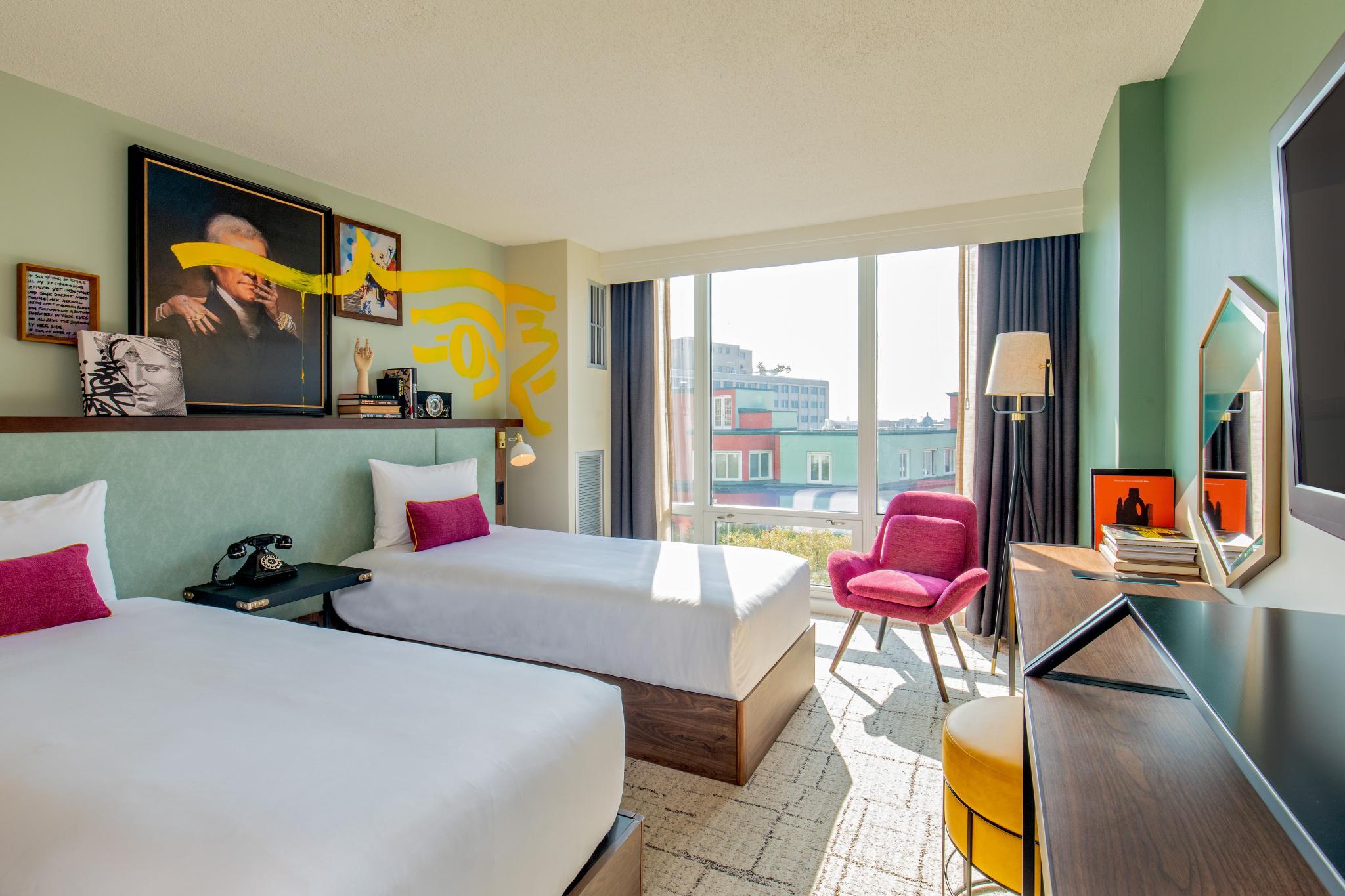
Disrupting the divide between luxury and communal lodging is the first U.S. location from Generator Hotels. The Dupont Circle area site, conceptualized by Studio 11 Design, features 376 beds in 148 rooms –there are modern, luxurious hostel-style rooms, but there are also plenty of private options, including private bunk rooms. Generator also hosts programming, like walking tours and happy hours to keep it social. Room reservations open January 2020, with definitely-not-hostel dining and communal spaces to be fully complete by Spring 2020.

Most planners travel a lot. They are productive people, making it happen from California to Paris and everywhere in between. Traditionally, sourcing venues starts when a meeting or event is presented (or assigned), we seek out the right venue and then book the perfect space. One secret for finding that just right venue is maintaining a practice of continually seeking out other spaces to site while traveling.

There are many positive reasons to do an additional site or two when you are on the go, but none more important than having your own virtual filing cabinet in your brain of the places you’ve been and seen first-hand. Here are some secrets to developing your own resource treasure trove.

Know what’s in the market

You’re hosting your meeting or event at what’s known as the best hotel in Atlanta…but do you know who their competition is? Have you seen their space? Many suppliers make it a practice to ‘shop’ their comp set. Yet, very few planners do unless we’re sourcing a specific program and city. If your client says, “I heard that XYZ property has a rooftop terrace where we can host a dinner,” you want to be able to confidently respond, “I was actually there last month and yes, it’s outside but it’s a horrible view and wouldn’t work for more than 100 people.” That requires checking out more than just the host venue.

Utilize your partners

Make site visits productive and timely. I love working with my convention and visitor’s bureau and trusted hotelier partners for this. I let them know when I have 2 hours and want to see a variety of (insert group specifics). I give them insight to who could potentially be the client but let them know I am scouting for ‘future’ clients as well. Great CVBs will identify the “where” and help you can see and experience the space in real life, an experience much more powerful than any website floor map or 360-degree view.

Do a quick on-site

Short on time? Can’t get to another location during the meeting or event you’re managing? Then make an effort to take in all of the possibilities where you are. Is a board meeting for 15 people in your future? Cruise by the ballroom when your group is in session to take in what ‘could be’ for another client that hosts galas for 500. Take a walk to the event lawn and imagine the possibilities of events that could happen in that spot. Work with your sales manager at the property to ensure you’ve seen it all. You don’t know if you don’t ask and I love to explore the space on my own to absorb the observations. Note how the staff works, the other events happening and how they are designed…be a sponge. Take it all in.

Read your trade mags

Be aware of what’s up and coming in the market. Is there a new underground venue that you need a password to get into? A new luxe incentive resort in a highly desirable beach destination? You want to know and let your clients know you know…and they need to be there.

While it’s always been about who you know and the value of your network, it’s also about your expertise in your own field and the knowledge of what’s out there because if you know, you know.

Michelle Thornton is director of meetings and incentives with Russell Harris Event Group

Get ready to book restaurants, boats, vineyards, bars, mansions and other group event spaces directly via Aventri. The event management software provider announced a new partnership with event space marketplace VenueBook today that will add direct booking technology and 1,500 new non-traditional venues to its long list of planner offerings.

In addition to expanded venue options in five major U.S. cities—with more on the way in 2020—the partnership allows planners to manage the entire booking process directly through Aventri, from sourcing and negotiating to contracts and payment. Planners will also be able to customize venue searches by budget, available space and meeting type, as well as food-and-beverage packages and audiovisual needs.

MoreJim Sharpe Appointed CEO of Aventri

“This is a unique product offering,” said Brad Langley, vice president of channel and partner management at Aventri. “After integrating our Strategic Venue Sourcing solution into the Aventri platform, we realized VenueBook is the next logical step in our mission to streamline procurement for busy planners.”

With the new booking engine, planners can complete 80 percent of the sourcing process in less than 15 minutes, according to VenueBook. Planners can also request quotes from venues, e-sign contracts, manage stakeholder communications and create spending reports to measure ROI.

Moreover, the addition of team-building spaces and alternative event areas to the venue sourcing helps planners meet the growing demand for experiential meetings.

See alsoMeetingmax and Aventri Integrate Platforms

“With market dynamics changing fast, the industry will benefit greatly from our robust offering,” Langley said. “Our partnership will simplify planning for event professionals, strengthen marketing for venues and enrich the event experience for attendees.”

You can find the strategic venue sourcing page on the Aventri dashboard.

Even though it’s the National Football League’s 100th season, it’s only Super Bowl LIV that’s up next. In other words, it wasn’t so long ago that one of the most anticipated and expensive events of the year had yet to be invented. Then, there were no over-the-top Doritos advertisements, no pop star-filled halftime shows and no astronomically pricey TV deals. Now, of course, we have all these—and more—including tips and tricks for how an event can offer something for all attendees.

See also: Super Bowl Fever Hits Miami

So…planners and event professionals, hut hut hut!.

All About the Ads?

Thousands of Super Bowl parties will be thrown across the country, and most will be a lot of fun for one overarching reason—the Super Bowl has something for everyone.

Not interested in football? No problem. In between the action, some of the highest priced—and most creative—ads of the year offer entertainment for the football fan whose team is being pummeled and the uninterested-in-sports guest. The ads have taken on a life of their own, so much so that brands such as Bud Light, Cheetos and TurboTax have uploaded teasers for their TV spots to garner a following even before their Super Bowl debut.

The lesson for planners: Inclusion also means building in activities or agenda items that broaden the event’s appeal for everyone in attendance.

Halftime is the New Primetime

A four-quarter game comprised of two halves is a perfect vessel for inserting a lengthy halftime show. The Super Bowl halftime, where Jennifer Lopez and Shakira will team up this year, has a production price tag of more than $10 million by some estimates. For oh-no and so-so football fans, the live performance is worth enduring all that running, tackling and passing.

Planners don’t need millions to give attendees something to remember, however. Taking a cue from a Super Bowl halftime, why not put your keynote speaker in the middle of the event, instead of at the beginning or end? Allow your attendees a halftime breather. If planning your keynote there doesn’t work in the flow, consider inserting a different break or attraction in the middle so your guests can take a breath and recharge for the agenda that follows.

Go Big or Go Home

Most planners will never see a budget anywhere near Super Bowl territory, but that doesn’t mean your event has any less intrinsic value. Rather than “go big or go home” in the tangible sense, it should be about the intangibles.

See also: Game On: Sports Venues for Meeting Groups

Naturally, you want the event to be remembered fondly by all those present, but give them something more than swag bags to take home. Offer ways they can pay forward in their everyday worlds what they’ve learned. Through your actions and the event you’ve planned, let them know sustainability is more than reusable straws or that inclusion doesn’t just mean having different kinds of milk. Unlike the Super Bowl, events shouldn’t have a winner and loser. Enable all your guests to go home feeling like winners.

At a launch party in New York City yesterday, Hilton Hotels and Resorts has unveiled its latest brand. It’s called Tempo by Hilton—and was described as an “approachable lifestyle brand” for the “modern achiever.” It’s targeted to leisure and business travelers who prioritize staying mentally and physically healthy on the road, environmentally conscious surroundings and design-forward public spaces and guest rooms.

Tempo will offer flexible meeting spaces but will not be heavily meetings-focused. Hilton has set the guest room rates at about $150 to $250.

“Sometimes lifestyle hotels can be viewed as he primo, super-expensive ones,” said Phil Cordell, Hilton senior vice president and global head of new brand development at the New York event. “This is going to sit above a Hilton Garden Inn and below a Canopy within the Hilton portfolio. It’s more within reach from a cost perspective for a customer who expects and wants a little bit more but can’t step all the way up to a super hip, cool, expensive lifestyle.”

Tempo takes the Hilton portfolio up to 18 brands, and it is the sixth new brand the company has debuted since 2016. To date, Hilton has inked 30 deals for Tempo in cities such as Boston; Dallas; Louisville, Kentucky; and New York City. It wants to scale up to 500 locations in the United States, Cordell said. Most will be new builds, with room counts ranging from 150 to 300.

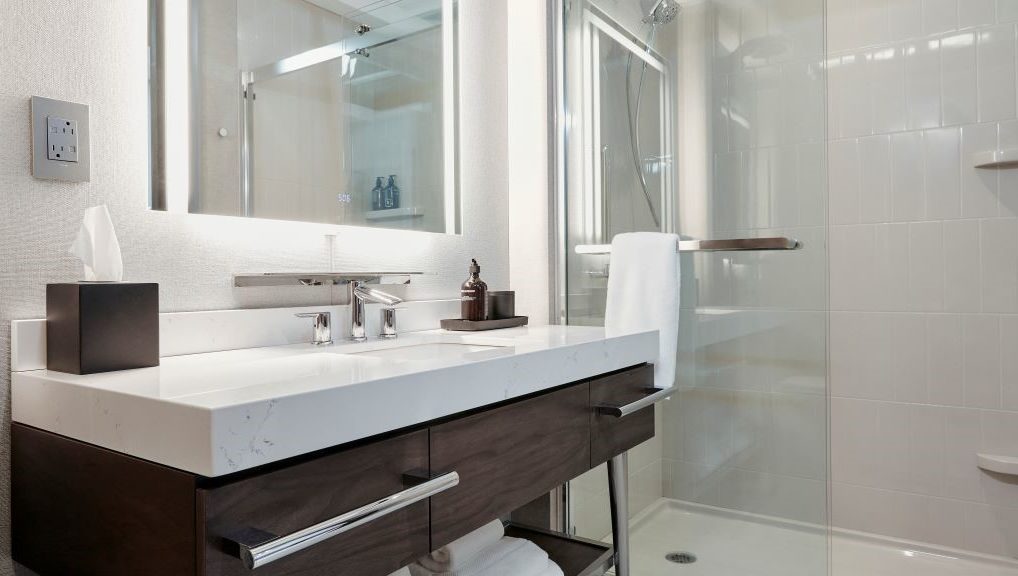
Guest rooms will feature over-sized bathrooms and a Get Ready zone “to get organized, fuel up, or get some work done,” according to a Tempo website. A stylish lobby will have a Fuel Bar for morning coffee and afternoon craft cocktails and small plates.

Culinary offerings are being designed in partnership with a collective of emerging chefs. Another partnership, with Thrive Global, which was founded by Arianna Huffington, will supply customized videos to help guests relax and have better sleep.

Tempo will follow sustainability guidelines in place for all Hilton brands. It will employ practices to reduce food waste, use bath amenity dispensers instead of individual plastic bottles and have hydration stations to reduce single-use plastic bottles.