When 684 meetings industry leaders met in Boston this week for Financial & Insurance Conference Professionals’ (FICP) 2022 Annual Conference, the theme at Omni Boston Hotel at the Seaport was “Creating Our New History.” And they set milestones. The 21st annual Silent Auction raised $106,896.02, surpassing the previous record set in 2019 by $6,114.02.
Proceeds benefitted Massachusetts Association for Mental Health ($81,896.02) and the Above and Beyond Foundation (two $3,000 grants and an additional $19,000 donated). “We are proud that this year’s record-setting donations through the Silent Auction benefitted and will make a significant impact on both a local organization supporting mental health and an organization directly supporting our industry. Giving back matters and both organizations play critical roles in supporting their communities,” said FICP Hospitality Partner Advisory Committee Chair Jason Cohen in a statement.
The community give-back portion of the event also included an activation that led to attendees assembling 500 water filters through the W|W Filter Build Experience. Each filter helps provide 12 people with clean water for more than 10 years, filtering up to 99.99999% of harmful bacteria and turbidity from water. That’s a direct impact on 6,000 people around the world for the next decade. This was the first time the CSR Closing Experience was included in the program.
New Faces
In addition to the robust education (multicultural marketing and business trends from Kelly McDonald, human connection tips from Riaz Meghji and futureproofing from Crystal Washington for three examples) and fun networking activations from Omni Hotels & Resort, Marriott International and CSI DMC, association business included naming the 2023 Board of Directors.
Loneliness is causing massive health and productivity problems. Meeting professionals can help people connect in meaningful ways by being assertively empathetic. Real connection comes from the ability to admit imperfection. @RiazMeghji#FICP22pic.twitter.com/waT1SXbUPR
Joining the board are Elyse Dawson, CMP, senior manager of corporate events and conference center at Invesco; Susan Harding, CMP, event strategy consultant with FM Global; and Julie Wilson, CMP, assistant vice president of meeting and events with Farmers Mutual Hail Insurance Company of Iowa. Their three-year terms will become effective Jan. 1, 2023.
Meredith Buggelli, corporate vice president of corporate events–head of industry relations and administration with New York Life Insurance Company, will become the 2023 Chair. Jennifer C. Squeglia, CMP, independent contractor with RLC Events, will serve as immediate past chair.
January Cantrell, CMP, director of meetings and events with Corebridge Financial, was named chair-elect.
Continuing on the board are: Lori Allen, vice president of global event operations with MetLife; Meg D’Angelo, CIS, DES, assistant vice president of corporate events and hospitality with Lincoln Financial Group; Susannah Frances, CMP, senior events experience consultant with Sun Life; and Steve Bova, CAE, executive director of FICP.
The 2023 FICP Annual Conference will be staged Nov. 12-15 at JW Marriott Marco Island Beach Resort in Florida.
Leaving the comfort of your own city and venturing out in the great big world for a conference is exciting. For some, however, the unfamiliar can create anxiety about whether there will be barriers that keep them from fully participating. Since choosing a destination that welcomes everyone is one of the top responsibilities of an event organizer, a closer look at what makes a city accessible is in order. We zeroed in on the destinations listed in The Valuable 500’s new survey of the most accessible cities in the world and asked what these places are doing for groups.
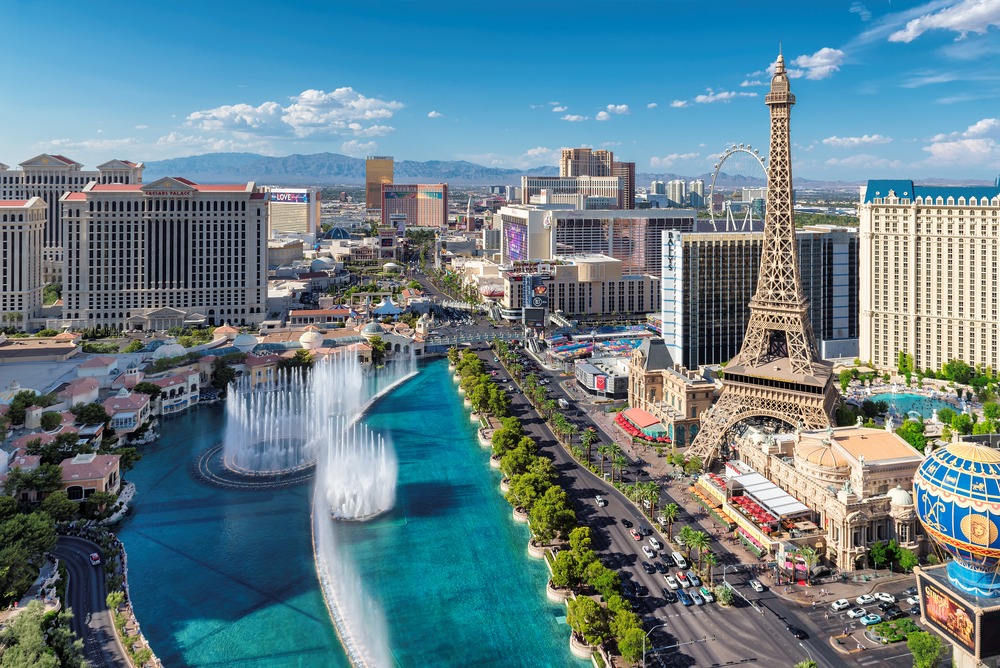
Las Vegas: Sin City < Accessible City
Las Vegas is actually one of the most accessible destinations in the world. Whether you are hosting an event, dining out, or taking in a show, Vegas offers people from all walks of life the ability to join in on the fun. In 1990, The Strip was renovated to be almost completely ADA compliant. Sidewalks are wide and smooth. For guests who want to travel easily from venue to venue, the Las Vegas monorail is also accessible.
For those seeking Lady Luck, Bellagio Hotel & Casino is the home of over 120 table games and over 2,400 gaming machines. But for event hosts, the number is even higher. Meeting space totals 200,000 sq. ft., supported by 3,933 guests rooms and 512 suites. The grand ballroom has 45,000 sq. ft. and the Tower Ballroom contains 21,1824 sq. ft. In total the Bellagio offers 50 meeting rooms, including outdoor meeting space. ADA rooms at Bellagio are spacious and gives guests a button near their bed to open and close drapes on command.
Orlando: Inclusive Disney
Before the pandemic, Orlando prided itself on being the most visited destination in the United States, welcoming 75 million visitors annually, many attracted by the wide selection of theme parks and the second-largest convention center in the country. Disney theme parks are known for their inclusivity for guests with wheelchairs and sensory disabilities.
Combined with the magic of Walt Disney Resort, Hilton Orlando Buena Vista Palace Disney Springs Area offers up 120,000 sq. ft. of meeting space. Renovated in 2022, Orlando Lake Buena Vista has three ballrooms and 42 breakout rooms. Event planners will have access to behind-the-scenes tours, stage shows and Disney characters. The facility is fully accessible, including roll-in showers for rooms, wheelchair ramp for the lobby and receptions areas, and van-accessible parking.
London: A ‘London Eye’ Full
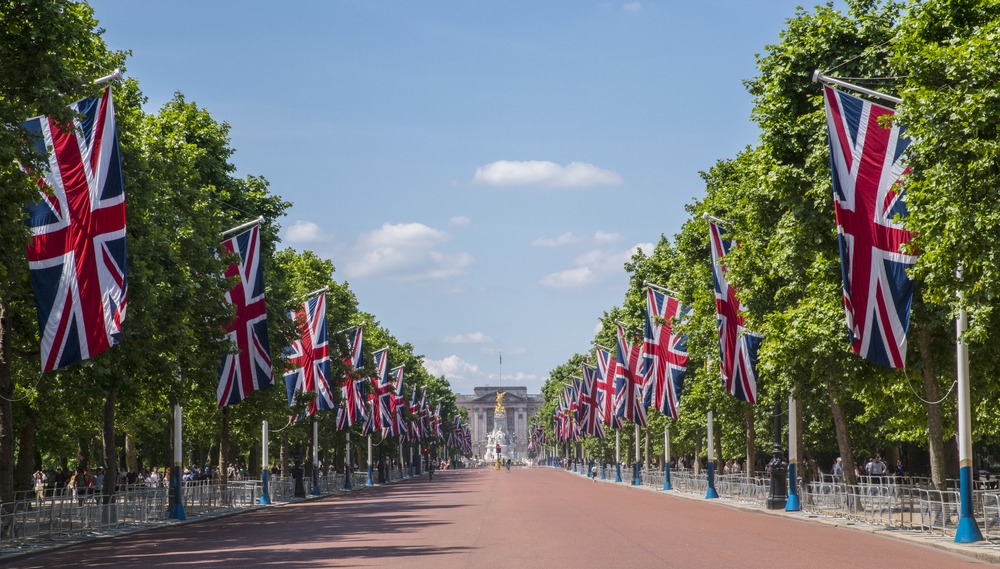
A view down The Mall towards Buckingham Palace in London
Hosting your next meeting in London? Your guests are in for an eye full, whether it is a trip to Buckingham Palace, Tower Bridge, London Eye, or the resting place of Queen Anne Boleyn at the Tower of London, there is plenty to take in at the Capital of Britain. The bulk of London’s attractions are accessible. VisitLondon’s Accessible London website offers differently abled visitors helpful resources about everything from tours and attractions to hotels.
Built in 2021, Pan Pacific London is a two-minute walk from the Liverpool Street station and is 7 miles from the airport. For meeting makers, Pan Pacific London contains 13,056 sq. ft. of meeting space with 10 meeting rooms. The facility also holds 194 rooms, and 43 suites. Guests will enjoy full access to the Well Being Floor dedicated to holistic healing as well as a gym. Rooms are also fully ADA accessible.
New York City: A Whole World Within a City
The big apple is a world within itself, filled with a mix of cultures and languages and different walks of life. According to The Valuable 500, almost a million New York residents live with a disability and the city hosts six million differently abled visitors every year.
Located less than a block from Madison Square Garden, a 15-minute stroll to the Jarvis Convention Center, The New Yorker, A Wyndham Hotel offers 23,000 sq. ft. of hosting space. Guests can enjoy a view of the Empire State building and the Statue of Liberty from the 39th floor Sky Lounge. The facility offers state-of-the-art AV equipment. There is an accessible route to the event spaces and the guest room doorways contain a 32” clear width. Service animals are also welcomed.
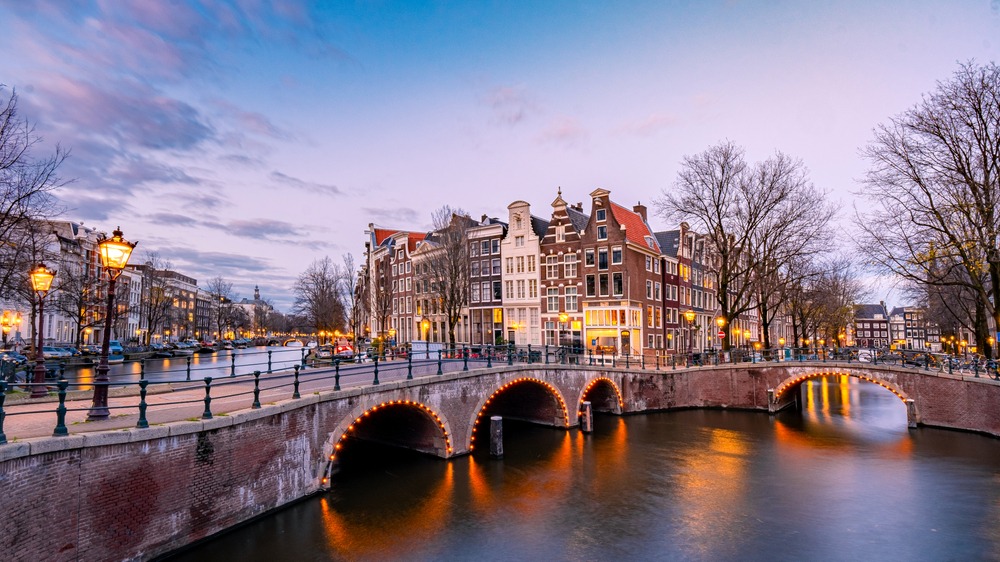
Amsterdam: More Canals Than Paris!
A bike friendly city that outnumbers cars on the road (1 million bikes to 821,000 people). Guests will also be able to rent wheelchair adaptable bikes as well! Amsterdam is a city built on eleven million poles because it is below sea-level and incorporates 165 canals. That’s more canals than Paris! The newer trams are accessible, and the 14 ferry lines are not only accessible but free, too.
Movenpick Hotel Amsterdam City Centre sits at the edge of the River IJ next to the Muziekgeouw Bimhuis tram stop. Movenpick offers potential clients 53,820 sq. ft. of meeting space and 25 meeting rooms and 408 guest rooms. The facility has accessible bathrooms, roll in shower, height-adjusted showerhead and wheelchair accessibility to all areas of the hotel.
The good news is that the associations are returning to in-person events in great numbers. The challenge is designing events that speak to the needs of an audience that changed over the last three years.
In an exclusive Smart Chat Live! Webinar session, Joanna Pineda, CEO and chief troublemaker of Matrix Group International, and Jennifer O’Grady, senior director of Design Studio of Maritz Global Events, tackled the Secrets for Engaging Platform-agnostic Association Meetings.
“Most of our larger events have gone to face-to-face, especially when there’s that B2B trade show component. Exhibitors need it, want it and are excited to be connecting with their customers again face-to-face,” said O’Grady.
Both agreed that not all audiences are able to travel and tailoring events to individuals who aren’t able to make it in person—specifically in the medical market—is still a priority, one that dovetails nicely with a renewed emphasis on sustainability.
When considering audiences who historically couldn’t physically or financially attend, the idea of a hybrid event comes into play again. “Can we make some kind of an experience more accessible to them?” is the question Pineda is hearing.
The importance of the guest experience is paramount, O’Grady has found, “We have to be designing experiences with guest well-being being at the center.”
Time management and wellness is also a major factor for meeting guests today. O’Grady pointed out that by starting later in the morning and giving guests some ownership of their time, we give the gift of autonomy. “It shows your attendees and your guests that you care about them as people, and you’re not just trying to push your agenda,” she said.
Ultimately, finding out what the attendees want is the bottom line for meeting organizers. Pineda reflected on a client that offered an event in person as well as virtual on a separate day then saw an increase of attendees at both events. “It’s a little high-stakes,” Pineda admitted. “They did better than they thought with the virtual and they actually met their numbers.”
Engaging Ideas
With the needs of audience members in flux, meeting organizers are looking at new ways to surprise and delight attendees.
Ask and Deliver: “Ask your audience what they prefer,” said O’Grady. Then you have to deliver on that. “You can’t ask somebody what they prefer and then pretend like they didn’t say it because it’s inconvenient.”
Less Is More: Pineda noted that organizers have been leaning into shorter or micro-sessions. “The sponsors love it. The attendees love it. They’re very, very engaging.”
Simplicity Is Key: “We are neurologically wired to gravitate towards things that deliver the highest interest with the least amount of effort,” O’Grady said.
Embrace FOMO: Fear of missing out is real. And it can be used as a tool for event organizers hoping to drive interest to future sessions by incorporating activations in the current agenda, O’Grady said. “It builds that anticipation for the next meeting.”
Mix It Up: Holding the attention of attendees can be a struggle after they’ve been in several sessions during the day. Changing the physicality of the room during the session to shake things up a bit, suggested Pineda. The really great speakers cross the stage every 7 to 10 minutes so people have to physically turn their head “That causes a physicality change, even if it’s really slight,” she said.
Give a Break: Giving guests some free time is even more important now that they aren’t used to being in big crowds any more.
Fuel Attention: Attendees are asking for healthy sustainable food options. Choose menus that keep them nourished and alert. “That’s really going to speak to the well-being of your guest experience,” said O’Grady.
Forward Looking
Pineda foresees a returning to the small event format in 2023 and more hybrid variations. “Even organizers who are reluctant to experiment with hybrid, I think their members are forcing it.”
O’Grady advises watching for an increase in VR events and the Metaverse. “Technology is the future,” she said.
When you bring a group to a hotel for an event, you usually just want to know that someone will be at the front desk to check them in, get the room ready and carry their bag upstairs. You aren’t all that concerned about whether they are working 20 or 40 hours a week, have a passion for what they do or if they recently returned from exploring an alternative career as a real estate agent.
But the Marriott management team understands that to ensure meeting professionals, attendees and leisure travelers have the most positive experience possible, that bell person needs to be immersed in the culture of the 95-year-old company. Ensuring that level of commitment is even more challenging after the company had to furlough or lay off thousands to survive 2020 and 2021, a move that the company has admitted may have bruised its “people-first” culture.
That is why as the company scrambled to fill thousands of jobs when travel returned faster than expected, training in the Marriott way remained a requirement along with the operating systems required for each role. Smart Meetings sat down with Marriott International Senior Vice President of Global Sales Tammy Routh, and the rest of the team, to find out what that training encompassed and how it has changed under a new CEO in a brand-new headquarters in Bethesda, Maryland.
A More Flexible Organization
Julius Robinson
In October of 2021, Marriott Chief Sales and Marketing Officer, U.S. and Canada, Julius Robinson estimated that 11,000 jobs were open at a company that at one time employed 700,000. By October of 2022, that number was 7,000, meaning about 85% of job titles were filled, not that far from the 10% rate of open jobs the company operated with prior to the pandemic. “It is getting easier to find applicants,” Robinson said.
The opportunity to craft more flexible schedules to accommodate parents still monitoring children and other commitments has helped as well. The company is offering more job shares that include some level of benefits. “In past, we were more rigid, but that is changing,” Robinson said.
The same is true north of the U.S. border. Marriott International Regional Vice President of of Sales and Distribution for Canada Laura Pallotta explained that a lot of women are looking for flexibility and find that in call centers and hotels, where help is needed 24/7. “We don’t have to do things the same way we did in the past. Let’s work together to find different ideas,” she said.
“We are opening ourselves up to flexibility across the whole company.”
– Marriott Chief Sales & Marketing Officer, U.S. and Canada Julius Robinson
Another pilot program that is helping to increase service and staffing is the creation of evening and weekend sales positions. “The closing percentage quadrupled when we launched,” said Robinson. Customers are not used to having someone on the other end of the line on a Saturday afternoon to answer questions. “Meeting planners don’t work 9-5. They have more time to talk on weekends and off hours. That impresses people,” he said.
When planning windows are short and hotel space is so compressed that decisions have to be made in days rather than weeks, trained sales associates can help brainstorm second and third options in a city the planner might not have considered or at new or renovated properties that came online over the last three years. When budgets are tight, they can also help suggest ways to prioritize expenses based on solutions they have seen.
The arrangement also helps with staffing as associates enjoy the flexibility of having time off during the week. “We are opening ourselves up to flexibility across the whole company,” Robinson said.
Recruiting and Onboarding
The road to staffing-up looked very different than in the past. After the mass of retirements over the last three years, a renewed push to recruit millennials and Gen Z is in the works. The human resources team is back in colleges talking about the benefits of the hospitality industry and some new perks, Pallotta shared. Instead of contributing to a 401K, some are choosing to put the benefit toward paying off school loans. “The opportunity to travel is really resonating with young people,” said Pallotta.
Many who left industry are returning, said Robinson. Rehires are up 10%. “They may have tried something different during pandemic, but miss the culture,” he said. A new program streamlines paperwork for those candidates to make the return easier.
Once they are back, they may find that they can be even more effective as the company has retooled operations to remove management layers. “Now they can make more decisions on the spot,” Robinson said.
They also may find it more rewarding. For many roles, pay was adjusted to attract applicants. The company contribution to profit sharing increased. New training helped employees identify their passion and try new roles within the organization.
A significant number of training classes are online and many teams work remote exclusively. The company is piloting a cohort strategy to create small groups of peers who go through the onboarding together to get up to speed quickly.
Hotels across the country have opened offices in hotels so remote employees can work there by appointment and meet others in the company in different roles.
At the same time, the company has invested in technology such as mobile key cards to helping hotels deploy human staff more strategically in jobs that focus on customer service. “That way we can hire where people can make a difference and technology can backfill that,” Robinson said.
A Matter of Culture
Tony Capuano with associates
When asked how the culture of Marriott is changing after all the company and industry has been through, Routh quoted CEO Tony Capuano: “Marriott culture is alive and well, but it is bruised.”
“You have to be truthful and authentic. We still have the beliefs Mr. Marriott and his father and grandfather started with. When we bring in new associates, if they don’t believe that taking care of the bellman, front desk associate and the housekeeper is the number one priority, then they don’t stay,” she explained.
Then she spoke more truth. “We did have to furlough and lay off to save the company, but we tried moving people to different hotels so they could stay on payroll minimally to maintain benefits. We cross trained, anything to get people working.”
Leaders were empowered to stay in touch when employees were on furlough and tried to reach out to those who were laid off. “They are family,” she said. “It was a horrible experience and it is heartening to see people come back.”
If someone wants to come back and Routh doesn’t have a job on her team, she looks elsewhere in the company to find a place. “There is a war for talent; we need to be sure that when someone is ready, we are there.”
Foundational training for all roles includes, “a guarantee of fair treatment.” That means, “If you feel as through something is not right, you have the right to go to whatever level you need to get it resolved. It builds a safety net beyond an immediate boss or supervisor. That is a fundamental part of who we are as a company,” said Routh. “The way we do business is as important as the business we do.”
“There is a war for talent; we need to be sure that when someone is ready, we are there.”
– Marriott International Senior Vice President of Global Sales Tammy Routh
Training also focuses on ethics and human trafficking, in other words, “doing the right thing.”
A More Risk-taking Company
Tammy Routh
When asked how the culture is changing after disruption from Covid shutdowns, the naming of a new CEO and the arrival of a new generation of employees, Routh was honest again. When Mr. Marriott (Marriott International Board Chair Emeritus Bill Marriott) attended the opening of the new headquarters building, she quoted him as saying, “We have the right CEO at the right time and that he might not have done the Starwood deal [the purchase of Starwood Hotels & Resorts Worldwide in 2015], but Arne [Sorenson, the CEO who died in 2021] said it was what was needed to be the leading hotel brand in the world. Now Tony is taking it to the next level.”
Routh was frank. “We are a conservative company, very consensus-driven. It takes a lot of people to buy off on an idea. Tony ran development for the company for years and is willing to take smart calculated risks to build out the company and has a faster speed-to-market.”
A Headquarters for the Ages
The new Marriott International headquarters opened in hip downtown Bethesda, Maryland, in September after six years of planning. Even the design of the building is a testament to the priorities of the evolving organization. The 21-story, 785,000-square-foot, LEEDv4 Gold-certified building supports over 8,100 hotels in 139 countries and territories around the world. It includes a 7,500-square-foot state-of-the-art health and fitness center, a wellness suite with lactation space, meditation rooms, massage chairs and treadmill desks and a nearly 11,000-square-foot childcare center for up to 91 children
Offices, including executive offices, line the interior of the building, so everyone has a view outside through floor-to-ceiling windows. On the top floor is an associate growth center where leadership development programs, skill development, new hire orientation, and networking events will take place.
The model rooms for each of the 30 brands that were housed in the basement in the previous headquarters will be housed in the operating hotel next door so meeting professionals can reserve as a guest and give real-time feedback on ideas before they are rolled out through the brand.
“It is modern, beautiful, built for collaboration, but also respectful of how people work,” said Routh. “It speaks to the culture because everyone’s spaces are the same size regardless of title. It brings a sense of community rather than a hierarchy with big executive offices and the rest in cubicles. That will serve us well in attracting the next generation,” she said.
Although historically shadowed by its famous neighbor city of Los Angeles or seen only as the home of Disneyland, Anaheim is making literal and metaphorical groundbreaking moves to establish itself as a presence in Southern California. Construction begins in January 2023 to build ocV!BE.
This “city within a city” will be a hub of entertainment, food and Southern California lifestyle and is expected to become the beating heart of Anaheim. Mirroring a child’s excitement for visiting Disneyland, ocV!BE will not only be an adult playground of concert venues, modern restaurants and luxury hotels, but a residential and pedestrian-friendly development for both locals and travelers to enjoy.
What Is ocV!BE?
The $4 billion-dollar, 95-acre development will be a hub of entertainment venues, world class hotels, modern food spots and residences. Katie Pederson, Director of special events for ocV!BE, says the privately funded project stemmed from Anaheim’s need for a central location outside of Disneyland.
“Anaheim, since the dawn of Disney, has been a huge driver for Orange County, for Southern California, for travel tourism,” says Pederson. Yet this tourism has been largely family oriented. Pederson says ocV!BE will fulfill the need for a center in Orange County where adults and businesses can work, meet, live, and vacation.
“People have always wanted something that was a beacon or a Mecca here in Orange County,” says Pederson. “We hope that ocV!BE will eventually provide a heart to our county.”
With a heavy focus on entertainment, ocV!BE will build new concert venues around the Honda Center. With 30,000 seats of entertainment and 20 acres of parks and open space, performances can be held in the small speakeasy or be part of a large music festival with a campus wide capacity of 40,000 people.
Eventually accruing over 30 food concepts throughout the district and a 21-stall Market Hall, ocV!BE will be a modern and globally diverse paradise for not only foodies but for aspiring culinary artists. “We’re really trying to find some up and comers in the culinary scene,” says Pederson.
In addition to building over 500 hotel rooms, ocV!BE will also offer 1,500 residential units and 865,000 sq. ft. of office space. Residents will have the ability to walk to work, then walk to a restaurant or bar, then take in a concert before walking home.
“We want ocV!BE to be a home for innovation,” says Pederson. “We want to give people the opportunity to live, work and play in the same location.”
2023 – “Shovels in the dirt” in January 2023. Henry and Susan Samueli, owners of the Anaheim Ducks, break ground to develop ocV!BE.
2024 – “Phase One” begins. Construction is underway with parking structures as the number one priority to lessen the disturbance of traffic in Anaheim. “We should have several thousand parking stalls and several parking structures up and running in 2024,” said Pederson.
2025 – ocV!BE opens a 6,000-capacity concert venue which Pederson says will be unlike any other venue of its size. “We are hoping to draw some really great acts into that space.” The ocV!BE culinary scene will also begin to form with ocV!BE’s Market Hall.
2026 – “Phase Two” begins. Two world class hotels will be added between 2026 and 2028 to the ocV!BE ecosystem. While Pederson couldn’t reveal the specific brands, she did disclose the two hotels will have two very different vibes.
“One of the hotels is going to be more focused and centric on entertainment…the second brand, we’re going to call it our garden hotel. Still high end, but more grounded.”
2028 – By 2028, ocV!Be will be fully operational, just in time for the Olympic games. Anaheim’s Honda Center is home to the Anaheim Ducks and sports will continue to be a central part of ocV!BE’s entertainment pillar. The 2028 Summer Olympics will be taking place in Los Angeles and using Honda Center as the venue for the Men’s Volleyball Olympic Tournament.
Putting Anaheim on the Map
ocV!BE is a product of the evolution Anaheim has been experiencing in the recent years. Attracting the film industry has been a motivation for Anaheim as Covid restrictions grew tighter in Los Angeles than Orange County. Anaheim offered film producers more affordable and accessible options than their famous neighboring city. The newest installation of the Fast and the Furious franchise used the Anaheim Regional Transportation Intermodal Center (ARTIC) as the background for an action film sequence.
“It’s that drive to make Orange County the place to be,” says Pederson. “We want to show the world what Orange County is and what Orange County can be.”
Pederson has high hopes for the future of Anaheim tourism with the launch of ocV!BE. “It will be a game changer for Orange County.”
The definition of “risk” has grown beyond the traditional definitions of financial, operational, reputational and security issues meeting professionals checked off their list as they prepared to bring people together in days of old. While a live shooter may be what comes to mind first when considering worst-case scenarios, today’s planners also have to be on the lookout for a mistimed social media post or optics that are not aligned with the DEI or sustainability goals of the company.
Veteran strategic planner Elizabeth Warwick understands too well the stakes of not preparing for all possible disruptions from her time as director of global hospitality for Coca-Cola, vice president of meeting management and event strategy at Liberty Mutual and head of the global event team working on the Winter and Summer Olympics and the advance team for President George H.W. Bush.
She is co-chair of Events Industry Council’s Meeting and Event Design Group Covid-19 Business Recovery Task Force and now consults leading companies on their return to events approach. She presented a special session at Financial and Insurance Conference Professionals’ (FICP) 2022 Annual Conference titled, “Event Risk Management: 2022 Risk Categories.”
Defining Risk
“Any interruption to pre-planning or on-site execution that disrupts an event is a risk,” Warwick said. Risk categories include financial, operational, reputational and security/safety. But those buckets have become more complex and new areas have emerged. Operational and reputational concerns now include sustainability and diversity. Security now includes technology. “You need to be aware of your company’s objectives and align with that,” she said.
That is a lot to consider: create what-if scenarios for and rehearse responses to “just in case.”
Call to Action
Warwick advises breaking the variables into low, medium and high-risk categories for each decision, such as where to source an incentive program. Evaluate threats, such as weather and how dangerous the destination may be using tools such as state department recommendations and historic weather patterns. You can also create an event classification grid with likelihood and impact on the horizontal and vertical axis of a matrix so everyone can visualize the possibilities.
Warwick suggested keeping your own incident-tracking log separate from the hotel’s which includes any wellness checks or confrontations. Anonymous surveys can also help to identify problems that need to be addressed. Conduct event-readiness exercises that outline who is responsible for what if specific things go wrong. That includes hotel front-desk staff, the communications team in your company and any contractors on-site. Rehearse it so it feels real rather than just words on a piece of paper.
Have a call-of-command if something goes wrong like attendees go missing or someone dies, she advised. “Don’t let fear get in your way. Hope, unfortunately, is not a strategy.”
Call out what might be a risk and your planned mitigation steps. “We want to address all of this before everyone gets on-site,” she said. “You want to be the calm in the storm.”
Warwick cautioned that there is no playbook that covers everything, but if you have the right processes in place, you can more easily find some kind of a solution if the unexpected happens. “Your purpose is to preserve and protect the integrity of the brand using processes,” she said.
New Risks
If planning conferences wasn’t complex enough, a global pandemic with literally unprecedented consequences raised the stakes even more. Warwick suggested expanding a signed attendee “Code of Conduct” to require that everyone acknowledge the responsibility to show up healthy, drink in moderation, use social media appropriately and treat everyone with dignity and respect.
Another “soft” risk that needs to be addressed: the changing needs of attendees. The possibility of an incentive not being motivating if it isn’t what the qualifier enjoys, regardless of the price tag, is a challenging one because the attendee pool is not changing all at once. Some may want more adventurous activities and some more traditional or passive ones. One-size-fits-all may not work anymore. Not personalizing comes with risks and costs. She called it the “incentive gap.”
A related job duty is understanding the level of pain tolerance of attendees and executives when it comes to disruptions such as weather, electricity outages and lines and having alternatives available when possible.
Another new nuance is that attendee expectations are often built by forces outside your control, such as what is on the news and what friends say. Covid was an example of people hearing different pictures of what is safe in the news compared to what the company might be saying. “You have to be aware of what people are hearing and communicate accordingly,” she said.
Technology Risks
The category of risks and rewards related to technology has grown along with the adoption of new tools by meeting professionals and attendees. That includes the real possibility that audiovisual components, registration sites and mobile apps will not work as designed. Or they may work, but pose a cybersecurity threat.
Content needs to be considered for appropriateness to company messaging, current events and brand. That includes company platforms and attendee postings. Warwick suggested establishing guidelines for social media postings to avoid sending the wrong message.
“Risk is not just the “harder risks” such as a handgun at a meeting or a bus being hijacked during an incentive, but also “softer risks” such as not effectively motivating because of changing demographics or not aligning with company goals,” she said.
Risk Ownership
In most companies, the event team makes recommendations, but the executive team must make critical decisions. That is why Warwick stressed the importance of giving them the information they need in a format optimized for how they process it. “For financial and insurance companies that is most likely benchmarks as data and charts, not pretty pictures,” she said.
“Things happen!” said Warwick realistically. “Stay curious. If something is waking you up at 3 in the morning, there is probably a reason. Pursue answers to those thoughts.”
Her final piece of advice: “Remember it’s about people and supporting them in addition to the operational side.”
When word came that Hurricane Ian would be approaching the eastern coast of Florida, hotels and businesses were left in a precarious and uncertain position. Many establishments closed as a result, leaving many with weeks without pay, in addition to damages caused to their community by the disaster.
Despite the setback, many businesses came back strong. The meetings industry in particular provided much support to the communities devastated by the Hurricane Ian’s impact. Meeting groups at Naples Grande Beach Resort, which had a brief closure, expressed interest in how they could meet and leave the area better than when they arrived.
Conferences such as the Florida Land Title Association, which was held Oct. 23-26, raised thousands of dollars for local efforts, including a community give-back event with Meals of Hope and a donation collection that scaled that earned tens of thousands of dollars. When BHG Financial Group hosted its 200-person conference in mid-October, they also offered their hand.
“There’s always surprises at every event,” Katie Wegerski, event coordinator for BHG, says, “but natural disasters you really don’t wish for, but we rolled with it and it ended up working out okay.”
“When we heard there was a hurricane headed Naples’ way, we just kind of braced ourselves for what we might have to do and put some contingency plans in place. It was just constant communication with the resorts,” she says. “When we learned the hurricane hadn’t hit the hotel yet but there was no power and that the hotel was closed, that was when we started to get a little bit nervous. Then we decided we would stay the course and reevaluate as we were updated.”
Luckily, the power came back and the resort’s staff was ready to take on the event.
Although the event was prefaced by two weeks of uncertainty, Wegerski says, “Everything was executed as planned.”
In light of the community’s devastation, Wegerski says the event had a heavy drop off of attendees—about 75 people decided not to participate. “I think they felt bad about having a good time in an area that had suffered some devastation,” she says. “To counteract that we did implement some volunteer opportunities for our attendees if they wanted to provide some help to those hurricane relief efforts.”
The event had volunteer opportunities on the first day, where 10-15 attendees helped with debris cleanup, as well as sorting out donation materials, packing trucks and delivering them. “We also hosted a fundraiser at the event where we did gift card drop offs,” she says. “We raised about $7,000 in gift cards that was distributed to families in the direct area to help offset costs or get supplies.”
She believes the volunteering opportunities helped put some of the attendees’ minds at ease. “After we put the communication out there that we were planning on doing some volunteering, the drop off significantly stopped,” she says. “I think that helped make their decision easier, to come and want to participate.”
What can be learned from situations like this, is that, above all, communication should be prioritized. “I felt comfortable sticking with our plan because [Naples Grande Beach Resort] was so open about the status of the resort and it would’ve been different if there was significant damage or they didn’t feel the power was going to come on…it’s just [about] touching base every day and having that open, candid conversation. Without all the information, you can’t really make a plan, so just having constant communication is my best advice when dealing with a post-disastrous situation.”
Experience impeccable attention to detail tailored to your every need, all in one elegant, Immersive environment. Our vertically integrated conference and meeting space boasts 550,000 sq. ft. and has one of the largest, pillarless ballrooms in the city.
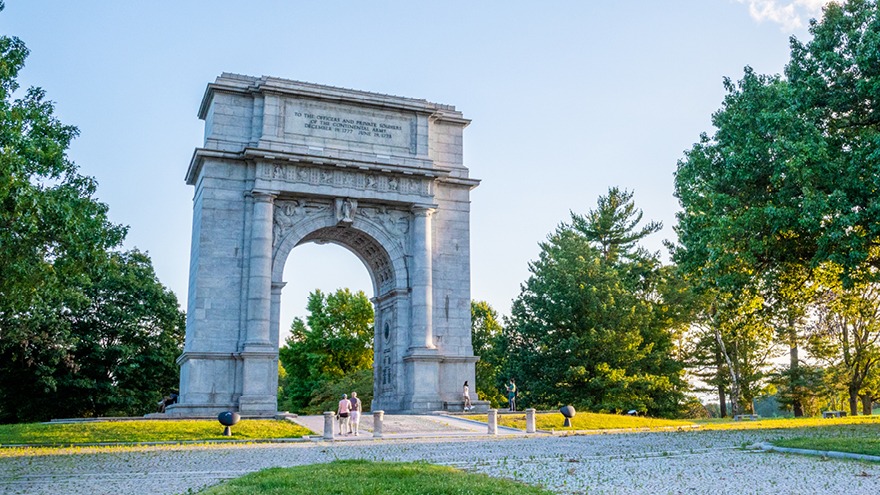
Ready to go beyond the usual in choosing your next meeting location? Valley Forge & Montgomery County, PA, give you a little more room to breathe—and maybe a little extra room in your budget.
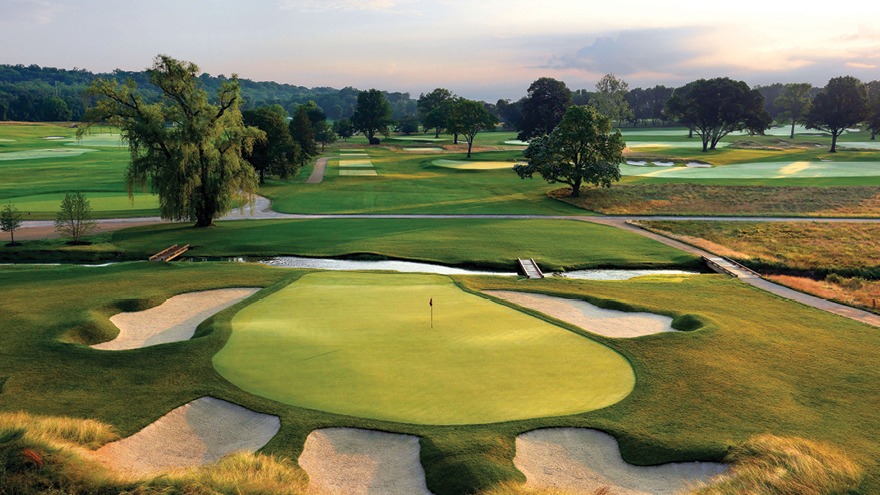
Minutes outside Philadelphia, Valley Forge & Montgomery County offer a choice of more than 80 hotels and 300 venues, many of which have recently completed major renovations. When it’s time to play, the options are even more stunning—over 1,600 restaurants, 200 attractions, and excellent golf courses in a location steeped in history—all without the crowds you’d encounter in larger urban settings. Visiting groups can also create an itinerary uniquely suited to their tastes and needs—from shopping trips to personalized team-building events.
One of the many reasons meeting planners keep coming back to Valley Forge & Montgomery County is the event planning and service. When you host an event, you have a complete team behind you, who go above and beyond to make your event as memorable as it is seamless.
From event staffing and photographers to activities for spouses—you have access to it all. You don’t have to wait to start thinking about your next big event. You can virtually tour over 70 locations at your own pace, at montco360.com. You can also download the Meeting Inspiration Guide, which offers planners the ultimate all-in-one resource.
And if that’s not enough, you can save big when hosting in Valley Forge. Get $10 back per room night under the Revolutionary Rewards Program. Exceed 500 room nights, and the deal could get even sweeter, as you’ll receive a custom offer. Ask Stephanie or Scott for the full details, along with complimentary conference services.
Call 800-441-3549 or email [email protected]. And discover all that makes Valley Forge & Montgomery County, PA, the ultimate meeting destination.
As if the job of meeting professional weren’t difficult enough, many have had to take on the role of Chief Difficult Conversation Starter. Now that compression is making available space an endangered resource and inflation is pushing up prices for even the most basic items while companies are hesitant to make binding decisions, the responsibility for explaining the realities of what is possible on both sides of the balance sheet falls to the event planner.
After two years of not meeting, companies and audiences may have different goals and expectations so conferences that were previously produced as simple iterations on the previous years’ event must now be reinvented whole cloth. That increased complexity, along with the possible addition of virtual events that didn’t exist three years ago, means a job that requires planning the same number of meetings could take twice as long and involve a multitude of pointed exchanges.
Those conversations don’t have to be adversarial, however. In fact, if approached with thoughtfulness and preparation, those interactions could lead to the meeting professionals taking a rightful place as strategic advisors.
By the Numbers
Jeff Calmus
Koleen Roach, director of meetings and conference management at Securian Financial Group, led a panel of veteran explainers during Financial and Insurance Conference Professional’s 2022 Annual Conference at Omni Boston Hotel at the Seaport. “There is a fear to commit in such a volatile environment,” she said, framing the reality of corporate planning today.
The solution? Get comfortable talking about numbers. “Data is really important and empowering now because the game has changed,” she explained. “Now we are drilling deeper on budgets rather than relying on relationships and so many faces have changed since we last managed an event that we have to spend a lot of time proving ourselves again.”
“It should be really obvious that we aren’t just order takers,” she said, putting the enhanced role of the corporate meeting professional in perspective. “We are basically project managers, but unlike technology projects, you can’t move the deadline and unlike before 2020, you can’t let contracts sit.”
Choices, Choices
Meetings consultant Jeff Calmus, a former vice president of global event management for MetLife, agreed about the importance of managing up. His advice: “Give the whole picture rather than bringing decisions to a manager piecemeal. Let them know what they will miss out on in terms of hotel blocks and speakers if they don’t act on a proposal right away and give a roadmap for what to expect in the months to come.”
When the inevitable changes arise, he stressed the importance of doing the homework and having possible solutions available. “Don’t just drop a problem on a stakeholder without giving them alternatives or you will lose your credibility as an expert,” he said. That requires pushing back on partners to ask for creative alternatives rather than just taking the first response—in other words, hard conversations.
Once the contract has been signed, the tough talk doesn’t stop. Calmus reminded the audience to research what the staffing situation is on the ground at the property and prepare the team and attendees for what they will find so they have realistic expectations. “Have the conversation about why there isn’t room service or limited hours for restaurants before you arrive,” he said. That way executives can share their priorities and you can negotiate with the conference services team to have the vital areas staffed, whether that is bell desks or poolside service.
Tell a Story
Vicki Lester, head of intermediary marketing for Columbia Threadneedle Investments, echoed the importance of frank communication. “You have to be up-front, clear and repetitive when explaining what will happen if you don’t meet deadlines.”
Again, steering the conversations toward solutions was the preferred path to win-win interactions. “Providing options rather than open-ended questions is the most effective way to get attention from executives who might be focused elsewhere at the point in the process where vital decisions need to be made.”
Her trick when using numbers: Use data to tell a story. She suggested a simple email that puts the cost and timelines for 2019 and 2022 side-by-side for comparison so busy stakeholders can see why budgets are stressed and making timely decisions is critical. “Storytelling will help people understand why work is harder now and can help them tell the story for you higher up the chain.”
Roach reminded everyone that even though the job has gotten more challenging in the last three years, it is a rewarding one at the end of the convention. “Focus on what we do, build the culture, maintain the culture, bring joy.”