Approaching Indigenous communities with respect and intentionality
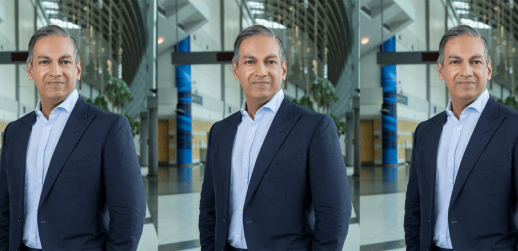
The connection between wellness and Indigenous tourism goes beyond traditional healing practices and time spent in nature. During a recent webinar hosted by the Wellness Tourism Association (WTA), Sebastien Desnoyers-Picard—a member of Quebec’s Wendat Nation and former elected leader of Wendake First Nation near Quebec City—shared insights on how professionals can engage with Indigenous communities respectfully while creating more meaningful, transformative and mutually beneficial experiences for attendees and hosts.
With more than 25 years of experience, Desnoyers-Picard has worked in several senior-level roles supporting Indigenous communities and destinations. He challenges the assumptions surrounding Indigenous tourism and says that its definition is broader than many realize.
“Indigenous tourism is tourism made and run by Indigenous people,” he says, describing it as a form of tourism that takes place “in our communities, done with our people, in nature and done through all different sectors.”
Wellness Starts With Connection
For Desnoyers-Picard, the connection between wellness and Indigenous tourism is already present. The opportunity for professionals is to understand what is available in the communities around them—and to approach those communities with awareness and curiosity.
“There’s no bad questions,” he says. Instead, he encourages event professionals to arrive without predetermined expectations and to let Indigenous communities help shape the experience.
This approach opens the door to a wide range of wellness-oriented activities. Desnoyers-Picard uses arts and crafts, storytelling, music, poetry, traditional knowledge, time in nature and botanical education as examples of experiences that can encourage participants to disconnect from their usual stressors and routines.
“When you’re able to disconnect from your daily routine and do something new, learn something at the same time that is cultural, then you’re finding yourself in a better wellness zone,” Desnoyers-Picard says.
For planners and retreat organizers, that could mean building in enough time for cultural experiences to unfold naturally rather than squeezing them into a tightly scheduled itinerary.
“Culture should not be rushed,” Desnoyers-Picard says. “I don’t think wellness is a place where it should be rushed either.”
Move Beyond the Checkbox
Desnoyers-Picard urges professionals to avoid treating Indigenous tourism as an add-on designed to fulfill a diversity or inclusion objective.
He cautions against approaching a community with a completed itinerary and asking Indigenous partners to fill a one- to two-hour slot. Instead, planners should opt to involve communities at the start of the planning process and allow them to suggest what makes sense for the experience. A “trendy” visit can quickly become disrespectful and transactional if the community involved does not have input into how its culture is represented in the event program.
Desnoyers-Picard also details the important distinction between cultural appreciation and appropriation. Not every Indigenous practice, ceremony or tradition is intended for public consumption, and visitors should respect those boundaries. The key is to ask questions ahead of time and to understand that access may vary from nation to nation.
“It’s okay … [to not] have access to all ceremonies,” Desnoyers-Picard says. “Don’t feel offended by that.”
Let Communities Lead
Desnoyers-Picard recommends that event planners work directly with Indigenous tourism organizations, destination organizations and established tour operators to identify appropriate experiences.
However, working with established organizations or guides does not mean arriving with a list of demands. Picard encourages organizers to approach communities as partners rather than suppliers.
“You’re not entering a product. You’re entering a way of life,” he remarks.
This people-focused mindset can also help planners create experiences that feel more genuine and less staged. Rather than telling a community what attendees expect to eat, see or do, planners should explain travelers’ interests and ask the community what it recommends.
Indigenous Tourism is Everywhere
Another misconception Desnoyers-Picard aims to debunk is the idea that Indigenous tourism must take place in a remote setting.
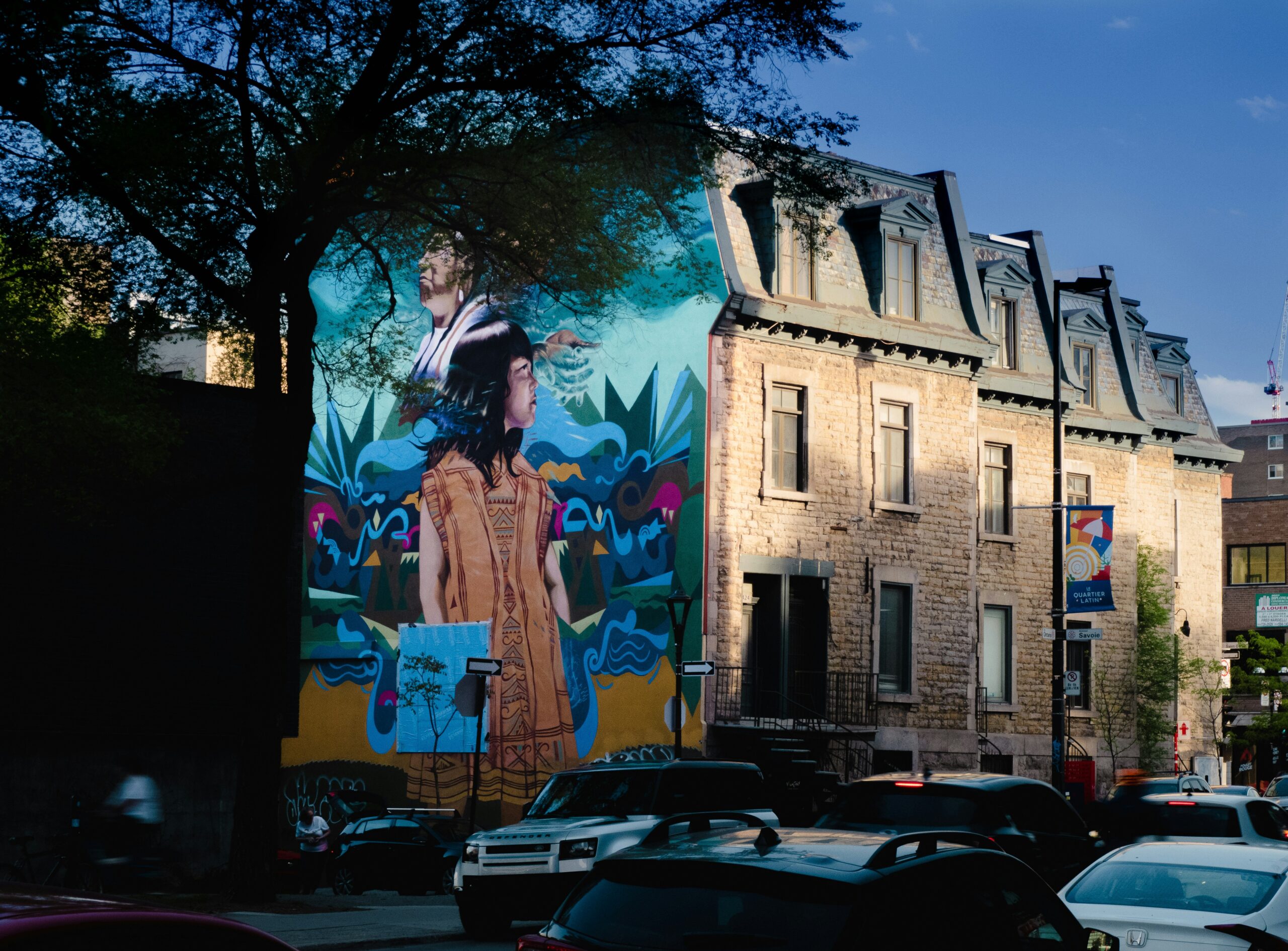
Indigenous experiences can be found in cities as well as rural destinations. Picard notes that many Indigenous individuals live in urban areas, and Indigenous-owned businesses operate in a variety of locations.
Planners can find opportunities for attendees to learn from Indigenous communities in nearly any environment—and the experience could range from storytelling to exploring Indigenous history and its relationship to the destination. The most important factor is ensuring that the experience is authentically connected to—and rooted in—the community’s lived experiences.