The math behind $200-a-gallon coffee
Where were you when the world lost its mind over a burrito? Just as everyone was wrapping up their summer programs, a random college student posted on the social media platform X that a burrito shouldn’t cost $20. That set off a debate about whether inflation was out of control or a sign that people need to eat more at home (or in the case of the poster, in the university canteen). An Investopedia article tapped noted economists to explain that while most fast-food burritos don’t reach the $20 mark, once delivery fees and premium meats and guacamole are included—the guac is always extra—the bill can add up.
Of course, the debate was never about tortilla-wrapped rice and beans. The talk show talking point was a sign of what those economists called “inflation fatigue” and frustration over the feeling that the price of everything is going up. Even the vice president chimed in.
Event professionals could tell those undergrads to “hold my oat milk, half-caf latte” because they have been living on the F&B roller coaster for years. However, like burritogate, there is more to the story of the line items for coffee, AV and airlines.
We reached out to hospitality trend watchers to ask what is really happening, what we can expect in the next year and what meeting professionals can do to protect their bottom line.
Travel Inflation in Context
First, the facts. Average U.S. travel costs in 2026 are 9% higher compared to 2025, according to NerdWallet’s Travel Price Index, which combines data from individual travel categories tracked by the Bureau of Labor Statistics’ (BLS) Consumer Price Index. The bulk of that increase came from higher plane ticket prices, up more than 25% in the last year.
Even those numbers are relative, however.
Read More: Sharpening the Budget: How to Avoid Hidden Costs at Your Next Event
The average daily rate for hotel rooms went from $124 in 2016 to $162 in 2026, with a lot of fluctuation in the middle, including a Covid crater in 2020 and 2021 and a bump in 2026 at least partially attributable to events such as FIFA World Cup, according to statistics from CoStar.
Not all properties and destinations increased equally. More than 20% of rooms go for more than $200 a night when taxes and fees are calculated in the mix, with luxury prices ($1,000 or more) increasing rapidly. The number of U.S. hotels with an average rate in the double digits in 2024 was 80 compared with 22 in 2019, according to The Wall Street Journal‘s analysis of CoStar data.
The 2.6% increase in hotel prices in 2026 is actually less than the 3.3% BLS estimate for overall inflation over the previous 12 months.
Similar caveats apply to flights. The Bureau of Transportation Statistics shows that the average fare in 2026-adjusted prices is actually down from 2016. In the last decade, prices have fluctuated wildly, declining 18% during the Covid year of 2020 and rising again when fuel prices spiked during the active military conflict happening in Iran.
Meanwhile, the price of red meat is up almost 13% compared to May of last year, according to BLS data. The price of ground beef went from $3.80 to $6.89 a pound, with premium cuts ringing in at more than $12 a pound, an increase of as much as 57% compared to overall 30% cumulative inflation over the same period of time.
On the upside for planners, the price of morning scrambled eggs is cooling, with a dozen eggs dropping from more than $8 in 2025 when hatcheries were hit by avian flu to under $3.00 today.
Factors Influencing the Bottom Line
To better understand what revenue managers are calculating when they are negotiating room rates and catering prices—including that gallon of coffee—we talked to Mike Dominguez, president and CEO of Associated Luxury Hotels International.
Dominguez explained that overall, 2026 will be the first year that gross operating profit margins have increased for hotels in five years. Many were actually negative since Covid in “nominal” or real dollars. “Prices have to keep going up to eventually get back to static,” he said.
The good news is that inflation is easing—it isn’t in the double digits anymore. Critically, the actual price won’t go down. It just won’t go up as fast. “Nothing’s getting cheaper. It’s just not getting as expensive as quickly,” he said.
There are a lot of reasons for this.
Increasing wages is part of it. When burrito-makers and hotel housekeepers earn $15 to $26 an hour, the price of the overall product has to go up. CBRE estimates that 30% to 40% of hotel revenue goes to labor. One of the top items during most union negotiations is service charges, 40%-80% of which go directly to employees and continue to rise.
Read More: How to Slay 2026 Event Budget Busters from a Maritz Event Veteran
“The number one cost has always been labor. The other costs I think of as a pass-through, even food costs,” said Dominguez.
Labor costs include the dozen people you see at the pre-con who manage everything from rooms and front desk to AV, sales and catering staff. It also includes the hundreds of people you don’t see who are in the back-of-house, setting up tables, maintaining rooms, providing security, cleaning dishes and even preparing your final invoice. If their salaries have gone up 3% annually, revenue has to match that.
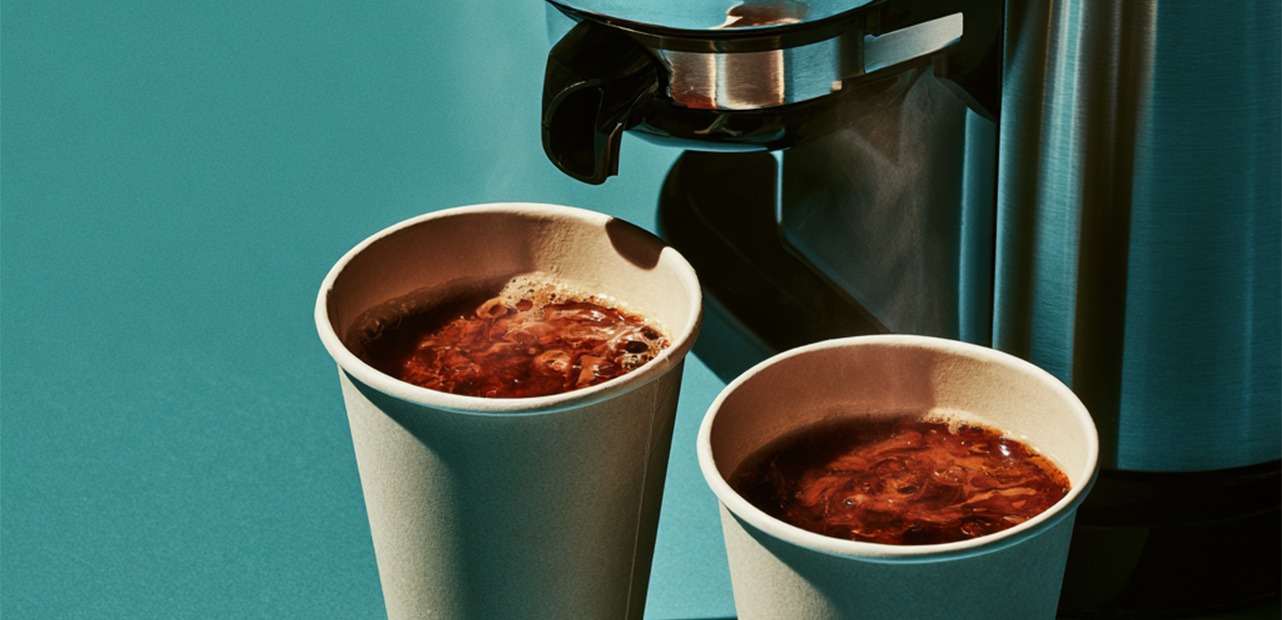
Now for that $200 coffee urn. The reality is that the price of wholesale green coffee beans has gone from $1.52 per pound in 2016 to $3.14 in 2026, according to Trading Economics. A spike to above $4.00 in 2025 was due to a combination of extreme weather conditions, tariffs and transportation/ fuel costs.
Dominguez did some back-of-the-napkin math. If 22, 8-ounce cups of Starbucks coffee come from each gallon, that is $100 per gallon at $4.50 a piece before the cost to refill, clean dishes and provide cream and sugar.
Then Dominguez brought up something that is rarely addressed. The negotiations to remove meeting room charges may have shifted some of those expenses to other areas, including coffee service. “When you paid $800 or $1,000 for room rental, that covered heat, light, labor, maintenance and everything else that went along with the space and coffee may have been $85 a gallon. That’s the shift that I don’t think we talk enough about.” He continued, “That labor has to get paid for, one way or another.”
When it comes to catering, Dominquez compares hotel food costs to those at the grocery store. As the price of ingredients goes up, either you have to substitute with less expensive options (chicken for steak, perhaps) or put resources where they will be appreciated (the gala dinner in exchange for a lighter breakfast the next morning when people are leaving).
Communicating the budget with the chef transparently and working together to build a GLP-1-friendly BEO that meets everyone’s needs might be more effective than asking for a blanket 10% off the F&B bill without a conversation.
Looking Ahead
With fewer ballrooms being built and more compression in the big cities, along with a continuing military action in the Middle East impacting fuel and fertilizer prices and predictions of another hot, dry year in the U.S., will there come a time when prices increase to the point that companies can’t afford to send people to events, or at least not as many people?
Future-watchers don’t seem to be deterred. “We expect to see a stronger 2027 than what we initially projected in our past forecasts,” said Amanda Hite, president of STR/CoStar Group. “Stable labor markets, recent wealth gains and easing inflation should keep consumer spending resilient, while business investment is broadening beyond AI-related projects and group travel continues to recover,” she said in a recent statement.
Dominquez also does not see rising fuel prices as a deterrent in a world with alternative energy and where gas is a minimal part of the overall budget. “As long as corporate profits and the S&P 500 are up along with productivity, business travel and conference attendance investment will continue to thrive,” he said.
This article appears in the September/October 2026 issue. You can subscribe to the magazine here.