Trending hotels are being evaluated not just by their meeting space, but by the experiences, connections and sense of place they create
In some ways, the standard hotel selection checklist has remained the same—requiring enough guest rooms, meeting space, a convenient location and an affordable rate.
These fundamentals still matter, but as attendee expectations evolve, planners are increasingly evaluating the experience beyond meeting accommodations. The hotels most in demand right now are destinations in their own right, serving as gateways to the surrounding community or as social hubs where attendees naturally gather between sessions.
Several emerging trends fit this evolution. Set-jetting, the act of traveling to destinations featured in movies and television; lobbymaxxing, which involves taking advantage of the amenities and public spaces in a hotel lobby; and the expansion of Signia by Hilton properties, a meeting-and-events designation that signals an experience tailored to the needs of planners.
While different, they all point to the same thematic shift—hotels are now being asked to deliver more than just spacious, functional meeting spaces. They are expected to contribute meaningfully to the entire attendee experience.
Storytelling Through Set-Jetting
A destination’s appeal has always played a crucial role in site selection, but the growing popularity of set-jetting is giving planners another way to think about what constitutes a desirable location.
Vancouver is a prime example. The Canadian city has become synonymous with movie and television projects due to its low production costs and tax incentives, serving as the backdrop for everything from major Hollywood productions to international television shows.
Read More: Notes from the Road: Vancouver
At Fairmont Waterfront, that reputation is becoming a means of connecting guests with the destination.
“Set-jetting has seen a huge rise in popularity in recent years, and Vancouver is increasingly at the forefront of that,” says a spokesperson for Fairmont Waterfront. “Fairmont Waterfront is the ideal jumping off point for those looking to explore those locations…the hotel offers visitors panoramic views of the harbor, mountains and city skyline, while being just steps away from Vancouver Convention Centre, Canada Place Cruise Ship Terminal, historic Gastown, the iconic Seawall and major transport links.”
Some notable properties across Vancouver take their “North Hollywood” involvement a step further, marketing themselves as attractive options for long-term film crew stays. OPUS Vancouver, for example, frequently hosts visiting production and talent, offering custom security protocol as well as flexible arrival and departure times.
The spike in set-jetting isn’t affecting Canada alone—European destinations have also seen an influx of set-jetters eager to snap photos at their favorite filming locations. Expedia, Hotels.com and Vrbo’s Unpack ’26 Summer: The Trends in Travel report reveals that the lush rolling dales of Yorkshire, England, have been popular in 2026 following the release of the film adaptation of Wuthering Heights. Similarly, the fifth season of Netflix’s Emily in Paris—filmed largely in Rome—led to a 35% increase in online searches for the historic city in the two months following the season’s release.
Public Space as Part of the Program
If set-jetting is about making the destination part of the meeting, lobbymaxxing is about making the hotel itself part of the experience.
While the term is an extension of a broader internet trend that involves adding the -maxxing suffix to various words and phrases, the design shift behind it in the meetings and events world is becoming increasingly tangible.
Hotel lobbies are being designed as environments that can be adapted for working, socializing, eating, meeting and relaxing.
Attendees may need somewhere to answer emails between sessions, hold an impromptu conversation, meet a colleague for coffee or simply decompress before the next event. A well-designed lobby can accommodate all of those behaviors without requiring additional formal meeting space.
Sarah Bohn, general manager at Hilton Scottsdale Resort & Villas, says today’s lobby renovations increasingly have a residential feel, incorporating mixed metals, different wood finishes, textured furnishings and lighting designed to create a more welcoming environment.
That residential influence is more than just for the aesthetics. “Everyone is looking for a place to plug in,” Bohn says, referencing the property’s addition of side tables, communal tables and seating with outlets and USB charging ports. “As I was just in my lobby a few moments ago, there were two separate small meetings taking place at the communal tables, both with laptops and devices plugged in,” adds Bohn.
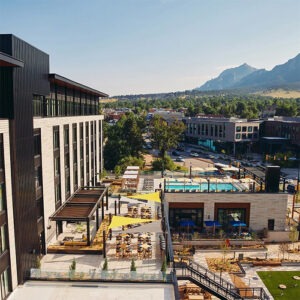
The new Limelight Boulder hotel in Colorado, operated in partnership with University of Colorado Boulder, features a lobby designed to enhance the hotel’s meeting facilities. General Manager Joe Steiskal describes it as “a living room, not a hallway to the elevators.” He notes that the lobby also intentionally beckons guests to explore further and engage with the local community.
“It opens into the Limelight Lounge and onto a sunken courtyard with a wooden amphitheater and a Flatirons-inspired water feature, so guests genuinely mix with people from campus and the neighborhood.”
The recently renovated JW Marriott Atlanta Downtown takes a similar approach, offering multiple lobby environments designed around different attendee needs. However, each space was created with the unifying idea of bringing peace to visitors.
“The transformation from the W to the JW Marriott Atlanta Downtown was dramatic,” says General Manager Amanda Joiner. “Meeting guests enter a lobby with lush faux greenery and trees that set a relaxing tone to the arrival experience.”
Joiner also notes that food and beverage help the property distinguish itself. “The hotel’s highly activated Ledger Lounge brings modern, approachable luxury to our guests,” she says.
Omni Nashville also provides a distinct sense of place and sweeping yet comfortable public spaces, with 64 meeting rooms, 121,750 sq. ft. of total meeting space and a lobby bar inspired by Nashville’s country music identity.
The trend isn’t confined to luxury hotels, either. IHG’s new Holiday Inn Express Generation 5 public-space concept was developed using research into guest behavior and designed to address this trend for upper-midscale budgets.
Bohn says hotels are seeing more guests gather in lobbies and lobby bars, despite the increasing amount of social interaction taking place online. “There is still an ultimate need for connection,” she says, adding that renovated public spaces create environments where guests can leave their rooms, see colleagues and meet clients in low-pressure environments.
The Rise of Signia by Hilton Properties
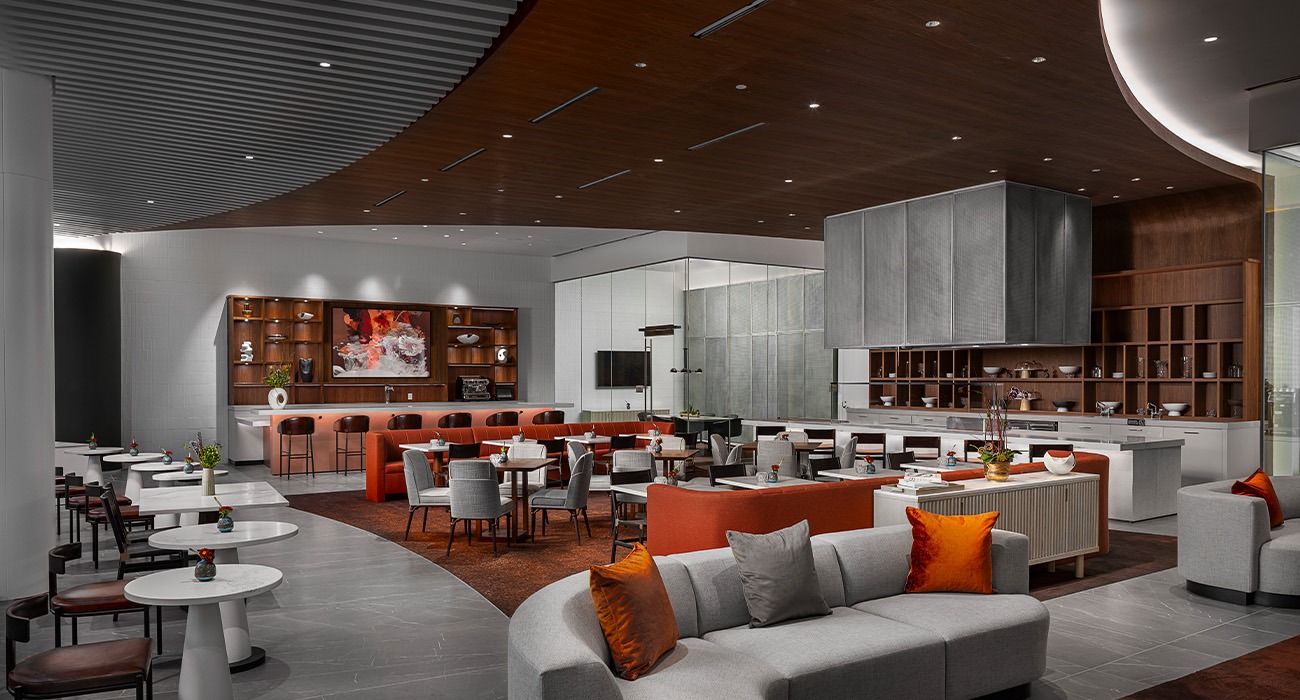
The third trend coming into prominence is playing out at the brand level. Signia by Hilton is expanding its footprint as Hilton seeks to meet demand for hotels that can combine large-scale meetings with an elevated full-stay experience.
Hilton currently has six Signia hotels open, with eight more in development. The pipeline includes properties in Taiwan, Indianapolis and Savannah, among other desirable destinations.
Meghan Fitzgerald, global brand leader for Signia by Hilton, says the brand is deliberate about the properties it adds to the portfolio. “Each Signia by Hilton property must deliver flawlessly on both the event and broader guest experience,” she says, describing a model that combines flexible event venues with elevated design, food and beverage, wellness, guest rooms and a focus on anticipatory service.
Fitzgerald adds that the Signia by Hilton name is intended to signal to planners that the property is designed around the “complete event experience,” combining expansive venues and technology with service, culinary experiences, wellness and spaces such as Club Signia—a private lounge available at some Signia properties that offers all-day dining, VIP amenities and personalized service.
That full-service approach is becoming particularly relevant as group travel grows more varied. According to Fitzgerald, Hilton’s Meeting Maximizer report found growth in smaller meetings, off-site team gatherings and incentive travel. At the same time, planners still need the fundamentals of successful meeting execution while attendees increasingly seek dining, wellness and entertainment experiences that help them feel connected to the destination.
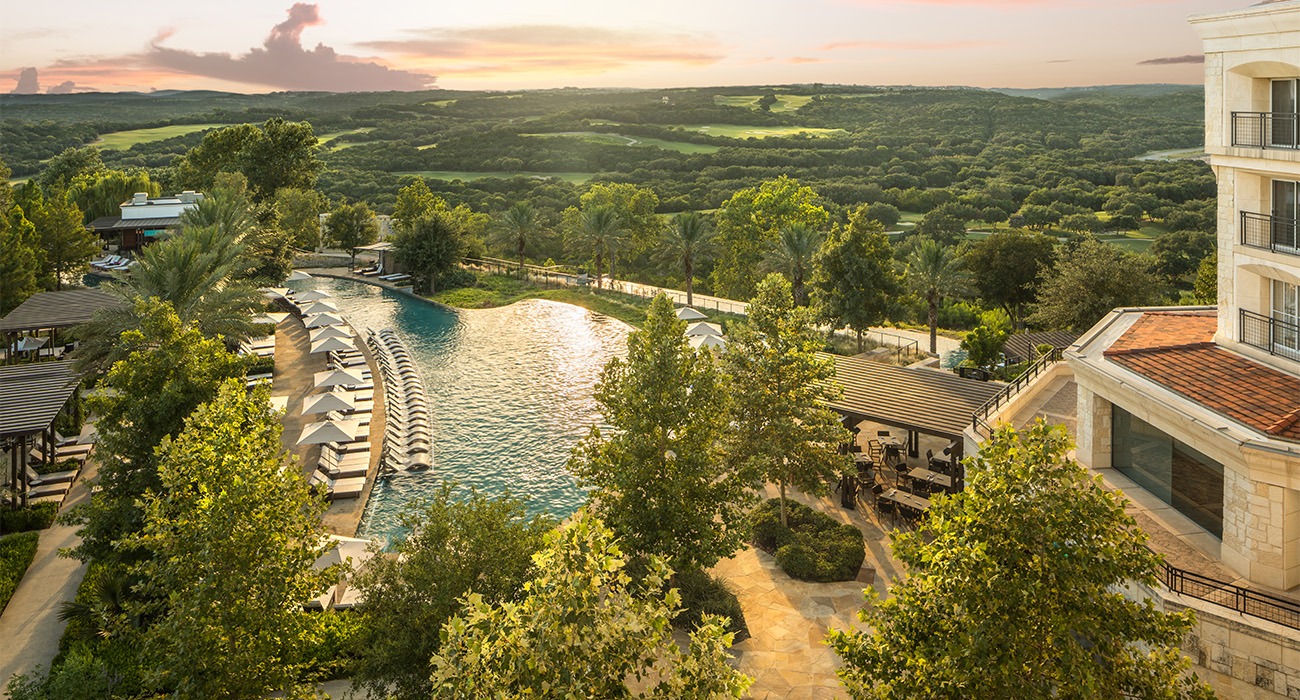
Considering the increased focus on blending business and pleasure throughout events, properties need to be efficient places to conduct business as well as spend downtime—and Signia’s current and upcoming properties illustrate that strategy.
Signia by Hilton La Cantera Resort & Spa, for example, features 172,413 sq. ft. of flexible meeting and event space, alongside nine dining experiences, Loma de Vida Spa & Wellness, La Cantera Golf Club, five pools and a kids camp.
In Indianapolis, the city’s Signia property is set to open in January 2027 with 800 rooms and nearly 100,000 sq. ft. of meeting space, including a 50,000-square-foot ballroom. It will also feature seven dining experiences, a rooftop sky bar and pool, a wellness-focused fitness center and Club Signia.
The brand is also intentionally incorporating purpose-driven experiences. At Signia by Hilton Orlando Bonnet Creek, a program named Community Connect gives groups opportunities to participate in hands-on service projects during their stay.
Wellness is another important component of the Signia experience. Fitzgerald cites Hilton’s Why We Gather research as motivation for prioritizing wellness, which found that 76% of people enjoy work-organized, health-focused activities, from group yoga to recovery sessions.
The Next Hotel Metric
Instead of focusing primarily on room counts, meeting square footage and breakout arrangements, properties have an opportunity to make the experience of staying there part of the pitch.
A hotel with a compelling lobby, a strong connection to its destination or enough amenities to keep attendees engaged between sessions can give planners more to work with when building a program. Those features can also help answer a question that is hard to answer on paper: What will it actually feel like to host a group here?
As hotels rethink how guests use their spaces and how groups experience their destinations, planners have an opportunity to reevaluate what they find important in return. The strongest property may not simply be the one that checks every box—it may be the one that capitalizes on the latest trends and creates unique possibilities for connection that an RFP wouldn’t even think to ask for.
The Hotel Becomes Part of the Story
Set-jetting, lobbymaxxing and Hilton’s Signia expansion may represent three very different sides of the hotel industry, but they all point in the same direction.
The hotel is no longer simply the container for the meeting, it’s also part of the story. Set-jetting demonstrates how a property’s surrounding destination can give attendees a compelling reason to explore, lobbymaxxing turns previously transitional space into an active part of the attendee journey and Signia’s growth shows how hotel brands are building the meeting, dining, wellness and social experience into a comprehensive package.
For planners, that means the site-selection process may need to evolve along with the hotels themselves. The question is no longer simply whether a property can accommodate the meeting, it is whether the property can help make the meeting memorable.
Brought to you by

This article appears in the September/October 2026 issue. You can subscribe to the magazine here.