Creating space for attendees to pause, breathe and align
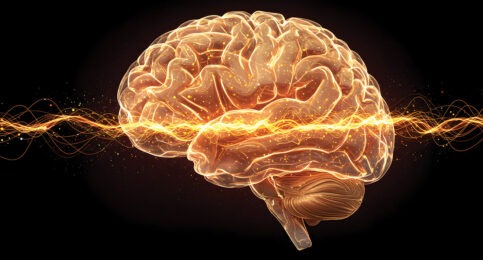
The first moments of an event shape everything that follows, yet they are often the most overlooked. Before attendees engage with content, networking or programming, something else is happening beneath the surface. Their bodies are adjusting to a new environment. Their nervous systems are processing stimulation, scanning for cues of safety and responding to the pace and energy of the space.
This process, known as neuroception, happens automatically and influences how present and engaged someone will feel. Attendees arrive carrying everything that came before, including travel fatigue, digital overload, deadlines, personal stress and the momentum of a fast-paced world. Yet most events move them immediately into registration, conversations and content without giving them a moment to fully arrive.
The opportunity is to approach arrival differently, not as a checkpoint, but as a human-centered designed experience.
Arrival as a Physiological Transition
When arrival is rushed, crowded or overstimulating, attendees often remain in a heightened, reactive state, making it harder to focus, absorb information and build meaningful connections.
When we intentionally design for arrival, we support nervous system regulation and readiness, and help attendees shift from stress into presence. When attendees feel safe in their bodies, they become more present, open and ready to engage.
Read More: The Art of Arrival: Elevating Registration with Purposeful Touchpoints
How the Shift Happens
The transition from “arriving” to “being present” is not about time. It’s about cues. Simple, intentional cues can guide the nervous system into a more regulated state:
- Somatic awareness: Bringing attention back into the body
- Orienting practices: Noticing the environment to create familiarity
- Breath regulation: Slowing the breath to calm the stress response
- Sensory engagement: Using the senses to anchor attention
Together, these elements signal safety to the body, allowing attendees to settle and become more receptive.
At Smart Meetings Wellness Experience in San Antonio, the arrival experience reflected these principles. Attendees were invited into a multisensory journey, including WELLDOM’s Mindful Ritual Bar as one of several touchpoints. Participants paused, engaged their senses, took a breath and set an intention before entering the day.
The shift was immediate. Energy softened, conversations became more intentional and people arrived fully present and ready to connect.
Read More: Registration and Badge Printing: More Than Just a Table at the Front Door
A Human-Centered Framework
Pause. Breathe. Align. Intention.
This sequence supports a natural progression from external stimulation to internal awareness, and then into intentional engagement.
1. Pause
Create a moment of stillness. This can be as simple as slowing the pace of entry, creating a visual orienting cue to stop and notice colors and textures or offering a brief guided moment through signage or a greeter to guide the journey.
2. Breathe
Provide a nervous system reset. Include a guided breathwork moment, either live or through a Zen space, and provide access to meditation apps.
3. Align + Intention
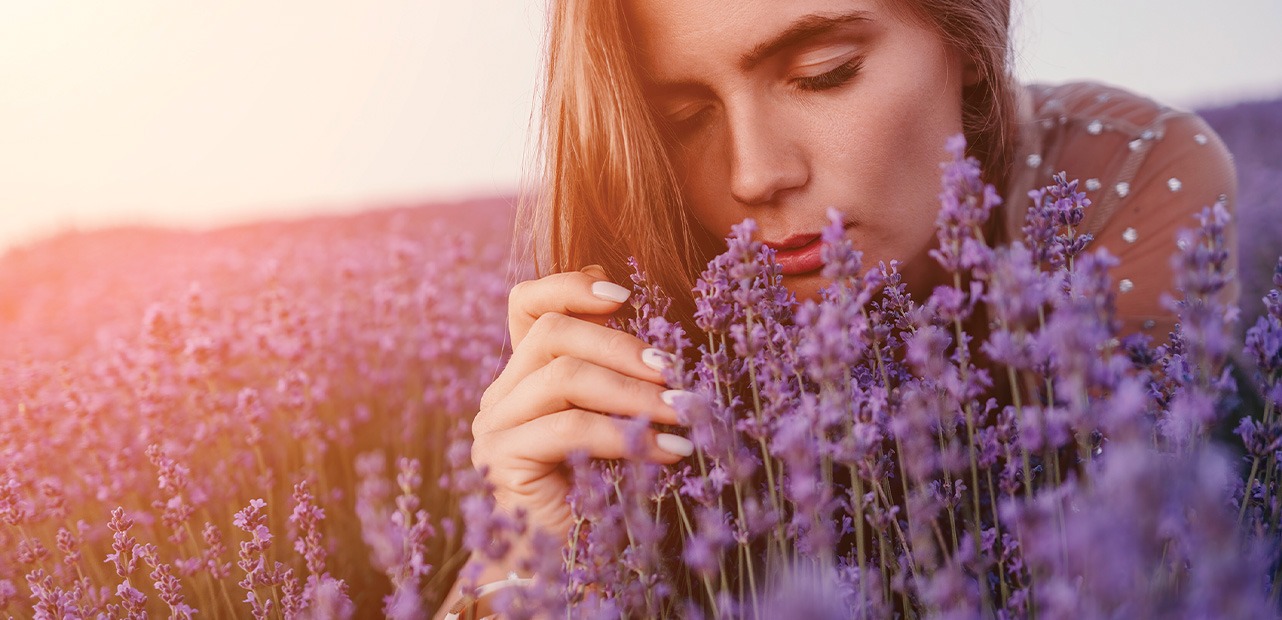
This happens when attendees feel connected to themselves and their environment. Multisensory elements help anchor attention and create cues for safety.
Inviting attendees to select a curated essential oil blend, such as WELLDOM’s, creates a moment of self-assessment: How do I want to feel? What energy do I want to bring into this space?
That awareness leads to intention, how they want to show up and engage.
Together, these small actions shift participation from passive to purposeful, creating a more meaningful connection beyond the event.
 —
—
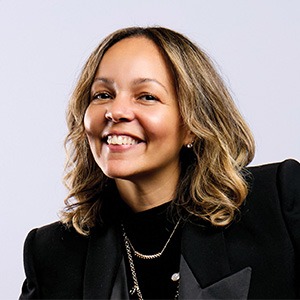 Maura Zhang is founder of IKŌNIK Destinations Collective, currently representing the Curaçao Tourist Board, Naples Marco Island Everglades CVB and Sonoma Valley Visitors Bureau in the North American market.
She is also a Positive Impact ambassador for sustainability, health and wellness in events, a Certified Wellness Practitioner and moonlights as a certified yoga, breathwork, sound and energy healing instructor.
This article appears in the May/June 2026 issue. You can subscribe to the magazine here.