Why connection beats combat at the contract table
If there is one skill meeting planners use every single day (often without naming it), it is negotiation. Room rates. Attrition clauses. F&B minimums. Speaker fees. Internal budgets. Venue concessions. Agenda changes. Stakeholder expectations. The list is endless.
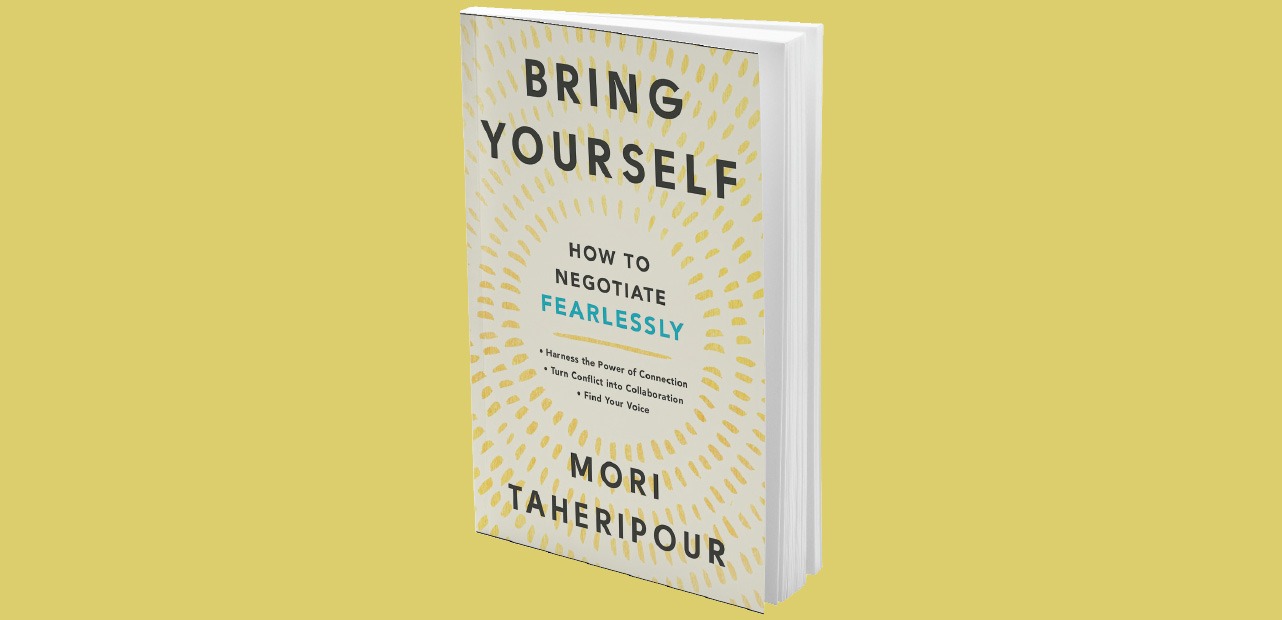
In Bring Yourself: How to Negotiate Fearlessly, negotiation expert Mori Taheripour reframes the entire concept. Negotiation, she argues, is not a high-stakes showdown or a battle of leverage. It is a human conversation. And the most powerful tool you bring to it is not dominance or data. It is yourself.
For meeting professionals, that message lands.
Negotiation Is Not Combat
Taheripour pushes back on the idea that negotiation is about winning. Instead, she positions it as a process rooted in curiosity, empathy and clarity.
Read More: Ask the Negotiator: The Clauses That Bind
For planners, this can be a mindset shift. The industry has long rewarded toughness—the ability to “hold the line” on rates or squeeze one more concession from a contract. But fearless negotiation, as she describes it, is less about squeezing and more about understanding.
- What does the hotel actually need to make this program work?
- What pressures are your client under?
- What constraints are the AV partner navigating?
When you approach conversations with curiosity instead of defensiveness, creative solutions tend to emerge. A rate might not move, but perhaps value can be added elsewhere. A strict policy might have flexibility if you understand the why behind it. That subtle shift changes everything.
Self-Awareness Is Leverage
One of the strongest throughlines in the book is self-reflection. We all carry internal narratives into negotiation: fear of being perceived as difficult, discomfort discussing money, pressure to prove ourselves.
Sound familiar? Many planners, especially women and emerging leaders, hesitate to push back on terms because they do not want to jeopardize relationships. Taheripour challenges that instinct. Avoiding clarity does not preserve relationships. It weakens them.
When you understand your own triggers and fears, you negotiate from a place of steadiness rather than reactivity. Instead of rushing to accept a contract because a client is anxious, you can pause. Instead of apologizing for asking for concessions, you can state them calmly and directly. That confidence does not come from bluster. It comes from alignment.
Connection Builds Better Deals
In the meetings industry, relationships are currency. Planners work with the same CVBs, hotel sales managers and production teams year after year. Taheripour’s approach fits seamlessly into that ecosystem.
She emphasizes that negotiation is not about extracting value from someone. It is about building a framework where both sides feel heard.
Imagine a pre-con meeting where instead of launching into demands, you begin with shared goals: attendee experience, revenue targets, long-term partnership. The conversation shifts from positional to collaborative.
That does not mean you compromise your client’s needs. It means you advocate for them in a way that invites partnership instead of resistance. And in a business built on repeat bookings, that matters.
Everyday Negotiations Count
Perhaps the most refreshing part of the book is its reminder that negotiation is not reserved for contracts. It shows up in staffing conversations, workload discussions, timeline expectations and even in how you set boundaries with colleagues.
Read More: Take 5: Nicola Kastner on Passionate Conversation
- When you ask for additional support for a 2,000-person conference
- When you clarify scope with a demanding stakeholder
- When you advocate for your own professional growth
Those are negotiations, too. Approaching them fearlessly does not mean being aggressive. It means being present, clear and authentic.
Bringing Yourself to the Table
For planners juggling logistics, client service and constant curveballs, it can be tempting to default to scripts and templates. Taheripour’s message is that your greatest strength is not a perfectly crafted talking point. It is your humanity.
- Your preparation.
- Your integrity.
- Your willingness to listen.
- Your courage to speak clearly.
In an industry built on relationships, that may be the most practical negotiation strategy of all. Because at the end of the day, the best deals are not the ones where someone loses. They are the ones where everyone leaves the table ready to work together again.
And that starts with bringing yourself.
—
Be sure to join the Smart Reads book club on our MeetSmart Hub app, available on all platforms and featuring exclusive author interviews, interactive reader discussions and more.
This article appears in the March 2026 issue. You can subscribe to the magazine here.