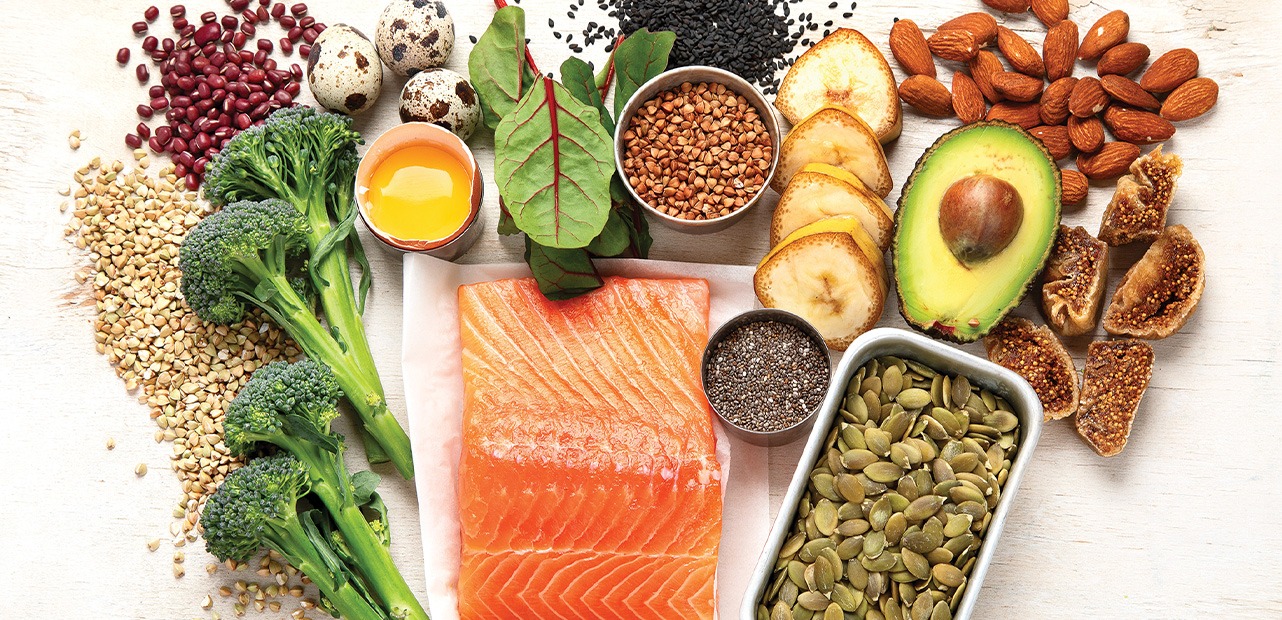
Nutritional therapy for a happier you
“Food is medicine,” you’ve heard, but how about “food is mood”? A growing body of research under the banner of what’s called nutritional psychiatry confirms that even if you’re in generally good health, physically and mentally, specific dietary shifts can uplift your feelings of well-being, resilience and mental clarity.
Some have framed this health regimen as tuning your brain’s biological hardware to run more efficient software. More simply, call it focusing on good mood food.
A pioneer in this arena is Dr. James Greenblatt, a psychiatrist known for his “root cause” approach to mental health; his latest book is Finally Hopeful. He argues that our brains, like the rest of our bodies, can be directly affected by nutrition. One example you may be very familiar with is the afternoon slump or brain fog, also known as the “glycemic rollercoaster.”
As Dr. Greenblatt puts it, “The brain is fueled almost entirely by glucose, [and] it should be no surprise that low levels of blood sugar can cause irritability, anxiety and other mood disturbances, including depression.”
Making sure you keep stable blood sugar levels by balancing carbs with fiber, healthy fats and protein can prevent the crash that triggers release of stress hormones like cortisol.
“The brain is fueled almost entirely by glucose, [and] it should be no surprise that low levels of blood sugar can cause irritability, anxiety and other mood disturbances, including depression.”
– Dr. James Greenblatt
When it comes to good health, it seems it’s all about the microbiome these days. Nutritionists say one way to eat your way to a better mood is by enhancing diversity in your “gut buddies.” Enter the “30 Plants a Week” challenge. No way, I can hear you saying. But that’s only a little more than four different plants a day—and that total encompasses fruits, veggies, grains, nuts, seeds and even spices. Why? Because your gut microbes produce up to 95% of your body’s serotonin, and although this serotonin doesn’t cross the blood-brain barrier, it can help fight inflammation, a known mood-killer, and “does influence the brain directly and indirectly,” according to a 2023 Psychology Today report.
The ‘Big Three’
For ongoing mental maintenance, experts recommend ensuring your diet is rich in the “Big Three” mood nutrients:
- Omega-3s found in fatty fish, flaxseed, soybeans and walnuts improve communication between brain cells and help buffer against daily stress.
- Magnesium found in pumpkin seeds, leafy greens and dark chocolate helps regulate the nervous system and improves sleep quality.
- B-vitamins found in eggs, legumes, fish, meat and poultry are essential for converting food into brain energy and neurotransmitters.
Mindful eating as a mental reset is another way to calm your darker inner voices and feel good by enjoying the simple act of having a meal. And there are specific habits that you can form through repetition. Instead of that soda or energy drink, for example, nutritionists say try green tea, which contains the amino acid L-theanine that improves focus, alertness, memory and mood. And skip the processed salty snack in favor of a cup of Greek yogurt with pumpkin seeds to supply probiotics for the gut-brain axis. These substitutions all rely on the same formula, which you’ve probably been hearing for a long time: Skip the grocery store aisles where everything has a long list of ingredients you can’t identify in favor of whole foods, preferably organic.
Western medicine, of course, has an overflowing cabinet of pharmaceuticals to combat the more serious mood disorders, including actual depression. But why not start with what we put in our bodies to refuel every day?
Physicians like Greenblatt call medicines “just band-aids.” The real story, he says, is found by “exploring the role of nutrition and brain function.”
This article appears in the May 2026 issue. You can subscribe to the magazine here.