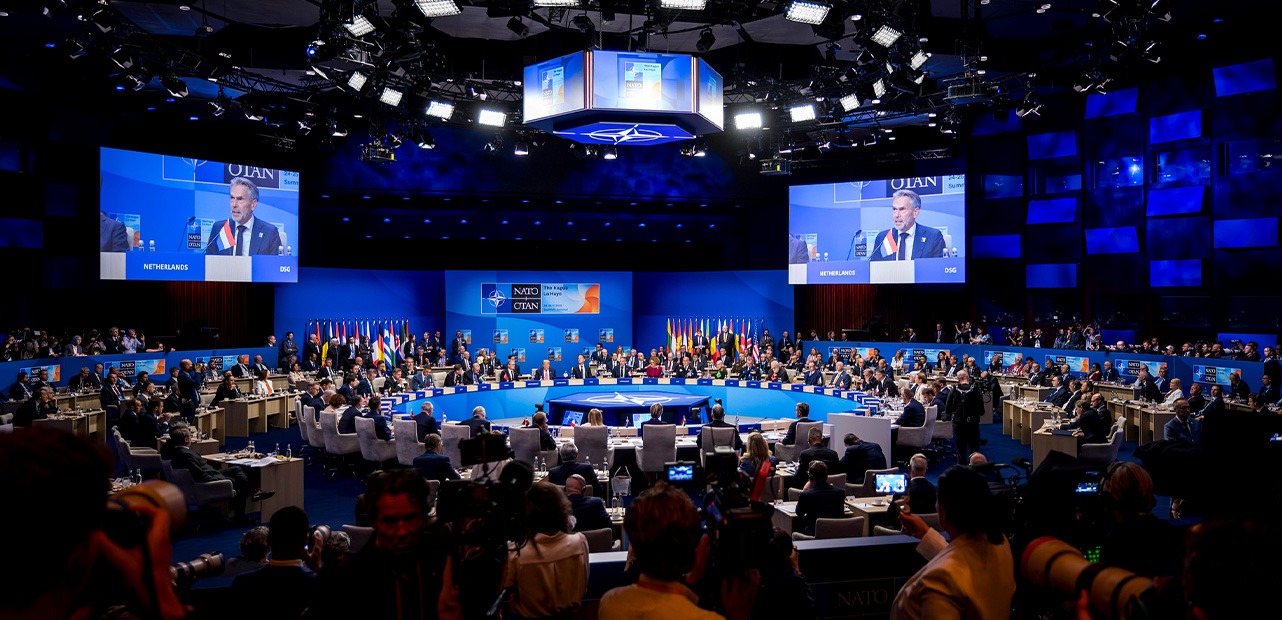
In June of 2025, the world watched the formal proceedings in The Hague as North Atlantic Treaty Organization (NATO) Alliance leaders announced an agreement to raise defense spending and support Ukraine. What may not have been visible from the carefully posed photos and diplomatically worded statements in the majestically orchestrated space was the year-and-a-half required to plan the event.
We talked to Robert Dingjan, director of the Conference Bureau Ministry of Foreign Affairs for The Netherlands, and Michiel Middendorf, general manager of World Forum The Hague, the venue for the NATO Summit proceedings for lessons planners of complex gatherings can learn from this high-stakes endeavor.
Building Up
The team had a year-and-a-half to prepare for the arrival of 9,000 people, including 45 heads of state, 45 foreign ministers and 45 defense ministers, government representatives and journalists. The pressure was on. This was the first time the proceedings were held in The Netherlands, and it was an opportunity to bolster the country’s position as an ally on the world stage.
Dingjan described the lead-up as “an intensive and highly confidential preparation process, involving continuous collaboration between the Dutch Ministry of Foreign Affairs, the City of The Hague and World Forum, the venue and operational partner requiring trust, decision-making and collaboration under global pressure.”
Read More: APEC and Dreamforce Showed Off Forward-looking San Francisco
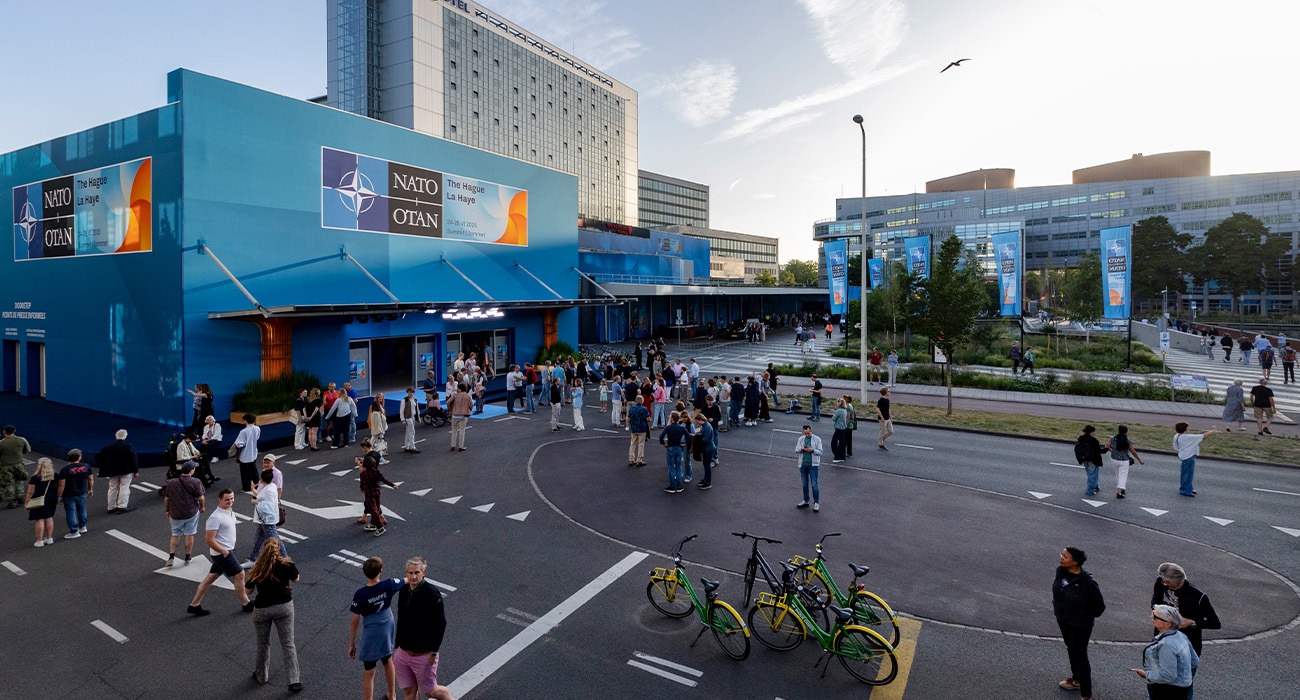
How complex was the two-day event? The contract came with a “Bible” of requirements laying out each detail, including the spacing between chairs for heads of state at the massive round tables. Each step had to be reviewed and approved. In fact, a temporary building had to be constructed to house a duplicate table and viewing area for defense ministers.
200 luxury cars were purchased for the occasion and because not enough were available in The Netherlands, they were secured from throughout Europe and tested to ensure they were up to standards.
Securing the Perimeter
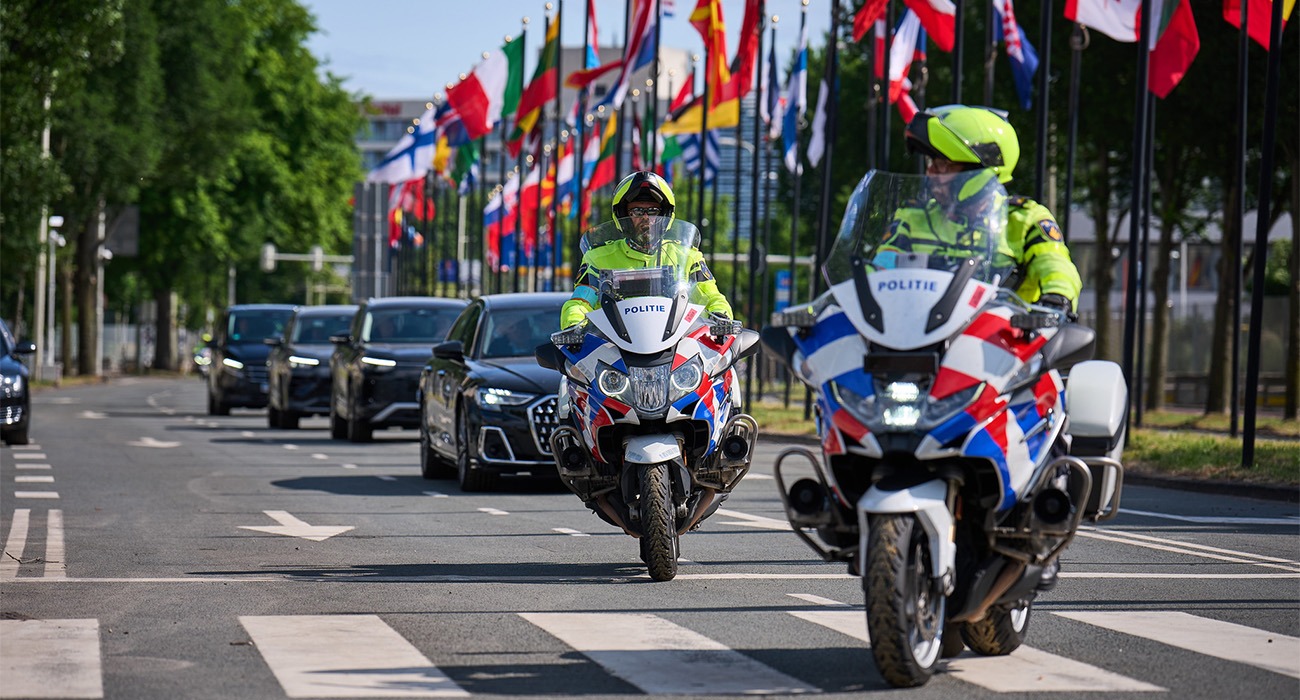
Security was a major focus. A 10-mile perimeter around the venue was secured on land and air with a no-fly zone. Residents had to enter through checkpoints and all hotel rooms in the city were secured for participants attending that week with more booked in the surrounding area.
As delegations wavered on whether to attend based on emerging headlines, accommodations had to be managed in real time. Communication was essential to allay concerns and coordinate efforts across stakeholders.
A High Bar
In the end, The Netherlands delivered a productive conversation that highlighted a unified front toward defense, including cybersecurity. It also positioned The Hague as a premier destination for large and small conferences with attention to detail and protocol at the highest levels.
Lessons Learned
1. Cybersecurity is not to be seen separate from physical security. You can build the best digitally protected stand-alone network, but you need to physically secure the process of doing so.
2. Prepare every service scenario assuming you do not have any technical form of communication. We had to be ready to go “off grid” at any given time. This can be challenging serving a high-level dinner for example.
3. Practice risk analyses at the basic operational level, a minor detail can cause a bigger issue.