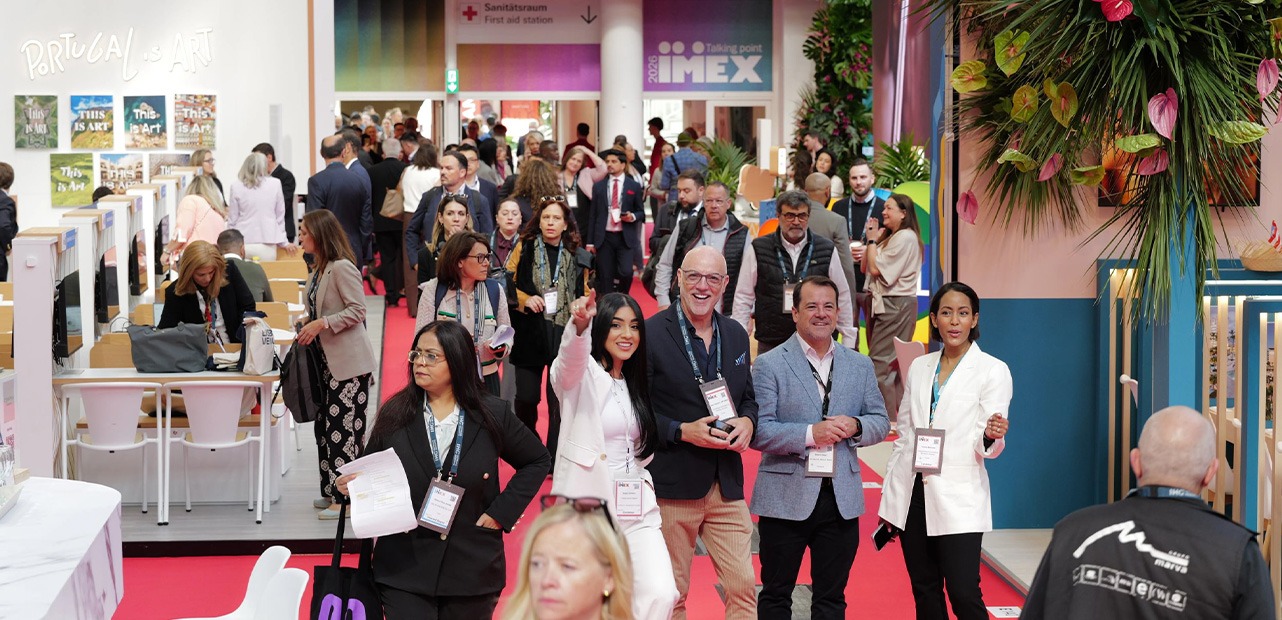
More than 13,000 industry professionals gathered at IMEX Frankfurt this May, filling Messe Frankfurt with conversations about innovation, sustainability, inclusivity and the enduring value of face-to-face connection. With a record 73,000 pre-scheduled meetings and nearly 3,000 exhibiting companies, the show offered a powerful snapshot of where the global meetings industry is headed—and what planners should be paying attention to next.
Face-to-Face Meetings Are Having a Renaissance
If there was one theme that surfaced repeatedly throughout the week, it was the growing value of in-person connection.
While artificial intelligence remained a prominent topic in educational sessions and hallway conversations, many speakers emphasized a parallel trend: As digital tools become more sophisticated, authentic human interaction becomes even more valuable.
Read More: Survey: In-Person Events Win Big, But Most Meeting Profs Still Can’t Prove It
The concept of the “currency of trust” appeared throughout discussions, with industry leaders highlighting how face-to-face meetings accelerate relationship building, collaboration and business outcomes in ways that technology alone cannot replicate.
The numbers seem to support that sentiment. IMEX Frankfurt welcomed more than 4,500 buyers and facilitated a record-breaking 73,000 pre-scheduled appointments, underscoring continued global demand for in-person business events.
While technology can streamline logistics and improve efficiency, the experiences attendees remember most are often the moments that create genuine human connection.
Designing for Human Needs
Inclusivity moved beyond conversation and into practical application across many of the show’s educational offerings.
Sessions within the “Designing for Human Needs” track explored topics including neurodiversity, psychological safety and creating environments that allow all attendees to participate comfortably and confidently.
Rather than treating accessibility as a compliance exercise, presenters encouraged planners to view inclusive design as a core element of attendee experience strategy. Simple considerations such as sensory-friendly spaces, clearer communication and more flexible engagement options can have an outsized impact on attendee satisfaction.
As meetings continue to prioritize personalization, designing for a wider range of needs is becoming less of a differentiator and more of an expectation.
Sustainability Through Collaboration
Sustainability remained a major focus throughout IMEX, with one of the week’s notable moments coming during the presentation of the 2026 IMEX-EIC Innovation in Sustainability Award.
The award was presented to BEFuture, a European initiative led by the Agència Catalana de Turisme that brings together destinations, universities, technology partners and industry organizations to advance sustainability across the meetings and events ecosystem.
Read More: Turning Surplus Into Service: How Food Rescue Strengthens Community and Sustainability
The recognition reflects a growing shift in how the industry approaches sustainability. Rather than relying solely on individual organizations to drive change, many of the most promising initiatives are being built through partnerships that span destinations, sectors and disciplines.
For planners, that collaborative approach may become increasingly important as clients and attendees continue to expect measurable environmental and social impact from events.
The Growing Role of Events in Economic Development
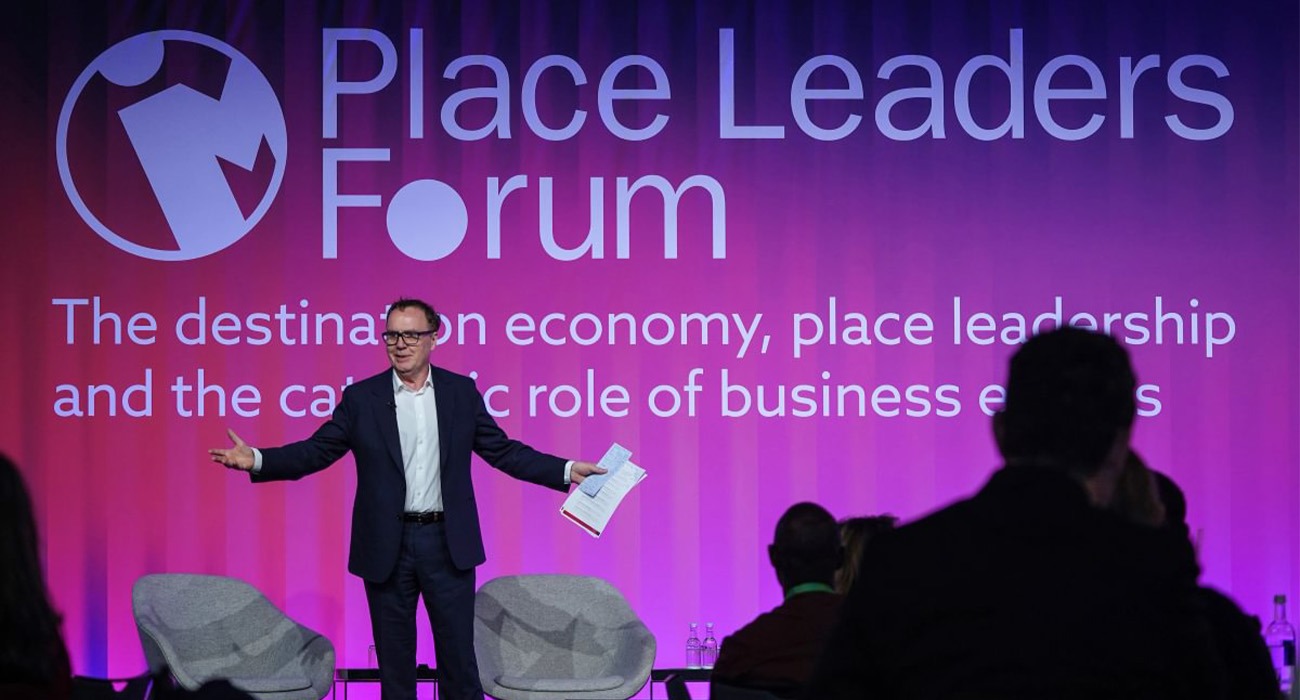
Conversations at the Place Leaders Forum highlighted another trend gaining momentum: viewing business events as economic development tools rather than tourism drivers alone.
Attendees from more than 60 destinations joined policymakers and industry leaders to discuss how meetings can contribute to talent attraction, innovation, investment and long-term community growth.
This broader perspective continues to reshape how destinations position themselves and how event organizers measure success. Beyond room nights and visitor spending, planners are increasingly being asked to demonstrate how their events contribute to legacy outcomes and lasting community impact.
Why Design Matters
This year’s IMEX theme, “Design Matters,” came to life throughout the show floor.
Immersive installations, creative gathering spaces and intentionally designed environments transformed the exhibition into something that was experiential rather than transactional. The result was a show floor that encouraged curiosity, conversation and discovery.
Read More: Blueprints for Belonging: Designing Events with Purpose, Emotion and Impact
The theme also aligned naturally with Frankfurt’s designation as a World Design Capital, a milestone celebrated throughout the event.
For planners, the message extended beyond aesthetics. Great design influences how people move through spaces, interact with one another and retain information. Whether it’s a general session, trade show booth or networking event, thoughtful design can help shape attendee behavior and emotional engagement.
Looking Ahead
IMEX Frankfurt 2026 reinforced several realities shaping the future of meetings: Human connection remains the industry’s most valuable asset, inclusivity is becoming integral to event design, sustainability increasingly depends on collaboration and destinations are looking beyond tourism metrics to demonstrate impact.
At a time when technology continues to evolve at a rapid pace, the strongest message from Frankfurt may have been surprisingly simple: People still want to meet in person.
And they are finding new reasons to do so.