Music is more than background noise. It can shape the way attendees enter a room, connect with one another and remember an experience.
Inspired by David T. Stevens’ Smart Meetings story, “Wellness That Works: Sonic Power,” this Coffee Chat explores the role music can play in intentional event design.
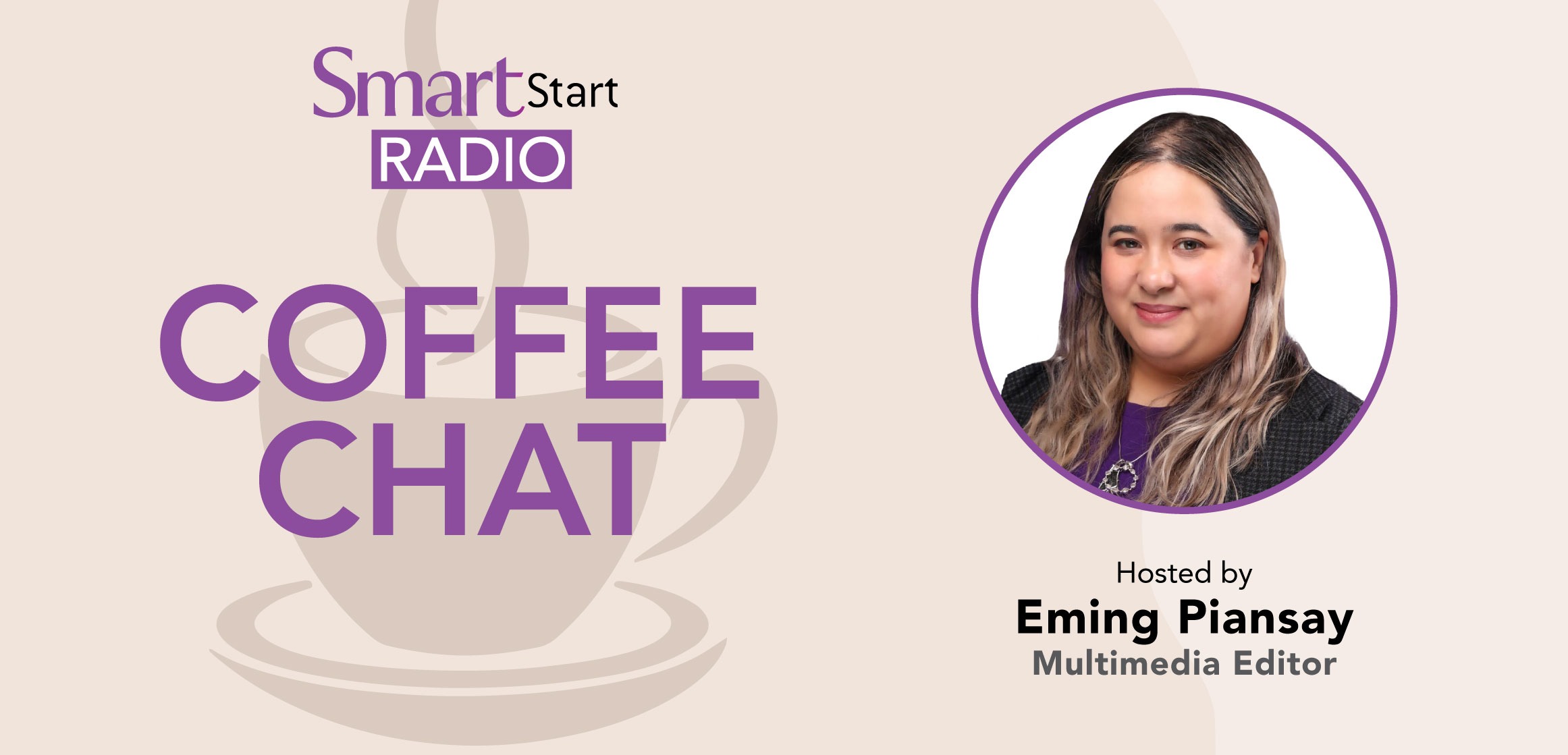
Smart Meetings Multimedia Editor Eming Piansay shares four ways planners can use music more thoughtfully, including mapping an event’s emotional journey, designing stronger transitions, collaborating with AV and production partners and considering the needs of the people in the room.
From volume and lyrics to sensory needs and even silence, the episode examines how sound can influence participation, connection and the lasting impression an event leaves behind.
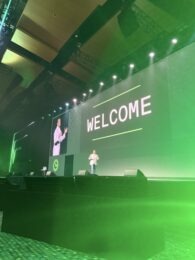
Think about the last event you attended. Before the keynote began, before anyone welcomed you from the stage and before a single slide appeared on the screen, what did the room sound like?
Was there music playing?
And more importantly, how did that music make you feel?
Because your event already has a soundtrack. The real question is whether you intentionally designed it or not.
[Intro music]
Welcome back, Smart Start Radio family. I’m Eming Piansay, multimedia editor at Smart Meetings, and this is Coffee Chat, our bite-sized podcast about the ideas shaping the meetings and events industry today.
So, grab your coffee, tea, matcha, water or whatever is getting you through this planning process right now, and let’s get into it.
Today, we’re talking about the power of music and why it may be one of the most overlooked tools in event design.
A recent Smart Meetings article by David T. Stevens, “Wellness That Works: Sonic Power,” asks planners to consider music as more than entertainment or something used to fill the silence in a room while attendees enter.
Instead, music can become part of the event strategy.
Honestly, this is something most of us already understand instinctively. We know that music can change the energy of a room.
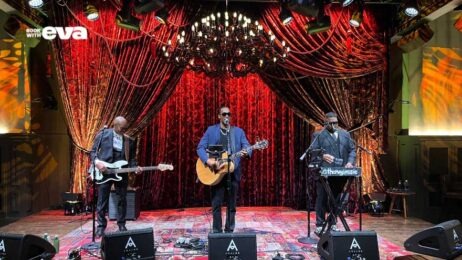
The right song can build anticipation before a keynote. It can make a video feel more emotional. It can energize attendees after lunch or turn a room full of strangers into a group of people singing along together.
That has happened many times. I can confirm that.
But even though we understand the effect music can have, it is still often treated as an afterthought.
Someone creates a playlist. The AV team receives a few cues. The song plays while people walk into the ballroom. Done deal, right?
But what would happen if planners thought about sound with the same level of intention they bring to lighting, room layouts, food and beverage or visual branding, for that matter?
Instead of beginning with, “What song should we play?” begin with, “How do we want our guests to feel?”
Do you want them to feel welcomed when they enter?
Energized before a general session, because coffee doesn’t always cut it?
Comfortable enough to begin talking with someone they have never met before, which, you know, is helpful?
Focused as they transition into an educational session?
Or reflective as the event comes to a close?
Once you understand the emotional state you are trying to create, music becomes more than a playlist. It becomes another way to guide attendees through the experience you are creating for them.
So, how can planners begin thinking about music as part of the overall event design?
Here are four thoughts we have for you.
First, map the emotional journey.
Walk through the event agenda and identify how you want attendees to feel during each major moment of your event.
The music welcoming attendees in the morning may need to feel warm and inviting. The music bringing them back from lunch may need to be more energetic. The final song could create a sense of celebration, reflection or anticipation for what comes next.
Each part of the event serves a different purpose, so the soundtrack should not feel the same from beginning to end.
Second, design the transitions.
Music can help attendees understand that something is changing before anyone says a word.
A shift in the music can signal that a session is about to begin, guide people back to the ballroom or help reset the energy after an emotional presentation.
Think about the spaces between the major program moments. Those transitions can sometimes feel awkward or disconnected, but music can help the entire experience feel more intentional.
Third, collaborate with your AV team and production partners.
Do not just give your production team a playlist and a list of cues. Explain the emotional intention behind the music.
Tell them how you want attendees to feel when they enter, transition and leave your event.
A strong production partner may be able to connect the music with lighting, visuals and the pace of the program so the experience feels cohesive rather than pieced together.
From personal experience, I’m always much more invested in events where I feel like the room is working together as one. The music is working, the light cues are working and it is all planned very stylistically so that you feel like it works.
You can tell when something doesn’t work, and it is very jarring when it doesn’t work.
So, think about all the factors. You have a room full of people. What should they be hearing, seeing and feeling?
Those are some of the most important parts of the attendee experience.
Fourth, consider the people in the room.
Music is personal. Not every choice will land the same way for everyone.
Consider your audience’s age range, cultural backgrounds and sensory needs. Pay attention to volume, lyrics and where music is being used.
There is also a difference between creating energy and making it impossible for attendees to hear one another during a networking reception.
Yes. Yes.
I can’t even articulate how many times I’ve been in spaces where I can’t hear what someone is saying, and I’m just nodding because I don’t want to be rude, but I also don’t want to keep saying, “What? What? What?”
That’s not fun for anyone. Let’s be real.
Sometimes, the right choice may be a softer track, an instrumental or even just silence.
The goal is not to force everyone to feel the same thing. It is to create an environment that supports the experience you want them to have.
Before finalizing the soundtrack for your next event, ask yourself:
What do I want attendees to feel during this moment?
Does the music support that feeling, or is it simply filling space?
Does the choice fit the audience?
Is the volume supporting the activity happening in the room?
Have I shared the intention with my AV and production partners?
You do not need an enormous entertainment budget or a custom-composed soundtrack to use music more intentionally for your event.
You just need to stop treating it as decoration.
Your guests may not remember every song that played during an event, but they may remember how the room made them feel.
That feeling can affect how willing they are to participate, connect with others and carry the experience with them long after the event ends.
Your event already has a soundtrack, right?
The next time you walk through your agenda, do not only think about what your guests will see and do.
Take a moment to listen.
For more insights from “Wellness That Works: Sonic Power,” visit SmartMeetings.com.
Once again, I’m Eming Piansay, and this has been Smart Start Radio Coffee Chat.
Until next time, I’ll see you guys later.
[Outro music]