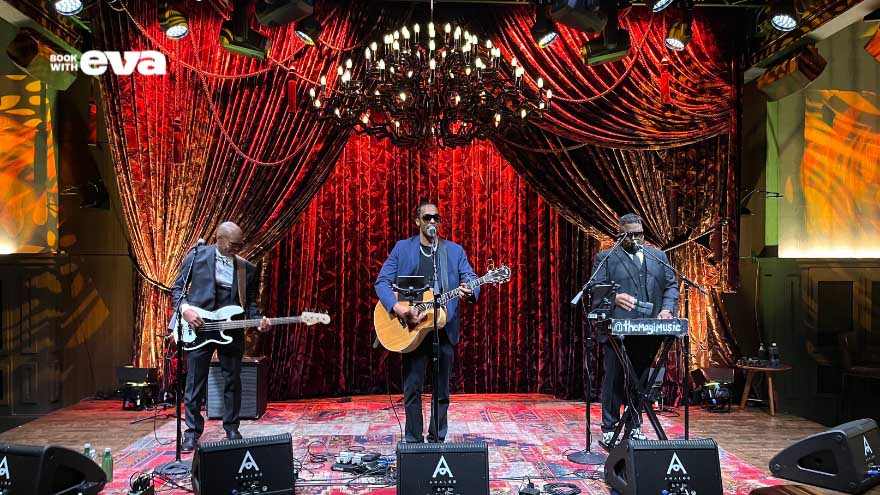
Somewhere along the way, event planning got its act together. Registration is automated. Room blocks sync in real time. F&B has an app for that. Walk the floor at IMEX or Dreamforce and every other workflow a planner touches has been streamlined, tracked, and dashboarded within an inch of its life.
Then there’s talent booking. Still, somehow, running on email chains, PDF riders, and a group text to “that guy who knows a guy.”
Why This One Workflow Never Caught Up
Entertainment and speaker booking has always been treated as a relationship business, which made it feel exempt from the modernization every other line item went through. The result: planners chasing quotes across a dozen inboxes, negotiating contracts one-off with every act, tracking down a certificate of insurance the week of the event, and hoping the W-9 shows up before payroll needs it. None of that is a reflection of a planner’s skill. It’s a reflection of an industry that never built the infrastructure for it.
Compare that to what planners now expect from a venue or an AV vendor: a portal, a status update, a contract that doesn’t require ten email threads to finalize. Talent has been the exception, right up until the moment it became the most visible part of the event.

What Changes When the Process Catches Up
This is the part that should matter to any planner running more than a handful of programs a year: when booking talent stops being a manual process, it stops being the bottleneck. No more waiting on a callback to confirm availability across five markets. No more re-negotiating the same insurance language with a new agent every time. No more discovering the contract gap two weeks out.
It also changes what planners can actually promise a client. A confirmed act, a signed contract, a certificate of insurance on file — all before the invoice even needs to be discussed — isn’t a nice-to-have anymore. It’s the baseline every other part of the event has already been held to.
Where This Is Headed
The planners who feel this shift first are the ones running the same program across multiple cities and multiple quarters — the ones for whom “we’ll figure out entertainment closer to the date” has never actually been an option. For them, the manual process isn’t a minor annoyance. It’s the one part of the plan they can’t fully control.
That’s the gap Book with Eva was built to close: one platform for discovery, vetting, contracts, and payment, so booking talent finally works like the rest of the event does. Not a Rolodex. Not a relationship you have to maintain yourself. A system, built the way the rest of your event already runs — so you’re never doing this one alone.