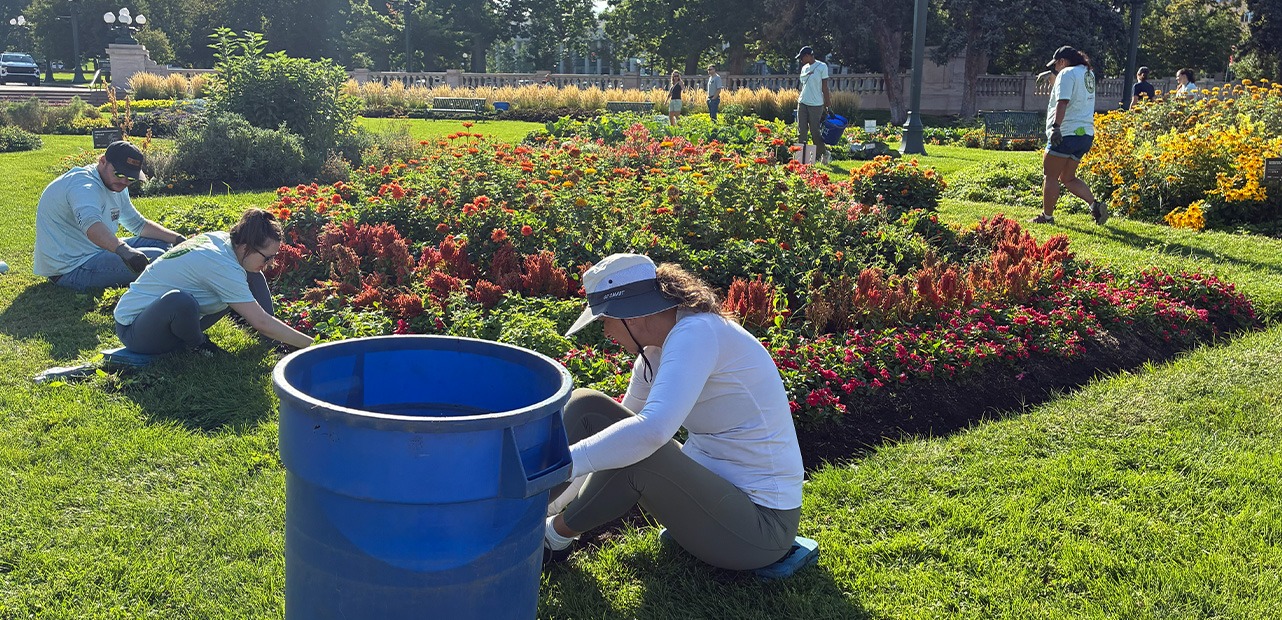
The EIC Sustainable Event Standards provide a comprehensive, globally recognized framework designed to guide, measure and verify sustainable practices. The certification covers eight standards: accommodations; audiovisual and production; destination; event organizer; exhibition services; food and beverage; integrated property; and venue. The framework offers actionable guidance on managing water usage, reducing waste, conserving natural resources and lowering energy consumption.
What the increasingly popular sustainability standards prioritize—and how meeting professionals can mobilize to meet them
Sustainability in the meetings and events space is rapidly shifting from a value-add to a baseline expectation. Soon, eco-conscious touches that once served as a bonus to gatherings may no longer suffice—a broad web of ESG (environmental, social and governance) initiatives will need to be clearly woven into the tapestry of benefits associated with attending an event.
Market data published by WifiTalents in February 2026 reveals that 65% of Gen Z attendees favor events with transparent environmental commitments, and 80% are willing to pay extra for sustainable options. As Gen Z professionals become a larger presence at corporate meetings and events, organizations eager to remain competitive should consider pursuing sustainability certifications widely recognized by both event attendees and industry peers.
How the Events Industry Council Sustainable Event Standards Work
How can organizations take their next high-impact step? One pathway is the EIC Sustainable Event Professional Certificate Programme, an online, self-paced course designed to help event professionals better understand sustainable event management. Participants receive a digital workbook and roadmap to help track progress within an organization.
The EIC Sustainable Event Standards provide a comprehensive, globally recognized framework designed to guide, measure and verify sustainable practices. Designed for planners and industry suppliers, certification covers eight standards—accommodations; audiovisual and production; destination; event organizer; exhibition services; food and beverage; integrated property; and venue.
Each standard is further divided into criteria addressing a broad spectrum of ESG considerations, with benchmarks spanning organizational management, social impact and climate action.
There are five tiers that organizations can pursue. The Foundations level indicates that an organization is focused on education and is in the initial stages of adopting certification. Bronze signals that a company has achieved 50% of the criteria, followed by Silver at 65%, Gold at 80%, and Platinum—the program’s highest distinction—at 90%.
This tiered system allows companies to publicly showcase incremental progress as they advance toward higher levels of certification, rather than waiting until every benchmark has been achieved.
Benefits of Implementation
For planners less familiar with sustainable event best practices, the framework offers actionable guidance on managing water usage, reducing waste, conserving natural resources and lowering energy consumption.
The standards also highlight the importance of social responsibility and inclusivity. Participating organizations are encouraged to evaluate diversity, accessibility, community impact and fair labor practices as part of their broader sustainability strategies.
Beyond operational improvements, completing a certification can also enhance brand reputation, helping businesses differentiate themselves in an increasingly saturated market. Demonstrating measurable ESG commitments may also appeal to progressive investors, prospective employees, and attendees who prioritize responsible business practices in their decision-making.
Insight from Certified Organizations
International Association of Exhibitions & Events (IAEE)
IAEE leadership acknowledges that sustainable choices are now a necessity. “It became clear that we needed to move beyond awareness and take real, deliberate action by making more sustainable choices across our events,” IAEE Director of Events and Sustainability Hannah Deters says. “We also recognized that today’s attendees are increasingly seeking out events that align with their values, and that sustainability is no longer just the right thing to do, but the smart thing to do for the long-term success of our programs.”
Implementation in small organizations without a dedicated sustainability team member also requires passionate, proactive individuals eager to oversee project management as the institution works toward its certification goals. Deters was conscious of this need and decided to step up to the plate at IAEE. “As a small team, we don’t have someone who is solely focused on sustainability, so it made the most sense for me, given my deep involvement in event logistics, to take point on implementation, with other team members stepping in to support as needed,” she shares. “It has very much been a collaborative, all-hands effort.”
Deters also warns that it takes time—sometimes several years—to achieve premier certification levels. “We started at the Bronze level in 2022, progressed to Silver in both 2023 and 2024, and were proud to reach Gold in 2025,” she says. “We are still learning and evolving each year, continuously identifying new opportunities to improve and refine our approach.”
Deters concludes with a piece of advice for organizations embarking on their certification journey: Don’t let perfection be the enemy of progress. “You absolutely do not have to have everything figured out from day one. Start somewhere small and manageable, whether that is reducing single-use plastics, rethinking your printing practices, or simply auditing where your biggest areas of waste are. From there, build on each win and let your sustainability efforts grow organically year over year.”
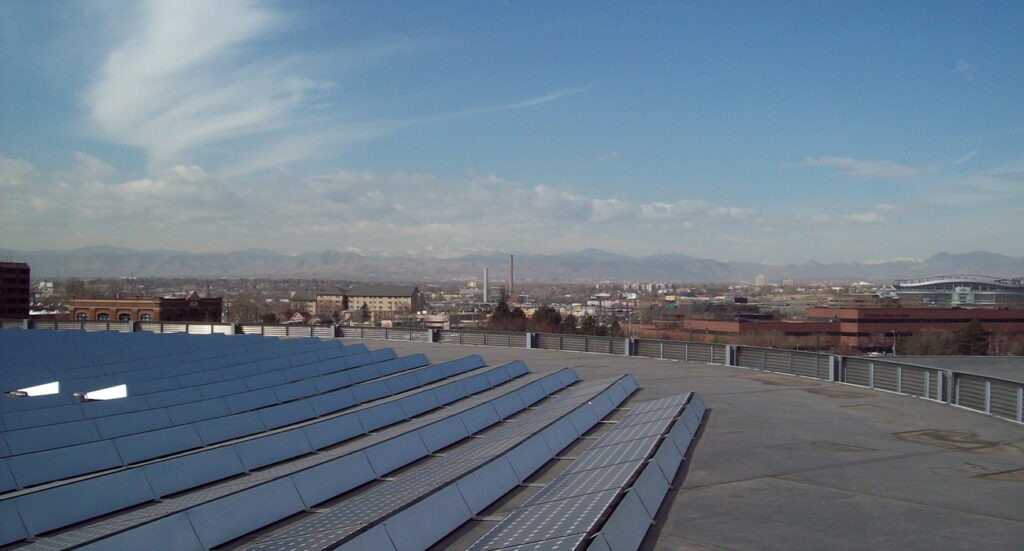
Visit Denver’s sustainability journey started in 2008 after hosting the Democratic National Convention. “This event served as a catalyst for prioritizing sustainability across our organization, where we gradually built formal sustainability practices by evaluating our operations, policies and long-term goals,” Director of Destination Services & Events Tiffany Eck says.
Read More: Notes from the Road: Denver
The destination organization recruited a sustainability consultant, Honeycomb Strategies, to assist them. “One of the first major steps was developing our Environmental and Corporate Social Responsibility Policy, which established the foundation for our sustainability efforts,” Eck says.
Eck also notes that EIC’s evaluation of a destination marketing organization (DMO) is multifaceted, with multiple community stakeholders involved. “[EIC] evaluates both the DMO, as well as the broader citywide initiatives, including partnerships with organizations such as Denver Water and Xcel Energy. Honeycomb Strategies helps collect the necessary data from the city and our utility partners, while Visit Denver manages the collection and reporting of internal DMO data,” she says. In 2013, Visit Denver became the first destination to achieve certification under the EIC Sustainable Event Standards.
Eck advises organizations, especially those beginning their sustainability efforts, to consider hiring an external consultant. “Having an experienced advisor helps organizations identify priorities, establish realistic goals, and create a structured roadmap for implementation and long-term success,” she says.
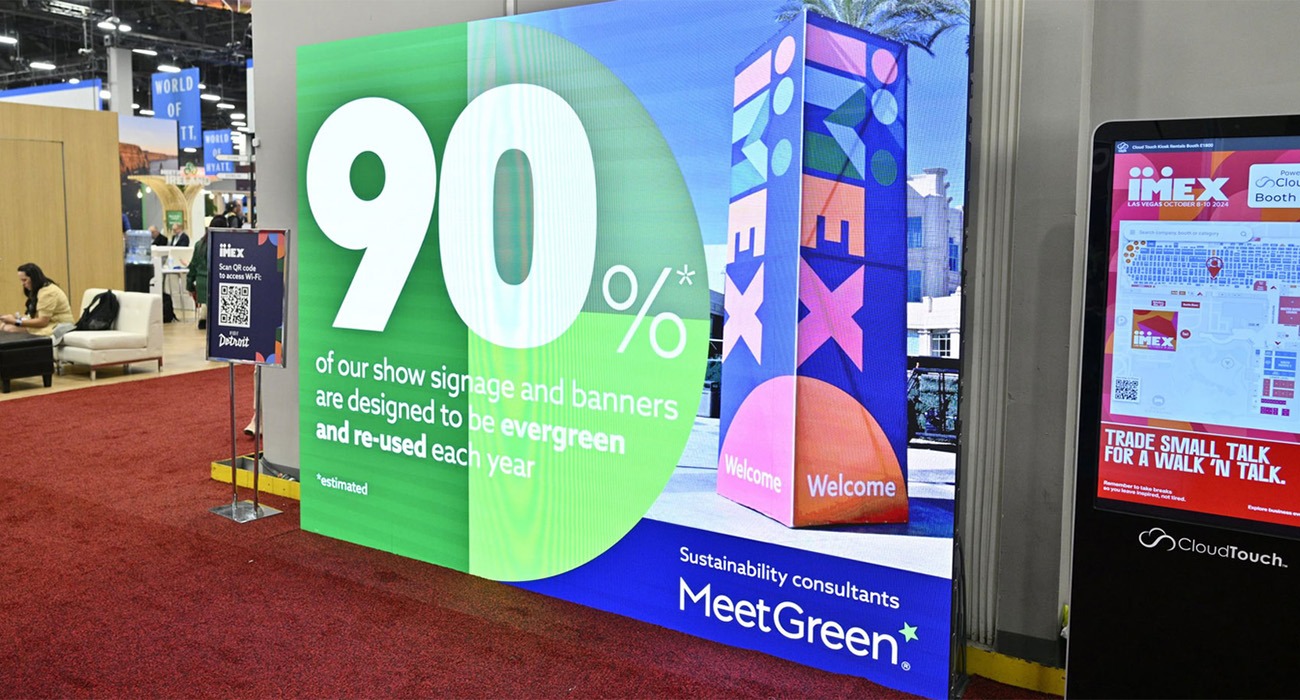
IMEX achieved Platinum certification at IMEX America 2021 and continues to build on its sustainability practices, using the framework to guide its sustainability strategy and operational improvements across its global trade shows.
The certification aligns with IMEX’s broader environmental and social governance strategy, which includes a commitment to reducing carbon emissions by 20% by 2030 from a 2025 baseline. The organization has expanded initiatives ties to renewable energy usage, sustainable catering, reusable exhibition booths and exhibitor emissions measurement. “We do everything we can to leave the world a better place than we found it,” IMEX Group CEO Carina Bauer says. “We are committed to not only implementing best practice in event sustainability initiatives ourselves but also to use our influence to encourage everyone in our industry to maximize their efforts.”
At IMEX Frankfurt in 2026, sustainability conversations extended beyond the show’s own operations with the launch of Sustainable Event Goals (SEGs), a new industrywide framework introduced by PCMA, Convene 4 Climate, Destination Canada, Kenes and EIC. The initiative is designed to give planners, suppliers and destinations a more unified sustainability roadmap.
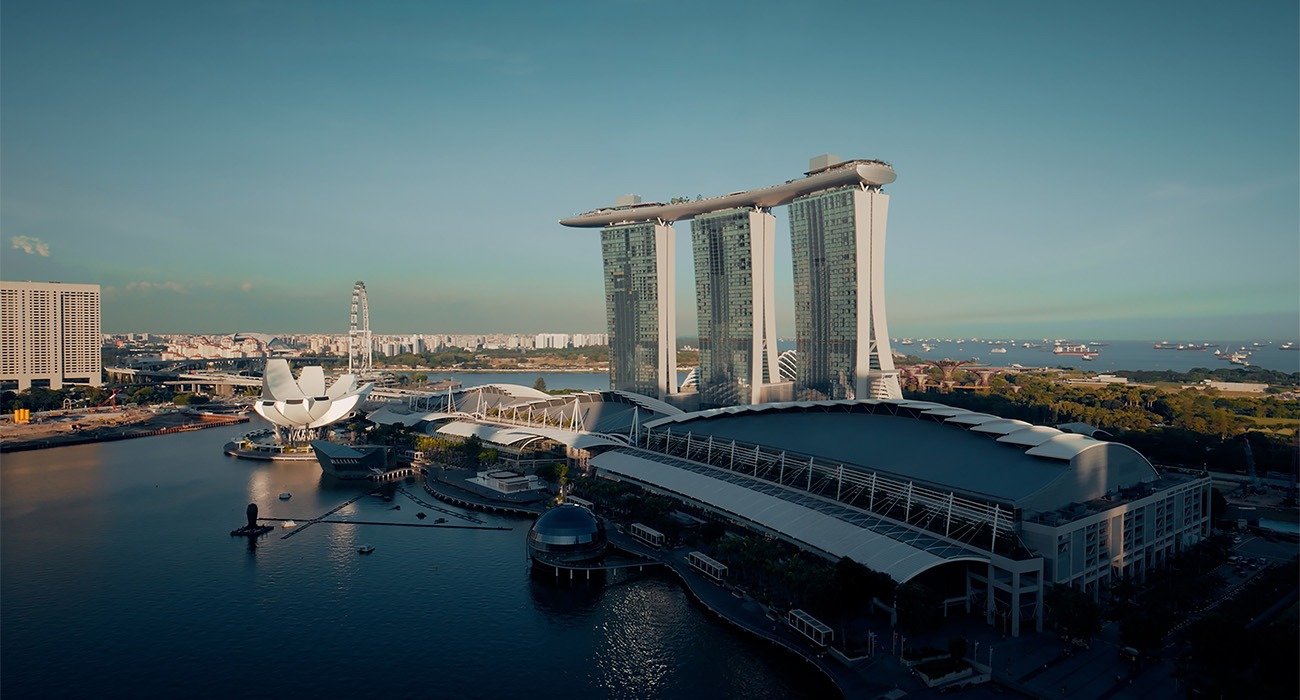
Marina Bay Sands began its sustainability journey through Sands ECO360, the company’s global sustainability program focused on circularity initiatives, energy efficiency projects and enhanced resource management practices. Those efforts culminated in the integrated resort achieving Platinum-level certification through the Events Industry Council’s Sustainable Event Standards in May 2026.
The recognition adds to the property’s broader portfolio of sustainability credentials, including LEED Platinum and BCA Green Mark Platinum certifications, reinforcing its long-term investment in responsible venue operations and sustainable meetings infrastructure.
Accountability and long-term progress remain central to the property’s sustainability strategy, even after reaching the program’s top designation. “We remain dedicated to continuous improvement, transparency and accountability as we work to deliver more sustainable experiences for our guests, partners and community,” Vice President of Sales and MICE Ong Wee Min said in a press release. To support those goals operationally, more than 100 team members across the resort’s MICE and sales divisions completed EIC sustainability training, helping standardize best practices and sustainability implementation across departments.