Editor’s note: This summary of the webinar transcript was created with the assistance of artificial intelligence.
The meetings industry has always rewarded agility, but the last few years have demanded something deeper than speed. Planners are navigating workforce transitions, client uncertainty, new technology and rising expectations for inclusive, human-centered experiences. In a recent Knowledge Exchange webinar, three 2026 Smart Women in Meetings Award winners (Annette Gregg, CEO of Society for Incentive Travel Excellence (SITE); Hilina Ajakaiye, chief strategy officer with National Coalition of Black Meeting Professionals; and Pamela Brunson, president of Wolfgang Puck Catering) offered grounded advice drawn from real moments of reinvention, rapid growth and organizational change. You can watch the full webinar on demand.
What emerged was not a list of trendy leadership ideas, but a practical playbook for meeting professionals who want to build trust, develop people and stay resilient through whatever comes next.
Read More: Presenting the 2026 Smart Women in Meetings Award Winners
1. Build a personal business card so your identity is not tied to a job title.
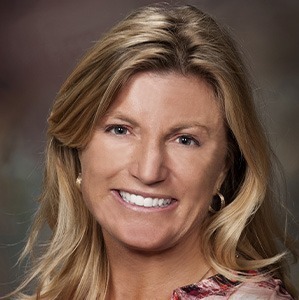
Gregg shared a story many planners will recognize: the destabilizing moment when the job disappears and confidence takes a hit. After being laid off in 2016, she felt how quickly identity can become tangled with a role, a title or even something as simple as the ability to hand someone a business card.
“I realized the power of a business card,” Gregg said. “We don’t use them so much anymore, but it was a tangible thing where if you don’t have a business card anymore, you really feel like you’re not valued.”
Her response was to reframe the concept entirely. Instead of a company-issued identity, she asked people to imagine a personal business card that could never be taken away, a statement of core value that remains true regardless of employer, relationship status or career stage.
“If you had to make your own business card, a card that is yours no matter what,” she said, “there is a core to who we are as humans, and that should be our business card, our personal business card.”
For meeting planners, this matters because our industry is built on projects, seasons and shifting client needs. When you know your own throughline, whether it is building community, creating clarity, solving problems or driving outcomes, you lead with steadiness even when circumstances change.
2. Show up for people in transition, especially when you do not need anything from them.
Community is not a nice-to-have. It is a leadership strategy. Gregg described how supporting others during her own transition helped her rebuild momentum and confidence. Checking in on friends as they reinvent themselves.

“We live in a world where it’s a combination of deposits and withdrawals,” Ajakaiye said. “We have to deposit in people before we need to withdraw from them. Emotional, psychological and physical safety has never been more important.”
For planners, the application is immediate. Our work is relationship-driven, and our teams often include freelancers, contractors and partners whose careers are in motion. The most meaningful leadership move is often the simplest one, reaching out early, listening with purpose and offering support without an agenda. That kind of investment creates loyalty, stability and trust that carries into the next event, the next crisis and the next opportunity.
3. Ask questions, because curiosity is a career accelerant.
Brunson’s advice cut straight to the daily reality of planning and leading. In a profession where success depends on anticipating needs and aligning stakeholders, she argued that the fastest way to grow is to become more curious, not more certain.
“Ask questions,” Brunson said. “Asking often draws out things you wouldn’t have expected.”
She also spoke to the networking side of curiosity, the way questions open doors to mentorship, insight and unexpected career paths.
“Reach out and connect with people and ask them questions about their career,” she suggested. “I have yet to meet anyone who’s reluctant to share about themselves.”
Curiosity signals respect. It tells a client you are listening for what matters, not just what is standard. It tells a teammate their perspective is worth hearing. Over time, that habit builds stronger events and stronger leaders.
4. Create psychological safety with feedback loops that improve the team experience, not just the attendee experience.

Post-event reporting is a familiar discipline for meeting professionals, but Brunson offered a useful shift in emphasis. Debriefs are not only about what the guest saw. They are also about what the team endured, what they learned and what would make the work healthier next time.
“I’m a bully for feedback a little bit,” Brunson said. “It is so important.
She described implementing consistent debrief practices after openings or complex events, with an eye toward surfacing perspectives that might otherwise stay hidden.
Curiosity only works when people feel safe enough to tell the truth. Ajakaiye reinforced that safety is not abstract; it is emotional, psychological and physical. It is essential to sustained performance. For planners managing high-pressure timelines, tight budgets and intense client expectations, building a feedback culture is one of the most concrete ways to reduce burnout and increase excellence.
Read More: Meetings MBA: Building a Safer Experience
5. Do not shrink to fit, stay in the room and bring others with you.
Ajakaiye delivered one of the most direct messages of the webinar, especially for professionals who have ever questioned whether they belong in a room, at a table or in a leadership conversation. Her point was not only about confidence, but about impact. When you shrink, your team, your clients and your industry lose what you could have contributed.
“Remember that we don’t have to shrink in order to fit in,” she said. “Your voice matters, your vision matters and your leadership matters. Stay in the room when it’s the hardest thing to do,” she urged.
Ajakaiye also reminded attendees that belonging is a shared responsibility. Leaders do not just hold the room for themselves, they make space for others, too.
“If you see someone in the corner of the room, go get them, talk to them, tell them they matter,” she said.
Planners shape environments. We influence who connects, who is welcomed and who is heard. Choosing to stay present, speak up and pull others in represents both personal courage and professional craft.