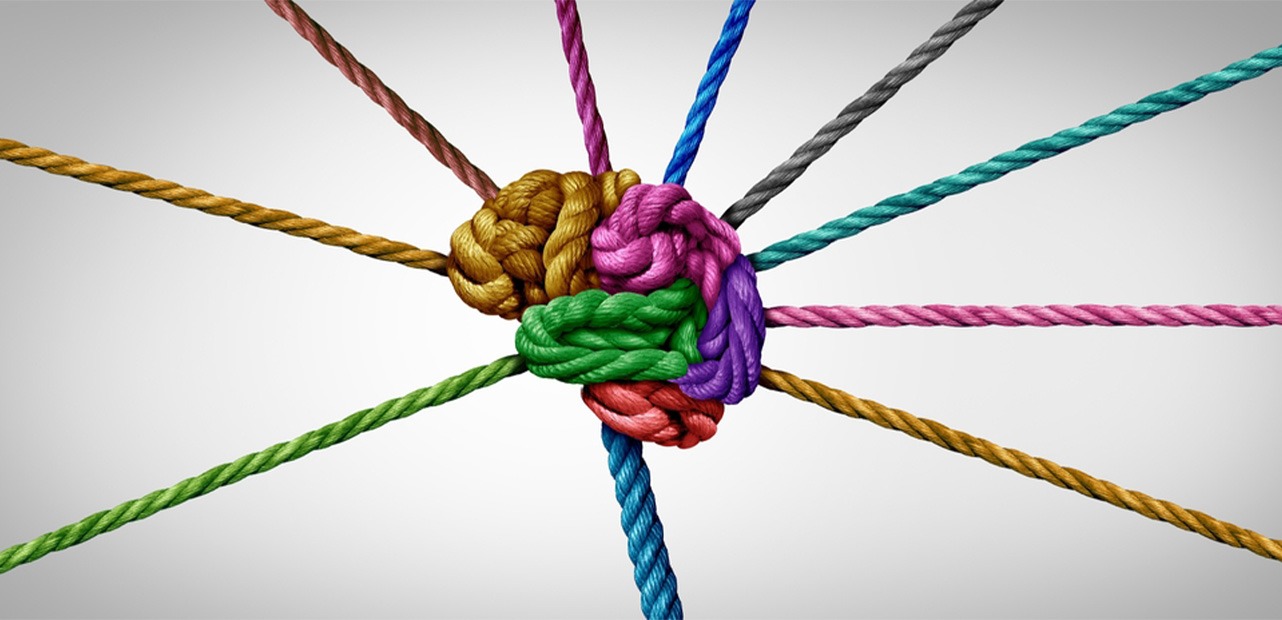
Chronodiversity is the idea that people have different biological rhythms and optimal times for focus, creativity and cognitive performance. Often discussed in workplace productivity and neurodiversity conversations, chronodiversity is rarely applied to meetings and events. This type of diversity is built around the fact that each attendee has a different moment into the day when they are most engaged, and events should be built around that.
What if the next evolution in meetings isn’t technology?
What if it isn’t bigger stages, more immersive production, or even smarter apps?
What if it’s time?
Not how we manage it—but how we design it.
For decades, we’ve optimized agendas for efficiency.
The next era of event strategy will optimize them for human performance.
Most meetings are built around logistics.
Room availability. Food and beverage minimums. Speaker schedules. AV load-in times. Contracted event windows.
Time is treated as a fixed container.
Something to manage, compress and optimize.
But what if time isn’t just a logistical constraint?
What if it’s one of the most powerful, and overlooked, variables influencing engagement, energy and learning?
Enter chronodiversity: the idea that people have different biological rhythms and optimal times for focus, creativity and cognitive performance. Often discussed in workplace productivity and neurodiversity conversations, chronodiversity is rarely applied to meetings and events.
Once you view agenda design through this lens, it reframes how we think about energy, engagement and flow.
Read More: Spectacular Spaces: Event Design with Ed Libby
The Uniform Schedule Problem
Traditional event agendas tend to follow a predictable structure:
- Early morning keynotes
- Midday sessions competing with lunch
- Afternoon fatigue
- Evening networking layered on top of full cognitive days
This structure isn’t wrong. It’s efficient. It aligns with hotel contracts, catering minimums and travel windows.
But it assumes that every attendee performs at their best during the same hours, in the same format, with the same energy.
We know from research, and from lived experience, that is not how human performance works.
Some people are highly focused in the morning.
Others hit their cognitive stride mid-afternoon.
Some need quiet processing time to absorb information.
Others thrive in active discussion.
When we design one rigid schedule for everyone, we unintentionally privilege certain rhythms while sidelining others.
That’s not just an engagement issue.
It’s a design opportunity.
For planners, this isn’t just a philosophical idea. It explains why some sessions feel electric and others fall flat, even when the speakers are strong and the content is relevant. Timing, format and cognitive load are often the hidden variables.
Engagement Isn’t Just Content—It’s Timing
Event professionals invest tremendous energy into curating strong speakers and compelling topics. But engagement isn’t only about what is delivered.
It’s also about when and how it’s delivered.
Consider:
- Is your most complex content scheduled at the point of highest fatigue?
- Are you asking attendees to absorb dense information immediately after a heavy lunch?
- Do you stack high-cognitive sessions back-to-back without recovery time?
Chronodiversity challenges planners to shift from:
“What fits here?”
to
“When are attendees most capable of deep engagement?”
That subtle question can transform energy flow across an entire event.
Working Within Real-World Constraints
Let’s be realistic. Meetings are bound by contracts. Venues have time blocks. Speakers have limited availability. Budgets have boundaries.
Chronodiversity does not require dismantling traditional structures.
It requires designing more intentionally within those realities.
Small shifts can create meaningful impact.
1. Offer Format Variety Within the Same Time Block
Instead of one format per hour, provide parallel options:
- A lecture-based session
- A discussion-driven workshop
- A hands-on experiential format
Allow attendees to choose how they engage based on their energy at that moment.
Choice honors rhythm, and personalization is one of the defining expectations of modern attendees.
2. Rethink Energy Flow, Not Just Agenda Flow
Schedule high-cognitive content during natural peak attention windows—often mid-morning. Use post-lunch hours for interactive, movement-based or applied sessions rather than passive listening.
Build intentional reset moments into the schedule—not just breaks, but transitions that allow the brain to recalibrate.
Designing for cognitive recovery is just as important as designing for content density.
This doesn’t require longer days. It requires better sequencing. Energy-aware agendas often feel shorter, more dynamic and more valuable to attendees.
3. Extend the Learning Window
Not all value must occur inside the ballroom.
Pre-event briefings, post-event modules and asynchronous content allow participants to engage when their focus is strongest—not just when the contract says the room is open.
This approach reduces pressure to overload the live agenda and increases perceived value.
4. Treat Agenda Design as Iterative Research
Meeting professionals already analyze attendance numbers, app engagement and session feedback.
Now imagine layering in timing insights:
- Which time blocks consistently underperform?
- When does engagement spike?
- Where does attention dip?
Agenda design can become evidence-informed rather than tradition-driven.
That’s not experimentation for experimentation’s sake.
That’s the shift from agenda building to experience design.
The Pioneer Advantage
The next generation of meeting leaders won’t just design beautiful spaces.
They’ll design intelligent time.
Chronodiversity introduces a bold but practical mindset: time is not merely a container for content. It is a variable that influences outcomes.
Forward-thinking planners will recognize that honoring human rhythm isn’t about making schedules chaotic.
It’s about making them smarter.
It’s about understanding that energy drives engagement—and engagement drives impact.
In an industry constantly chasing innovation through technology and spectacle, the most powerful shift may be far simpler:
Design the clock differently.
The planners who begin experimenting with energy-based design now will set the standard for the next generation of meetings, not because they added more, but because they aligned their programs with how people actually think, learn and connect.
Because when we respect the natural rhythms of our attendees, even within structured environments, we create meetings that feel more intentional, more dynamic and more human.
Time is not just something we fill.
It’s something we shape.
And the planners who embrace that perspective won’t just follow the future of meetings.
They’ll pioneer it.

—
Polly Grieger-Rossi, CMP-HC, CMM, is president of Meeting Achievements and works at the intersection of conferences and curriculum.
She designs engagement-focused learning environments for medical and professional audiences and writes about human-centered event strategy, adult learning and the evolving role of instructional design in live experiences.