From allergies to cultural diets, chefs across the country share how thoughtful planning transforms attendee experience.
The goal of any chef is to curate an experience that leaves attendees delighted and gives them a core memory that ties directly to the destination. But no attendee is the same in any respect. Everyone comes to the table with personal preferences and, more often than in the past, dietary restrictions.
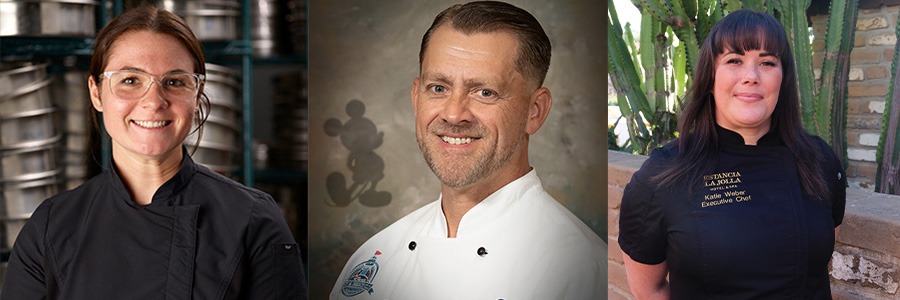
Being aware of dietary needs and allergies is now standard practice in the culinary world. To gain deeper insights into why planners must consider the dietary needs of their attendees, Smart Meetings spoke with three chefs: Executive Chef Kaitlyn Weber of Estancia La Jolla in San Diego, Chef Christian Rumpler, Executive Chef of Disney’s Catering Event Operations and Chef de Cuisine Dietary Specialist Amelia Warfel of Seattle Convention Center.
The one thing they all agree on: While planners create the experience, chefs are the ones showing the world what it is like to feed a crowd with intention and inclusion.
The Rise of Dining Customization
Dining is one of the most impactful areas where attendees seek to feel safe and seen. As the author herself knows from timidly asking whether a latte is lactose free, the fear of not having one’s needs met can influence an attendee’s overall experience and even determine whether they return to an event.
“Dietary needs should never diminish the magic,” said Chef Rumpler. “Those emotional connections are one of the things that makes Disney meetings so impactful.” Magic is exactly what planners hope their attendees feel, especially in the dining room, where a thoughtfully plated dish can set an event apart.
Behind the Menu
In the fast-paced, high-demand world of F&B, chefs must always be prepared.
“We run into a whole spectrum of dietary restrictions on a daily basis. If we’re serving 500 people, you’re bound to have a good amount of people who have some restrictions,” said Chef Weber. She added that Estancia’s 52-page catering menu is designed specifically to anticipate the needs of any attendee. “It’s all about timing and what makes sense. Things that maintain their integrity for the entire time the food is going to be served.”
At Disney Meetings & Events, Chef Rumpler and his team blend storytelling with dietary care. “We create menus and dining experiences that connect attendees to their favorite memories. Guests don’t feel singled out or accommodated; they felt seen and celebrated,” Rumpler said.
Read More: Essential F&B: Culinary Afterthoughts
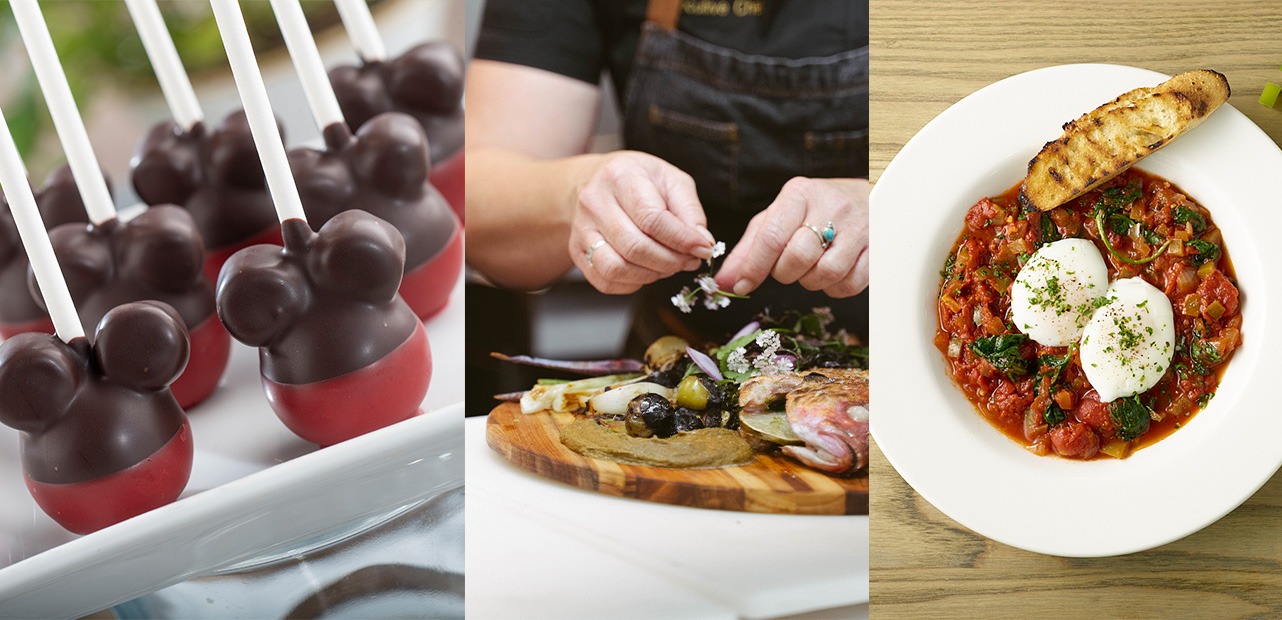
At Disney, diners quickly notice that dietary options such as halal, vegan and gluten-free are clearly labeled and presented with the same beauty and creativity as the rest of the menu. The goal is for no guest to feel diminished.
Chef Warfel, the first dedicated in-house dietary chef in a U.S. convention center, approaches the work with equal care. “I’ve been developing standardized seasonal menus that address all major allergens while allowing flexibility for unique or uncommon restrictions,” Warfel continued, “Authenticity begins with respect.…We study culinary traditions and collaborate with cultural experts to make sure the flavors are genuine.”
Behind the Kitchen Doors

Both Chef Rumpler and Chef Warfel shared moments from their careers that illustrate the scale and complexity of inclusive dining.
“One event that stands out was an international leadership summit with a remarkably diverse guest profile. Halal, vegan, kosher-style, gluten-free and several life-threatening allergy needs were all in one group,” Rumpler said. “Instead of designing a standard menu and then carving out exceptions, our team built the experience from an inclusivity-first standpoint.”
Read More: Healthy F&B: Prebiotics & Probiotics Explained
Chef Warfel recalled a similarly demanding experience. “I’ve executed more than 300 meals across breakfast, lunch and dinner on my own. It was incredibly successful.”
She noted that she has also executed meals that accommodated 18 different allergies, along with solo preparation of more than 300 dietary meals across multiple services. “Training emphasizes communication, how to accurately describe dietary meals, avoid mix-ups during service and ensure the correct dish reaches the right guest.”
Feeling Included
When an attendee scans a menu or buffet and sees only fragments they can eat, it leaves a mark and the unspoken question: Why didn’t you think of me?
A meal is more than nourishment. It signals care.
“I design every meal with inclusivity in mind, so dietary guests aren’t treated differently. They enjoy food that looks, tastes and feels just as intentional as everyone else’s plate,” said Chef Warfel.
Chef Weber knows it is essential to consider everyone who enters her restaurant and be aware of their needs. “We take dietary restrictions and allergies very seriously. I don’t ever want to be the cause of someone reacting or going to the hospital.”
Chef Weber also recognizes there are often limitations to what she can provide, “Sometimes I’ll just be like, I’ve got to be honest with you, I can’t prepare that, I can’t do that here, but I’m going to find a solution.”
The Future of F&B Is Inclusive
As culinary teams refine their systems and menus, Chef Warfel believes this is only the beginning.
“I think the gap between dietary meals and regular meals will continue to close. Allergen-friendly and plant-forward dishes will simply become part of the main offerings,” she said. “Planners are much more proactive and collaborative. They understand that inclusive dining needs to be part of the planning process from day one.”
A guest’s dietary restriction should never mean a lesser experience. As Chef Rumpler noted, “When a guest requires a specific diet, we see it as an opportunity to create an even more personalized moment.”
Best Practices for Planners When Collaborating with Culinary Teams
All three chefs shared best practices for planners when collaborating with culinary teams.
- Communicate dietary needs early and often. Any requests and needs are identified early in the planning stage.
- Provide detailed dietary information, not just the restriction.
- Expect layered and emerging dietary needs.
- Avoid last-minute surprises when possible.
- Partner with chefs on menu items that hold up during service.
- Ask what parts of the menu can naturally incorporate allergen-free or plant-based options.
- Plan menus from an inclusivity-first perspective, not by carving out exceptions.
- Ensure dietary-friendly dishes match the quality and presentation of the main menu.
- Create a clear system for front-of-house communication.
- Consider cultural, religious and philosophical diets on equal footing with allergies.
- Ask chefs what backup solutions exist for day-of changes.
- Collaborate on theme, storytelling or menu narrative when appropriate.
- Embrace plant-forward or allergen-friendly items as part of the main menu.
By adopting these methods, planners can get ahead of potential challenges and ensure a smooth dining experience for all.
This article appears in the January/February 2026 issue. You can subscribe to the magazine here.