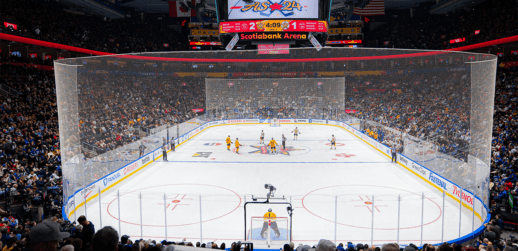
Integrating sports can help you score with attendees
Sports may bring your attendees to the event, but personalization and engaging experiences will keep them coming for years to come. Meetings and events are built around hospitality, designed to foster networking and relationships; Joe Clemente, chief commercial officer at Quint, a company that provides premium hospitality experiences at sports and entertainment events, believes sports have the power to engage attendees on another level.
“Planners are increasingly using sports experiences because they create more authentic and organic networking opportunities than traditional corporate settings or conferences,” Clemente says. “Sporting events naturally bring people together around a shared experience, helping break down barriers, spark conversation and create memorable connections.”
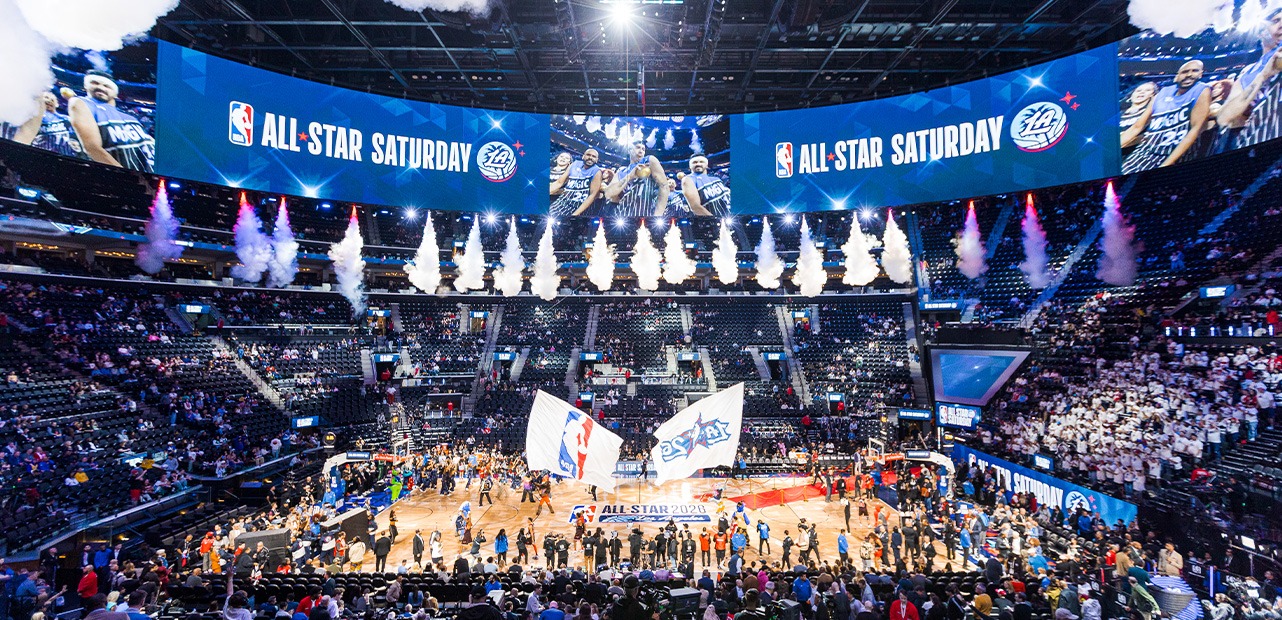
He says the most successful programs are designed around hospitality, personalization and interaction, not just attendance numbers. “Experiences like F1 Experiences’ Champions Club and Paddock Club, NBA Experiences VIP hospitality and Barrett-Jackson’s Luxury Lounge are designed specifically to encourage connection while offering elevated food and beverage, entertainment and exclusive access,” he says.
“Increasingly, these programs also incorporate social-first, shareable moments—from behind-the-scenes access and VIP interactions to branded photo opportunities and interactive activations—extending the experience beyond the venue and amplifying engagement across digital channels. This combination of exclusivity, personalization and visibility not only strengthens attendee satisfaction, but also drives long-term client retention and deeper brand loyalty.”
More Than Spectating
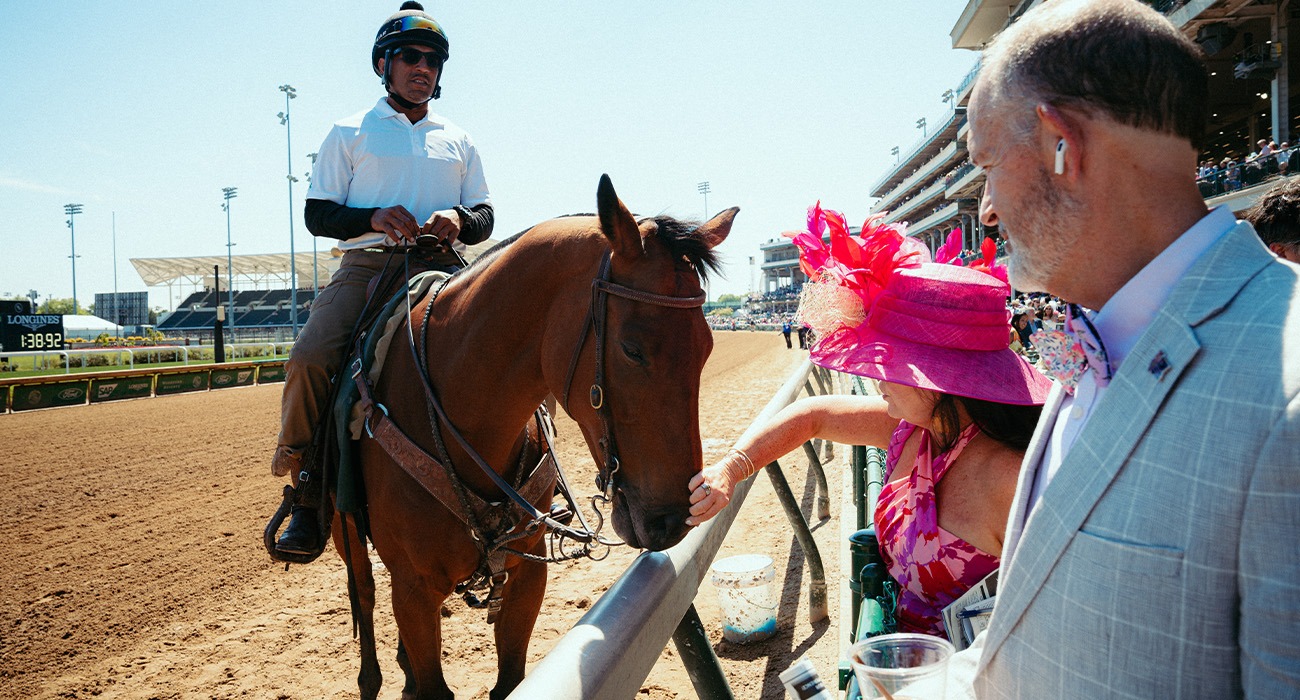
Sports spectating is a favorite pastime for many, but Clemente says attendees respond most strongly to activations that are immersive and driven by participation. “Guests want more than a seat,” he says. “They want access that feels personalized, memorable and difficult to replicate on their own. While the sporting event itself remains the centerpiece, guests want opportunities to feel more connected to the action and atmosphere around it through behind-the-scenes experiences, premium hospitality and insider access.”
Clemente says Formula 1 is the strongest example of an organization executing behind-the-scenes elements well. “Guests are highly engaged by pit lane walks, paddock tours, driver appearances and luxury hospitality through F1 Experiences.” Additionally, he says they’re seeing similar demand for experiences at the Kentucky Derby, MotoGP and Barrett-Jackson.
Read More: The Evolution of Sports Venue Planning
“Golf and tennis also remain highly effective for corporate audiences because they directly connect sports hospitality with executive relationship management,” he continues. “Events like the Australian Open, Rolex Shanghai Masters, U.S. Open and major golf championships create opportunities for companies to host clients and executives in environments that feel elevated, intimate and highly engaging. These settings naturally encourage longer conversations, deeper networking and stronger relationship-building while still delivering the excitement and prestige of world-class competition.”
And the art of spectating has been given a new layer owing to social media. Clemente says it’s amplified the appeal of sports-driven experiences, desiring ones that feel unique and shareable. “Whether that’s walking the Formula 1 grid, touring the paddock, attending a private NBA Experiences event, or accessing premium hospitality spaces that most fans don’t get to experience,” he says. “These moments create excitement both during and after the event.”
He says it’s important to think beyond simply attending a game; they offer much more. “Today’s sports events offer built-in hospitality, entertainment and networking environments that create much more meaningful engagement opportunities,” he says.
For First Timers
“Successful corporate sports experiences feel intentional, polished and relationship-focused rather than overly casual,” Clemente says. “That starts with premium hospitality environments, curated food and beverage offerings and thoughtful programming that encourages networking and engagement.”
He says one of the biggest mistakes he sees is planners treating the sporting event itself as the entire experience. “Simply providing tickets often limits networking opportunities and doesn’t fully capitalize on the value sports hospitality can offer,” he says.
“The strongest corporate sports programs focus on creating an environment where guests can interact naturally before, during and after the event,” Clemente says. “Hospitality spaces, exclusive access and curated programming are what drive meaningful engagement. Another common mistake is not tailoring the experience to the audience. The most successful events are customized around attendee interests, company goals and the type of relationships the brand wants to build.”
For planners integrating sports experiences for the first time, Clemente says the most important step is understanding why they want to incorporate sports into their event. “Sports hospitality works best when it aligns with the audience and business goals—whether that’s client entertainment, employee engagement, or executive networking,” Clemente says. “Planners should consider attendee demographics, destination, seasonality and how interactive or premium they want the experience to feel.”
The Future of Sports Tourism
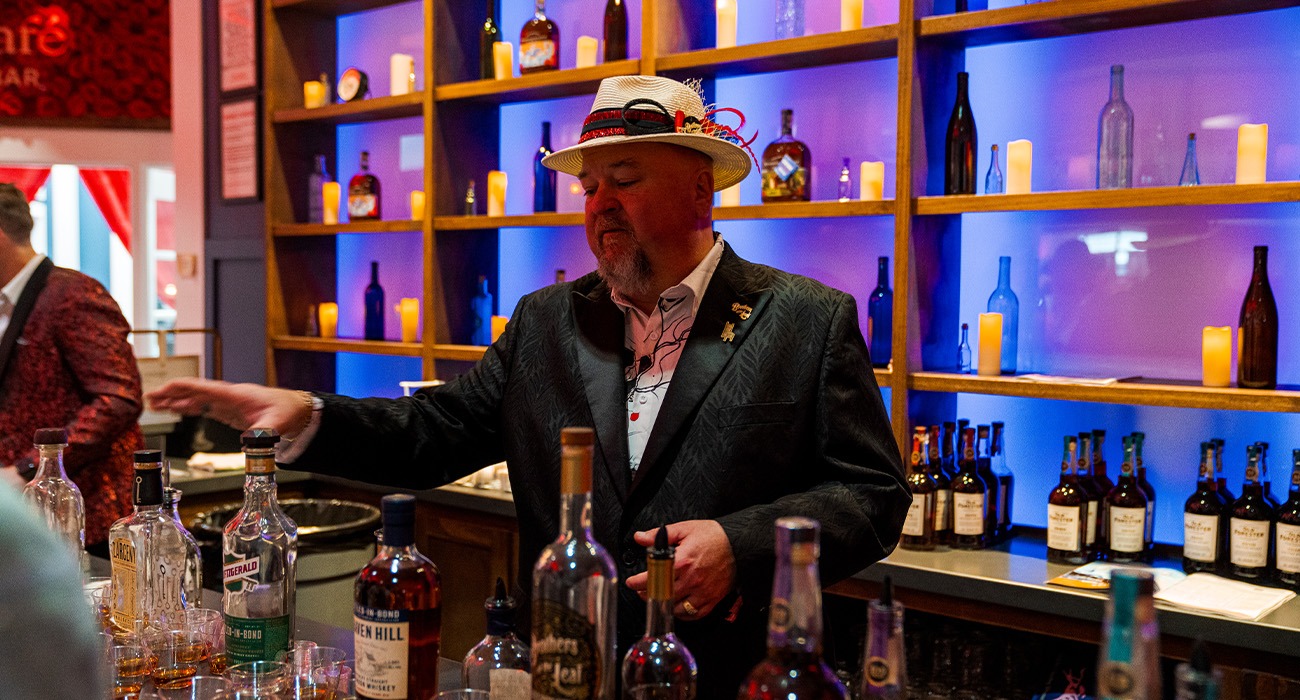
One of the biggest trends Clemente is seeing is the continued shift from sports event attendance to sports-driven experiences, choosing events based on the overall experience, hospitality and entertainment the destination offers around the event, not just on the sports themselves.
Read More: Event Recap: Sports ETA Symposium
“Growth in premium and corporate hospitality continues as leagues, teams and venues make significant capital investments to attract higher-spending consumers, corporate partners and experiential event seekers,” Clemente says. “Demand is increasingly centered around luxury suites, premium amenities and VIP experiences rather than traditional attendance alone.”
Formula 1, he says, is the greatest example of this. “[F1] race weekends now combine luxury hospitality, nightlife, dining and entertainment alongside the racing action,” he says. “We’re seeing similar momentum with events such as the Kentucky Derby, MotoGP and NBA Experiences, where attendees are prioritizing immersive, once-in-a-lifetime experiences that combine sports, travel and culture. The demand for premium experiential travel tied to major sporting events will continue to grow over the next several years.”