new travel ban

Business travel professionals didn’t like President Donald Trump’s original travel ban, and they don’t like the revised one, either, according to a new survey.

The good news? They’re slightly less pessimistic.

The Global Business Travel Association (GBTA) polled its U.S. and European members this week to assess the business travel impact of the president’s revised executive order on travel. It took a similar survey in January.

In general, the Europeans held a dimmer view than their American counterparts.

Expect less business travel to the United States

Here’s how it breaks down.

37 percent of U.S. travel professionals expect their companies to travel less.

47 percent of European travel pros expect their companies to travel less.

Some European companies are already cutting back on travel. 17 percent of Europeans said their companies had cancelled some business travel to the United States.

“There is always the risk that closing our borders sends the message that the United States is closed for business, and the results of this poll show the perception of the United States as a welcoming destination for business travel has been altered,” said Michael W. McCormick, executive director of the Alexandria, Virginia-based association.

More impact in Europe

Quick background: Trump’s revised executive order puts a 90-day block on travelers from Syria, Iran, Libya, Somalia, Sudan and Yemen from entering the United States. Several states have challenged the executive order in court.

Here are some other findings from the survey, which was conducted online March 7-8.

44 percent of European travel professionals said their organization has employees traveling abroad who might be—or are—affected by the travel ban.

20 percent said their companies had directed them to cancel or delay travel of employees who are nationals of countries included in the ban.

Lessened concerns in the U.S.

U.S. travel professionals reported less concern in the latest poll about employees traveling abroad. Here’s how they ranked “lasting concerns” about the travel ban in the March and January polls.

It makes travel more difficult for U.S. travelers (51 percent vs. 63 percent).

It complicated travel to the United States (44 percent vs. 56 percent).

It increases threats against U.S. travelers abroad (41 percent vs. 54 percent).

Opposition, support remain steady

U.S. travel professionals expressed similar levels of support and opposition for the revised travel ban as they did for the original one. Just over half (52 percent) said they strongly or somewhat oppose this action, while 35 percent strongly or somewhat support it.

That compares with 50 percent and 38 percent, respectively, in the initial poll.
hilton boston logan airport best airport hotels in north america

Skytrax has recently announced the winners of its annual World Airport Awards. It may come as no surprise that Singapore Changi Airport came in first place for the fifth consecutive year. The airport is known around the world for its top-notch amenities and service, which make it a breeze for travelers to get in and out of the airport.

In addition to naming the world’s top airports, Skytrax ranked airport hotels by region. The five best airport hotels in North America are highlighted below:

1. Fairmont Vancouver Airport
You can’t get any closer than this. The hotel is located within Vancouver International Airport, which also happens to Skytrax’s highest ranked airport in North America. Guests at this AAA Four Diamond hotel can enjoy fully soundproofed walls, luxurious guest rooms and even an indoor pool and spa. Fairmont Vancouver Airport offers more than 8,000 sq. ft. of meeting space across 16 flexible event spaces.

2. The Westin San Francisco Airport
Set just one mile from the airport, this hotel offers free shuttle services to take guests to and from SFO. It provides beautiful bay views and is just 14 miles from downtown San Francisco—but without the steep nightly rates. With 22,000 sq. ft. of flexible meeting and event space in 29 meeting rooms, The Westin San Francisco Airport can accommodate groups of up to 700.

3. Renaissance Concourse Atlanta Airport Hotel
Newly renovated Renaissance Concourse Atlanta is located on the property at Hartsfield-Jackson Atlanta International Airport and offers free transportation to and from the airport. The AAA Four Diamond-rated hotel boasts 387 soundproof guestrooms and 35,000 sq. ft. of event space.

4. Grand Hyatt DFW
This 298-guest room property is located inside Terminal D of Dallas-Fort Worth Airport. It is just minutes from Dallas and Fort Worth, Texas, which offer seemingly endless entertainment, shopping and dining options. Meeting planners can take advantage of 34,000 sq. ft. of flexible function space, including a 6,600 sq. ft. ballroom.

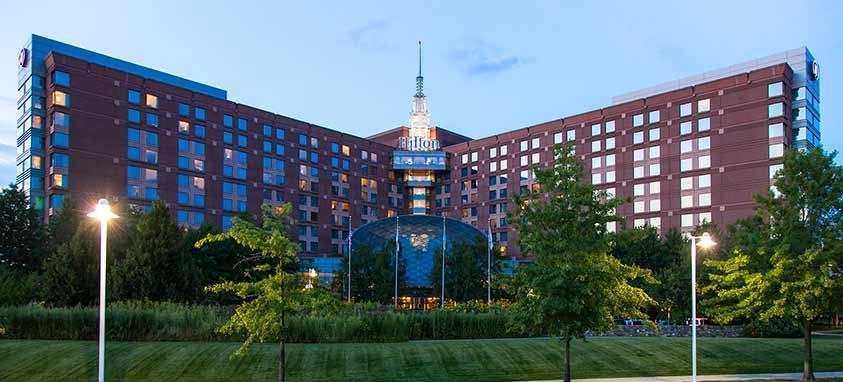
5. Hilton Boston Logan Airport
The hotel is connected to Boston Logan International Airport by skybridge, but a shuttle is also provided 24 hours a day. It is easy to get to downtown Boston from the hotel, which is just 10 minutes away by car or water taxi. 30,000 sq. ft. of meeting and event space is available, and the property can accommodate up to 500 attendees.

trump second travel ban

President Donald Trump’s revised travel ban hit a roadblock yesterday, and if the travel industry seems slow to react, well, that might be because it’s already reacted.

A federal judge on Wednesday put a temporary halt on the president’s second executive order seeking to put a 90-day block on travelers from Syria, Iran, Libya, Somalia, Sudan and Yemen from entering the United States.

During a speech in Nashville, Trump called his latest executive order “a watered-down version of the first one.” He vowed to take the case “all the way to the Supreme Court.”

What can a travel association executive say to that?

Trump ban boilerplate

Since the president’s first executive order in January and his second one in March, travel industry groups have reacted in more or less  the same way. They issue a two-part statement. Part one acknowledges the need for the United States to be a secure nation. Part two expresses the desire for the nation to be perceived as a welcoming place—like the good old days.

So thumbs-up for security, thumbs down for outward hostility.

Here’s an example:

“Meetings Mean Business joins the American travel community in supporting efforts to bolster national security,” the advocacy group said in a statement released after Trump issued the second executive order. “We recognize the substantially more cautious and deliberate introduction of the revised executive order on travel and immigration, however, several of the industry’s initial concerns remain unaddressed.

“A Meetings Mean Business survey, conducted after the initial executive order, found that the majority of meetings industry professionals were concerned about reputational harm to the U.S. Our industry is centered on bringing people together, fostering relationships, driving positive outcomes, and supporting communities where meetings and events are held.

“We reiterate our belief that striking the right balance between enhanced security and travel facilitation is of the utmost importance. We also continue to urge that the security reviews prescribed by the executive orders be concluded as quickly as possible.”

Why not say it again?

The travel and meetings industry has genuine concerns, not the least of which is that the two executive orders have put a chill on travel plans to the United States.

A day after the judge halted Trump’s executive order and the president fired off his rebuttal, a quick scan of travel association websites found them notably silent.

It could be time to stop talking and start lobbying.

green event ideas

In case you haven’t noticed the influx of green donuts, shamrock necklaces, green drinks and Ireland-inspired products this month, St. Patrick’s Day has arrived! Rather than only focusing on the color, or the excuse to drink beer, let green serve as a reminder of our social responsibility to the environment. These eco-friendly practices don’t require much effort and can make a significant impact on your next event. Event planners, let’s go green!

1. Replantable Name Tags

Give name tags a purpose beyond the event. Custom name tags made on recycled, seeded paper are widely available and inexpensive. What makes them special is that instead of going in the trash or recycle bin after an event ends, these name tags can be planted just about anywhere. Not only does recycled paper make for more eye-catching name tags, it reduces waste and gives attendees the opportunity to do something positive for the environment. Plus, attendees will think about your event every time they water that plant!

2. Claimable, Reusable Cups

Instead of throwing away hundreds of plastic cups or washing countless glasses, offer attendees the choice to use reusable mason jars. Attendees can simply claim a mason jar at the beginning of an event and mark it with their name. These jars are eco-friendly,  not to mention trendy. Mason jars are made from recycled products themselves;  water is conserved because fewer cups mean less clean-up; and the waste of paper and plastic cups is eliminated. Also, bonus points for giving attendees the chance to be creative by personalizing their own jars.

3. Event Apps

Apps are so common that launching a new one has become pretty easy. There are many tools to help you create a mobile event app, no matter your level of technical knowledge. The event app can include push notifications, seamless calendar integration and messaging options—all methods of encouraging turnout and engagement. Extra paper materials, including brochures, media kits and business cards, can also be left in the past and incorporated into the platform.

green event ideas

4. LED Lights

Those familiar with sustainability are aware of the benefits of LED lighting. LED light bulbs last longer and are more energy efficient than traditional halogen lights. Since venues typically have their own lighting system, speak with your venue manager to see if the lights they use are as energy-efficient as they can be.

5. Ride-Sharing Systems

Whether you partner up with a popular ride-sharing app such as Uber or Lyft or coordinate your event’s own system, promoting a communal system is important. You might even encourage attendees to carpool together. If possible, choose a venue that is accessible by foot or public transportation.

6. Eco-Friendly Signage

Using paper signs to broadcast menus, entry signs, itineraries and other information is outdated and unnecessary. For a more sustainable option, use reusable materials such as digital screens, chalkboards, recycled wood, bamboo, and biodegradable plastic. It’s eco-friendly and offers more creative freedom.

green event ideas

7. Green Giveaways

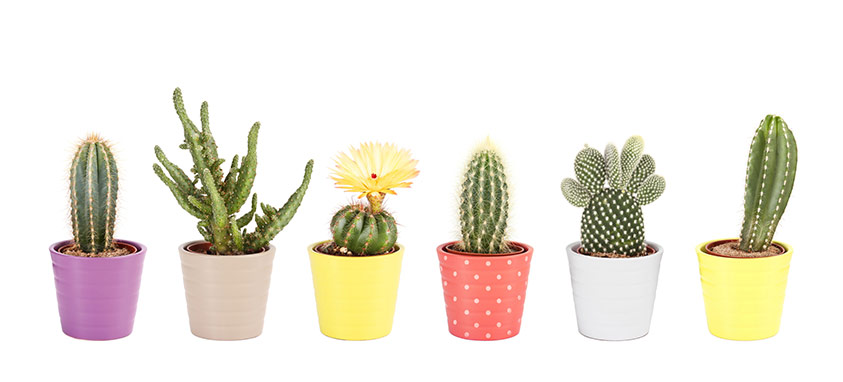
Green giveaways add an important purpose, spread progressive thinking and are likely to be appreciated. When selecting gifts for attendees, consider eco-friendly products such as sustainable beauty products, reusable water bottles and beeswax candles. Another idea that is literally green is giving away tiny potted plants such as succulents. These low maintenance plants are easy to take care of and can brighten up any room.

8. Choose an Eco-Minded Caterer

There are many ways for event planners to become greener, especially when it comes to food. Be selective about the catering service you choose. Use suppliers that source locally grown organic produce and ethically raised meat. Some caterers have extremely innovative cooking methods. Sublime Catering, for example, offers salmon cooked on dry ice at events; this menu item is raw, eye-catching and delicious. To avoid food waste, avoid overestimating consumption. Apply past consumption data to make better predictions. Another way to minimize waste is to figure out a process for dealing with leftover food, such as coordinating donations with charitable organizations or recycling the food.

free airline meals

American Airlines has proclaimed it will begin offering free meals for economy passengers on certain U.S. flights, sending a ripple of joy through budget-minded flyers everywhere.

It wasn’t that long ago—just 15 years or so—that U.S. airlines routinely delivered free food. Indeed, airlines have a long and storied history of providing full meals to customers.

Then, to cut costs, they eliminated free meals and, in some cases, the salty snack. So maybe this is big news. When you’ve been hungry so long, even a morsel widens the pupils.

In any case, free meals are making a comeback. American’s decision follows Delta Air Lines’ move in March to add free food on certain routes. (Can United be far behind?) In the case of both carriers, “certain routes” means long flights—specifically, coast-to-coast.

So what do you get?

The answer depends on what time of the day you’re flying. American provided a peek at its new menu of freebies, which will begin to be served to travelers on May 1.

It ain’t first-class, as they say, but it looks pretty good.

For breakfast, American has assembled the triple-threat of yogurt, granola and bagel with cream cheese and jam. For lunch and dinner, passengers will be offered a veggie or chicken wrap, potato chips and a brownie.

We also checked to see what’s cookin’ at Delta.

Delta relaunched the free meal trend after performing trial runs on its passengers in economy. Its research found that well-fed passengers are happier passengers.

Delta is big on options. For the morning meal, customers choose from a breakfast sandwich, breakfast medley, or fruit and cheese plate. For lunch and dinner, customers get their pick of the turkey combo, veggie wrap, or fruit and cheese plate.

But, really, these two restaurants—that is to say, airlines—dish up some of the best and only free meals around. And as long as free meals make flyers happy, we’re all for it—particularly when the aroma of slow braised lamb Osso Buco wafts down the aisle from first-class.

It’s a classic case of good news/bad news. The United States ranked as the worldwide leader in the business and leisure travel sector in 2016. But a new report by the World Travel & Tourism Council (WTTC) suggests that growth will slow this year.

In 2016, the United States accounted for 20 percent of global travel and tourism GDP contribution. An economic impact so substantial proves there’s more to the travel and tourism industry than rest and relaxation. Last year, the industry pumped $1.5 trillion into the domestic economy and supported more than 14 million jobs. These figures represent 8.1 percent of the U.S. GDP and 9.4 percent of total employment.

The growth rate for 2017 is projected at 2.3 percent, a half-point lower than the 2.8 percent rate posted last year. WTTC attributes the expected drop to a decline in inbound travel, driven by two key factors: a strong dollar and anti-foreign sentiment.

A strong dollar likely will lead international travelers to opt out of visiting the United States in favor of destinations offering better value. Fewer inbound travelers arriving in 2017 translates to an expected 0.6 percent decrease in the amount of money spent by foreign visitors in the United States.

In addition, the Trump Administration’s controversial attempt to ban visitors from six predominantly Muslim countries from entering the United States sent anti-U.S. sentiment surging in recent weeks.

“International arrivals have shown very strong growth over the last few years. For the U.S. to continue on this growth path, it is important to address the current forecast drop in inbound travel, and to reverse the negative perceptions created by the proposed travel ban,” said David Scowsill, WTTC President & CEO.

Scowsill outlined a four-point plan for the administration to follow in order to achieve those goals:

Continue to be open for business, which means no discrimination among those who want to visit the country for business and leisure purposes.
Invest in marketing to promote the diversity of the U.S. to the global traveling public.
Implement investment in infrastructure, including roads, airports, accommodation and attractions.
Maintain open skies
, as competition among airlines means more choices and better air fares for consumers.

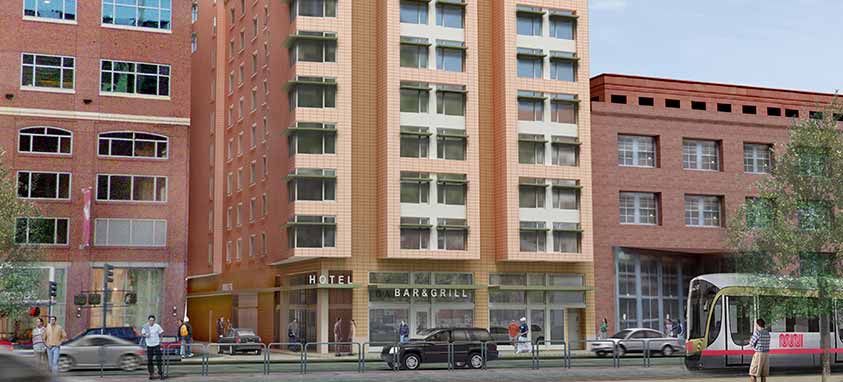
Hotel Via rendering courtesy of Hotel Via
New hotel construction is closely linked to a destination’s demand. A spate of upcoming openings indicates that both are thriving in San Francisco.

“Visitors understand our brand, its uniqueness, what it has to offer. There is a need for rooms in San Francisco. We’ve been told that by our customers,” says John Reyes, executive vice president and chief sales officer for San Francisco Travel. “Companies and ownership groups are looking at San Francisco because they’ve seen that there are business results.

“These hotels will fit perfectly into the appeal of the various neighborhoods. If you look at these hotels, they are almost part of San Francisco’s DNA. We are pioneers. We love to challenge the status quo. These hotels are responding to that next generation of travelers.”

Here are some newcomers set to bolster the city’s accommodations inventory in 2017 and beyond.

Hotel Via

The sunny South Beach neighborhood will welcome Hotel Via, a boutique hotel with a focus on technology, the environment and personalized service. Like the city it will soon call home, Hotel Via is an original. The independently owned property is custom-built from scratch.

Features include versatile meeting and event spaces, in addition to upscale lobby and rooftop bars. Located across the street from AT&T Park, the 159-room property will provide an enticing new option for groups attending events at the San Francisco Giants’ home stadium. Guests will also be able to make use of easily accessible transit options such as Caltrain, Muni and ferry service.

Hotel Via is currently accepting reservations for stays beginning July 1.

San Francisco Proper Hotel

The forthcoming 131-room San Francisco Proper Hotel will occupy a historic building in Mid-Market. Formerly known as a theater district, the dynamic area is experiencing a revitalization fueled in part by the arrival of tech offices. Kelly Wearstler’s design of San Francisco Proper Hotel mines this mix of history and modernity, resulting in an ambience that is both contemporary and old-world.

With three ground-floor restaurants and an indoor/outdoor rooftop restaurant and bar offering panoramic views, your group will never want to leave. But if they have to, Moscone Center, Union Square and San Francisco City Hall are all less than a mile away.

San Francisco Proper Hotel expects to open in June.

Yotel San Francisco

Yotel San Francisco, also scheduled for a June debut, will join San Francisco Proper Hotel in Mid-Market. The project in progress at 1095 Market Street marks not only the brand’s first West Coast U.S. location, but also its first adaptive reuse development. Office space in the landmark Grant Building will be converted into affordable luxury lodging.

“Yotel’s digital brand and guest experience are well matched to San Francisco, and the tech-centric Mid-Market area in particular, and our proven ability to fit double the amount of keys into the same square footage versus a traditional hotel is a win for all involved,” Chief Development Officer Jason Brown said in a statement.

The property’s 203 cabins will include a mixture of premium cabins, loft-style rooms, and larger first and VIP suites. Distinctive features such as space-saving convertible beds, flexible check-in and check-out times, and meeting and co-working spaces will create an adaptable environment. Of course, there will be a rooftop lounge, too.

Virgin Hotels San FranciscoRendering of Virgin Hotels San Francisco rooftop bar courtesy of Virgin Hotels 

Virgin Hotels San Francisco

For its second property, Richard Branson’s Virgin Group picked a location that meeting planners will appreciate. Virgin Hotels San Francisco will be situated South of Market, just steps from Moscone Center. In true Virgin fashion, the hotel offers more than prime positioning.

“Virgin Hotels’ approach to service and functionality stems from our positioning as the ‘consumer champion,’” says Doug Carillo, vice president of sales and marketing. “Our guests trust that we won’t charge them for extraneous items like minibar restocking, room service, extra Wi-fi bandwidth and resort fees. We also make stays more comfortable with tech-forward touches combined with warm and personalized service. This has been highly successful at our first property in Chicago, and we’re excited to bring this level of service to San Francisco.”

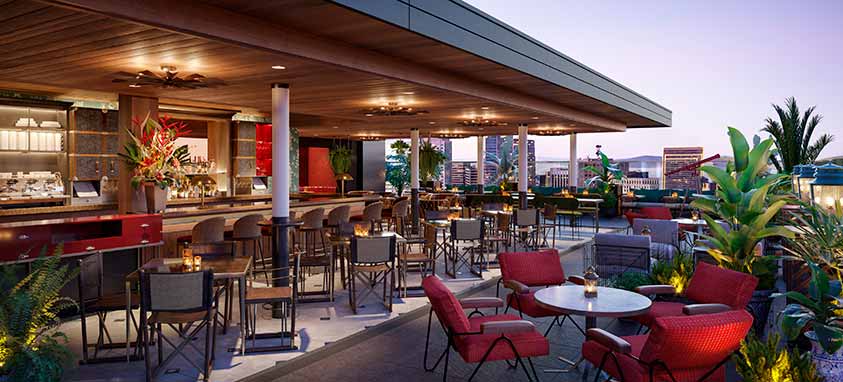
The hotel will contain 196 chambers and grand chamber suites, The Commons Club lounge, numerous meeting spaces and—not to be left out—a rooftop bar.

Virgin Hotels San Francisco will open in summer 2017.

Future Developments

Two major hotels are coming to the burgeoning Transbay neighborhood surrounding the Transbay Transit Center, which is currently under construction. Waldorf Astoria San Francisco will anchor a 2 million-square-foot mixed-use complex featuring entertainment, retail and office space. Visitors can expect the property to blend local influence with the brand’s signature sophistication. But they’ll have to wait—as of now, the completion date is estimated at 2020 or 2021.

The emerging locale will receive another infusion of classical elegance from Langham Place San Francisco, scheduled to debut in 2020.

grand hyatt baha mar

Grand Hyatt Baha Mar, which will offer high-end amenities and eventually 1,800 guest rooms, is expected to begin operating in late April in Nassau, Bahamas.

The property will be unveiled in phases, with 200 guest rooms slated to open on April 21. Eventually, Grand Hyatt will include 227 lavish suites, three restaurants, a pool bar and grill, and a jazz-themed lounge. Meetings will take place at Baha Mar Convention Center, with 85,000 sq. ft. of indoor and outdoor space.

It’s the centerpiece and anchor property of a long-delayed project that began more than a decade ago. Originally, the Baha Mar complex was to have five hotels, with Baha Mar Casino Resort & Hotel as its anchor property.

“It is an honor to soon be part of the Baha Mar family, and Hyatt is thrilled to reaffirm its commitment to Baha Mar and to work together to create an exciting new destination in the Bahamas,” said Myles McGourty, senior vice president of Latin America and the Caribbean for Hyatt Hotels Corp. “Expanding Hyatt’s presence in the Caribbean is important to our global expansion strategy as we grow our World of Hyatt platform and bring more genuine experiences to our loyal guests in destinations where they want to travel.

“Grand Hyatt Baha Mar will undoubtedly become one of the premier destinations in the Caribbean.”

SLS Baha Mar, with 300 guest rooms, is scheduled to open in phases between September and November, followed by the 200-room Rosewood Baha Mar in December.

Another Baha Mar hotel, the 694-room Melia Nassau Beach, is a family-friendly property that has been open for three years.

best places to work

Four hotel companies grabbed spots on Fortune’s list of the “100 Best Companies to Work for 2017.”

The leader of the pack: Kimpton Hotels & Resorts.

For meeting planners, Fortune’s annual ranking could point the way to the best places for booking a block of rooms and holding a meeting. Everybody likes to be around happy employees.

Planners might also look at the list as a tip sheet for a job search. After all, the ranking includes the number of job openings at each company—along with perks, diversity, paid time off, compensation and training—and hotels have a lot of them.

Faithful watchers of the Fortune list might expect to find Google somewhere near the top of the ranking. This year’s list won’t disappoint. The Silicon Valley search company ranks No. 1 for the eighth time in 11 years.

That should take nothing away from the achievement of hotel companies, which have a commanding presence on this year’s list.

Meet the hotels that rank

Kimpton Hotels & Resorts is the only hotelier to crack the top 25. Ranked at No. 14, Kimpton won employee plaudits for its “support for diversity, flexible work schedules, lack of hierarchy, and promote-from-within culture,” according to Fortune. The San Francisco-based company has 650 job openings.

Hilton came in at No. 26. The MacLean, Virginia-based hotel giant won praise for “endless opportunities,” Fortune noted. And there are plenty more: Hilton has 42,608 positions to fill.

Hyatt weighed in at No. 32, buoyed by its work atmosphere of “fairness, love and respect,” Fortune reported. The Chicago-based hotel company has 3,500 openings.

Employees of No. 33-ranked Marriott International cited “unlimited opportunities to grow” as one of the rewards of working there, Fortune wrote. The Bethesda, Maryland-based hotel giant is looking to fill 57,564 jobs.

Four Seasons Hotels & Resorts, based in Toronto, hit the list at No. 79. Employees were “proud of their reputation” for outstanding service, Fortune said. It added that all employees taking vacation time can stay at Four Seasons properties for free.

Hotels ranked in other ways

Fortune also crunches the numbers to show which companies rank highest by each measure of “best”—for instance, “perks.” Here’s the top hotel in each category.

-Compensation (based on highest pay for most common job): Four Seasons, at  $54,316.
-Most days of paid time off: Hilton,  22.
-Perks: Hyatt,  8.
-Diversity (based on highest percentage of minority employees): Hilton, 69 percent.

A note on diversity: Other hotel companies were close behind, with Four Seasons and Hyatt tied at 65 percent and Marriott at 64 percent. For this measure, hotels held four of the top five spots in the top 100 ranking. They trailed only Baptist Health South Florida, which ranked No. 1 at 75 percent.

NCAA Men’s Basketball Tournament first-round play tips off Thursday, March 16. For many, the tournament’s opening day marks an unofficial hard-court holiday. But multitasking is still possible. As you take in all the action, consider the eight first- and second-round host cities as potential destinations for your next meeting. If they can lodge, feed and entertain eight college basketball teams and tens of thousands of excited fans, they can handle your group.

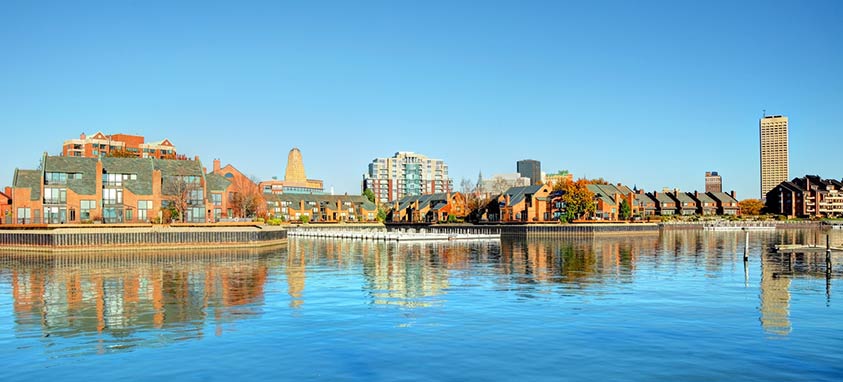
Buffalo, New York

Overall No. 1 seed Villanova University leads the tournament field into KeyBank Center in downtown Buffalo. Since 1996, more than 11 million spectators have attended live events at the 19,200-seat venue. Hockey fans make up a substantial portion of that total—the NHL’s Buffalo Sabres play at KeyBank Center. As the birthplace of buffalo wings, the city offers up the most gameday-appropriate signature food of any destination on this list. Local arts and cultural offerings—and Niagara Falls—deserve postgame attention, too.

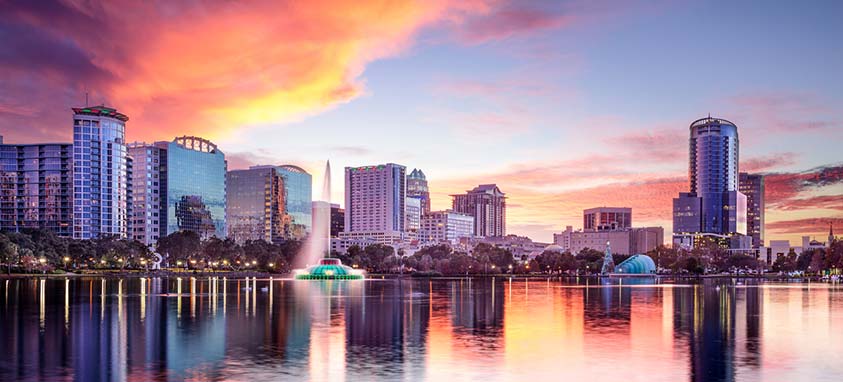
Orlando, Florida

The tournament provides yet another reason to visit Orlando, central Florida’s theme park and convention hub. Games tip off at Amway Center, a high-tech 20,000-seat venue near the downtown entertainment core featuring modern architecture and a signature illuminated spire. It opened in 2010 as the home court of the NBA’s Orlando Magic and a premier regional performance venue. The 875,000-square-foot facility has also hosted U.S. Olympic Trials for the Summer and Winter Games.

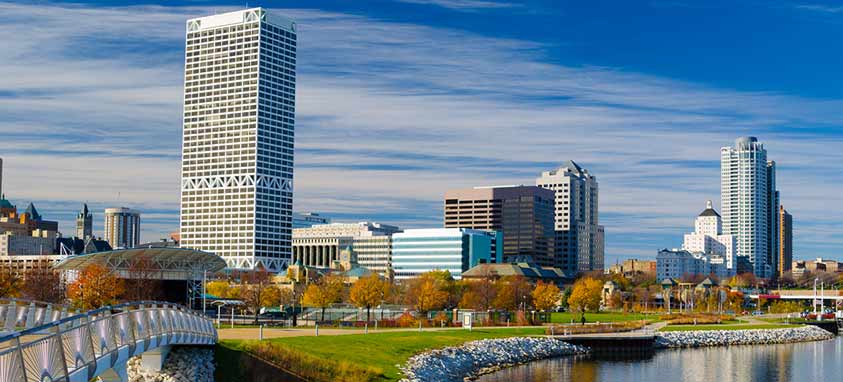
Milwaukee, Wisconsin

Both the NBA’s Milwaukee Bucks and the Marquette University men’s basketball team count BMO Harris Bradley Center as their home floor. That proves the 18,600-seat arena can handle hordes of hoops lovers. As expected, the Midwestern city offers local brews to quench fans’ thirst. More active amusements are available, too. Visitors can sample more than 130 miles of bike trails, stroll the Milwaukee RiverWalk winding nearly 3 miles through downtown, or hit the links at the city’s 15 golf courses.

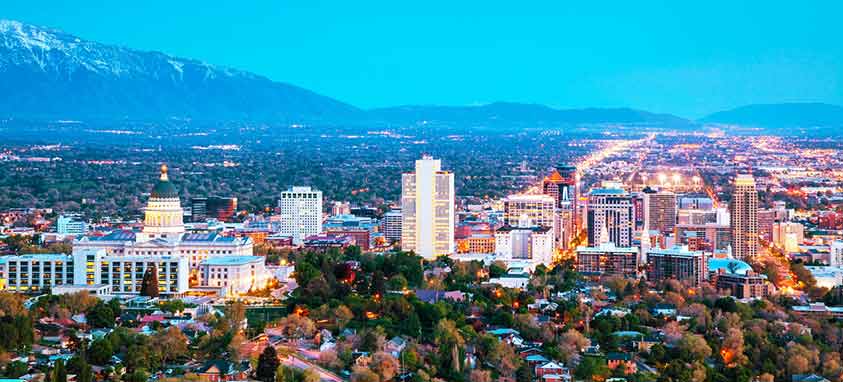
Salt Lake City

Vivint Smart Home Arena in Salt Lake City has presented varied and prestigious sporting events, from the NBA Finals to the figure skating and short track speed skating competitions at the 2002 Olympic Games. This week, college basketball fans take up residence at the home arena of the NBA’s Utah Jazz, which seats nearly 20,000. After the buzzer sounds, visitors can head for the mountains, explore Temple Square or check out the Great Salt Lake.

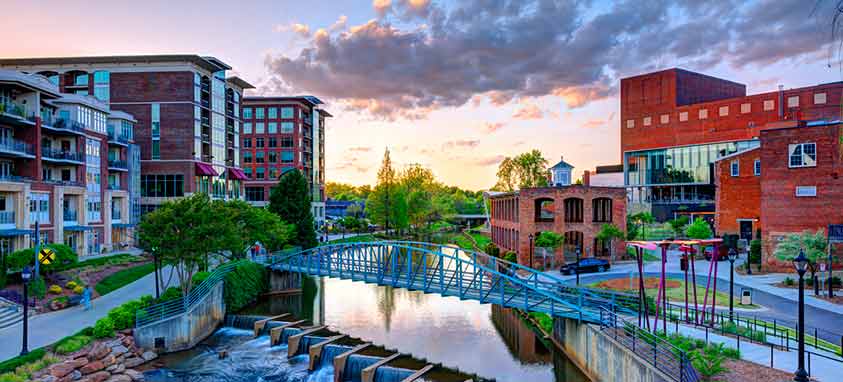
Greenville, South Carolina

March has been busy at Greenville’s Bon Secours Wellness Arena. Earlier this month, the facility hosted the 2017 SEC Women’s Basketball tournament, won by the women of the University of South Carolina. Now the nearly 16,000-seat arena prepares to welcome postseason NCAA Men’s Basketball Tournament action for the first time in 15 years. Greenville will taunt travelers with tasty temptations, as the city has developed into South Carolina’s inland culinary capital.

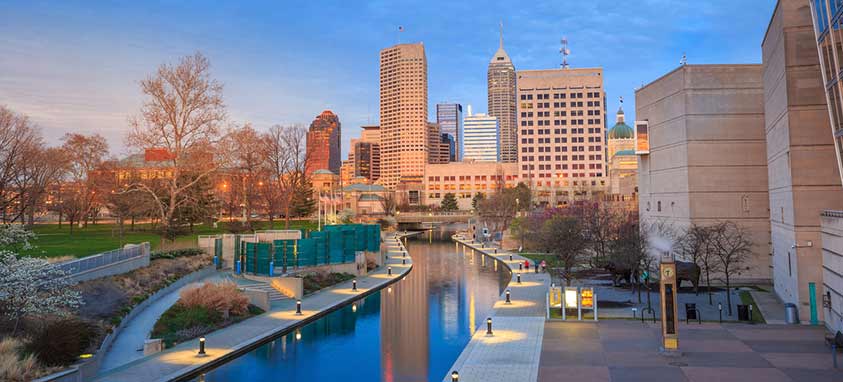
Indianapolis

Fittingly, the basketball-crazed Hoosier State gets in on postseason tournament hosting duties. Indianapolis’ 750,000-square-foot Bankers Life Fieldhouse seats 18,165. Inside, artwork and memorabilia showcase the history of the hometown team, the NBA’s Indiana Pacers. Downtown fixtures such as Monument Circle, Indiana State Capitol and Indiana Convention Center are located nearby. Bankers Life Fieldhouse offers a more intimate space than the city’s Lucas Oil Stadium, the 67,000 seat multipurpose facility where late-round tournament games are often played.

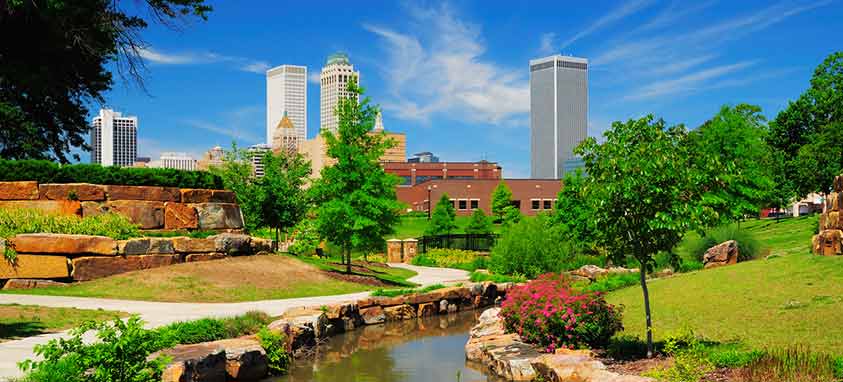
Tulsa, Oklahoma

This week, 19,000-seat BOK Center trades hockey for hoops. The Tulsa Oilers of the Central Hockey League are the venue’s main draw. But the Oilers are accustomed to sharing their space with a variety of visitors, from Sesame Street Live to Tim McGraw and Faith Hill. While in Tulsa, feast your eyes on the abundance of Art Deco architecture in downtown’s Deco District. Planners, file away these facts: Tulsa features a 310,000-square-foot convention center and more than 14,500 hotel rooms citywide.

Sacramento, California

The brand-new, 17,500-seat Golden 1 Center in California’s capital city provides a home for the Sacramento Kings of the NBA. It also anchors Downtown Commons, a 1.5 million-square-foot development project encompassing office space, residential units, hotels and retail shops. After a Sept. 30, 2016, ribbon-cutting ceremony, the venue hosted concerts by legendary musician Paul McCartney and welcomed hometown fans for the Kings’ home opener in October. The first indoor sports venue to earn LEED Platinum designation stands ready to take on this week’s crowds.