American Cities for Sports

Sports betting was a multi-million-dollar industry before it was legal nationwide in the United States. Now that it is, the industry is set to explode. And no one is quite sure what all the ramifications will be—for sports teams and fans, or the resorts, casinos and destinations facilitating the bets.

Answering those questions is the impetus behind the first U.S. Sports Betting Forum, taking place Oct. 1 in Louisville, Kentucky.

Part of the 19th-annual Teams Conference (TC), a sports industry conference and expo, the forum is a collaboration between TC and Sports Integrity Global Alliance (SIGA). The goal is to not only ponder the future of sports betting, but also to address how to ensure integrity in the practice across the county. In all, the forum will bring together leagues, players’ unions, betting operators, law enforcement and destination representatives.

Emanuel Macedo de Medeiros, CEO of SIGA and former CEO of European Professional Football Leagues and World League Association, is well versed in how betting operates around the world and doesn’t mince words about what the sports and events industry in United States has before it.

“The challenges ahead are simply enormous, and they better be well prepared for them,” he says. “We are planning a robust discussion on best practices in sports-betting regulation; but, equally, on how the affected stakeholders and the wider industry will be able to maintain the integrity of sport, particularly in the post-PASPA era.”

In May, the U.S. Supreme Court overturned the 1992 Professional and Amateur Sports Protection Act (PASPA), which made sports betting illegal. Since the court’s decision, several resorts and casinos have charged ahead, introducing a variety of sports-betting options. Ocean Resort Casino in Atlantic City, a new property featuring 160,000 sq. ft. of event space, concluded its grand opening with actor Mark Wahlberg placing bets on the NFL’s Eagles, Patriots and Browns. Between June and August, New Jersey’s Division of Gaming Enforcement estimated additional sports betting revenue at $7.3 million.

The conference runs Oct. 1–4. “The timing could not be better,” Medeiros says.

How to Master On-Campus Meetings

Universities offer a wealth of knowledge in the form of experts who can serve as keynotes, present research and contribute to roundtable discussions. But did you know many also offer prime meeting spaces? Some even operate as part of a hospitality program—so hosting an event on-campus doubles as support for the next generation of event professionals while leveraging the nostalgia of these storied venues. For your consideration:

University of California, Berkeley

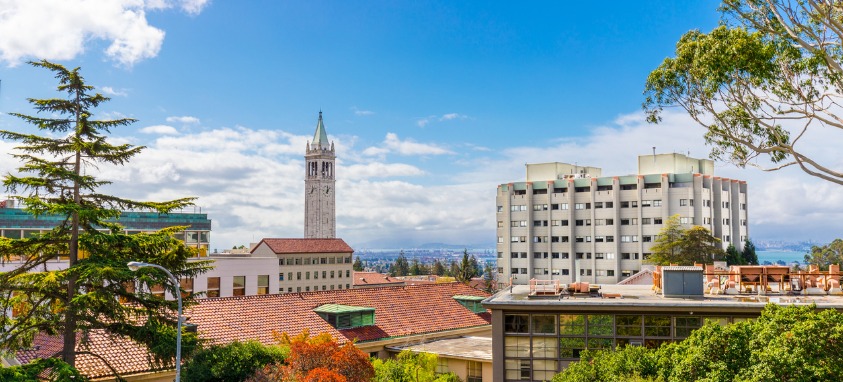
This research university dates back to 1868, but Zellerbach Auditorium offers some of today’s most advanced audiovisual technology in a performance hall. Similarly, Pauley Ballroom boasts soaring, 30-foot ceilings, wraparound windows and outdoor balcony space for up to 1,000 attendees. Or, hold your event in an urban forest. UC Botanical Garden at Berkeley is home to Mather Redwood Grove Amphitheater, Julia Morgan Hall and a greenhouse conference center.

University of Central Florida, Orlando

Rosen College of Hospitality Management students cater to large and small gatherings. The Courtyard offers Mediterranean-style elegance—complete with burbling fountain—for up to 500. Darden Auditorium turns an event into a production, with computer-controlled, surround-sound music and light systems and seating for 400. You can even break out of the ordinary by renting Anheuser-Busch Beer & Wine Laboratory, where the on-site Beverage Education Team is available to inform and entertain.

University of Notre Dame, Indiana

The sprawling Notre Dame campus is home to no fewer than 30 event venues, including light-filled, 10,000-square-foot Dahnke Ballroom, 3,500-square-foot McKenna Hall (equipped for simultaneous translation in up to 14 languages), gothic-style South Dining Hall, and, of course, the historic 91,400-square-foot Notre Dame Stadium. For extra-creative credit, pencil in a Sport Lovers Experience to get your group out on the field for a game of flag football, kickball or yoga. You can even sign up for dinner on the 50-year line with your group’s name emblazoned on the videoboard.

University of Washington, Seattle

Crank up the cool by gathering at Washington Music Theater (WAMU to those in the know) at CenturyLink Field, where Jay-Z and Beyonce brought the BeyHive. Or let your ideas take off at Future of Flight Aviation Center, which offers a direct line of sight to Paine Field Snohomish County Airport and Boeing Flightline. Combine The Plaza to the Future, Strato Deck, Aviation Gallery and Flightline Room for groups as large as 1,000 people. Schedule a Boeing Tour for even more liftoff.

United States Military Academy at West Point, New York

Add a patriotic note to your keynote by hosting at the country’s premier officer training grounds, which overlook the Hudson River. Active duty and retired military personnel, civilian employees and their dependents can rent four facilities, including the historic Class of ’49 Lodge.

Read more about top hospitality schools in the U.S. in the September issue of Smart Meetings magazine.

finance tools

Many companies are relying on inefficient meetings and events practices rather than embracing the newest tools available, according to a new report released by a management software company.

The report, issued by Chicago-based Eved, details ways in which the world’s largest companies can still improve. One of the key findings was that by not implementing new tools, the companies are not generating the confidence and financial growth that they look to generate in every other aspect of business.

Breaking a company’s finances down into their individual parts, William Sterling, former vice president of BMS and one of the authors of the report, stated, “The meetings and events category is very far behind other industries when it comes to spend management.”

At the core of the report is a call for more automation, process-wide transparency and the use of real-time data tools when managing an event. That way, event owners would not only understand exactly what’s happening, but can also put that information to use in strategizing and adapting on the fly.

Key Findings

Built from surveys and analysis within 20 Fortune 500 companies, Eved’s report illustrates the wide range of practices and results currently accepted as the norm when managing an event. Some companies claimed it took up to 60 days following an event to receive the full financial picture of how it went. Fifty-seven percent said it took at least 30 days. And, turning to third-parties to manually input the data, nearly half of the report’s respondents said they were less than 80 percent confident of the data’s accuracy once they received it.

In terms of the budget for events, only 50 percent of the companies track and manage the budget after the initial approval process. And 50 percent of event planners are forced to manage the budget by constantly upgrading spreadsheets and sharing them manually through email. This slows the process down because companies have less control over their meetings and events, and planners have less time to devote to what they do best.

The handful of companies that are already making changes and optimizing their processes with suppliers, planners and customers are saving from 13 to 25 percent on their events. They also are continuing to refine the goals and budgets for the next event, with as little delay as possible.

Changes to Come

Growing out of an event services and destination management company, and launched in 2010, Eved develops software to deal with the very inefficiencies the report points out. The report is just the first of many: Eved hopes that each report will be a starting point for further discussion of the industry and how it can continue to develop.

sick travel healthcare app

Every experienced traveler knows nothing can ruin a trip or conference as fast as being sick and having to tough it out until you return home and visit your doctor. But it’s a dilemma Memorial Healthcare System and Newport Beachside Hotel & Resort in South Florida are partnering to help fix.

Thanks to MemorialDOCNow, an app available through the Apple and Google stores, anyone can launch a private video chat with a physician specifically trained in telehealth, 24 hours a day. While not equipped to handle emergencies, the doctors ask questions about symptoms and medical history, allowing them to diagnosis ailments from allergies to strep throat and pinkeye. Then they can send electronic prescriptions to a pharmacy nearby.

Every physician is affiliated either with the Memorial Healthcare System, the company’s partner American Well Online Care Group or Joe DiMaggio Children’s Hospital. And to top it off, all communication over your video chat is secure. Originally developed and offered as an option for those who simply couldn’t work an in-person doctor’s visit into their schedule, MemorialDOCNow is looking to find a niche with travelers.

Put simply, Newport Beachside Hotel & Resort General Manager Demise Haddad explains, “This will make the experience a little better when the unexpected happens.” And if it means getting medical help without ever leaving your hotel room, it’s a hard prospect to argue with.

For a cost of $59 per call and an average wait time of less than 10 minutes, the resort is hoping the partnership will give attendees a bit more peace-of-mind. That way, whether onsite, with the Newport’s 18,000 sq. ft. of event space, or while enjoying the beaches, nightlife and everything else the Miami area has to offer, it’s one less thing to worry about.

As one of Florida’s major healthcare systems, Memorial Healthcare System runs hospitals throughout the state; its largest is Memorial Regional Hospital, just north of where Newport Beachside Hotel & Resort is nestled in the Sunny Isles Beach area on South Florida’s Atlantic coastline. Susanne Hurowitz, who is owner of the 339-room resort and a sitting board member of the healthcare system, calls the partnership “a natural collaboration” to help guests and event attendees receive care and enjoy their stays at the same time.

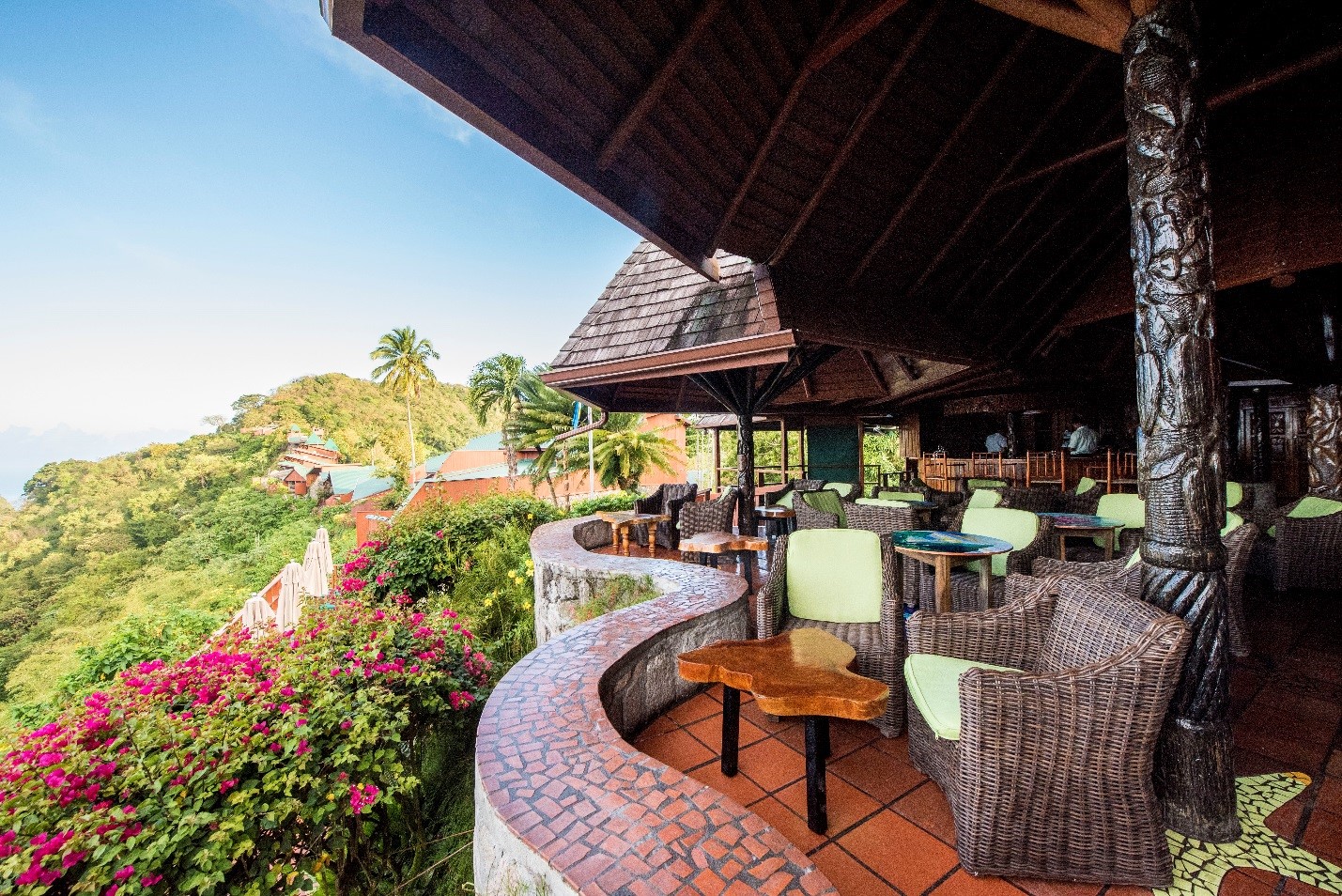
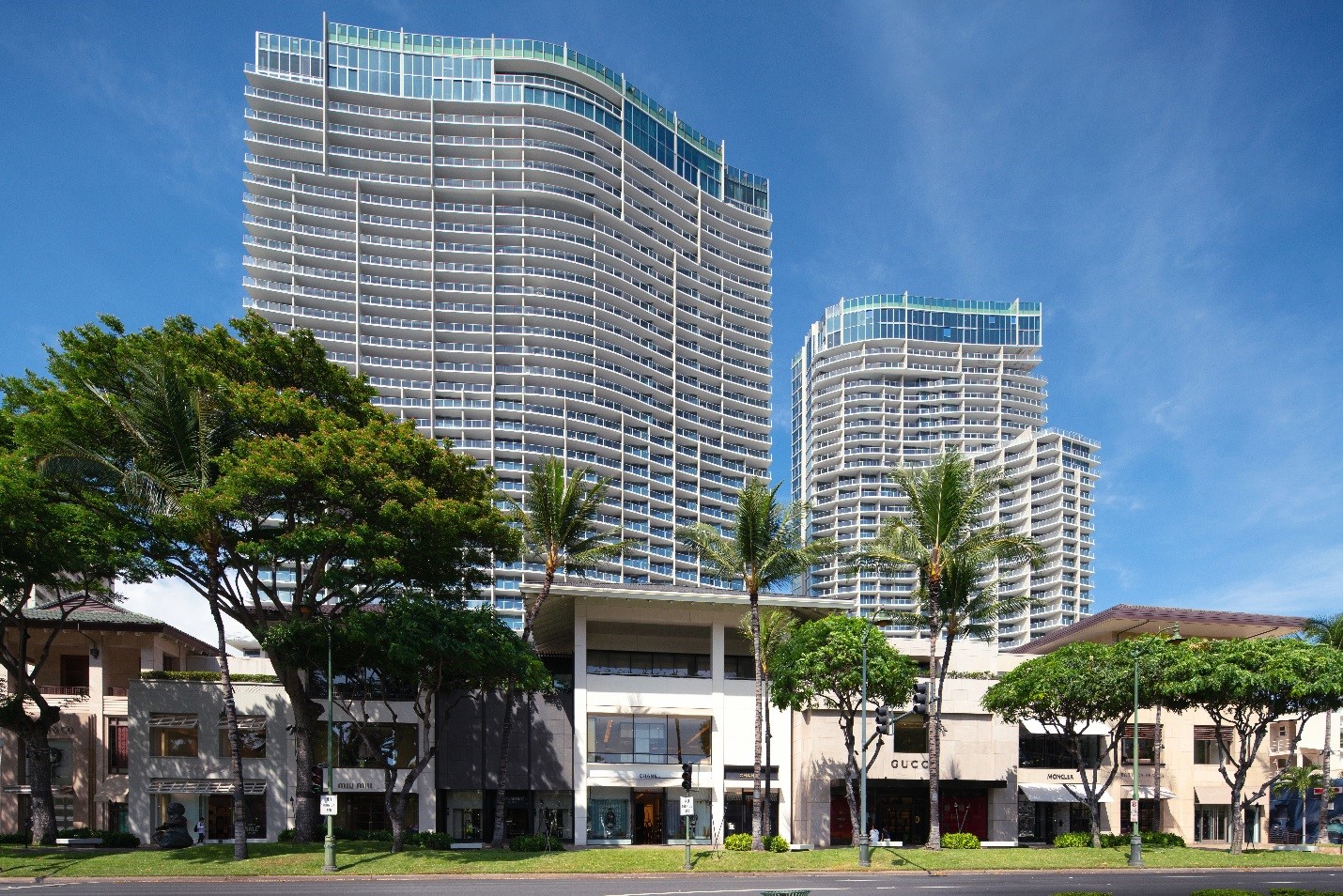
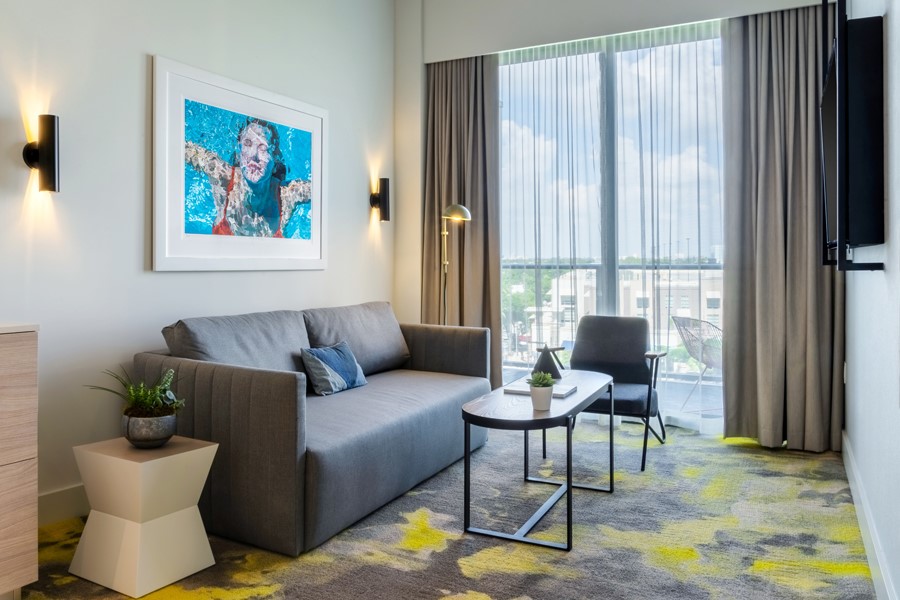
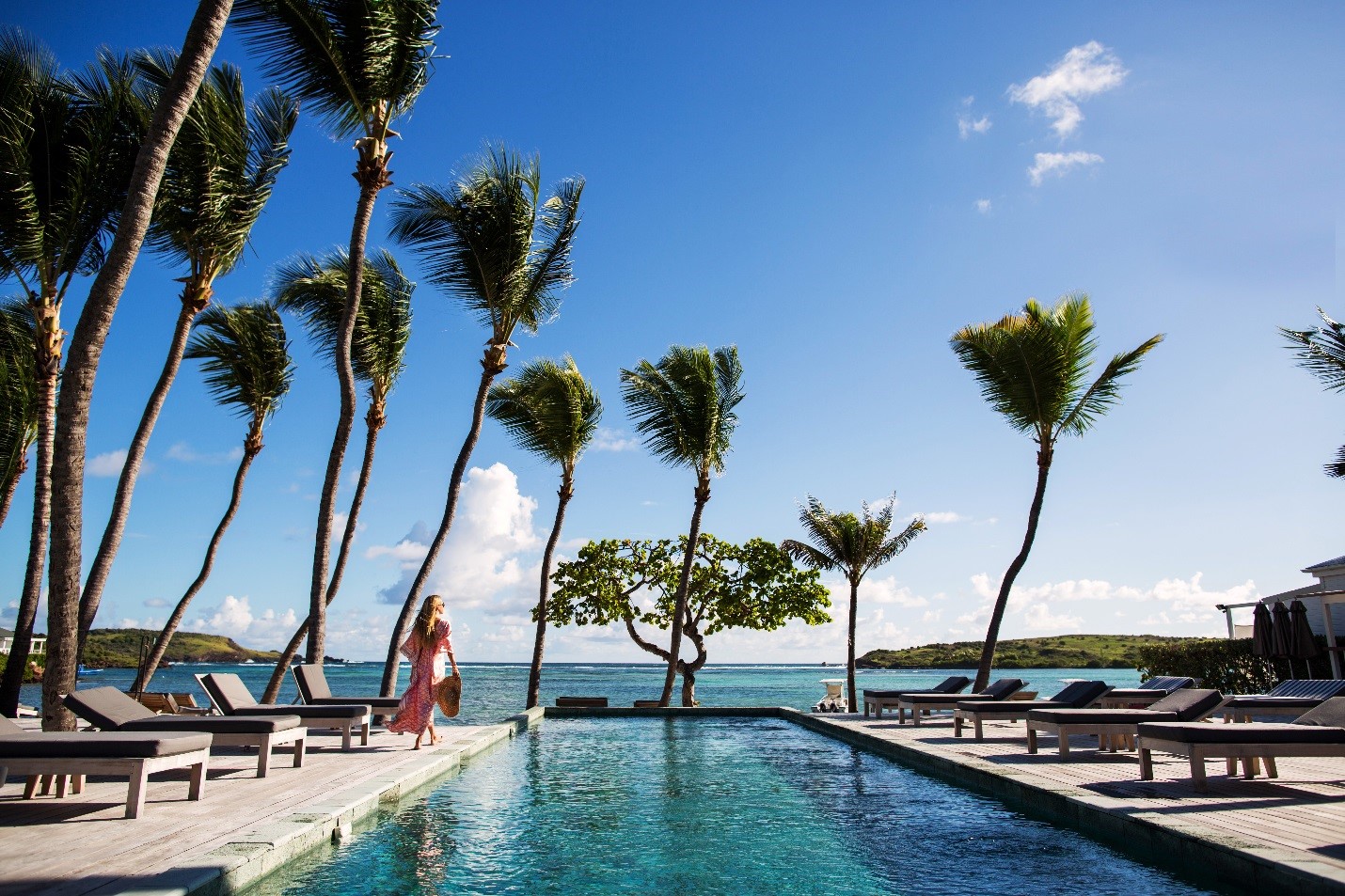
These new and renovated properties in St. Lucia, Honolulu, Miami and St. Barth serve to remind you—it’s summertime somewhere.

from the flight deck: extra baggage

What’s new in the world of air travel? U.S. airlines raise luggage fees, United Airlines streamlines your boarding process and Wow Air plans an IPO.

Tweet of the Week

US Airlines Raise Luggage Fees

Things you might say to your SO and airline carrier: What’s up with the extra baggage (fees)? Delta Air Lines increased its checked luggage fees this morning from $25 to $30 for the first bag and from $35 to $40 for the second—making it the third US airline to raise its prices since Aug. 27. JetBlue and United, as well as Canada’s WestJet Airlines and Air Canada, have all jumped on the trend in previous weeks. Some blame climbing fuel prices. Some blame JetBlue (they did it first)—to which JetBlue CEO Robin Hayes said, “We want to have what makes a difference to the customer. And everywhere else, we just need to be competitive. And those products, they’re an investment, right? If you have more leg room, TV and Wi-Fi, it costs money to provide that.”

Our advice: Save the baggage for therapy. Pack light with these smart tips.

United Improves Boarding Process

Now boarding: your sanity. After a year of testing out new boarding concepts, United Airlines rolled out its new and improved boarding process on Wednesday at more than 1,000 gates in the world. This one’s customer-approved. Major changes include notifying passengers when a flight is boarding through in-app alerts and reducing the number of boarding lanes from five to two to prevent overcrowding and the inexplicable compulsion to guard one’s spot in line. Another change: MileagePlus Premier 1K and Mileage Plus Premiere Gold flyers will move up in boarding groups.

Flying United at a streamlined gate? Tweet us about your experience to get featured.

Wow Air Plans IPO to Raise $300 Million

Low-cost Icelandic carrier Wow Air is planning to go public and aims to raise $200 to $300 million in 12 to 18 months, CEO Skuli Mogensen told the Financial Times. He will sell less than half the company. The popular airline operates affordable flights between Europe, North America, Tenerife, Tel Aviv and India via Reykjavik’s Keflavik International Airport (KEF). European airlines Alitalia, Small Planet, Air Berlin and Monarch Airlines, take note. (They have all become insolvent or kaput in the past year.)

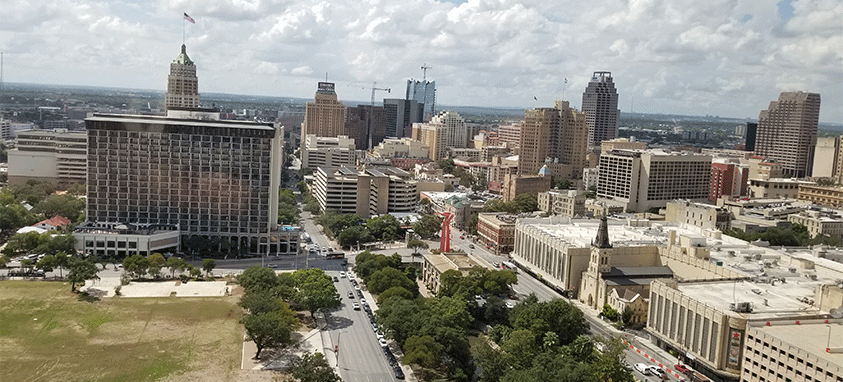
They’re both Hyatt luxury properties in San Antonio with plenty of attractive amenities and more than 100,000 sq. ft. of meeting space, and have been recently been renovated to celebrate major anniversaries. But Hyatt Regency Hill Country Resort & Spa and Grand Hyatt San Antonio have unique identities and are decidedly different in many respects.

The 500-room Hyatt Regency Hill Country, which is celebrating its 25th anniversary, is situated on a 300-acre hilly site and is a 20-minute drive from downtown San Antonio. An outdoor lover’s paradise, it features a 5-acre water park, lazy river and 27 holes of golf. The more than 100,000 sq. ft. of meeting space includes three ballrooms—Independence Ballroom, the largest, has 20,200 sq. ft. of space.

Windflower Spa at Hyatt Regency Hill Country

One of the resort’s top features is Windflower Spa, which offers treatments using some Texas Hill Country ingredients as well as a Jacuzzi, steam room, sauna and snack bar. The spa also includes spacious outdoor areas that include a private pool and comfortable chairs for relaxation in a tranquil setting.

Hyatt Regency Hill Country completed renovation of its 8,800-square-foot Rogers-Wiseman Pavilion this year to restore it to a full-use signature meeting and event space.

“After using Rogers-Wiseman as a back-up venue for several years, we started to notice that more and more groups were looking to book their events outdoors and surrounded by nature,” says John Hernstat, the resort’s director of sales and marketing. “With more groups expressing interest in the venues as their primary function space, we decided to renovate and update the tent to provide a truly unique and distinctive space that would showcase our beautiful Hill Country scenery will still providing full protection from the outdoor elements.”

The pavilion was outfitted with floor-to-ceiling windows on three sides to allow natural lighting and to create more open space showcasing the outdoor scenery. The flooring was updated with luxury vinyl tile to enhance the rustic, elegant fell of the property.

Grand Hyatt San Antonio, which is located on the River Walk, adjacent to Henry B. Gonzalez Convention Center, offers 1,003 guest rooms and 115,000 sq. ft. of indoor and outdoor meeting space. It has been celebrating its 10th anniversary by completing a $19 million renovation of all guest rooms, meeting spaces, Bar Rojo, the corridors and the lobby.

“We are thrilled to celebrate 10 years of service to our guests and the city of San Antonio,” says Ed Bucholtz, general manager of the hotel. “We completed a renovation providing guests with a new, luxurious guest-room experience, expansive meeting space with state-of-the-art technology for groups and those hosting elegant affairs, an urbane bar and lounge with contemporary seating and serving the latest craft beverages and a sophisticated lobby to ensure leisure and business travelers are comfortable and feel at home while they are visiting San Antonio.”

The newly updated meeting space provides planners with 13 flexible indoor and outdoor venues, ranging from small boardrooms to Lone Star Ballroom, with more than 21,000 sq. ft. of space. Meeting rooms have been modernized with advanced lighting, state-of-the-art reader boards, the latest in audiovisual technology and high-tech special effects. The hotel also provides 5,200 sq. ft. of balcony space overlooking the city.

Grand Hyatt increased the amount of seating in Bar Rojo by adding new modernized furniture that incorporates electrical outlets and wireless technology into the marble table tops and chairs. Other areas that were renovated include a heated rooftop pool; three restaurants, including Ruth’s Chris Steak House; and the fitness center, with cardio machines, free weights and stability balls.

Seattle has now joined four other major meeting destinations where Marriott workers have overwhelmingly voted to strike.

On Friday, Sept. 14, housekeepers, servers, cooks and doormen are The Westin Seattle authorized leadership of their union, Unite Here, to call a strike if ongoing bargaining talks continue to be deadlocked.

Previously, 3,500 workers at six Marriott properties in Hawaii, 1,800 workers at eight Marriott properties in Boston and 2,300 workers at seven Marriott properties in San Francisco and San Jose, California, took similar votes.

In all, more than 8,000 Marriott employees are involved. If actual strikes are called, they will join the more than 6,000 workers from several hotel brands on strike in Chicago since Sept. 7.

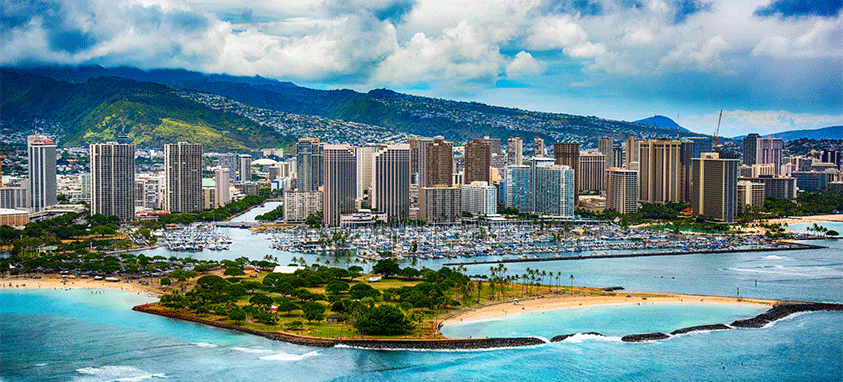
The Hawaii properties involved are in Honolulu and Maui. They include Sheraton Princess Kailuani, Sheraton Maui, Sheraton Waikiki, The Royal Hawaiian, The Westin Moana Surfrider and Waikiki Beach Marriott. The strike vote came after months of negotiation between Unite Here Local 5 and Marriott.

“Our proposal is to make one job enough to live on in Hawaii,” Eric Gill, Local 5 secretary-treasurer, told Associated Press.

Year-round health benefits and worker protection against automation are reportedly among the major issues on the negotiating table.

A Marriott International spokesperson said: “We have been in negotiations with Unite Here Local 26 since April. Since then, we’ve had over a dozen meetings where we have been able to reach tentative agreements on some substantive issues.” He indicated that significant issues remain for both parties that need to be resolved. “We continue to negotiate in good faith. Throughout our longstanding relationship with Local 26, we have always taken the negotiation process seriously and reached agreements. We have no reason to believe that this negotiation process will be any different. We respect the right of our associates to voice their opinions on issues that are important to them. Should the union and our employees choose to strike, our hotels will continue to operate and work to minimize any disruption,” he added.

On September 11, Hilton issued the following statement: The safety and security of our guests and team members is always our top priority. We are doing everything we can to prepare for the expected landfall of Hurricane Florence and minimize the related effects. Hilton properties located in mandatory evacuation zones in South Carolina, North Carolina and Virginia have begun evacuation procedures that meet local requirements. Other properties within the storm’s projected path remain open and operational, and have implemented their emergency preparedness plans. We remain in regular contact with local authorities and our tourism partners as we continue to monitor Hurricane Florence.

For guests whose travel plans may be affected by Hurricane Florence, modification and cancellation penalties may be waived for stays with arrivals Tuesday, September 11, through Monday, September 17, regardless of travel destination. Guests are encouraged to visit Hilton.com or contact 1-800-HILTONS for the latest information on specific properties. 

As it approached the Mid-Atlantic coast this week, Hurricane Florence is a dramatic reminder that hurricane season is upon us once again. We still remember the most destructive names of 2017. Harvey. Irma. Maria. Nate. Last year’s Atlantic hurricane season was the costliest on record, with a damage total of at least $282 billion. Dozens of hotels and thousands of homes were destroyed or severely damaged. More lives were lost than in any hurricane season in the past decade.

In the rear-view mirror, a few pleasant surprises did emerge. Contrary to what might be expected, hotels in some hard-hit areas actually saw a boost in business in the months following the storm. STR, parent company of Hotel News, reported that hurricane-related demand lifted overall U.S. hotel performance by 1.5 percent in the final quarter of 2017. The Houston market saw double-digit revenue-per-room (RevPAR) growth for five months post-Hurricane Harvey. Much of this is attributed to a flood of FEMA and relief agency personnel, as well as construction crews. On the other hand, the Florida Keys struggled to climb back to pre-Irma occupancy levels.

Another plus for the meetings industry is that as part of the recovery, many properties were upgraded and reopened with more amenities than ever before. While many blue tarps are still in evidence on roofs in parts of Puerto Rico, the U.S. Virgin Islands and elsewhere in the Caribbean, the areas popular with groups have largely been made whole. In the U.S. Virgin Islands, major hotels such as The Westin St. John Resort & Villas, Frenchman’s Reef & Morning Star Marriott Beach Resort on St. Thomas and The Ritz-Carlton, St. Thomas have not yet reopened.

Brad Dean, new CEO of Discover Puerto Rico reported that 130 of 148 properties have reopened, with more, including The St. Regis Bahia Beach Resort Puerto Rico and Dorado Beach, A Ritz-Carlton Reserve slated to open their refreshed spaces by the end of the year.

Hospitality Steps up

Should the worst happen again this year, how will these heavily damaged places cope?

“People are stressed and they’re scared because, yes, we are coming on to the next hurricane season,” Daryl Griffth, who heads the Virgin Islands Housing Finance Authority, told NPR recently. “More than three-quarters of our population received some type of hurricane damage.”

Yet if rays of hope exist for these regions—and others that might be hit in the coming months—it is how the hospitality and meetings industries will unfailingly come to the aid of those caught up in the terrible fury of the storms—and help battered economies recover in their aftermath.

After the storms, convention centers and hotel ballrooms became evacuation shelters. Hotel companies and airlines donated millions to aid victims and restore normalcy. Meeting planners designed countless activities for their groups to provide much-needed goods. CVBs in affected areas rushed to get out the word that their areas were open for business again—planners responded by bringing them business if they could.

This week, Milton Segarra, CEO of Visit Mississippi Gulf Coast, was among those who weathered the torrent of Tropical Storm Gordon. “As a Gulf Coast destination that welcomes over 13 million visitors a year, the Mississippi Gulf Coast maintains a high level of advance preparedness for storms and a commitment to quickly resume operations as soon as possible. Without the hard work and dedication of our exceptional hospitality employees, our destination would not be able to rebound as fast as it has done in the past, in order to start welcoming visitors back to the region.”

But Segarra was president and CEO of Meet Puerto Rico when Hurricane Irma ravaged that island last year, and thus is uniquely positioned to add, “After a hurricane, the hotel and hospitality industry is relied upon to house those who play a vital role in the rapid recovery of a destination, such as first responders, government officials, FEMA agents, insurance companies, and the media, which in turn helps to keep the economy in motion.

“Furthermore, the people who work in the meetings and hospitality industries have a great responsibility to represent the community and destination as a whole, and a fast, efficient and compassionate response to challenges such as hurricane damage perfectly reflects the community’s resilience and capacity to overcome and thrive despite any adversity they may face.”

In short, hurricanes—as destructive as they may be—can make us stronger.

The $22 billion contributed by the meetings industry to local, state and federal taxes each year is dependent on the free flow of travel. To make that point, U.S. Travel Association and the CEOs of 13 hospitality companies met Tuesday at the White House with President Donald Trump and senior administration officials.

Attendees included representatives from Wyndham Hotels & Resorts, AccorHotels, Hyatt Hotels Corporation, InterContinental Hotels Group, Las Vegas Sands Corporation, Hilton Hotels & Resorts, Choice Hotels International, Freeman, Host Hotels & Resorts, Marriott International and Universal Parks & Resorts.

Editor’s note: Smart Meetings ran a survey of Twitter followers asking what action would be most effective at drawing more international groups. The majority of respondents (67 percent) said investment in infrastructure topped the list. 25 percent supported the idea of streamlining visa policies and 8 percent were in favor of asking President Donald Trump to write an open welcome letter.

Topic of Conversation

Those in attendance underscored the importance of international inbound travel as a way to reduce the trade deficit, create jobs (the meetings industry supports 1.1 million jobs, according to statistics from Meetings Mean Business coalition) and grow the economy.

“Our discussion with the president was simple: a strong flow of international business and leisure travelers into the U.S. reduces the trade deficit and creates an outsize number of American jobs,” said Roger Dow, president and CEO of U.S. Travel Association. “There is a global international travel boom, and there is a huge opportunity to greatly expand upon the already strong economy,” he added.

Dow described the president as “a keen listener” on the subject of growing the economy. “He was receptive to the idea that travel growth can be achieved without compromising security,” Dow said.

According to a statement from U.S. Travel Association, the conversation highlighted ways the administration and the travel industry can work together to achieve travel-related growth. Among the policies discussed to help improve inbound travel: expanding and enhancing secure visa policies, supporting the Brand USA destination marketing agency, and investing in transportation infrastructure.

Jim Clarke, senior vice president for public policy at The Center for Association Leadership (ASAE), hoped the meeting would result in a more welcoming message from the White House, State Department and Department of Commerce. He noted that the decline his members have seen in attendees and speakers coming from overseas has hurt the success of scientific and medical meetings.

Clarke said one thing that would begin to roll out a red carpet for international travelers would be to make the Visa Waver Program easier to navigate. “Overall, the government needs to promote a message of welcome,” he said.