Hotel Service

Services hotel guests think they will need don’t always line up with what they end up using, according to a new study from Cornell University.

Spanning six hotel brands, 33 hotels and 724 surveyed guests, Cornell’s School of Hotel Administration tracked 50 hotel amenities, from bottles of water in the room to spas and swimming pools. The surveys asked guests first what they expected to use during their stays, and later what they actually used. For instance, almost all guests assumed they would want to use a closet (92 percent) and a TV (91 percent), and the portion that actually used them (86 and 85 percent, respectively) remained relatively consistent.

When it comes to having an on-site fitness center, however, 46 percent of all guests—and 48 percent if just counting guests visiting for business—said they would need it, but only 19 and 17 percent, respectively, ended up actually using it. Pools scored in a similar fashion, with 41 percent expected use, and only 28 percent actual use. The single largest discrepancy was alarm clock use. While 69 percent of people said they needed alarms in their rooms, only 15 percent used them.

Generally, guests overpredicted what they would use in hotels, but there were also a handful of cases where they underpredicted. In the cases of the concierge (31 versus 42 percent), the bellhop (18 versus 27 percent), and valet parking (14 versus 23 percent), guests ended up taking advantage of the services more than they expected. And though only 27 percent of guests thought they might find reason to sit down in the hotel lobby, 42 percent ultimately did.

The study’s authors propose that the amenities guests expect to use before their actual visit can be good indications of a hotel’s ability to attract new guests, while the amenities they actually use determine if guests would be willing to return.

At the same time, the study also provides a larger look at what attendees value in a hotel, whether they use it out not. Only 11 percent expect to take advantage of a minibar, with just 8 percent ever taking the salted-peanut and tiny whiskey bottle plunge. At the same time, while only a fraction of guests expects to need food in the lobby (28 percent) or movies on-demand (17 percent), more than half expect they will make use of an iron (56 percent), an in-room coffee maker (59 percent), bottled water (51 percent) and a hotel bar (51 percent).

Matching the costs and benefits of hotel amenities to guests is an ongoing struggle in the hospitality industry, and the researchers at Cornell hope this study will be a solid step in the right direction.
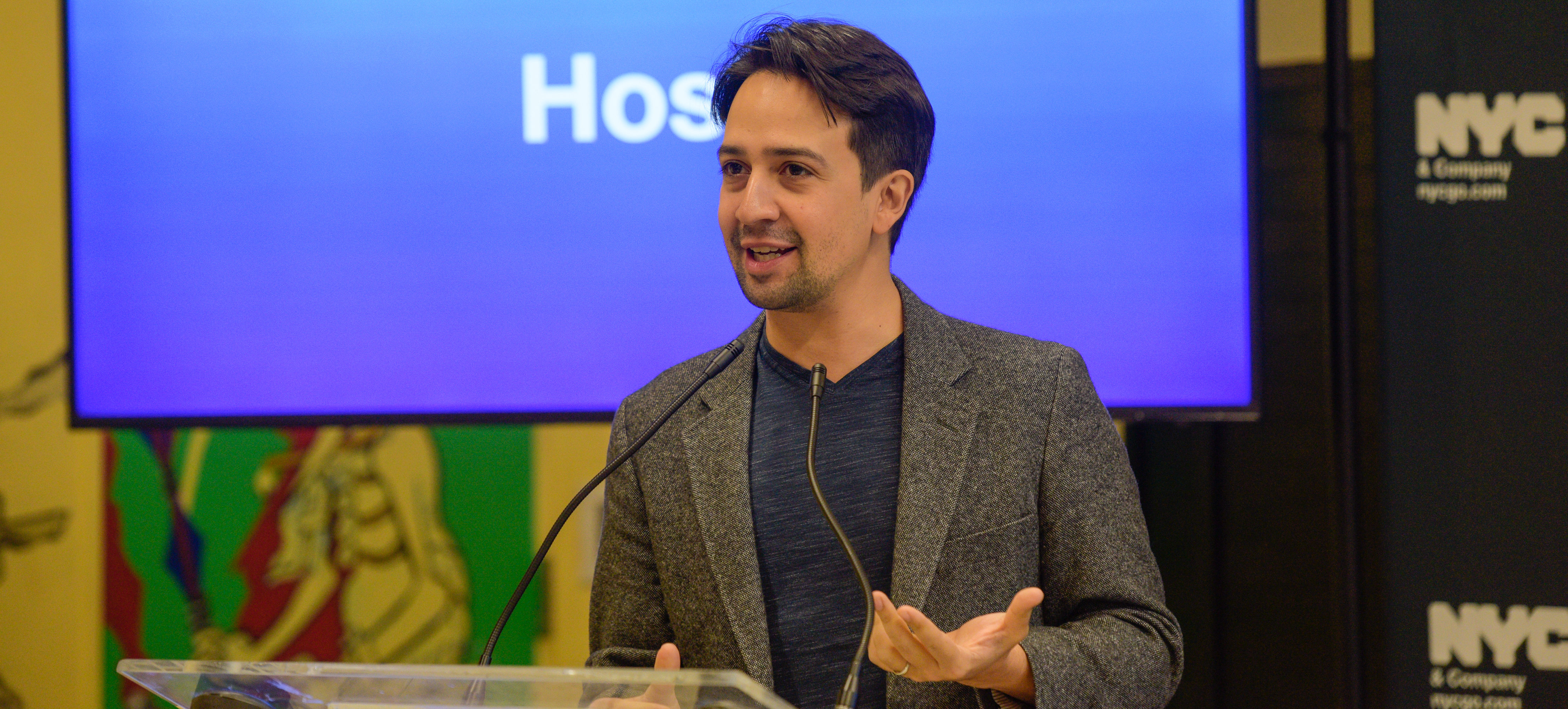

Lin-Manuel Miranda
Lin-Manuel Miranda; photo credit: Julienne Schaer 

Broadway actor and director Lin-Manuel Miranda did not throw away his shot to be part of a major tourism announcement involving his two homes—New York City and Puerto Rico. The two CVBs, NYC & Company and Discover Puerto Rico, have joined hands for an inaugural yearlong city-to-island marketing campaign.

MorePower of Music Unites Puerto Rico

“This partnership is deeply personal for me as it formally bridges two of the most fundamental parts of my identity,” the Hamilton mastermind says. “As a first generation New Yorker with parents from Puerto Rico and family on the island, I’ve always felt a special connection not only to my life in upper Manhattan but with my roots and summers spent in Vega Alta, Puerto Rico. I do not exist without both or either.”

On the surface, the hustle and bustle of the concrete jungle and the sandy beaches of Puerto Rico may appear to have little in common. In reality, there is much cultural overlap between the urban city and the tropical United States territory. For one, as depicted in Miranda’s other Tony-winning musical In the Heights, the Broadway and film star’s childhood neighborhood of Washington Heights has a large Puerto Rican influence.

“New York City and Puerto Rico share a diverse culture and vibrancy that cultivates a unique affinity between the two destinations, and there could not be a better time for us to align our efforts,” says Fred Dixon, NYC & Company president and CEO. “We are proud to partner with Discover Puerto Rico to encourage and welcome visitation to the island.”

Lin-Manuel Miranda NYC Puerto Rico
Brad Dean and Charles Flateman; photo credit: Julienne Schaer

NYC & Company board of directors vice chairman Charles Flateman and Discover Puerto Rico CEO Brad Dean both lent their John Hancocks to this agreement today at El Museo del Barrio in Manhattan. The city-to-island marketing and advertising exchange is valued at $300,800. Billboards for the Big Apple will be posted in San Juan beginning Nov. 19 and remain up for three months. Ads for Puerto Rico will appear on bus stop shelters and LinkNYC screens in all five boroughs from Nov. 19 to Jan. 13.

Another commonality between NYC and Puerto Rico is both places have bounced back from catastrophic events and have been faced with the challenge of regaining the trust of tourists and event professionals alike. Puerto Rico’s newly formed destination marketing organization wants to assure the world they are open for business one year post-Hurricane Maria.

NYC Puerto Rico
Photo credit: Discover Puerto Rico

“We are working aggressively to elevate Puerto Rico’s brand and make it visible to the world as a premier travel destination,” Brad Dean, CEO of Discover Puerto Rico, says. “Puerto Rico is open for business and eager to share its rich and diverse culture with visitors. Our entire Island is brimming with festivals, events, attractions and natural beauty that are waiting to be discovered this holiday season.”

With approximately 26 daily flights between New York City area and Puerto Rico, both destinations also encourage visitors to travel during the upcoming holiday season. Over the holidays, moviegoers in New York, Puerto Rico and nationwide can catch Miranda on the big screen in Mary Poppins Returns, opening Dec. 19. Just after the new year, he’ll return to the stage for a special three-week engagement of Hamilton at Puerto Rico’s Teatro UPR from Jan. 8 to 27.

Champagne has been the drink of royalty going back to the 1800s. In fact, Winston Churchill once said of World War II, “Remember gentlemen, it’s not just France we are fighting for, it’s Champagne.”

It is the go-to beverage for toasting the new year. But what about people who don’t like champagne or just want to try something different this year? As New Year’s Eve plans already start to fall into place, here are some of the best alternatives to spice up any gathering.

Cognac Sparklers

One final taste of the holiday season, sparkling apple cider combined with a quick pour of brandy, rings in the New Year with a tasty pop. It sizzles with the feeling of celebration without skimping on flavor.

Moscow Mule Punch

It’s hard to deny the surge in popularity that the copper-mug-clad cocktail has seen in recent years. Why not lean into it? Made in mass, with copper mugs, lime and mint for attendees’ pleasure, the vodka classic could be much more than just something to sip on.

Apple Cider and Rum

For a heartier drink befitting the warmth of smaller, more intimate New Year’s Eve parties, look no further. Rum, spiced apple cider, vermouth and a sprinkle of fresh fruit is all you need.

More9 Inventive, Fun Cocktails to Enliven Your Gathering

Sparkling Cherry Mocktails

For a nonalcoholic option that is still a delight to drink, a combination of grenadine, lemon and soda goes a long way. Garnished with a few cherries for good measure, it can strike the perfect balance of sour and sweet.

Tequila Tom Collins

Take the long-time classic of a Tom Collins, but switch the gin for a splash of something a bit more party-minded. It’s light, refreshing and simple, but with just enough of a twist to mark a special occasion.

Cranberry Mojitos

Tart, sweet, minty and just plain fun, these are perfect for the crescendo toward midnight. The sparkling water is a great stand-in for traditional bubbly and the cool taste will have attendees ready to keep the party going.

Grapefruit Ginger Mocktails

When it comes to scratching the need for something tart, nothing manages it quite like grapefruit. Combine it with ginger beer and some garnish for an excellent, nonalcoholic pick-me-up as the clock ticks down.

Champagne Floats

If the allure of the New Year’s king is simply too much, there is nothing wrong with spicing it up. Whether it is vanilla, raspberry, strawberry or any other fruity favorites, a dollop of ice cream is all it takes to create something as memorable as it is unexpected.

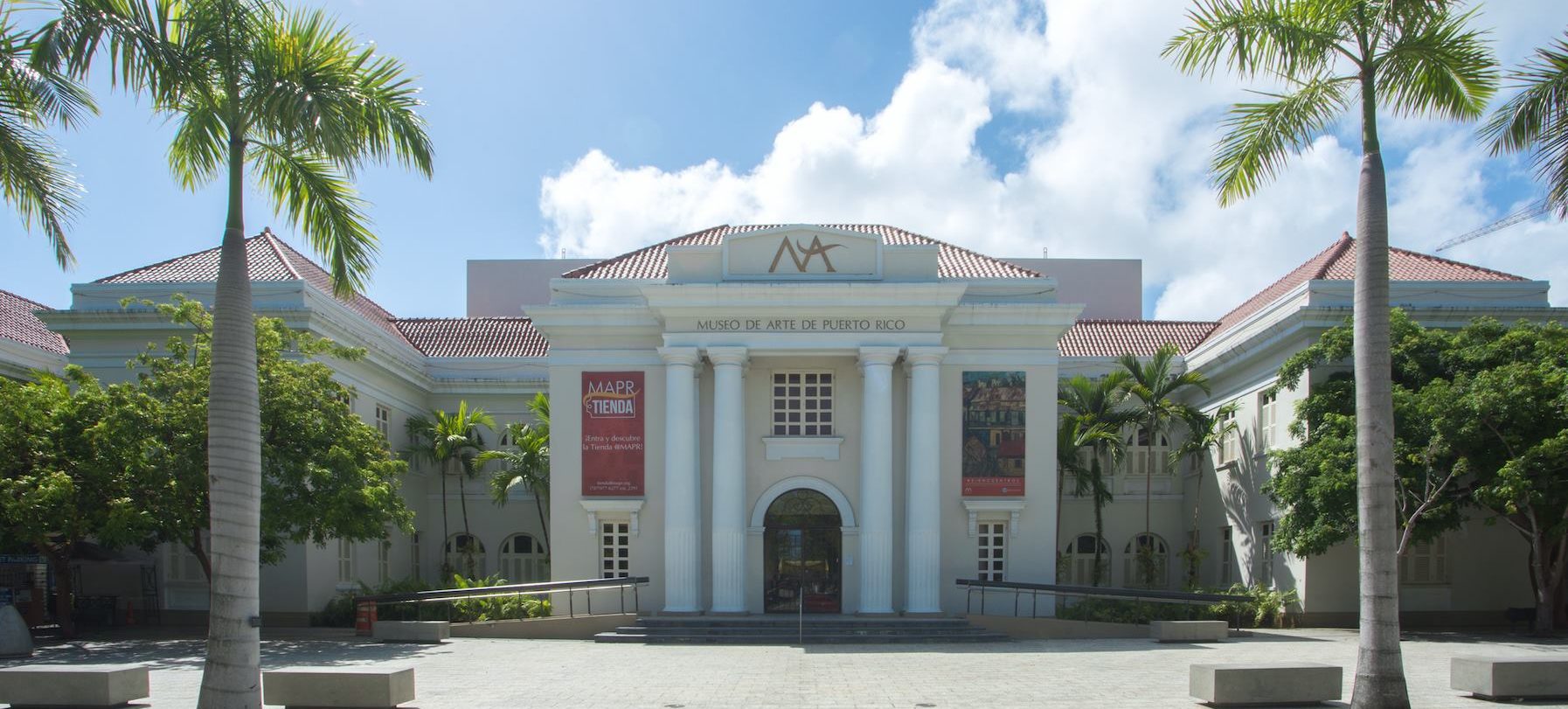
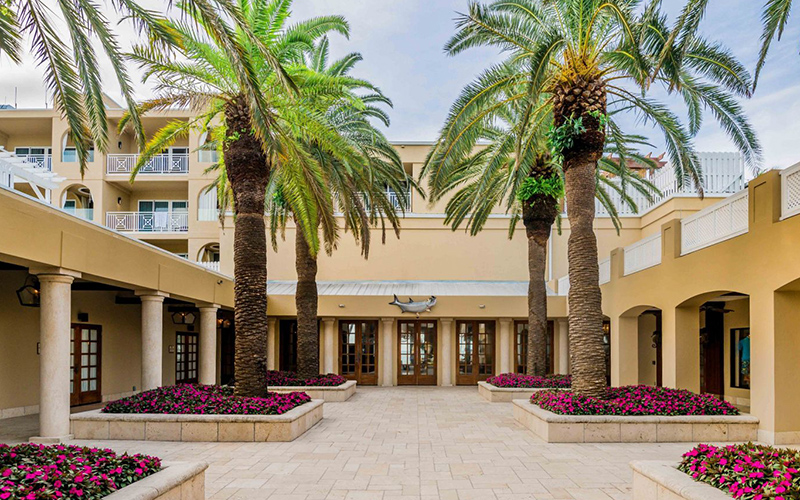
It is unfortunate, but natural disasters have become a distressingly more common element of modern hospitality. Instead of bowing before the unlucky circumstances and property damage, however, many hotels and venues are seizing the opportunity to remodel and reopen even better than before. More than a year since Hurricanes Irma and Maria struck, this resilience is reshaping the Florida Keys and Puerto Rico.

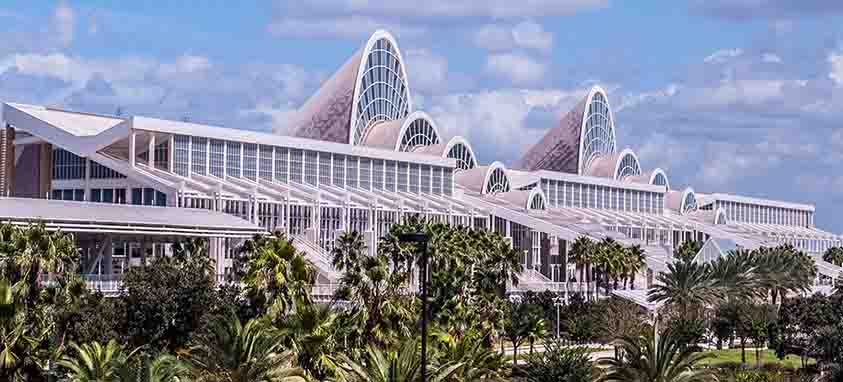
The meeting space at Orange County Convention Center (OCCC) in Orlando keeps multiplying like the Minions. Another $605 million is being invested to add more than 280,000 sq. ft. of meeting space and a brand-new concourse.

Convention Way Grand Concourse will feature a new plaza entrance, and an enclosed walkway will connect it with the existing concourse.

MoreSite Inspection: Orlando’s Main Squeeze

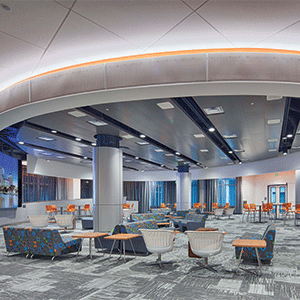
OCCC Destination Lounge

Guests can step from Convention Way through a grand entrance into an 80,000-square-foot ballroom, located on the west side of the North/South Building. On the east side, a 200,000-square-foot, multipurpose venue will be constructed. This column-free space promises to be flexible and divisible. It will accommodate up to 20,000 guests.

“As a leading meeting and convention destination, Orlando is known for continually investing in the region’s growth, and this next phase of Orange County Convention Center is another testament to our commitment to this industry,” says George Aguel, president & CEO of Visit Orlando. “The expansion at the center will create a wealth of new opportunities for groups of all sizes, and will serve as a catalyst for additional development throughout our convention district, including new hotels, restaurants and entertainment options.”

medical meetings

No timeline for these projects has been set and renderings are not yet available. These renovations come at the heels of completion of other additions to OCCC that include conversion of Tangerine Ballroom from an exhibit hall to a ballroom and the new 7,000-square-foot Destination Lounge.

MoreJ.K. Rowling’s Scribble on a Napkin Changed Meetings Forever

At 7 million sq. ft., OCCC is the nation’s second-largest convention center, following McCormick Place in Chicago. In recent years, five pedestrian bridges have been built to link more than 5,200 guest rooms. Hotel growth in the convention district and Greater Orlando area continues unabated, as well, with new builds and renovations at Universal Orlando Resort, Walt Disney World Resort, Kissimmee and beyond.

general-data-protection regulation GDPR

Since taking effect in May, the EU’s General Data Protection Regulation (GDPR) has altered data management practices throughout the meetings industry, not just in Europe, according to 2019 Global Meetings and Events Forecast report.

“Every event planner now has to be an expert on GDPR,” Lawrence Coburn, CEO of mobile enterprise application developer DoubleDutch, said in the report. “What we are hearing from large clients is they have decided to comply with GDPR globally, because they don’t have the bandwidth to create two different workflows—one for European citizens and one for everyone else. What’s happened is that GDPR is now, effectively, a global law.”

What GDPR is Doing

Requiring centralized control of personal data, as well as informed, individual consent from each user about exactly how that data is used, GDPR is a major step for data privacy. It is meant to help protect users from myriad data breaches and unethical applications of personal information that have come to light in recent years. But even those happy to comply with the new law are having difficulties.

The report, issued annually by American Express Meetings & Events, surveyed members of the meetings industry. Half of European respondents claimed to be struggling to establish centralized data management. At the same time, nearly 45 percent of respondents are finding it difficult to comply with the consent and designated oversight requirements.

Outside of Europe, meetings and events professionals are feeling the pressure, as well. Attempting to comply with GDPR, 58 percent of Asian and 56 percent of Central/South American respondents indicated the designated oversight requirement as the most challenging. Pointing to a higher rate of strategic meeting management protocols among planners in North America, the report does suggest there is a lower level of concern. Regardless, one-third of North American respondents shared apprehension about their ability to meet the requirements.

“Everyone is extremely stressed out because the fines are so enormous, and no one knows how the law is going to be enforced,” Coburn said. “Everyone is waiting to see if there are companies that will be made examples of.” Some fines go as high as including a minimum of €20 million (about $33 million).

And that stress is having a direct impact, Coburn explains: “Some companies in the pharmaceutical and financial services sectors are saying there is too much risk to use different vendors, particularly in the context of GDPR, so they are starting to simplify their vendor list. We are seeing a heavy push for consolidation of vendors across a broad meeting program.”

Beyond the Law Itself

Ripple effects of GDPR are reaching even further, affecting attendees, as well. The section of the global meetings forecast, “The Future of Personalization,” contributed by events services agency Banks Sadler, claims laws such as GDPR—and the breaches they are meant to prevent—are making attendees more aware than ever.

Flippant use of data, even if used for personalization methods the industry has embraced only recently, can meet with harsh rebuke from attendees. As new technology—such as facial recognition and emotion-targeted content—become easier to implement, planners need to be hyper-cognizant of individual expectations of privacy.

What to Do

In another section, “Meetings Legal Trends, Grimes Law Offices,” founder Joshua L. Grimes reports that the requirements and restrictions of GDPR are simply a fact of life for the industry now. The sooner companies and planners adjust, the better.

To help, he includes a list of imperative steps to follow.

  • Post a clear and concise GDPR-compliant privacy policy on event registration websites.
  • This policy must inform individuals how their personal data will be used and their rights to have that data modified and/or deleted.
  • Secure knowing and freely given consents from individuals prior to using their personal data.
  • Ensure that there is a legitimate reason to collect personal data from individuals, and that only the data required is collected.
  • Adopt effective methods for safeguarding personal data received from individuals.
  • Ensure that contractors, business partners and others with whom a business shares personal data have adequate protections in place to properly handle and protect that information.

Read our full break down of the 2019 Global Meetings and Events Forecast here.

Meeting Industry

The business events and meetings industry drives $1.03 trillion of direct spending into the global economy each year, according to the preliminary findings of a new report from Oxford Economics released at IMEX America in Las Vegas. The report, Global Economic Significance of Business Events, contrasts the total to a similar economic footprint for the entire consumer electronics industry.

Speaking at IMEX, MPI CEO Paul Van Deventer stressed that the resulting economic stimulus could be multiples of that number. “This represents only the direct spend planning, producing and traveling to events,” he said.

Created in partnership with the Events Industry Council (EIC), IMEX, Hilton, MPI Foundation and PCMA Education Foundation, the study combines the findings of multiple, national-level studies conducted on behalf of the World Travel and Tourism Council, and models formulated by Oxford Economics.

EIC calls the study a critical tool. CEO Karen Kotowski said, “[It] offers a compelling snapshot of the broad reach, scope and strength of our industry. The findings will help us tell a more complete story of how and why business events serve as a major economic generator.”

Collecting data from 2017, Oxford Economics found that the meetings industry had 1.4 billion participants, across 180 different countries. While the monetary contribution and participation from North America, Asia and Western Europe make up the majority of the impact—spending $381 billion, $290.9 billion, and $266 billion respectively. The top 50 countries account for 96 percent of the global totals, roughly $0.99 trillion in direct spending, but all countries play a role in delivering the bottom line.

Oxford Economics will release the full report featuring rankings and more details about the industry’s economic impact on November 9.

amex hotel costs

Rising hotel and airline costs, along with increasing demand for more and longer meetings is pressuring planners to make critical choices to stay in strict budgets, according to a new study by American Express Meetings & Events. The 2019 Global Meetings and Events Forecast survey found that North American planners anticipate per-attendee costs ranging between $1,200 and $1,700, depending on meeting type. Internal meetings land on the lower end of the spectrum and incentives are the most costly.

MoreBreaking Brand News from #IMEX18

To offset the 2.66 percent room-rate increase planners are expecting in the United States, some planners said they may be forced to reduce the number of room nights or move to mid-tier regions to stick to their budget. In fact, hoteliers reported that demand for smaller cities was up 3.2 percent while requests for non-traditional meetings facilities was up 2.7 percent. 

Rethinking Business Models

AMEX study: hotel costs Commission cuts that made headlines in 2018 are having impacts on the bottom lines of meeting budgets based on trends in this report. More than two-thirds of planners responded that the decision by Marriott International—which was quickly followed by others—to cut commissions from 10 percent to 7 percent was the biggest side-effect of hotel mergers and acquisitions. This answer was chosen by 68 percent of respondents this year compared to just 14 percent last year. Half of respondents from all regions said they were “concerned” about the changing commission structure.


Those dollars often went to fund key aspects of meetings in the past. “The industry was built around the mechanics of commissions funding meeting programs. Meeting planners now have to think about how their meetings get funded. The market is still shifting, but it’s going to create a new way of doing business for the meetings industry as a whole,” an unnamed North American meeting professional was quoted as saying in the report.

American Express Meetings & Events Senior Vice President and General Manager Issa Jouaneh pointed to strategic shifts caused by the commission structure change, “There’s no question that for planners this increases the importance of relationships, partnerships and the ability to direct business to suppliers that offer flexibility and value partnership.”

Negotiating Room

Site selection often requires some give and take on both sides of the negotiating table. Hoteliers who responded to this survey say they’re less likely to negotiate audio/visual and Wi-Fi fees in 2019 than they have been in the past. Ninety-four percent indicated they’d prefer to offer free or upgraded amenities.

Great news, though, on the room rate front. A whopping 88 percent of hoteliers said they’re open to a conversation about negotiating room rates. They’re a bit stricter when it comes to resort fees. Only 38 percent said they’d be willing to negotiate that.

More7 Smart Moves—at Hotel Crescent Court and More