Amazon for Hospitality

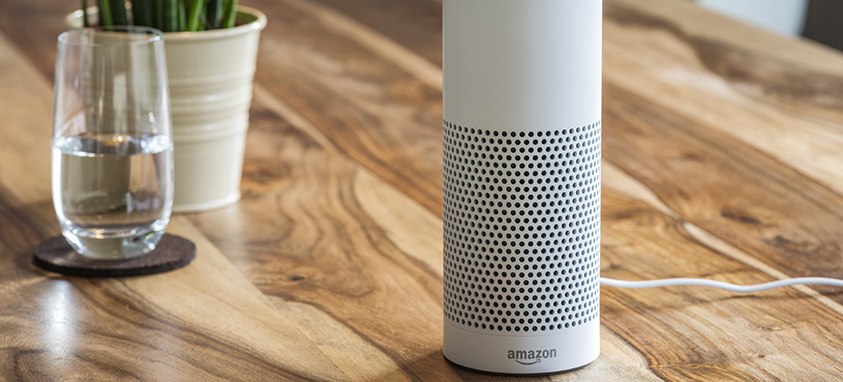
“Alexa, order wine,” could soon be the preferred way to order room service without lifting a fingertip. Amazon introduced the Amazon Echo to hospitality providers on Tuesday. Using voice-activated technology, guests and hoteliers alike will receive a helping hand.

“Customers tell us they love how easy it is to get information, enjoy entertainment and control connected devices by simply asking Alexa, and we want to offer those experiences everywhere customers want them,” Daniel Rausch, vice president of Amazon, said in a press release. “Alexa for Hospitality makes your hotel stay a little more like being at home and gives hospitality providers new ways to create memorable stays for their guests.”

The device connects to the hotel’s system and allows guests to control in-room amenities, such as lights, thermostats, blinds and televisions. The virtual butler can book hotel services, such as spa appointments, and provide facility hours.

The electronic concierge is built to work with pre-existing hotel technologies, which eliminates the need for equipment upgrades. The technology often operates with popular in-room entertainment providers. Examples include using Alexa with World Cinema or GuestTek to manage video experiences.

Property managers have the ability to customize Alexa with different skills to suit guests’ needs. An IT department can build a script that is adaptable to the services the hotel wants to provide. Or managers can select from a list of pre-set skills.

Branching Out

This summer, Marriott International will feature Alexa for Hospitality in its Marriott Hotels, Westin Hotels & Resorts, St. Regis Hotels & Resorts, Aloft Hotels and Autograph Collection Hotels.

“So many of our guests use voice technology in their home, and we want to extend that convenience to their travel experience. Guests of Charlotte Marriott City Center and Marriott Irvine Spectrum will be among the first to experience a curated list of Alexa for Hospitality features,” Jennifer Hsieh, vice president of Marriott International customer experience innovation, said in a press release.

The company said it will evaluate guest feedback to improve Alexa functionality in the future.

Amazon says Alexa can be customized for a hotel’s brand. Marriott is taking advantage of this feature, offering free virtual TED talks via its TED partnership. Amazon suggests properties select default music stations that match the hotel’s atmosphere.

This is not the first time Amazon has flirted with the idea of hotel partnerships. Last year, Marriott began testing the device in its Boston hotel and Wynn resorts installed the device in all its rooms at the Las Vegas property. Wynn, however, used Alexa for Business. The technology, launched in 2016, allowed for customizable tasks, but was limited to what it could do for hotels specifically.

Trouble in Paradise

The announcement of Alexa’s assistance comes months after Amazon received criticism regarding recorded conversations. Earlier this year, a conversation between a woman and her husband was sent to a random person on their contact list. For meeting professionals, this lack of privacy can be concerning.

New York Magazine reports Amazon will delete all hotel voice recordings daily. Also, the device will be muted by default. An Amazon spokesperson described it as an “opt in” experience.

Amazon also finds itself running into murky waters with hotel owners. Some, like CEO Greg Mount of Red Lion Hotels Corporation, are concerned the rise of personal voice-activated technology will lead to voice-activated bookings. The problem is that companies like Amazon and Google are collecting big data on consumers: devouring all their interests and habits. So, when a person asks, “Hey Alexa, book me a hotel,” it could fine tune the results so greatly that a large chunk of properties won’t appear to the potential guests. This could leave many in the industry vying for the smallest sliver of attention.
Tech company brings AI to Accor Horels

Seoul, Korea, is already climbing up in the ranks of preferred international meetings destinations. Now, the hotel industry is about to get a little bit smarter.

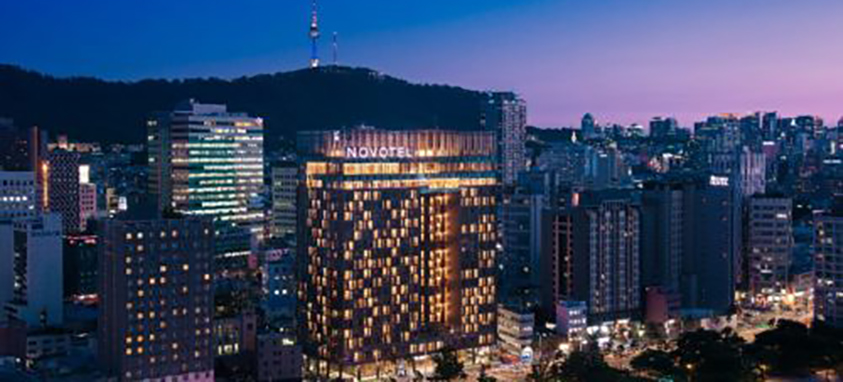
On Monday, technological innovator KT Corp. announced the country’s first artificial intelligence-centric hotel, Novotel Ambassador Seoul Dongdaemun Hotels & Residences. The project, backed by Accor Hotels, is one of the four hotel partnerships KT aims to form with brands such as Marriott and Hyatt by 2020.

The hotel, outfitted with 523 guest rooms, private residences, a rooftop pool and four meeting spaces, limits the traditional face-to-face interaction required between hotel staff and the guest.

Guests can remotely control lighting, heating, room service and amenities using a QR code assigned to each room. GiGA Genie Hotel—the hotel’s AI provider, which is comparable to Alexa and Alexa for Hospitality—displays users’ voice-activated commands on tablets or HD TV screens in Korean and English. A smart kiosk in the lobby briefs guests on hotel facilities, food and beverage options and a media wall lays out a sketch of the bustling Dongdaemun shopping district.

“We have created a hotel with an entirely innovative concept by converging KT’s latest technologies and luxury hotel service,” KT Estate Chief Executive Officer Choi Il-Sung said in a press release. “At our AI hotel, people can experience new services that cannot be found at any other hotels around the world.”

A Genie phone will complement the AI service, and is said to be ideal for those traveling from outside Korea. The device will be a virtual tourist guide supplying helpful tips, such as restaurant suggestions and lively attractions. Maps, calls and message functions are also distributed to guests when exploring the city.

The Novotel will also integrate KT’s AI smart building management system. The GiGAeyes is a video security and image analysis setup that scopes out intrusions in real time both inside and outside the hotel. Additionally, a 24/7 fire monitor, GiGAeyes provides safety.

The Internet of Things (IoT) has long been heralded for its power to increase productivity and decrease labor costs by connecting everyday objects with each other via the internet, but the hospitality industry is turning out to be one of the early beneficiaries of what GE is calling The Third Wave of Innovation.

Jeff Sobieski, CTO of Telkonet, the EcoSmart Automation Platform that creates a guest experience that intelligently responds to usage and preferences while reducing energy consumption and improving facility management capabilities, says “IoT has the power to increase guest satisfaction, decrease unnecessary costs and labor and increase productivity.”

More: Could High-Tech Hotels Lead to Increased Hospitality Strikes?

For example, a smart energy management system knows when a guest room is unoccupied and can automatically adjust the temperature to reduce energy consumption by as much as 20-45 percent. That could be just the beginning.

Five IoT Trends in the Hospitality Industry

1. Guest-Room Automation

This is one way hotels differentiate themselves. By keeping up with smart home technology, they can help guests feel comfortable and make accommodations for their needs. For example, Starwood Hotels & Resorts utilized a technique called “daylight harvesting” to save energy and increase indoor lighting consistency by automatically adjusting the LED lighting based on the natural light detected coming into the room.

2. Predictive Maintenance

This next step in preventive maintenance uses sensor data to recognize hazardous trends and alert the appropriate maintenance engineer before the issue escalates.

3. Mobile Engagement

Today, there are almost as many cell phones (6.8 billion) as people on the planet (7.6 billion), with over 85 percent of the world’s population connected to cellular coverage. Mobile can be seen as a front and back-of-house application. Guests can use their phone as the key to their room or for submitting requests to the front desk. Mobile engagement can also connect with Enterprise Asset Management and Computerized maintenance management Software applications. Engineers can access work requests that need to be performed on the property to increase guest satisfaction, eliminating the need for a paper request.

4. Hyper-Personalization

Personal data can be used to provide a special touch to hotel guests and make their stay special. For example, an IoT platform could, over time, memorize a guest’s specific comfort preferences and automatically set up temperature, lighting and TV channels for their stay.

5. APIs and Third-Party Integration

As the IoT market matures, vendor consolidation will likely occur, creating a smaller number of vendors with more cohesive system offerings. Until then, integration will provide work for many, and APIs (Application Programming Interfaces) will be the lifeblood of an integrated IoT system.

The Dark Side of Hotel IoT

Bringing everyday devices online and connecting them to each other introduces enormous efficiencies, optimizations and applications. But, it also introduces threats like cyber-attacks and security breaches.

Each device incorporated into a hotel’s digital infrastructure can be exploited by hackers. For example, there was a case in a hotel casino in London where a hacker accessed the high-roller database through a thermometer in the lobby fish tank.

More: Future-Proof Your Career

The attackers used the thermostat to get a foothold in the network, found the high-roller database and pulled that information across the network, out the thermostat and up into the cloud.

Now, is this a potential extreme case of what could happen? In fairness, yes, but it shows that it is possible because of all the connected devices that are in the vicinity, i.e. thermostats, refrigeration systems, HVAC systems and Alexa devices.

That being said, one incident shouldn’t lead hotels to fear IoT in hospitality or all together. IoT is the way of the future and it’s unavoidable. Rather, it should push hospitality professionals to think about how they can take advantage of the immense benefits of IoT and get ahead of the vulnerabilities. It’s a way to increase customer satisfaction and be ahead of the competition while still preparing for the worst situation that could happen.

Kelly Potter is a Tampa, Florida-based marketing associate for Transcendent Corporation. She has written hundreds of blogs focusing around EAM CMMS technology and the use of these solutions within facilities around the world.

meeting chairs take charge at anaheim marriott

Meeting days far exceed the battery life of phones, laptops and other electronics. Attendees race to claim a limited amount of power outlets on the perimeter of the ballroom, and hope no one trips on the cord or steps on their phone. Charging stations have partially solved the problem, but then your phone is out of reach for a period of time. What to do?

MoreFrom Distraction to Engagement Supercharger: Putting Your Audiences’ Phones to Use

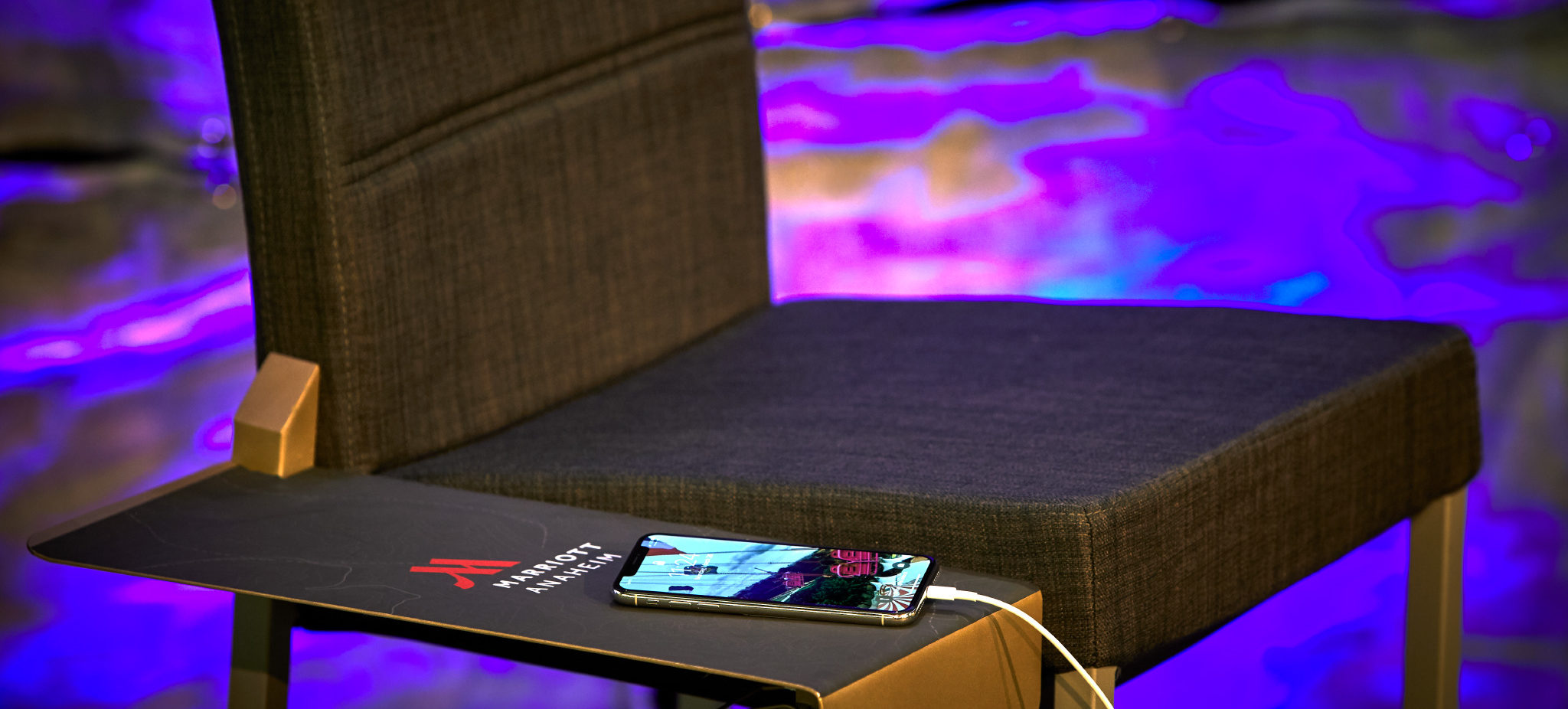
Drumroll, please. Phil Aldax, director of event management at Anaheim Marriott in California, filled this market void by purchasing Ramler International’s revolutionary Connect Chair. Each seat contains a high-capacity USB port powered by a rechargeable battery located underneath a removeable side tray. Charging docks can charge up to 20 batteries at once overnight.

Event designers have the option of using the side tray or removeable arm rests. The tray is also a great platform for attendees to place beverages, bags and notebooks. They then no longer have to worry about kicking over a glass or mug on the ground by their feet. A handle on the back of the seat acts as a coat hook.

The chair actually made its big debut nearly two years ago at HX: The Hotel Experience in New York City in November 2016, but Anaheim Marriott is the first to put them to use in the United States. The hotel has 169,662 sq. ft. of meeting space. These seats have already been used in Canada and Asia.

RelatedDesign Inspo Brings Record Attendance to HD Expo 18

“This is a totally new way of looking at function seating. It’s a banquet chair anyone would be pleased to have in their home, with strong residential inspirations and a wide range of fabric and frame options,” says Garry Ramler, managing director of the furniture company. “It has all the comfort and practical features hoteliers expect from a high-use environment plus it adds conveniences that meeting delegates will enjoy—especially when sitting through a lengthy presentation.”

It won Best New Product and Best in Show in the hotel products categories at the aforementioned trade show. “People are telling us that our removable side tray with USB port is ‘genius,’” Ramler says. “Not only does it grant the No. 1 wish of today’s mobile-dependent meeting goers—namely, being able to charge their devices without leaving their seats—but it also offers up an added convenience to hold personal items and beverages.”

It really was only a matter of time before someone thought to extend the luxury of wattage to banquet chairs. Depending on aircraft and air carrier, some planes provide in-seat power outlets, so you can charge up at an altitude of 30,000 feet. A growing number of airport terminals have installed seats with outlets in the lobby to charge as you wait at the gate. Additionally, some coach and livery buses also offer places to plug in at each seat or on the wall.

Date, venue and rates are critical and typically given priority in the earliest stages of the meeting planning cycle. However, leaving audio visual (AV) equipment services to the end could be a costly mistake, especially when negotiating these services with a hotel. Many hotel contracts mandate use of an in-house AV provider and contain clauses prohibiting use of other vendors or charge for the privilege of using the planner’s preferred vendor. Knowing this and other nuances associated with AV services contracting can help contain event costs and access to the optimum AV solution.

Related: Bringing Advanced Audiovisual to the Stage

Timing is Everything

You have the most negotiating power before signing the contract. That is when many hotels will make concessions on AV services to prevent losing a customer. Still, some high-demand hotels are unlikely to negotiate on AV or other services, especially during peak demand periods in supplier markets with high occupancy rates, so it is important to leverage all the power you have.

If AV systems will play a dominant role in the event programming and/or require a large percentage of the meeting budget, convey those needs for equipment and labor in as much detail as possible as soon as possible.

Contracting Out vs. In-House

The other consideration is whether the event will be best served using a hotel’s in-house AV services or an outsourced vendor. Cost is one consideration. The hotel is often paid a commission from the in-house vendor ranging from 35 percent to 50 percent of the AV invoice, making them more costly than outsourced vendors. A larger vendor pool also generates more competitive bids for better pricing.

Choice is another thing to consider. Many outsourced vendors offer specialized expertise and capabilities. Given their wider range of AV equipment, outsourced vendors could provide more creativity and ideas to leverage AV technology for dynamic, ‘wow’ experiences.

Questions to ask when considering AV services include:

  • Qualifications of the hotel’s in-house AV technicians or electricians
  • Insurance coverage
  • How the price compares to other bids

Areas for Negotiation

When negotiating with a hotel to forego its in-house option, consider offering to pay for other services, such as Wi-Fi, installation of ceiling rigging points, electricity and connecting to electrical outlets. The property could also require a supervisor to oversee the planner’s outsourced vendor. Many hotels will ask for a surcharge as a condition of using a preferred AV resource. The planner does not have to accept the clause. Booking the same hotel for multiple years can help secure a contract waiver of AV-related surcharges.

Conversely, if you agree to use a hotel’s in-house AV provider, consider asking for other concessions, such as using the hotel’s contractor for breakout sessions and your own preferred AV resource for the general session.

If the hotel remains firm on the use of its AV vendor, the planner can elect to block fewer rooms or purchase less in hotel food and beverages to compensate for higher costs.

By understanding some of the negotiating nuances associated with a hotel’s AV service policies, planners can make the right decisions, secure possible concessions and contain their event’s overall costs without compromising on its success.

Related: New Audiovisual Tech Boosts Meetings

Bill Johnson is a national account executive with SmartSource, specializing in the successful execution of conferences, large and small.  He has 20 years of experience in a variety of venues, including hotels and convention centers.

Privacy has become the top necessity for event planners, according to a new report from Benchmark Resorts & Hotels. The global hospitality company released its “Top 10 Meeting Trends for 2019” report based on insights gleaned from interactions with event professionals all over the world.

“We learn a lot from our guests, often by observation in addition to their direct feedback,” says Ted Davis, Benchmark’s chief sales and marketing officer. What they have found, according to the report is that from high-tech to down-time, groups are now demanding that organizers plan based on how they live their lives. Here are some of the insights the synch with the observations Smart Meetings editors have discovered on their global travels.

Make it Fast, Reliable and Safe

While groups rely on hotel hosts to provide innovative technology to be more efficient—think mobile check-in and robotic room service—they also demand privacy. A surge of smart items—rooms, projectors, and even furniture—employing artificial intelligence, augmented reality and bot features are streamlining everything from calling up a movie to capturing a brainstorming session.

More8 Hotels Boosting Guest Experiences in 2019

The Wi-Fi has to be robust—and preferably free. How else will attendees access all the mobile features now being created for even the smallest event? Eventbrite’s 2018 Pulse Report found that 53 percent of planners incorporated mobile apps, 47 percent used cashless payments and 40 percent engaged in live-streaming at events.

However, planners are prioritizing venues who invest in privacy features. Unsecured Wi-Fi is now unacceptable. “Security is of utmost importance today,” says David Bruce, executive director of Alliance of Independent Meeting Professionals (formerly known as Meeting Planners Unite).

Plan for Something Special and Fun

Another trend Benchmark heard loud and clear is that millennials want their agendas to include unusual experiences. Part of that is due to how people process information. “If you take people to unique venues…they’re going to remember the material better and be more engaged. And more engagement means they’ll come again,” says Bruce. “A regular meeting won’t do that today.”

CWT (formerly Carlson Wagonlit Travel) 2019 Meetings & Events Future Trends Report corroborates this sentiment. CWT focused on “festivalization,” creating an event that appeals to attendees by including the wow of a consumer festival. Vincent Schlegel, CWT marketing and strategy director in France, explained the concept as: “the idea of gathering internal or external shareholders around a central theme with the possibility of offering an immersive journey rich with experience, emotion and sharing.” Often the festivities include hiring a band and lots of swag.

Add Some Breathing Room

wellness programThe new generation may also have ushered in another key concept: more free time at conferences. “[Before], it was ‘let’s jam in as much as we can in the time period we have,’ but now meeting planners are becoming much more aware of the need to add downtime,” says Bruce.

MoreMeetings Even Introverts Will Love

Davis explains that too much information can be overwhelming for people, and the need for downtime in our increasingly frenetic world has become a necessity. Though it might have been spurred by millennials, it is becoming commonplace in meetings for all generations today.

Downtime also allows for attendees to reap the benefits of health and wellness they may otherwise skimp on during a conference. Dale Hudson, knowledge and events director of IMEX, made wellness a focus of the group’s mega-event last year. The “Be Well Lounge” offered meditation and mindful living sessions throughout the conference. On Wednesday morning, attendees took part in a 5K IMEX run. Planners can also incorporate wellness by choosing a venue with a gym or a spa to relax in post-event.

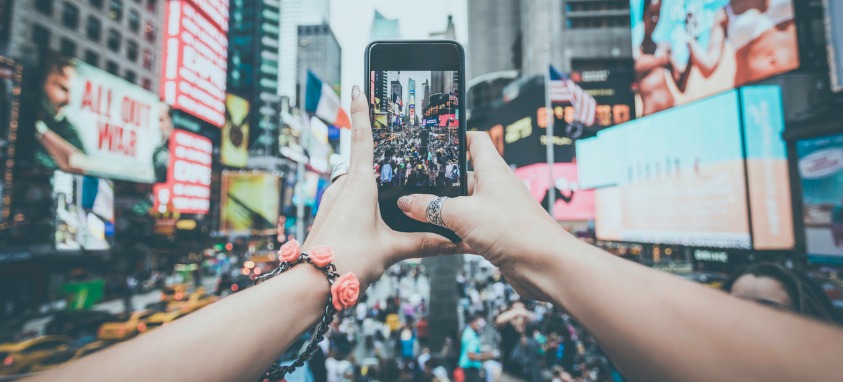
The first step in booking a trip for many millennials is not the hotel web site or group room block portal, but the destination’s Instagram feed. A new report conducted by U.K. furniture maker Knightsbridge and in partnership with global data collection agency Viga, of 1,000 18- to 34-year-olds who had booked hotels in the past two years found that 73 percent checked the hotel’s social media feed before booking. When asked how they find and select hotels, 83 percent said they were more likely to book a hotel after seeing photos from people they follow on social media.

As millennials continue to enter the hospitality industry, hotels are continuously having to stay up-to-date with technology in order to please guests. And planners are choosing venues that have the best tech offerings for both their events and their attendees.

Netflix and Wi-Fi

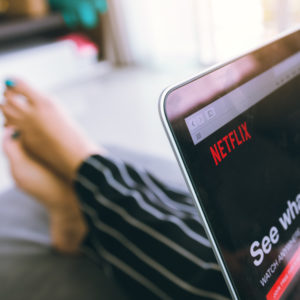
What amenities are most important to this discerning group? The Knightsbridge survey found 70 percent of respondents reported that they would be more likely to stay at a hotel with amenities such as keyless entry, mobile payments and other tech advancements. On top of this, more than half would return to the hotel based on its Wi-Fi connection. Smart televisions with Netflix also topped hotel needs for millennials.

However, it’s not just the casual millennial travelers that hotels are catering to anymore—planners, no matter the age, engage with hotel technology as it becomes more prevalent. And these planners are consistently keeping their attendees in mind when viewing potential venues.

“We expect technology to be beautiful, invisible and useful,” says Tahira Endean, head of events at SITE Global. “We demand seamless Wi-Fi for multiple devices, security for our guests and ease of access and communication when creating and delivering programs in the same way it works in our homes, offices and lives.”

Hotels Keep it Current

Plenty of hotels are going above and beyond now to help meet the demands; they risk losing business otherwise from casual vacationers, event attendees and meeting planners alike.

Hotel Espacio, opening in July in Waikiki, will offer in-room iPads that can control lighting and temperature, while a messenger service can request necessities and manage reservations. Sanctuary Cap Cana Spa & Resort, in Punta Cana in Dominican Republic, connects technology with comfort—a screen in the raindrop showers allows guests to control temperature and pressure of the water. And W South Beach has truly embraced advancing technology with their new 2,056-square-foot E-WOW Penthouse Suite; the two-bedroom suite offers a Sonos surround-sound system, smart-glass in the master bath that can be clear or opaque and an in-mirror television, among other tech amenities.

“With travelers consistently becoming more focused on convenient and tech-savvy amenities, we understand that we need to equip ourselves for long-term success by staying relevant and efficient,” says Conrad Fort Lauderdale Beach’s director of sales and marketing, Frank Cavella.

Conrad Fort Lauderdale Beach is also dedicated to staying ahead of the curve—the hotel now features Plum, an in-suite wine dispenser that teaches guests more about the background of its wines, offers tasting notes and then allows guests to select their wine of choice. This means there’s no need for a bar, or even room service—something that is still considered a luxury.

Cavella says hotels acknowledge and enjoy the positive responses they receive from their amenities. “Since debuting our in-suite Plum wine dispensers, we’ve received incredibly positive feedback,” says Cavella. “It’s definitely fulfilling when you see that the resort team is curating the ultimate travel experience for guests.

Guests Remain in the Driver’s Seat

Hotels can offer as many amenities as they like, but it ultimately comes down to what guests want. “We have to be able to power up in our rooms, offices, lounges and lobbies,” says Endean. “Can we project from laptop to presentation screen, for a meeting of six or 600? Mobile check-in and my smartphone as a room key? Yes please.” But she stresses that hotels need to focus on the fundamentals. “Let’s get the basics perfect, then add in the cool stuff.”

Hotels are constantly innovating current technology to stand out from their competition, and guests are at the front of hotels’ minds when deciding on amenities. “Our implementation process begins with paying close attention to guest comments and social media trends, which we then brainstorm with our team to come up with new opportunities that would work well with the image and clientele of our resort,” explains Cavella.

Critical Airport SecurityWith Memorial Day as the unofficial start to summer, we’d like to remind you that hackers and scammers don’t take vacation. Whether you’re vacationing or taking a business trip, traveling by car or by plane, make sure cyber security is on your checklist.

Wombat Security Technologies, based in Pittsburgh, offers up four critical tips from its security awareness and training materials that leisure and business travelers can wombat security technologiesimplement to stay safe during trips of all kinds.
Stick to the Travel Basics

Many travelers think about packing light when it comes to clothes and toiletries. Well, this advice applies to mobile devices and personal data as well. Here’s how to streamline:

Leave data-packed business devices and materials behind whenever possible. If you don’t think you’ll use it, don’t take it. Ask yourself, “Is this business critical?” If the answer is no, it shouldn’t make the trip.

Also, explore the possibility of using a disposable phone and laptop when traveling, particularly if you are an executive, manager, or business insider who deals with highly confidential data. This approach allows you to maintain connectivity without exposing the contact lists, files and sensitive information that are stored on daily-use devices. If your organization doesn’t support this type of service, make the case for building a small repository of devices that can be issued prior to travel and then be wiped clean afterward.


Discover the Secret of an “All-Inclusive” Meeting in our FREE Webinar – Earn CEU Credits

Get Physical

Relatively simple physical security measures can be the difference between keeping data safe and suffering a breach. Remember these basic tips to help keep devices (and the data they contain) secure while you’re on the go.

Don’t leave devices unattended in public, not even for a few moments. It can be tempting to put you smartphone off to the side while you check your bags at the airport or to leave your laptop sitting on the table while you got to the cafe counter to get a refill. Thieves are opportunistic; they can snatch up your device in a second while you’re not looking.

Keep devices concealed as often as possible, particularly when in a crowded place. Many smartphones, particularly iPhones and newly released devices, are coveted by criminals, and there have been known instances of particularly brazen thieves swiping phones right out of unsuspecting users’ hands and disappearing into crowds. Keep your smartphone tucked safely in an interior pocket of your jacket or bag when not in use, and consider using a wireless headset when “walking and talking.”

Securely store your devices if you leave them behind. Naturally, your safest bet is to keep items with you, but sometimes that’s not practical while traveling. Remember that a hotel room is not secure; many people have access, and staff members often enter your room while you’re not there. A hotel safe is a better choice than leaving items out in the open or barely concealed in a suitcase (though even these safes shouldn’t be trusted to adequately secure devices that hold highly confidential data).

Share Smart

Turn off automatic check-ins and location tracking. In this age of social sharing, people often think nothing of revealing their favorite haunts and places to visit. The problem with automatic posts is the lack of control. Before long, routines and habits are spelled out for the world to see. These activities can reveal where you are (a confidential business trip or meeting, perhaps), but they also reveal where you aren’t. Scammers and criminals like to tap into schedules because it gives them more information about who you are and what you do.

Save the vacation posts until you return home. As with check-ins, the social updates you post while out of town make it clear that you’re not at home and you’re not at your office. Many people have hundreds of social connections and followers, and a vast number of those online relationships are superficial. If you’re 1,000 miles away and you’ve let everyone know that you’ll be off the clock for a week, this creates a window of opportunity for a criminal to climb through. Though it’s tempting to detail your travels in real time, it’s important to consider the potentially negative ramifications of sharing this information.

Be careful about Bluetooth connections. You may think nothing of pairing your smartphone to rental cars and other convenience devices. But did you know that information is sometimes stored after you terminate the connection? That means that your contact lists and other data could be left behind on, for example, a car that doesn’t belong to you. Before you turn in your keys, make sure your data has been deleted.

Be Cautious of Open Wi-Fi

Many people set their phones to find and connect to accessible Wi-Fi networks. While this approach can help reduce your mobile data consumption, it can also expose you to significant risks. Open Wi-Fi, regardless if it’s paid or free, must be approached with caution. Why? Because any Wi-Fi network not protected by a password is vulnerable to attack.

Check before you connect. Did you know that names of Wi-Fi networks are manually created? This means that anyone can name a network anything they want. Scammers often set up rogue networks with names that sound trustworthy, such as Airport Wi-Fi, to seem legitimate or confusingly similar to nearby wireless connections. Once connected to a scammer’s network, your data is in their hands. To be safe, check with an employee or another trusted source before you access an open Wi-Fi network.

Use https or a virtual private network (VPN) to protect your data. A VPN adds a layer of encryption and security that is valuable when using any unknown connection. At a minimum, you must ensure that https is present in a web address before accessing a secure site (i.e., webmail, social media, or any site that requires a login). And whenever possible, hold off on doing any financial transactions on Wi-Fi, including checking your bank balance or making ecommerce purchases. It’s safest to handle these activities to known, secure networks.

Consider traveling with a personal hotspot. If you use a mobile hotspot leased from your service provider, you can be confident that you are getting a secure connection. This is particularly valuable advice for business travelers, given that it’s often necessary to network on the go and that security is a must for business-related activities.

Happy travels. Let the summer vacations begin.


Joe Ferrara is CEO of Pittsburgh-based Wombat Security Technologies.


From meetings with clients to property site inspections, busy event planners are constantly on-the-go, rushing from airports to hotels to conference centers. Liz King, founder of founder of TechsyTalk and PlannerTech, believes technological tools can help. Here are five gadgets for event planners that she believes are essential  to remain productive while on-the-go:

Mophie

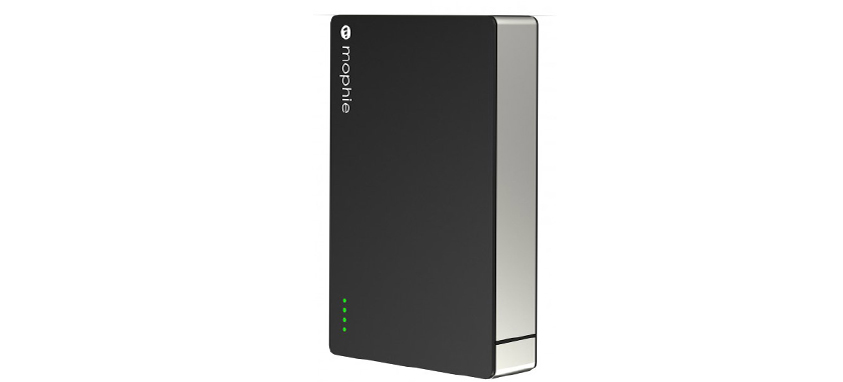
Gadgets for Event PlannersWith a mobile device charger, event planners don’t need to worry about their devices running out of juice. Charge it up, and it can refresh the batteries of dead phones or tablets. While there are many brands available, King recommends the compact and reliable mophie powerstation XL because it allows her to charge two devices at the same time. At the airport, she points out that it’s a great way to connect with others, since there are always people searching for outlets. At tradeshows, she says having several mophies available that visitors can plug into will help draw attendees to your booth.
 

Karma Wi-Fi

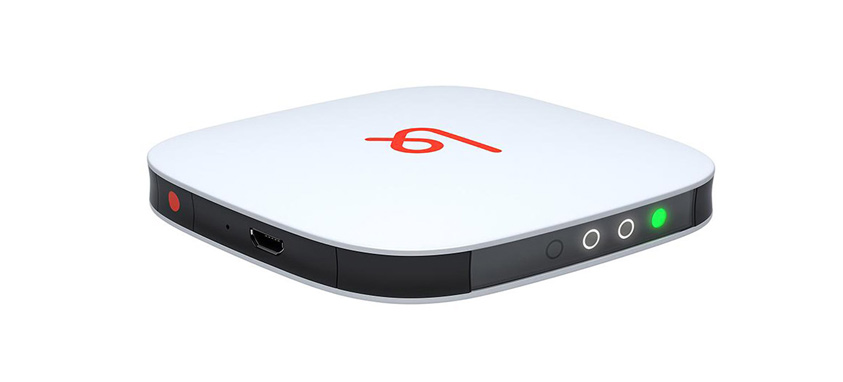
Karma WifiAirport and hotel Wi-Fi can be expensive and slow. Karma Wi-Fi  is a hotspot gadget that allows users to pay for data as they go, rather than paying a monthly fee for data they may (or may not) use.  The Wi-Fi can be shared with others. As an added bonus, Karma will award users with 100MB for free for each person who connects to their Wi-Fi while in a public place. With this system, those who spend considerable time in hotels and airports may never need to buy data at all.
Magic Wand

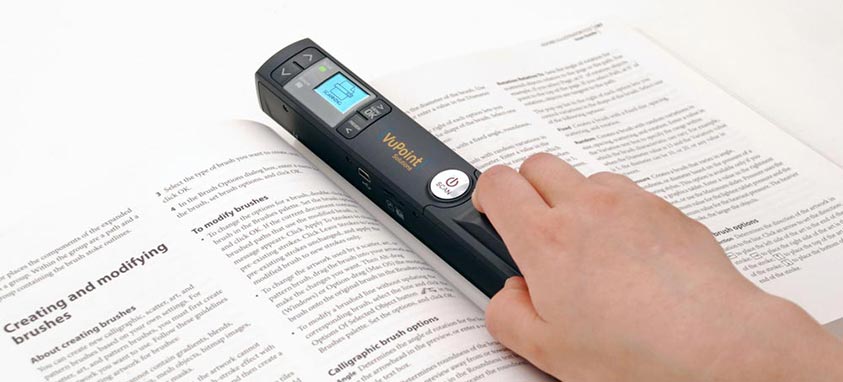
magic-wandVuPoint Solution’s Magic Wand is a portable scanner that can easily be slipped into a purse or suitcase. Event planners will find it to be a useful tool when doing site inspections, because the gadget makes it easy to scan in floor maps and contracts. The handy device costs $59.99.

EasyMeasure

Easy MeasurePlanners doing site inspections often need to measure indoor and outdoor spaces, however it can be inconvenient to travel with a tape measure or ruler. A clever and free smartphone app instantly calculates the size of large and small objects, as well as distances too far to measure by hand.  Accurate calculations are displayed on the phone screen. The handy app is much easier to use than a tape measure, which is often too short for measuring distances in a large exhibit hall, for example.  EasyMeasure is the iPhone app; SmartMeasure is the android app.


Mini Travel Power Strip

Travel StripIt is a problem when one’s phone, laptop, tablet and mophie all need recharging, and the hotel or coffee shop has just one lone outlet. At times like this, the Belkin mini power strip is a lifesaver. The portable surge protector has five charging outlets, including two USB ports. It is easy to transport and costs less than $20.
selfie sticks

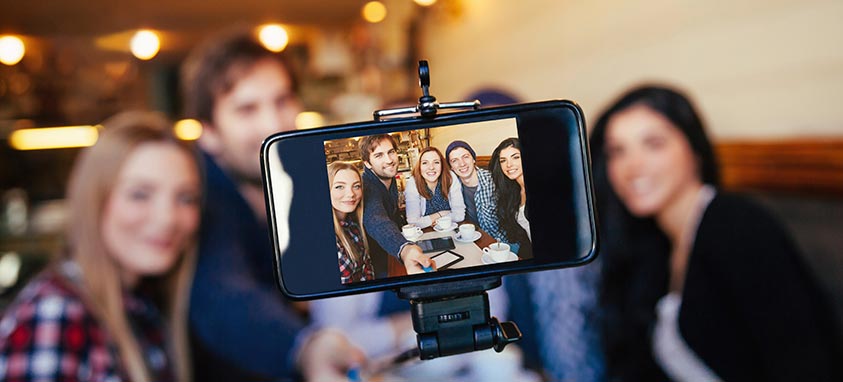
The happiest place on earth is not extending its welcome to selfie sticks. The monopod positioning devices are prohibited at all four Walt Disney theme parks in Orlando, at Disney water parks and Disney Quest starting June 30. By July 1, the ban will also be enforced at Disneyland in California, Paris and Hong Kong.

Disney officials announced that sticks brought into the parks will be confiscated during bag checks. Visitors can reclaim their devices when they leave the park. They will also be allowed to return to cars or hotel rooms to leave the sticks behind.

Disney theme parks have posted signs outside attractions warning guests not to use the picture-taking devices while on rides or attractions. However, some guests have not heeded the warnings. The Orlando Sentinal reported this week that a roller coaster was halted for an hour at the Disney California Adventure park after a passenger attempted to use a selfie stick.

The selfie stick joins Disney’s list of other banned items deemed harmful or disruptive to other visitors. These include skateboards, inline skates, wagons, folding chairs and glass containers.

Selfie sticks have been banned in a number of other public places. SeaWorld Orlando and Universal Studios do not allow them; Six Flags amusement parks allow the device on park grounds but not while on rides. In April, the Kentucky Derby joined the growing list of venues that prohibit selfie sticks. Museums, music festivals and sports stadiums already enforce a ban on them after injuries have occurred to other patrons. The list includes Boston’s Museum of Fine Arts, New York’s Museum of Modern Art, Wimbledon Stadium, Coachella and Smithsonian National Air and Space Museum.

Selfie stick users place cameras or smartphones on the end of the poles to extend their reach for taking self-portraits.