From sun-soaked beaches to vineyard-lined valleys, California has always inspired big ideas. Today, it’s also leading the way in how business events can tread lightly while leaving a positive impact long after the post-con. Across the Golden State, destinations are reimagining meetings with eco-forward venues, innovative programs and mindful hospitality, all while keeping the magic of California front and center.

Here’s how 12 of the state’s vibrant meeting destinations are going green in both style and substance.
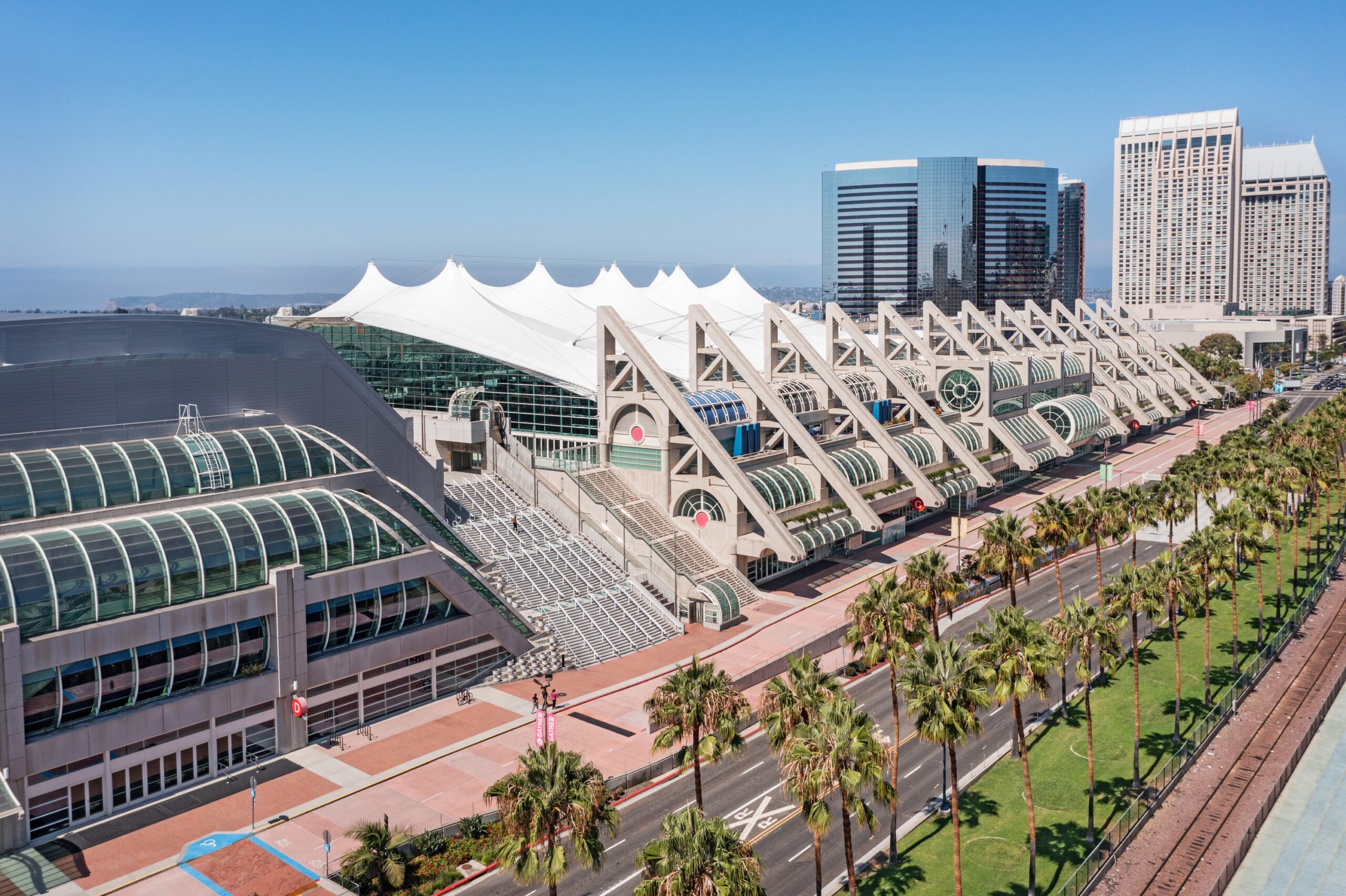
San Diego: Citywide Sustainability Momentum

San Diego treats sustainability like a team sport. The city earned LEED Gold certification for Cities and Communities in 2024, and the San Diego Tourism Authority is updating a Tourism Stewardship Plan (2024–2034) to align destination growth with community and environmental goals. The waterfront San Diego Convention Center embeds green practices across operations such as energy resiliency, local and seasonal sourcing, plastic reduction and robust food-waste diversion and donation, giving planners tangible metrics for post-event reporting.
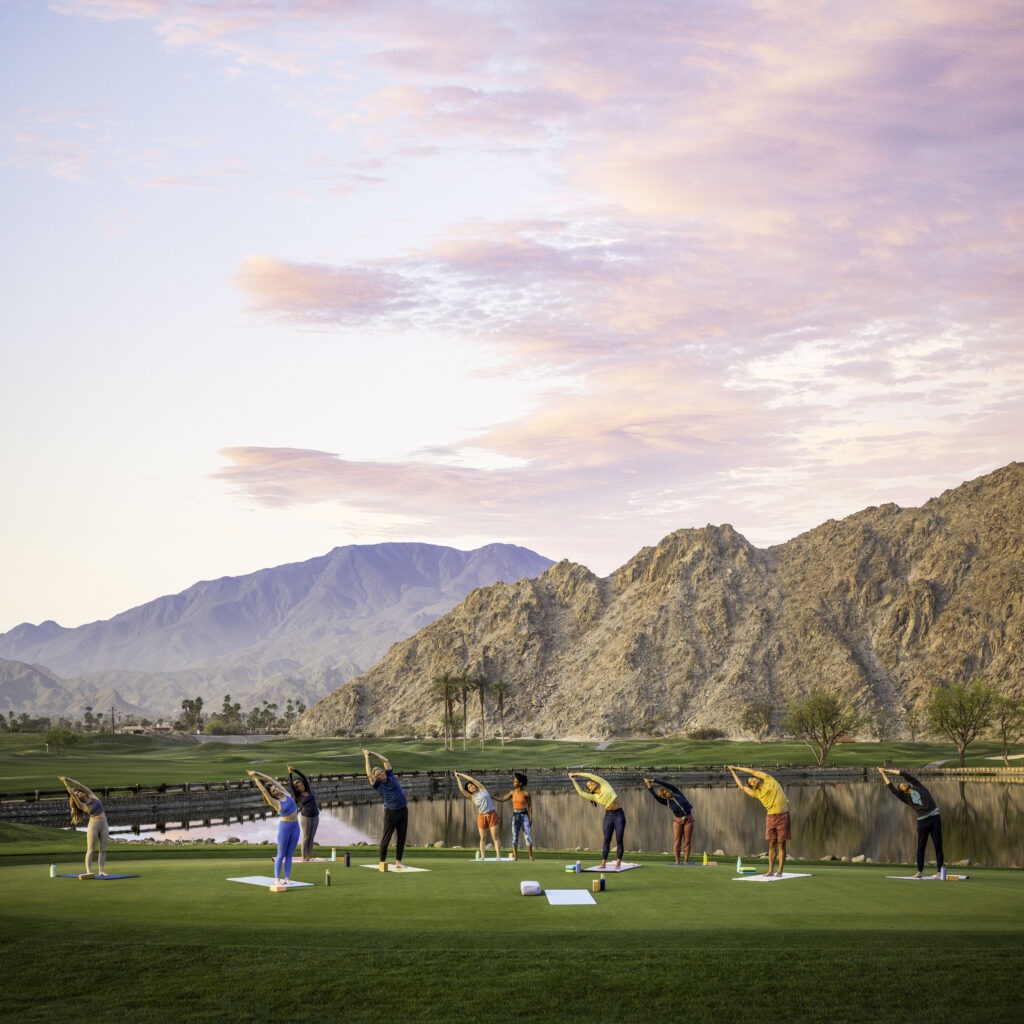
Greater Palm Springs: The Four C’s in Action

In Coachella Valley, sustainability is more than a promise—it’s a philosophy. Guided by the Four C’s of Sustainability—Conservation, Community, Culture and Commerce—the destination supports conservation partnerships, uplifts local entrepreneurs and celebrates tribal heritage. For planners, that means venues like the Palm Springs Convention Center, powered by solar energy and diverting nearly all food waste, along with resorts leading in farm-to-table sourcing and waste reduction.
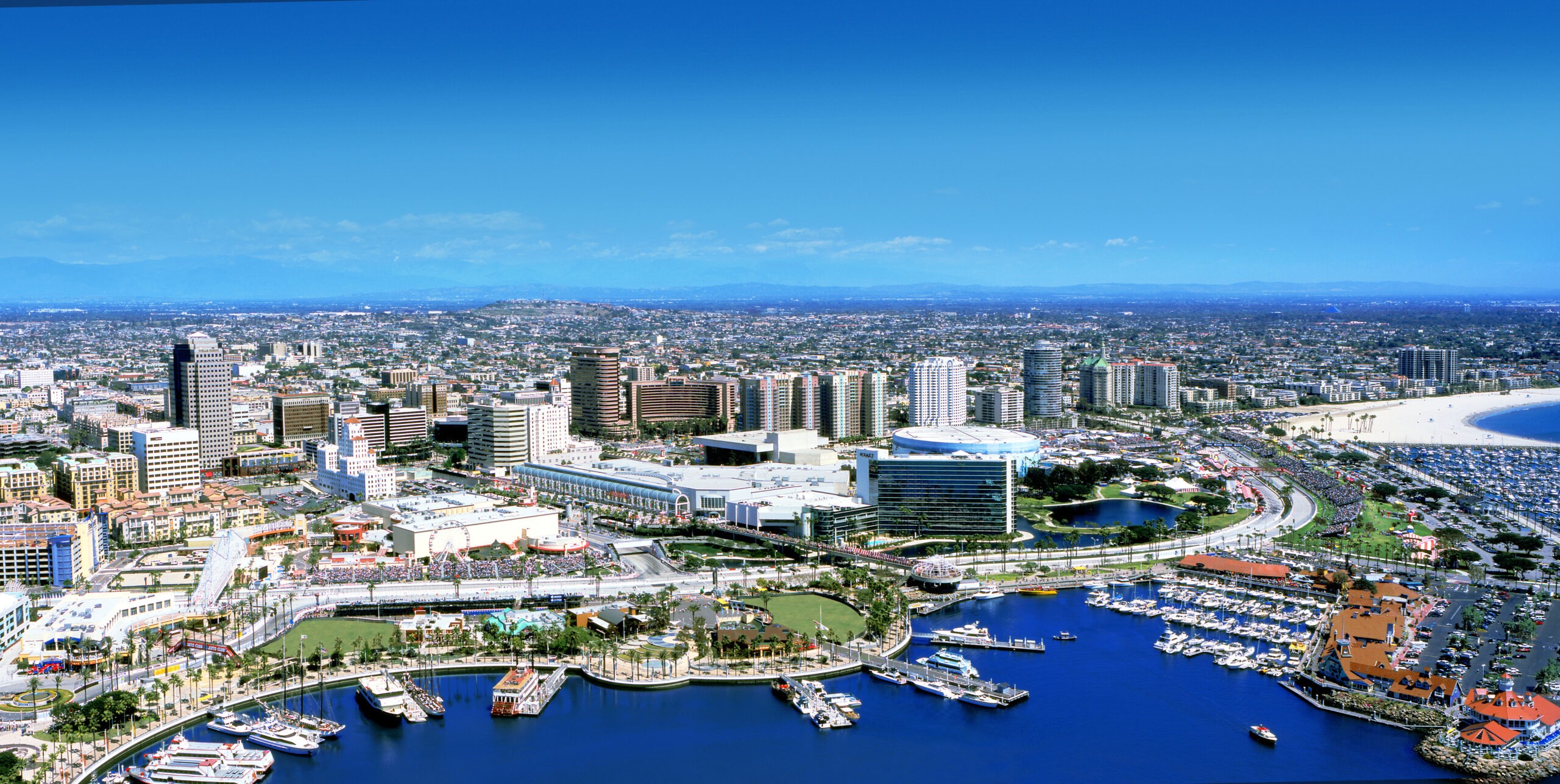
Long Beach: A Green Airport in Action

For groups flying in, Long Beach Airport (LGB) is a leader in aviation sustainability. With a carbon management plan in place, the airport is on track to become a carbon-neutral facility by 2045. From electric shuttle fleets to energy-efficient terminals, eco-conscious events here begin the moment attendees land.
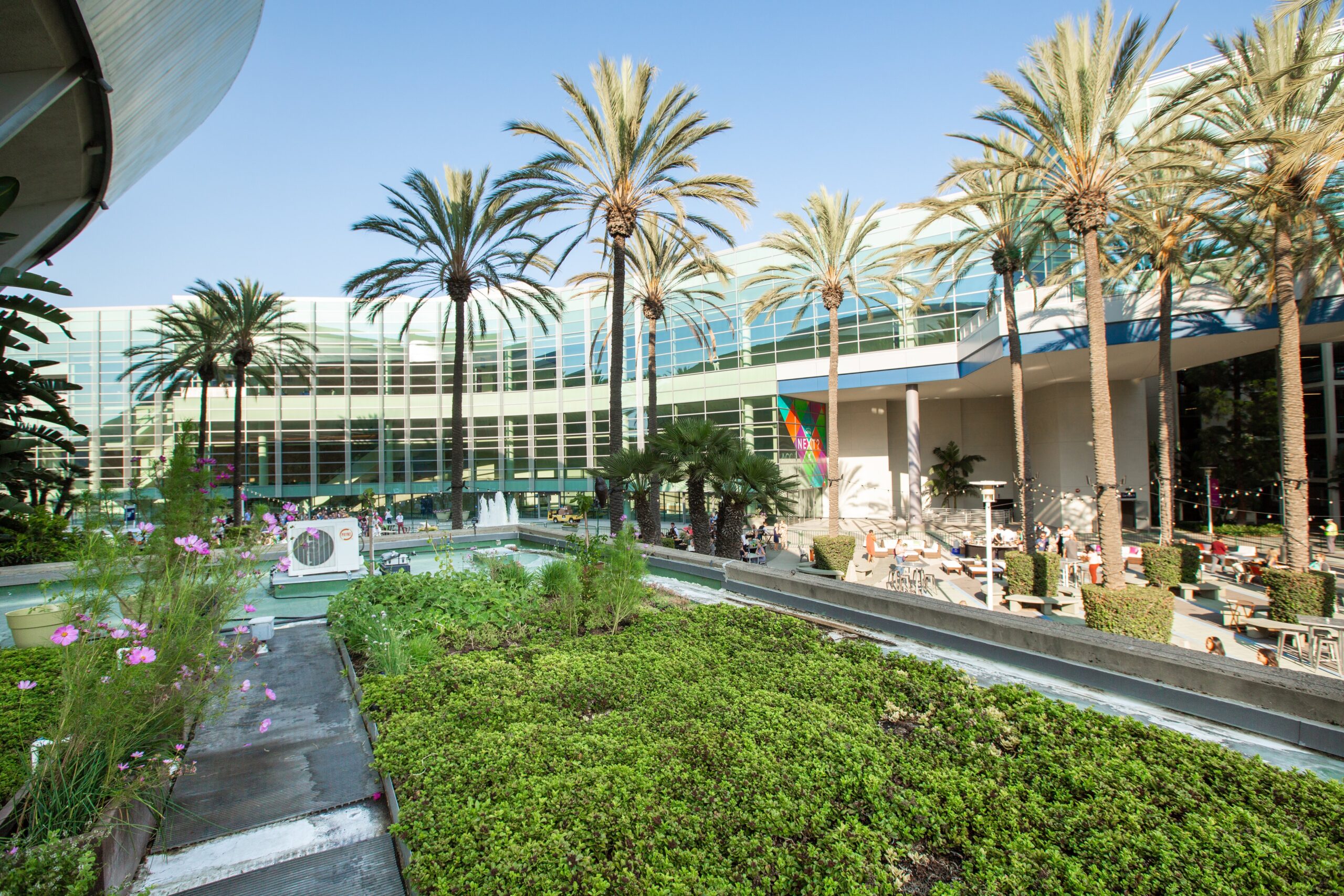
 

Anaheim: Focused on Impact

Anaheim’s sustainability efforts extend well beyond the convention floor. The Anaheim Convention Center, a LEED Gold-certified facility, generates 2.3 megawatts of solar power from its rooftop array and operates with energy-smart HVAC systems, recycling and composting programs. Attendees can also arrive with a lighter footprint through the Anaheim Regional Transportation Intermodal Center, which connects regional rail and bus lines for car-free access. Together, these initiatives make Anaheim a destination where large-scale meetings align with environmental responsibility.
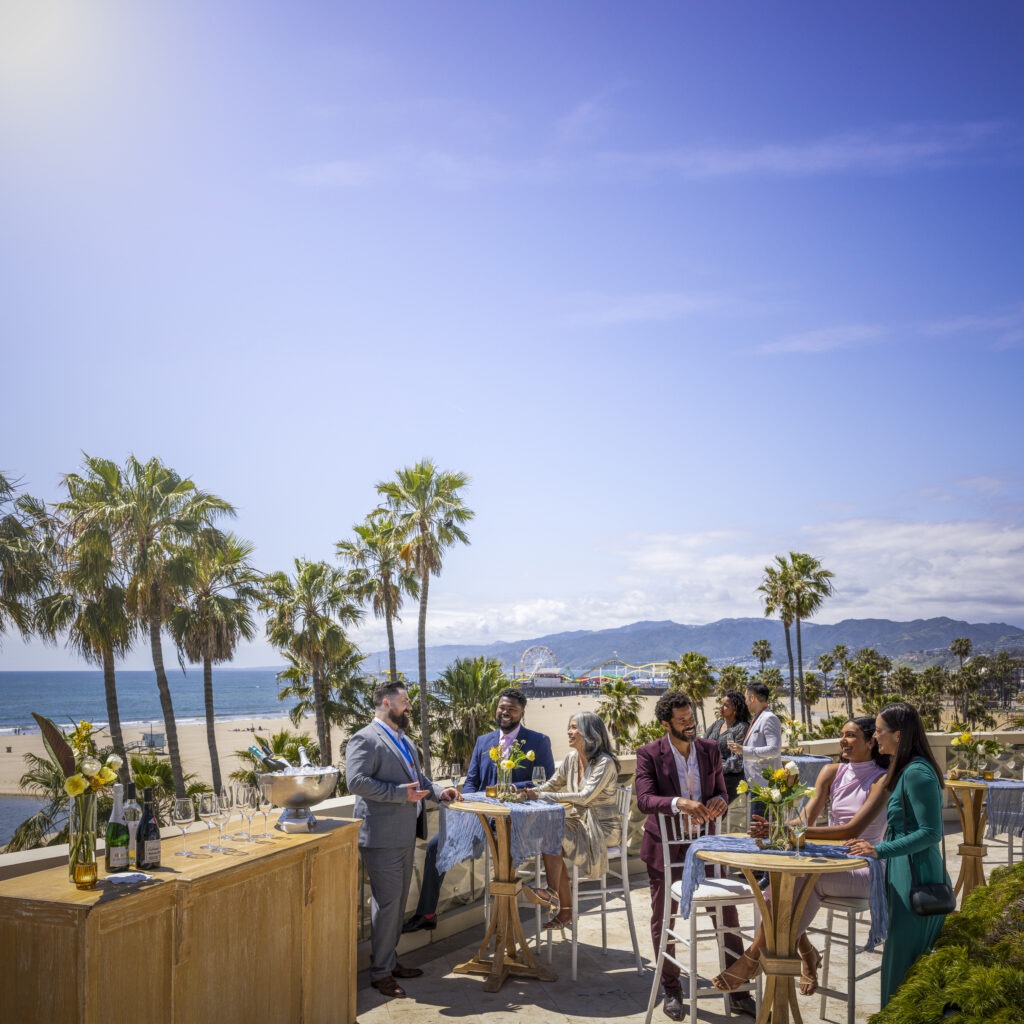
Santa Monica: A Boutique Approach

Santa Monica has long been a pioneer in sustainability, and its boutique hotels take that commitment to heart. Properties emphasize eco-friendly operations, from eliminating single-use plastics to designing zero-waste meeting packages. With the Pacific Ocean just steps away, planners can feel good knowing their events support both attendees and the environment.
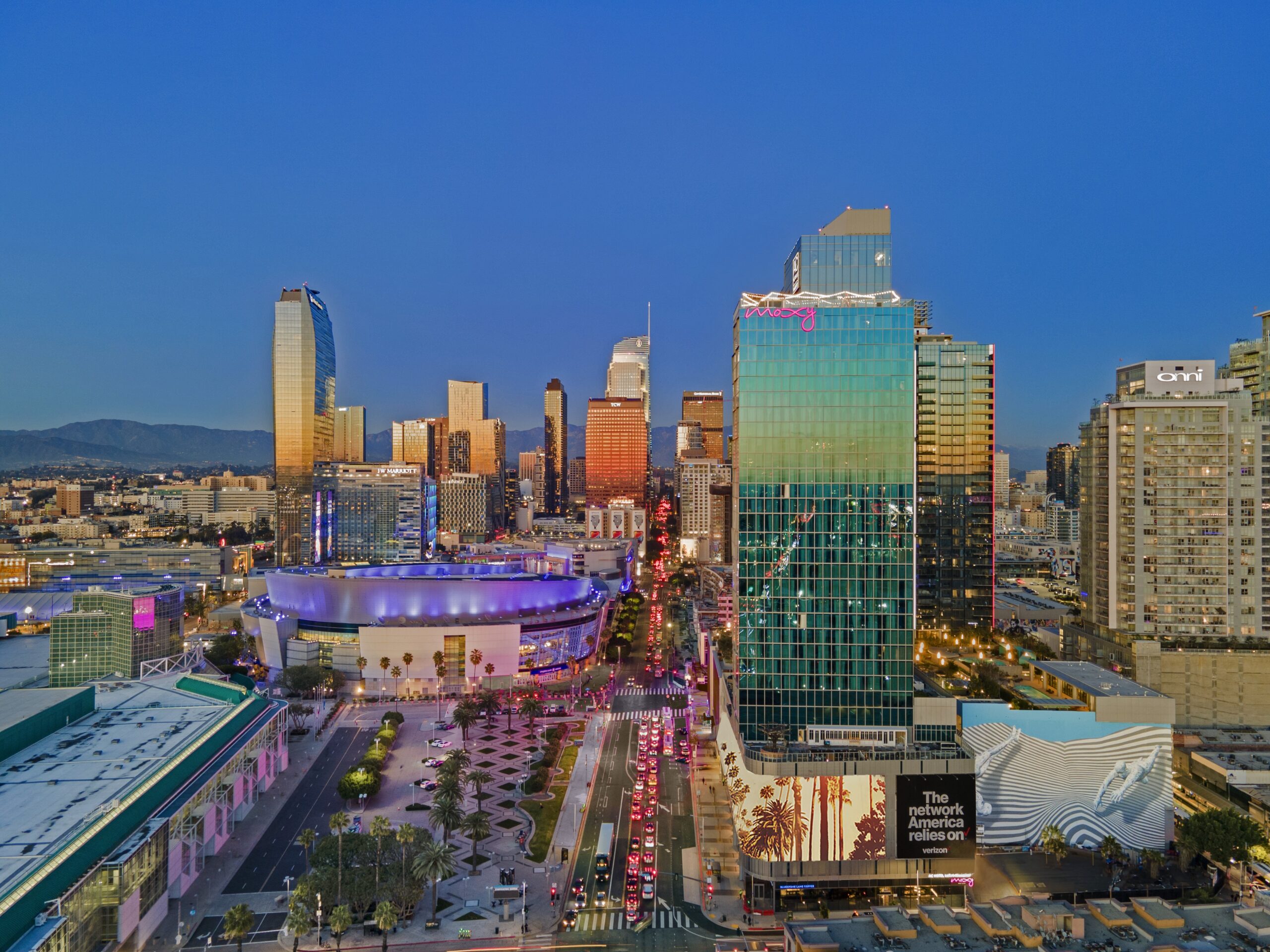
Los Angeles: Where Innovation Meets Responsibility

As the world’s creative capital, Los Angeles sets the trends in many categories, including sustainability. The city is a hub “where sustainable innovation lives,” offering LEED-certified venues, robust public transit and cultural institutions that incorporate eco-conscious design, such as SoFi Stadium’s revolutionary water recycling system that collects up to 80% of stormwater runoff for irrigation.
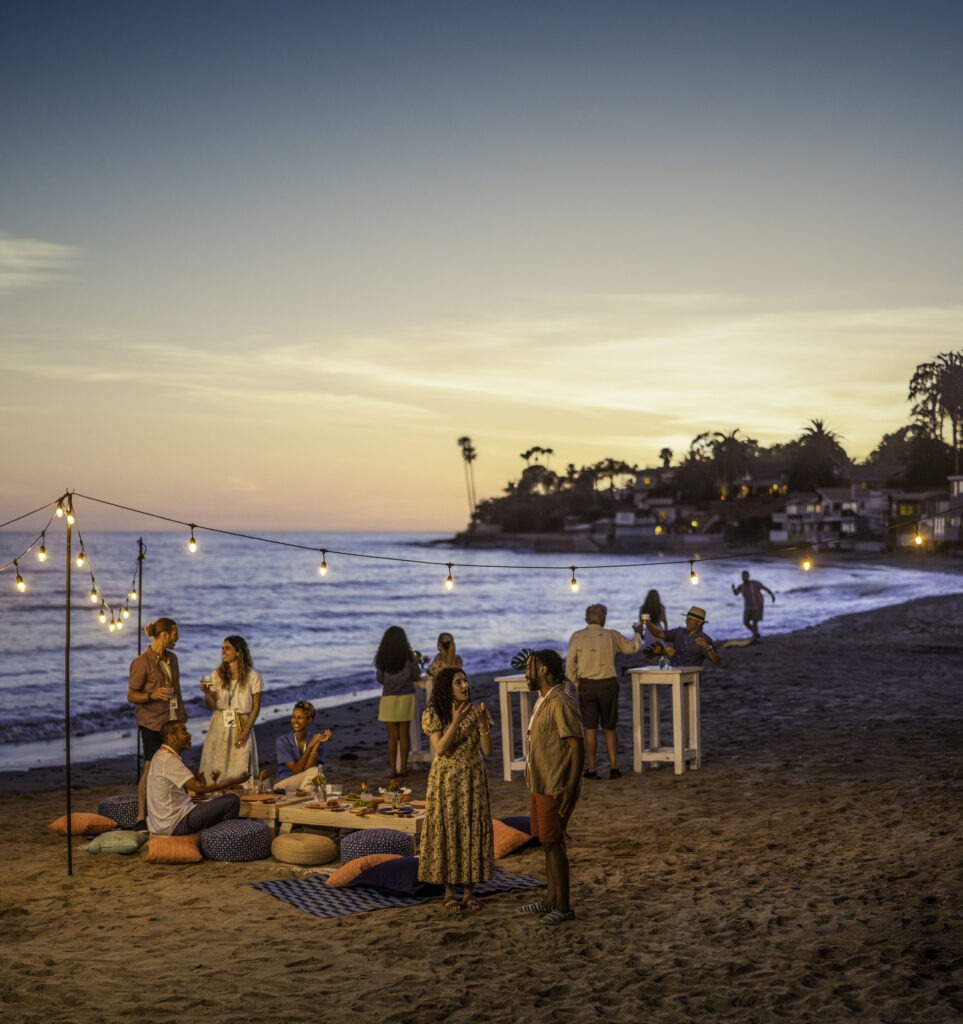
Santa Barbara: Coastal Stewardship

Nestled between the Santa Ynez Mountains and the Pacific, Santa Barbara blends natural beauty with a strong sense of stewardship as evidence by a dynamic ReSoure Center that converts commercial waste into landscaping. Meeting venues emphasize local sourcing, energy efficiency and ocean-friendly practices, ensuring that groups enjoy coastal California charm while supporting environmental protection.
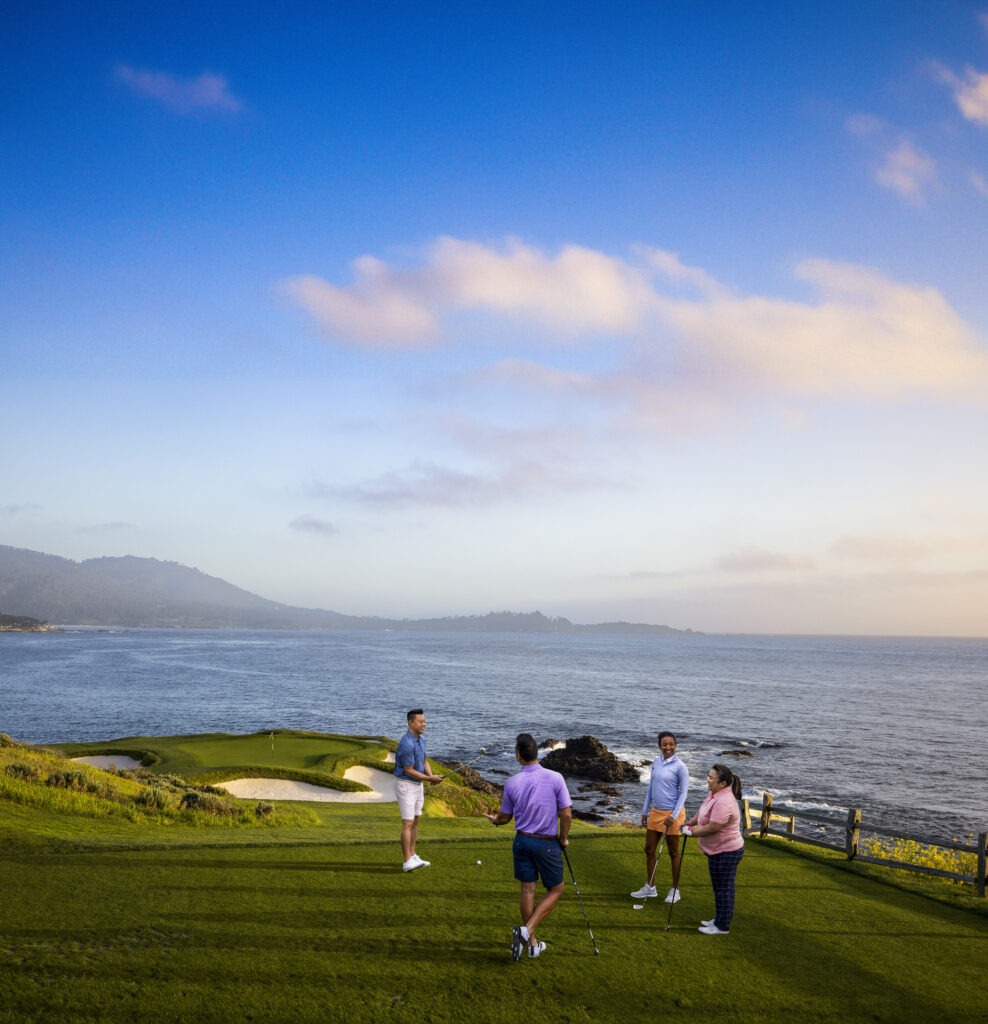
Monterey: Writing the Sustainable RFP

Monterey is a world leader in conservation as the home of Monterey Bay National marine Sanctuary and Monterey Bay Aquarium’s Seafood Watch food sourcing guidelines. The destination is shaping how business events can align with a world-renowned legacy of marine conservation.
San Jose: Tech Goes Green

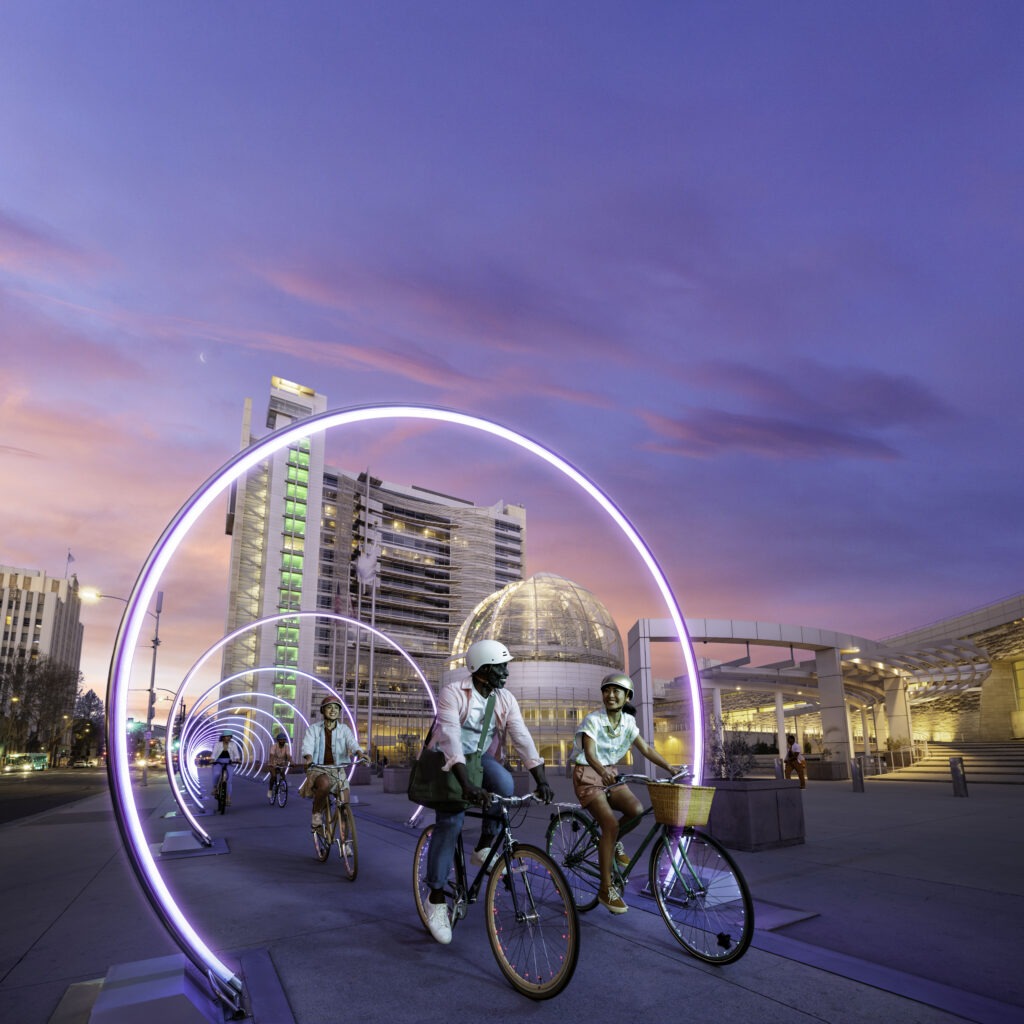
In the heart of Silicon Valley, San Jose proves that tech innovation and sustainability go hand in hand. The city supports waste diversion, renewable energy use and sustainable transportation, helping groups discover not just cutting-edge technology but also a community committed to a healthier planet.
San Francisco: A Tradition of Trailblazing

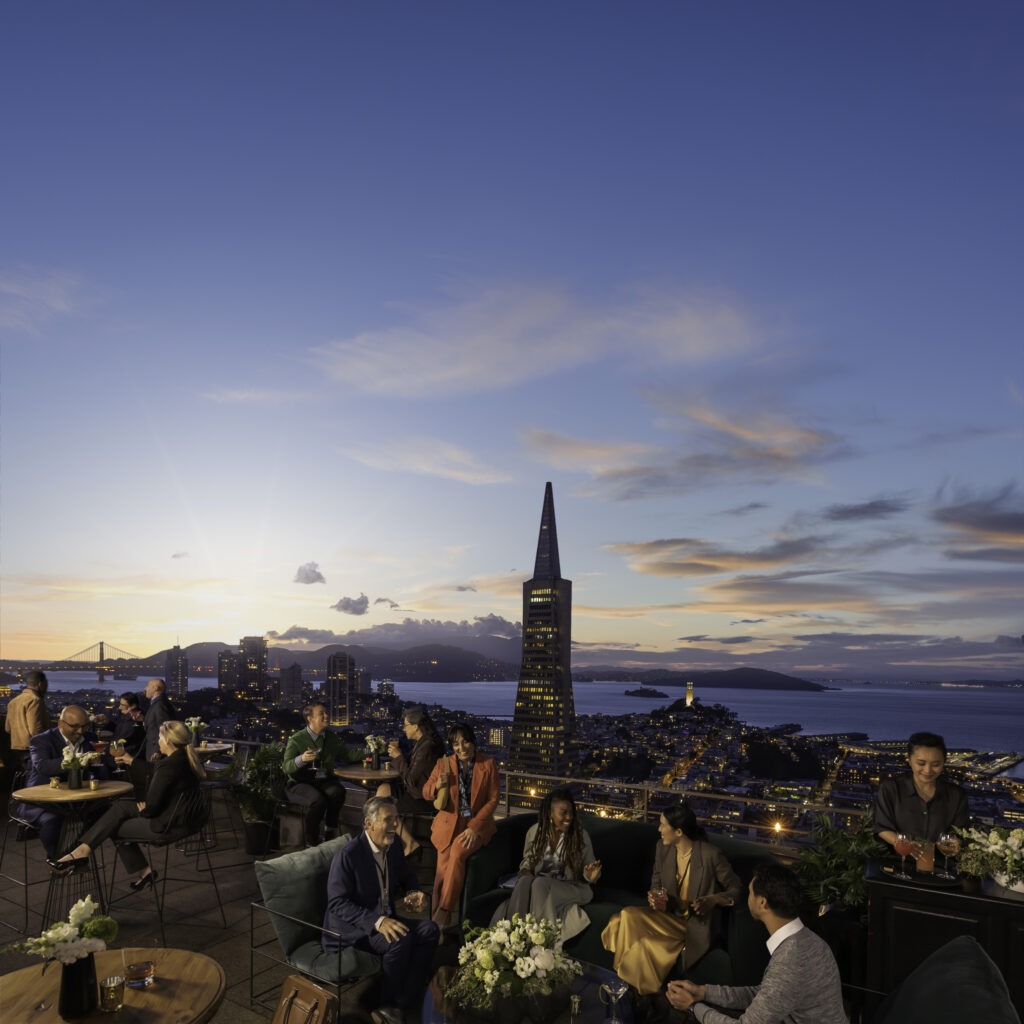
San Francisco has long been at the forefront of environmental innovation, and its meetings scene is no exception. From LEED-certified Moscone Center to citywide zero-waste goals, the Bay Area makes it simple for planners to host eco-friendly experiences in one of the world’s most iconic destinations.
Napa Valley: Vintage Gatherings, Modern Mindset

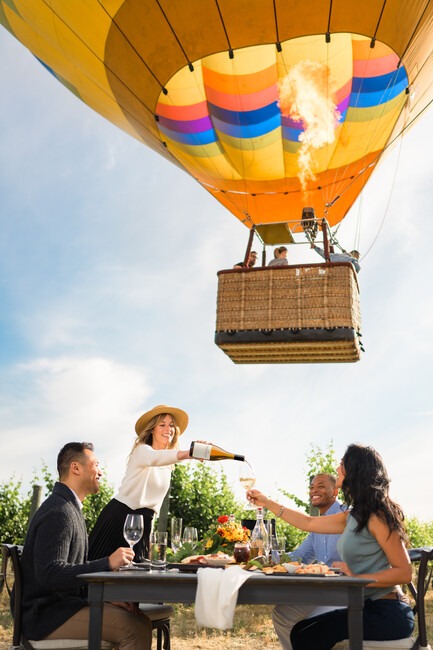
Wine country may be known for indulgence, but Napa Valley is also setting the standard for sustainable hospitality. Vineyards and venues alike are adopting regenerative certifications, water-saving technologies and farm-to-table catering, proving that luxury and responsibility pair beautifully.
Sacramento: California’s Capital of Change

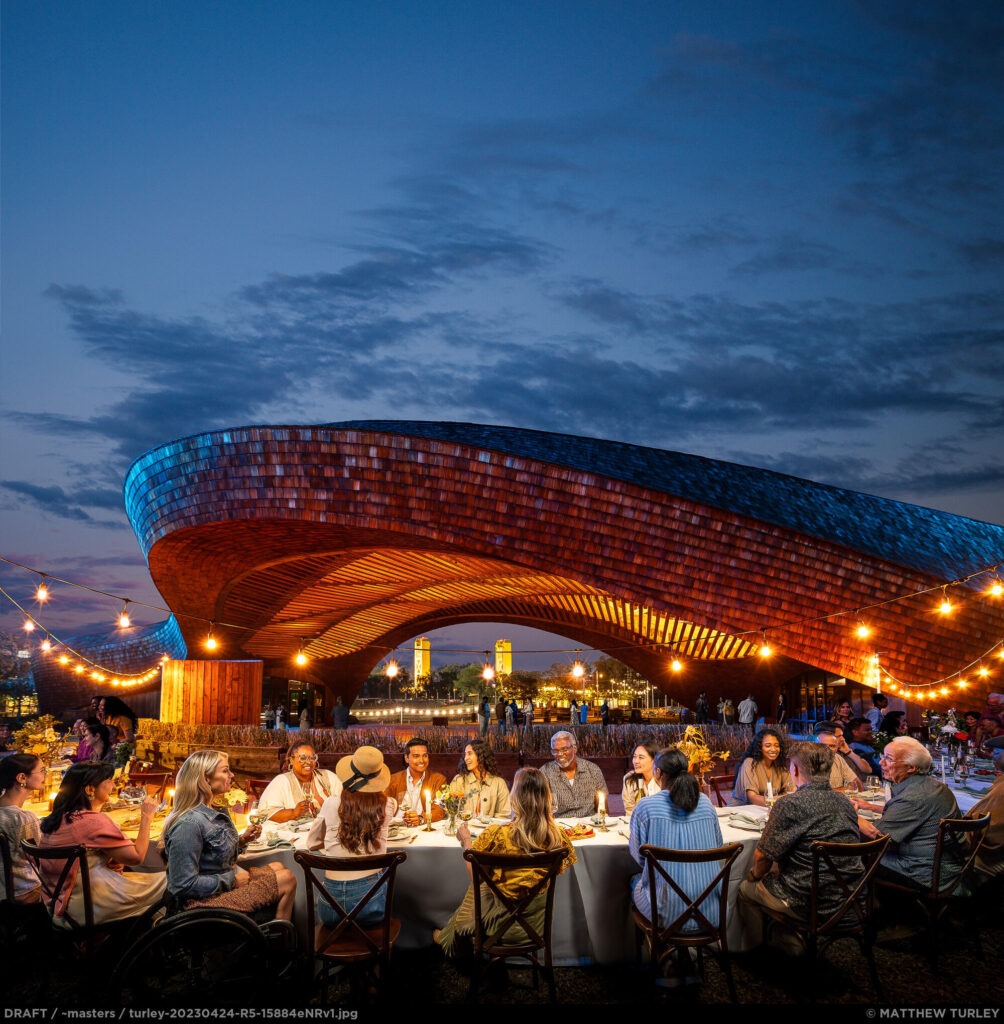
In Sacramento, history and innovation meet in venues that reflect California’s leadership in policy and progress. The city encourages planners to “defy conventional meetings” by embracing venues and partners committed to renewable energy and waste reduction.

Across California, planners don’t have to choose between world-class experiences and sustainable practices. Whether it’s ocean-inspired ballrooms in San Diego, boutique eco-hotels in Santa Monica or vineyards with a conscience in Napa Valley, the Golden State offers endless ways to host meetings that matter.

Because here, sustainability isn’t just a trend. It’s California’s way of ensuring that every gathering inspires not only big ideas, but a brighter future.

How new technology resources are helping meeting and event agencies and planners unlock value at scale?

Small Meetings and group events have long been a vital part of the $1.3 trillion global events industry, which is expected to double in size to $2.5 trillion by 2035. While they may not feature celebrity keynotes or generate major headlines, smaller gatherings make up the vast majority of meetings produced by corporations, associations and organizations worldwide, regardless of industry.

Read more: Think Small, Win Big: How Hotels Can Lead the Small Meetings Revolution

James Bond
Jason Bond, VP of attendee solutions, Groups360

In 2023, the corporate meeting segment alone was valued at $325 million. In this key sector, events such as board meetings, team offsites, trainings, client workshops and planning sessions, play a significant role in organizational health. They drive strategy, strengthen culture, foster collaboration and enable critical face-to-face interactions. And with the continued growth of remote and hybrid work, the demand for frequent, regional, high-touch meetings has only intensified.

Unlike large events that justify more dedicated resources, small meetings are often managed with limited budgets, leaner teams and shorter lead times. Yet the logistical effort required can be just as significant as larger events, especially when multiplied across hundreds or even thousands of meetings per year. To keep pace, planners need new strategies, more efficient workflows and the support of purpose-built tools that reflect the scale and speed of today’s meeting landscape.

The Core Challenge: High Volume and Expectations Meet Tight Resources

On average, small meetings represent 70–80% of all meetings within a typical organization’s portfolio. Their formats may vary, but the planning steps remain familiar: venue sourcing, vendor coordination, contracting, approvals and often attendee logistics like travel and housing. If a team manages 1,000 meetings a year, and 800 of those are classified as “small,” the administrative lift is immense and especially challenging when teams are operating with limited resources. Even with event calendars filling up again since the pandemic, the issue has only worsened with many organizations still understaffed.

At the same time, expectations around meetings are also rising across the board. Whether corporate leaders, association executives or agency partners, today’s clients expect more than flawless logistics. They expect planners to bring strategic value, operate efficiently and deliver measurable results. That expectation now applies to meetings of every size.

Meeting this moment requires a new mindset. The challenge isn’t whether to support these meetings, but instead how to support them more efficiently, without overburdening planners or compromising the attendee experience.

Why Small Meetings Require Big Strategy

While the business value of smaller meetings is clear, the real issue is that traditional planning models weren’t built to support small meetings at scale. These events often fall into a middle ground, as most are too complex for DIY booking tools yet too low-margin for full-service models. As a result, they’ve long been underserved from a technology and process perspective.

However, with the advent of advanced technologies and tools, that’s beginning to change. New platforms and planning models are emerging to close the gap, enabling small meetings to be sourced, booked and executed more efficiently, while still aligning with organizational goals.

Read More: In Small Meetings We Trust

Technology as a Strategic Enabler

While much of the industry’s innovation in meetings technology has centered on large-scale events, planners focusing on smaller meetings are increasingly looking for tools that simplify routine tasks, bypass time-consuming traditional RFPs, reduce friction and streamline workflows without compromising visibility or control. The goal isn’t to replace the expertise of planners, but to help them scale their efforts. The value of technology is to ensure faster service without compromising the quality of results, especially when managing high volumes of smaller, time-sensitive events.

Platforms designed with these needs in mind are helping to close the gap. Core functionalities such as real-time inventory access, simplified contracting processes and direct booking capabilities allow planners to act quickly, while maintaining alignment with organizational requirements and standards. These efficiencies can support internal teams as well as third-party agencies, offering a more agile way to manage recurring or lower-complexity meetings.

Adopting New Tools Starts with Culture

One of the biggest challenges to implementing new technology isn’t the technology itself. Instead, it’s integrating it into existing organizational structures. Planners tend to be highly adaptable, but in many enterprise and agency environments, sourcing and approval processes are tied to long-established workflows and procurement protocols.

Successful adoption of new tools often requires a deliberate focus on change management. That means supporting planners through training and onboarding, aligning with procurement stakeholders and ensuring that the technology integrates smoothly with existing systems and compliance requirements. Selecting a technology solution that is user-friendly and easy to implement can help ease the process and optimize adoption.

When done well, the introduction of new planning tools can go beyond operational improvement. It can prompt a broader reevaluation of legacy workflows, foster collaboration across departments and help planning teams align more closely with business goals, while laying the groundwork for long-term efficiency and growth.

Read more: Tips for Elevating Meetings from Effective to Unforgettable 

Looking Forward: A New Era for Small Meetings

As hybrid work models continue to evolve, we’re seeing even more demand for smaller, face-to-face meetings that serve very specific purposes; whether it’s bringing together a regional sales team, hosting a client strategy session or offering executive training and continuing education.

The sheer volume of these meetings is growing, and with that growth comes a need for smarter support. The solution isn’t to throw more headcount at the problem. It’s to empower the people already doing the work with more efficient processes. Planning teams should be focused on impact, not administration. They should have time to think creatively, serve stakeholders and deliver results. Smart technology systems and process adoption is what makes that possible.

Measuring What Matters

Finally, the move toward smarter technology also opens the door to better measurement. By streamlining and standardizing how small meetings are sourced and booked, planners can begin to capture more meaningful data around spend, engagement and outcomes. This helps answer the most important question in the meetings industry that doesn’t get asked often enough: Why are we doing this event?

By connecting the dots from sourcing through reconciliation, organizations can begin to tie meetings, both large and small, to broader business objectives. They can evaluate return on investment and return on engagement with much greater clarity. And they can make more strategic decisions about how to invest in future events.

Read more: Modern Meetings and Ancient History 

Small Meetings With Big Impact

The bottom line? Small meetings are not small in significance. They play an essential role in the success of organizations across every industry. However, supporting them at scale and doing so sustainably requires a new approach. That approach starts with the smart application of technology. With newer platforms tailored to fit small meeting coordination needs, planners can work faster, easier and more efficiently to deliver value at every level: from the planner managing logistics to the executive measuring outcomes.

When we empower planners with the right tools, we don’t just make small meetings more manageable; we make them more impactful, more strategic and more valuable than ever before.

Jason Bond is Vice President of Attendee Solutions at Groups360, where he draws on more than 25 years of meetings and events experience to help organizations improve efficiency, engagement and ROI through smarter planning models and innovative technology

What is more luxurious than arriving at a conference where it feels like some of the most accomplished leaders in their fields have gathered to help you shine? The community curated for Smart Meetings Luxury Experience at Conrad Orlando in Evermore enjoyed exactly that experience. From a serial C-suite executive changemaker to a #1 hitmaking band, the volume dial on impact was turned all the way up at the five-star resort.

Tips for an Elevated Site Inspection

panel of experts on conducting luxury site inspections
PMC Senior Events Procurement Manager Michelle Thornton, Smart Meetings TV Host Mike Lyons, Visit Sacramento Chief Convention Sales & Services Officer Mariles Krok and Terramar Vice President of Global Engagement Kate Patay

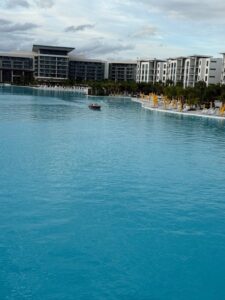
While gathered at one of the newest resorts in Florida built at the edge of a crystal clean turquoise lagoon, leaders from DMC, destination and meeting planner perspectives, shared their secret for conducting site inspections that deliver over-the-top events. Terramar Vice President of Global Engagement Kate Patay, PMC Senior Events Procurement Manager Michelle Thornton and Visit Sacramento Chief Convention Sales & Services Officer Mariles Krok dished about luxe touches that uplevel the experience.

“It’s all about attention to details, making everything personalized and exclusive,” said Thornton.

Communication is everything when taking time to visit properties. Being clear about what you want to see, what you don’t need to see and what is import

boat on Evermore Bay
Smart Meetings President Luc Troussieux arrived at the welcome reception at the Boathouse on a Chris-Craft on Evermore Bay

ant to your group will streamline the number of steps that would have been wasted checking out every room type when your group really needs to know how long it will take to get to the lobby bar from the ballroom and how late it will be open. “Sometimes it is the property that listened best that wins the day,” said Krok.

Read More: Discover Your Perfect Luxury

Patay suggested using the time to talk to the chef and catering services manager to brainstorm ways to up the level of service beyond the expected. “Create bespoke moments from the beginning with welcome beverages (leaded or unleaded) that set the stage for a thoughtful stay,” she suggested.

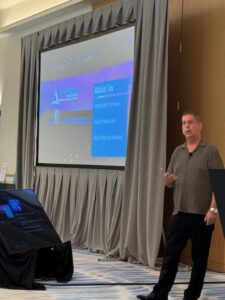
Animatic Media CEO Scott Frankel

In an in depth pre-education session and a quick tips visit on the main stage, Animatic Media CEO Scott Frankel shared an AV Site Inspection Checklist that similarly focused on the details to look for, including accurate laser measurements that take into account obstructions in the walls and ceilings and loading dock limitations.

Love This Meeting Prof Life

In addition to conducting an exclusive concert at the legendary Mangos Tropical Cafe, the number 1 country duo Locash (See photo at top) sat down to spill the beer about the best way to work with artists for corporate events. It turns out the two love getting the group interacting with what’s happening on stage.

“We’re not singing to them, we’re singing with them,” said Preston Brust in an interview with Romeo Entertainment Group President and CEO R.J. Romeo on stage. “We want to make sure that they laugh. It’s one of the greatest things in the world to do for someone,” said Chris Lucas, the other half of the songwriting duo behind such hits as “I Love This Life,” “Hometown Home” and “I Know Somebody.” The pair also wrote the classic, “Truck Yeah” for Tim McGraw.

Read More: Musical Comedy as a Business Tool

Sure enough, that evening, Brust was off the stage, getting everyone on the dance floor, singing an ode to Smart Meetings and making memories. “The magic happens when you can see people out of their element for a moment,” he said.

Secrets of Impact Makers

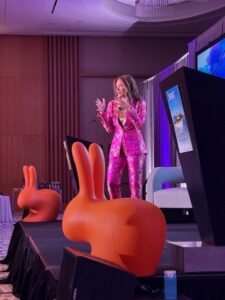
Entrepreneur and author Jen Buck

Entrepreneur and Author Jen Buck is a massive advocate for creating impact by leveraging the nuances of neuroscience, including the power of activating all the senses.

The challenge today is curating and specializing something unique that audiences have never seen before. “When people feel something deeply, that gets locked in the deepest part of their brains. That connection, that moment, that magic has to be the goal for every single thing that we do,” she said.

The way to do that is by pulling the levers of laughter, novelty and nostalgia. “You can tickle positive emotional contagion by playing a song, activating a scent or getting people moving,” Buck said. Multisensory engagements that include touch, taste and surprise amplify the message—especially when it is subtly repeated. When attendees suddenly feel a heightened awareness of their body, they internalize details and memories are formed.

Read More: 5 Ways Neuroscience Drives Engagement at Events

Build a buddy bee team-building
Build a buddy bee team-building activation by Experience Kissimmee

If all fails, tell a story and make it meaningful. Better yet, let them participate in the story. After learning the mental tricks for designing shared purpose, the group retired to an adjacent ballroom to stuff fluffy buddies for children fleeing dangerous environments. To make that experience repeatable, Experience Kissimmee, which organized the connection with the nonprofit Help Now Osceola, shared resources for the stuffed animal shells, fluff and cute little outfits.

Your impact is your currency,” concluded Buck.

What is one thing you can do for your next event that no one was expecting?

Read More: How to Organize a Build-A-Buddy CSR/Team Building Activation

A step-by-step guide to creating meaningful connections through CSR

Build-A-Buddy is a heartwarming and engaging CSR/team building activity that combines networking with community impact. Whether you’re hosting a conference, incentive trip, or corporate retreat, this guide from Experience Kissimmee will walk you through how to successfully plan and execute this activation.

Step 1: Choose a Beneficiary

Identify a local charity or nonprofit to receive the stuffed animals. This is often the most meaningful part of the process.

Tips:

  • Contact the local DMO (Destination Marketing Organization) for recommendations.
  • Consider organizations that work with children or respond to crisis situations.

Examples:

  • Law Enforcement Agencies – Stuffed animals can comfort children during domestic calls.
  • Domestic Violence Shelters – Provide a welcoming gift for children entering the shelter.

Read more: CSR Practices; Meetings with Meaning

Step 2: Coordinate with the Charity

Invite a representative to attend the event, receive the donations, and share a few words.

Communication Tips:

  • Provide talking points and attendee
  • Encourage them to share:
    • Their origin story
    • Impact of the donations
    • Ways attendees can support further
    • A personal story tied to the activity

Step 3: Order Supplies

Use trusted vendors to source materials. We’ve used Zoo Factory for all our Build-A- Buddy activations.

Recommended Vendor: The Zoo Factory

Essentials:

  • Animal Shells (8”): Link (Pro Tip: 8” is ideal size for timing and experience)
  • Outfits (8”): Link
  • Eco-Friendly Plush: Link
  • Stuffing: Link
  • Birth Certificates: Link

Pro Tips:

  • Pre-open stuffing bags and have in a bin for easy replenishment during activity
  • Use seal-vac systems for leftover stuffing and space saving storage

To ensure a smooth and organized Build-A-Buddy activation, consider sourcing the following supplemental items:

Essential Supplies:

•       Plastic Bins with Lids

Use 17-gallon storage bins (available at Walmart, Target, Lowe’s, Home Depot, or Costco) to transport supplies and package completed stuffed animals for donation.

•       Scissors & Trash Bags

Keep these on hand to open packaging and collect wrappers from outfits and accessories.

•       Dowel Rods

Available at craft stores like Michaels, Hobby Lobby, or Amazon. Place a few at each table to help participants push stuffing into arms and legs.

•       Table Bins for Stuffing

Provide bins at each stuffing station to hold stuffing. For repeat use, consider foldable, reusable bins.

Tip: Prep bins in advance by opening stuffing bags and consolidating into larger containers.

•       Wishing Stars or Hearts

Add a meaningful touch by allowing participants to make a wish before placing the star or heart inside their stuffed buddy.

•       Acrylic Frames for Instructions

Display printed instructions at each table using acrylic frames sized to fit your signage. This helps guide participants and keeps the activity flowing smoothly.

Read more: CSR Fights Hunger

Step 4: Room Setup

Design the space for flow, creativity, and comfort.

Recommended Layout:

  • 2 x 6’ tables – Display animal shells
  • 1 x 6’ table – Display outfits
  • 3–5 banquet rounds – Stuffing stations with bins, dowel rods, and stars placed in center of tables. Can include chairs or no chairs, both work.
  • 1–2 cocktail rounds – Birth certificates and pens
  • 1 extra banquet round – Display finished animals and group photo spot

Pro Tip:

Use branded tablecloths to hide bins and promote sponsors.

Read more: Shaping the Future of Hospitality 

Step 5: Staff the Activation

Include your sales and membership teams to help facilitate and network.

Roles:

  • 2+ staff to replenish supplies and assist participants
  • Photographer to capture experience and final group photo

Step 6: Timing & Quantity

Plan the activation to maximize participation.

When to Offer:

  • After lunch or during a break
  • In lounges or charging stations
  • During registration or upon arrivals

Duration:

  • 1–2 hours is ideal for stuffing, dressing, and
  • 2-3 day event – consider including in a breakout lounge or den with charging stations, beverages and space to network in between sessions open all days of

Quantity:

  • 2 animals per participant is a good rule of
  • Set a goal and update attendees to build excitement throughout

Step 7: Branding & Sponsorship

Enhance visibility and engagement.

Ideas:

  • Sponsor signage on tables
  • Custom t-shirts for animals (16” size only; 4-week lead time)
  • Thank-you treats for participants

Step 8: Provide Instructions

Give clear instructions before the activity begins.

Tips:

  • Share a sample stuffed animal
  • Include printed instructions at each table
  • Use signage for sponsor visibility
  • Invite the charity to speak to the group and provide background on organization

Read more: Hospitality Cares: Serving Front Line Workers

Step 9: Post-Event Communication

Follow up with attendees to reinforce impact.

Suggestions:

  • Send a thank-you email with:
    • Group photo
    • Total number of animals donated
    • Charity information


Need fiber-fast Wi-Fi at 35,000 feet to keep up with that stream of emails? JetBlue just signed on with Amazon’s Project Kuiper to supercharge its free Fly-Fi. Planning an incentive trip to Bali or Jakarta? You’ll need to ensure your attendees have a new app required for entry. Watching bleisure blur the lines? ALTOUR’s latest index says business travelers are going shorter, flying comfier and sticking closer to their expert travel advisors.

As always, Smart Travel is here to bring you the latest updates shaping the way we move, meet and plan.

Italian Alps Meet the Ikon Crowd

The Ikon Pass just got a major European upgrade. Five new mountains in Italy’s Valle d’Aosta region are joining the roster for the 2025–26 winter season, including the iconic Courmayeur Mont Blanc. That means skiers can now chase powder under the shadow of the Matterhorn, Mont Blanc and Monte Rosa, all on one pass.

Read More: Europe in Southern California

The new destinations (Courmayeur Mont Blanc, Cervino Ski Paradise, La Thuile, Monterosa Ski and Pila) offer everything from off-piste adventure to Michelin-starred apres. “We are proud and excited to join the Ikon Pass community,” said Danilo Chatrian, general director at Courmayeur Mont Blanc. “From iconic peaks and world-class skiing, to gourmet cuisine and authentic alpine charm, we are thrilled to share the unique spirit of our special region in Italy with a wider global audience.”

Even better? No blackout dates and direct connections to ski favorites like Chamonix and Zermatt. That’s five new ways to say ciao to winter, Italian-style.

Marriott Debuts New Luxury Resort in Barbados

Colony Club is back—and chicer than ever. The storied resort on Barbados’ Platinum Coast has officially reopened as Colony Club, a Luxury Collection Resort, Barbados, marking the island’s debut within Marriott’s prestige-filled Luxury Collection portfolio.

Originally built as a seaside residence in the 1930s, the resort has undergone a meticulous renovation with redesigned guest rooms, new wellness offerings and what Marriott calls “a refined escape rooted in authenticity.” Guests can expect lagoon-style pools, open-air dining with garden views and the Caribbean’s first-ever Rum Vault with over 150 bottles on offer.

“This reopening is not just about unveiling a beautifully reimagined resort,” said Alex Fiz, area general manager for the Barbados Collection Portfolio. “It’s about welcoming back those who have cherished it for generations and inviting new travelers to discover its ageless allure.”

Signature moments include Lobster & Jazz nights, Island-to-Table dinners and spa rituals based on the five elements, all designed to capture the soul of Barbados in quietly luxurious style.

ALTOUR Releases 2025 Business Travel Index

According to ALTOUR’s just-released 2025 Business Travel Index, corporate travelers aren’t flying more, they’re just flying smarter—and often with a side of vacation. The report shows a growing appetite for “bleisure,” with 39% of travelers tacking leisure time onto work trips (and that jumps to 59% for international fliers).

Read More: Destinations International: Meetings Business Is More Important to Cities Than Ever

Premium economy is the cabin of choice this year, growing 25% year-over-year as travelers look to split the difference between cost and comfort. Trips are getting shorter, too (hotel spend is down, air spend is up) and C-suite execs increasingly lean on human expertise, with 70% preferring travel advisors for high-stakes journeys.

“We’re seeing smarter, more purposeful travel in 2025,” said Gabe Rizzi, president of ALTOUR. “Companies are being more selective, focusing on trips that truly matter, where face-to-face connection drives business impact.”

Indonesia Announces New App Requirement for Entry

Indonesia is giving the arrival process a digital upgrade. The country’s new All Indonesia app is now live and mandatory at three major airports and six seaports as part of its Tourism 5.0 initiative to make entry easier, faster and far less paper-heavy.

“This app will make it easier and more comfortable for visitors to enjoy Indonesia’s stunning nature and rich culture,” said Tourism Minister Widiyanti Putri Wardhana.

Available on the App Store, Google Play and online, the app bundles immigration, customs, health and quarantine declarations into a single form. Travelers can fill it out up to three days before departure and even pay for their visa on arrival within the app—just flash the resulting QR code when you land and skip the lines.

It’s now required at key gateways including Soekarno-Hatta near Jakarta, Bali’s Ngurah Rai, and Juanda in East Java, as well as six ferry terminals in Batam, a short hop from Singapore.

With 7 million international visitors arriving between January and June 2025, mostly from Malaysia, Singapore and Australia, Indonesia’s tourism tech upgrade is timely.

JetBlue Becomes First Airline for Amazon’s Project Kuiper

JetBlue is taking its in-flight Wi-Fi from free to fast-forward. The airline just announced it will be the first in the world to partner with Amazon’s Project Kuiper, a low Earth orbit satellite network that promises to make streaming at 35,000 feet feel like scrolling at sea level.

“We’re always looking for ways to make our customers’ time in the air as connected and productive as they want it to be,” said Marty St. George, JetBlue’s president. “Our agreement with Project Kuiper marks an exciting leap forward for us as the hands-down leader in onboard connectivity.”

Fly-Fi, JetBlue’s signature free Wi-Fi, launched in 2013, is already a fan favorite. But starting in 2027, select aircraft will begin rolling out Kuiper’s next-gen mesh satellite tech, offering even faster speeds, lower latency and a smoother online ride from gate to gate.

Amazon’s Panos Panay put it this way: “We’re pumped to bring that to life with JetBlue.”

From the mountains of Pakistan to the backdrops of Grapevine, new hotels and reimagined retreats are opening their doors to welcome travelers with fresh experiences and memorable details

This season brings a wave of exciting debuts and thoughtful transformations. Hilton has arrived in Pakistan with its first property, a warm DoubleTree escape in the alpine beauty of Nathiagali. Rosewood looks ahead to 2027 with a hillside wine country retreat in Calistoga that blends refinement with nature.

In Virginia, Hotel Burg is set to redefine boutique luxury, while Grapevine, Texas, celebrates a new venue built for gatherings under vast skies and the Grand Bohemian Lodge in Asheville returns refreshed. Each destination offers a story and a reason to gather, explore and be inspired.

Hilton Nathiagali

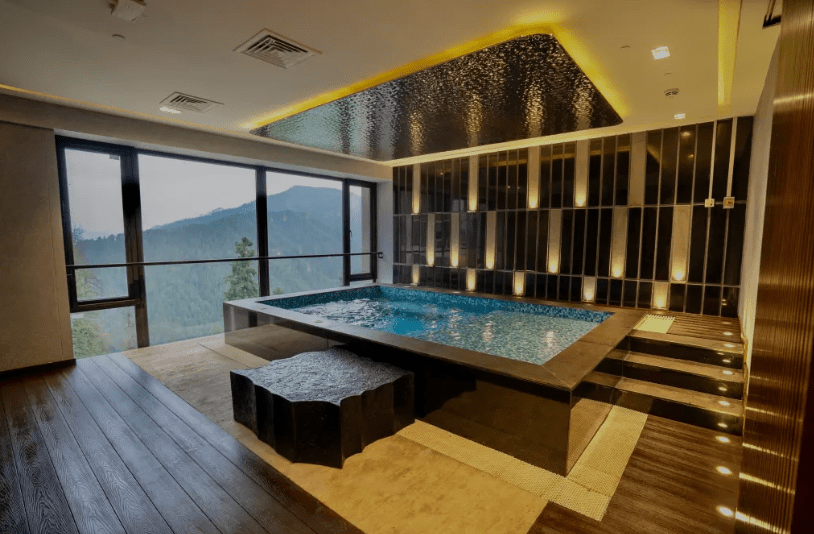
Hilton Nathia Gali interior

Earlier this month, Hilton announced the opening of DoubleTree by Hilton Nathiagali, marking the company’s first hotel in Pakistan. Nestled in the heart of the scenic Galiyat region, one of Pakistan’s most iconic hill stations and just 85 kilometers from Islamabad, the newly opened property blends DoubleTree by Hilton’s signature warm hospitality with the area’s natural alpine landscapes, offering unforgettable stays for both business and leisure travelers. The Baron Pakistan (Pvt) Limited owns and manages the hotel.

Ideally located just steps from Lalazar Park, DoubleTree by Hilton Nathiagali offers convenient access to Mushkpuri Top, Miranjani Peak, Ayubia National Park, the Dunga Gali Pipeline Track and St. Matthew’s Church, all within five kilometers. The hotel features 110 guest rooms, including 14 suites with uninterrupted mountain views. Guests can enjoy dining at Coffee Shop, Shogun, Zareen and Lalazar Terrace Café, and wellness facilities including a spa, fitness center, infinity pool, cinema lounge and Pakistan’s first mountain padel court.

Rosewood Calistoga

Rosewood Residences Calistoga exterior

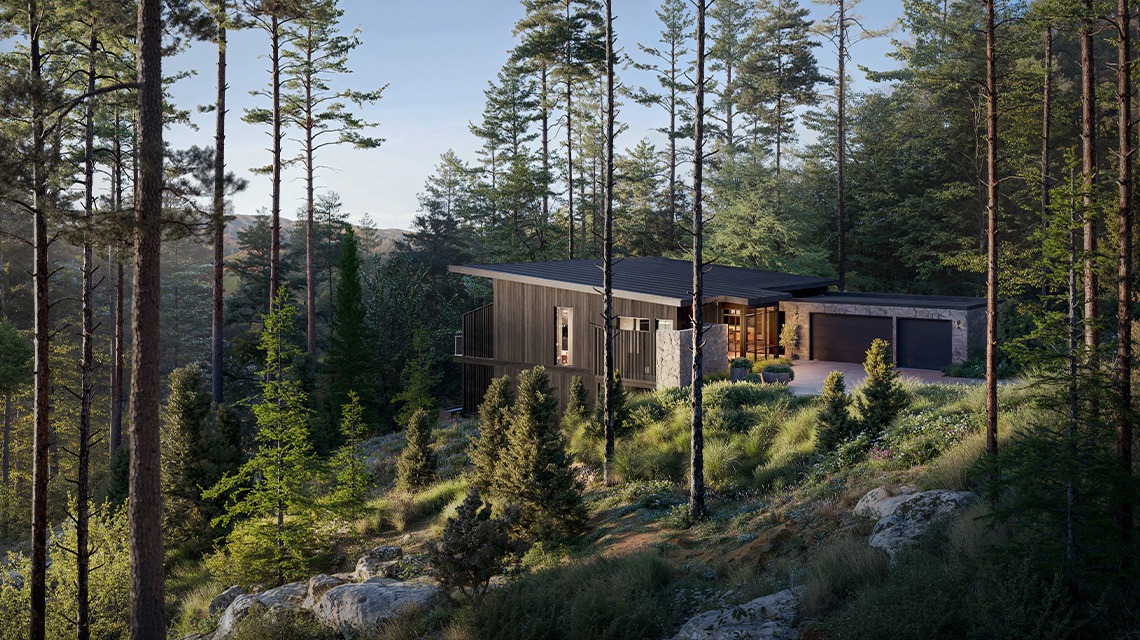
Rosewood Hotels & Resorts is pleased to announce the latest addition to the brand’s portfolio, Rosewood Calistoga and Rosewood Residences Calistoga. Opening in 2027, the cultivated hillside estate will invite new opportunities to explore the iconic Napa Valley wine country. Envisioned as a living ecosystem where experimentation is embraced and rejuvenation takes shape, Rosewood Calistoga will offer a reimagined wine country retreat and residential enclave shaped by the land, legacy and lifestyle of Napa’s laidback luxury.

Read More: How to Napa-ize Your Next Event

Nestled across 118 acres of Calistoga’s forested ridgeline, the resort will feature 129 guestrooms, suites and residences, with interiors that harmonize refinement with the warmth of wine country living. Culinary outlets will celebrate local provenance, with a signature restaurant, cocktail bar and poolside eatery offering vineyard views. Asaya, Rosewood’s integrative wellness concept, will feature treatments, hydrotherapy and two pools. Rosewood Residences Calistoga will offer 20 villas and 13 homesites, blending modern refinement with natural materials.

Hotel Burg

Hotel Burg meeting space
Community Room, Hotel Burg

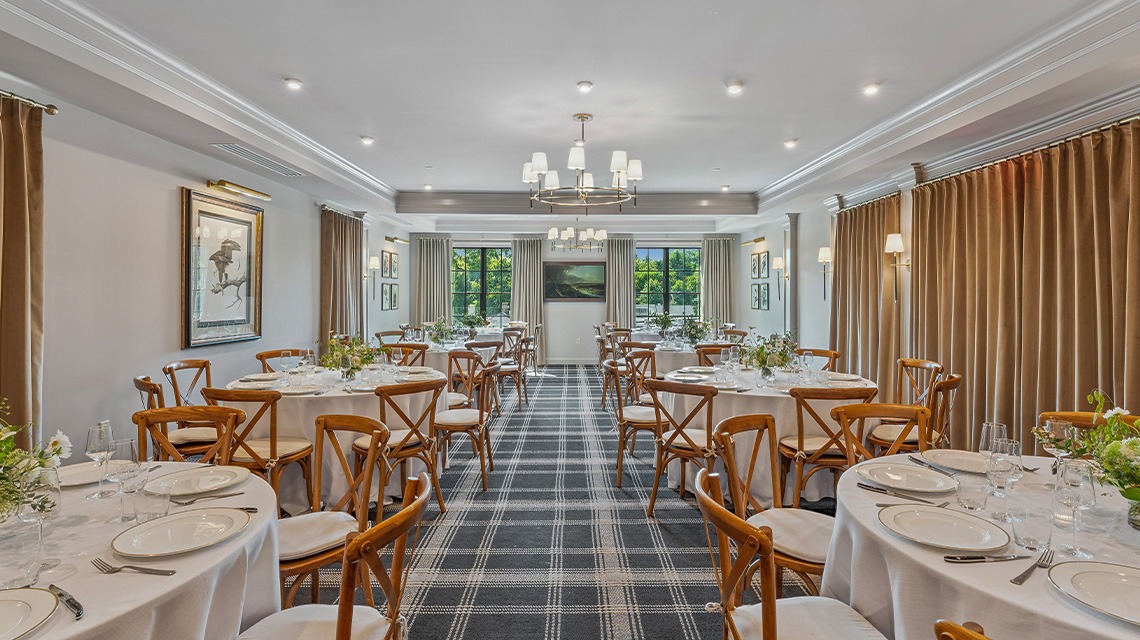
Hotel Burg, the most anticipated boutique hotel opening in Virginia’s wine and hunt country, now accepts reservations. Located on King Street in the heart of historic downtown Leesburg, the 39-room boutique property will reimagine luxury in Leesburg, offering an immersive experience for discerning travelers and locals seeking refined hospitality. Spanning three architecturally distinct structures, Hotel Burg captures the spirit of sophisticated country living with interiors inspired by the classic style of Ralph Lauren. Every space reflects the heritage of Loudoun County, from antique-rich details to original works by regional artists.

Accommodations include eight elegant suites named after trees native to the area. At the heart of the property is The Huntōn, led by Chef Vincent Badiee. It showcases Virginia’s bounty with open-fire cooking and seasonal ingredients. Additional dining includes The Rooftop Bar for guests and The Diana Lounge, welcoming locals with handcrafted beverages.

Grapevine Fairway Events Center

Grapevine Fairway Events Center exterior

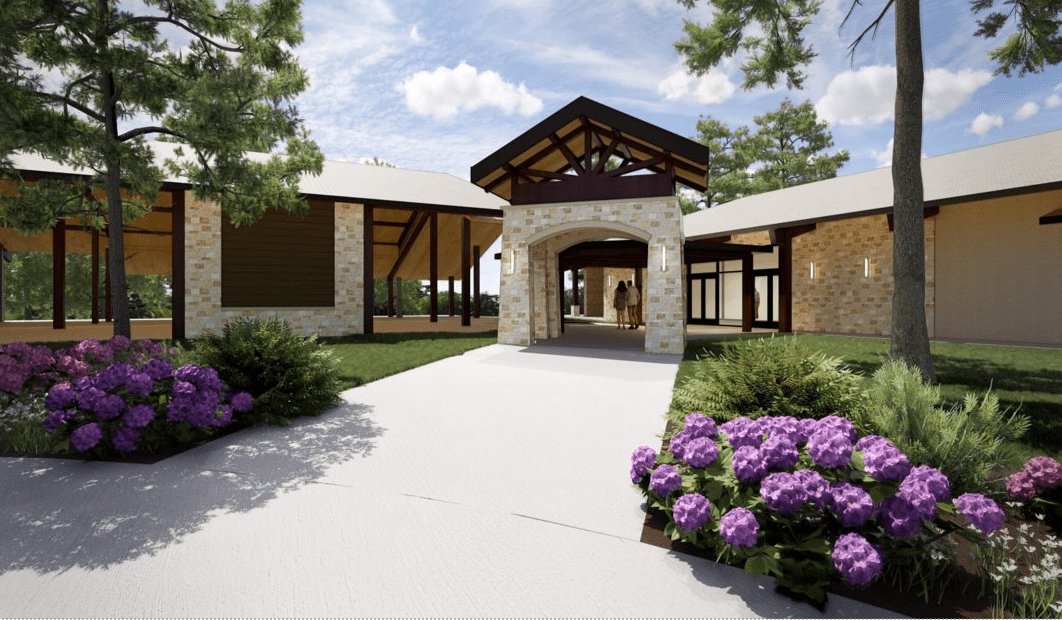
Grapevine Convention & Visitors Bureau is proud to announce the opening of the Grapevine Fairway Events Center, a stunning new indoor and outdoor venue at 3800 Fairway Drive next to the 27-hole Grapevine Golf Course in Texas. Designed for weddings, receptions, tournaments and meetings, the center offers flexible spaces that bring elegance and natural beauty together.

Read More: Texas Treasures: Meeting Space with Flair

Inside, Fairway Hall features floor-to-ceiling windows framing two world-class golf courses, creating a striking backdrop for gatherings of all sizes. Outdoors, the Byron Pavilion provides a spacious patio ideal for receptions, ceremonies and celebrations beneath the Texas sky. Whether planning an awards banquet, a corporate meeting or an intimate exchange of vows, the Grapevine Fairway Events Center delivers a setting that is both memorable and versatile. With its scenic location and thoughtfully designed event spaces, the venue is poised to become a premier destination for special occasions in Grapevine and North Texas

Grand Bohemian Lodge

Red Stag Grill at Grand Bohemian Lodge
Red Stag Grill, Grand Bohemian Lodge

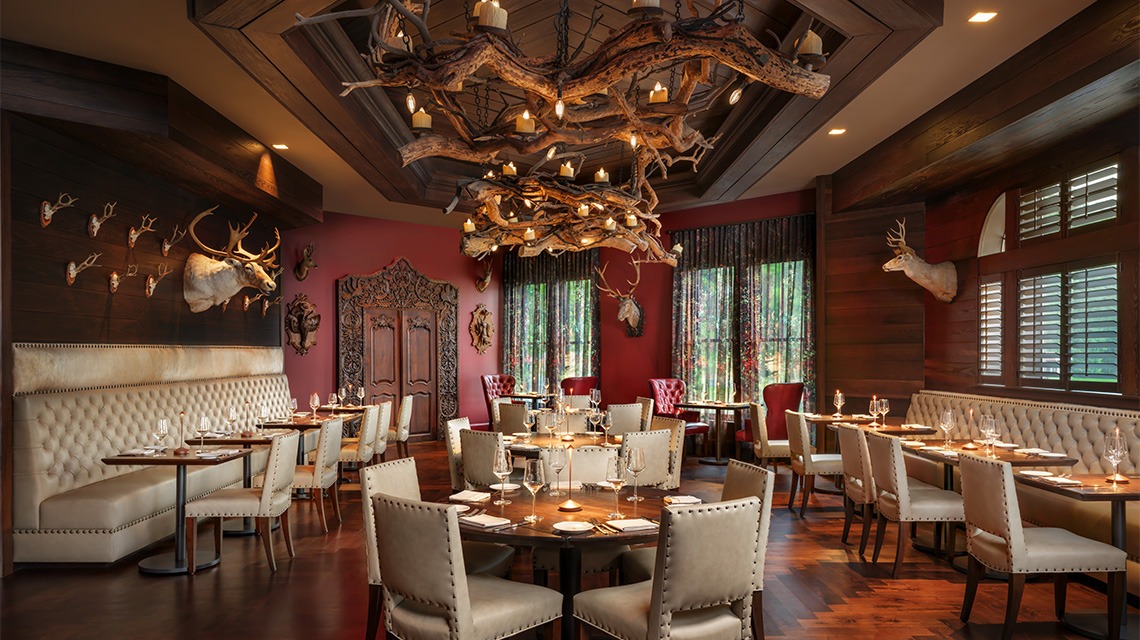
Earlier this year, the Kessler Collection proudly reopened its Asheville property, now reimagined as Grand Bohemian Lodge Asheville, one of the seven founding properties of Marriott’s Autograph Collection. Following the impact of Hurricane Helene in September 2024, the landmark in historic Biltmore Village underwent a meticulous restoration led by Mark and Diana Kessler with the Kessler Collection design and construction team.

The re-envisioned lodge introduces craftsmanship, regional connection and thoughtful enhancements, including an expanded Grand Bohemian Gallery, an elevated Red Stag Grill, updated Spa at Grand Bohemian and refreshed gathering spaces. Key architectural elements such as carved wood paneling, museum-quality display cases and the grand stone fireplace were restored.

Red Stag Grill features new menus, Appalachian cuisine and a 700-bottle wine vault, alongside original artwork by Mitch Kolbe. The Grand Bohemian Gallery unveiled a new retail shop and 2025 collection, displaying artists whose work reflects Asheville’s resilience, renewal and beauty.

Gifting has likely already joined the many line items in your event budgets which have trended upward since Covid, and because of an action taken last week by President Trump, it could go up even more—or be newly mired in red tape.

What happened is this: A tariff loophole known as the de minimis exemption was closed. It had allowed foreign shipments valued at $800 or less to enter the United States without paying tariffs and filling out complicated customs paperwork. Every day last year, nearly 4 million such shipments—1.36 billion in all—crossed our borders, reports U.S. Customs and Border Protection.

That same exemption closed in May for shipments from mainland China and Hong Kong. Now it’s gone altogether. And subject to the volatility of today’s tariff-scape. Depending on where shipments come from, tariffs could range from 10% of the value of the goods to 30% or more. Observers say these extra costs will inevitably result in higher prices.

Learn More: Event Organizations’ Concern About Tariff Impacts

How might this affect events? Well, let’s say one of your gift programs has been based on individual attendee selections of, for example, a pair of customized Ray-Ban sunglasses. Previously, fulfillment, if shipped from abroad, would have had no tariff applied. Now it will. If you ordered 100 pairs of Ray-Bans for a gifting event, on the other hand, the de minimis exemption never mattered.

In that latter case, “the standard—and ever-changing—tariff rate for that product would apply,” in the words of Terry McGuire, senior vice president of HALO, a leading supplier of branded gifting solutions for the events industry. He says HALO buys around $650 million in goods yearly, of which 90% are manufactured overseas, then imported to the U.S. for its suppliers to apply your desired logo.

“We have been laser-focused on strategies to reduce the impact of tariffs on our customers’ pricing for quite some time,” McGuire, who manages HALO’s supply chain and helps clients traverse this challenging landscape, says. The de minimis exemption, he notes, had for years been a boon for overseas retailers. “It was particularly useful for apparel and small electronics—products with a relatively high perceived value that were relatively inexpensive to ship to the U.S. via air freight for quick delivery.”

Why was the exemption ended? In addition to the added revenue to be collected in tariffs, President Trump blamed his decision on abuse by fentanyl smugglers and shippers who took advantage of the loophole to intentionally exceed the $800 limit.

Don’t Ship by International Mail Anytime Soon

Trump’s order has already disrupted supply chains, according to news reports, in large part because he also mandated that our customs officers would no longer be responsible for assessing the amount of tariffs owed on packages sent via international mail. Now foreign post offices must do that calculation themselves—or hire a third party to do it and pay U.S. customs.

As a result, many foreign post offices, unequipped to comply with the new reality, have completely stopped shipping to the U.S. for the immediate future, at least. Express carriers like UPS or FedEx are more expensive, but they can calculate and pay the duties.

Bottom line: Work more closely than ever with your gifting vendor, not only to select the perfect branded merchandise, but also to buy at the most advantageous fulfillment cost.

Has this happened to you? You are trying to plan an event and more and more fees are popping up and busting your budget. Has it become out of control? I think yes.

Long gone are the days when the price on the contract was the actual price. Now there are so many random fees being created and added to events throughout the planning process. Detective work is critical on the front end to uncover these budget busters and to put a stop to additional ones being added during mid-stream planning.

Traditional resort fees have found their way to city properties labeled as destination fees, urban fees and the like. Typically they encompass beneficial perks for transient travelers but for group guests, they quite often go unused. Group guests are typically onsite for meetings or events that occupy their time and prevent them from maximizing amenities. These can be negotiated out of your contract totally or made optional. This then places the option with the individual guest to decide if they want to pay the fee and utilize the amenities.

Read More: 5 Tips for Flexible Event Budgeting, No Matter the Format or Economic State

Truly bizarre fees are also popping up, like an additional 5% taxable planning fee assessed on all actual food and beverage totals, which covers pre-planning services, menu tasting (if applicable), on-site coordination, and post-convention sessions, including final bill review. Is this not covered by the salary the hotel pays the on-site convention planning contact? Why would a group pay the salary of a hotel employee?

Another eye-opening fee recently stumbled upon was a 3.5% healthcare fee added to all guestroom rates and food and beverage in the hotel restaurants and outlets. This is being charged by a hotel that wants to boast they are paying 100% healthcare for all their employees, but in fact they are paying the standard percent and passing the remainder directly to the hotel guests. This is for all guests, transient and group.

Then let’s talk banquet service charges. The hotel service charges that we knew years ago, the 15-20% gratuity, were collected and paid out to the banquet team. This percent has skyrocketed in the past years and now encompasses two parts—the traditional piece, gratuity to the banquet service staff, and now a second piece, a fee that goes directly to the hotel profit margin. This has taken the service charge total to anywhere from 24% to 32% being added to food and beverage.

Some hotels are no longer tipping out their servers at all. Their service staff is now on a favorable hourly wage, so the fees are relabeled for those properties as “administrative fees” or similar. Most hotels charge this service charge to AV as well. What stands out here is that AV teams are not tipped positions, nor does the service charge go to the AV company. This piece is fully going to the hotel profit line.

So what’s up with this portion that goes to the hotel profit line? They may advise that it may go to general upkeep, but the bottom line is that it is simply another money stream for the hotel. This piece is increasing at a fast pace. Your contract may read that the hotel can increase the fee at any time, which is a red flag. I have had several clients that have decided to change hotels mid-contracting phase due to uncertainty of possible fee increases. Smart move!

Read More: AV Fine Print: Avoiding the Contract Traps That Cost Planners Big

When we then pool these increasing fees with the still low staffing in hotels and the service levels still not returned post-Covid, it creates a potion of problems for a meeting planner. Frustration abounds as these basic services we used to enjoy, such as daily housekeeping, nightly turndown service, full staffing in outlets, having an on-site restaurant open for each meal period, room service and properly staffed banquet functions are just faded memories.

So what do you do to combat these ever-increasing pain points and fee gouging? Add an advocate to your team to fight for you and your budget. You want a professional meeting broker in the ring for you. Having an advocate that is experienced and has a proven track record of negotiating with hotels is a game changer. While some planners like to take this on themselves and pride themselves in having a relationship with hotel sales representatives, they need to understand times have changed drastically. Gone are the days we could sit in the bar and knock out a contract over a cocktail with our hotel sales representative. The sales representatives no longer have the ability to negotiate pricing or fees.

Control has shifted to the revenue managers and revenue teams whose sole responsibility is to maximize hotel revenue streams. For someone that does not truly understand contract language and live in that space daily, the ever-changing word or phrase here and there can greatly impact the foundation, financial obligation, and outcome of your event.

Don’t get me wrong, relationships matter, but it is imperative to understand when that relationship can help you and when you need an advocate. During the negotiation piece, your hotel sales contact is not going to go to battle for you like a professional meeting broker will. Put the power in your court. You are the contract signer, you are writing the check. Stop the never-ending barrage of fees, add a meeting broker on your team and take control of your meeting budget.

Shannon Frank is the vice president of global accounts at HPN Global and president and founder of Elevating the Event Experience.

With over 35 years of distinguished experience in the hospitality industry, her career began with the Walt Disney Company, where she honed her expertise in guest services and operations. She is a Smart Women in Meetings Industry Leader Award winner.

Looking for bubbles before boarding? American Airlines is bringing its Flagship lounge to Charlotte Douglas International Airport (CLT), with spa suites, chef menus and, yes, champagne.

Booking international business trips like it’s 2019? You’re not alone—SAP Concur says global travel is up, with the U.S. leading in both bookings and spend.

Tired of banquet chicken? Hilton’s group dining is now Michelin-tasting menus in subway stations and beach barbecues with local fishermen.

As always, Smart Travel is here to bring you the latest updates shaping the way we move, meet and plan.

American Airlines Announces New CLT Lounge

Charlotte travelers, rejoice. American Airlines is rolling out the (champagne) carpet at CLT. The carrier just announced plans to open its first Flagship lounge in Charlotte Douglas International Airport, along with a major expansion of its Admirals Club footprint, bringing even more luxe to the Queen City’s busiest hub.

Known for its signature bubbly greeting and chef-driven menus, the Flagship experience is American’s answer to high-touch travel, with spa-style shower suites and sleek design “neighborhoods.” “These improvements will introduce a premium experience for our Flagship customers and provide more space in our Admirals Club lounges,” said Heather Garboden, American’s chief customer officer.

The move underscores CLT’s importance to American’s network—it’s the airline’s second-largest hub, with more than 170 destinations and 15,500 team members. “We’re excited to continue to elevate [our customers’] experience when traveling with us,” added Ralph Lopez, senior vice president of CLT operations.

For now, the airline’s Provisions by Admirals Club grab-and-go lounge and existing Admirals Clubs in Concourses B and C/D will hold down the fort—but the Flagship experience is officially en route.

U.S., Canada and Germany Top the Charts for Business Travel in 2025

Business travel is officially back in motion—and racking up some serious miles. According to SAP Concur’s latest report, international business travel bookings rose 2.6% globally in the first half of 2025 compared to 2024, with the U.S. leading as the top destination worldwide and the top origin market for airfare spend, averaging $2,718 per ticket in Q1.

For U.S.-based travelers, nearby markets like Canada, the U.K. and Mexico remain strong draws, while Canadian business travelers continue to overwhelmingly head south—78.6% of their trips landed in the U.S. in H1 2025. German cities also remained key business hubs globally, joined by perennial favorites like the U.K., France and China.

“Business travelers are back in motion,” said Charlie Sultan, president of Concur Travel at SAP Concur. “Encouragingly, 94% of them say business travel is either helpful or essential to succeed in their role.”

Airfare stayed steady across markets despite shifting volumes, and Q1 continues to anchor the majority of annual business travel activity. For planners, these patterns offer insight into strategic hubs, budget trends and when to expect the next big booking spike.

Anantara Kihavah Maldives Villas Debuts “Four Elements” Festive Season

This holiday season, Anantara Kihavah Maldives Villas is trading tinsel for the four elements (earth, water, fire and air), offering a nature-inspired lineup of festivities that’s equal parts luxurious and luminous.

From Santa’s splashy arrival to cosmic cocktails on New Year’s Eve, the resort’s “Four Elements” celebration brings island magic to life through immersive experiences, such as beachfront feasts, gingerbread workshops and a gala countdown under the stars.

“Our festive calendar is all about creating moments that reconnect guests with nature, loved ones and themselves,” said a resort spokesperson. Offerings include a coral-aged wine dinner in the world’s only underwater wine cellar and sunset tastings on a private sandbank.

Martinique Cruises Toward Year-Round Momentum

Martinique is making waves in the Caribbean cruise scene. The French island posted a nearly 11% rise in cruise passengers this season, jumping from about 421,000 to over 465,000 travelers across more than 200 ship calls. That upward trend is poised to continue, thanks to MSC Cruises’ recent commitment to resume year-round operations in Martinique beginning in 2027.

“These numbers represent more than growth,” said Muriel Wiltord, director of the Americas for the Martinique Tourism Authority. “They demonstrate how Martinique is evolving into a must-visit Caribbean destination.”

The island is pairing its record-breaking arrivals with meaningful infrastructure upgrades, including a new cruise village set to open in fall 2025 and improvements to the Pointe Simon terminal. With eight active ports and calls from more than 30 cruise lines, including boutique and ultra-luxury vessels, Martinique is strengthening its appeal as both a homeport and marquee port of call.

For planners and incentive groups, the destination offers a rare blend of French sophistication, natural beauty and authentic island culture. Now, with reliable air access and year-round cruising on the horizon, it’s a hot pick for incentives and meetings.

Hilton’s Culinary Experiences Raise the Bar for Group Dining

Why settle for banquet chicken when you can savor a nine-course tasting menu in a New York subway or swap stories with Nayarit fishermen before feasting on freshly grilled catch? Hilton is redefining group dining with a slate of immersive culinary experiences across the Americas, proving that meeting meals don’t have to be mundane.

At Martinique New York on Broadway, Curio Collection by Hilton, Michelin-starred Nōksu turns a subway entrance into a subterranean culinary temple, while Hilton Pilar’s Asado Libre in Argentina celebrates fire and flavor with tableside grilled meats and local wine pairings. Meanwhile, Conrad Punta de Mita’s Zarandeado Beach Barbeque puts guests face-to-face with local fishermen, turning fresh catch into a coastal culinary celebration.

“These aren’t just meals—they’re memories in the making,” said a Hilton spokesperson. “We’re elevating the group dining experience through storytelling, local connection and a bit of theatrical flair.”

Charlene Nakamura

Charlene Nakamura

With more than 40 years of experience, Charlene Nakamura has been appointed as area director of sales for Hilton Hawaiian Village and Hilton Waikoloa Village. A Honolulu native and graduate of the University of Hawaii TIM School, she’s led sales efforts at Hawaii’s most iconic properties, including Sheraton Waikiki and The Royal Hawaiian. Known for her passion for building long-term partnerships, Nakamura is celebrated for her expertise in meetings and conventions and warm aloha spirit.

Alice Land

Alice Land

The Vinoy Resort & Golf Club, Autograph Collection has welcomed Alice Land as director of sales and marketing. With 25 years of luxury hospitality leadership, she previously served at JW Marriott Miami Turnberry, where she led innovative strategies for the 685-room resort.

Her career includes senior roles at Marriott Harbor Beach Resort & Spa and Marriott International. A three-time Marriott Leader of the Quarter, Land is recognized for mentoring teams, elevating guest experiences and achieving exceptional revenue growth.

Christina Fry

Christina Fry

Thompson Austin and tommie Austin have appointed Christina Fry as general manager, overseeing operations at the dual-branded downtown properties. With 13 years of Hyatt portfolio experience, she most recently served as general manager at Andaz West Hollywood.

Her career began as a front office agent before advancing through leadership roles in rooms and food and beverage across multiple Hyatt resorts. Fry brings strong operational expertise and passion for team leadership to the Austin market, further strengthening the hotels’ market presence.

Sebastian Dental

Sebastian Dental

Las Ventanas al Paraíso, a Rosewood Resort, has promoted Sebastien Dental to managing director. Since joining in 2020 as director of food and beverage, he has driven cultural and service excellence, later becoming resort manager.

With more than 15 years of experience at luxury brands such as One&Only, Four Seasons and Fairmont, he is known for cultivating high-performing teams. In his new role, Dental will guide strategic operations while continuing to position the property as a leader in ultra-luxury travel.

Kunal Sharma

Kunal Sharma

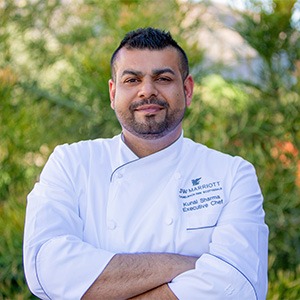
JW Marriott Scottsdale Camelback Inn Resort & Spa has promoted Kunal Sharma to executive chef. A Culinary Institute of America graduate and Marriott veteran, Sharma has built his career at Ritz-Carlton properties in Florida and Grand Cayman, rising from cook to chef de cuisine. Joining Camelback Inn in 2022 as executive sous chef, he refreshed menus across signature restaurants and outlets. Known for his innovative culinary vision, Sharma now leads the resort’s culinary program, curating memorable dining experiences for guests.

Matt Karow

Matt Karow

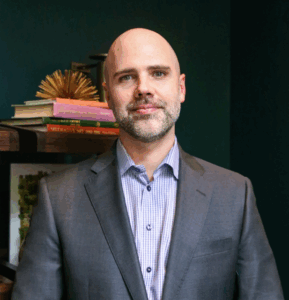
Hotel Heron, part of Aparium Hotel Group in Alexandria, Virginia, has named Matt Karow as general manager. With over 20 years of hospitality experience, Karow’s career spans Hyatt Regency, Highgate and multiple Autograph Collection hotels. He previously served as opening general manager of Hyatt Centric Old Town Alexandria and most recently led properties in Florida.

At Hotel Heron, Karow will oversee operations, team development and strategic initiatives while enhancing the hotel’s boutique appeal and dynamic community-driven guest programming.

Juan Quiroz & Yohsy Hernandez

Juan Quiroz and Chef Yohsy
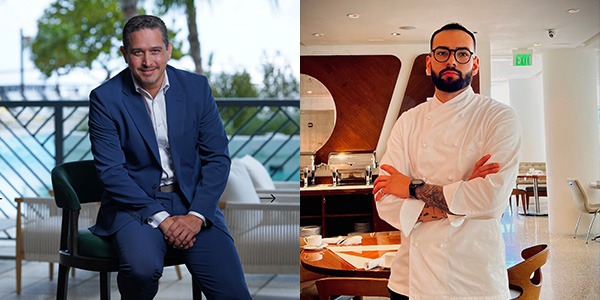
Juan Quiroz (left) and Yohsy Hernandez (right)

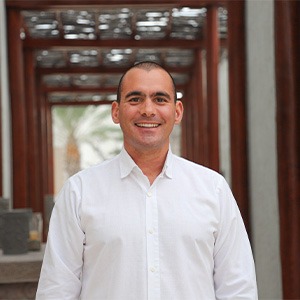
Novotel Miami Brickell has expanded its executive team, appointing Juan Quiroz as director of sales and marketing and Chef Yohsy Hernandez as executive chef. Quiroz brings over two decades of experience with Marriott, Hilton, Accor and independent hotels, driving revenue growth and guest satisfaction throughout the Americas.

Chef Yohsy is passionate about culinary innovation, local sourcing and making gourmet cuisine approachable. Together, they aim to elevate Novotel Miami’s guest experience through creative sales strategies and inspired culinary offerings.

 Marshneil Bharadwaj

Marshneil Bharadwaj

Andaz 5th Avenue has appointed Marshneil Bharadwaj as general manager. A Hyatt veteran with nearly 20 years of global experience, her career spans roles in India, Dubai, the Bahamas and New York. She joined Hyatt’s lifestyle portfolio in 2022, most recently serving as general manager at Gild Hall, Thompson Hotel.

Known for people-first leadership, Bharadwaj will oversee operations and strategic growth while shaping immersive guest experiences. Her vision emphasizes individuality, local partnerships and cultural authenticity at the flagship midtown property.