Are you trying to shrink your event’s carbon footprint? A new tool could help measure and prioritize sustainability efforts at meetings. Last week, BCD Travel introduced an emissions calculator designed specifically for the meetings industry.
The sustainability tool builds on Gate4, an ISO-certified carbon reporting method developed last year by Advito, a subsidiary of BCD Travel. The new tool will be rolled out through the company’s corporate meetings consulting arm, BCD Meetings & Event and could help meeting professionals reach ambitious greenhouse gas (GHG) emission reduction targets by 2050.
How does it work?
GATE4 represents air, hotel, rail and car business travel, and takes into account a variety of factors–size, distance and type of travel, even menu–to report accurate carbon numbers. “We developed our M&E calculator to ensure clients are getting a true picture of their footprint. The ISO certification means that the emissions figures can be included in annual financial reporting as recognized carbon calculators and that the methodologies are accurate, robust and compliant with internationally recognized GHG measurement and reporting standards,” said Advito Sustainable Collaboration Practice Lead, Julien Etchanchu, in a press release.
Meeting professionals answer questions about location, number of participants, mode of transportation and event format and the calculator will reveal the overall emissions and emissions per attendee. This will aid meeting professionals in making more eco-friendly and informed decisions about where they are hosting their event, how many people they are inviting, the types of food provided and more to stay green without heavily raising the budget.
BCD M&E recently released its 2022 Sustainability Guide for Meetings and Events that dives into sustainability in the meetings and events industry and explains why the emissions calculator is such a useful tool. The guide focuses on carbon dioxide emissions, food and waste, along with paper and plastic.
It is packed with crucial statistics such as how 8%-11% of global emissions are caused by travel and 30%-40% of the food supply in the United States is wasted. The emissions calculator is meant to rectify some of those statistics by showcasing what decisions have the highest impact on carbon emissions.
To survive pandemic-related disruptions in the midst of a turbulent economy, associations have to incorporate constructive feedback from stakeholders about the quality of their meetings product. Securing constructive feedback is critical in determining which aspects of your event programming is working and which ones are not.
Yet, many association leaders fail in engaging stakeholders effectively due to reluctance to incorporate and act on feedback in their meeting planning. This results in communication gaps between executives and members.
To address these problems, leaders need to adopt best practices of getting constructive feedback from stakeholders. These practices are a product of insight obtained from both external research and interactions with senior organizational leaders.
Why You Should Seek Stakeholder Constructive Feedback
Learning to incorporate constructive feedback is vital for building a trusting relationship with stakeholders. It provides you valuable insight into how they view and make decisions.
Recently, I met Alisha, my consulting firm’s client, who is the head of membership engagement at a professional manufacturing association. Alisha shared how communication gaps between the organization’s executives and its key stakeholders around meetings had strained their mutual relationship. Realizing the seriousness of the situation, the association requested an in-depth, neutral, third-party investigation into the opinions of its members and the quality of outreach to them around meetings.
Alisha approached me for advice. She realized that to work effectively as head of membership engagement, she needed to learn the best ways to infer the truth about the stakeholders, their opinions, and the quality of the organization’s outreach.
Mental Blind Spots Thwart Progress
Obtaining accurate feedback is key to stakeholder engagement. It ensures that you have a clear picture of what’s working—and what’s not. Our inclination to avoid information that opposes our beliefs due to confirmation bias is very dangerous for our modern-day organizations. This behavior stems from our evolutionary history, when it was more important to align our perceptions of reality with our tribe than to determine the truth.
Constructive feedback allows leaders to identify the perceptions of the stakeholder accurately, rather than what we would want it to be. I explained to Alisha that perceptions and reality matter equally in stakeholder engagement. Thus, leaders must learn about these filters to effectively engage stakeholders. Naturally, getting constructive feedback is a great way to achieve this goal.
Unfortunately, we often believe that we know our stakeholders well enough to fully understand their requirements and thus fail to seek their input about essential matters.
This dangerous judgment error, termed the false consensus effect, causes us to mistakenly believe that others share our beliefs. It is one of many dangerous judgment errors called cognitive biases. Fortunately, recent research has shown effective and pragmatic strategies to defeat these dangerous judgment errors, such as by constraining our choices by focusing on the top available options. By doing so, we can improve our stakeholder engagement.
Members often suggest changes to meetings that make executives uncomfortable. That can result in leaders falling for the status quo bias, a desire to maintain what they see as the right way of doing things.
We have a natural tendency to avoid accepting information that counters our beliefs. This is another dangerous cognitive bias called the confirmation bias.
How to Solicit Quality Feedback
There are several ways to obtain constructive feedback. The easiest is active feedback. This means asking targeted questions to yield precise answers.
We can also apply social intelligence to get passive feedback from the stakeholders by analyzing their behavior, words and actions. Social intelligence refers to the strategic capacity to evaluate and influence other people’s emotions and relationships. Research in cognitive neuroscience shows that it is our emotions, not thoughts which determine the majority of our behavior.
I shared the following methods with Alisha to help her receive quality stakeholder feedback from during their outreach assessment meeting.
Getting Active Feedback
Ask how they feel about what you’re saying to explore their emotions on the topic.
Ask them what they think about what you’re saying. This gives you an insight into their beliefs about the topic.
Ask how well their experience aligns with what you’re saying. Learning about their personal experiences provides insight into the influences behind their perceptions.
Formulate other topic specific questions. Each kind of question about feedback will help you understand their filters.
Alisha decided to arrange a focus group with stakeholders—her members—to explore meeting policy in our brave new world. The meeting atmosphere was initially tense. However, the mood lifted as members were actively asked questions and realized that she was sincere about understanding them.
Eventually, members started to express their opinions on recent decisions. Alisha was able to address their reservations by offering reasonable explanations for each point.
Getting Passive Feedback
You can also learn about stakeholders indirectly through passive feedback.
Give them time to absorb what you’re saying. Offering sufficient room for response allows them to express themselves comfortably, giving you an understanding of their filters.
Observe their communication with others about what you’re saying. This intercommunication is an insight into their perceptions.
Observe comments on social media, blogs, and other public interactions. This offers you an unguarded understanding of their personal filters.
Acknowledge feedback and adjust your actions accordingly. Gradually, this feedback will help you understand your stakeholders and improve your stakeholder engagement.
Three months after her consultation, Alisha shared great news. She told me how the association implemented my suggestions and noticed a significant improvement in their stakeholder engagement and in meeting attendance. By bridging the communication gaps, the C-suite found it much easier to reach amicable compromises on points of contention.
Conclusion
Leaders often fall prey to cognitive biases that prevent them from incorporating feedback from stakeholders. The best way to ensure that you stay on the same page as your stakeholders is to obtain regular constructive feedback. You can achieve this by proactively applying best practices for seeking active and passive feedback. By doing so, you will be able to bridge communication gaps and improve stakeholder engagement.
—
Dr. Gleb Tsipursky helps association and meeting industry executives drive collaboration, innovation and retention in hybrid work. He serves as CEO of the boutique future-of-work consultancy Disaster Avoidance Experts.
Editor’s note: This Week in Travel (TWT) is your essential guide to smoothing the road from here to there for your attendees and yourself.
Editor’s note: Updated 8/18/22, to include news of CDC overhaul.
CDC Overhaul
On August 17, CDC Director Dr. Rochelle Walensky announced to staff that the organization would be re-organizing and re-staffing so that it can respond more rapidly to public health emergencies.
“This is our watershed moment. We must pivot,” she said in statements made internally and initially reported by The New York Times, Reuters and other news sources.
Walensky said a “reset” would create “a new public health action-oriented culture at CDC that emphasizes accountability, collaboration, communication and timeliness,” according to a statement.
“To be frank, we are responsible for some pretty dramatic, pretty public mistakes, from testing to data to communications,” she said in a video distributed to selected media sites.
The organization has come under fire for slow responses to crises like the rise of Monkeypox and for conflicting recommendations during the Covid pandemic.
AmEx Global Travel Financials Show Strong Business Travel Recovery
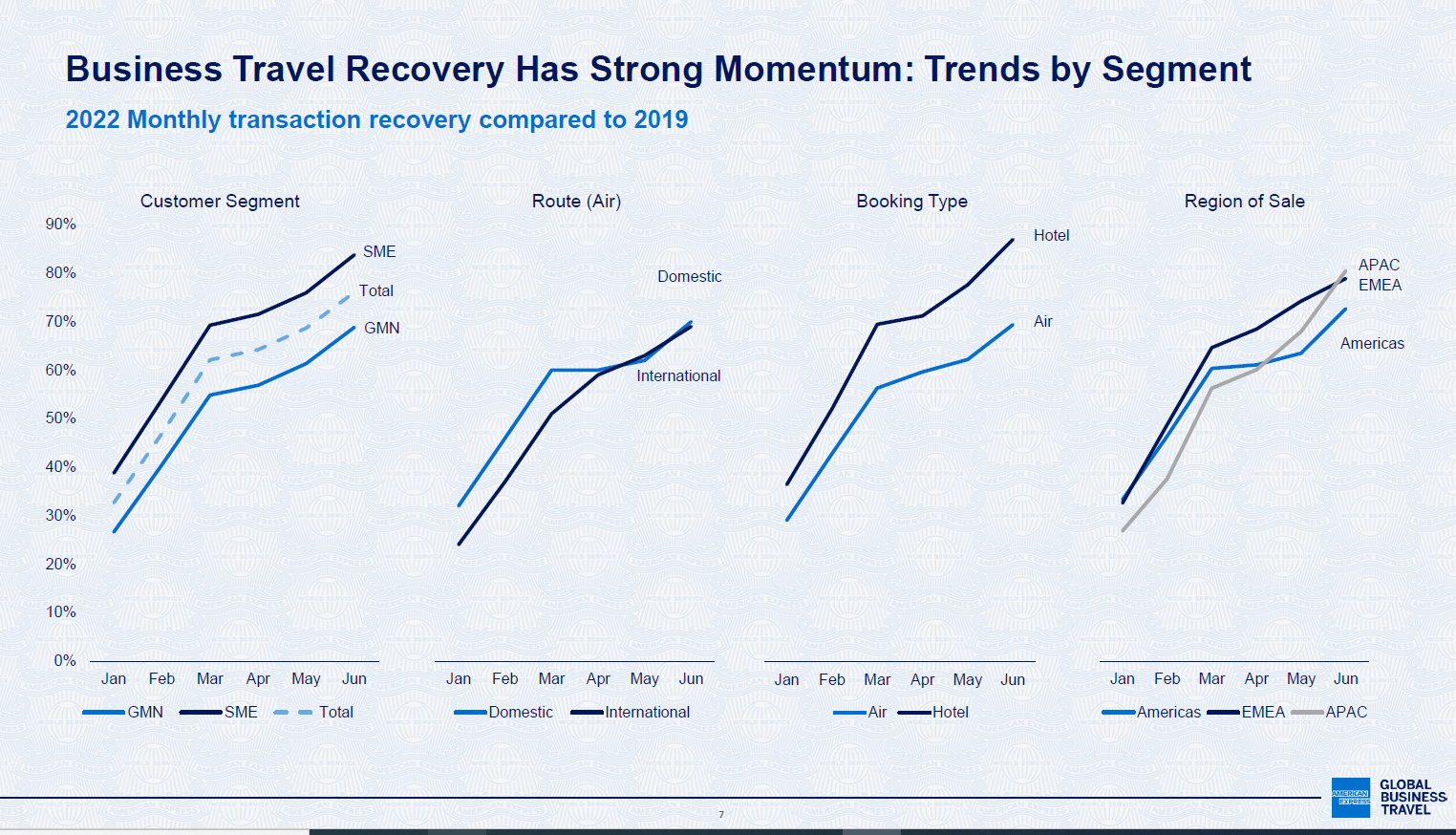
In a public report on second quarter financials, American Express (AmEx) Global Travel has cited a strong and sustained recovery in business travel in both hotels and airline sectors as a driver in the company’s gains.
“Business travel transactions continued to recover in the quarter, reaching 76% of 2019 pro forma levels in June, and I’m pleased to say we reported positive Adjusted EBITDA of $47 million,” said CEO Paul Abbott on the public presentation.
“Our positive Adjusted EBITDA result was driven by the strong business travel recovery and continued cost discipline across the business. The transaction recovery for the second quarter reached 69% of 2019 pro forma levels, and the revenue recovery reached 65%…The continued strength in the recovery of business travel and our share gains give us the confidence to raise our full-year 2022 revenue guidance to a range of $1.8 billion to $1.85 billion and raise our full-year Adjusted EBITDA guidance to a range of $90 million to $100 million.”
Abbott said that the first quarter was impacted by the Omicron wave but that business travel recovery “has demonstrated very strong momentum…and we have continued to see strong demand through the quarter despite supply constraints and macroeconomic conditions.”
In a deep dive into business travel recovery, Abbott said on the presentation that recovery trends continue to reflect companies returning to travel and the easing of Covid-related travel restrictions around the world, as well as AmEx Global Travel’s continued share gains.
He shared that “the sharp rise in the return of business travel” has even led the company to step up recruitment efforts and said that reports from “the GDS’s and the major U.S. airlines” shows that in the second quarter of 2022, “the demand for business travel is very strong.”
“What Inflation?” Say Travelers
Travelers planning both business and leisure trips are discounting inflation as a reason to cancel planned trips, says the Summer 2022 Traveler Safety and Sentiment Survey.
According to the survey 79% of travelers surveyed said that inflation would not cause them to cancel their plans. Over a fifth of those surveyed (21%) said they would spend more time and money on trips to make up for lockdown cancellations.
Airline staff shortage effects are also reported as having minimal impact with 58% claiming they have not been affected by them.
Budget Workarounds
Travelers are adjusting to inflation and higher travel costs in a variety of ways. A fifth (20%) of respondents reported they changed an international trip and replaced it with a less expensive trip. Among domestic travelers, more than a quarter (28%) changed a domestic trip and replaced it with a less expensive one.
Twenty-one percent say they will travel for fewer days and 19% plan to fly on less expensive tickets. Fifteen percent report they will stay at less costly lodging while 12% will eat out less or at less expensive restaurants. Six percent are greatly reducing or not buying souvenirs or gifts during their trip and 3% will skip buying travel insurance.
“Travelers are sending a clear message. They are eager to regain their family vacations, adventure travels and business trips. By overwhelming margins, they are pressing forward with international and domestic travel despite rising costs and airline staff shortages. They are confident they’ll be able to travel and return home,” said Dan Richards, CEO of Global Rescue and a member of the U.S. Travel and Tourism Advisory Board at the U.S. Department of Commerce.
New Tool for EDI Unveiled
Destinations International has unveiled a new tool for destination organizations to “understand how EDI (equity, diversity and inclusion) has been incorporated into operational practices as a basis to improve and integrate performance.”
Destinations International said in a release that the tool was first announced at the association’s 2022 annual convention in Toronto.
The EDI Assessment Tool is a resource for destination organization members of Destinations International to create intentional EDI goals and track progress in the workplace and the community through data-driven metrics. Destinations can use the tool to assess workplace dynamics, operations and policies, vendor selection, community engagement, and accessibility-related strategies.
“Many destination organizations recognize the value of incorporating EDI principles into their brand, but it is often hard to know where to start,” said Don Welsh, president and CEO of Destinations International. “This tool will set standard metrics across the industry for our members to keep track of progress being made in the areas of EDI.”
The tool will create awareness and discussion about how to develop and implement intentional EDI strategies for destination organizations of all budget sizes around the globe. It will also provide members with the capability to filter their results by comparable budget size, geography, tourism asset, and more.
“We have recognized the need for authentic EDI initiatives in our industry and have discussed the need for accountability through measurement and metrics,” said Sophia Hyder Hock, chief diversity officer at Destinations International. “This assessment will provide our destination members with the ability to have a baseline understanding about EDI initiatives as it relates to their workplace, policies and operations, vendors, community, and accessibility plans. We are grateful for the partnership with the National Coalition of Black Meeting Professionals (NCBMP) which sparked the idea to create this groundbreaking tool for our industry.”
For more information go to Destination International’s sign-up page.
Canadian Association of Tour Operators (CATO) recently publicized a partnership with Tourism Cares, a non-profit organization focused on sustainability in travel and tourism. Partnerships like this will help meeting professionals, as the entire industry gravitates towards more sustainable travel.
CATO represents tour operators who create and sell vacation packages through arrangements with hotels, airlines, sightseeing tours and more. CATO’s members include Air Canada Vacations, Goway Travel, Insight Vacations and Travel Corporation, demonstrating the large impact this partnership will have on the travel industry.
“At CATO, we strongly support the efforts of Tourism Cares to advance the travel industry’s social and environmental impact to help people and places thrive. We know there is strength in partnership, and we must unite to create positive contributions towards responsible, sustainable travel,” said CATO Chairman Brett Walker in a press release. “This partnership with Tourism Cares is a natural extension of the causes we support and look forward to the impact we will collectively make in the tourism industry.”
Tourism Cares has been focused on making travel a force for good for around 20 years. In addition to their new partnership with CATO, they have partnered with AFAR, Colette, Travel Weekly, Expedia Group, AAA Travel, Travel Insurance Advisors and more to help educate and ensure the long-term survival of travel and tourism.
“Tourism Cares provides a community and resources to ensure that travel is a force for good, and events such as the Summit in Victoria provide an opportunity to collaborate with our peers,” said Emma Cottis, General Manager of Business Systems for Goway, a long-time supporter of Tourism Cares, in a press release.
At the end of September, Tourism Cares is hosting a summit in Victoria, British Columbia, where travel and tourism professionals can network with nonprofits, learn more about how to add sustainable practices to their businesses and attend education sessions focused on meaningful travel.
The UN World Tourism Organization defines sustainable tourism as “tourism that takes full account of its current and future economic, social and environmental impacts, addressing the needs of visitors, the industry, the environment and host communities”. As tour operators are encouraging travelers to make certain decisions when traveling, whether that be a certain hotel to stay at or a restaurant to eat at, they have a lot of power to encourage people to make sustainable choices. Operators can promote activities in nature and choose eco-friendly hotels. They can also help to educate their customers on the culture of the place they are visiting and encourage them to eat at locally owned restaurants to help the profit stay within that community.
While meeting professionals can be more sustainable travelers by taking direct flights, minimizing use of transportation when they get to their destination and walking more, companies like Tourism Cares help tremendously to reduce carbon emissions by educating a wide range of people on how to enjoy travel—sustainably.
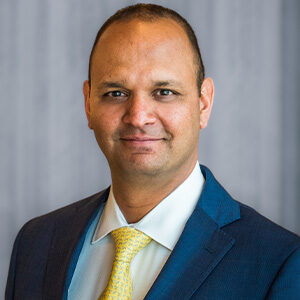
Conrad New York Downtown in Lower Manhattan named Dadhich general manager. He comes from Waldorf Astoria Las Vegas, where he worked as general manager and was named Hilton Americas’ 2021 General Manager of the Year Award. Dadhich also worked as general manager for Conrad Fort Lauderdale Beach in Florida, the first Conrad property in the continental United States.
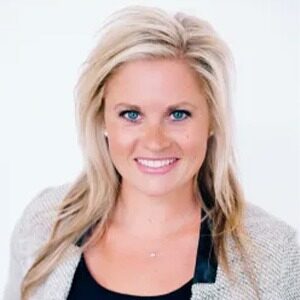
Angela Kisskeys
Kisskeys has been promoted to president of Associations North, a nonprofit association organization based in the upper Midwest United States. Kisskeys has worked with the organization since 2007, when she joined as office administrator. She was later promoted to marketing and communications manager in 2010, and later, co-director in 2017.
Joe Gallo
Gallo is president of Main Street Hospitality, a hospitality group with a portfolio of eight properties in the Northeast. Gallo comes to his new position with 30 years of financial and management experience. Most recently working as managing director in the global investment bank at Citigroup, having worked with numerous hospitality companies, including Marriott International, Hilton Hotels, Starwood Hotels and Resorts, and more.
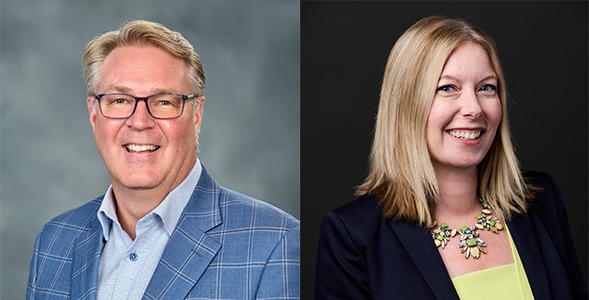
Sean McCarron and Jill Yurko
McCarron is general manager and Yurko is director of sales and marketing for Conrad Orlando, slated to open summer 2023.
McCarron comes from Waldorf Astoria Orlando, where he worked as general manager. During his tenure there, the property received accolades from Forbes Travel Guide, TripAdvisor, AAA and more. He’s also worked in several managerial and directorial roles, including hotel manager at Four Seasons Las Vegas and Four Seasons Baltimore, and director of food and beverage at Four Seasons properties in Chicago and Boston.
Most recently, Yurko worked as assistant director of sales for Signia by Hilton Orlando Bonnet Creek and Waldorf Astoria Orlando. She has also held the role of senior sales manager for Walt Disney World Swan and Dolphin. Before taking on these Florida-based positions, Yurko worked as convention sales manager for Hilton Atlanta and sales manager at InterContinental Buckhead Atlanta.
Cliff Brutus
After working with The Ritz-Carlton, St. Thomas in the U.S. Virgin Islands, Brutus is now director of sales and marketing for Dorado Beach, a Ritz-Carlton Reserve in Puerto Rico. Brutus is a board member for US Virgin Island Hotel & Tourism Association, a role he’s held since 2015.
Tyler Landers
Landers is regional director of leisure sales for The Hythe, a Luxury Collection Resort, Vail and Hotel Clio, a Luxury Collection Hotel, Denver Cherry Creek, where he’ll be responsible for the development of both leisure and business travel markets for the properties. Before joining these two properties, Landers held leadership positions at leading positions with Stein Collection in Park City, Utah, where he worked as associate director of sales, and Madeline Hotel & Residences in Mountain Village, Colorado, where he was social sales/on-site reservations manager.
Jayne Aston
Aston is general manager of the San Diego-based Bahia Resort Hotel. Most recently, she was director of operations for Hyatt Regency Hill Country Resort and Spa in San Antonio, Texas. No stranger to the Greater San Diego area, Aston also worked as director of operations at Hyatt Regency La Jolla, as well as director of food and beverage before that.
Christina Combs
Combs is senior sales manager for Dayton Convention Center in Ohio. Combs previously worked with Dayton Convention & Visitors Bureau, where she worked as senior sales manager. She has also worked with Marriott at the University of Dayton as sales manager.
Cody Worden
Worden has been appointed director of sales and marketing for Grand Hyatt Vail in Colorado, making this his third stint with a mountain resort. Worden has over 23 years of experience as a sales professional.
Shaun DiGiovacchino
Associated Luxury Hotels International (AHLI) named DiGiovacchino director of sales for the Mid-Atlantic region. Before joining ALHI, leadership roles she’s held includes such as senior sales manager with Salamander Resort and Spa in Middleburg, Virginia, and Hotel Nikko in San Francisco as director of national accounts for the East Coast, her most recent position.
Now that events are going back to in person, how can meeting professionals deliver the same level of detailed success metrics to the executive team about the range of value delivered on the investment?
Two veteran meeting designers joined Smart Chat Live! Webinar to share their handy framework for putting competing goals in perspective and utilizing Key Performance Indicators (KPIs). Spoiler alert: It starts with understanding the purpose of the event and getting everyone to align behind that.
Megan Finnell is director of meetings and conferences for Medical Group Management Association (MGMA) and Timothy Simpson is brand and engagement chief strategist with Design Studio by Maritz Global Events. In a special webinar discussion hosted by Smart Meetings, Finnell and Simpson explained the importance of defining your event, how to measure Key performance Indicators (KPIs), and how meeting professionals can work with senior leaders to maximize event potential.
Two Sides of the Same Coin
Simpson compared an event to a coin, which has two sides. On one side is the perspective of the board or C-suite, senior leaders, who have influence over budget and key decisions. On the other side of the coin is the perception of your communities, audience and guests you’re looking to engage. The meeting professional’s job is to bridge the gap between the two contrasting sides.
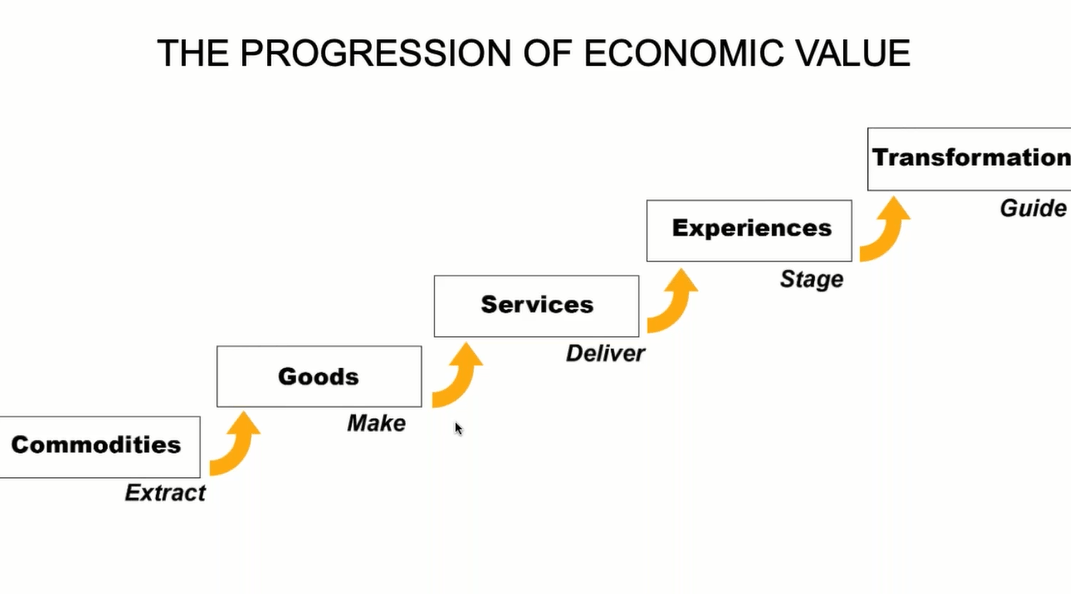
Simpson explained the progression of economic value from the bottom of the food change to the top.
In the creating of things, businesses that take commodities and make goods add and receive more value. The next progression is a company that delivers a service and finally it progresses to a company that creates a full experience. “More value gets unlocked as you move up the ladder,” said Simpson.
A Framework for Collaboration
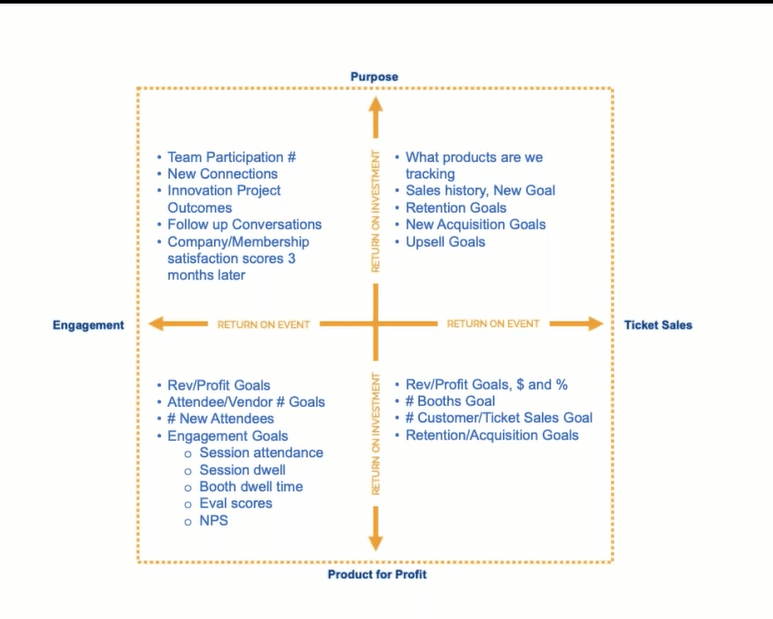
“If you don’t have a clear purpose from your organization, why you’re doing this event, you can never prove value,” says Finnell. Her approach to get all departments in her medical association executive team on the same page is to use an event business model framework. Going through the exercise forces the team to define the event, project the revenue expected and agree on the KPIs that will be used to measure the success of the event.
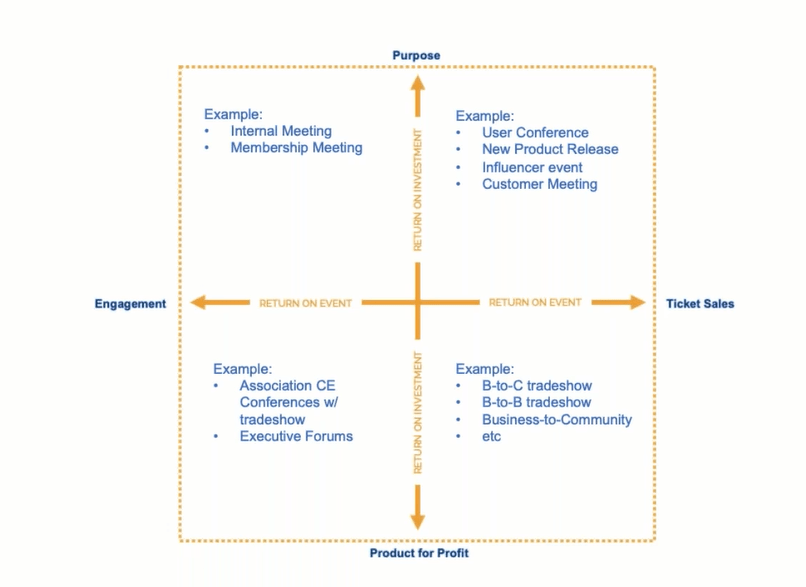
The event business model framework is a grid with the top being “purpose”, bottom being “product for profit”, left being” engagement” and right being “ticket sales.”
Different types of events–trade shows, annual training, product launches/user events and awards galas–fit in different quadrants based on where they fall on the purpose/profit, engagement/revenue spectrum.
For example, an event focused on engagement with a strong purpose, is likely going to have $0 revenue directly from the event as they are prioritizing different goals. On the other hand, an event focused on ticket sales and product for profit, makes the most revenue from an event, but may or may not engender as much good will. Agreeing on where the event lands will determine the KPIs that will be measured and how you will make budget decisions and report results to improve the experience in future years. “Once you know clearly what is the purpose of my event, and why am I doing it, and what’s the return on investment and return on event my company is looking for, then you can track your KPIs directly to it, and track it, and then prove your value very easily,” said Finnell.
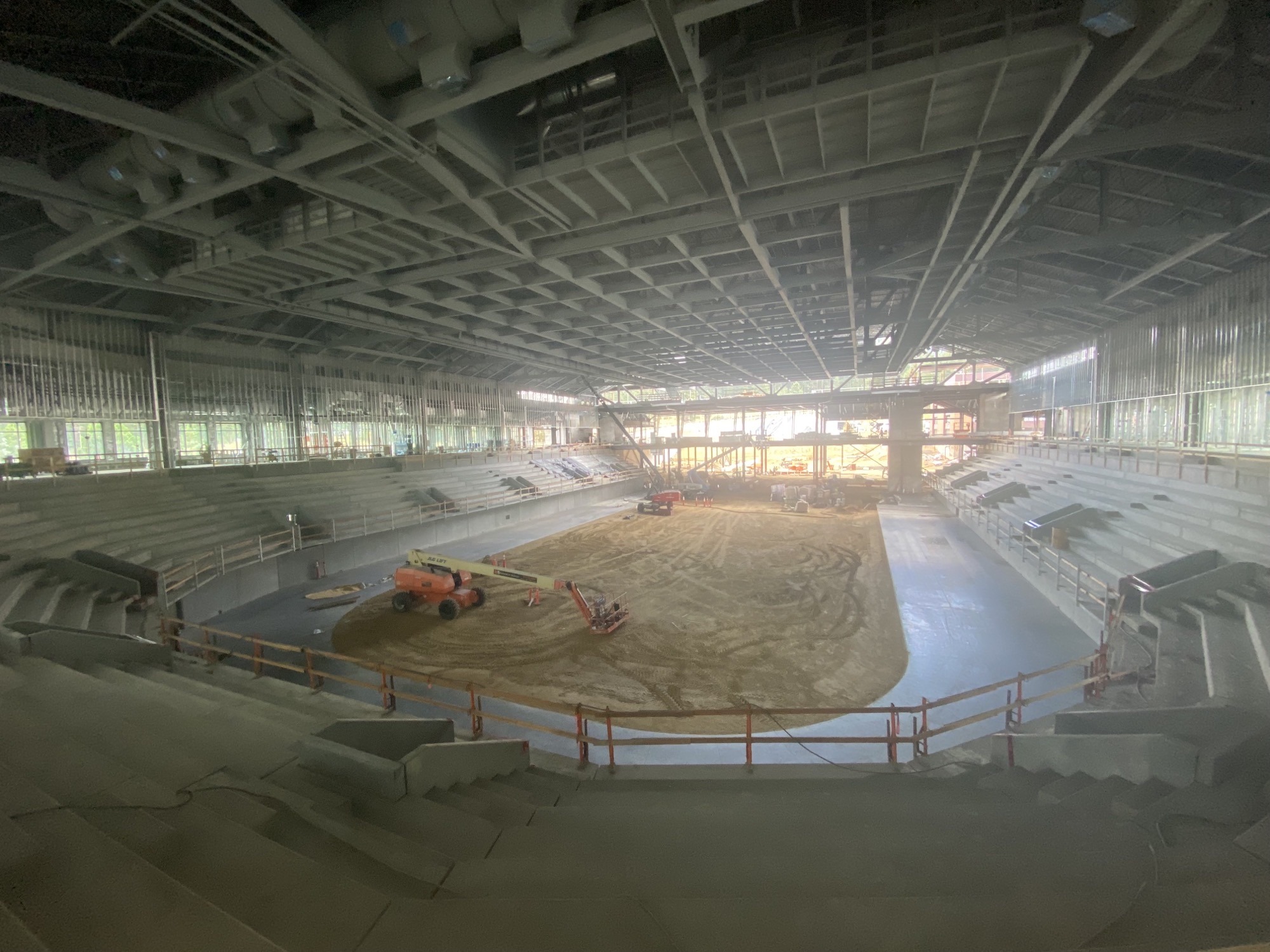
The summer of 2023 will herald a new era of meetings in South Lake Tahoe with the arrival of the over $100-million Tahoe South Events Center. The site of the events center, currently under construction at Stateline, Nevada, is conveniently located near major hotels and casinos including Harveys Lake Tahoe, Harrah’s Lake Tahoe and others. The events center’s projected date of completion is July 6, 2023.
Once complete, the events center will offer meeting profs access to a 27,000 sq. ft. main event floor and 10,000 sq. ft. of versatile outdoor space, which can be used for any kind of outdoor event including banquets and cocktail receptions, says Project General Manager Kevin Buryczki of OVG360. “However you want it set up—we can set it,” he says.
The new events center will also include eight meeting rooms, consisting of an additional 15,000 sq. ft. and will include five meeting rooms and three smaller breakout rooms for board meetings and smaller groups.
Once complete, the main arena floor will offer 27,000 sq. ft. of meeting space.
The 27,000-square-foot main event floor will feature a half-house curtain that will allow planners the flexibility to break up the massive space into any configuration they require using a grid along the entire floor “so it doesn’t have to be strictly a half-house…if the general session area needs to be a little smaller than the main exhibit, we can move it and customize however you need,” Buryczyki says.
And that versatility is also applied to the additional breakout meeting spaces. Of the five main meeting rooms, two are separated by permanent walls, with the option to separate the middle three using airwalls or utilize the space as one large meeting room.
Large concourses wrap around the event-level floor which can be used as registration areas or additional exhibit booths.
The main entrance leads directly to main arena floor, “but depending on how planners want to set up their program will depend on how the attendees will enter,” Gary Wilmes, director of operations at Tahoe South Events Center says. Attendees can enter at the main entrance, which can be formatted as a registration area and welcome area, he continues.
Moving away from the entrance through the concourse-west spanning the length of the center, are the fixtures of two fireplaces, which will provide a cozy meeting area for people to gather in small groups.
Planners will also have the option to use an alternate entrance located near the meeting rooms that will serve conventions and VIPs, allowing attendees to go straight to the breakout or meeting rooms for added convenience.
All-in Luxury Amenities
The events center will quarter two kitchens, fully staffed by a dedicated food and beverage service, giving planners the peace of mind needed to focus on their objectives, while providing attendees with a memorable experience.
“We will have an executive chef and an executive food and beverage team on site so all the food and beverage for the facility will be done in-house by our executive chef,” Wilmes says.
And what makes this amenity at the events center unique is that planners can book the venue, along with food and beverage services through the venue’s sales manager, creating a streamlined process, eliminating the need for planners to book a third-party catering service.
Sustainability Shaped by the Local Community
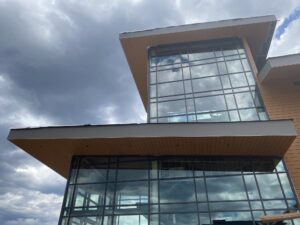
The tower of the Tahoe South Events Center adheres to the local aesthetic.
Designed by Chicago-based Perkins & Will, the Tahoe South Events Center will adhere to the local lodge-style aesthetic with a stone and wood façade, and an angular roof reminiscent of a cabin. Entry pylons, inspired by the structure’s roof, featuring soft downlit reflecting panes, will illuminate the grand walkway leading up to the tower entryway.
Preparing the site for the construction of the event center required thoughtful and careful planning on the part of the developers as the location cut into the side of the hill, displacing large amounts of earth and large boulders that required explosive demolition to remove.
“There’s a lot that went into getting the site ready that we’re still doing,” Wilmes says. “We were thankful and lucky enough that some of the dirt was donated over to Edgewood, for the golf course so instead of us having to take dirt all the way down to the valley, we only had to take it right across the street, so that helped out a little bit as well,” Buryczki added.
Known around the globe as the “Biggest Little City in the World,” Reno, Nevada, offers a high-end experience with unlimited potential that can elevate meetings to new heights. Reno-Tahoe International Airport (RNO) has plenty of lift with connecting flights from over 50 airports nationwide and is located roughly five miles from downtown Reno—making it very accessible and convenient for travelers.
Reno has recently undergone a renaissance with many meeting venues having upgraded their facilities, alongside citywide improvements guaranteed to inspire. In addition, events cost 10-20% less than events hosted at other destinations, according to Don Goodman, executive director of sales with Caesars Entertainment.
Room to Meet
The Novi Room at The Row is a versatile meeting space excellent for both seated events and standing receptions
One example is The Row Reno, home to three venues—Eldorado, Circus Circus Reno and Silver Legacy Resort Casino have created a city within a city and an “operational masterpiece,” Senior Vice President and General Manager of Caesars Entertainment Ken Ostempowski said. Boasting a total of 160,000 sq. ft. of event space and 4,000 guest rooms.
When breakouts are in order, The Row has several private rooms across the property, as well as luxury suites, some with as much as 1,500 sq. ft. of space. The campus is two blocks from the city’s signature 600,000-square-foot Reno-Sparks Convention Center.
Reno is also home to a 56,000-square-foot Reno-Sparks Livestock Event Center, which features two outdoor and two indoor arenas with a seating capacity of 6,200 in the main arena—making it popular for youth and collegiate sporting events.
Known as the “Taj Mahal of Tenpins,” National Bowling Stadium is an ideal space for parties and events and can accommodate up to 4,000 guests across 42,000 sq. ft. of event space and is host to 78 state-of-the-art bowling lanes, making it an ideal space for meeting and team building.
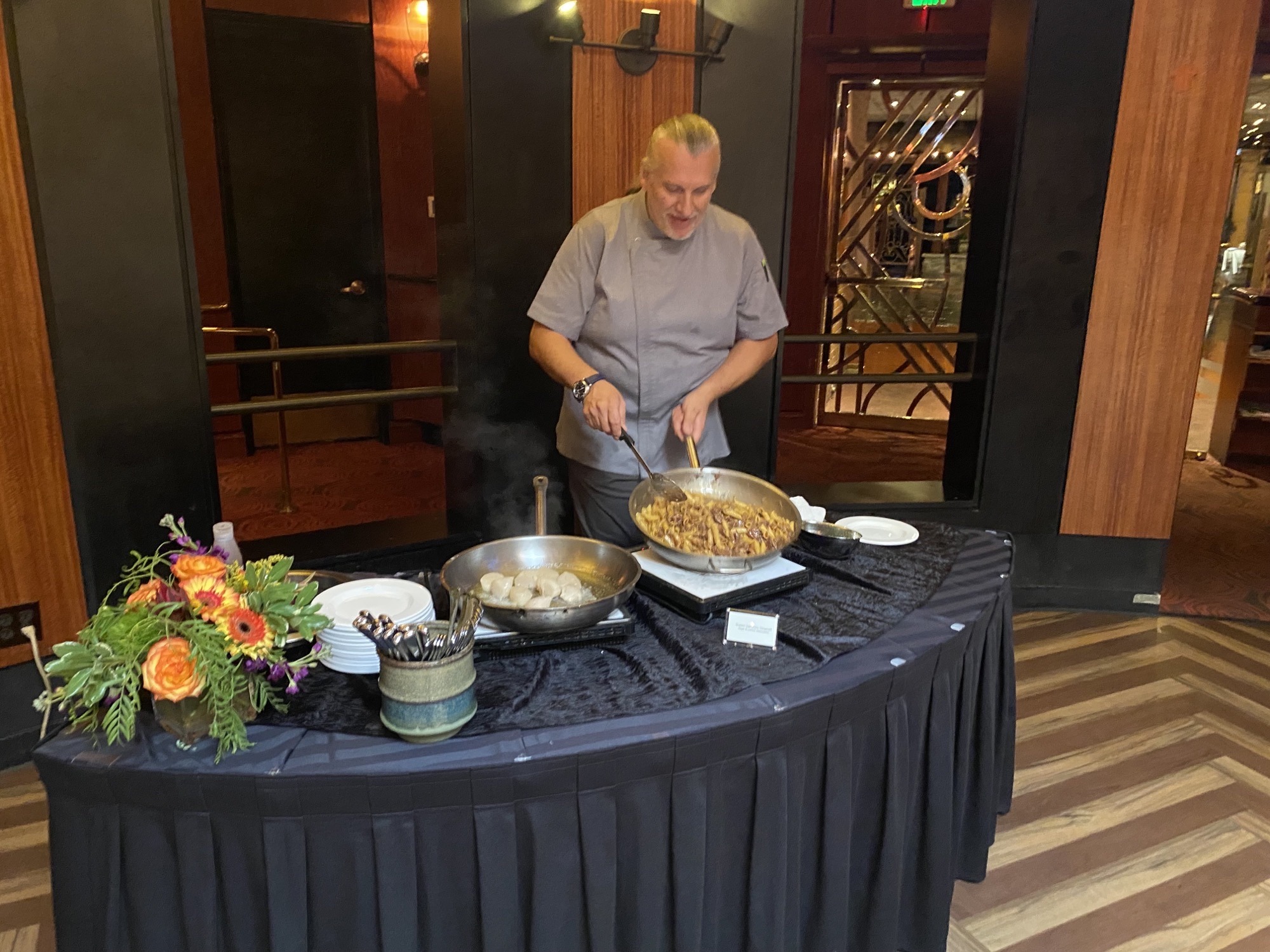
Executive Chef Ivano Centemeri prepares a delicious dish at the Novi Room
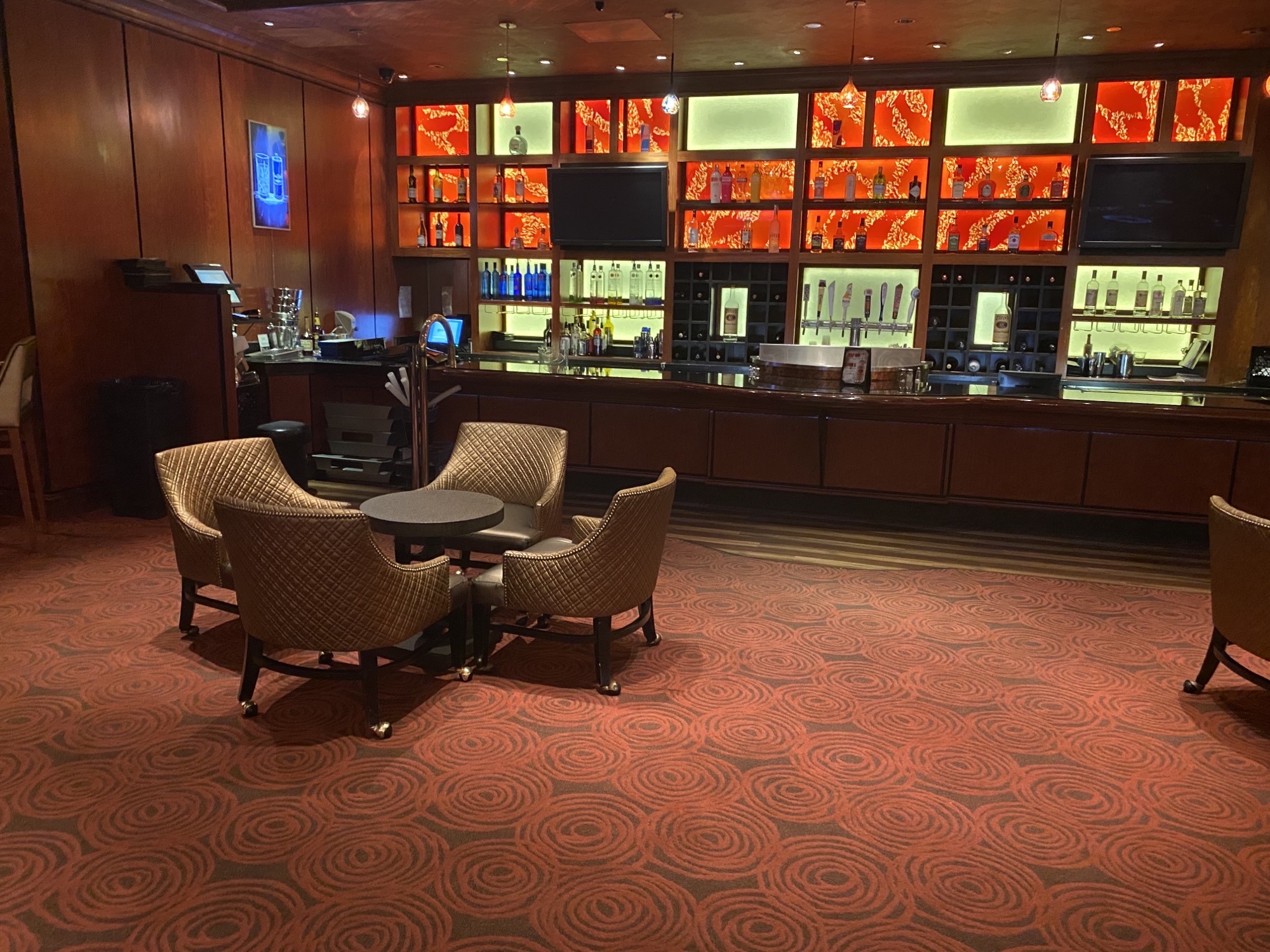
Eldorado at The Row is home to several unique spaces, such as the Novi Room, which doubles as a nightclub drenched in class over the weekends, which can comfortably seat 125-150 attendees or up to 300 people for a standing reception, with two full bars. While Novi Room offers an appealing aesthetic and format, the additional draw comes from the amenities offered such as banquets catered by Executive Chef Ivano Centemeri—representative of Arts Italia and winner of the Food Network’s 2021 best pasta category for his mushroom ravioli, in addition to an astounding menu made from locally-sourced ingredients.
“We can’t afford Frank Sinatra, so we’ll make our food Frank Sinatra,” Ostempowski explained, quoting Don Carano, who founded Eldorado in 1973.
“I was lucky enough to have Don Carano and the Carano family trust me and give the opportunity to grow as a chef and also as a businessperson,” Centemeri said. He added, “The way we welcome people is through our Italian roots and traditions…we are very proud of what we put out, a very high percentage is all made in-house, all the pastas, gelatos and a very large scale of baked goods, we make here.”
Reno Becomes a New Home to Tech and Trendy Neighborhoods
The tech presence in Reno has steadily grown over recent years and has welcomed the offices of Tesla, Google, Panasonic among numerous others, quartered mainly at Reno’s Industrial Park, located only a few miles from The Row.
“We’ve reinvented ourselves over the last 10 years,” Ostempowski said, noting the influx of tech companies to the area. The increased presence of tech companies over the last decade makes Reno more attractive for planners in the tech industry as Reno is only a 45-minute flight from Silicon Valley airports including San Francisco International Airport (SFO), Norman Y. Mineta San Jose International Airport (SJC) and Oakland International Airport (OAK).
Reno’s MidTown District is now one of Nevada’s trendiest areas, offering a wide array of foodie spots, brew pubs and distilleries with a vibrant nightlife, surrounded by a unique aesthetic consisting of a mix of newly renovated buildings and homes across 20 square blocks. “That’s where you’re going to hit your bars, restaurants—you’re going to find bars and restaurants in every direction and unique shopping,” Goodman says.
One popular spot is Death and Taxes, a bar that mixes gothic and chic vibes in in a renovated brick townhouse and takes it “to the next level when it comes to mixology—they have some really awesome drinks there,” according to Caesars’ Goodman.
Natural and Artistic Allure
“Face of Reno” mural by Christina Angelina painted on the garage of Whitney Peak Hotel in Reno, Nevada
Reno offers ample breathing room to curate meetings in any one of the unique spaces available in the area. It boasts access to thought-provoking and entertaining activities that will allow attendees to team build and achieve their goals.
Reno offers a rich artistic culture embedded throughout the community. Tours from Art Spot Reno provide attendees with exposure to the city’s trendy art scene. Guides explain the connection between local art and Nevada history.
Moreover, art walks allow attendees to connect with the local community as many local businesses and artists have partnered together to create public art in the form of murals and sculptures. Attendees will also enjoy exhibits hosted in the Arts District, Metro Gallery, Sierra Arts Gallery, Riverside Hub Gallery, McKinley Arts and Culture Center and West St. Market Gallery.
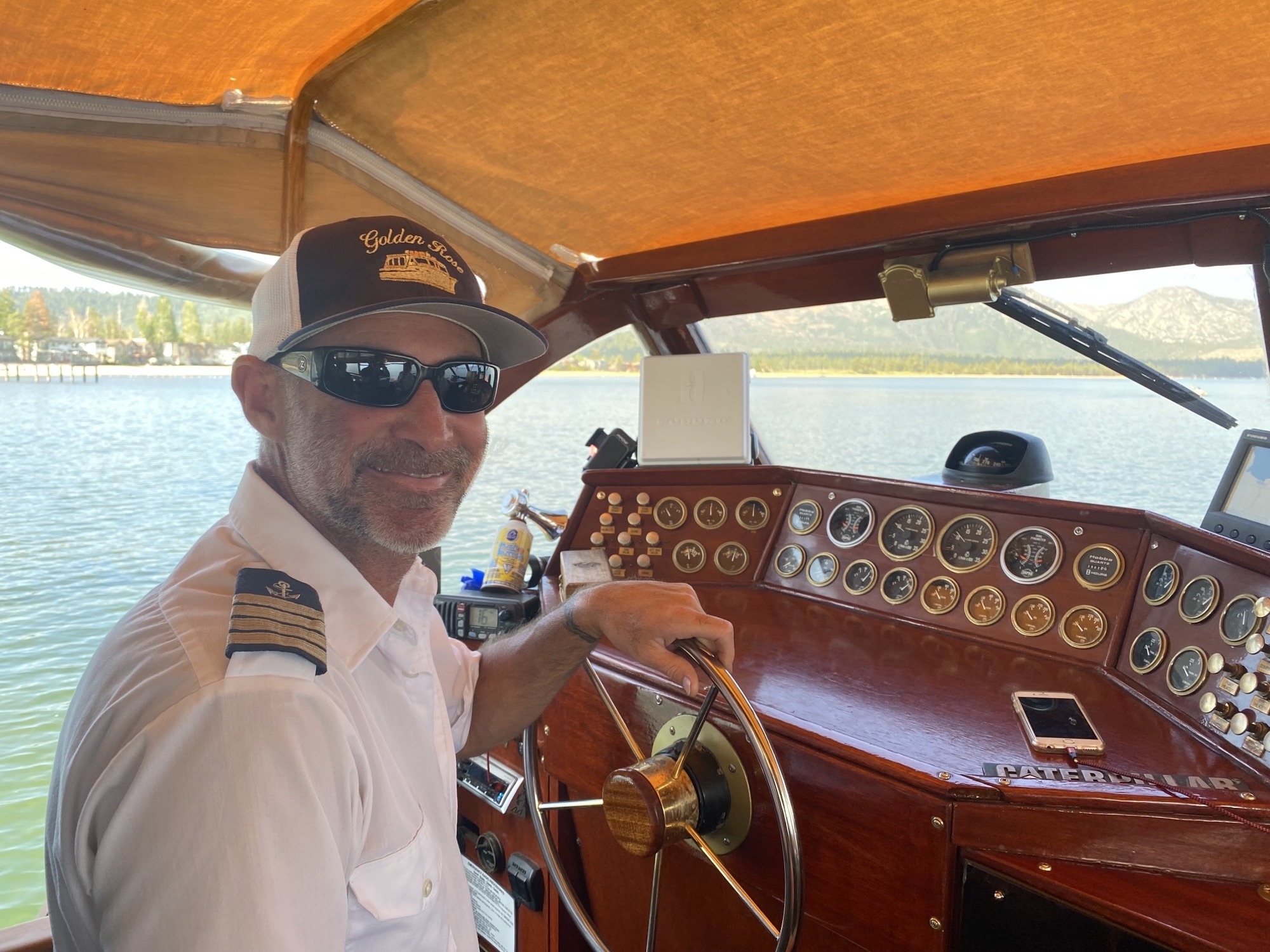
Captain Shane Colquhoun of Tahoe Tastings skippers the 1953 “Golden Rose” Chris Craft Venetian Water Taxi across Lake Tahoe
But perhaps what truly sets Reno apart from other destinations in the state is its proximity to breathtaking experiences available at Lake Tahoe, which can be reached in 45 minutes by car. While Tahoe is known for its winter activities, planners can take advantage of other offerings available year-round and offers huge incentives for attendees.
Team-building activities such as golf, hiking, horseback riding and biking are readily available, in addition to more leisurely group activities, including live performances as part of Lake Tahoe Shakespeare Festival, which recently marked its 50th year of performances on the lake.
Relaxing boat tours on the alpine lake are always popular. Tahoe Tastings, skippered by Captain Shane Colquhoun aboard the 1953 Chris Craft Venetian Water Taxi, sets the scene for networking while tasting some of the finest wines offered by local boutique wineries.
In addition, planners can utilize South Lake Tahoe’s new micro-transit shuttle, Lake Link, which offers free on-demand transportation. Lake Link makes it easier than ever for attendees to get around the South Shore 365 days a year with service offered seven days a week between 7 a.m. and 9 p.m. and until 10 p.m. Saturdays and Sundays.
The Langham, Boston
Downtown’s The Langham, Boston has expanded its meeting and event spaces with the addition of the Wilson Ballroom and Promenade to the historic property. With 312 recently renovated guest rooms, the new spaces allow The Langham to accommodate up to 575 more event guests.
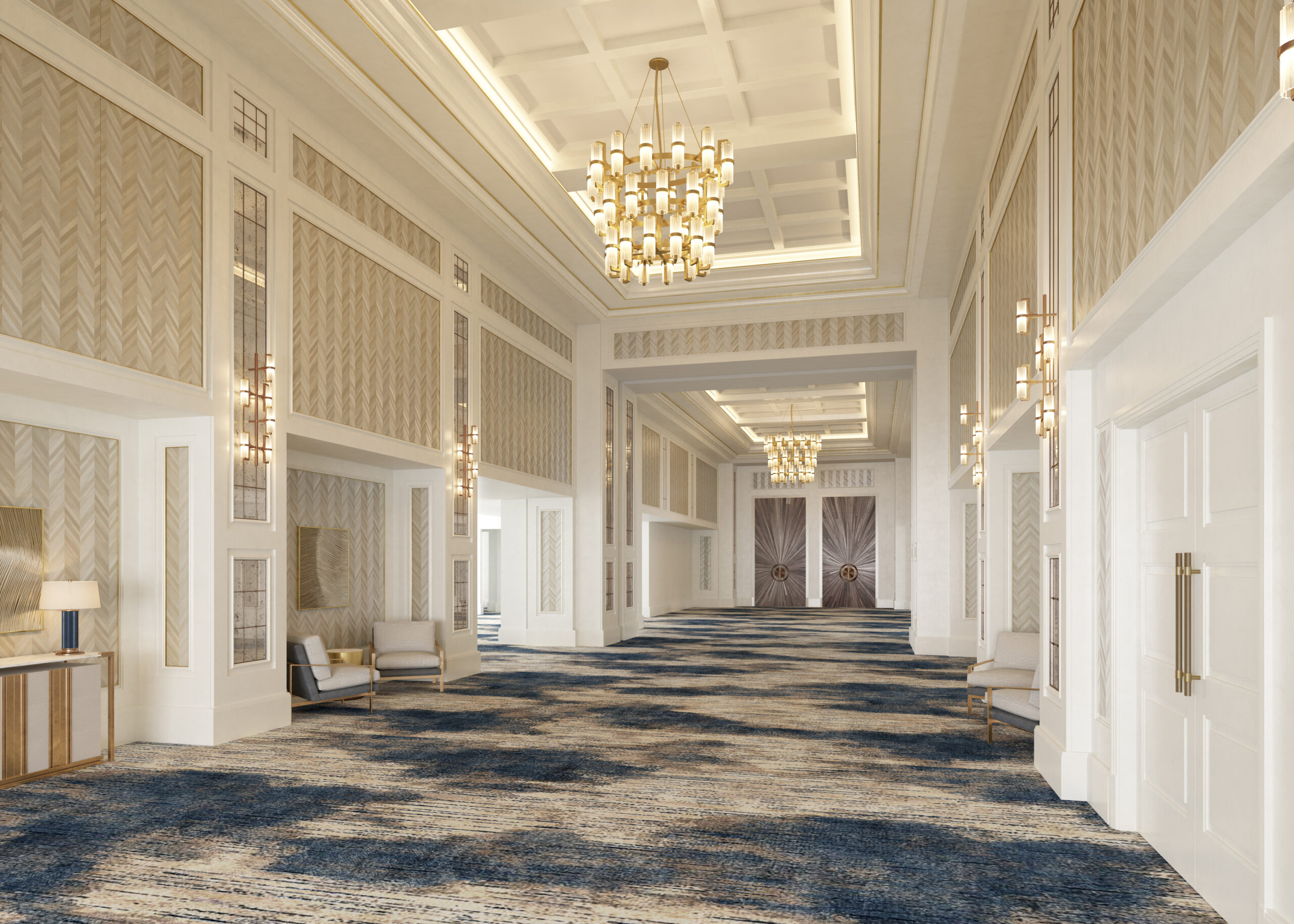
The ballroom and promenade are on the second floor and feature floor-to-ceiling windows with views of Norman B. Leventhal Park. Custom chandeliers and waterfall-style wall lights illuminate the cream and white herringbone design of the walls. This color palette, combined with the blue of the carpet, represents the building’s history as the Federal Reserve Bank of Boston and the nearby harbor.
In between productive meetings, The Langham gives guests several dining options to refuel. The Fed, a British cocktail bar, offers a variety of drinks and elevated pub fare. GRANA features sophisticated Italian food in the Federal Reserve’s former grand hall. In The Langham Club, guests can meet and socialize with a light snack and a drink.
Within walking distance of the property, at Norman B. Leventhal Park, guests can have a coffee at Sip Cafe, housed in a gazebo. Across the street is sweetgreen, a health food takeout restaurant that can accommodate meeting attendees with dietary restrictions. A few blocks east, the Harborwalk trails along the water. Following it north leads to the New England Aquarium, home to a massive glass tank with a multilevel walkway and a cafe with a view of the harbor.
Hyatt Regency Salt Lake City
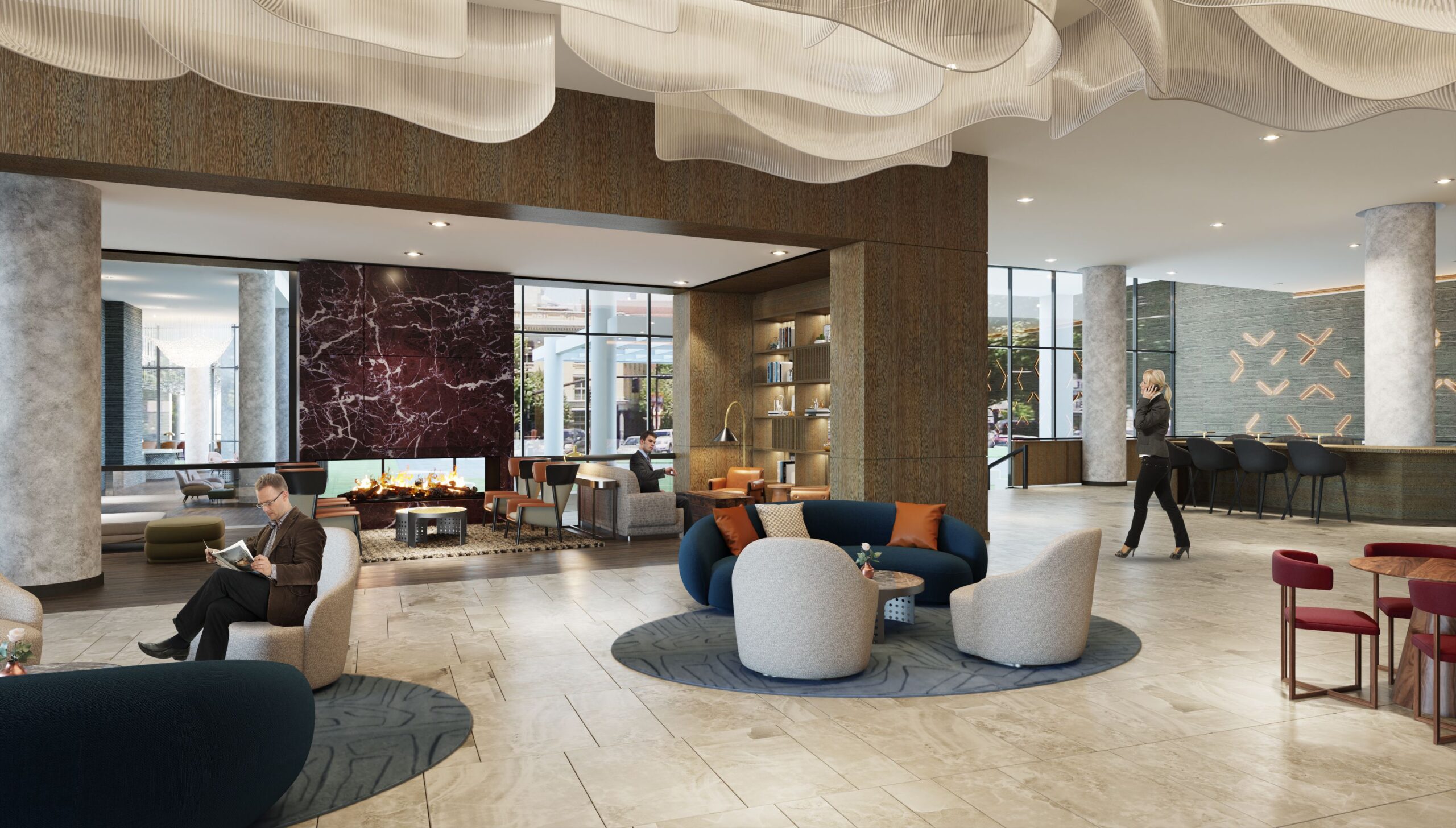
This October, Hyatt Regency Salt Lake City will open next to the Salt Palace Convention Center. It is the first convention hotel in 20 years to come to the city, expecting to draw meeting professionals with its downtown location and local style.
The 25-story building hosts 700 guest rooms and suites. Each has floor-to-ceiling windows with mountain or skyline views that make up the imposing glass facade. Rooms are equipped with modern amenities such as TVs with streaming, Smart Mirror vanities and digital room entry through the World of Hyatt app.
In addition to Salt Palace’s 700,000 sq. ft., Hyatt Regency has 60,000 sq. ft. for meetings and events. Its bigger ballroom and rooftop terrace are among the largest in the city. There is also a smaller secondary ballroom, breakout rooms, pre-function space and a Broadcast Lounge designed for hybrid events.
Restaurants in the hotel give guests several dining options. Contribution, an upscale bar, The Salt Republic, an open-kitchen American bistro and Market, a grab-and-go stop, are all on the ground floor. On the sixth-floor rooftop, Mar | Muntanya, a Spanish specialty restaurant, is among a pool, private cabanas and fire pits. The property is close to bustling Main Street and 9th and 9th, home to a robust local culinary scene. Entertainment is plentiful, with Vivint Arena, Capitol Theatre and nine ski resorts within driving distance.
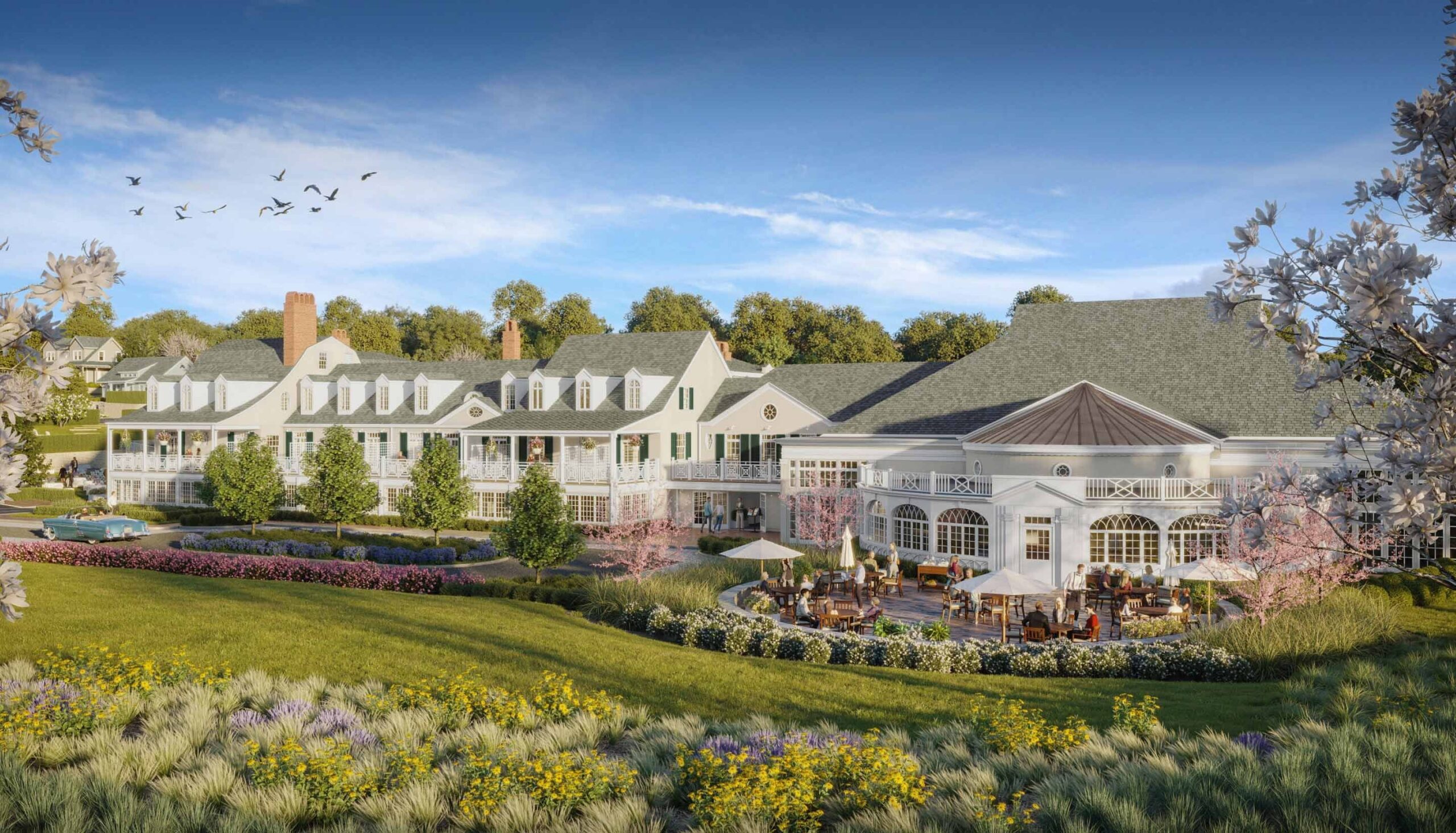
The United States’ oldest inn has received a makeover, reopened as Canoe Place Inn & Cottages this week. The Hampton Bays, New York property has hosted large events for hundreds of years and will continue to do so with a restored inn, cottages, pool and gardens.
The Inn holds 20 suites, four of which can adjoin to create combined spaces for groups or families. Five multi-bedroom cottages come with private outdoor dining and entertainment spaces. The interiors are decorated with custom finishes and furnishings that work together to balance history and modern luxury.
Two indoor spaces with more than 7,000 combined sq. ft. have been upgraded with new event technologies. The Grand Ballroom has tall ceilings and space for 330 guests, while the Pavilion is wrapped in windows. Outside hosts two more large event spaces. Each area has strategically located loading areas and access to a central kitchen. A veteran hospitality management team oversees events throughout the property.
Good Ground Tavern serves Mediterranean-inspired classic cuisine in its dining room and patio, accompanied by an outdoor bar. The tavern and other dining programs are run by Executive Chef Ülfet Ralph, an Istanbul native who focuses on seasonal and local ingredients. Across Montauk Highway from Canoe Place, two seafood restaurants on the canal offer different dining environments. Out of the Blue Seafood is a casual counter-serve restaurant with a market and patio, while Cowfish is a highly rated, upscale restaurant serving seafood and sushi.
The Ritz-Carlton New York, NoMad
The second Ritz-Carlton in New York City is open now in the North of Madison Square Park neighborhood. The Ritz-Carlton New York, NoMad towers over the area with 50 stories, 250 guest rooms and 10,000 sq. ft. of event space.
Guest rooms are designed with residential style living in mind. Neutral colors allow the New York skyline to take center-stage. For larger groups, there are 16 one- and two-bedroom penthouses and a 2,100 sq. ft. Ritz-Carlton Suite. The suite has a wellness room and a media room and features additional luxury amenities. Meeting and event groups have access to a private rooftop terrace with views of the city.
Food and beverage services are headed by Michelin-starred chef José Andrés, encompassing the four onsite restaurants. Zaytinya serves cocktails and mezze inspired by Turkish, Greek and Lebanese cuisine in the 140-seat restaurant. On the rooftop terrace, Nubelez has an expansive cocktail menu with the option to build a platter of Spanish snacks. The Lobby Lounge and Bar serves coffee, champagne and more throughout the day. The Bazaar by José Andrés, opening late this year, will serve avant-garde, sophisticated dishes.
Anyone with a sweet tooth will be treated by nearby dessert vendors. Lady M Cake Boutique serves high-end cakes, bonbons and candies. Milk Bar NYC Flagship bakes unique cakes, pies and cookies with a side of ice cream. Aubi & Ramsa makes alcoholic ice cream with cocktail-inspired flavors. These locations and more are within a block of The Ritz-Carlton.
Many people find tranquility in music. Curating the perfect playlist or discovering a new song both stimulates the brain and allows us to find better concentration and focus. The benefits of music are undeniable and therefore music is a staple part of every meeting, conference and convention. The right music can bring people together, increase productivity and set the mood but the wrong music can…well you get the idea.
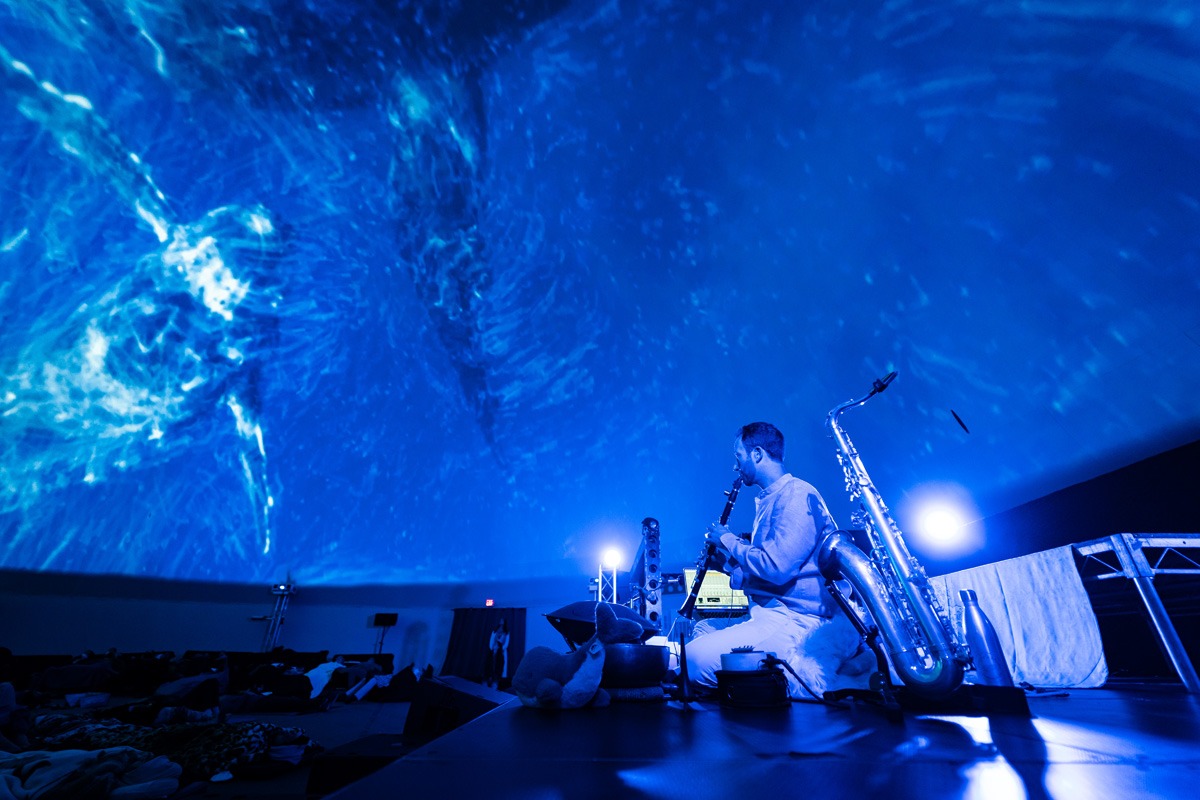
Joshua Sam Miller wears many hats as a musician, environmental activist and immersive media producer. His music focuses on connecting ocean conservation with health and wellness to create a peaceful and captivating musical experience—a potential perfect addition to a meeting or event.
“At every conference I have been to, there tends to be this moment where you are reaching your limit on sensory overload,” explains Miller. “The one thing that is missing is time to integrate it all and allow it to go through your system before you transition to the next part of your day.”
Between networking, listening to speakers and more, meeting attendees often end their days overwhelmed by the day’s events, especially when not given ample time to process and reflect. The slow, soothing music paired with the guided meditation that Miller takes attendees through, allows people to slow down and rejuvenate before attacking the rest of their day.
Music has the vital ability to decrease blood pressure, lower levels of cortisol and reduce your heart rate. The calming ocean sounds that appear in Miller’s music allow one to be an attentive and engaged attendee for the rest of the day’s events.
Alongside mental well being, Miller focuses heavily on ocean conservation and sustainability. His album Sounds of the Ocean pairs recordings of whales, dolphins and ocean sounds with live instruments to create an immersive experience. “Growing up a scuba diver, I got to experience first hand the feeling of being underwater and how relaxing that can make a person feel,” explains Miller.
The recordings of whales and dolphins that inspired Sounds of the Ocean made him feel like he was “scuba diving without going to the sea.” Sounds of the Ocean is thus meant to fuse together Miller’s two missions of supporting mental wellbeing and raising awareness for ocean conservation efforts to inspire tangible ocean action.
Virtual Events
While music is widely accepted as a key part of in-person events, so many people neglect the important benefits it can bring to virtual or hybrid events as well. “The virtual sessions are a little bit more disconnected at first than in person but have the potential to leave people feeling even more connected because they are at home in a comfortable environment versus being out in a foreign environment,” clarifies Miller.
A virtual event or meeting can include music in some capacity to engage participants and bring people together even when they are miles apart. It sets the mood and helps create the correct energy needed.
Embodied Sounds, the company who produced Sounds of the Oceans, offers retreats for private groups “to come to a destination and connect with each other and fully immerse in the environment and build these types of immersive multi-sensory experiences into the retreat and focus on employee well-being in a beautiful destination,” says Miller. The company has partnership retreats in Costa Rica, Bali, and Croatia.