From pickleball courts to social hubs, properties shape the attendee experience in emerging markets
Across the hospitality sector today, growth has less to do with building bigger and more to do with building and redesigning smarter. While large hotel developments remain common in tourism hubs, market indicators suggest the industry’s next opportunities may come from adding inventory in emerging destinations.
A recent study from B2B upholstery fabric supplier Top Fabric examined population, tourism volume, hotel inventory, local attractions, hotel-related search demand and average room rates to identify U.S. destinations where traveler interest appears to be outpacing accommodation supply. The findings signal growing demand across emerging and mid-sized destinations, suggesting that visitor interest may spread beyond traditional gateway markets.
According to the research, nearly 70% of the fastest-growing travel interest is concentrated in U.S. destinations, including Hot Springs, Arkansas; Key West, Florida; Myrtle Beach, South Carolina; and several other secondary cities ranked among locations where demand may be creating opportunities before hotel inventory fully catches up.
Ellie E.K., managing director at Top Fabric, says that some of hospitality’s strongest opportunities are emerging “just before a destination reaches the mainstream.” She notes that many mid-sized markets are attracting significant visitor interest despite relatively limited hotel inventory, which she says creates “favorable conditions for occupancy, room rates and long-term investment growth.” From her experience working alongside hospitality groups and commercial refurbishment projects nationwide, she believes developers are increasingly interested in emerging markets where they can establish a presence before competition intensifies.
The demand for secondary cities and towns is occurring at a moment when development possibilities are more restrictive. Construction costs remain elevated, and financing pressures—coupled with longer project timelines—continue to influence hospitality investment decisions. Rather than relying on new inventory, many hotels and resorts are increasingly investing in large-scale renovations and experience-centric amenities designed to strengthen their appeal for group business. Across both newly opened properties and transformed legacy resorts, the most visible differentiators increasingly center on wellness, recreation, outdoor access and social environments that give attendees reasons to stay engaged well after the programming ends.
Wellness Beyond the Spa
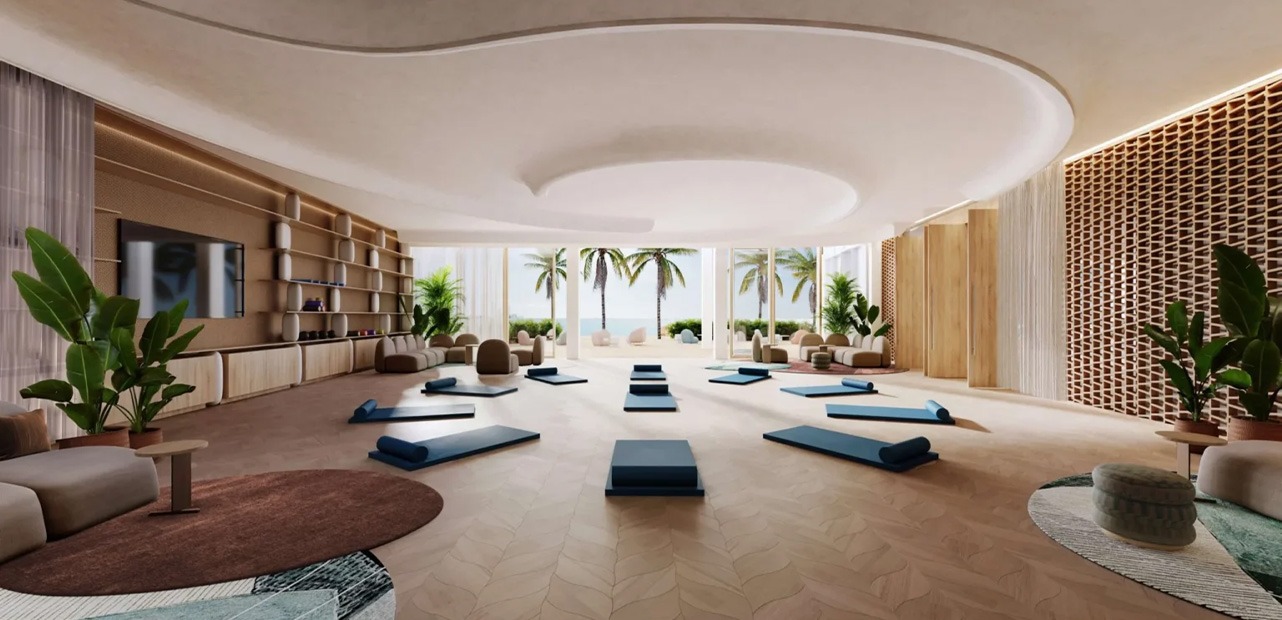
Among the most influential forces shaping hotel and resort design is the growing integration of wellness into nearly every factor of the visitor experience. Once treated as a secondary offering, wellness is now a defining element in how many properties position themselves.
A wellness focus is particularly visible at Miraval The Red Sea, the first international property from the Miraval brand. Located on Saudi Arabia’s Shura Island, the adults-only resort extends Miraval’s wellness-centered approach into a fast-growing tourist region. Spanning more than three million sq. ft. of coastline, the resort offers corporate well-being retreats, where employees are encouraged to “think beyond the boardroom” and foster deep connections with colleagues.
There are also several activities available to those attending corporate retreats, including the Red Sea Challenge Course—a high-ropes adventure experience—and the Life in Balance Culinary Kitchen. The experience is all-inclusive and offers discounted nightly rates for groups of eight or more. For planners seeking high-end event space, the resort boasts a function room and two meeting rooms that can be combined to accommodate larger gatherings.
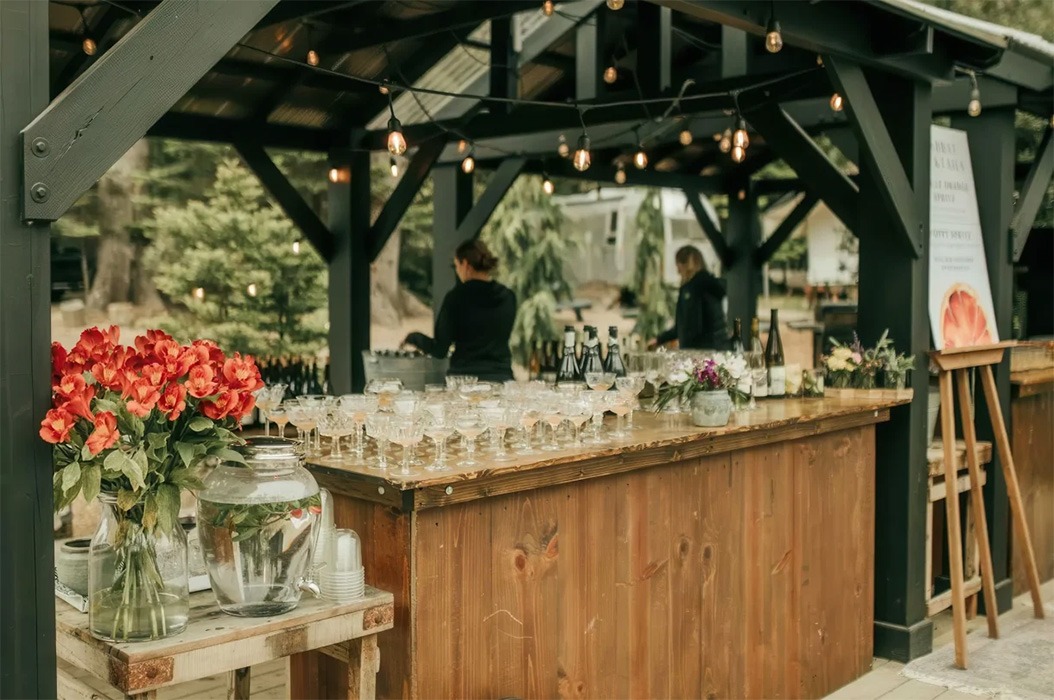
A similar emphasis on restoration and destination immersion can be found at Mendocino Cove Resort, located along California’s northern coastline. Developed on the site of a former motor lodge, the boutique resort blends relaxed coastal design with community-focused outdoor amenities such as pickleball courts and classes, gathering areas and secluded beach access. At the Cove, group accommodation and amenities include indoor and outdoor meeting and breakout spaces, high-speed Wi-Fi across the property, a 40-person conference room equipped with AV equipment and an on-site concierge tasked with organizing group experiences.
Social Spaces Take Center Stage
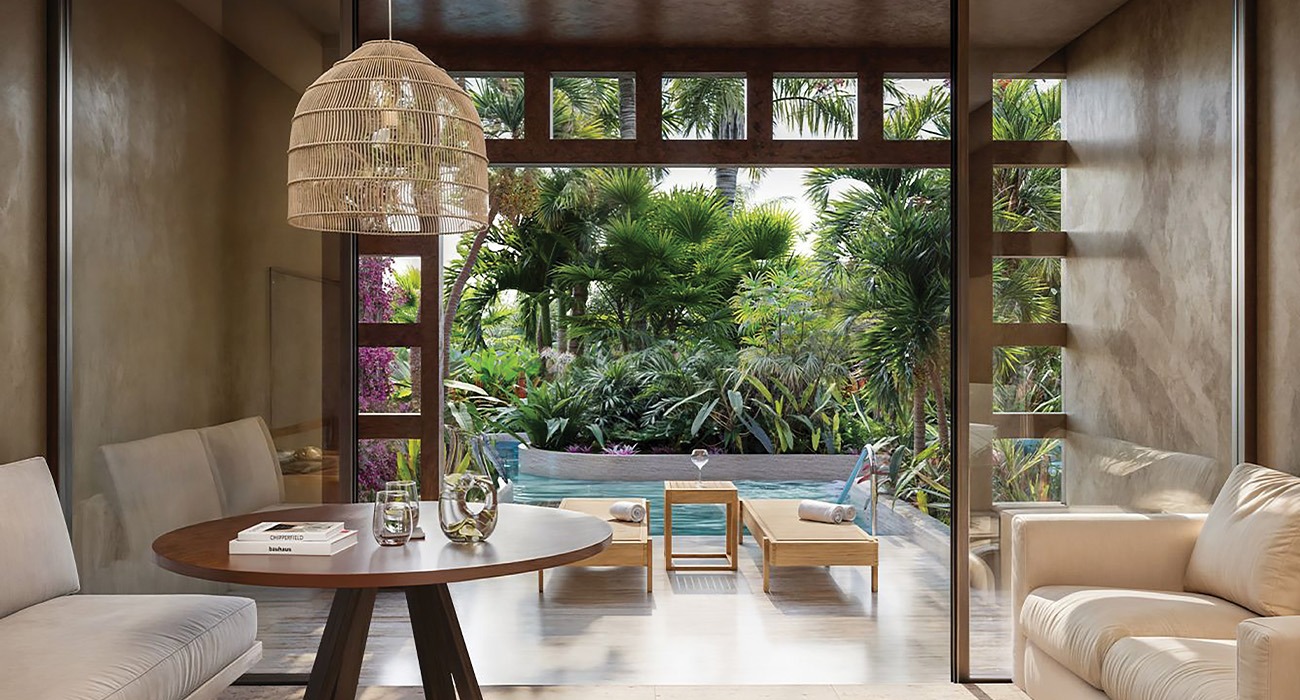
Another defining trend is the transformation of social spaces into the centerpiece of the guest and attendee experience. Across the hospitality industry, hotels are investing in redesigning communal areas that encourage meeting and event attendees to linger longer and interact more organically.
This philosophy is on display at ONE | GT in George Town, Grand Cayman. The newly opened hotel, located steps from the city’s financial district and waterfront, blends business accessibility with lifestyle-oriented amenities well-suited for groups. The design-forward property features 97 condo-style hotel suites and 80 private residences. A major focal point is the hotel’s rooftop experience, complete with restaurants and an infinity pool.
The property’s meeting spaces prioritize natural light with floor-to-ceiling windows, feature 65-inch Smart TVs, can hold up to 10 individuals and can accommodate on-site catering. ONE | GT’s approach accommodates a growing planner interest in smaller-scale meetings and slower-paced connections.
The same emphasis on fostering organic connection extends to Caravan Court, a recently opened retro boutique concept in Arlington, Texas, that positions meetings as a more flexible and informal experience. The property offers more than 6,000 sq. ft. of indoor and outdoor gathering space, blending open-air courtyards with adaptable meeting environments, modern AV capabilities and social-first amenities intended to encourage connection beyond scheduled sessions. The Dallas/Fort Worth Airport is also located a mere 18 miles from the property, granting attendees less time in an Uber and more time forging business connections.
Another example comes from The Westin Playa Vallarta (formerly The Westin Resort & Spa Puerto Vallarta), which recently underwent a multimillion-dollar reimagining to become the Westin brand’s first all-inclusive resort in Mexico. The resort, located on Banderas Bay, features 13 event rooms and 10 newly renovated venues for meetings and events, totaling 11,872 sq. ft. The resort’s ballroom is 5,896 sq. ft and includes six breakout rooms with natural light. The facility’s luxury offerings also provide an appealing option for incentive groups, which include beachfront dinners, spa treatments, golf and nature tours.
Designing for Destination Immersion
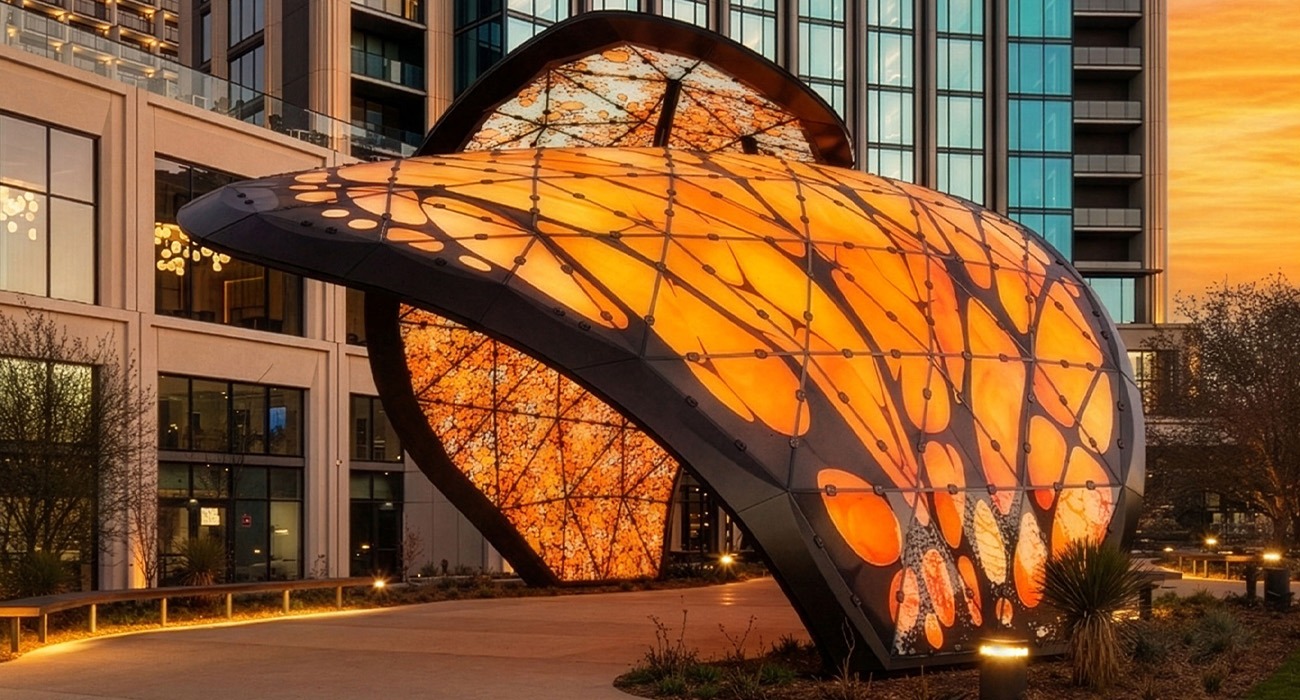
Experience-led planning is increasingly being integrated from the outset. The $185 million Monarch San Antonio, Curio Collection by Hilton, recently opened in the city’s redeveloped Hemisfair District after years of planning and construction. Rather than separating meetings from leisure environments, the hotel’s design emphasizes movement between indoor and outdoor spaces, wellness amenities and gathering environments intended to function as social destinations.
The 200-room property includes approximately 15,000 sq. ft. of event space across multiple venues—including a ballroom exceeding 5,000 sq. ft.—with meeting areas consolidated onto a single floor and supported by natural light and integrated technology. Wellness amenities include infrared sauna sessions, cold plunges and IV vitamin drips.
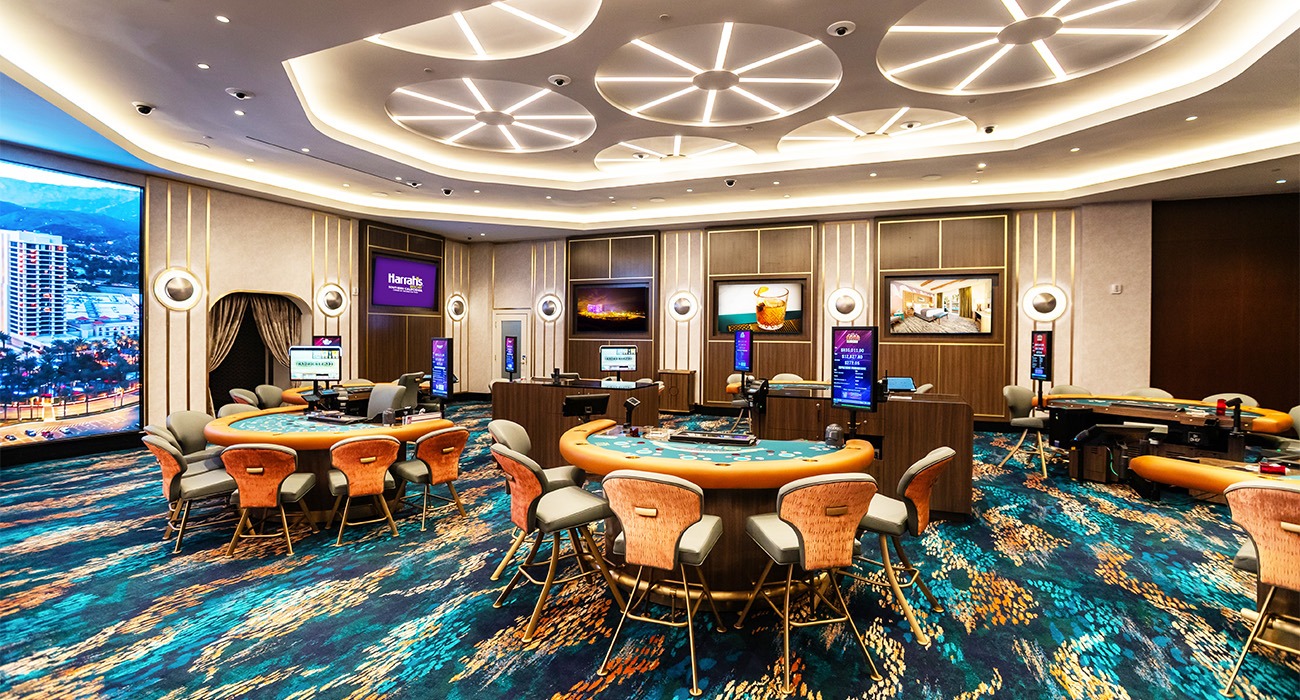
Casino resorts are also aiming to expand their appeal through investments in entertainment programming and experiential amenities, and the recently updated Harrah’s Resort Southern California has this focus in mind. Their High Limit room reopened in May 2026 following a $13.1 million renovation investment aimed at providing a more sophisticated, high-end environment for players. Visitors to the updated space will find new video walls, energy-efficient LED lighting, an enhanced audio system, revitalized games and an exclusive bar.
The property positions itself as a destination capable of supporting conference groups and incentive programs with its established entertainment offerings. Flexible venues, resort-style pools and varied dining experiences allow planners to create itineraries that blend business programming with more relaxed social interaction.
Shaping Property Expectations
All the newly built and renovated properties point to a broader shift underway across hospitality. For planners, the distinction between “new” and “renovated” matters less than whether a venue supports evolving attendee expectations.
Integrated wellness, adaptable layouts, outdoor access and thoughtfully designed social environments increasingly shape purchasing decisions. New properties may offer embedded technology and flexible infrastructure, while renovated properties often bring established operational expertise and recognizable reputations.
Planner Takeaways
As emerging destinations continue to gain traction, planners may find opportunities in properties that use wellness, flexible spaces and social design to create more memorable experiences.
Attendee expectations extend far beyond the meeting room—and properties that work to encourage health, wellness, and connection throughout the stay may help planners strengthen participation, networking, and overall event value.
Brought to you by

This article appears in the July 2026 issue. You can subscribe to the magazine here.