How to separate credible experts from convincing marketing
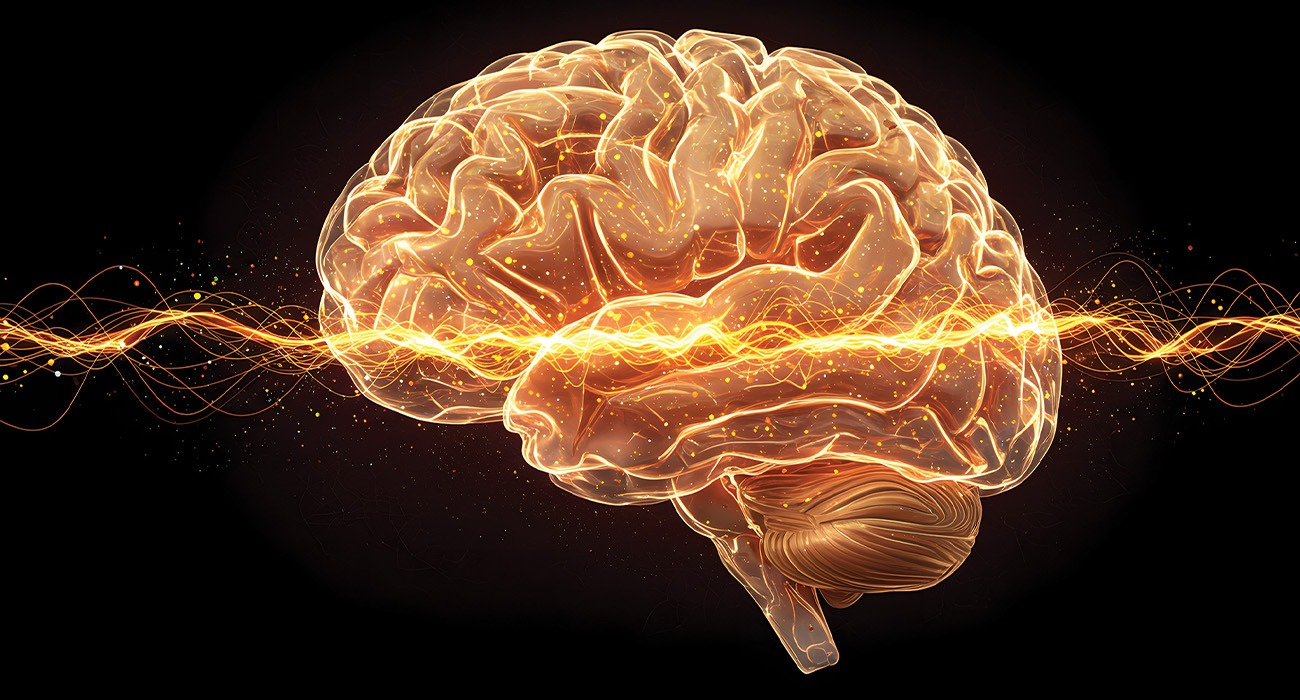
AI can be incredibly helpful. It can summarize research, help compare contract versions and make complex information more accessible. It can also manufacture authority at a speed and scale we have never seen before. A polished website, a convincing bio, a proprietary “method” and a stack of scientific references can now be created in minutes.
But there is both pushback and an unexpected upside. People are beginning to pause before believing everything they see online. We may be witnessing the return of critical thought! I did say may.
Looking Beyond the Badge
In researching this article, I found more than 50 wellness certifications, credentials, standards, ratings and verification programs. Some appeared rigorous and meaningful. Others were outdated, loosely defined or little more than branded education dressed up with a badge. The sheer volume created more confusion than clarity.
This is a space I know pretty well, so if it was difficult for me to determine which credentials carried weight, how can a planner or participant know the difference?
Wellness has moved from the “bolt on” into the mainstream. Planners are adding yoga, meditation, breathwork, movement breaks, nutritional programming, recovery experiences and even more clinical offerings. While that progress is exciting, it also creates more responsibility.
Before putting a wellness practitioner, agency or activation in front of attendees, are we checking what qualifies them to be there?
Is your menu being designed by a registered dietitian (R.D.) or someone who completed a nutrition course over a weekend? Does the breathwork facilitator understand contraindications and know how to respond if a participant has an adverse reaction? Is your wellness agency staffed by experienced event professionals and qualified wellness experts, or did someone simply add “wellness” to its capabilities deck?
The good news is that you don’t have to sort through it all on your own. These resources can help you separate credible expertise from clever marketing.
Resources Worth Knowing
The Wellness Science Initiative’s objective is not to tell the wellness industry what to believe, but to strengthen scientific literacy, critical thinking and thoughtful decision-making. In other words, it is teaching people how to interrogate a claim rather than simply accept or reject it.
The Global Wellness Institute’s Wellness Evidence platform offers another layer of accountability by making peer-reviewed research across wellness modalities easier to find. It gives planners a place to begin investigating whether an activation has credible evidence behind it, emerging evidence, conflicting evidence or little more than effective marketing.
Standards also matter. Wellness in Travel and Tourism (WITT) is building an ecosystem that includes hotel wellness standards, property certification, professional credentials and auditor education, informed by a multidisciplinary Standards Advisory Committee. Its value is not that everyone must agree with every criterion. Its value is that it creates something transparent enough to evaluate, debate and improve, rather than allowing every hotel with a yoga mat and smoothie bar to declare itself a wellness property.
Peer accountability belongs in this ecosystem too. Hotelgyms.com evaluates hotel fitness facilities and allows travelers to share real experiences, equipment details and images. That helps close the gap between a hotel advertising a “state-of-the-art fitness center” and the three tired treadmills waiting downstairs.
Questions Worth Asking
While these are great starting points, none of these resources removes your responsibility to vet.
Before hiring someone, ask what their credential required, who issued it, whether it is current and what population they are qualified to serve. Ask what insurance they carry, how they manage risk and what evidence supports the experience. Request references from comparable events. Clarify whether they are educating, coaching, treating or diagnosing, because those are not interchangeable activities.
“We should not be afraid of scrutiny. Credible practitioners, agencies and brands should welcome it.”
Wellness can improve attendee energy, learning, connection and the overall participant experience. Done poorly, it can create risk, exclude participants, undermine trust and, worst of all, possibly hurt someone.
We should not be afraid of scrutiny. Credible practitioners, agencies and brands should welcome it. In the next era of event wellness, trust cannot be assumed because something looks polished, feels good or carries a badge. It has to be earned.
 —
—
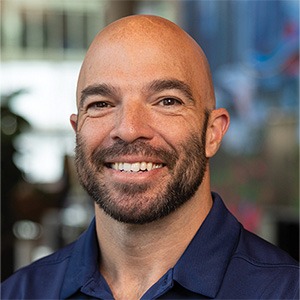
David T. Stevens, co-founder of Olympian Meeting and 6x Fittest #EventProf, champions holistic, sustainable and joyful events that put people first.
This article appears in the September/October 2026 issue. You can subscribe to the magazine here.