For meeting professionals, successful initiatives start with causes that align with an organization’s mission and address genuine community needs. Examples from the SEARCH Foundation, IAEE Southeast, Visit Reno Tahoe and Soul Community Planet demonstrate how financial assistance, volunteer opportunities, disaster relief and environmental programs can make a difference. These organizations create successful corporate social responsibility programs through personal connections, community partnerships and sustainable giving strategies.
Key considerations for organizing a CSR initiative
In an industry that, at its heart, is dedicated to ensuring attendees are well cared for, corporate social responsibility (CSR) can be so much more than simply a donation opportunity attached to an event. When thoughtfully designed into a meeting’s purpose, it can strengthen community relationships, engage attendees and create a lasting impact.
For planners, the challenge is determining which initiatives genuinely align with an organization’s mission, fit within logistical and financial constraints and give participants a meaningful way to contribute. Industry organizations, destination marketing organizations (DMOs) and hospitality companies leverage several models for making CSR an intentional part of their event strategies.
Whether responding to a natural disaster, addressing food insecurity or supporting environmental conservation, meeting professionals can connect their programs to causes that matter with the right considerations in mind.
Start With a Mission, Not an Activity
The most effective CSR initiatives begin with an understanding of why an organization wants to give back. Rather than selecting a volunteer activity or donation drive simply because it is convenient, meeting professionals can zero in on a relevant action by identifying the values their organization promotes and the communities it serves. Mission alignment helps narrow the field of potential nonprofit partners and makes an initiative more appealing to attendees.
The SEARCH Foundation illustrates how the meeting industry’s shared values can serve as the basis for a broader charitable mission. Founded in the 1990s during the AIDS epidemic, the organization emerged from a need to support meetings and events professionals who fell ill.
Hurricane Katrina in 2005 was another pivotal moment, expanding SEARCH’s mission to help industry professionals experiencing a wider range of crises, including hurricanes, wildfires, floods, serious accidents and catastrophic illnesses.
“That spirit of taking care of our own is still at the heart of SEARCH today,” says Kate Patay, chair of the SEARCH Foundation.
The organization provides financial assistance to qualified applicants facing unexpected hardship.
“Our Crisis Relief Committee reviews every case anonymously, so decisions are based solely on need. Once a case qualifies, funds are turned around within 72 hours, and to date, we’ve been able to fund 100% of qualified cases,” Patay shares.
The need continues to grow as well. According to Patay, demand for crisis relief has increased by an average of 37% annually.
SEARCH offers an example of how a cause can emerge from an industry’s specific needs rather than a general desire to be charitable. By paying attention to the challenges faced by the local community, members, employees or attendees, organizations are better poised to offer support in relevant, tangible ways.
Put People at the Center of the Program
Ashanti and Trey Songz concert
CSR becomes more meaningful when participants understand the people behind the cause. Financial assistance, volunteer service and fundraising are important, but communicating why the work matters can help prospective supporters see how contributions fit into a larger mission.
Vice President of Harrah’s Resort Southern California, Jill Barrett, shares the story of the resort’s long-term efforts to support individuals fighting breast cancer.
“In 2018, we became aware of the tremendous work being done by the Michelle’s Place Breast Cancer Center,” Barrett says. “We launched our first Spa Day event, where cancer patients spent an afternoon at the Spa at Harrah’s, receiving treatments, enjoying light refreshments and being pampered by staff members who truly enjoyed making this a special event for them.”
Since then, Michelle’s Place has applied for—and been granted—four Honorable Mention grants through Harrah’s All-in 4 Change Grant program, which helped the organization to grow and rebrand itself as Michelle’s Place Cancer Resource Center.
“And our Spa Day with the patients of Michelle’s Place has become an annual tradition,” Barrett adds.
The stories are often personal. One SEARCH Foundation fund recipient shared that she had just married when she received a cancer diagnosis. The diagnosis led to surgery to remove a kidney, ongoing treatment and mounting medical expenses, adding a burden to what should have been a celebratory life chapter.
SEARCH allowed her to focus on her health and recovery.
“SEARCH couldn’t change her diagnosis, but we could step in quickly and help ease some of the financial burden … When someone in our industry is facing the unimaginable, we want them to know they aren’t facing it alone,” Patay says.
Encourage a Culture of Community Service
Red Cross Wildfire Fire Relief
CSR does not always require a large financial commitment. Structured volunteer opportunities can give attendees a direct role in supporting a cause while creating connections outside the meeting room—and set momentum for future giving and volunteerism.
The International Association of Exhibitions and Events (IAEE) Southeastern Chapter has made community service an annual component of its programming. In 2026, 18 chapter members came together to volunteer at Second Harvest Food Bank of Central Florida, where they spent the day sorting, separating, organizing and packing 11,742 pounds of food to serve 9,785 people in the community.
The group included both planner and supplier members, bringing together industry colleagues who might not otherwise get the chance to connect outside of their professional roles.
“This has become an annual tradition for our chapter because it combines two things that define our membership—a commitment to community and the power of collaboration,” says Scott Crawford, CEM, director with IAEE Southeast and senior vice president of business development at GES.
“Bringing together show organizers and supplier partners to support Second Harvest Food Bank allows us to give back in a tangible way while strengthening the relationships that make our chapter and industry so successful,” Crawford says.
Respond to Community Needs in Real Time
Some of the most impactful CSR initiatives emerge when organizations must mobilize quickly and respond to an immediate crisis. In these situations, planners and suppliers can assist with not only money, but also facilities, existing partnerships and staff expertise.
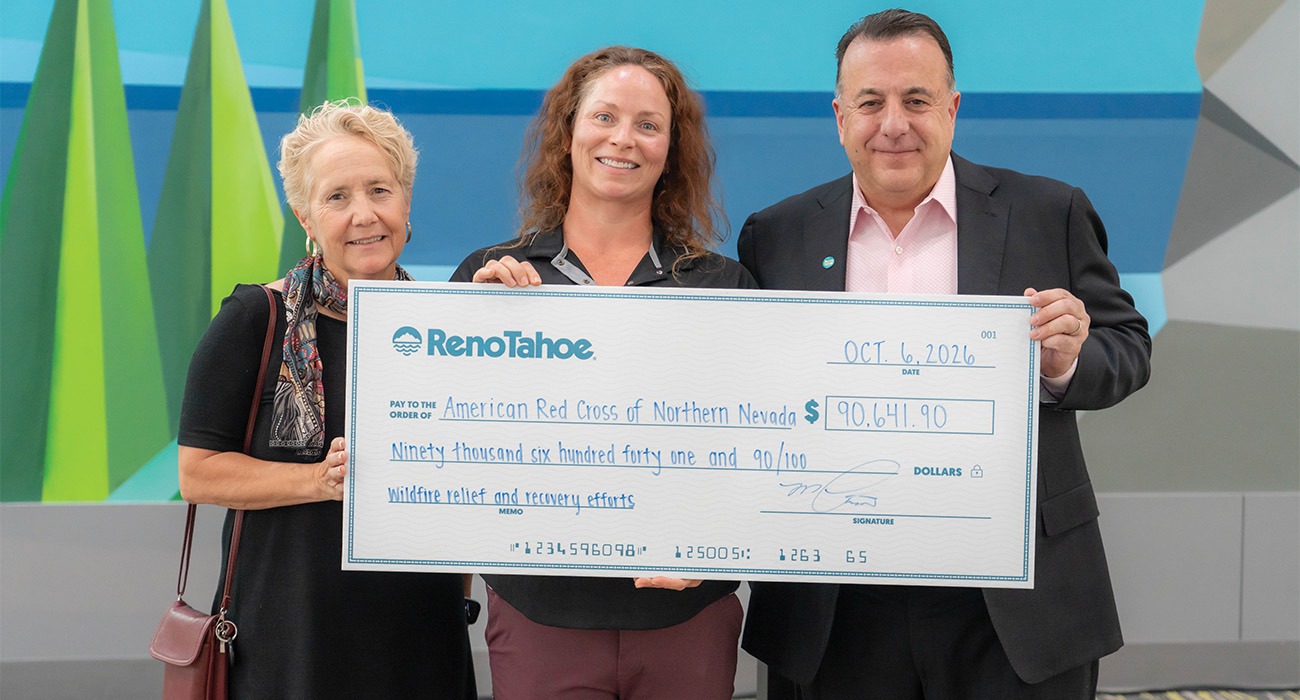
Visit Reno Tahoe took this approach after wildfires affected Northern Nevada in 2026. The DMO made space at the Reno-Sparks Convention Center available for evacuation needs and later transformed an upcoming concert at its Reno Events Center into a fundraising opportunity.
Ashanti and Trey Songz performed at the concert, with net proceeds from new ticket purchases donated to the American Red Cross of Northern Nevada. The initiative raised more than $90,000 and provided more than 1,000 complimentary tickets to first responders.
“When the recent wildfires affected Northern Nevada, our team looked at every way we could step in to help our community,” says Mike Larragueta, president and CEO of Visit Reno Tahoe.
The American Red Cross was a natural beneficiary, as the organization was already coordinating locally and continued to help families navigate recovery after the immediate emergency concluded.
“What made this initiative so meaningful was seeing how a simple concert could bring the community together to help with recovery and honor the first responders who had worked tirelessly to protect Northern Nevada,” Larragueta says.
He also emphasizes the broader role destination organizations can play in their communities.
“We talk a lot about the economic impact of the events and tourism that we bring to our region, but this was a reminder that their value can extend beyond visitor spending,” he says. “It’s about creating opportunities that benefit our community, and I’m grateful we were able to do that when Northern Nevada needed it.”
Build a Sustainable Giving Strategy
SEARCH Foundation catering
A successful CSR program should not depend entirely on one annual fundraiser or a single large corporate donation. Recurring contributions and multiple participation options can help charitable organizations plan for future needs while giving more people an opportunity to participate.
SEARCH’s fundraising model illustrates the value of diversifying support. Its Annual Signature Event in March is its largest fundraiser, while Affiliate Events allow organizations across the events industry to host their own fundraisers benefiting the foundation.
The organization also has annual partners that offer financial and in-kind support, alongside media partners that help raise awareness of its mission.
Its SEARCH100 program recognizes donors who commit to giving at least $100 per month in perpetuity, but the foundation also accepts smaller recurring gifts.
“We have supporters who give $7 a month, essentially the cost of one coffee, and it all adds up,” Patay says.
As the cost of living and the need for crisis relief increase, SEARCH has raised its maximum grant by 30%, from $5,000 to $6,500. Growing a sustainable donor community is critical to ensuring the foundation can continue providing meaningful assistance.
“The more sustainable our funding becomes, the more confident we can be that when the next qualified case comes to us, SEARCH can continue to say yes,” Patay says.
SEARCH also encourages industry professionals to get involved beyond financial giving, if that option isn’t available to them.
“There are so many ways to support SEARCH, and not all of them involve writing a check,” Patay says. “Follow us, share our stories and help more people in our industry understand that SEARCH is here when crisis hits.”
Extend CSR Beyond the Event
CSR can also become part of the attendee experience through conscious venue selection. Hotels and resorts with established environmental or community partnerships may help advance an organization or company’s CSR goals.
Soul Community Planet (SCP), a hospitality company with properties across California, Oregon, Colorado, Hawaii and Costa Rica, connects its environmental and social commitments through its Every Stay Does Good program.
The initiative is designed to make giving back part of the guest experience rather than an optional add-on. Each stay contributes to SCP’s environmental and community impact efforts, including tree planting through its partnership with environmental charity One Tree Planted.
“We never wanted sustainability to be a program guests had to opt into or a line item on a report,” says Ken Cruse, founder of SCP Hotels.
Since 2019, SCP guests have helped plant more than 320,000 trees, including more than 17,000 kelp seaweeds. The company extends its efforts by partnering with organizations focused on marine conservation, including the Hawaii Wildlife Fund.
SCP also measures the environmental impact of its hotel operations. In 2025, the company reported reducing waste intensity by 9.9% compared with 2024, going from 2.66 pounds per occupied room to 2.4 pounds. It also reported diverting 32% of its generated waste from landfills through recycling, composting and donations for reuse.
Cruse attributes the improvements to operational changes.
“The biggest driver was not creating waste in the first place,” he says. “Total waste fell by more than 30,000 pounds in 2025 even though we served more guests, so the per-room improvement is real and not just a volume effect.”
The company has removed single-use plastic bottles and plastic shower amenities, favors local sourcing with less packaging and applies sustainability purchasing standards across its properties. Recycling volume increased by more than 40% year over year, according to SCP.
Create a Unified Industry
The meetings and events industry is uniquely positioned to connect people, resources and places around shared goals. Visit Reno Tahoe’s wildfire response, IAEE Southeast’s food bank project, SEARCH Foundation’s crisis assistance and SCP’s environmental programs demonstrate that impact can take many forms.
While the fine print may differ, the most beneficial framework for planners eager to launch a CSR initiative is to address a genuine need, reflect the organization’s values, give people a meaningful way to participate, produce results that can be communicated compellingly, build potential for longevity and tackle urgent community issues. That’s the difference between simply adding a charitable activity to the agenda and making CSR a central—and impactful—part of an event.