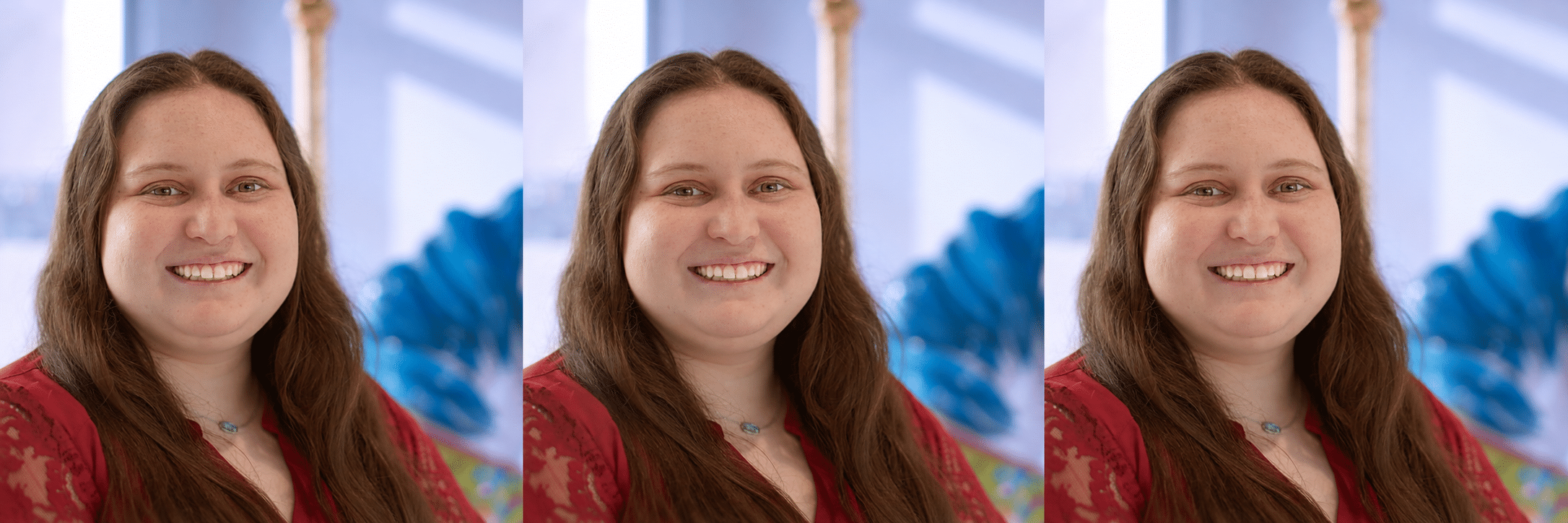
Ariana Feller, a meeting planner at PharMethod, found her passion for the meetings and events industry while working at Walt Disney World Resort, where coordinating new experiences and celebrating the teams behind them inspired her career path. In this CMP Spotlight, published in partnership with Events Industry Council (EIC), Feller shares with Smart Meetings how she earned her Certified Meeting Professional (CMP) designation, why adaptability is essential for event planners and how exploring nontraditional venues can create more memorable experiences.
Smart Meetings How did you get your start in the meetings and events industry?
Ariana Feller I began working in the events industry while working at the Walt Disney World Resort in Florida. I was selected to work on the openings of several new experiences as a project coordinator and really fell in love with logistics. I realized that my favorite part of those projects was helping to plan the opening party for the team who had worked so many long hours and deserved to be celebrated. I then moved into the events department, where I continued to grow my knowledge and passion.
SM Was there an early experience or turning point that shaped your career?
AF An early experience that helped shape my career was a temporary assignment I landed with the Walt Disney World Resort as a Cast Activities cast member. The job was to spread magic to the cast members working during the 50th celebration of Walt Disney World and to run many pop-up events alongside the general calendar of events. Getting to experience so many different types of events, from pop-up giveaways, scavenger hunts, and canoe races, really confirmed that I knew events were where I needed to be.
SM What year did you earn your CMP, and why did you decide to pursue certification?
AF I earned my CMP this year, in 2026. I began researching and preparing for it in 2024, with the majority of my studying occurring from the end of 2025 through my exam in May 2026. I decided to pursue it because I saw many leaders and managers I reported to complete the CMP process, and I knew it was something to strive for. I am always looking to improve myself both personally and professionally, so this seemed like a great way to do both.
SM What was the toughest module, concept or challenge while preparing for the CMP exam? How did you master it?
AF The toughest module for me was Domain J: Marketing and Communications. I had limited exposure to marketing because my past jobs did not require me to handle the day-to-day aspects of event planning. These companies had their own marketing teams or outsourced to third parties. Understanding the concepts required extra study, as I needed to apply them to real-world situations. I was able to overcome this with a study group organized by the local Meeting Professionals International chapter in Orlando, Florida.
SM What’s one of the most important lessons you’ve learned from your professional experiences?
AF I have learned that adaptability is the most important core skill you can have as an event planner. While in the process of organizing your event, you will always have backup plans for both major and minor aspects in case something happens. However, you cannot plan for the unexpected. It’s important to remain calm and work through the problems the best way you can with the available resources. This is the only way through a crisis that will leave you and the client feeling positive and ready to move on to the next thing on the schedule.
SM What’s the hardest event or project you’ve delivered in your role—and what did you learn from it?
AF The hardest event project I had to deliver was a trade association’s weeklong event in a hotel ballroom. We had a lot of moving parts because the airwalls were in a different configuration each day, and setup varied by room. This caused a lot of confusion when communicating needs to the staff in the various departments, and I learned that while my brain understood the diagrams, others did not comprehend them the same way. I had to simplify and over-explain every room at every change and created a binder to help the catering team.
SM What’s a wellness habit that helps you stay grounded?
AF One of the biggest wellness habits I have developed is blocking a lunch break in my calendar every day. I have a recurring meeting for it, and it gives me time in the middle of the day to decompress, go outside, take a walk, or grab something to eat. There are days when I am so busy that I look up and the day is over, and I can’t remember the last time I had some water. The timing varies based on meetings and tasks, but I always try to block it somewhere in the middle of each day.
SM What’s the best event advice you’ve ever received?
AF This isn’t specific to events, but it’s something I think about regularly. Many years ago, I made a mistake at a job and was upset with myself for making such a dumb mistake. My manager sat me down to chat and told me, “As long as nobody died and the building didn’t burn down, we can fix this.” I repeat this mantra whenever an obstacle or issue pops up, because there is always a solution to the problem.
SM What’s one meetings and events hill you’ll die on?
AF If your event is hybrid or virtual, each live room or chat space needs a paid or volunteer moderator. There are so many people in a digital space, and it has been shown that people are more bold when they can hide behind a screen. A moderator can screen what is being said or posted and ensure that audience participation is not dominated by the loudest voices in the room or chat. They can also help troubleshoot when the technology inevitably has a problem.
SM What’s one industry topic you think deserves more attention?
AF I believe one topic that needs more attention is the use of non-traditional venues. When people think about events or conferences, planners typically go straight to convention centers, convention hotels, and restaurants. These venues offer many conveniences and can host many events in one building. However, holding your event in a niche space or historic building helps build the story and keep attendees intrigued. It can also be cost-saving, as many of these locations don’t have a contracted vendor you must use for things like catering and audiovisual.