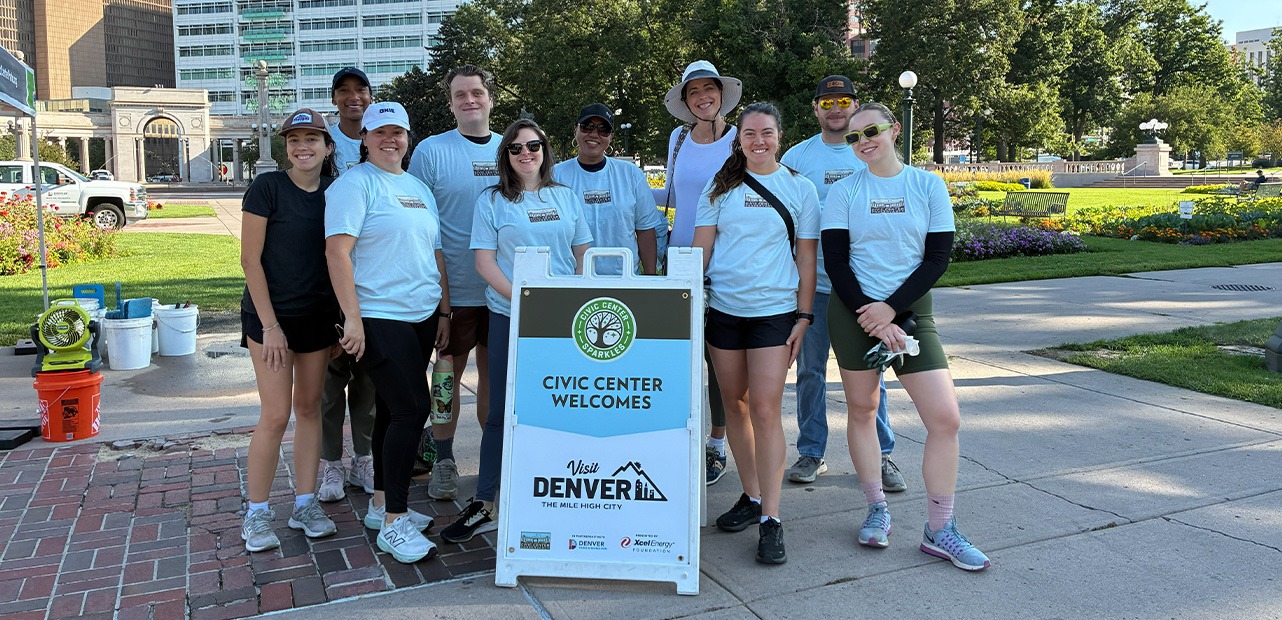
Destinations International published a report titled A Catalyst for Community Vitality: Defining the 21st Century Destination Organization, highlighting the wide-reaching efforts of destination marketing organizations (DMOs) and convention and visitors bureaus (CVBs). The report covers five goals that define the mission of destination organizations:
- Driving Quality of Life
- Attracting and Retaining Talent
- Fostering Culture and Community
- Supporting Public Services
- Growing the Economy
How destination organizations attract business and grow communities
Newcomers to the meetings and events industry might frequently encounter the initialisms “DMO” and “CVB” in professional settings. While destination marketing organizations (DMOs) and convention and visitors bureaus (CVBs) are often discussed in the context of their marketing efforts, their mission and influence stretch much further.
Destination organizations provide communities with a wide range of economic, cultural, civic and promotional benefits. In 2024, Destinations International published a report titled A Catalyst for Community Vitality: Defining the 21st Century Destination Organization that outlines the comprehensive extent of their impact. Here’s a look at five goals that define the mission of destination organizations.
Driving Quality of Life
Tourism infrastructure often doubles as community infrastructure. The same amenities that attract visitors—restaurants, entertainment districts, cultural institutions, parks and recreation venues—also enhance residents’ day-to-day lives.
Visitor spending helps sustain many of these assets, particularly in areas where arts programming, festivals and public gathering spaces might otherwise struggle to remain financially viable. As a result, communities gain access to more vibrant downtowns, expanded entertainment options and stronger public-facing experiences.
Destination organizations also contribute by promoting local culture and experiences in ways that foster community pride and strengthen a destination’s sense of place. Increasingly, the goal is not simply to attract visitors, but to ensure that tourism development improves residents’ quality of life as well.
Attracting and Retaining Talent
As cities and regions compete for workforce talent, destination organizations are playing a growing role in shaping how communities are perceived by potential residents, entrepreneurs and investors.
A destination’s reputation influences far more than leisure travel decision-making. Communities with strong cultural amenities, active entertainment scenes and high-quality visitor experiences are often viewed as more attractive places to live and build careers.
Read More: Marriott Plans to Win War for Talent by Emphasizing Culture
Tourism marketing can also create what a Longwoods International study calls the “Halo Effect,” positively influencing perceptions of a destination overall. The visibility established through destination branding and promotion can support broader economic development efforts and help communities stand out in competitive talent markets.
Many organizations are also investing directly in workforce and business development through partnerships, training initiatives and support programs aimed at strengthening local hospitality and tourism ecosystems.
Fostering Culture and Community
Modern destination organizations are increasingly serving as cultural storytellers and community advocates. Beyond promoting attractions, many are now focusing on elevating local identity, preserving heritage and showcasing the people and neighborhoods that make a destination unique.
Festivals, arts programming, culinary initiatives and heritage events all contribute to a stronger sense of community while creating more authentic visitor experiences. In many cases, destination organizations are intentionally broadening the narratives they share to include diverse perspectives, local businesses and underrepresented communities. Today, successful destination promotion depends as much on authenticity and local engagement as it does on traditional advertising tactics.
Supporting Public Services
The economic impact of tourism extends beyond the obvious hotels and attractions. Visitor spending generates significant tax revenue that can support infrastructure, healthcare, education and other essential public services.
In many communities, tourism-related taxes help offset financial pressure on residents while contributing to projects and services that improve the quality of life. Public infrastructure improvements, transportation investments and downtown revitalization efforts are often supported—at least partly—by tourism-generated revenue.
As a result, destination organizations are increasingly framing tourism promotion as a broader civic investment with tangible community benefits.
Growing the Economy
Visitor spending creates ripple effects across industries ranging from retail and transportation to construction and professional services.
Destination organizations also play an important role in shaping how communities competitively position themselves in the marketplace. Consistent destination branding and strategic promotion can influence business relocation decisions, attract investment and strengthen broader economic development initiatives.
Some destination organizations also work alongside chambers of commerce, municipal leaders and economic development agencies to support long-term growth strategies. This is often effective because both parties are aligned in their mission to attract business, develop the local workforce, and engage in community planning.
A Broader Definition of Destination Leadership
The modern destination organization does so much more than serve as a tourism promoter—it operates at the intersection of tourism, talent, economic development, civic life, and community engagement. Success is also viewed more holistically within this landscape—if the tourism destination organization attracts and contributes to a thriving and resilient community, it’s a job well done.
Read More: Smart Women Rules: Five Leadership Lessons for Thriving, No Matter What’s Next
As destinations continue evolving, organizations across the industry are redefining their role—not simply as marketers of place, but as long-term stewards of community livelihood.