According to Cassie Quartermaine, head of live at Nteractive, about 900 guests is the limit for a major event. Events lose their quality as they get larger than that number. Modern large-scale events require executing complex incentive programs concurrently across worldwide locations or multi-wave formats. For a successful multi-country event, planners must:
- Build the right teams across multiple time zones.
- Maintain global brand identity.
- Cater to diverse audience preferences.
- Feature inclusive food and beverage options.
- Champion post-event data.
- Create a level of care, such as a dedicated concierge service, to make the event feel boutique.
The global-local paradox
For major global brands, flying thousands of people to a single destination is rarely the right move. From what we’ve seen on the ground, around 900 guests is the tipping point. Once you exceed that, maintaining true quality and intimacy is incredibly tough. Instead, modern excellence requires executing complex incentive programs concurrently across worldwide locations or multi-wave formats. An example is for one long standing global U.S. client seamlessly managing several thousand people spread concurrently across four different global locations such as Sydney, San Diego, Madrid and Maui.
To architect these mega-incentives successfully, we first have to look at the psychology of the audience. Why do we do this? The target audience for these mega-incentives, often highly paid salespeople, is incredibly discerning and can easily afford their own luxury holidays. Standard city breaks will not motivate them. We have to deliver “money-can’t-buy” experiences rooted in understanding attendee preferences that are often rooted in data and delivering the absolute wow factor.
Done right, the payoff is massive. These programs become a powerful magnet for recruiting, a proven way to lock in your highest earners and a direct driver of long-term commercial growth. Plus, the organic networking on-site provides a space for the kind of cross-company collaboration you just can’t create over a Zoom or Teams call.
The challenge, and the paradox, is in delivering brand consistency while simultaneously integrating rich cultural differences and tailoring these “money-can’t-buy” experiences to highly specific audience demographics. As agencies, we need to act as the operational architects behind these logistical mountains. We have found that the industry’s most complex challenges require a unique blueprint: one that delivers massive, multi-continent scale alongside hyper-personalization.
Here is how to maintain that unified corporate standard while making an attendee in one corner of the globe feel just as seen and catered to as an attendee in another.
The Architecture of Concurrency
When architecting an event across multiple continents concurrently, building the right teams should always be the very first logistical hurdle, often one that many agencies overlook.
For many reasons, it is simply not practical or wise to fly crew all over the world. We’ve learned that you have to build strong delivery teams that are based predominantly within the region of execution, which requires incredibly solid, established local networks.
Managing simultaneous live events across wild time zones requires a serious command-center mindset. There is no room for improvization on site. To keep the brand standard absolute, every variable must be ironed out and signed off months in advance, locking in the quality benchmark long before the first guest arrives. Once in delivery mode, we rely on check-ins that are carefully scheduled around global time zones. These touchpoints remain highly efficient and strictly operationally focussed because the consistency is predefined.
Protecting the Brand
With so much regional and personal customization, how do agencies prevent the overarching global corporate standard from diluting? Here, the key is global leadership. We must have a global planning team that defines the structure and overarching design of the program, paired with location teams who execute against it.
Within the experience design, we need to clearly define exactly where the regional flex is, and isn’t. For example, within an on-site lounge, the global brand strictly dictates custom-built items like the welcome desk and registration kiosks. However, the furniture and decor filling the lounge are tailored to the local environment.
To successfully bridge the current industry gap between massive size and individual impact, agencies need to prove their ability to deliver customization at scale. We have to move past the classic “one-size-fits-all” playbook. But how do we scale without sacrifice, handling thousands of guests while ensuring every single person feels uniquely looked after. At its core, it is about balance. Agencies must show that their most ambitious creative concepts are anchored by the rock-solid operational discipline required to execute them perfectly.
Demographic Fluidity and Audience Customization
Customization needs to go far beyond regional and cultural variabilities to meet diverse audience preferences, especially when catering to up to four different generations of winners at once.
Here, the key is to base the entire experience around shared priorities and overarching incentive principles, such as recognition or motivation, whilst ensuring there is choice within every aspect.
Nearly everyone wants photo opportunities, but a Gen Z winner might prefer a cool, Insta-worthy backdrop, whilst an older winner might just prefer a spectacular view. To build this demographic fluidity into the actual program design, we focus on multiple key touchpoints including the below examples:
- Moving from gifts to experiences. First up, let’s ditch the identical corporate swag. Instead, you could build an interactive gifting suite, a pop-up lounge where guests select what they actually want, whether that is premium headphones, red-light therapy masks, or custom sneakers through a Nike ID experience.
- Energy-based activities. We definitely don’t want to force everyone onto the same tour bus. We need to categorise excursions by energy levels so a high-octane thrill-seeker can jump on a helicopter tour while those looking to unwind can head to the spa.
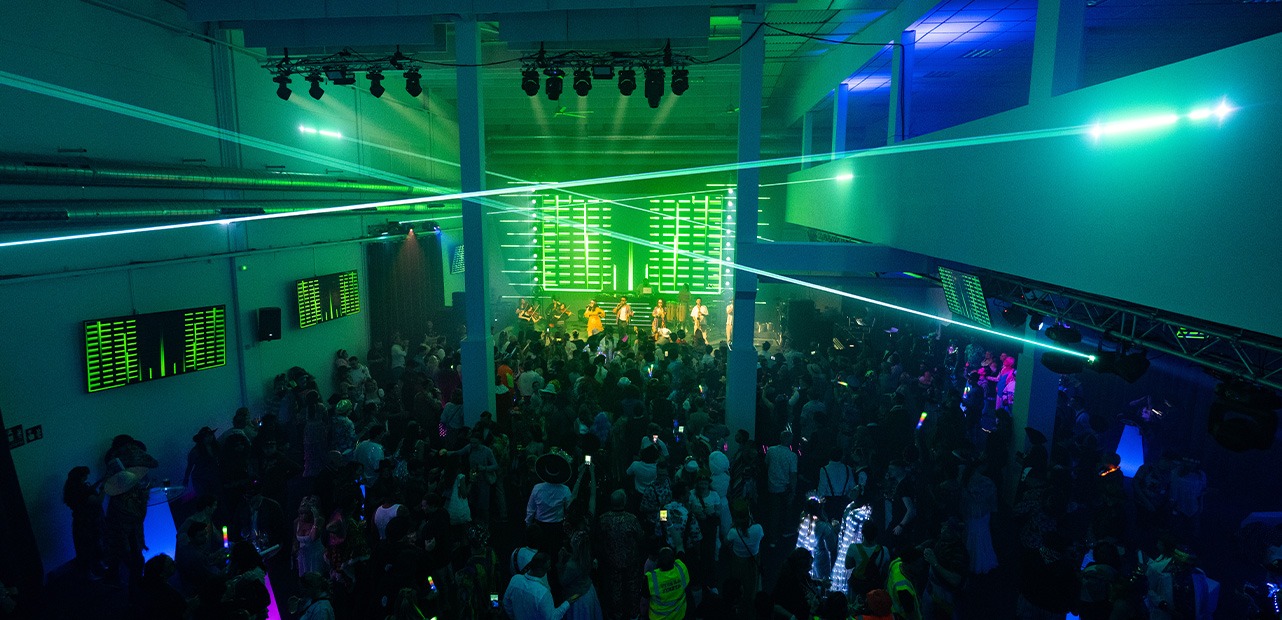
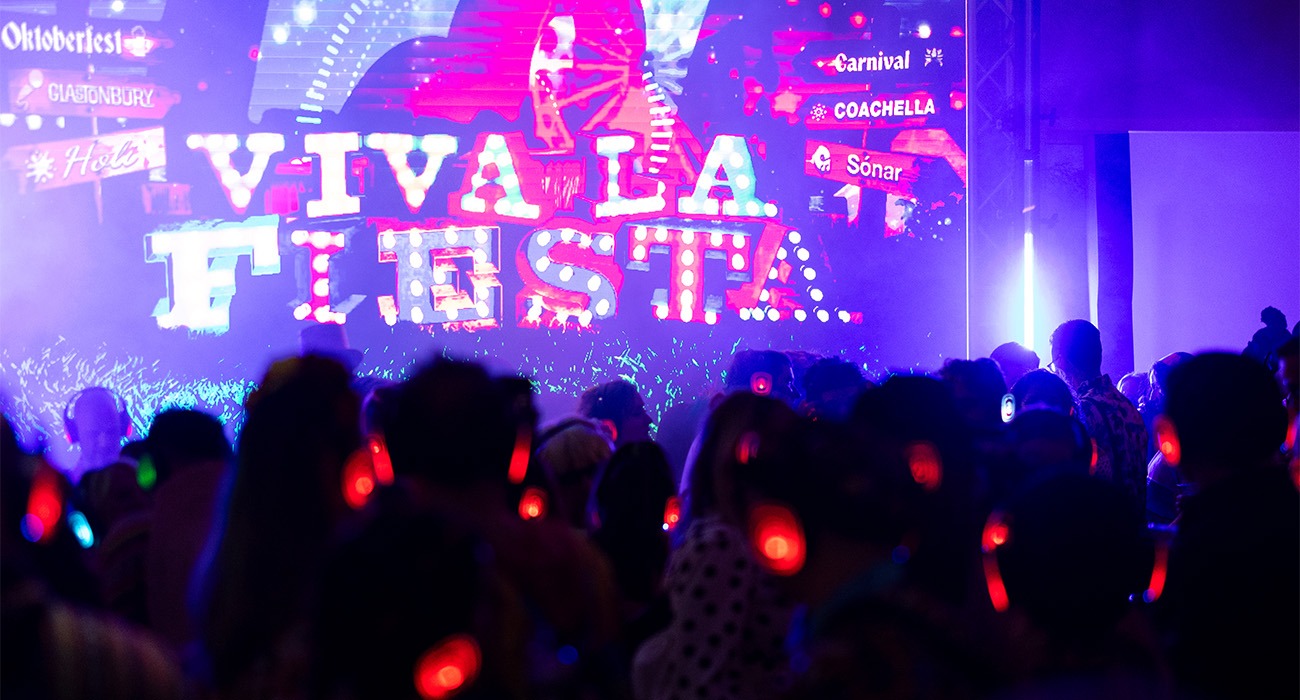
- Shared spaces with personal tracks. Social events should unite people without forcing a single vibe. A silent disco is the perfect execution of this concept. It allows a multi-generational crowd to share the same dancefloor while listening to completely different music channels.
Don’t forget, capturing these curated “wow” moments through high-quality videography and photography is essential. It creates the powerful promotional materials needed to engage current audiences and build desire for future incentive programs.
Inclusive Food and Beverage
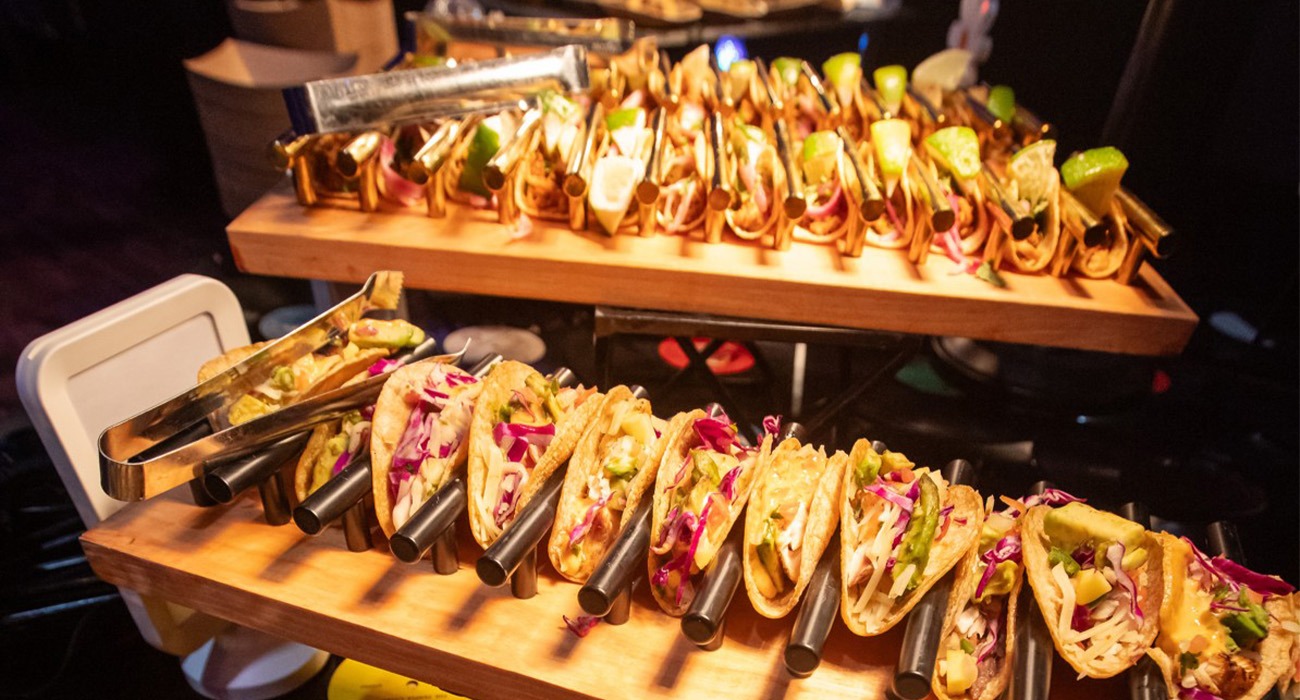
Customization also extends to highly specific individual needs. So, for example, when approaching food and beverage, agencies want to ensure that regardless of dietary preferences, every guest has an exceptional experience. For example, a vegan attendee shouldn’t feel short-changed or like an afterthought, or an individual who doesn’t drink alcohol shouldn’t be left with just tap water.
Every menu needs to be reviewed to ensure there is sufficient protein on offer, alongside healthy and low-carb options. For anyone with highly specific needs, such as strict allergies, a dedicated service needs to be offered. A member of the F&B team must connect with the guest pre-event and again on site. Giving them a personal point of contact reassures them completely, and the feedback on this proactive touch is consistently positive.
Data as the Ultimate Concierge
To make a massive, multi-location incentive feel like an intimate boutique experience, we have to rely on the hidden logistical frameworks powering the event: intentional data capture.
While pre-event registration needs to be kept short to avoid attendee frustration, the questions we do ask must be incredibly intentional. Equally important is post-event data. Feedback allows us to ask for input that shapes the event design for the following year: What theme would you like to see at the party? What song would get you on the dancefloor? What was most memorable? Beyond this “experience” data, true ROI also comes from the engagement metrics—the ROE. Does the attendee feel motivated to return to their day job and grow their sales pipeline? Will they become even better company advocates which in turn attracts new talent? In what ways were they able to build a wider network of future work collaborators while on the incentive trip?
Defining the Boutique Feel
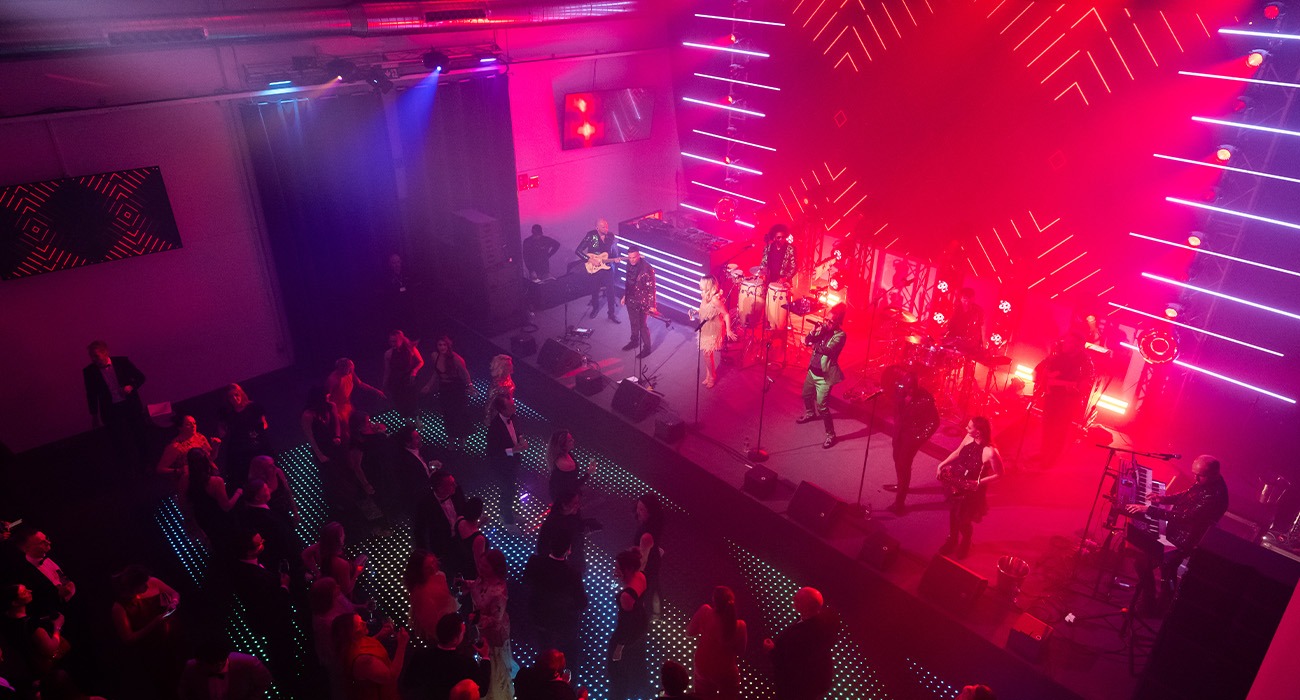
In the context of a large-scale incentive, achieving a boutique feel means taking inspiration from elsewhere in the hospitality industry, particularly premium hotel brands.
Integrating a dedicated concierge service is one of the subtle touchpoints that makes the biggest difference to the individual attendee. If someone discloses a particular need or wish during registration, simply having a team member directly reply to acknowledge the request is enough to make that person feel seen and considered.
Factoring this level of care into the incentive planning team can be resource-heavy, but it makes an undeniable difference. Following that through on site means thinking about every micro-detail carefully and resourcing sufficiently to facilitate those personal touches.
If an attendee arrives late due to a delayed flight, having the registration team take a room service order so that a hot meal is waiting in their room when they finally open the door, that is the exact moment a mega-event suddenly feels like it was designed just for them.
—
 Cassie Quartermaine began her events career 25 years ago with a three-month dealer training program for Ford Motor Company in Spain, while at Imagination, and she hasn’t looked back since. Her portfolio spans technology, FMCG, sport and the public sector, where she’s delivered standout conferences, roadshows, and award ceremonies for global brands including Barclays, Samsung and Vodafone. A career highlight includes leading a series of high-profile events for the U.K. government during its G20 presidency in 2009.
Since joining Nteractive in 2015, Cassie has played a pivotal role in producing many of the agency’s flagship experiences, from large-scale user conferences to global incentive programs. As both executive producer and head of production, she has always loved bringing creative ideas to life and is constantly looking for new ways to wow audiences. In her current role as head of live, Cassie leads a 50-strong team spanning event services, production, technical production, food and beverage, and strategic delivery. Her leadership style is defined by a deep understanding of live production dynamics, a commitment to excellence and a passion for creating attendee experiences that are truly memorable.