Headlines can be loud, but reality on the ground is layered. In this Smart Start Radio: Coffee Chat, host Eming Piansay breaks down takeaways from Smart Meetings’ March story “Breaking Through ICE,” by editor-at-large Gary Diedrich, and translates them into three practical moves meeting planners can use right away.
You’ll learn how to right-size the map (separating the camera frame from your attendee footprint), build confidence with a written safety and security plan you can clearly explain, and design resilient operations when hospitality staffing and service delivery are strained. Eming Piansay also shares rapid-fire questions to use on your next site selection call, internal risk meeting and attendee communications draft, so you can protect attendee trust while continuing to support the destinations you meet in.
Read the digital version of the story here: A Literary Association Response to ICE-related Disruption in Minneapolis and Beyond
Eming Piansay
How’s it going, Smart Start Radio family? I’m your host, Eming Piansay, here for another Coffee Chat.
Grab your coffee, your matcha, your tea or your water — whatever’s getting you through the day.
Today’s episode is inspired by a story running in our March magazine issue, “Breaking Through ICE,” written by our editor-at-large Gary Diedrich—a phenomenal writer. If you haven’t seen his work yet, definitely check him out on our website.
The story explores what happens when a destination’s brand is impacted not by a hurricane or wildfire, but by something fast-moving and emotionally charged: large-scale federal immigration enforcement and the community response around it.
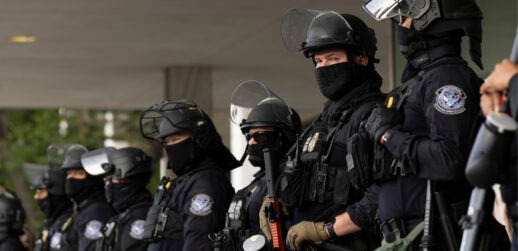
You’ll see examples from Minneapolis, Washington, D.C., and Los Angeles—cities dealing with disruption in different ways: ICE surges, National Guard presence, protests, curfews, highway closures, staffing strain and the perception gap that comes with all of it.
There’s a tension here every meeting professional understands. You want to support destinations. You want to show up for communities. But you also have a job — fill seats, protect attendees and get stakeholder approval from people who may only know what they saw on TV or social media.
So today we’re translating this story into three planner moves you can use in your next site selection call, risk meeting or attendee communications draft.
Because headlines are loud—but reality is layered.
Move 1: Media focus creates a distorted map
In Minneapolis, the story describes protests happening near a hotel—but not necessarily near the downtown core. It also notes the convention center connects to the Skyway system linking more than 150 buildings, allowing visitors to move indoors.
In Los Angeles, the DMO CEO explained something many planners feel in real time: coverage can make it seem like the entire city is on fire when activity may be concentrated in less than one square mile of a 500-square-mile region.
Read More: Greater Los Angeles: Built for Greatness
So what should planners do?
Ask your DMO and hotel partners to right-size the map.
Where are the hot spots relative to your venue footprint? Ten blocks? Ten miles?
Build a movement plan, not a vibe check.
Routes, entrances, transportation timing, and areas attendees can avoid without issue.
And communicate like an adult:
Here’s what’s happening.
Here’s where it is.
Here’s what we’re doing.
You might even ask:
Can you show me what’s happening relative to our attendee footprint—venue, HQ hotel, overflow properties and main transit routes—so we can plan ahead?
Move 2: Confidence comes from the security plan
Destination D.C. offered what felt like a master class after navigating multiple incidents in recent years. Their advice was simple:
Be proactive.
Know the security plan.
Communicate clearly about safety.
They also reminded planners that D.C. operates with more than 25 policing organizations. That’s not trivial—it’s a sign that many destinations have deep infrastructure for complex situations.
So here’s what to do:
Request a written security overview.
Venue security, police coordination, federal presence, medical response, protest response, escalation contacts—all of it.
Decide what you’ll tell attendees before they ask.
A short, calm FAQ works wonders.
And align internally.
Legal, duty-of-care lead, executive sponsor — same page, same language, same script.
Move 3: Staffing and service delivery can strain quickly
Even if your event itself is safe, fear and stress can affect operations.
The story cites a Meet Minneapolis survey reporting that 90% of businesses were impacted, with 80% seeing cancellations or reduced bookings and nearly three-quarters reporting staffing absenteeism.
But here’s the encouraging part:
The article also highlights hotel partners sharing staff and backfilling roles to maintain service.
This is where planners win or lose trust—not by pretending service will be perfect, but by planning for variability.
So ask venues:
What does staffing look like right now?
What’s the plan if it dips?
Build a “good enough to succeed” operations plan.
Simplified F&B, fewer touchpoints, smarter scheduling.
And consider a hybrid or virtual option as a pressure-release valve for attendees who want to participate but feel hesitant about travel.
Three rapid-fire questions to ask
- Where is the story actually happening relative to the venue footprint?
- What’s the plan if conditions change quickly—who has authority and what’s the communications chain?
- Can the destination still deliver the experience—staffing, transportation, curfews and access included?
Bonus: ask your DMO for transparency tools—FAQs, real-time updates and leadership briefings.
Final takeaways
- Get a reality check on what’s actually happening and plan movement accordingly
• Safety is a plan you can explain
• Service levels are part of risk management — design resilient operations early
If you’re nervous about disruptions in your destination, hopefully this gives you a framework to work from.
Thanks for hanging out with me today on Smart Start Radio Coffee Chat.
And thanks again to Gary Diedrich for the great article appearing in our March issue—and previewed now on our website.
Until next time, I’ll see you later.