Turn compliance-driven events into engaging experiences
Medical meetings are a universe unto themselves, a unique universe of health tech, insurance, medical devices and so much more. They also pose an interesting challenge for planners: crafting an event that medical professionals are willing to take time out of their busy schedules to attend.
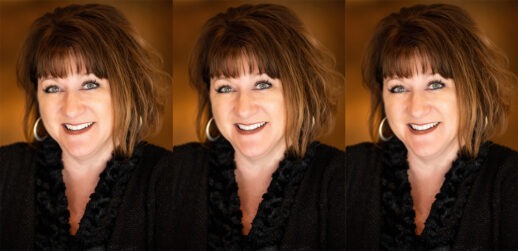
To better understand how to make this possible, Smart Meetings chatted with two experts in the field, Wendy E. Porter, founder and chief event strategist at Wendy Porter Events, who has more than 23 years of corporate event strategy experience, including 14 years leading national event strategy for UnitedHealthcare Medicare & Retirement; and Lisa Schulteis, an event strategist and consultant known for neuroscience-driven design, to get the inside scoop on what it means to create an engaging medical meeting.
Crafting the Experience
Medical meetings may be associated with patient confidentiality and compliance requirements, but that doesn’t mean there isn’t space for impactful and moving experiences.
“Compliance doesn’t mean boring. It means [being] intentional,” Schulteis said.
As Porter suggests, it is also essential to employ a strong narrative and theme structure for your attendees, which can be used as a touchpoint from the initial email to the post-event follow-up.
Read More: How Will Medical Meetings Be Affected by the New Trump Administration?
“Start driving engagement from the very first moment; thread themes throughout [your event],” Porter said.
“Compliance doesn’t mean boring. It means [being] intentional.” – Schulteis
Value Your Attendee’s Mind
One crucial fact to remember: Your agenda isn’t everything.
Yes, your attendees must have exciting and engaging breakout sessions and speakers. However, what is also important is how they will cognitively register the experience you provide them.
One example is structuring your event with shorter sessions paired with emotionally resonant storytelling from your speakers. Schulteis pointed to the human senses as another meaningful way to engage with attendees.
She used the example of Play-Doh to elicit scent and tactile memories of childhood. An activity like this creates an intentional experience and avoids resorting to expensive gimmicks that may or may not land with your audience.
“Every attendee brings a unique brain…we’re leaving engagement on the table if we ignore that,” Schulteis said.
They also offered “pattern interrupts” to break up the monotony, providing something surprising every 15 minutes to re-engage attendees.
“Pattern interrupts are my favorite…a slide change, a sound cue, a poll—just something to break the rhythm,” Schulteis said.
Collective Moments
Medical professionals are busy individuals. Including a virtual option for your event is essential in this respect. Even if your attendees can’t be physically present, it doesn’t mean they can’t feel part of the experience.
Porter recalled a virtual coffee-tasting event where attendees received branded mugs and coffee beans from a Costa Rican farm. This moment merged the storytelling of local farmers with a live group coffee-making session, giving attendees an emotional investment in the experience.
Schulteis agreed that creating collective moments among attendees is essential.
“Those shared experiences—that’s mirroring. That’s how you build connection, even virtually,” she said.
Be the Storyteller
Planners are like storytellers. They strive to forge a solid, engaging storyline from beginning to end.
Read More: Take 5: Event Storytelling and Matchmaking
Porter suggested a three-part engagement plan:
Pre-event hype: She sent out teaser videos of the event’s MC to build familiarity with the attendees. “By the time they got there, they felt like they knew her when they walked in the room,” Porter said.
In-session activations: She employed short content blocks, gamification and unexpected moments, including the leadership team forming a pom-pom tunnel at the entrance. “Everyone felt really welcomed and excited…‘Gosh, these people took some time to stand here and do this for me.’ Cool, you know?” Porter recalled.
“Those shared experiences—that’s mirroring. That’s how you build connection, even virtually.” – Schulteis
Post-event follow-up: Attendees received thank-you messages and surveys while the event memories were still fresh. “Make sure you’re following up with people really quickly. Get your survey out the second the door closes,” Porter said.
Be Intentional in Understanding Your Audience
Tracking the post-event survey is essential, but Porter and Schulteis agree that a multi-tiered approach is needed to understand what worked for your attendees. By using apps like Zenus, planners can track facial cues and reactions. “Zenus can track when attention spikes or drops—it tells you exactly where you lost or gained the room,” Porter said.
Schulteis spoke on the importance of microlearning as an essential tool for planners. “We do pre- and post-event knowledge checks, but also reinforce with microlearning weeks later,” she said. This can take the form of bite-sized, accessible formats such as short video recaps, scenario-based case studies or interactive email quizzes.
A staggered model of dispensing these to your audience is preferable due to personal and work scheduling.
Real-Time Impact
As Jerry Maguire shouted: Show me the money!
Or in other words, how does it all connect? Porter and Schulteis recounted case study moments that had a noticeable impact on attendees.
Porter recalled a hybrid oncology event where a small group discussion followed each in-person session. Following their presentations, physicians logged into a virtual platform to answer questions live. “For a clinical audience, that level of access is rare. It made attendees feel respected, heard and genuinely valued,” Porter said.
Schulteis recalled a year-long strategy for a health tech agency that included award programs, customer dinners and CSR activities, such as superhero kits for hospitalized children.
Create Smart Solutions
Enticing your attendees is key and often goes beyond the well-crafted agenda and speaker lineup. Offering exciting and unexpected experiences at your event may be the deciding factor in getting attendees to hit the RSVP button.
Make your content stand out—whether it’s hands-on lab experiences in a hotel ballroom or a brand-new idea tailored to your audience.
Adding your own personal touch never hurts, either. Porter shared a scenario where a client made personal phone calls to potential attendees to boost attendance. Adding the human element to the planning process never hurts to make your guests feel seen and engaged on a deeper level.
This article appears in the July/August 2025 issue. You can subscribe to the magazine here.