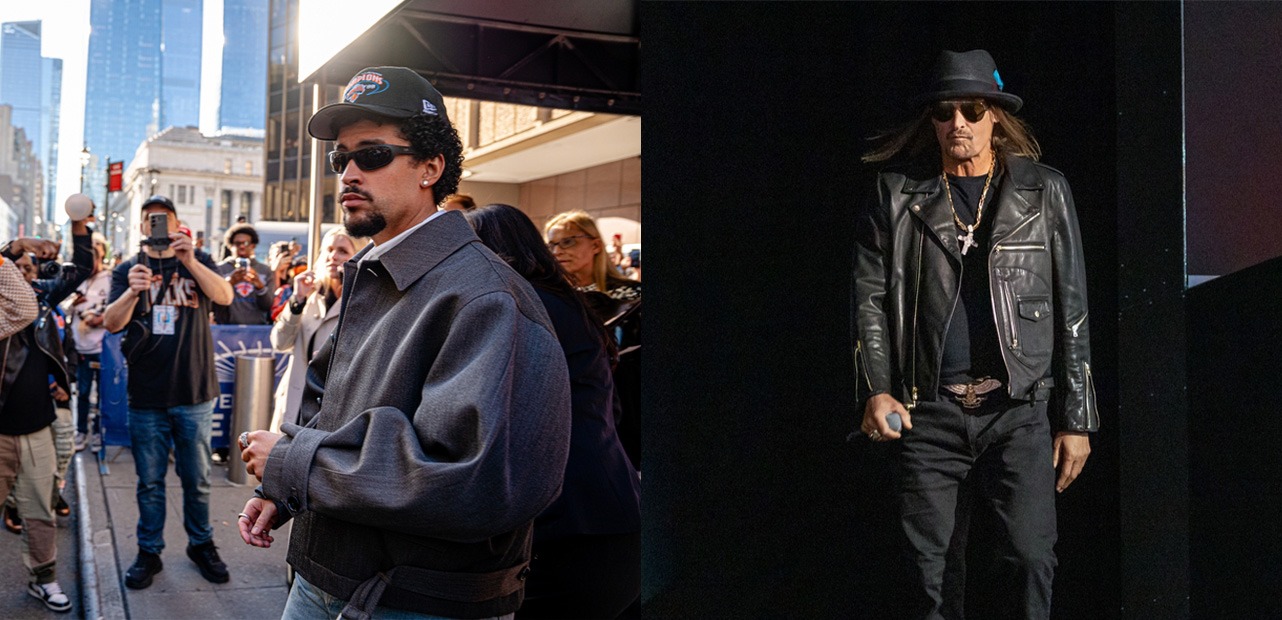
Some moments explode into culture, and others simply happen. For meeting planners, the difference between the two is everything—one becomes a shared memory that propels your organization’s relevance long after the lights go down; the other is a tidy, functional event that closes when the audience files out. A recent analysis from ad-tech firm Qortex makes this distinction vivid by comparing two very different Super Bowl halftime shows and why one kept living while the other did not.
Qortex ran both performances through its Advanced Video Intelligence (AVI) artificial intelligence software. At a surface level, they shared a category of being “community-driven.” But AVI’s multimodal metadata pulled apart what “community” meant in each case. The Bad Bunny set indexed to festival energy, nightlife, cultural pride and clip-ready spectacle—community as collective joy and celebration. The other performance, the Turning Point (TP) USA-sponsored stage show featuring Kid Rock, was indexed to calls to action, organization, and faith- and family-oriented participation—community as civic involvement and responsibility.
Read More: Oakland Sports Remain Strong Despite Exodus of Major Sports Teams
Those distinctions mattered. Bad Bunny’s show drew an estimated 135 million viewers and functioned as a cultural generator: a performance that begged to be clipped, remixed, shared and rewatched. The moment extended outward into social feeds, reaction content and memes—it kept living. Kid Rock’s show, by contrast, engaged people with purpose-driven calls to action; it created meaningful, focused participation, but that attention tended to be bounded and immediate. AVI flagged it as powerful but more contained. The data showed the audience fractured, with roughly 4.5% of viewers migrating to the alternative halftime experience while the majority stayed with the main broadcast.
What planners should learn from this is less about politics or pop stars and more about design: how content prompts an audience to engage and what you want them to do once they’re there. The Bad Bunny example illustrates how to craft an event that grows culturally by creating moments that encourage sharing. Elements that promote sharing include dynamic visuals, layered staging that reads well in short clips, culturally meaningful motifs that connect with a wider audience and opportunities for spontaneous participation that translate into social formats. The TPUSA example highlights a different strength: purpose-driven events foster deep engagement and action, but their energy is limited by the call to contribute—meaningful, yet less likely to ripple into mainstream culture.
Read More: It’s All About Engagement!
For meetings, the innovative approach is intentional hybridization. If your goal is long-tail relevance—brand lift, recruitment or destination marketing—design festival-style moments inside the conference, like a brief, high-energy sequence that photographs and clips well; a culturally legible headline act or reveal or micro-rituals attendees can replicate and share. If your priority is behavioral outcomes—certification, advocacy or volunteer sign-ups—center on purpose, clear calls to action, and structured participation. Don’t expect either to do both without deliberate scaffolding.
Practical Takeaways
- Decide first whether you want resonance (ripples beyond the room) or response (measurable action from attendees). Each requires different mechanics.
- Embed shareable artifacts. Use 10–20-second visual “moments,” branded sound bites, or interactive installations that translate to social platforms.
- Layer meaning. Combine a purpose-driven centerpiece with a festival-style interlude so attendees both act and remember.
- Measure beyond applause. Track clips, remixes and social spikes as indicators of cultural lift, not just headcount or post-event surveys.