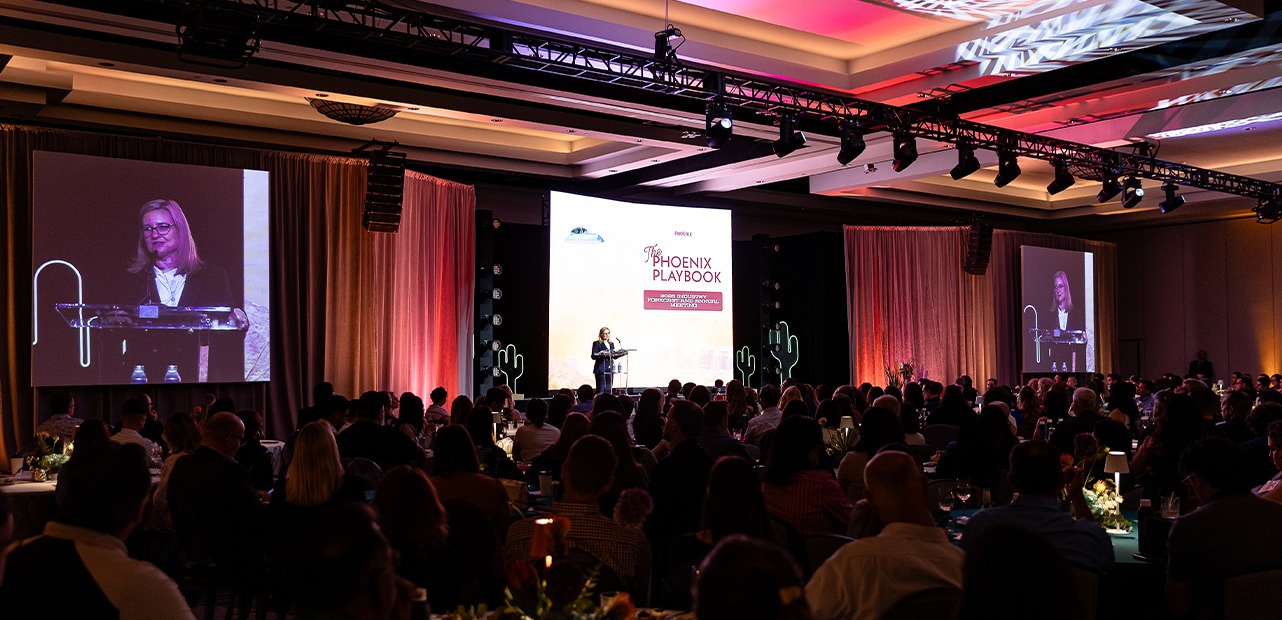
Our Annual Meeting is one of the most important moments for Visit Phoenix to engage with our stakeholders.
It’s where we step back and tell the story of the past year. It’s part state-of-the-organization address, part networking event, and part learning experience. Like any live event, it’s where the unexpected pops up—because no matter how prepared you are, last minute changes can happen.
A speaker revises their remarks the night before. A data point gets updated hours before doors open. The mayor’s remarks run long in rehearsal. An executive wants to tweak the tone of an intro. The question isn’t whether things will change, but rather how you manage those changes without creating confusion, stress or mistakes on show day.
Over the years, we’ve learned that success isn’t about avoiding last-minute changes. It’s about building a workflow that can process them and keep the team aligned.
The Intent Behind the Annual Meeting
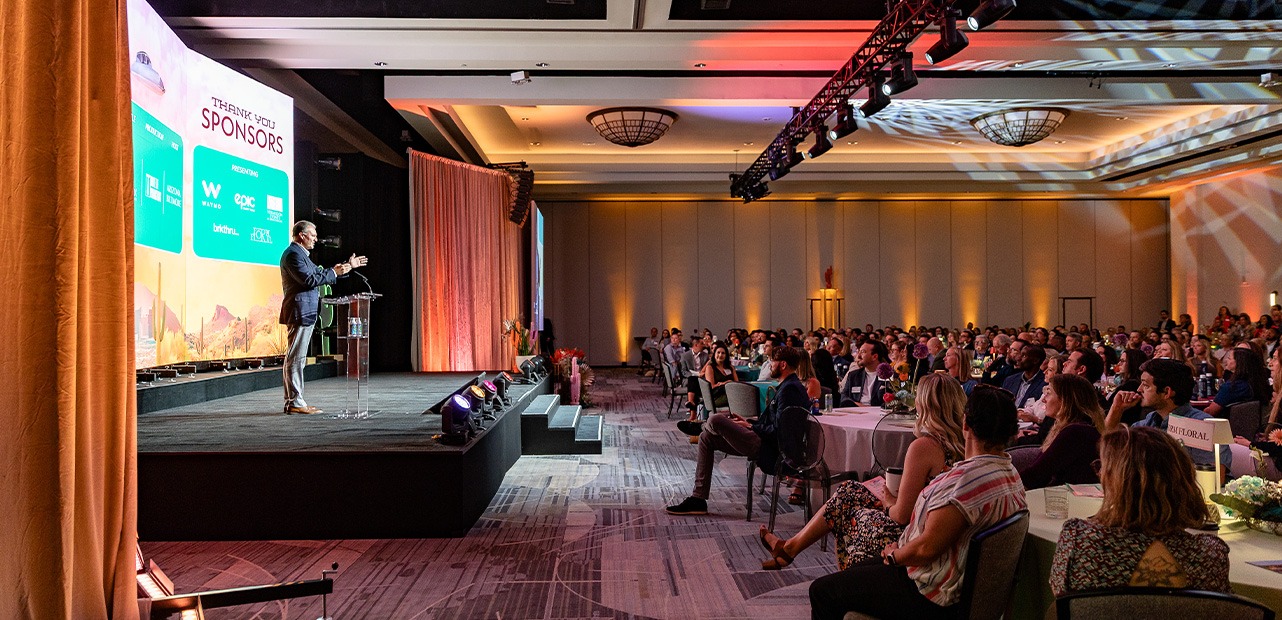
Our Annual Meeting is an opportunity to share the story of Visit Phoenix’s work over the past year; how our teams support tourism, conventions, major events and economic impact across the destination. This means pulling together content from across departments and translating complex work into a clear, compelling narrative for our members.
Second, it’s about connection. Our members don’t just come to listen; they come to engage with one another, build relationships and feel part of a larger community.
Read More: Building Connection in a Distracted World
And finally, there’s always an educational component. Whether it’s insights into industry trends, destination development, or a guest speaker offering a fresh perspective, we want attendees to leave with something they didn’t know when they arrived.
Balancing all three requires careful coordination.
How Long Planning Really Takes
While the event itself may only last a few hours, planning starts months in advance.
We typically begin with high-level goals and messaging, then move into content development. Department heads contribute updates and data. Our corporate communication team helps shape the narrative. Leadership, including our CEO and other executives, plays a central role in defining tone and priorities. External or guest speakers are often added later in the process.
As the event approaches, content becomes more detailed and more interconnected. Scripts, talking points, visuals, timing, and transitions all need to align. And because multiple people are responsible for different pieces, the risk of version confusion grows quickly if everything isn’t carefully managed.
Who’s Involved (and Why It Matters)
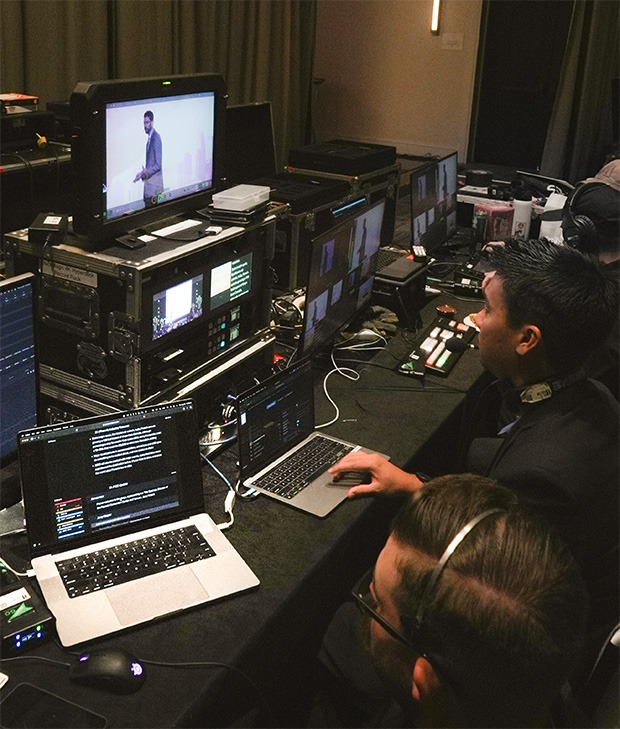 Producing the Annual Meeting is a genuine team effort.
Internally, we collaborate with:
- Corporate communications
- Department heads providing content
- Executive leadership, including the CEO
- Creative team developing graphics
Externally, we work closely with:
- Production partners
- AV teams
- Marketing agency
- Guest speakers
Each group brings expertise, but also their own workflows and preferences. Without a shared system, updates can end up in email threads, shared drives, PDFs, or spreadsheets, making it harder to know what’s current and who has the latest version.
That’s where things can start to unravel, especially as we get closer to show day.
Where Things Used to Get Risky
In the past, last-minute changes created stress not because the changes themselves were unreasonable, but because managing them was inefficient.
Read More: Event Risk Is Inevitable—Planning for It Isn’t
A script update might not reach the production team. A speaker’s revised remarks could be out of sync with the teleprompter. A timing change might affect a video cue without everyone realizing it.
None of these issues are dramatic on their own, but in a live show, small misalignments add up fast.
One Place to Collaborate Changes Everything
What’s made a real difference for us is having a single, shared workspace where everyone collaborates in real time.
Using a new event-tech solution called Script Elephant, all of our show content, including scripts, cues, stage direction, teleprompter, and supporting materials, lives in one place. That means when something changes, it changes for everyone.
Department heads can review and refine both script and graphics content directly. Executives can see how their remarks fit into the broader flow of the show. External speakers can be brought into the same environment without juggling attachments. And production partners always know they’re working from the most current version.
Handling Last-Minute Changes with Confidence
Last-minute changes still happen. The difference now is that those changes don’t derail us. Updates are tracked. Communication is centralized. Everyone knows where to look for the latest information.
On show day, that confidence matters. It allows our team to focus on execution, not troubleshooting. It allows leadership to stay present without worrying whether the updated script made it to the teleprompter. And it allows our members to experience a polished, professional event that reflects the care we put into our work year-round.
Producing a successful Annual Meeting isn’t about locking everything down early and hoping nothing changes. It’s about planning for change, and giving your team the tools to handle it together.
For us, having a collaborative, event-specific platform has turned last-minute changes from a liability into just another part of the process. And it’s made all the difference.
—
Sarah Doyle is director of communications for Visit Phoenix.