With AI encroaching upon our work spaces, sometimes it’s the human touch that makes the difference
As event teams face staffing shortages and an increasingly complex landscape, independent planners are emerging as a vital resource for professional meeting planners. A recent webinar shed light on the unique value these professionals bring to the table. The discussion, led by JT Long, vice president with Smart Meetings, and JJ Wills, senior vice president of marketing programs and business development for ConferenceDirect, emphasized three key topics: the breadth of services offered by independent planners, the importance of relationships and communication and the enduring role of human expertise in an age of AI.
Beyond Sourcing: A Wide Range of Services
While independent planners are often associated with sourcing venues and negotiating contracts, the discussion highlighted the vast array of services they can provide. “We most often are thought of as sourcing that we send out RFPs to hotels and negotiate contracts, and that is absolutely a big core of what we do,” said JJ Wills. “But there’s really so much more that I think that meeting planners can take advantage of to help them stretch their resources.”
Read More: Accidental Planner: The ‘When’ of Efficient Event Sourcing
These services can include conference management, assisting with logistics, video production, speaker recruitment, sponsorship sales—and even sustainability planning. Wills emphasized that independent planners can also provide much-needed support for event technology needs, such as building registration platforms and implementing chatbots or mobile apps.
The panelists noted that independent planners can act as an extension of existing teams, filling in gaps and providing specialized expertise as needed. This is particularly valuable in an era of lean staffing and frequent turnover.
Relationships and Communication: The Keys to Success
The two underscored the critical importance of building strong relationships and fostering open communication in the event planning process. Wills stressed the need for “transparent communication,” adding, “Really like embracing the relationship with someone you trust and letting them be part of your team.”
This includes establishing clear expectations, maintaining regular touchpoints and cultivating a collaborative environment. “Win,” shared Wills. “Absolutely, I think you know a foundation of trust is so critical, and something’s always gonna go wrong, right? We all know that, and so are you partnering with someone who’s going to roll up their sleeves and jump in the trench and help you find solutions?”
The speakers also highlighted the value of strong relationships with hotel brands and Global Sales Organizations (GSOs), particularly in times of uncertainty. These relationships can provide access to valuable resources and support, enabling planners to navigate challenges and find creative solutions.
Human Expertise in the Age of AI
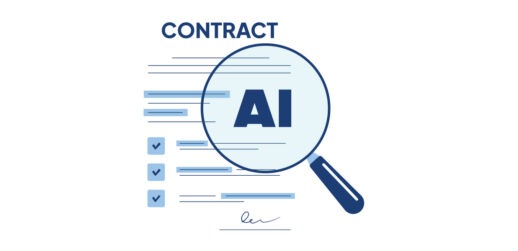
As artificial intelligence becomes increasingly prevalent in the event industry, the webinar explored the unique value that human expertise continues to offer. While AI can assist with tasks such as data analysis and lead generation, it cannot replicate the critical thinking, problem-solving and relationship-building skills that independent planners possess.
Read More: How Event Planners Are Using AI in 2025
“Al is a great tool, but it can’t think for us, and it can’t problem solve for us,” stated Wills. “It can’t build relationships for us. It can do a lot of administrative work for us, and it can do some brainstorming.”
Wills emphasized that human expertise is essential for understanding client needs, developing creative solutions, and navigating complex negotiations. In an industry that is built on relationships and collaboration, these skills remain invaluable.