After years of detours, dead ends and dashed dreams, California’s iconic Highway 1 is whole again. Following a series of landslides that sent sections of the roadway tumbling into the Pacific Ocean, the state has officially reopened the long-closed stretch along the Big Sur coast—restoring one of America’s most scenic drives and delivering a much-needed boost to the region.

The first collapse in 2023, triggered by extreme weather and unstable cliffs, severed a critical transportation link and forced travelers to reroute inland for years, circumventing communities that depend on meetings and tourism. Local businesses felt the impact immediately, as visitor numbers dropped and access to coastal communities became more complicated. The reopening signals not just an engineering triumph, but a turning point for the Central Coast’s economic recovery.

For a region that is dependent on tourism, the news is a welcome reprieve. Highway 1 is the lifeblood of Big Sur, Carmel-by-the-Sea, Monterey and other neighboring destinations, carrying millions of visitors annually to hotels, restaurants, parks and attractions perched between mountains and sea. With uninterrupted access restored, tourism-dependent communities can once again welcome travelers arriving the way the destination was meant to be experienced—slowly, scenically and with plenty of stops along the way.

Read More: Central/Northern California: Meeting on the Western Edge

Travelers dreaming of a classic California road trip also have reason to celebrate. Highway 1 is more than a road; it’s a rite of passage. The drive delivers jaw-dropping coastal views, misty redwood groves and golden-hour vistas that define the California imagination. With the route fully open, road trippers can once again trace the coast from Southern California through Big Sur and north to Monterey and beyond without backtracking or logistical headaches.

“The reopening of Highway 1 is an incredibly meaningful milestone—not only for us, but for the entire Big Sur community, says Tim Green, general manager of Post Ranch Inn. “This iconic roadway is part of the journey and the magic of arriving here. Its return restores that sense of awe and accessibility for our guests, while also symbolizing the resilience and renewal of the region we’re so proud to call home.”

Professional meeting planners also stand to benefit. The reopening simplifies group transportation, site inspections and incentive itineraries that rely on seamless coastal access. Destinations along Highway 1 are home to luxury resorts, intimate retreat venues and memorable off-site experiences—think oceanfront receptions, scenic team-building hikes and sunset dinners overlooking the Pacific. With Highway 1 restored, planners can confidently design programs that blend business with the kind of natural beauty that elevates attendee engagement and satisfaction.

“With full access restored, planners can once again offer the complete Big Sur experience—including the unforgettable coastal drive that sets the tone for guests’ arrivals,” says Green.

The rebuilt roadway also reflects California’s commitment to resilient infrastructure, incorporating modern engineering designed to better withstand future environmental challenges. That investment sends a reassuring message to travelers and planners alike: this legendary route is ready for its next chapter.

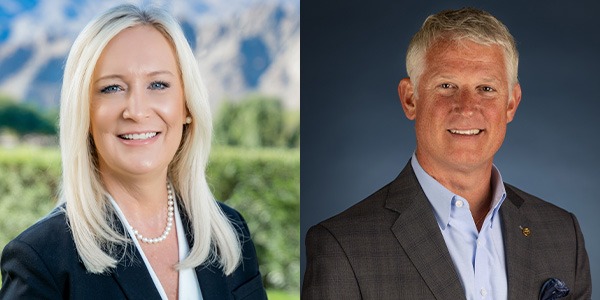
Janet Galippo & Jim Caul

Janet Galippo on left and Jim Caul on right
Janet Galippo (left) and Jim Caul (right)

Tommy Bahama Miramonte Resort & Spa in Indian Wells, California, has named Janet Galippo director of marketing and Jim Caul director of sales and marketing. Galippo brings more than a decade of luxury resort branding experience, most recently leading marketing at PGA WEST, following roles at Marrakesh Country Club and La Quinta Resort & Club. Caul, a 22-year industry veteran, joins from The Langham Huntington Pasadena and previously led marketing at Loews Hollywood.

David Berzofsky

David Berzofsky

Velas Resorts has appointed David Berzofsky as senior regional sales director, Southeast U.S. He will spearhead growth across this region, focusing on strategic partnerships in the meetings and incentives market. Berzofsky brings more than 30 years of luxury hospitality sales experience, most recently as director of sales at The Ocean Reef Club. He also spent 15 years with The Ritz-Carlton and Marriott Luxury brands, earning 11 consecutive Golden Circle Awards.

Tayna Zasada

Tayna Zasada

Hyatt Regency Lake Washington at Seattle’s Southport has named Tayna Zasada director of sales, marketing and events. She will lead sales and marketing initiatives to further position the waterfront hotel for meetings, events and leisure travel. A Hyatt veteran with more than a decade of experience, Zasada most recently served as director of sales at Grand Hyatt Seattle after overseeing programs for the Hyatt Seattle Collection. She previously held sales leadership roles at Hyatt Regency Dallas and Hyatt Regency DFW.

Julie Desvaux

Julie Desvaux

Nikki Beach Hospitality Group has appointed Julie Desvaux as global marketing director for hotels and resorts as it accelerates growth across its hotels, resorts and branded residences portfolio. A luxury hospitality leader with 20+ years’ experience in wellness, digital transformation and brand strategy, Desvaux has held senior roles at Airelles, Groupe Barrière and, most recently, Compagnie Lebon. She will lead global marketing strategy, brand positioning, digital innovation and guest engagement ahead of projects in Antigua, Muscat, Ras Al Khaimah and Baku.

Wonder, awe and curiosity were the touchstones when 750 leading incentive professionals traveled from all over the world to Abu Dhabi in the United Arab Emirates for Society for Incentive Travel Excellence (SITE) Global Conference 2026. This was the first time the event had staked a place in the Middle East and pointed to the importance of meetings and events in the travel mix of the destination.

Yolanda Gonzalez and Kerry Latham in turbans
Discover Puerto Rico’s Yolanda Gonzalez and Smart Meetings’ Kerry Latham

Abu Dhabi represents a rare paradox. It is a global power that prioritizes its ancient traditions as much as its bold innovations. Culture and heritage meet business and vision. The narrative of the future is being written through a delicate balance of legacy and leap-forward technology. The spotlight for SITE Global was firmly on a city that has mastered the art of “regeneration” without erasure.

The host hotel, The Ritz-Carlton Abu Dhabi, Grand Canal embodies this blending through Venetian-inspired buildings affording more than 500 guest rooms forming a crescent surrounding one of the city’s largest outdoor pools. Luxurious Arabian touches reminded guests of the exotic location at every turn. World-class dining is available at eight on-site restaurants with cuisine to please a diverse palate.

Hospitality is a sacred tradition in this city of 4.14 million, one of the fastest-growing places in the world. In fact, Abu Dhabi Department of Culture and Tourism strategically positions the city as a “Mindful Museum” where landmarks serve as bridges between past and present. The city’s Tourism Strategy 2030 outlines plans for expansion and reinvention that will make the destination a hub for sustainable, culturally rich business travel.

A Global Mission

SITE CEO Annette Gregg explained that while 57% of the association’s membership is based in North America, SITE intentionally rotates the annual conference outside the region every other year. This helps make it more accessible for global members and highlights different incentive destinations. SITE Global is designed to include activities that planners could use if they are producing an incentive experience in the destination.

This year, that included the architectural wonder of the Sheikh Zayed Grand Mosque and the artistic beauty of the Louvre Abu Dhabi. It also included the natural magnificence of camel rides in the desert.

And the education went both ways. Gregg explained that rotating the location exposes the local hospitality community to the power of incentive travel, an industry worth over $300 billion annually.

Something Completely Different

SITE Global stage with three people in chairs
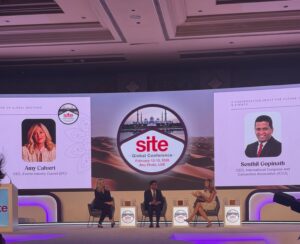
The SITE Global stage featured EIC’s Amy Calvert, ICCA’s Senthil Gopinath and SITE’s Annette Gregg

The diversion from the usual fits with findings from the most recent Incentive Travel Index sponsored by SITE Foundation, which found some interesting shifts in attendee and corporate values for incentives.

Planners are choosing new destinations for their qualifiers—but not too far away. They don’t want to spend all their time or budget on flights, which leads to the next finding. Secondary destinations with robust air accessibility are measurably more attractive to international planners. Abu Dhabi happens to be home to five airports with Zayed International Airport (AHU) serving as the main hub. It is filled with luxury lounges, spas and an airport hotel, AU Hotel Abu Dhabi Airport Transit Hotel.

Buyers also want locations that are welcoming and safe. “Planners need to overcommunicate about how participants can get into a destination easily, and how safe it is once they get there,” said Gregg.

SITE released a safety statement for prospective attendees that read, “As we prepare for our 2026 Global Conference in Abu Dhabi, we are actively monitoring any developments that may occur in the region. In close coordination with our local hosts and the appropriate government authorities, we are fully committed to providing a safe, secure, and welcoming experience for all attendees.”

Gregg also hosted a virtual session with Mubarak Al Shamisi from Abu Dhabi Convention and Exhibition Bureau for a download of what to expect.

Finally, respondents showed an affinity for destinations known for wellness and authenticity. “Participants want a healthy balance of downtime and want to experience the destination as the locals do,” she concluded.

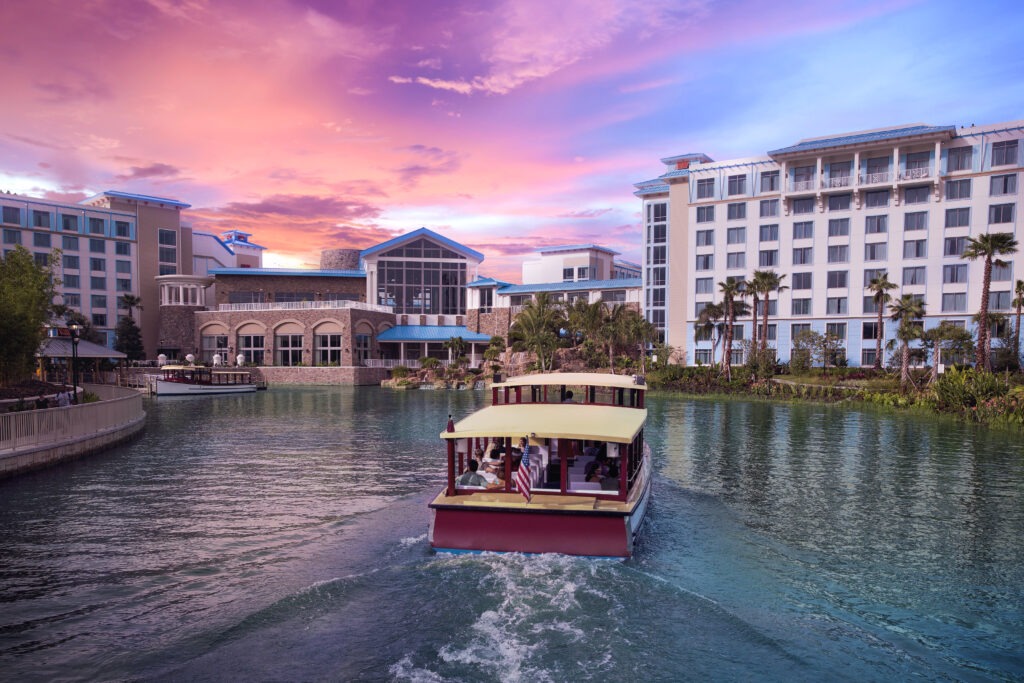
Note: Image of The Ritz-Carlton Abu Dhabi, Grand Canal with Sheikh Zayed Grand Mosque in the background from The Ritz-Carton Abu Dhabi, Grand Canal.

Planning an incentive? A new study says golf still swings. Watching air trends to gauge attendee confidence? Travel agency air sales just crossed $10 billion in a single month for the first time ever. Looking for a patriotic hook for a 2026 sailing? Princess Cruises is leaning into America’s 250th with themed voyages to Alaska, Hawaii and New England.

And that’s just the start. From a 20-year river cruise deal boosting Baton Rouge’s waterfront to Vietnam Airlines adding 50 Boeing jets to fuel Southeast Asia growth, Smart Travel is here to bring you the latest updates shaping the way we move, meet and plan.

U.S. Travel Agency Air Sales Surpass $10 Billion in January

Air travel demand is off to a strong start in 2026, with U.S.-based travel agency air ticket sales topping $10 billion in January for the first time on record, according to new data from Airlines Reporting Corp. The milestone represents a 7% year-over-year increase and a 39% jump from December.

Passenger trips settled through ARC totaled 28.2 million in January, up 6% compared with the same month in 2025. Domestic trips reached 17.1 million, while international trips climbed 8% year over year to 11.1 million, underscoring continued demand for global travel. The average ticket price rose to $581, with premium cabin fares holding steady at $1,406.

“January’s agency air ticket sales reflect the optimism for continued travel demand expressed by several North American airlines in their recent earnings calls,” said Steve Solomon, chief commercial officer at ARC. “The travel agency channel remains a key driver of airline revenue, particularly as travelers show sustained interest in international destinations and premium cabin offerings.”

Leisure-focused agencies saw a 6% increase in passenger trips compared with January 2025, while corporate and online travel agency bookings dipped slightly. Meanwhile, New Distribution Capability transactions continued to gain ground, accounting for 20% of ARC-settled transactions, up from 16.5% a year earlier.

Princess Cruises Marks America’s 250th with Themed 2026 Voyages

As the United States prepares to celebrate its 250th anniversary, Princess Cruises is introducing commemorative 2026 voyages to Alaska, Hawaii, and Canada and New England, pairing scenic itineraries with onboard programming honoring the milestone year and creating fresh inspiration for incentive and group travel.

The cruise line will operate its largest Alaska season ever in 2026, deploying eight ships across 180 departures to 19 destinations, including the debut of Star Princess. For planners designing reward trips or executive retreats, Princess’ Alaska cruisetours offer extended land-and-sea options, combining a seven-day sailing with immersive experiences in Denali National Park and other iconic wilderness areas.

To mark the anniversary, guests on Alaska sailings can enjoy themed entertainment, specialty culinary offerings and commemorative retail items.

“As America approaches its 250th anniversary, it feels especially meaningful to celebrate by sailing alongside the landscapes and visiting landmarks that helped shape our nation,” said Marie Lee, chief marketing officer of Princess Cruises.

With departures from major U.S. homeports and itineraries timed around key summer and fall windows, the program may appeal to planners seeking turnkey incentive options tied to a national celebration.

Baton Rouge Signs 20-Year Deal with American Cruise Lines

Baton Rouge has secured a 20-year agreement with American Cruise Lines that city officials estimate will generate a $25 million economic impact, bringing roughly 100 river-ship dockings annually to the Mississippi Riverfront.

Mayor-President Sid Edwards and American Cruise Lines President and CEO Charles B. Robertson announced the partnership as the American Melody arrived at the City Dock near the Raising Cane’s River Center. The agreement is expected to attract an average of 170 passengers per ship, totaling approximately 16,320 visitors in 2026 alone. Those travelers are projected to spend at least $1.2 million locally at attractions, restaurants and businesses.

“This is a significant, long-term agreement that will help boost our economy, increase tourism, and create jobs,” said Edwards.

Visit Baton Rouge President Jill Kidder noted the influx of predominantly out-of-state, high-income travelers will benefit local vendors and experiences along the downtown riverfront. American Cruise Lines is investing $2 million in dock restoration and will pay ongoing docking fees to support maintenance.

For meeting and event planners, the strengthened cruise presence adds momentum to Baton Rouge’s waterfront as a destination. With the Raising Cane’s River Center steps from the dock, the steady flow of cruise guests and upgraded infrastructure could support pre- and post-cruise programming, off-site excursions and group extensions tied to Mississippi River itineraries.

Vietnam Airlines Orders 50 Boeing 737 MAX Jets to Fuel Regional Growth

Vietnam Airlines has finalized an order for 50 Boeing 737-8 aircraft, marking the flag carrier’s first purchase of Boeing single-aisle jets as part of a broader fleet modernization and growth strategy.

Announced in Washington, D.C., the order positions the airline to expand its domestic and regional network as air travel demand across Southeast Asia accelerates. Vietnam’s air traffic is projected to double to more than 75 million annual passengers over the next decade, increasing pressure on carriers to add capacity and modernize fleets.

“The investment in 50 Boeing 737-8 aircraft marks a significant step in building a modern, fuel-efficient fleet while enhancing operational performance and elevating service standards to meet international benchmarks,” said Dang Ngoc Hoa, chairman of the Board of Directors of Vietnam Airlines.

Configured to carry up to 200 passengers with a range of 3,500 nautical miles, the 737-8 will support short- and medium-haul expansion while complementing the airline’s existing fleet of 787 Dreamliners on longer routes. Boeing says the 737 MAX and 787 offer a 20% to 25% improvement in fuel efficiency compared with the aircraft they replace.

For the meetings and business travel sector, the expanded narrowbody fleet could translate into greater regional connectivity and more frequency across key Southeast Asian markets, a region that continues to grow in importance for corporate travel and international events.

Study Finds Golf Travel Spending Holds Strong Heading Into 2026

A new national report from Buffalo Groupe indicates the golf travel market remains resilient, with U.S. golfers planning to maintain, and in many cases increase, their spending on golf-focused trips in 2026.

The 2025 Buffalo Groupe Golf Travel Study, conducted in December, found that nearly nine in 10 golfers expect to spend the same or more on golf travel this year, with half maintaining annual budgets of $5,000 or more. At the same time, travelers are placing greater emphasis on value, citing hidden fees and unclear pricing as top deterrents.

“Golf travel demand remains strong, but today’s golfer is making more thoughtful decisions,” said Buffalo Groupe CEO Kyle Ragsdale. “We’re seeing sustained spending paired with higher expectations around value, ease, and overall experience.”

The Southeast continues to dominate domestic golf travel interest, while emerging demand is growing for the Gulf Coast and Upper Midwest. Internationally, Scotland and Ireland remain bucket-list favorites, with Southern Europe gaining traction among travelers seeking a broader “golf-plus” cultural experience.

The findings underscore continued opportunity in golf-centric retreats and executive outings. With 71% of respondents expressing confidence in the U.S. economy and many opting for multiple shorter trips instead of one marquee getaway, destinations that offer seamless booking, transparent pricing and layered experiences may be well positioned to capture group and corporate business in the year ahead.

If your travel radar is set to “what’s next,” this week’s Smart Travel delivers.

Europe’s familiar icons may still be drawing crowds, but new research shows long-haul travelers are increasingly steering toward quieter corners from Southern Finland to Northern Italy, helping spread demand beyond the usual summer incentive travel hotspots. Meanwhile, Mandarin Oriental is amplifying its presence in Egypt, pairing two storied Nile-side hotels with its first luxury river cruise to create a land-and-water journey through Luxor, Aswan and Cairo.

In the skies, Lufthansa is refreshing its A380 Business Class with privacy-forward upgrades, while on the ground, Amtrak is rolling out its next-generation Airo fleet as part of a sweeping modernization of U.S. passenger service.

All of that and more in this week’s Smart Travel, where we catch up on the latest must-know headlines shaping the way we move, meet and plan.

Overseas Demand Fuels Europe’s Tourism Dispersion Push

New research from Mabrian and The Data Appeal Company, presented at the European Travel Commission’s Annual Meeting in Pärnu, Estonia, shows overseas markets are playing a growing role in spreading visitor demand beyond Europe’s traditional hotspots.

The study examined travel patterns from six key long-haul markets (the United States, Canada, Australia, China, Japan and South Korea) and found rising interest in lesser-known regions across Northern Italy, Spain and Portugal, as well as Southern Finland, Poland and parts of Central Europe. These emerging destinations are attracting groups drawn to nature-based and active experiences, particularly during shoulder seasons.

Air connectivity is reinforcing the shift. In 2025, available direct air seats from the six markets to European destinations increased 5.2%, with particularly strong gains from China, Japan and Australia. The U.S. remains the most connected long-haul market, accounting for more than 36 million seats to Europe.

Researchers also noted a moderately counter-seasonal pattern, with many overseas visitors avoiding peak summer months, especially July and August, in favor of spring and fall travel. Asian markets, in particular, show strong shoulder-season preferences.

“Overseas demand is becoming a powerful engine for diversifying European tourism,” said Carlos Cendra, director of marketing and communications at Mabrian.

Mandarin Oriental Expands Egypt Footprint with Two Landmark Hotels and First Nile Cruise

Mandarin Oriental is deepening its presence in Egypt with an ambitious, destination-led expansion that links two historic hotels in Luxor and Aswan with the brand’s first luxury Nile River cruise. The move builds on the planned 2027 reopening of Mandarin Oriental Shepheard, Cairo, creating a fully integrated land-and-river journey across some of Egypt’s most iconic cultural sites.

The group will assume management of the legendary Old Cataract in Aswan beginning in May 2026, with a full renovation slated for completion in July 2027, when it will reopen as Mandarin Oriental Old Cataract, Aswan. Overlooking the Nile and facing the Temple of Khnum, the reimagined hotel will feature updated rooms and suites, six dining venues and The Spa at Mandarin Oriental.

In Luxor, Winter Palace Hotel will close in early 2026 for a comprehensive restoration before reopening in July 2027 as Mandarin Oriental Winter Palace, Luxor. Located near the Temple of Luxor, the property will offer refreshed accommodations, multiple dining venues, spa facilities and refined event spaces set within historic gardens.

Complementing the hotels, Mandarin Oriental will debut its first river cruise experience, offering three-, four- and seven-night sailings between Luxor and Aswan. The vessel, currently in design development, will feature spacious suites, three dining venues and curated cultural programming designed to deepen guests’ connection to the Nile.

“Egypt is one of the fastest growing global destinations and presents a rare opportunity to create a journey that is both culturally rich and uniquely Mandarin Oriental,” said Group Chief Executive Laurent Kleitman.

Lufthansa to Retrofit A380 Fleet with New Business Class Seats

Lufthansa is upgrading the business class cabins on all eight of its Airbus A380 aircraft as part of the most extensive fleet modernization program in the airline’s history. The retrofit begins in early February at Elbe Flugzeugwerke in Dresden, starting with the A380 known as “Mike-Charly,” and is expected to be completed across the fleet by mid-2027.

The updated A380s will feature new business class seats from Thompson, offering direct aisle access for every passenger, a seat width of 22.8 inches and a fully flat bed measuring at least 6.6 feet. Additional enhancements include Bluetooth connectivity and adjustable privacy partitions designed to elevate both comfort and personal space.

Because Lufthansa can rely on an existing certification for the cabin product, the airline does not need to undergo a lengthy approval process. As a result, the first retrofitted aircraft is scheduled to return to service from Munich in April.

“Lufthansa operates the only strong A380 fleet in the EU, stationed at our 5-star airport,” said Heiko Reitz, hub manager Munich, Lufthansa Airlines. “The retrofit underscores our commitment to providing a top flight experience on the long-haul aircraft that is so popular with our customers.”

Once complete, each A380 will offer 68 new business class seats, alongside eight in first class, 52 in premium economy and 371 in economy, reinforcing the aircraft’s role as the largest long-haul jet in Lufthansa’s fleet.

Smithsonian Journeys Expands 2027 Portfolio with New Land, Cruise and Eclipse Experiences

Smithsonian Journeys has unveiled an expansive lineup of new departures for 2027, ranging from in-depth land programs in Asia to solar eclipse voyages, active adventures and an expanded slate of river and small-ship cruises.

Among the headline additions is a new 14-day land journey through Japan and South Korea, exploring Seoul, Kyoto and Tokyo with visits to the DMZ and views of Mount Fuji. The program joins a broader portfolio of small-group experiences designed to blend cultural immersion with expert-led learning.

The 2027 calendar also introduces three solar eclipse trips, including a 12-day Nile River voyage timed to witness totality over Luxor’s ancient temples, an eclipse cruise along the Iberian Peninsula and a one-week stay in Andalusia positioned within the path of totality.

Cultural Stay programs continue to expand, with weeklong immersions in Copenhagen, Paris and Madrid, as well as a 23-day “Living in the Greek Isles” experience on Poros. For planners seeking a deeper academic focus, a two-week seminar at Oxford University’s Merton College offers lectures, tutorials and campus life at one of the world’s oldest institutions.

Active groups can choose from new itineraries in the Azores, Sicily and the Aeolian Islands, and New Zealand’s South Island, each limited to small groups and focused on moderate-level hiking and outdoor exploration.

On the water, Smithsonian Journeys is broadening its partnerships with AmaWaterways and Ponant Explorations. New offerings include a Baja and Sea of Cortez small-ship cruise and two new river itineraries: a 15-day journey along France’s Seine, Saône and Rhône rivers and a 16-day exploration of Vietnam and Cambodia along the Mekong.

Amtrak Unveils New Airo Fleet as Nationwide Modernization Accelerates

Amtrak has introduced its next-generation Airo trainsets, marking one of the most comprehensive fleet overhauls in company history. At a preview event in Washington, Amtrak President Roger Harris joined federal transportation leaders and Siemens Mobility executives to showcase the first completed Airo train.

Read More: Travel and Experience by Train

The Airo fleet emphasizes greater comfort, improved reliability and enhanced onboard connectivity. The trains are part of a broader modernization effort aimed at expanding capacity and delivering a more consistent experience across key corridors nationwide.

The first Airo trains are expected to enter service on the Amtrak Cascades route in 2026, connecting Seattle, Portland, Vancouver, B.C. and Eugene, Oregon. All eight Cascades trains are slated to complete manufacturing next year. Production for Northeast Regional Airo trains will also wrap in 2026, with testing underway ahead of planned revenue service in 2027.

Editor’s note: This summary of the webinar transcript was created with the assistance of artificial intelligence.

Travel is part of the job, but it doesn’t have to take a toll on your health. As a meeting planner, you’re juggling logistics, timeline shocks, AV crises and people problems—often while running on a plane’s worth of caffeine. The following practical tips help you protect your energy, mobility and mental clarity so you show up at your best for every event.

In a recent Knowledge Exchange webinar hosted by Smart Meetings’ JT Long, health experts Dr. Romie Mushtaq, MD, bestselling author of “The Busy Brain Cure”; Greg Scheinman, bestselling author, speaker, coach and founder of Midlife Male Ventures; and Light Watkins, bestselling author of five books on happiness, mindfulness, minimalism and transformation and a TEDx speaker, discussed what planners can do to greet each day with vim and vigor. You can view the full webinar online.

1. Anchor your day with three non-negotiables.

Pick three small rituals you do on every trip, regardless of location. Consider a 20-minute morning mobility routine, a hydration target (a refillable bottle that you finish twice daily) and a 10-minute pre-sleep wind-down with no screens. These simple anchors restore rhythm when time zones, late nights and shifting priorities try to knock you off course. Commit to them—calendar blocks or an app reminder helps make them real.

“It starts with just one minute of stillness,” Watkins says. “You can wake up in the morning, slide up and sit up against your headboard and close your eyes for one minute. You’re going to practice not focusing on anything, not noticing anything, not witnessing anything. Just let your mind roam around freely wherever it wants to go. What you’re practicing is no judgment.”

2. Build micro-movement into your schedule.

Long site walks, standing registration and marathon meetings add up. Break your day into 75-minute focus blocks and set a timer for five-minute movement breaks. Standing stretches, shoulder rolls or a quick walk around the block usually does the trick. Use guided micro-workouts or desk-stretch videos when you’re short on space. Over a multi-day event, those tiny bursts protect your back, neck and wrists and return more cognitive energy than a single long stretch would.

Read More: Fitness on the Go

“Integrate a morning walk before the sessions, you can integrate a walk after lunch, and you can integrate a post session walk. Conclusion—walk,” says Scheinman. “Walking is one of the best things you can do for your overall health. Movement is medicine. Just get up and walk and invite people to it. It is easy, it is free, and it is extremely effective for connection, community, collaboration and education.”

3. Pack ergonomic, travel-friendly gear.

A few compact items drastically reduce physical strain. A foldable laptop stand, a small wireless keyboard and mouse, a lumbar cushion and supportive insoles are lightweight but have high impact. Choose wheeled luggage and a backpack with hip straps to distribute heavy loads. When you know days will be on your feet, rotate shoes and bring insoles so you’re not injuring your feet by day two.

4. Prioritize nourishing, planned eating.

Skipping meals or surviving on airport snacks depletes focus and increases irritability. Prep a stash of nutrient-dense snacks—nuts, fruit, single-serve nut butter and quality protein bars—and identify reliable food options near venues before you arrive. When you control catering, reserve boxed lunches or plated meals for you and your team, so everyone eats and hydrates on schedule. Aim for protein and fiber to stabilize energy; pair coffee with water and avoid late-in-the-day caffeine that sabotages sleep.

Read More: Healthy F&B: Prebiotics & Probiotics Explained

5. Protect your mental bandwidth with role separation and small buffers.

Hybrid sessions, vendor escalations and endless problem-solving fragment attention. Assign one person to manage the digital audience and tech, even if it’s a local contractor or remote co-host. Create low-cognitive windows for routine tasks (confirmations, checklists) and a daily 15-minute decompression habit after major milestones—a short walk, breathwork or a quick mindfulness session. Teach a simple “pause” language on your team (e.g., “On pause until 3:30”) so stakeholders know when you’re deliberately offline.

Read More: Essential Checklist: Relax and Recharge

6. Track a single personal metric and iterate.

You don’t need exhaustive data—one simple measure tracked consistently reveals patterns that change behavior. Choose a metric like nightly sleep hours, the number of movement breaks taken or an end-of-day energy rating on a 1–5 scale. Use a note on your phone or a basic habit app to record it each day for a month. When you review those entries, you’ll spot what drains you (late-night calls, too many back-to-back sessions) and what helps (hydration, pre-sleep routine), which makes it easier to argue for schedule changes, staffing or wellness investments.

“It takes a leader and a meeting professional to say, you know, I’m somebody that likes to sleep early,” says Romie. “It’s 8:39 pm. I’m going up for my digital detox and sleep. You can make it cool for the people who want to leave and get to sleep early—or check in with loved ones. You give them permission to do so, and they don’t feel forced to stay out late.”

A Mini-Plan to Get You Started

If you want immediate impact, do these three things on your next trip.

  • Block 10-minute movement breaks every 75 minutes.
  • Pack high-quality protein snacks and a refillable bottle.
  • Name a co-host or tech lead for any hybrid session.
  • Track one metric—sleep or movement breaks—and see how small course corrections change your energy.

Editor’s note: This story in its entirety will be in our March issue but in light of its urgency, we are publishing it now. 

News reports of deployment of thousands of Immigration and Customs Enforcement (ICE) agents and the protests that followed violent and deadly confrontations, most recently in Minneapolis, do not make for compelling—and often not accurate—marketing for events in the area.

Meeting professionals who plan conferences, often years in advance, are put in a difficult situation. They need to reassure potential attendees that the images they are seeing online are not accurate representations of what they will find when they arrive (if that is the case). They are also responsible for the safety of attendees if there is a chance the disruption will touch the area around the event venue.

Transparent communication and creative use of the content delivery tools honed during Covid have helped some planners move forward in the midst of uncertainty. The Public Library Association (PLA) is one example.

Long in advance of the current unrest, PLA booked its biennial conference of educational sessions and a bustling expo at Minneapolis Convention Center for April 1-3. At the same time, it also planned the PLA 2026 Virtual Conference, with half of the programming as encore screenings of in-person sessions aired from an on-site studio in Minneapolis, and the other half being exclusive programming presented remotely from around the country.

As headlines from Minneapolis grew more alarming in recent months, virtual conference attendance saw “a small uptick,” reports Brandy McNeil, PLA’s president.

Yet something else happened, something extraordinary.

Weeks before the opening session, the PLA 2026 Conference website posted a message from the association’s board “regarding federal immigration enforcement in Minneapolis.” PLA, it said, is “heartbroken by recent events and has been coordinating closely with city and venue partners to support them and to foster a safe and welcoming conference environment. We are committed to moving forward with PLA 2026 in Minneapolis.”

After offering safety tips such as carrying a digital copy of a passport or REAL ID at all times, the statement continued: “We also have heard a loud and strong desire from library workers across the nation to support our colleagues and the city at this time. Local officials have told us that the best way that we can do this is to continue to visit, dine, shop, enjoy arts and culture, visit libraries and engage with residents and local businesses in the Twin Cities…. In this moment, we hope you will join us in showing up for the city and residents of Minneapolis.”

After this posting, in-person registrations increased even more than virtual.

Melvin Tennant, president and CEO of Meet Minneapolis, has been heartened by the exchanges he has seen play out in his corner of Minnesota. “Tragedy is part of our story but not the whole story,” Tennant says. “We’ve acquired a sense of resilience and great strength in both our personal and professional lives. Neighbors here love to help neighbors in ways that never get headlines.”

ICE raids and protests have led to some cancellations in Minneapolis, including the Red Bull Heavy Metal street snowboarding competition, scheduled to take place at the Hennepin Avenue Bridge on January 17.

Others happened without incident. A youth volleyball tournament was buzzing with 32,000 in attendance over a weekend.

Tennant shared a personal anecdote that encapsulates the kind of informed, boots-on-the-ground conversations a DMO can provide. “I got a call from a colleague in a distant city. She asked me, ‘Would you bring your daughter to Minneapolis for this?’ And I said, ‘Absolutely, yes.’”

Beyond Minneapolis

National Guard and federal enforcement presence in Washington, D.C., and Los Angeles in 2025 led to some event cancellations and decisions not to book. During the height of the unrest in Los Angeles last June, Mayor Karen Bass implemented a nightly curfew of 8 p.m. in downtown that forced the cancellation or early end of sessions for several conventions and meetings at the convention center, and nearby venues like the Walt Disney Concert Hall had to cancel performances. Protests and the heavy military presence also led to temporary closures of major highways like the 101 Freeway, making traffic nightmarish for some exhibitors and attendees at the convention center.

Read More: Wisconsin/Minnesota: Nature & Modernity in the Midwest

Yet Los Angeles Tourism & Convention Board President and CEO Adam Burke saw a silver lining. “We actually did not lose any citywide conventions last year. We did not lose any significant group business even through that period of the summer. So, 2025 ended up being a stronger year than we’d anticipated with those issues.”

Looking forward, Burke says RFP volume is “picking up in a dramatic way,” and he urges meeting profs to “look at the confidence that a lot of organizations are placing in Los Angeles.”

Of course, being a top-tier destination certainly helps, with premier events on the near horizon such as the NBA All-Star Game, the U.S. Women’s Open and eight matches for the FIFA World Cup. As does added star power in a forthcoming huge expansion of the convention center, major modernization of LAX with a new metro subway connector to downtown.

On the other side of the country, Destination DC President and CEO Elliott Ferguson arrived in the nation’s capital in 2001, just after the al-Qaeda terrorist attacks, and he’s seen plenty since. He lists them: “We’ve been through snipers, anthrax, government shutdowns, January 6th, Black Lives Matter, Covid, several administrations.”

The government shutdown late last year closed or reduced operations at federally funded museums like the Smithsonian, as had hiring freezes and Department of Government Efficiency (DOGE) staffing cutbacks before that. But the most chilling recent effect on Washington, D.C.’s brand was undoubtedly the surge in federal law enforcement and deployment of up to 2,000 National Guard troops after President Donald Trump declared a “crime emergency.” A perception of “tanks in the streets” alarmed both potential tourists and event planners, with one tour company owner reporting a 50% drop in bookings for August 2025.

Read More: Los Angeles Turns on ‘Open for Business’ Sign

Ferguson, a former National Guard soldier himself, says their presence has been mostly benign. And his city has not seen a surge of ICE raids like Minneapolis and elsewhere. But he understands the outside perception of concern for safety. Better than anywhere in the country, he avers, our capital city is accustomed to protecting visitors of all stripes, up to and including heads of state.

“We are used to a high level of security,” as Ferguson puts it. “With 25-plus police organizations in the city, we are accustomed to having a plan of action.”

To the meeting professional, he advises: Be proactive. Know what the security plan is. Be able to communicate effectively about safety and security to your prospective attendees and organizations.

Editor’s note: This summary of the webinar transcript was created with the assistance of artificial intelligence.

If 2025 marked the industry’s dominated by volatility, uncertainty, complexity and ambiguity, 2026 is shaping up to be a year defined by pressure points—and strategic opportunity. In his annual hospitality outlook, Associated Luxury Hotels International President and CEO Michael Dominguez highlighted forces that will most directly shape planners’ decision-making in the year ahead. You can view the whole conversation.

Below, we expand on three items that every planner should consider for the year.

Meeting Space Compression Is the New Normal

Group demand has fully rebounded in major U.S. markets, and in many cases, it’s exceeding pre-pandemic levels. According to Dominguez, nearly all of the top 25 U.S. destinations are experiencing group growth, signaling a return to first-tier cities as anchors for large-scale meetings and conventions. The challenge isn’t demand—it’s capacity.

Renovations and expansions at major convention centers, including Austin and Dallas, are temporarily removing large blocks of inventory from an already tight system. Layered on top of that is the global impact of the 2026 FIFA World Cup. Even planners not meeting in host cities will feel the ripple effect, as companies sponsoring or activating around the event pull executives and resources into World Cup commitments. The result is a year in which 12 months of meetings are effectively compressed into 10.

Read More: 2026 Industry Forecast: A Constant Shift

For planners, this means availability—not budget—will often be the primary constraint. Preferred dates, traditional seasonal patterns and long-standing city rotations may no longer be viable without adjustment. Flexibility becomes essential, not optional. Successful planners will be those who proactively educate stakeholders about the realities of space compression and build support for alternative dates, creative room layouts or secondary markets within major metro areas.

The upside is that this pressure is temporary. As convention center projects come online and World Cup infrastructure investments mature, planners will ultimately benefit from expanded, modernized facilities and upgraded destination experiences. But in the near term, patience, adaptability and early sourcing will be critical tools.

International Travel Is Rebounding—Despite Lingering Perception Gaps

International attendance at U.S. events remains a concern for planners, but Dominguez cautioned against letting perception outpace reality. While visa delays and geopolitical noise dominate headlines, the data tells a more nuanced story. Major international events are already seeing strong participation, with record-setting ticket sales for the World Cup and robust attendance at large-scale trade shows like CES.

A key factor planners often overlook is that the majority of international travelers—approximately 57%—enter the U.S. through visa waiver programs, bypassing the traditional visa process entirely. While challenges remain for specific markets, particularly India and parts of Asia, processing times are improving and government focus on travel infrastructure is increasing ahead of global mega-events.

Read MoreNew and Renovated: Meetings in International Cities

For planners, the challenge lies in managing both logistics and optics. Even when the data support optimism, attendee anxiety can influence registration and participation decisions. Clear communication becomes as essential as operational planning. Providing realistic timelines, sharing official resources and addressing concerns early can help prevent misinformation from shaping outcomes.

Dominguez also noted an emerging dynamic tied to the World Cup itself. Many international travelers are deferring U.S. travel plans in 2025 in anticipation of extended trips in 2026, combining sporting events with leisure travel across multiple destinations. That shift may temporarily suppress some inbound numbers, but it sets the stage for a strong rebound as global travel patterns realign.

For meeting planners, this reinforces the importance of separating anecdote from analysis. International travel is not uniformly broken—it is uneven, evolving and highly dependent on market-specific conditions. Planners who rely on data rather than assumptions will be best positioned to maintain confidence among stakeholders and attendees alike.

Consolidation Will Accelerate Across the Meetings Ecosystem

One of the most consequential, if less visible, trends shaping 2026 is the acceleration of mergers and acquisitions across the hospitality and meetings industry. Dominguez predicts a surge in deal activity, particularly among AV companies, destination management firms and specialized service providers.

Several forces are converging to drive this wave. Capital is returning to the market after a pause triggered by economic uncertainty in 2025. At the same time, many entrepreneurial founders who built businesses over the past two decades are reaching a point where exit strategies make sense. The result is a rapidly shifting supplier landscape that planners can’t afford to ignore.

Consolidation brings both opportunity and risk. Larger organizations may offer broader capabilities, geographic reach and operational consistency. At the same time, mergers can lead to pricing changes, reduced flexibility or shifts in service culture. For planners, longstanding relationships may suddenly look different, even if familiar brand names remain.

The most effective planners in 2026 will be those who stay informed and ask deeper questions. Who owns your vendors? How might consolidation affect contract terms, cancellation policies or on-site support? Are you gaining scale—or losing customization?

As consolidation reshapes the industry, planners are increasingly acting as strategic buyers rather than just coordinators. Understanding market dynamics and advocating for transparency will be essential to protecting both budgets and attendee experience.

The Bottom Line

Meeting planners are entering 2026 at a moment of strength—but also complexity. Demand is high, global attention is focused on the U.S., and the industry is evolving rapidly behind the scenes. Space constraints, international travel dynamics and supplier consolidation will test even the most experienced professionals.

The planners who succeed will be those who lead with insight rather than reaction—educating stakeholders, grounding decisions in data and embracing flexibility as a competitive advantage. In a year defined by compression and change, strategic foresight may be the most valuable skill a planner brings to the table.

Planning a meeting at Universal Orlando Resort goes far beyond securing a venue. It’s an opportunity to partner with a team that’s as invested in your success as you are. Whether you’re organizing a corporate retreat, incentive trip, or high-impact conference, our meeting environments blend elegance, innovation, and immersive storytelling to create experiences that resonate. From world-class culinary offerings to spaces designed to spark engagement, every detail is intentionally crafted to elevate your program. With decades of combined expertise, our professionals support you from first inquiry to final applause. Your vision becomes our mission, because meetings should be as memorable as the connections they inspire.

Universal Orlando Resort was built with planners in mind, offering the ultimate in ease and convenience for professionals who get things done. Across the destination, you’ll find nearly 300,000 square feet of meeting space and 11,000 guest rooms spanning eleven exceptional hotels each with its own distinct style, amenities, and atmosphere. Whether your group needs expansive ballrooms, flexible breakout rooms, or outdoor venues, you’ll find options that feel both immersive and intimate, no matter your group’s size.

Our collection of world-class hotels and meeting venues gives planners an unmatched range of options, all within one seamlessly connected destination. If your attendees prefer tropical serenity, Loews Sapphire Falls Resort at Universal Orlando and Loews Royal Pacific Resort at Universal Orlando offer lush, island-inspired settings. For groups drawn to the charm of an Italian seaside village, the iconic Loews Portofino Bay Hotel offers timeless elegance and a sense of escape. Planners seeking expansive, modern meeting solutions will find endless possibilities at The Loews Meeting Complex at Universal Orlando, which unites two premier properties into one integrated venue featuring 247,000 square feet of meeting space and 2,000 guest rooms. And for programs that call for a little edge and personality, the legendary Hard Rock Hotel® at Universal Orlando brings a stylish blend of class and attitude that always makes an impression.


Our newest additions – Universal Helios Grand Hotel, a Loews Hotel; Universal Stella Nova Resort; and Universal Terra Luna Resort – added another 1,500 guest rooms to the heart of Orlando’s convention district, giving planners even more capacity and value-driven options without sacrificing quality or convenience. Every property delivers the immersive theming and thoughtful design for which Universal Orlando is known, creating moments that surprise, delight, and inspire. No matter the size, style, or goals of your meeting, you’ll find a hotel—and a dedicated team, ready to bring your vision to life.

At Universal Orlando Resort, everything you need to inspire, motivate, and entertain is right at your fingertips. The combination of thoughtfully designed meeting properties dedicated on-site teams, and a destination built for unforgettable moments creates an environment where planners can deliver programs that truly stand out. When you’re ready to elevate your next meeting, we’re ready to help you bring it to life in a place where creativity thrives, and connections grow.

Some moments explode into culture, and others simply happen. For meeting planners, the difference between the two is everything—one becomes a shared memory that propels your organization’s relevance long after the lights go down; the other is a tidy, functional event that closes when the audience files out. A recent analysis from ad-tech firm Qortex makes this distinction vivid by comparing two very different Super Bowl halftime shows and why one kept living while the other did not.

Qortex ran both performances through its Advanced Video Intelligence (AVI) artificial intelligence software. At a surface level, they shared a category of being “community-driven.” But AVI’s multimodal metadata pulled apart what “community” meant in each case. The Bad Bunny set indexed to festival energy, nightlife, cultural pride and clip-ready spectacle—community as collective joy and celebration. The other performance, the Turning Point (TP) USA-sponsored stage show featuring Kid Rock, was indexed to calls to action, organization, and faith- and family-oriented participation—community as civic involvement and responsibility.

Read More: Oakland Sports Remain Strong Despite Exodus of Major Sports Teams

Those distinctions mattered. Bad Bunny’s show drew an estimated 135 million viewers and functioned as a cultural generator: a performance that begged to be clipped, remixed, shared and rewatched. The moment extended outward into social feeds, reaction content and memes—it kept living. Kid Rock’s show, by contrast, engaged people with purpose-driven calls to action; it created meaningful, focused participation, but that attention tended to be bounded and immediate. AVI flagged it as powerful but more contained. The data showed the audience fractured, with roughly 4.5% of viewers migrating to the alternative halftime experience while the majority stayed with the main broadcast.

What planners should learn from this is less about politics or pop stars and more about design: how content prompts an audience to engage and what you want them to do once they’re there. The Bad Bunny example illustrates how to craft an event that grows culturally by creating moments that encourage sharing. Elements that promote sharing include dynamic visuals, layered staging that reads well in short clips, culturally meaningful motifs that connect with a wider audience and opportunities for spontaneous participation that translate into social formats. The TPUSA example highlights a different strength: purpose-driven events foster deep engagement and action, but their energy is limited by the call to contribute—meaningful, yet less likely to ripple into mainstream culture.

Read More: It’s All About Engagement!

For meetings, the innovative approach is intentional hybridization. If your goal is long-tail relevance—brand lift, recruitment or destination marketing—design festival-style moments inside the conference, like a brief, high-energy sequence that photographs and clips well; a culturally legible headline act or reveal or micro-rituals attendees can replicate and share. If your priority is behavioral outcomes—certification, advocacy or volunteer sign-ups—center on purpose, clear calls to action, and structured participation. Don’t expect either to do both without deliberate scaffolding.

Practical Takeaways

  • Decide first whether you want resonance (ripples beyond the room) or response (measurable action from attendees). Each requires different mechanics.
  • Embed shareable artifacts. Use 10–20-second visual “moments,” branded sound bites, or interactive installations that translate to social platforms.
  • Layer meaning. Combine a purpose-driven centerpiece with a festival-style interlude so attendees both act and remember.
  • Measure beyond applause. Track clips, remixes and social spikes as indicators of cultural lift, not just headcount or post-event surveys.