Visit Baton Rouge welcomes Piatkiewicz to its team as destination sales manager. She has spent nearly two decades in the hospitality industry, working in roles at the Belle of Baton Rouge and the Sheraton, and the Residence Inn, Towne Center in Baton Rouge. She now will spearhead efforts to market and sell the Baton Rouge area with a focus on state government/public administration, state government associations, nonprofit associations/social service associations and military/veteran organizations.
Simon Firmin
Simon Firmin, Pendry Chicago
Firmin joins Pendry Chicago as director of sales and marketing. He will implement innovative strategies to garner business from meetings, events and leisure clientele while driving growth and greater awareness to the hotel. He brings 16 years of hospitality experience and most recently served as director of sales and marketing for the Beemok Hospitality Collection.
Gretchen Walker
Gretchen Walker, Montage Deer Valley
Walker is appointed director of sales at Montage Deer Valley. She brings over three decades of experience in luxury hotels and resorts, having held roles at Hotel Talisa in Vail, Colorado and most recently at The Ritz-Carlton Bacara in Santa Barbara. She will now be responsible for Montage Deer Valley’s overall revenue and yield strategies as she oversees implementation and results.
John McGinnes
John McGinnes, RSCVA
The Reno-Sparks Convention and Visitors Authority (RSCVA)appoints McGinnes to the role of vice president of sales. He will report to the president and CEO as he leads the development and implementation of convention sales and tour and travel sales programs. He will also provide leadership in the development and implementation of long and short-term programs and goals and will develop and administer the budget of the convention and tourism sales teams.
Erik Grazetti
Erik Grazetti, The St. Regis Chicago
Grazetti joins The St. Regis Chicago as director of sales and marketing. He will lead and direct all sales and marketing efforts for the property, and will head a team of sales, catering and marketing professionals to establish the hotel as a leading luxury property. He has worked in the hospitality industry since graduating from high school and has held positions at Loews Chicago Hotel, Loews Hotels & co., The Peninsula Chicago and Viceroy Chicago.
Sam Basu
Sam Basu, Marriott International
Marriott International appoints Basu as the area general manager of Puerto Rico as well as general manager of The Ritz-Carlton, San Juan. With over two decades of experience in luxury hospitality around the world, from the U.S. to Puerto Rico to Central America, Basu is well-equipped to oversee Marriott’s portfolio on the island, liaise with franchise partners, foster relationships with local officials and lead the opening of The Ritz-Carlton, San Juan.
Kate King
Kate King, International SOS
International SOS promotes King to the role of director of global travel partnerships from her earlier role as Account Manager. Throughout her career, King has held client management and global sales leadership roles at IHG Hotels & Resorts, and for the past three years, has served as chair of the GBTA Canada Risk Committee. In her new role, she will focus on global and North American travel partnership strategy, and will continue to build relationships and drive growth across the travel industry for International SOS.
Mark Shine
Mark Shine, The ART Hotel Denver, Curio Collection by Hilton
Shine is appointed as director of sales and marketing for The ART Hotel Denver, Curio Collection by Hilton. He will lead the sales and marketing teams to drive sales and maximize opportunities for leisure, business and group travelers. He brings over 25 years of experience in the hospitality industry, having held several sales and marketing roles at prominent hotels throughout Colorado and most recently served as the director of sales and marketing at The Jacquard Hotel & Rooftop.
Christina Pedersen
Christina Pedersen, Dreamscape Hospitality
Dreamscape Hospitality appoints Pedersen as vice president of sales & marketing. She will oversee strategic initiatives to drive revenue growth and elevate the guest experience across Dreamscape’s portfolio. Pedersen brings over 25 years of hospitality experience and has held leadership roles across departments, from operations to sales to commercial strategy and more. She brings a reputation of a strong acumen for commercial services and topline revenue generation.
Jack Xiao
Jack Xiao, Langham Hospitality Group
Langham Hospitality Group appoints Xiao to the role of senior vice president of operations in China. Xiao brings a long track record of hospitality success through his past positions with Accor, Wanda hotels & Resorts, Starwood Hotels & Resorts and more. In this role, he will oversee LHG’s mainland China portfolio of hotels and resorts while supervising the group’s teams, including sales, revenue, food and beverage, human resources, finance, marketing and design and technical services.
The corporate event landscape is saturated and companies face a challenge: ensuring their gatherings stand out and be memorable. While content, speakers and networking opportunities are vital, an often-underestimated element can set an event apart—decor. More than just a backdrop, decor can significantly impact an event’s success, influencing everything from attendee engagement to brand perception.
Imagine walking into a room that radiates your brand’s energy, innovation and attention to detail. Before the first word is spoken, attendees have already formed an impression. The decor acts as a silent ambassador, signaling a commitment to excellence. When the space is thoughtfully designed, incorporating brand colors and themes, it creates a powerful first impression, setting a positive tone for the entire event.
Thoughtful design doesn’t have to be extravagant or expensive. However, it is a somewhat intangible yet important element that is often put on the back burner—especially when there are budget concerns. That needs to change because science says so.
The Silent Message
Research in environmental psychology consistently shows that our surroundings influence our mood and behavior. An aesthetically pleasing space can elevate feelings of contentment and inspiration, creating an environment conducive to effective networking and collaboration. Attendees are more likely to engage, participate, and leave with a positive impression when they feel comfortable and inspired by their surroundings.
They might not mention it in conversation or respond that it was a No. 1 factor of their enjoyment on a survey, but it does affect their experience. Conversely, if an event has mismatched, worn-out decor because you are relying on the in-house inventory, attendees might not feel cared for or might even start to think negatively about your brand.
Beyond Sight
Decor is not just about visual appeal; it’s about creating a comfortable environment that fosters engagement. Ergonomic seating, for instance, can make the difference between an attentive audience and one that is distracted, fidgety and uncomfortable.
Consider the traditional conference room setup—rows of stiff, uncomfortable chairs crammed together, sometimes even zip-tied together. Contrast this with a thoughtfully designed space featuring a mix of seating options: loveseats, club chairs, stylish accent chairs and standing areas with highboy tables. Such arrangements not only enhance comfort but also cater to different attendee preferences, increasing overall engagement.
For particularly restless audiences, adding elements like balance balls or lounge areas can provide outlets for energy, allowing attendees to remain focused and engaged without feeling confined.
A well-curated environment does more than please the eye; it can ignite creativity. When decor seamlessly blends with the event’s theme, it creates a cohesive experience that can inspire innovative thinking and productive discussions. Think of it as setting the stage for creativity to flourish, making brainstorming sessions more fruitful and think tanks more dynamic.
A Strategic Investment
Investing in decor is not merely an expense; it’s a strategic investment with multifaceted returns that extend beyond the event itself.
A well-designed event esthetically works as a visual representation of your brand’s values and commitment to quality. When attendees see the effort invested in creating a unique and visually appealing environment, they subconsciously associate it with the brand’s dedication to excellence. This enhanced brand perception can have long-lasting effects, influencing how your company is viewed in the marketplace. And it could be a reason to keep them coming back for more.
The Retention Secret
An aesthetically pleasing environment designed for comfort and functionality keeps attendees engaged. Higher engagement levels typically result in better content retention, more meaningful networking interactions and ultimately, a more successful event. If you’re holding a client-facing event, thoughtful details might even result in more sales. Attendees who are comfortable and inspired by their surroundings are more likely to participate fully, whether it’s in discussions, workshops, or networking opportunities.
Surprise and Delight
Uniquely designed events are memorable. When an event stands out in attendees’ minds, they are more likely to remember key messages, discussions and interactions long after the event has ended. This memory retention is crucial for ensuring that the event’s goals—whether they are to educate, inspire or foster connections—are achieved.
An impeccably designed event doesn’t just make an impact on attendees; it becomes a talking point. Attendees are more likely to share their experiences on social media, discuss the event with colleagues and recommend future events. This word-of-mouth marketing extends the event’s reach, potentially attracting new attendees and clients.
One of the most common misconceptions is that in-house venue decor is sufficient. While it may be convenient, it often lacks the individuality and impact that custom decor can provide. Custom decor ensures that every element of the event reflects its unique theme, goals and the brand’s identity, transforming a standard corporate gathering into a memorable experience.
The True Bottom Line
It’s easy to see decor as an optional expense, especially when budgets are tight. However, savvy event professionals view decor as an investment rather than a cost. The returns—enhanced brand loyalty, increased engagement and potential future collaborations—far outweigh the initial cost. In fact, thoughtful decor can be the deciding factor in whether an event meets or exceeds its ROI goals.
In the competitive world of corporate events, where content is abundant but memorable experiences are rare, the importance of aesthetic decor cannot be overstated. For corporate events, every detail speaks volumes about brand identity, vision and commitment to excellence. Ignoring decor is no longer an option; it is a critical component that can influence the event’s success and its long-term impact on attendees.
Investing in aesthetic decor is about more than just beautifying a space; it’s about crafting a narrative, telling a story, and leaving an indelible mark on everyone in attendance. You can bring this critical element to the forefront and educate your clients on the value—help them help themselves.
—
Natasha Miller is the founder and CEO of Entire Productions, an event and entertainment productions company focusing on corporate events. Entire Productions is a 4x honoree of the Inc. 5000 fastest growing companies in America. Natasha is a past speaker at the Smart Woman Summit.
Reimagined meeting spaces up and down the West Coast
Let’s face it: the West Coast is a big region; but the style you’ll find from sunny SoCal to vibrant Vancouver is unmatched, all along the way. From sun-filled open spaces along the San Diego Bay to elegant wooden-paneled corridors in Vancouver, your meetings will have a direct ticket to a sense of place, whether you meet in beautiful British Columbia, fun-filled Seattle or upscale San Diego.
The Hollywood of British Columbia
Rosewood Hotel Georgia
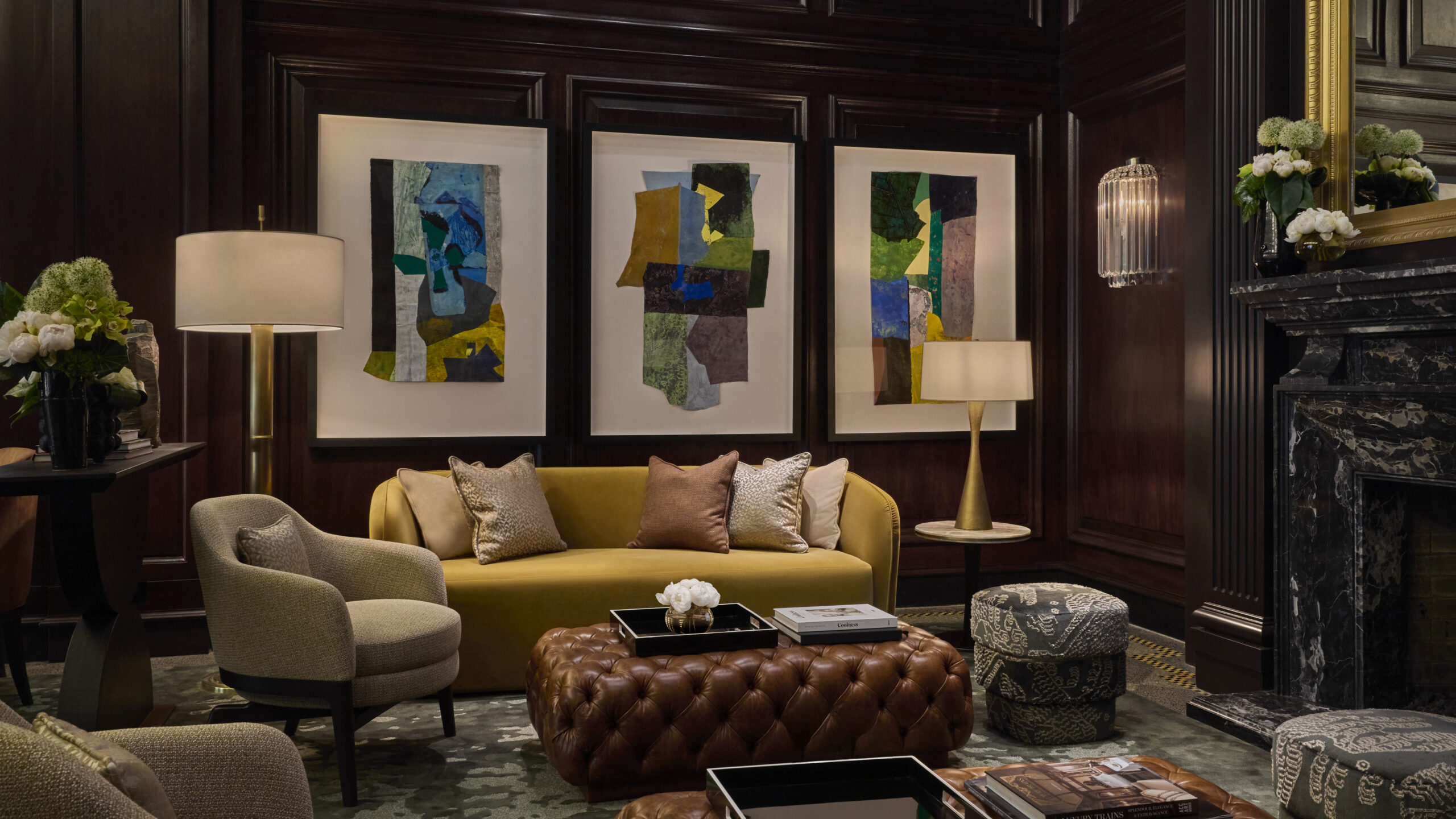
Rosewood Hotel Georgiareopens following a five-month renovation with reimagined accommodations and brand new culinary concepts centered around celebrating Vancouver’s dynamic heritage. The historic property celebrates its backstory as a refuge for Hollywood’s elite while incorporating top-notch contemporary features.
Its exciting F&B renovations include a revival of the Lobby and 1927 Lounge as well as the opening of brand new outlet The Georgia Bar, which features a custom Fazioli Pianoforte Model F183 Art Case Edition and pays homage to the iconic personalities that once walked through the hotel.
The 156 guest rooms and suites underwent a redesign led by New York-based design firm Lillian Wu Studio. Reimagined to reflect refined comfort and sophistication, rooms feature thoughtful details like leather-wrapped accessories, plush tufted headboards and hand-blown glass fixtures.
Rosewood’s A Sense of Place® philosophy brings in nods to the property’s Vancouver location, with curated artworks from a local gallery and standout pieces including silver leaf-painted glass resembling Pacific Dogwood, British Columbia’s provincial flower.
With over 11,000 sq. ft. of meeting and event space, plus new experiential programming, such as the bookable Master Class led by the property’s talented F&B team, meetings and events onsite are in for a treat.
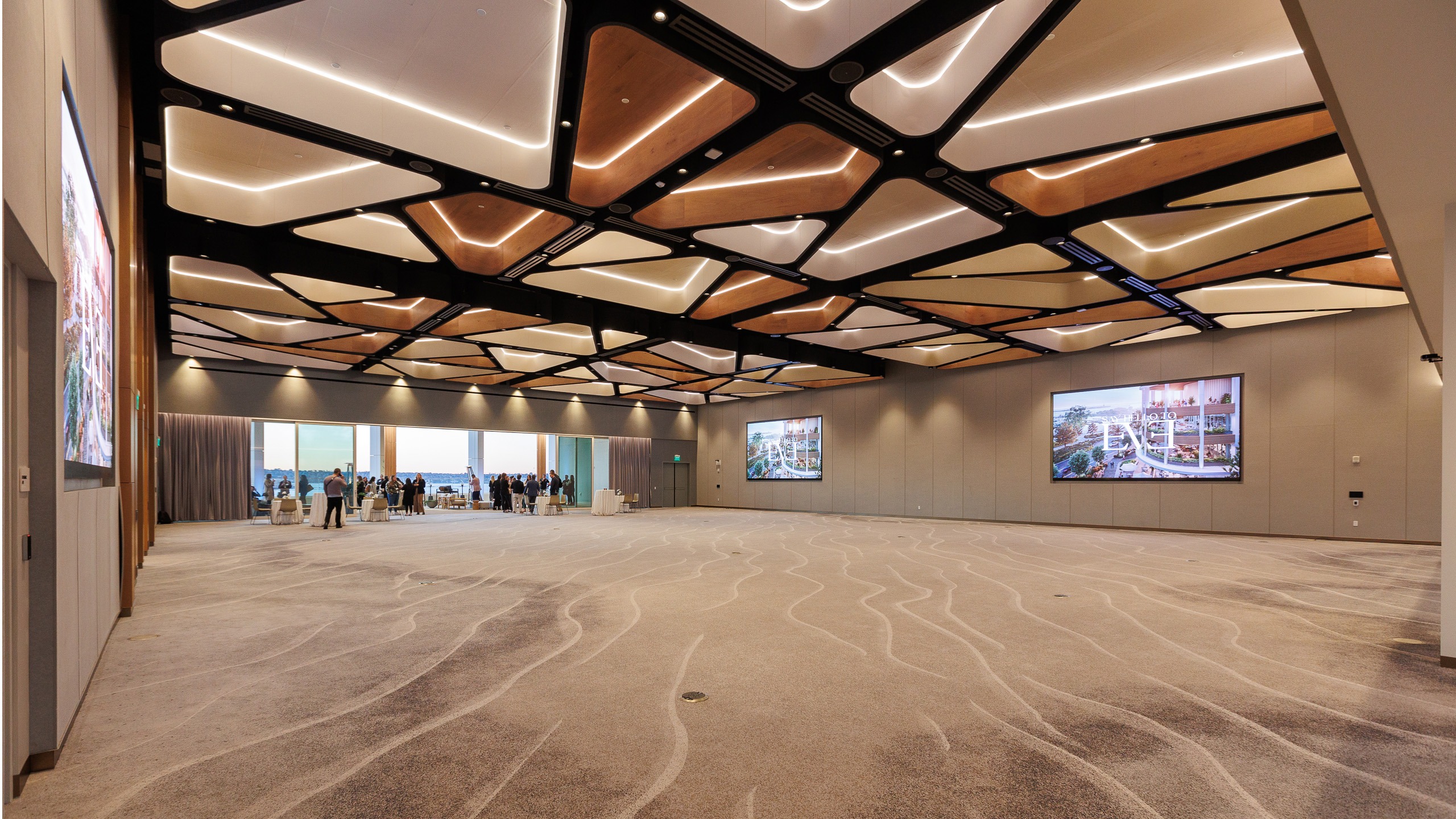
Brand new event venue Eve opens in San Diego’s Research and Development District (RaDD) in the downtown waterfront. Petco Park Events, the special events team for the San Diego Padres, is the exclusive event booking and management company for the property.
The RaDD spans over 1.7 million square feet, of which Eve makes up 7,800 sq. ft. indoor event space. The primary event room accommodates up to 570 guests seated and up to 1,126 guests standing. Two salon rooms are ideal for private meeting rooms or breakout sessions, and the event space is rounded out with a 547-person capacity pre-function terrace. At the back end of Eve, a green room space makes room for additional staging needs. The 19-foot-high ceilings, panoramic views of the San Diego Bay and an operable glass wall that opens to the terrace makes for an upscale San Diego meeting or event. Planners will also enjoy the modern tech, such as integrated AV systems, large-formal LED screens and a motorized acoustic operable wall.
In-house catering services, inclusive of a full-service warming kitchen, plus an arrival zone well-suited for a pop-up bar managed by award winning beverage catering and mixology company Snake Oil Cocktail company round out the brand new space’s versatility.
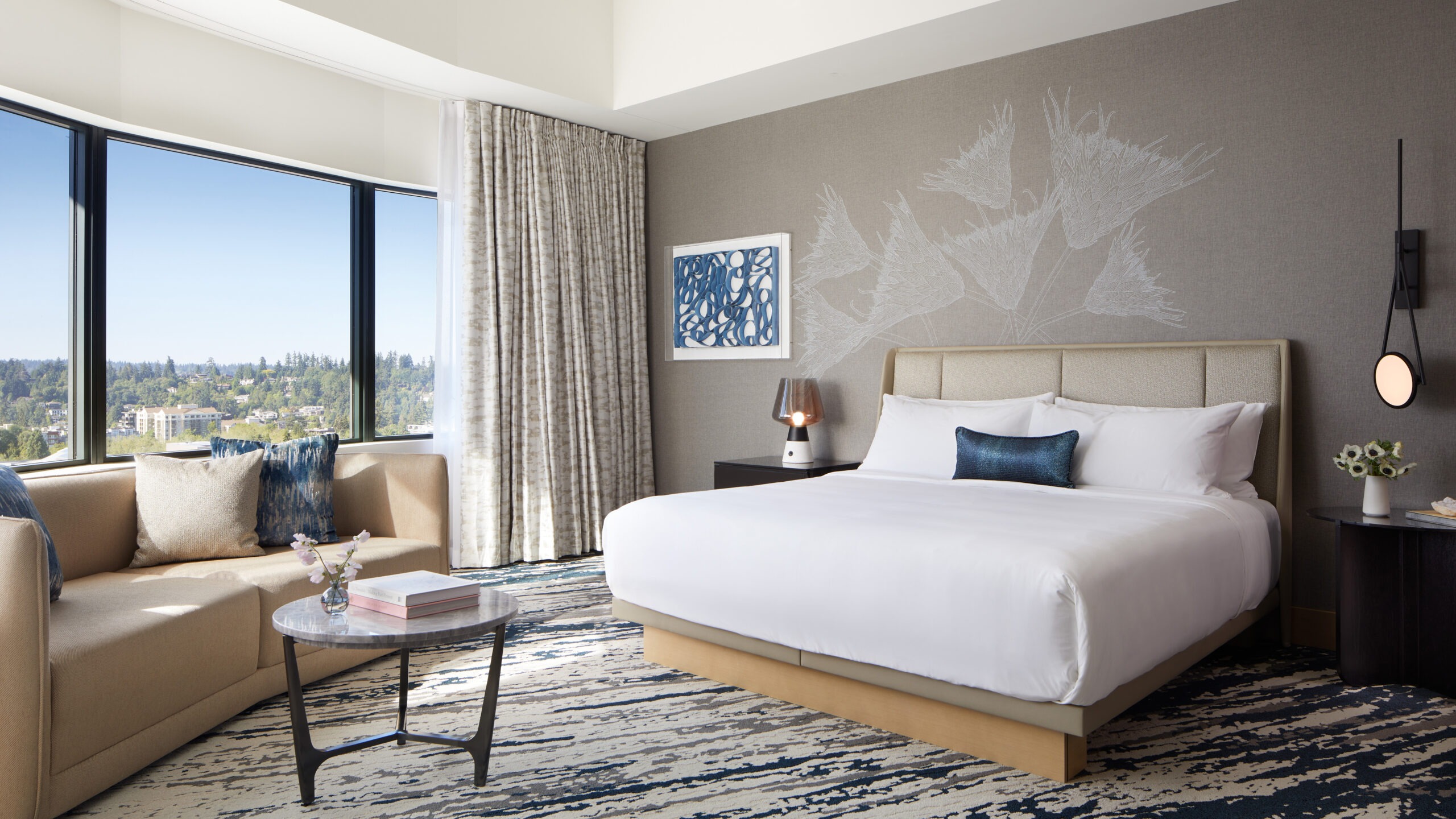
InterContinental Bellevue at the Avenue is the Pacific Northwest’s first InterContinental hotel opening. Standing within the Avenue Bellevue Complex, the property offers stunning views of downtown Seattle and Lake Washington. The urban oasis hotel centers its design around Bellevue’s natural beauty, with a neutral color palette and organic aesthetics. Onsite, guests can enjoy curated guest experiences crafted by the property’s Les Clefs d’Or certified concierge team, from exclusive Woodinville Country Wine Tours to seaplane excursions.
From entering the hotel at the elegant reception area with a marble front desk and an abstract mural of Pacific Northwest landscapes, to enjoying cocktails at the chic CE LA VI Bellevue cocktail lounge under a chandelier of hand-blown glass pieces, guest will find stylish refinement everywhere on the property. 190 guest rooms and 18 suites all offer expansive views of the surrounding area and high-quality finishes in a comfortable atmosphere.
The 12,000 sq. ft. of meeting and event space is spread across two floors, connected to the hotel by a skybridge. The elegant rooms include a 4,250-square-foot grand ballroom and a 2,275-square-foot junior ballroom, and a Conference Center with one private single-entry point.
From screen to scene, elevate your next event
Finding the perfect meeting space is a process. Planners looking for a unique space that checks the appropriate boxes but also offers attendees a different experience may want to explore their local movie theater as a possible location.
To get a better sense of what is possible when you host your event at the movies, Smart Meetings took a look at Galaxy Theatres Grandscape in The Colony, Texas, and chatted with Frank Rimkus, CEO of Galaxy Theatres, to find out.
Smart MeetingsWhat are some unique ways groups can utilize Galaxy Theatres Grandscape for meetings?
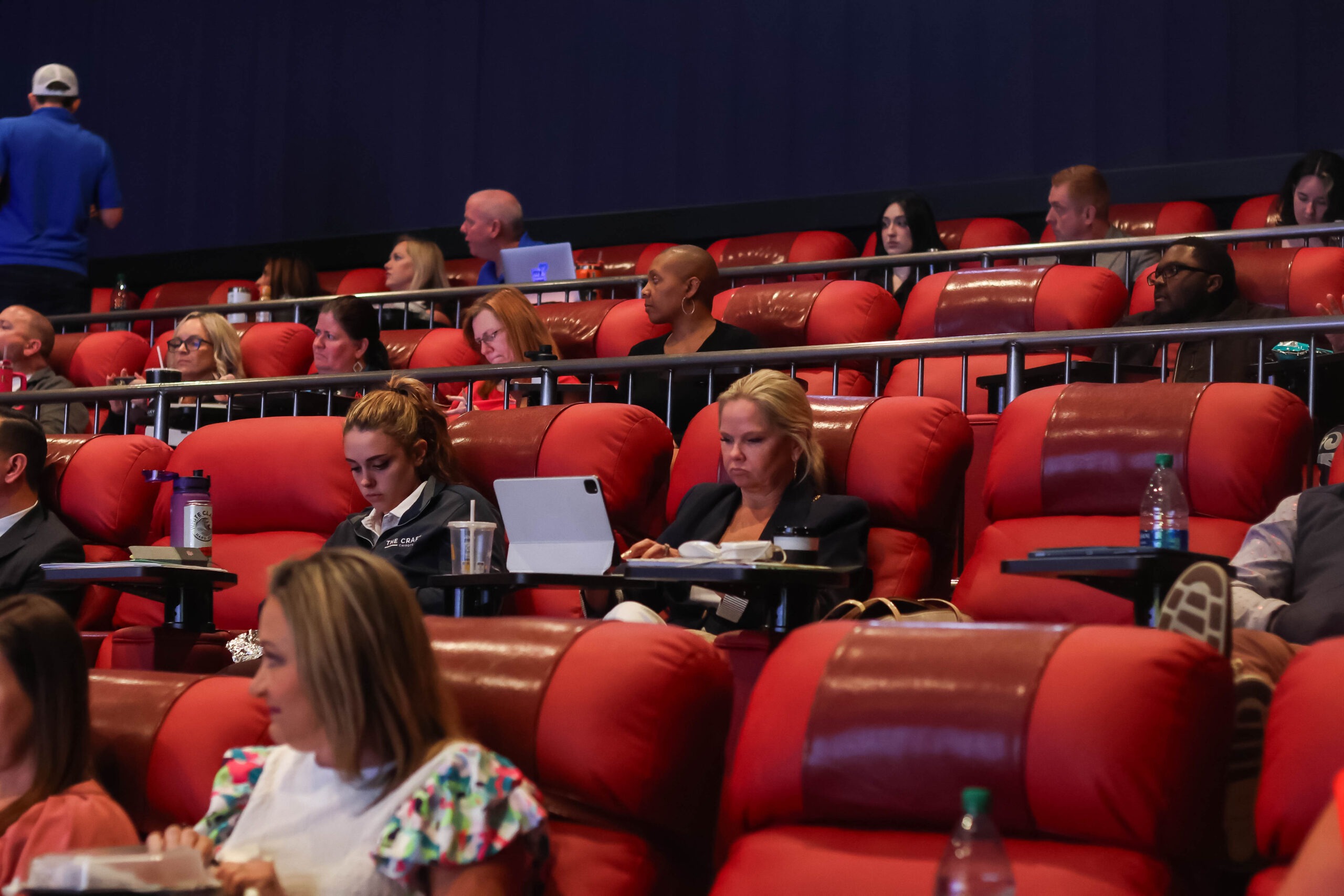
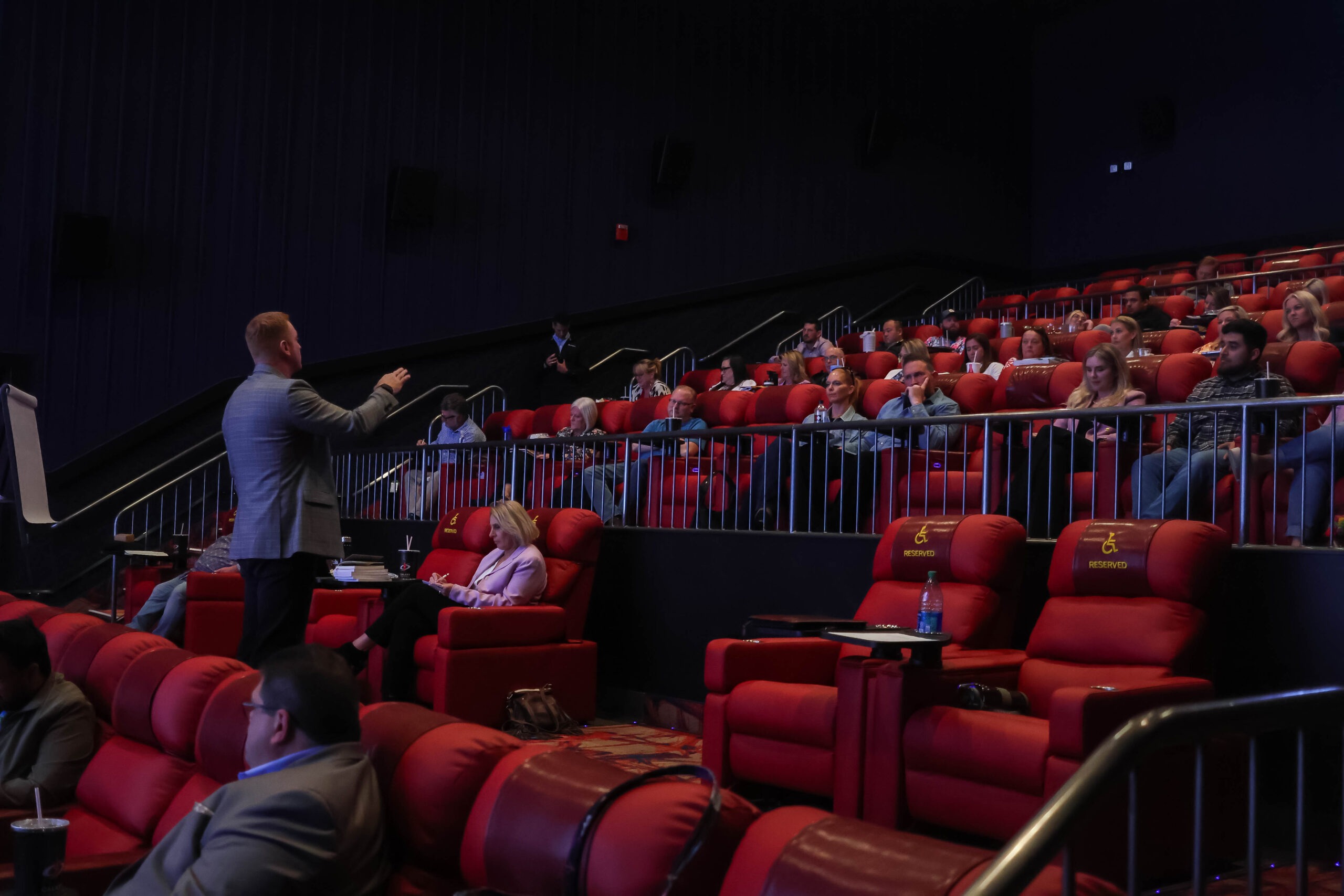
Frank Rimkus Hosting corporate meetings and events at a movie theater presents an opportunity to make a lasting impression on attendees, moving meetings from the traditional conference space to a familiar but unexpected venue in the theater. The large wall-to-wall screens and comfortable reclining seating with attached table tops for note taking, holding materials, and of course, snacks, provide both a more comfortable and memorable experience for attendees.
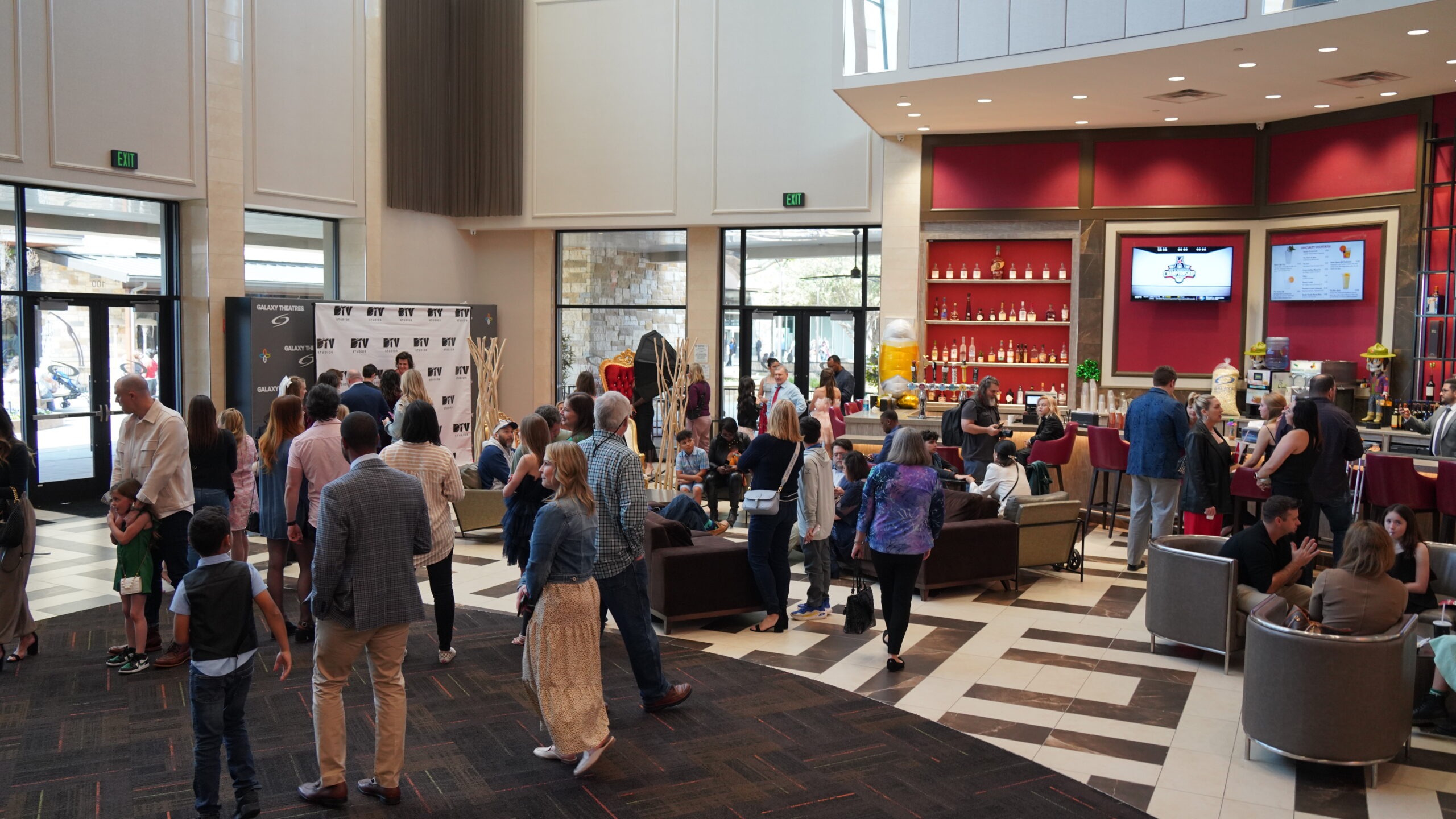
Our largest auditoriums have 276 seats and are ideal for large corporate gatherings, including live streaming town halls from headquarters out of town or guest speakers designed to engage employees. Smaller auditoriums with as few as 40 seats are ideal for breakout sessions and more intimate discussions. With a full bar, lounge areas in the lobby and signage throughout, the facilities can be fully customized for large corporate events. Programming can be shown simultaneously in all auditoriums to accommodate larger groups.
SM How can planners use Galaxy Theatres Grandscape to create a standout experience for their guests?
FR The action of going to a movie theater is always a treat in itself, and our team prides themselves on combining the magic of the movie experience and hospitality with meetings and events. Things as simple to execute as displaying the company logo on marquees and theater signage and providing popcorn as a mid-meeting snack have lasting impressions on attendees. Combined with the options to provide exclusive screenings after the day’s meetings have concluded and the ability to stream any audio and video in the theater, the experience feels like more than a meeting.
A full bar and diverse menu of food and beverage items offer plenty of options outside of the traditional popcorn and candy. As a frequent host of foreign films, including a variety of South Asian films, Galaxy Theatres Grandscape offers delicious dishes for vegetarian guests in addition to gluten free and other allergy friendly options. The food and beverage can also customize craft cocktails and dish garnishes on theme with the current meeting or event.
With ample free covered parking and outside retail, restaurants and entertainment within walking distance, the Galaxy Theatres Grandscape location is a great place to spend time with team building with colleagues or reenergizing alone between or after meetings.
SM What sets Galaxy Theatres apart from other theaters?
FR Besides being recognized for their award-winning hospitality, Galaxy Theatres is known for providing amenities and services that can be overlooked despite having a large impact on guest and planner experience. Large, clean and modern facilities with state-of-the-art digital and laser equipment, wall-to-wall screens of various sizes, stadium seating with uninterrupted sight lines, clean and comfortable restrooms, professionally trained, welcoming staff, excellent food and beverage offerings.
Galaxy Theaters is also committed to corporate citizenship, partnering with local organizations, schools and nonprofit organizations to truly become part of the communities we serve. Meeting planners can discuss potential profit shares or beneficiary options to support important causes at their events.
SM How customizable is the experience?
FR The corporate meeting experience at Galaxy Theatres Grandscape allows planners to transform their typical programming to an experience like that of going to the movies—exciting, memorable and familiar, yet enticing.
The digital signage outside and throughout the inside of the facility can be customized to display logos, meeting information, welcome messages, and attendee photos allowing companies to truly take over the space. Upscale decor opportunities and customized food and beverage options based on attendee preferences, dietary needs and event themes allow for complete control of the aesthetics of the event.
SM What type of corporate events have you hosted there?
FR Our theaters have hosted a large variety of corporate events including product rollouts, customer appreciation, corporate holiday events, employee training seminars, sales presentations, various school sponsored education programs and more.
SM How closely do you work with planners in crafting the experience?
FR The Galaxy Theatres Grandscape team works to make planning a seamless experience, presenting tailored options based on needs, attendees and the meeting content itself. The experience begins with an on-site tour to discuss everything from AV setup and signage needs to food and beverage planning and security precautions.
SMWhere are some bells and whistles planners can look forward to?
FR Not only do we provide a standard of excellence in hospitality, cleanliness and facilities to all of our guests, we offer several exclusive benefits for meetings and events. The digital sign boards throughout the facility that often present upcoming releases and events can be customized to display logos, meeting information and welcome messages to attendees. Our expert food and beverage team can customize menus to both dietary needs and themes for events, in addition to offering classic movie theater popcorn to all attendees.
Before and after meetings, attendees can enjoy Grandscape, a premium mixed-use development in The Colony, where our Grandscape theater is located. The destination is home to multiple interactive entertainment venues, two hotels, dozens of restaurants and retail stores, including flagship locations of major retailers, and is easily accessible via major highways, located less than 20 minutes from Dallas Fort Worth International Airport (DFW). The location provides endless opportunities for both team building and rest opportunities after meetings.
SM How is this experience a step above your average convention hall or meeting space?
FR As corporate leaders and employees visit plenty of hotel ballrooms and convention centers through the years, movie theaters and the developments that house them present a welcome change from usual venues. Luxurious reclining leather chairs with stadium seating and uninterrupted sight lines mean there is no bad seat in the house for meetings and events. Comfortable seats with attached tabletops allow attendees to comfortably take notes, review materials and communicate with team members during the presentations.
Upscale food and beverage options, including classic theater popcorn are a welcome change from banquet catering, including custom cocktails for end-of-day happy hours and diverse menu options for lunch, dinner and snacks in between.
Nominate Your Favorite Supplier for Our 2024 Catalyst Awards
In every successful event, there’s a person who stands out, going the extra mile to ensure everything runs smoothly. Whether it was the proactive problem-solving of a destination contact, the seamless setup orchestrated by your client services manager, or the innovative solutions from your AV partner—their efforts deserve recognition.
The deadline is Sept. 17, 2024 and the finalists will be featured in the November Smart Meetings Magazine (You can see last year’s winners here).
Click below to nominate your favorite Supplier today!
In today’s fast-paced and demanding work environment, the importance of supporting employee mental health cannot be overstated. Meeting professionals, often at the helm of high-stress projects, are uniquely positioned to influence their teams’ well-being. However, balancing the need to maintain productivity while addressing mental health concerns can be challenging, especially since managers are not trained therapists.
The goal is to provide support without embarrassing employees, getting too personal, or disrupting the workplace. Read on for three practical tips for fostering a supportive environment using strategies like the spiral technique and the thought ladder, concepts championed by mental health advocates such as Louise Hay and Kara Loewentheil.
1. Encourage the Use of the Spiral Technique
One effective way to support mental health in the workplace is by encouraging the use of the spiral technique, a concept emphasized by Hay. This technique focuses on fostering positive thoughts and behaviors to counteract negative spirals. The idea is simple: just as negative thoughts and behaviors can lead to a downward spiral, positive thoughts and actions can create an upward spiral, improving overall well-being.
How to Implement the Spiral Technique
Promote Positive Thinking: Encourage employees to focus on small, positive aspects of their day. For example, start team meetings with a round of sharing one good thing that happened to each person since the last meeting.
Celebrate Small Wins: Recognize and celebrate even minor achievements of your team members. This acknowledgment helps build a culture of positivity and appreciation.
Provide Positive Feedback: Offer constructive feedback with an emphasis on what was done well before discussing areas for improvement. This approach can boost confidence and motivation.
By consciously steering conversations and actions towards positivity, managers can help their teams “spiral up” instead of down, creating a more supportive and mentally healthy work environment.
2. Implement the Thought Ladder Technique
The thought ladder, a concept popularized by Loewentheil, is a powerful tool for helping individuals shift from negative to positive thinking. This technique involves identifying a negative thought and gradually replacing it with more positive, believable thoughts, one step at a time.
How to Use the Thought Ladder in the Workplace
Identify Negative Thought: Encourage employees to acknowledge when they are having negative thoughts without judgment. This can be done privately or in a supportive setting.
Gradual Reframing: Help employees find slightly better-feeling thoughts that they can believe. For example, if an employee thinks, “I am terrible at this job,” help them move to a thought like, “I am learning and improving every day.”
Reinforce Positive Rungs: Regularly check in with employees to reinforce the new, positive thoughts they are working towards. Provide supportive feedback and resources to help them climb the thought ladder.
This technique allows employees to take control of their mental state in a manageable way, promoting a gradual but lasting shift towards more positive thinking.
3. Create a Culture of Open Communication and Support
While managers are not therapists, they can create an environment where open communication about mental health is encouraged and supported. This involves setting clear boundaries and providing resources without intruding into personal lives.
Regular Check-Ins: Schedule regular, informal check-ins with team members to discuss their workload and any challenges they might be facing. These check-ins should be positioned as opportunities to provide support rather than performance reviews.
Mental Health Resources: Provide information about mental health resources, such as Employee Assistance Programs (EAPs), counseling services, and stress management workshops. Make these resources easily accessible and communicate their availability frequently.
Training and Education: Offer training for managers and employees on mental health awareness, stress management, and effective communication. Understanding mental health better can help managers support their teams without overstepping boundaries.
Creating a culture where mental health is openly discussed and supported can reduce the stigma around seeking help and encourage employees to take proactive steps in managing their mental health. Supporting employee mental health is not just about preventing burnout or addressing crises; it’s about fostering an environment where employees feel valued, understood, and supported. By implementing techniques like the spiral technique and the thought ladder, and by creating a culture of open communication, meeting professionals can make a significant positive impact on their teams’ well-being. These strategies allow managers to offer meaningful support without intruding on personal boundaries, ultimately leading to a more productive, engaged, and healthy workplace.
—
As a contestant on “The Blox,” the entrepreneur-focused reality TV show, Kristine Iverson showcased her skills and innovation in the competitive landscape of entrepreneurship. Beyond her TV appearances, Iverson is also recognized as an author and wellness advocate.
She is the founder and visionary of the leading live event wellness company, CROW Practice. For nearly a decade, this network has provided endless opportunities for health and wellness to increase the impact of any event, meeting or conference.
DI and Fort Lauderdale encourage supporting local destinations by continuing to bring events
When the news came out about the Visit Florida removal of its LGBTQ+ resources page from its site, it sent the media into a tailspin, and in turn, all of us who consume it. What will this change mean for meeting professionals planning events in Florida with help from the nearly 40 CVBs and DMOs throughout the state?
First, some background. The page’s removal from visitflorida.com occurred at some point between April 19, 2024, the last known date the landing page was accessed, and early August, according to a CBS report. Visit Florida did not issue a press release announcing the change and was vague about the reason for the change when pressed in late August at a press conference.
This development comes on the eve of controversy regarding Florida Governor Ron DeSantis’s May 2022 passage of the controversial Parental Rights in Education Act, widely termed the “Don’t Say Gay” law, and the lawsuit that ensued, which ended with a clarification of the law that determined teachers and students had the legal right to discuss gender and sexual orientation as long as it wasn’t included in official instruction.
Criticism and Visit Florida’s Response
Several organizations throughout the state have responded to Visit Florida’s decision with criticism, calling it LGBTQ+ erasure or discrimination, often citing the “Don’t Say Gay” law and noting that the site still has destination guides for other demographics, such as “African American Heritage Travel,” “Hispanic Heritage” and “Family-Friendly” as well as many travel recommendations for people with disabilities.
Stacy Ritter, president and CEO of Visit Lauderdale, told Smart Meetings, “When it comes to the economic impact, there is no way that this decision by Visit Florida has a positive economic impact on the state.” Visit Lauderdale welcomes over 3 million LGBTQ+ visitors each year, who spend over $1.3 billion in the area.
Fort Lauderdale. Credit: Shutterstock
“When ‘Don’t Say Gay’ was passed a few years ago, we lost some business, and then when they passed the second iteration of it, a year after that, we lost some business. It has calmed down because the legislature didn’t do anything this past session to draw attention,” she said. “I expect that this will—it already has—drawn quite a bit of attention across the county and across the world, and that there will be some conferences that will take another look at us as a state and as a destination.”
From a long-term perspective, Ritter said, “We already know that there are RFPs that won’t be sent to Florida—any destination in Florida. We don’t even know what we’re not able to bid for, so that lost business is impossible to quantify.”
Maryann Ferenc, owner of the modern French-inspired restaurant Mise en Place in Tampa and a former Visit Florida board chair told NBC, “Why would we do this? If it’s an economic decision, I can’t see how it’s a good one,” citing tourism as Florida’s number one industry.
During her time on the board, from 2017-18, Ferenc recalled a large amount of LGBTQ+ travel information being available on Visit Florida’s website. Following the Visit Florida removal of its LGBTQ+ resources page, she observed, “All of our diverse markets are important to us getting all of the business that is our fair share of the statewide, national and international tourism market…It’s important that we have that diversity, not only because of the amount of money that will be spent by a diverse market, but by the diverse places in which that money will be spent.”
On Tuesday, Aug. 27, Visit Florida CEO Dana Young addressed the issue for the first time, during Visit Florida’s board of directors meeting in Tampa, saying, “It’s fairly simple. Visit Florida is a taxpayer-funded organization and, as such, Visit Florida, our marketing strategy, our materials and our content must align with the state. Florida has always been and will continue to be a very, very welcoming state.” When asked by members of the press, she declined to comment further.
Governor Ron DeSantis stated, during a Polk County law enforcement press conference, “We’re open to all. But we’re not going to be segregating people by these different characteristics. That’s not how we’ve done business and any of the things that we’ve done.”
What Does it Mean for Meetings?
Amid the controversy around the “Don’t Say Gay Law,” the meetings and events industry, as well as the tourism and hospitality industries, saw a rise in the call for destination boycotts, not only in Florida, but nationwide, in instances when governing entities had introduced or passed legislation that potential visitors, meeting attendees included, disagreed with politically. Now, with the removal of Visit Florida’s LGBTQ+ Resources page, the question that seems to be on everyone’s mind, once again, revolves around if we will once again see calls for boycotts.
Destinations International (DI), the global association for destination professionals, takes a firm stance on destination boycotts: That they don’t work, and they don’t actually help to solve the issue at the center of the boycott. DI’s 2024 annual convention took place just this past July, in Tampa Bay. There, DI CEO Don Welsh addressed destination boycotting in his opening address, demonstrating that the issue remains top of mind for destination professionals as well as planners.
Jack Johnson, DI chief advocacy officer, spoke with Smart Meetings in light of the emerging news of the Visit Florida removal of its LGBTQ+ resources page to offer insights and advice about what the industry could expect—and what to do.
The Destination Marketing Perspective
Jack Johnson
Johnson explained that, with his perspective as a representative of the inner workings of destination marketing organizations, there is an optimistic way to look at the issue. “I think you can argue that what the state of Florida has done doesn’t mean that they’re not welcoming to LGBTQ+ travelers,” he says. “I do think that it means that Visit Florida has made a marketing decision—perhaps to roll LGBTQ+ outreach into their general campaign, as opposed to a standalone. Now, whether that’s a good decision or not, we will wait to see how that plays out.”
However, he went on to express that the concerns being raised about the Visit Florida removal of it’s LGBTQ+ resources page valid and important. “As a gay man, I can say that it’s also understandable that that the LGBTQ+ community, or many of us in the community, would feel this change is misguided or even worrisome,” he said. “Let’s face it: we have not always been welcomed everywhere. We are not welcomed everywhere. We have been harassed, had our safety threatened at various places and continue to be in various places across the globe.
“The creating of [LGBTQ+ resource pages on DMO websites] was a way of a destination saying, ‘We understand that, and we’re reaching out to you, and welcoming you and we want you to know that you are as welcome here as anyone else.’”
The Big Question: What Should Planners Do?
Johnson noted that many Florida destinations continue to push the message of inclusivity for the LGBTQ+ community as well as for other demographics. He also stated that, “Whenever something happens in Florida, it seems, the prospect of boycotts comes up. But it’s counterproductive.” Florida saw record tourism of 140.6 million visitors last year.
He explained that DI’s recent convention in Tampa demonstrated the power of bringing groups rather than boycotting. “Show up and get involved. Make a statement of what you believe in. Engage those communities who say they feel marginalized.
“It’s really up to Floridians to change things. What we can do is do is empower them. That’s showing up, so they can still have a job. Then, they can lobby their legislators and work on their political system.
“Boycotting rarely, if ever, achieves that type of goal when it comes to travel, whereas empowering the people who are on the ground working for the change that you believe in can actually make a difference.”
When planners host a meeting in any destination, whether there is controversy surrounding that destination or not, Johnson offered some practical steps for creating meetings that are more inclusive and equitable.
Working with the Community
Look for ways to access the talent and the knowledge that exists in that destination. This isn’t only a means to the sole end of enhancing and improving the meeting or event; it is a way to engage the community with the meeting. Attendees, more and more, want an authentic destination experience, so taking steps to include the destination in meetings and events, as well as offer attendees opportunities to see the destination outside the meeting room, is instrumental to meeting that desire.
One of the meeting planner’s best resources is the local convention and visitors bureau (CVB), Johnson advised. “They have the connections. They have the power. The have the network that they can help tap you into.”
Support local businesses that share your values. Credit: Shutterstock
Pay attention to the diverse groups in your overall attendee group, as well as in the destination. “There are businesses that are upfront about being welcoming,” Johnson says. “There are people on the ground who can make connections to groups that are either socially involved with those marginalized groups, or to the more politically active groups that are working on behalf of that marginalized community.”
Johnson cited an example in DI’s 2019 convention in St. Louis, during a time when the state of Missouri was reviewing legislation restricting abortions. “We had members who felt uncomfortable going, but at the same time recognized that going was important.” DI connected attendees with a local Planned Parenthood and then got out of the way. They identified restaurants and businesses visitors could support and made sure that business knew why the guests were there and who had sent them. “That was a positive development. They empowered people who were on the ground in St. Louis working on something, and they still got to come to the annual convention.”
Stacy Ritter told Smart Meetings that continuing to bring meetings and events to Lauderdale is critical for creating positive impact. “I think that just coming here sends a message that you embrace the values that Broward County embraces.” Like Johnson, she encourages planners to be strategic about the businesses they contribute to financially—seek out those businesses that share your values.
“We’re a tourism-based economy. When people stop coming, businesses die. They close and people lose their jobs. Our mission at Visit Lauderdale is to bring tourists through. Our calling is to keep people employed. We saw what happened when visitors stopped coming four years ago; tens of thousands of people lost their jobs,” she explained.
“So, we are going to continue to encourage groups to come here, conventions and conferences to come here, to show support for the values that we represent as a destination and as a county, and to patronize those businesses that also share those values.”
“Aside from the advocacy that I’m hoping [locals] will do, we’re going to encourage people to come here to show support for LGBTQ+, minority-owned businesses, woman-owned businesses,” said Ritter. “Express your values through your pocketbook.”
In some cases, such as this particular instance with the Visit Florida removal of its LGBTQ+ resources page, some attendees may cite safety as a concern. Johnson responded to that concern. “If the issue is safety, go to the destination organization. [At the 2024 Destinations International Annual Convention] we had the mayor, the former police chief, come onstage to say, not only are you welcome, but you will be safe. We had members from the community explain, we live here every day, and we have a political problem. We can use your help, but you will be safe.” Again, many of the solutions to any problems that arise come from working closely with destination partners.
“Use that destination organization,” Johnson encouraged. “Say, ‘These are the fears that have been raised by my membership. How can we address them together? How can our people feel as if they came here and then left the place better than it was before, empowering those on issues that they truly believe in?’” Planners have the power to be intentional about where their money goes, and where their attendees’ money goes—connect with the partners who are doing the work to make the changes you want to see in your meeting’s destination.
Johnson offered specific steps planners can take to help both the destination’s community and their attendees feel involved in a safe and inclusive environment. From educational sessions, to working with local groups, to local business marketplace pop-ups on the show floor and bringing in advocacy organizations.
Know your audience well enough to provide the right form of education, outreach and destination experiences for them to reach their goals both in the meeting room and in the destination.
“We really like to talk about change,” Johnson said, “but despite that, we don’t really like to change.” He added, “The only time that you really change is when you hit a wall or rock bottom—and that’s not a good scenario. The only other time is when you travel. That’s when you open yourself up to seeing things—and it works both ways. Part of the joy and genius of travel is that the effect isn’t just on the visitor; the effect is on the resident as well. That, and small steps, all together, create this wave that, in the end, I think works to everyone’s advantage.”
Watch a segment of Sara Roberton’s interview with Jack Johnson in the video above.
How the gig economy is impacting the events industry
In honor of Labor Day, Smart Meetings chatted with Tracy Judge, founder and CEO of Soundings, to get the latest scoop on the trends currently emerging within the freelance meeting planner gig economy.
Tracy Judge, CEO and Founder of Soundings
Smart Meetings What are the trends of freelance meeting planner gig workers?
Tracy Judge Freelance meeting planner gig workers are increasingly in demand, particularly those with specialized skills. The marketplace has seen a significant shift towards hiring senior roles that require specific vertical experience and technological expertise. This includes roles like event technology specialists, event registration specialists, meeting and event planners, event marketing roles, and marketing specialists.
There is also a notable trend toward hiring locally for events, both internationally and within the destination country. This is driven by sustainability concerns, cost efficiency and a focus on local community support and cultural preservation.
Additionally, the freelance marketplace is evolving with regulatory changes aimed at better worker classification compliance and providing freelancers with access to benefits like health insurance and retirement plans.
SM What types of freelance meeting planner roles are most in demand?
TJ The most in-demand roles in 2023 and 2024 include:
Event Technology Specialists: Experts in technology used to host and manage events, both in-person and virtual.
Event Registration Specialists: Professionals focused on managing the registration process for attendees.
Meeting & Event Planners: Coordinators who oversee the overall planning and execution of events.
Event Marketing Roles: Specialists who promote and market events to target audiences.
Marketing Specialists: Those with expertise in broader marketing strategies, particularly those that integrate with event promotion and execution.
TJ These roles are highly sought after due to the increasing complexity of events and the integration of digital and marketing strategies.
SM What are the best practices for managing freelance meeting planners?
When managing freelance meeting planners, best practices include:
Set clear expectations: Define roles, deliverables, and deadlines upfront to ensure everyone is on the same page.
Communicate openly: Keep lines of communication open with regular check-ins and updates. Use tools like Slack or Trello to stay organized.
Equip with the right tools: Provide freelancers with all necessary resources and information for success.
Encourage collaboration: Involve freelancers in team meetings and decision-making to foster a sense of belonging and ownership.
Offer flexibility: Give freelancers the freedom to manage their time while meeting project goals. Respect their need for balance.
Build trust and a positive culture: Trust freelancers to deliver quality work, avoid micromanaging, and show appreciation for their contributions. Recognize achievements and create a supportive environment.
Document and share processes: Provide clear onboarding and process documentation to help freelancers hit the ground running.
SM What are the legal and financial limitations planners need to keep in mind when hiring freelance staff?
TJ When hiring freelance staff, planners need to be aware of several legal and financial considerations:
Worker Classification: Proper classification of workers is crucial to avoid penalties. Misclassifying employees as freelancers can lead to significant legal and financial repercussions.
Regulatory Compliance: Stay updated on local and international labor laws and regulations, especially those concerning freelance and gig workers. Ensure compliance with minimum wage requirements and overtime regulations to avoid legal issues and maintain fair compensation practices.
Contracts and Agreements: Ensure that all freelancers have signed clear contracts outlining the scope of work, payment terms, and confidentiality agreements.
Tax Implications: Understand the tax obligations associated with hiring freelancers, which can vary by region and country. Ensure that proper documentation, such as tax forms, is in place.
Insurance and Benefits: While not typically required, offering optional benefits like insurance can make freelance positions more attractive and ensure freelancers are protected.
SM Anything else you think would be important for our readers to know?
TJ Here are some interesting updates on the freelance economy/workforce in general:
Corporate Adoption of Freelance Talent: More corporations are adopting agile talent models that integrate freelance talent with full-time employees. This approach allows companies to leverage specialized skills for specific projects and provides the flexibility to scale their workforce according to business needs, enhancing overall productivity and innovation.
Increased Demand for Specialized Skills: As businesses become more reliant on technology and digital innovation, there’s a growing demand for freelancers with specialized skills, particularly as AI continues to impact how we work.
Remote Work Normalization: The remote work culture has opened up new opportunities, enabling freelancers to find projects that match their skills and interests, regardless of location.
Niche Skills and Enhanced Skill Matching: Freelance platforms targeting niche markets are becoming more popular as they make it easier to find the right talent for specialized projects.
Increased Focus on Education and Upskilling for Freelancers: Freelancers are increasingly investing in education and upskilling to stay competitive and expand their expertise as the industry evolves.
·Regulatory Changes and Benefits for Freelancers: In response to the growing freelance workforce, increased regulations have been implemented, and governments are focusing more on worker classification compliance. For example, the DOL and IRS have partnered to improve compliance with laws and regulations. This provides better protections and benefits to freelancers, including access to health insurance, retirement plans, and other social benefits, making freelancing a more viable and secure career option. We changed our business model at the end of 2022 to ensure worker classification compliance, and now provide many of these benefits.
By understanding these trends and adapting to the evolving landscape, both freelancers and organizations can better navigate the future of work in the events and meetings industry.
Welcome to Smart Travel, our weekly column where we share our latest tips and tricks to stay up to date on the can’t-miss news in travel. Today, we explore top travel apps and services, can’t-miss pricing for those planning a South American getaway, new international airline routes and more.
American Airlines Launches Massive Fare Sale to South American Destinations
Have you been dreaming of a sunny incentive program in Colombia, Chile, Peru or another top destination in South America? Now might be the time to lock in that flight. American Airlines has just announced a huge fare sale on those destinations, plus Brazil and Argentina, with first-come, first-served offers.
The most affordable and flexible travel dates are from September through December 2024, so you can ring in the new year with some new stamps on your passport. Sample round-trip prices include Miami to Bogota for $255 and Chicago to Lima for $513.
Sri Lanka Offers Tourists Free Visas
Recently announced by Sri Lanka Transport Minister Bandula Gunawardana is the waiver of visa fees to visitors from 35 countries, as part of a wider effort to “transform Sri Lanka into a free visa country, much like Singapore, Thailand and Vietnam, to tap into the benefits of a rapidly growing tourism industry,” as Gunawardana says.
The Central Bank of Sri Lanka documented 1.2 million tourists who visited the country from January through July of this year, versus 720,000 visitors during all of 2022—so this latest policy is part of an ongoing (and successful) strategy to further bolster Sri Lanka’s status as an international travel destination.
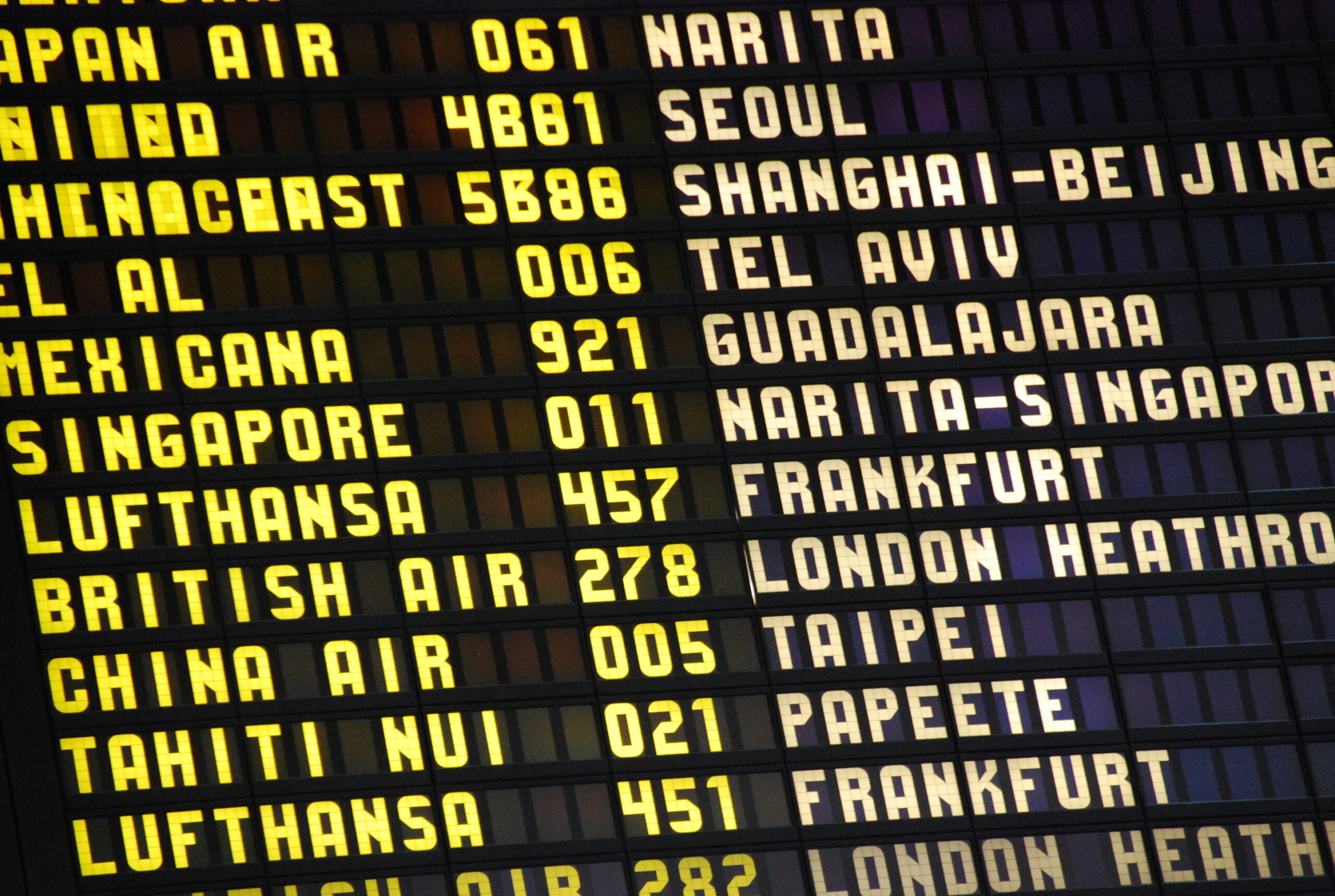
8 New International Airline Routes Coming This Fall to America
For seasoned travelers, fall is the prime time to add a trip or two to the calendar. Fewer tourists and off-peak pricing are top advantages, and this year will offer new direct routes to destinations in Northern Africa, the Caribbean and more. Here are the most notable:
United Airlines: Newark to Marrakech, launches October 24
American Airlines: Dallas to Brisbane, launches October 26
KLM: Portland, OR to Amsterdam, launches October 27
Delta Airlines: Minneapolis to St. Maarten, launches December 19
JetBlue: Providence, RI to San Juan, Puerto Rico, launches October 27
Fiji Airways: Dallas to Nadi, Fiji, launches December 10
Delta Airlines: Los Angeles to Mazatlán, Mexico, launches December 21
JetBlue: New York (JFX) to St. Vincent, launches November 5
With global travel making impressive gains since the height of the Covid pandemic in 2020, some startups in the industry are seeing a boom in funding and sales. We’ve reviewed the latest numbers, and the most searched-for startups in the sector are all centered on simplifying different elements of travel for users:
Holisto: This platform streamlines and personalizes the online hotel booking process by using AI and machine learning to gather a massive number of options and filter through the noise for what is best suited to individual users. Holisto’s 5-year search growth is currently at 9,445%.
Roame Travel: A free service, this startup combs through thousands of airfares to pull a curated list of those that qualify for rewards programs, including credit card points and miles redemptions. A paid version of Roame includes access to SkyView, which offers a wider range of search options. The company’s 5-year search growth is currently at 7,200%.
Holafly: This startup is an eSIM service that features international, unlimited data plans for those traveling abroad for a fixed period of time, thanks to partnerships with local providers. Holafly’s 5-year search growth is currently at 2,400%.
Global Wellness Tourism Rapidly Rising
From its 2020 low of $801.6 billion to an expected valuation of $1.59 trillion by 2030, global wellness tourism has been steadily performing with record gains. Several key elements found in a study by Allied Market Research are a growing global middle class, an increased international focus on health and wellness, and a growing appreciation of experiential travel. North America currently stands as the top destination in the wellness travel industry, with the Asia-Pacific region coming in second.
Key players in the market include Accor S.A., Canyon Ranch, Four Seasons Hotels Ltd., Hilton Worldwide Holdings Inc., Hyatt Hotels Corporation, Marriott International Inc. and Omni Hotels & Resorts. Allied Market Research recommends industry pros leverage opportunities through personalized, enhanced options for travelers, as well as investing in both growing and established markets.
How increase engagement without increasing costs
One of the biggest challenges facing planners today is how to grow engagement among attendees all while keeping the stellar experience within a budget.
To better understand how this is possible, Smart Meetings chatted with Devon Montgomery Pasha, CMP, CED, director of North America for Event Design Collective.
When planners initially think of the term ‘design’ within their event, they may think of aesthetic design, such as layouts, florals and lighting. However, at the Design Collective, Pasha focuses on experiential design.
Pasha uses the example: if someone asked you to go across the street and create a building, would you ask questions or would you go off on your building mission?
More likely than not, you would want more details and information before moving forward.
“It’s not just going from problem to solution. It’s stopping to understand the problem. To fall in love with the problem. I like to say, ‘A problem is an opportunity in work clothes.’” Pasha continues, “For so many of us in events, we dust off the binder and we run across the street and just start building the building without knowing who it is we needs to serve and what size it has to be, what functions does it need to have?”
Having a better grasp of event design allows for planners to see their task from multiple perspectives and see the many ways they can approach any problems that arise.
Pasha offered up some questions planners should be asking themselves when thinking about experiential design within their event.
1. What behavior needs to be changed?
While the question may stump some planners, Pasha says to look at it in terms of knowledge. Do you need more knowledge? Do attendees need to take away a new skill from this experience? What is the desired behavior?
2. What behavior doesn’t change if we don’t do the event?
What happens if the event doesn’t happen?
“If you can’t answer what and why, that’s the perfect opportunity to pause and understand the problem a little bit better. To see if that style of event really is the most effective in getting those desired results,” says Pasha.
Adding impact into your event design process won’t hurt your wallet or your budget.
“It could save you money,” says Pasha, “[It is] a really, common misconception that adding design to the process takes more and more money. Design is part of the process of time you already spend doing it.”
By adding experiential design to the framework planners can create a more holistic process of streamlining RFPs, spending and experience to save internal time on the planning.
“There are times to add event design into the conversation, every conversation during the planning process. Even if you can’t use the entire process from the beginning to understand the whole architecture of the event, you can still have the powerful conversation.” Pasha continues, “if you understand your prototypes and the values of the design, everyone’s in alignment. You use that as the lens to look at your RFPs, your caterers, your entertainment, your speakers and your experiences.”
The needs of the attendees are paramount at events. Planners need to be aware of the expectations of their guests and what goalposts they will need to meet during the event.
It is important to meet your stakeholders where they are. Do they need time to digest their breakfast before the keynote speech? Is there time to check emails?
“When you start having those frank conversations about your stakeholders and what they need, it’s really easy to meet and exceed expectations,” says Pasha.
The barrier of entry for attendees, whether it is a required event or a voluntary event, will naturally have an impact on the level of engagement.
“When people are self-selecting [to go] to that event, it’s almost more on the burden of the planner and the host,” Pasha explains. The attendees are choosing to leave their house, their family and friends, in order to spend time at said event, adding to the threshold of expectations.
“The burden is on the planner and the host to say, ‘we do appreciate you choosing to give us your time. We promise it’s time well spent.”



 Uniquely designed events are memorable. When an event stands out in attendees’ minds, they are more likely to remember key messages, discussions and interactions long after the event has ended. This memory retention is crucial for ensuring that the event’s goals—whether they are to educate, inspire or foster connections—are achieved.
 Natasha Miller is the founder and CEO of