london-brexit

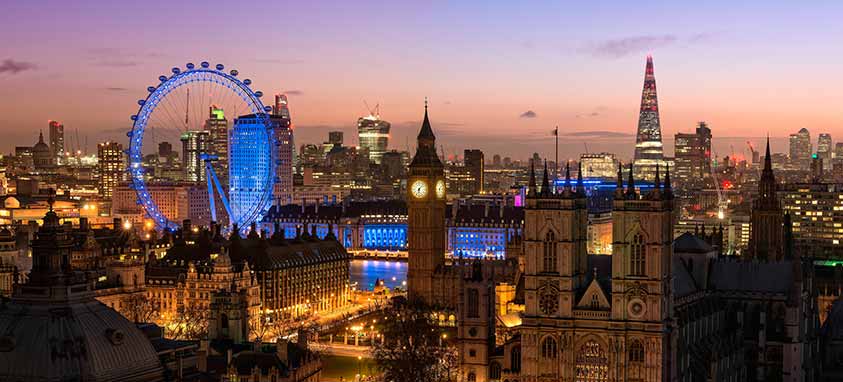
Gordon Innes, chief executive officer of London & Partners, the destination marketing organization for the city, issued the following press release in response to the recent Brexit vote by citizens to leave the European Union (EU):

London is Open for Business

Last week London played host to Europe’s largest festival of technology. More than 40,000 people came to the capital for London Technology Week to explore our booming tech sector, including 21 overseas delegations looking to London as a place to invest. Then, at the end of the week, the UK voted to leave the EU.

Following such a momentous week I feel it’s time to review the facts, to reflect on some of the challenges that lie ahead and assess how, together, we can forge new opportunities for the future.

First, a few truths. London is and will always be a truly global trading city, a city which has constantly looked outward to trade and engage with the entire world.

The result is that more international companies have come to London than to any other city, and more than half of international investors have cited London as the leading European city for Foreign Direct Investment.

London is home to more than 250 international banks. In fact, there are more American banks based in London than there are in New York, and there are more banking head offices in London than anywhere else in the world.

Forty percent of the world’s top companies have HQ operations in London, and we are Europe’s leading city for patent registrations in healthcare, wireless technology, video games, multimedia and software.

London is also the most welcoming city I know. Record numbers of visitors come here to sample our rich heritage and culture, making London one of the most visited cities on earth. Without them, London would be billions of pounds a year worse off— money that can’t then be reinvested for the benefit of all in London.

But the true dynamism of London comes from the millions of international workers who have come here from overseas to live and work, and call London home. There are almost one million Europeans living and working here, bringing enormous economic benefit to the city and enriching the cultural life of London. And regardless of the outcome of the referendum vote, they will continue do so.

Over recent days I’ve heard first hand from some of London’s foreign-born entrepreneurs and residents about how they feel ‘battered and bruised’ by the result of our referendum. They’ve begun to question whether or not London is really where they want to be.

I am immensely proud to work for this great city and I stand fully alongside the Mayor of London, Sadiq Khan, when he says that we are committed to working ever more closely to build stronger alliances between cities across Europe and around the world.

It is entirely possible that, emboldened by a mandate from the British people, a new UK Prime Minister can negotiate favourable terms for a future trading relationship with the EU and easy movement of tourists and skilled labour. It is entirely possible, too, that new trading relationships can be forged with economies that will be the powerhouses of world trade 20, 30, 40 years from now— which will open up new opportunities.

London’s economic success is built on hundreds of years of international businesses, investors and skilled workers coming here to be part of the most open and dynamic city economy in the world. None of that changed last Friday, none of that will change over the next two years and all of the terms of the UK’s exit from the EU are open for negotiation.

In short, now is the time to focus on securing the best possible opportunities for London and the millions of people who would seek to make it their home. #Londonisopen

2017-pcma-education-conference-new-york-marriott-marquis

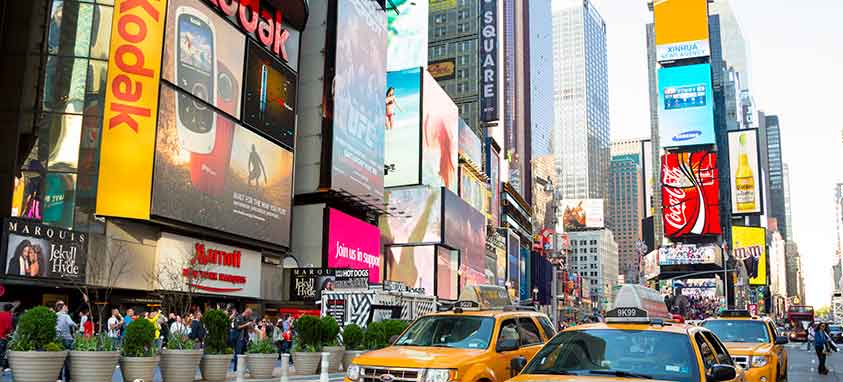
NYC & Company, New York City’s official destination marketing organization, announced at PCMA’s Education Conference in St. Louis that New York City will be the host city partner of the 2017 PCMA Education Conference June 11–14, 2017. The announcement was made during the closing breakfast by Fred Dixon, president and CEO of NYC & Company, who was accompanied on stage by Scott Nadeau, general manager of the New York Marriott Marquis. Also attending the announcement in St. Louis were Jerry Cito, senior vice president of Convention Development at NYC & Company, and Matt Pizzimenti, director of sales and marketing at the New York Marriott Marquis, whose hotel will be the host of next year’s conference.

“We are thrilled that New York City has been chosen as the host city for the 2017 PCMA Education Conference,” said Dixon. “With unprecedented growth in new hotels, event venues, attractions and incentives for delegates, I look forward to welcoming the PCMA community to see all that is new in New York City next year.”

“PCMA is truly the leader in global meetings and conventions and drives innovation in our industry,” said Nadeau. “We stand ready to welcome PCMA as a host city partner in 2017 and look forward to showing the attendees our hotels and what New York City has to offer.”

The PCMA Education Conference is an annual conference hosted by the Professional Convention Management Association that is attended by meeting planners and industry suppliers. The multi-day program features a series of networking and educational sessions that highlight leading strategies for business events, key industry-shaping trends and how meeting planners can lend their expertise to help achieve organizational goals and objectives.

“New York City is a perfect destination for PCMA’s diverse global audience,” said Deborah Sexton, PCMA president and CEO. “The Marriott Marquis’ Times Square location and flexible event space will ensure that our 2017 Education Conference participants have an optimal education and networking experience.”

“Working together with PCMA, I look forward to making next year’s conference a great success for our partners,” said Cito. “We invite everyone from PCMA to see why New York City truly remains an attractive destination to host a meeting, convention or event of any size.”

To stay informed about the 2017 PCMA Education Conference, visit pcma.org. To learn more about planning meetings in New York City, visit nycgo.com/makeitnyc.

vacation time

Summer is traditionally vacation time however a new study shows that American workers are often reluctant to take time off to enjoy it.  A survey of 5,641 full-time Americans workers found that more than half (55 percent) left vacation days unused in 2015, forfeiting $61.4 billion in benefits. They left a cumulative total of 658 million vacation days on the table last year—of those 222 million were simply lost and could not be rolled over, paid out or banked for another benefit. That translates to an average of two full days lost per worker.

A Trend of Declining Vacation Time

The issue of Americans not utilizing their allotted vacation days has been brewing for some time. Research conducted by Project: Time Off shows that from 1978 to 1998, Americans took an average of 20.3 vacation days annually. This figure began falling in 2000, steadily declining to an average of 16.2 vacation days in 2015. American workers receive an average of 21.9 paid days off annually.

Why is This Happening?

Project: Time Off has identified numerous reasons why American workers are reluctant to take vacation time. In the most recent survey, which targeted workers and managers at companies around the country, 37 percent said they were worried that they would return to a mountain of work; 30 percent felt no one else could do their job; 22 percent believe that not taking a vacation is a way to show complete dedication; and 30 percent admitted that they cannot financially afford a vacation.

However, the organization suggests that management is also part of the problem. Nearly two-thirds (65%) of the respondents report that they hear “nothing,” “mixed messages” or “discouraging messages” from their superiors about taking time off. Eighty percent of employees said if they felt fully supported and encouraged by their bosses, they would be more likely to take more time off. Fifty-three percent of the respondents sense a lack of support from their colleagues about taking time off.

Advances in technology means that employees can be in touch with their offices 24/7. Nearly one-third of employees surveyed say they put “a lot” or “some” pressure on themselves to check in with work when they are on vacation. One in four (25%) of respondents are” unsure” or “agree” that their company expects them to work while on vacation.

Additional Findings

In addition to harming the overworked individuals who routinely forego vacations, the practice is hurting the American economy because unused vacation days represent billions in lost economic potential. Project: Time Off estimates that if Americans had used all the vacation time they earned in 2015, it would have meant an additional $223 billion in spending for the U.S. economy. If Americans were to take just one more day off annually, it would represent $34 billion in total spending for the U.S. economy.

Study Recommendations

Project: Time Off maintains that breaks from work are important; giving employees the opportunity to relax and recharge so they can return to work refreshed. To ensure that they take their allotted time off, Project: Time Off advises workers to plan their annual vacation time in advance. Last year, 51 percent of those who planned in advance took all of their vacation time, compared to 39 percent of those who did not plan in advance.

Project: Time Off has found that planning time off is directly correlated with increased happiness. Of those who consciously schedule time off, 97 percent report being happier in their personal relationships with family and friends; 87 percent are happier about the company they work for; and 90 percent are happier about their physical health and well-being.

The organization believes that an open conversation about vacation time needs to occur in workplaces and homes. American families need to prioritize and plan time off. Managers must communicate the importance of taking time off and lead by example. Companies must make vacation an accepted and encouraged practice.

Finally, technology enables workers to be in touch 24/7. Employees must consciously set boundaries for connectivity if they truly want to take time off.

trends-impacting-the-hospitality-industry

While the future can be hard to gauge, Dan Berger recently offered his predictions at MPI’s 2016 World Education Congress. Berger is the CEO of Social Tables, a Washington, DC-based hospitality software company whose products have been used to plan and execute more than 1 million events since 2011. In two well-attended and engaging presentations in Atlantic City, Berger shared 20 future trends that he believes will impact the meeting and hospitality industry.

dan-berger11. The growing middle class will have a profound effect. According to Berger, globally there were 1.8 billion members of the middle class in 2009; there will be 3.2 billion in 2020 and 4.9 billion in 2030. The bulk of this growth is coming from Asia, especially China and India. This group has money for travel; inventory and services will be needed to accommodate them. The industry is responding, with 21 percent more rooms under construction around the world than a year ago.
2. The outlook for the U.S. economy is not as rosy. Berger points out that the American economy is cyclical, with recessions historically occurring every five years. The last recession was in 2008, so Berger believes we are overdue and will experience another one by 2018. This will be followed by a period of growth and expansion.

3. The golden age of travel will continue. Increased airlift to remote and even formerly forbidden areas (such as Cuba) has made it easier than ever to explore the world. As they move toward retirement, aging yet healthy Baby Boomers will take advantage of this.

4. Consolidation is the new norm in every sector of the hospitality industry—affecting vendors, suppliers and buyers. Purchasing power is becoming more centralized; the result is that price competition may suffer and the hospitality industry will be more profitable than ever.

5. The internet will continue to transform the lives of users, especially those with smartphones. Yet currently, less than half of the 7.4 billion humans on earth are online. There is huge potential to attract users in developing nations.

6. Technology will continue to impact planners. CPU power is increasing while hardware is shrinking. Planners will increasingly rely on wearables, drones and self-driving cars. Virtual and augmented reality will allow planners with an iPad to accurately display a ballroom to a client with their event in it, before the event takes place.

7. The division between humans and animatronics will blur; when booking a room or event, people will have trouble differentiating whether they are speaking to a real person or a computer.

8. Efficient robots will become more prevalent in hotels—cleaning and delivering products to guests, and setting up and tearing down event rooms. This will cut costs for properties, and require industry workers to evolve their skills to remain relevant.

9. Virtual events will grow in popularity. Eventually, it will be difficult to discern the difference between what is real and what is virtual.

10. Artificial intelligence will improve events, suggesting which city would be the best fit based on potential attendees, or what size ballroom should be booked for an event based on the number of expected guests.

11. A governing body for the meetings industry will emerge. This transparent organization will set standards and best practices, and will offer certifications.

12. Meeting planning will become a more respected and strategic function, as companies perceive live events as a viable revenue source. Event professionals will report to CEOs rather than marketing departments, and will have greater impact in their companies. Companies will increase the amount they budget for meetings and events.

13. The annual meeting will become an endangered species, as people will want information more quickly. The annual meeting will be replaced by decentralized meetings that occur more frequently.

14. Meetings will become smaller and more intimate, while events will become larger and more expensive. Thanks to robots, complex productions will become easier to organize.

15. More content for meetings will be crowdsourced from attendees. Peer-to-peer learning will become the dominant educational style.

16. Consumers will expect events to be free. Companies may use strategies such as crowdfunding or subscription models to present events, which will increasingly include virtual audiences.

17. Face-to-face interaction will become more important than ever, and education will be de-emphasized at meetings because content will be available online. The purpose for meeting will be more about networking and discussion.

18. When measuring ROI, the room block will play second fiddle to economic impact. Attendees want to explore the destinations they meet in, and success will be determined by factors such as shopping revenue, visitation to local restaurants and use of local transport.

19. More attendees will choose accommodations at private homes (via services like Airbnb) rather than chain hotels. CVBs, which currently garner a great deal of income via hotel taxes, will include taxes from the home sharing economy.

20. Second tier cities will become premier destinations, as attendees interested in these unique destinations will be able to work as they travel to them in hands-free cars.

christine-hassler1

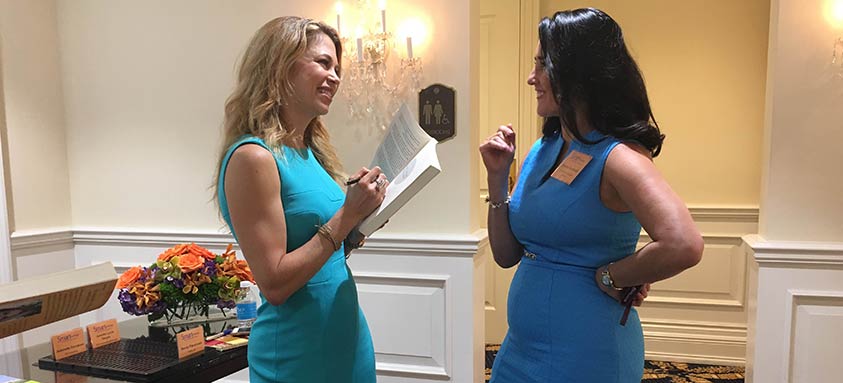
Friday, June 24, kicked off the inaugural Smart Woman Summit at Trump National Doral Miami, with a glamorous welcome reception that set the tone for what would be a weekend chock-full of empowerment and lessons to apply in and out of the office.

The following morning, motivational speaker and best-selling author Christine Hassler began the day’s activities with an inspirational keynote about ditching unrealistic expectations and being your best self. Her interactive speech had the crowd—composed of female planners, hoteliers and business professionals—laughing, clapping, sharing and eventually giving Hassler a well-deserved standing ovation.

christine-hassler

Attendees received copies of Hassler’s latest book Expectation Hangover and had the opportunity to connect with her one-on-one immediately after her presentation to have their books signed.

Next up, CNN body language expert Janine Driver delivered what many in attendance called the best keynote they’d ever heard. Driver helped attendees gain a professional edge with advice on how to own the room with your presence and messages your body language sends. Her authentic delivery and intense humor brought the crowd to tears (several times).

janine-driver

Between keynotes, Smart Woman Summit attendees were served a healthy lunch with a huge range of options. No one wants to be the speaker to immediately follow lunch when the group flows back into the room looking stuffed and tired. But the stations offered small, light portions of fruit salad, watermelon gazpacho, chicken and egg salads (sans bread) and more, leaving everyone satisfied and energized.

Ever feel you’re juggling too much? Dr. Starla Fitch urged the group to enforce the “less juggling, more joy” mentality in the third keynote of the day, to avoid the burnout that so many professionals face when prioritizing work over personal needs.

dr-starla-fitch

Steve Sisgold wrapped up the day’s talks with an interactive discussion about Whole Body Intelligence that had attendees sharing deeply personal details about what they want out of their personal and professional lives and changes they need to make in order to fulfill them.

steve-sisgold

Saturday evening, three of the winners of Smart Meetings’ Smart Women awards were honored at dinner with awards presented by Marin Bright. Evelyn Hall, Jennifer Lucio Vargas and Patricia Perez-Sahin were recognized for their leading roles in the meetings industry.

smart-women-awards-winners-at-smart-woman-summit

Aside from the fabulous food throughout and the top-notch speakers, what made the inaugural event such a huge success were the women in attendance. Open, honest and willing to share, the women who stood up, talked and participated in each discussion left feeling like they truly took something away from the event that would strengthen their work life and personal relationships.

Hotel Buyouts

For groups that require privacy, few options offer more appeal to high-profile meetings and events than hotel buyouts. With the entire property as a blank slate, meeting planners are able to push creative limits and implement decor in ways not possible otherwise. Then there’s the exclusivity factor—not having to share hotel spaces with other guests is sure to boost attendance. But before planners consider a buyout for their next event, there are some important points to keep in mind.

Daniel Rudolf is head of sales and marketing at Rent-A-Resort, a venue finder based in Germany that serves meetings and incentives in Europe, Caribbean and Asia, with plans to enter the North American market. The intermediary negotiates buyouts on behalf of corporate planners, event agencies and travel groups. Rudolf spoke with Smart Meetings about the buyout process from the perspectives of the meeting planner and hotelier.

Is there an ideal type of property for a buyout?

There is not really a perfect type of property since every client has different needs. Our clients book via Rent-A-Resort because they are looking for their group’s privacy, which makes more sense for a resort than, for example, a city hotel. A resort with all of its surrounding activities can be transformed into an event venue, which is only the case if rented exclusively. A buyout would make less sense for a city hotel where the primary purpose is accommodation.

What are the most important factors clients must consider when selecting a hotel?

The hotel should not be tied to contracts with certain groups, such as tour operators, as this will limit its ability to be rented. The hotel should not have infrastructure open the public, such as restaurants, bars or health clubs, as a real privatization will not be possible due to outside guests who cannot be prevented from visiting the hotel during an exclusive event. Rent-A-Resort knows which hotels are suitable and at which date a buyout will be possible at a realistic price.

What message do you have for clients who are on the fence about hotel buyouts?

Despite many clients who would only consider a buyout for their event, most event planners still tend to request a certain number of hotel rooms for the simple reason that they do not think it would be realistic to rent an entire hotel. However, for almost any required number of rooms, there is a hotel which could be rented exclusively. It’s just a matter of finding the right property and choosing the right date in order to stick to the budget. It’s always worth a try if a buyout could be possible at the same cost but with all the benefits of a privatized hotel.

How big does the property need to be for a typical buyout?

Buyouts can be the right choice for a small event requiring a hotel with 20-30 rooms, or for a car launch in a resort with 1,000 rooms or more. Currently, most of our clients request properties that have 150-500 rooms.

How often can most hotels accommodate buyouts per year?

This is very hard to say, as each hotel has a different point of view regarding buyouts. Many hotels do not accept buyouts at all due to contracts, or because the nature of the resort does not allow such privacy to their guests. Rent-A-Resort works a lot with season extensions, which is by far the most cost-efficient period for our clients since the property will make additional profit on dates which have a lower occupancy rate. Some properties actively promote buyouts to their meetings, incentives, conferences and events (MICE) clients so they will host buyouts several times per year.

What are some of the biggest advantages of buying out a property?

The biggest advantage is the fact that buyouts can be perfectly adapted to the event. A resort can be transformed into the event venue without any compromise due to other guests around. Branding will be possible anywhere in the property, and upon arrival the participant will feel like arriving at the event space instead of checking into a hotel where the event takes place. The organization will be much easier to handle since the entire hotel staff will be dedicated to the event. Usually, event planners who start working with buyouts do not want to go back.

Which groups find buyouts most appealing?

Incentives are indeed one of the main reasons to consider buyouts since it makes the participant feel more special. Many of our clients combine a buyout with an air charter, which makes this sentiment even stronger when their own plane is waiting for them at the airport to bring them to their own hotel.

Buyouts also play a role for many conferences where, for corporate reasons, they do not wish to mingle with other guests or groups—especially with competitors. In cases where privacy is the main argument, some clients tend to prefer a cruise charter. Indeed, there is no more privacy than a boat in the ocean. Rent-A-Resort also specializes in cruise charters with its sub-branch, Rent-A-Cruise.

What kind of unique branding and decor opportunities do buyouts bring?

A buyout makes it possible to adapt the corporate identity to the entire resort. We have seen clients who transformed the entire hotel decor into whatever they want to the event to deliver. Of course, no property would accept this with other guests in the hotel so a buyout is indispensable.

How important is it for groups to be flexible about dates in order to secure a buyout?

Buyouts are generally requested one year in advance and during the off-season, which is the period when prices are realistic and not necessarily higher than normal. In cases of seasonal closures, season extensions are by far the most cost-efficient dates. Rent-A-Resort knows most dates in advance from our partner resorts, but most client requests are fixed in terms of dates. Our mission is to find the best price for the date requested.

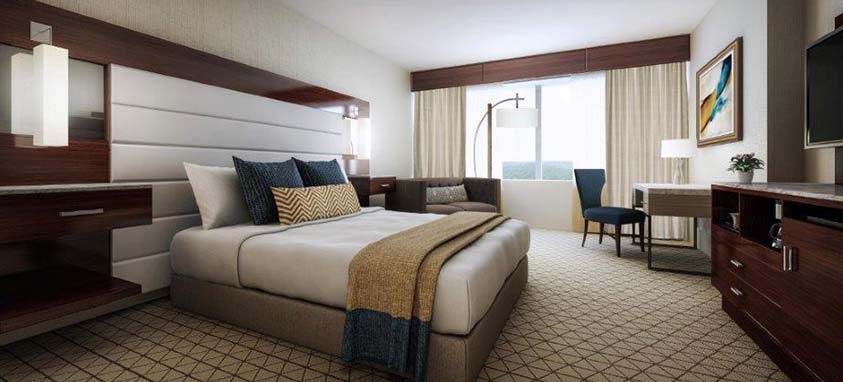
Sky-Tower-room-mohegan-sun-renovationRenovated room in Mohegan Sun’s Sky Tower Hotel
Mohegan Sun, the 34-story casino, hotel and entertainment complex in Uncasville, Connecticut, is getting bigger and better with the announcement of a new $50 million renovation project. The hotel has been constructing the 400-room, $130 million Earth Tower which is slated to open in fall 2016, and will now begin renovating Sky Tower, the existing 1,200-room hotel that opened in 2002.

Part of this initiative includes a multi-million dollar revamp and rebranding of the property’s existing spa, combined with a completely new Mandara Spa as part of the new Earth Tower. The hotel will also introduce Victoria’s Secret to The Shops at Mohegan Sun, add three new dining options and offer exclusive hybrid fusion games.

The Sky Tower renovation project will encompass standard and junior suite room redesign, including new carpeting, wall covers, casework furniture and fabrics. The rooms will also feature a brand new e-tray arrangement in lieu of a mini-bar, as well as an iPad to provide a multitude of services such as a compendium, thermostat adjustments, room service ordering and TV control. For guests’ convenience, a motion detecting light will be installed under the end tables, and will turn on automatically once guests step out of bed. The hotel corridors and lobby furniture will also be updated as part of the project.

“At Mohegan Sun, we are committed to continuously providing fresh and appealing offerings,” says Ray Pineault, president & general manager of Mohegan Sun. “These enhancements are a few examples of our dedication to evolve and steadily exceed the expectations of our valued guests.”

Mohegan Sun is working with Steiner Leisure Limited to bring Mandara Spa to two separate locations on the property. The Sky Tower’s existing 22,000-square-foot Elemis Spa will undergo a complete renovation and rebranding to become a Mandara Spa, which is projected to be complete in 2017. Set to open this fall, the new Mandara Spa location is in development within the Earth Tower and will feature seven total treatment rooms.

Adding to the retail offerings, Mohegan Sun has partnered with Victoria’s Secret to open a new location in The Shops at Mohegan Sun, coming this fall, and earlier this month, welcomed The Art of Shaving, a premium barber spa and shop.  Later this summer, Tom’s Urban will open with an innovative travel inspired menu and over 40 beers on tap. More restaurant offerings will include an Asian restaurant, Jumbo Oriental, which features Chinese, Vietnamese, and South Asian offerings.

In addition to the Sky Tower renovations, Hybrid Fusion games have launched inside Sunrise Square, with more to be installed in Casino of the Sky by the end of June. A Hybrid Fusion game involves live blackjack, roulette and baccarat dealers’ hands to be broadcasted onto a monitor sitting in front of the player as well as a 50” screen above the stadium. This technology will allow players to play designated games of blackjack, roulette, or baccarat at the same time.

“Mohegan Sun Connecticut will be the first in the United States to offer the blackjack Hybrid Fusion game, which truly sets us apart in the industry,” says Pineault. “Guests will now be able to participate in four of their favorite games at once, which enhances their experience at our world-class casinos.” Casino of the Sky will have a total of 41 seats for guests, while Sunrise Square will have 20 seats.

Rainbow BNB

Orion Travel Technologies has launched Rainbow BNB, the first global home-sharing service for the lesbian, gay, bisexual and transgender (LGBT) community. The Orlando-based travel technology company unveiled the Rainbow BNB website earlier this week, as a number of U.S. cities host Gay Pride celebrations throughout June, also known as LGBT Pride Month.

The travel website is unaffiliated with Airbnb, the largest home rental company in the market. However, the website layout follows that of Airbnb, save for a few differences. All stays can be booked at a flat rate of $39.99 for up to two guests in more than 34,000 cities in 190 countries. Listings have yet to be released for any of the proposed cities.

Guests are also guaranteed a continental breakfast and a glass of wine or bottle of beer upon arrival. Rainbow BNB plans to extend its booking engine to flights, rental cars, international SIM cards and travel insurance. For every trip booked through the platform, guests will receive a 20-inch hard-shell four-wheel luggage piece.

Rainbow BNB hopes to encourage travel in the LGBT community with safety awareness programs and a similar trust and safety policy that Airbnb has. Orion Travel Technologies will also donate $5 for every trip booked to victims of the Orlando shooting through the Orlando Strong fundraiser.

“What I would like to see happen is that straight hosts from all over the world greet and welcome the LGBT community with open arms and open doors,” said Gary German, founder of Orion Travel Technologies. “It is time we lay down our past and build a present and future with this great community.”

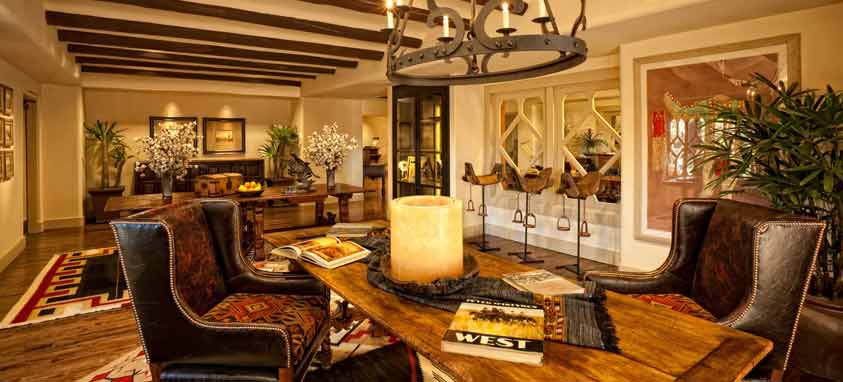
wigwam-arizona-group-destinationWinner of 2016 Smart Stars for Best Historical Hotel, The Wigwam is a premiere Arizona group destination unlike any other in the Phoenix Valley, boasting more than 86 years of rich history and culture.  Originally built as a quaint meeting place for the Ohio-based executives of Goodyear Rubber & Tire, The Wigwam spans over 440-acres on an estate like setting where meetings are set amidst the visually stunning surroundings sure to inspire any group.

Picture-Perfect Arizona

Multiple outdoor venues set against a backdrop of azure skies, lush green lawns, statuesque palm trees and 8,000 ever-blooming rose bushes, bring an unforgettable sense of charm to any meeting. The Wigwam’s outdoor spaces include private gardens, a spacious al fresco terrace adjacent to shimmering pools, and the expansive front lawn that effortlessly accommodates up to 1,000 people.

Dressed for Success

More than 45,000 square feet of tastefully decorated indoor meeting spaces provide a blend of comfort and sophistication. For large functions imbued with a spirit of elegance, consider the Wigwam Ballroom, with its dramatic high ceilings and 10,800 square feet of space easily tailored to any group’s needs. The Mohave Ballroom offers a more contemporary setting, and its unique lighting creates a radiant environment for awards dinners or meetings of up to 400 guests. With over 25 meeting rooms to choose from all on one level, The Wigwam makes gatherings of every size a sure success.

An Extraordinary Meeting Place

Lasting group memories abound across The Wigwam’s championship golf, its world-class Elizabeth Arden Red Door Spa, the four pools, a complete Tennis facility and five restaurants and bars plus 331 casita-style guest rooms, including 72 spacious suites.

Request for Proposal

Make your next meeting picture perfect at The Wigwam.  Requests for proposals may be conveniently submitted online at http://wigwamarizona.com/group-offers/ or by emailing [email protected].  We look forward to making history with you at The Wigwam.

australia-for-foodies-lamington

Last week it was announced that Australia will be the host destination for the prestigious World’s 50 Best Restaurants awards in 2017—solidifying its reputation as an emerging food lovers’ paradise.

The announcement was made by William Drew, Group Editor of The World’s 50 Best Restaurants alongside Tourism Australia Chief Marketing Officer Lisa Ronson at the Chefs’ Feast, a dinner for the world’s best chefs and restaurateurs, held the day before the 2016 awards, which took place in New York.

“Having kicked off our global tour in the U.S., The World’s 50 Best Restaurants has chosen to move to Australia for 2017 because—like New York—it is one of the most exciting gastronomic destinations in the world,” Drew told Smart Meetings. “What’s more, its food and drink offering is unique, from its raw materials and producers to its chefs, restaurateurs and winemakers.

“We know that the prospect of exploring the Australian food landscape will be very attractive for chefs, media and food-world influencers, and we are working with Tourism Australia and Visit Victoria to ensure visitors to The World’s 50 Best Restaurants in Melbourne in 2017 enjoy wide-ranging and stimulating experiences.”

The World’s 50 Best Restaurants list is a celebration of global gastronomy bringing together a unique community of visionaries across the culinary landscape. The annual awards are based on the votes of The Diners Club World’s 50 Best Restaurants Academy, an influential group of almost 1,000 international leaders in the restaurant community.

Australia’s culinary reputation has been thriving over recent years, and several of its own restaurants made the list in 2015: Attica, Quay, Sepia and Brae each received recognition. Since the start of Restaurant Australia, a food and wine campaign that launched in 2013 by Tourism Australia, food and wine spend has grown over $1 billion.

Tourism Australia will be working with Visit Victoria and Wine Australia to help host the awards.

“A number of locations in Australia were considered before Melbourne was selected to host the core event program,” Ronson told Smart Meetings. “Melbourne is home to some of Australia’s best food and wine experiences, is highly practiced at delivering world-class food and wine events and has the necessary infrastructure to host the awards. The city is also home to Ben Shewry’s Attica, which has been on the World’s 50 Best Restaurants list for a number of years.”

What’s Cooking Down Under?

No one type of cuisine comes to mind when thinking about Australia—so what is the cultural melting pot country known for?

“Australia’s rich multicultural heritage has created a food and wine culture that is unique to Australia and is not limited to a particular style or cuisine,” says Ronson. “However, the food and wine is underpinned by our people, place and produce. People who are not bound by tradition and feel free of constraints to create new and innovate dishes, our fuse many different styles to create their own. Australia as a place fosters this with its sense of space and a pristine natural environment that produces our bountiful supply of fresh produce, including a vast offering of fresh seafood.”

Australia always receives high marks for its pristine beaches, safe travel and year-round optimal weather, but food is also a substantial factor when groups consider destination travel. Thanks to the ongoing efforts of the chefs, tourism boards and awareness campaigns, the continent is no longer overlooked as a foodie destination.

New to Melbourne

There’s a lot happening in Melbourne has a number of new hotel developments including the Four Points by Sheraton, in the heart of the Docklands area of the city, which is set to open in January 2017. The Next Hotel Melbourne is set to open as part of an AU $110 million development in Melbourne city centre. The new 300-room property will also include retail and commercial spaces.

On the Melbourne dining scene, Heston Blumenthal’s groundbreaking restaurant Dinner by Heston is an exciting addition to the city. The restaurant offers a Private Dining Room, accommodating up to 10 guests, where guests can indulge in dishes that are inspired by as far back as the 1300s.