The 75th Golden Globes, which took place on Sunday, was the first mainstream award show since the #MeToo movement, so it presented a critical moment in Hollywood. Fortunately, the industry prepared.  On Jan. 1, #TimesUp was introduced. The hashtag urged Golden Globe attendees to wear black, signifying protest against widespread harassment and inequality among women in the workplace.

Aside from its declarative meaning, #TimesUp was inspired by the Time’s Up Legal Defense Fund, which subsidizes legal aid for those who have experienced sexual harassment or related retaliation in the workplace.

The #TimesUp movement isn’t exclusively for celebrities or the Golden Globes. It’s an ongoing effort that encourages everyone to tackle discrimination head-on. A lot happened at the show. And ultimately, the message of #TimesUp became the theme of the evening, spurring many to speculate, critique and applaud how it would play out. As a planner, here are the big takeaways for injecting some social justice into your next meeting or event.

1. Rethink Plus-Ones

Stars brought activists into the spotlight. Actors chose figures that initiate and propel change as their plus-ones. Michelle Williams invited Tarana Burke, creator of the #MeToo movement. Many actors also brought activists and advocates for racial and gender justice. Pairs included Emma Stone and Billie Jean King, Emma Watson and Marai Larasi, Meryl Streep and Ai-jen Poo, Amy Poehler and Saru Jayaraman, and Lauren Dern and Monica Ramirez.

The potential here is boundless. Instead of limiting a plus-one to dates, planners might consider the impact that bringing together like-minded individuals could have. Without imposing pressure, planners can recommend bringing someone who inspires them, would like to participate or has had an impact. This may require a little more planning, so it’s best to set the RSVP deadline early.

2. Embrace an Open Dialogue

During something as public as The Golden Globes, speaking freely and honestly can be difficult. Yet, women leading this effort used the platform as an opportunity rather than an obstacle. Natalie Portman aptly and boldly acknowledged that no female directors were nominated for best director this year, remarking, “And here are all the male nominees.” Meanwhile, Debra Messing addressed the fact that Catt Sadler’s left E! due to its refusal to pay her equally to male counterparts. These are only two instances during a night of abundant statements.

How can this approach be applied to events? At event, planners can refuse to beat around the bush. They can create a liberated environment where people are comfortable having an open and straightforward discussion. It’s important to use the correct language, point to real statistics and accounts, and refuse to diminish the current reality backing #TimesUp. You can also establish a panel system where attendees can take turns speaking or have the option of anonymously sharing. When the discussion involves attendees, be sure to implement a judgment-free policy.

3. Powerful Speakers are Key

Most day-after conversations about the Golden Globes regarded the speakers. Laura Dern discussed how children are instructed not to “tattle,” but speaking up is empowering and necessary. Oprah Winfrey’s acceptance speech for the Cecil B. DeMille Award was rooted in black American history, along with an optimistic outlook for feminism. Many felt that the poignant rhetoric seemed suitable for a State of the Union speech. Accordingly, it was met with a standing ovation and speculation of a 2020 presidential run.

You may have some trouble booking Oprah for your event. However, hiring a speaker or awarding an individual who touches your audience is crucial. An influential speech will publicize your event, inspire attendees and guarantee a memorable experience. More importantly, it will promote involvement.

4. Urge Men to Meaningfully Participate

Several men attendees arrived in all black. Many—including Jude Law, Chris Hemsworth, Aziz Ansari, Steve Carrell and James Franco—wore wore “Time’s Up” pins. Despite the gesture, the question of meaningful support remained. Many female actors spoke out, while men seldom mentioned #TimesUp in victory speeches, even though the topic dominated discussions throughout the evening.

The approach to coverage was also criticized by some. Reporters, such as E!’s Ryan Seacrest, appeared to question only women about these topics, while men were mainly asked about more commonplace topics relating to the awards.

Initiating real change isn’t possible with only half of the population on board. Men need to be considered, included and informed throughout the discussion and subsequent action. It’s important to urge men to attend and participate in a #TimesUp event. Their perspectives must be acknowledged, because inclusion is essential. Inequality affects everyone.
Planners are reacting with a range of emotion to the announcement by Marriott International that it will cut commissions to third-party planners for bookings—and predictions that the move could impact their clients.

After months of rumors, Marriott said in a letter sent Jan. 24 to some third-party planners that it would cut the standard 10 percent commission for bookings to 7 percent for U.S. and Canadian hotels.

“While group intermediaries play an important role in the marketplace, costs for our North American hotels and owners are growing at a faster pace than group revenue, which impacts hotel profitability,” the letter read. “To strike a balance and ensure the long-term health of our business, we will reduce commissions to intermediaries from 10% to 7% for all properties in the U.S. and Canada, effective March 31, 2018.”

“I am still going to deliver the best product for the event, even if it is a Marriott property,” said Kate Christensen, president at KCA, an association and event management company in Phoenix, said. “But this will affect prices.” She, like many planners, often shared her commission with clients or donated a portion to their designated charity.

Christy Lamagna, master strategist at Strategic Meetings & Events in New Jersey, compared the change to what happened in the airline industry after deregulation and mergers in the 1980s. “Airlines stopped paying commissions to travel agents, and you started to see fees. I hope it doesn’t go that way in the planning industry,” she said.

“I am horrified, but not surprised,” Lamagna said. “After the merger with Starwood, we have so few choices and others could follow.”

Some planners worried aloud about whether other hotel companies would follow Marriott’s lead. “The entire industry could start doing this,” Lamagna said.

A Marriott spokesperson reached on a flight after the change was announced, stressed the importance of meetings business. “At Marriott International, meetings and events represent a critical part of our business as well as an opportunity to drive innovation and win with customers. The current business model and environment, however, present significant obstacles to making the investments needed to deliver a world-class experience for customers.”


Since publication, Marriott International confirmed that it is “honoring existing contracts” and four large companies will reportedly not see reduced commissions starting in April: HelmsBriscoe, HPN Global, Experient and HelmsBriscoe.

Paul Van Deventer, president and CEO of Meeting Professionals International made the following statement. “Third-party organizations have become an integral part of the live events industry value chain and are a proven and important resource for planners, destinations and venues. As in any business relationship, the value of services provided needs to be determined by the organizations benefiting from said services.”

When planning an event, you want every detail to stand out. You found your keynote speaker, the PowerPoint slides are finished and the location is booked. But one of the most important things has yet to be figured out: signage that both gets its job done and appeals to your guests. We’ve compiled a list of seven types of signage to will make your event stylish and unique.

1. A Greeting to Remember

Never underestimate a first impression. Entrance signs are one of, if not the most, important signs. They help people simultaneously find and feel welcomed to your event. Use large letters to spell out the overall message of the event, light up the front walkway with bundles of fairy lights or deck-out a huge board with the event’s agenda.

2. Pop with Polaroid

Popular at weddings, but occasionally incorporated into events, is the giant polaroid prop. Place a logo or hashtag in the blank space, and attendees will automatically spread the word to their followers. Consider it low-cost marketing.

3. Decal the Walls

Wall decals are easy to put up and remove. Using bold text and arrows will help capture eventgoers’ eyes, leading them to the bathrooms, conference rooms, or food court. You can also mix and match to customize messages. Best part? At the end of the event, you just peel them down, no clean-up required.

4. Grass is Greener

If your event is green, casual or outdoors, then moss and grass signs are likely a good fit. Simply cut out enough turf for an arrow and place it on the wall to direct guests to your event’s entrance. It’s clean, minimalist and on brand.

5. Make it Glow

Neon signs are adaptable. They can be flashy or professional, Vegas or corporate, casual or classy. Whether you’re using a sign to tell event attendees where to eat or simply providing a fun photo opportunity, a neon sign will guarantee your event is lit.

6. Tagged Tables

We’ve all been there: you’re searching for your name card at a table, and the lights have dimmed while you’re still trying to find your seat. Alleviate the stress and use a board telling guests their assigned table. With less time spent scrambling, attendees will have their full attention on your event.

7. Blow it Up

There are two ways you can float your signs. If there is a pool nearby, consider using inflatables to spell out a slogan or brand name. If you have access to balloons, liven up a room and incorporate balloons that follow the theme of your event. Just make sure to pin them down, and voila!

Hurt, anger and dire predictions. That’s a summation of the outpouring of reaction in the days since Marriott International announced it would cut the standard 10 percent booking commission for third-party services to 7 percent for U.S. and Canadian hotels. The cut is to start in April. Planners says the move could force increased fees to corporate clients and fewer options for sourcing experts—and decry what appears to be an exemption for major planners.

“While group intermediaries play an important role in the marketplace, costs for our North American hotels and owners are growing at a faster pace than group revenue, which impacts hotel profitability,” read the letter sent Jan. 24 from Tammy Routh, vice president of global sales for Marriott. He said the reduction in commissions would “strike a balance and ensure the long-term health of our business.”

Many planners see it otherwise. “It is unfortunate when a hotel does not necessarily see the value of a third-party planner and their contracting influence, and this most recent change just reinforces that this issue is becoming more prevalent,” said Renee Radabaugh, founder of Paragon Events and Cultural Explorations. “It seems as though numbers—perhaps through a revenue department—have come into play, and that there is a ‘need’ to cut costs or increase revenue.” She added that the decrease in commission lessens the value of the professional planner and the service they provide to their clients. Many planners calculate a portion of their services in exchange for some portion of the commission.

Radabaugh, whose company is based in Delray Beach, Florida, expresses her hope that other hotel brands “remain wise and respectful of the planner and their buying power, and take this as an opportunity to further build and strengthen their relationships with them. Ultimately, people do not want to take their business where it isn’t valued or recognized, and only time will tell how this move will affect the brand long term.”

In a Smart Meetings Twitter poll over the weekend, the majority of respondents were not optimistic that would be the case. More than half, 57 percent, predicted other properties would follow Marriott’s lead and expressed concern about impact on the industry. Some 75 percent said a move to cut fees to third-party planners would lead to increased consolidation in the sector.

One hospitality brand, Preferred Hotels & Resorts, reacted by increasing commissions during a special promotion. The “We Appreciate You” promotion will add 1 percent commission—for a total of 11 percent—and 150,000 Prefer Rewards Points for planners who book more than $100,000 in business over the next 60 days, with some restrictions. Preferred, which is celebrating its 50th year, encompasses 310 properties in North America. About 90 percent of them are included in the offer.

Elaine Macy, executive vice president of global group sales for Preferred Hotels, said in a statement, “I think this will be the wave of the future for the larger chains. Looking ahead, I believe we will see that most large franchise brands will reduce commissions across the board and then have some type of back-end volume bonus for the major third-party planners…and cut out the smaller independent planners.” She pledged that Preferred would maintain its standard 10 percent commission for planners of all sizes, giving the brand more visibility in the industry and attracting business it might not have had the opportunity to bid on before.

Breaks for Big Planners?

Marriott International threw more fuel on the fire Friday by confirming not all third-parties would be treated the same. The company said it is “honoring existing contracts,” and four large companies will reportedly not see reduced commissions: HelmsBriscoe, HPN Global, Maritz Global Events (Experient) and ConferenceDirect.

Senior Planners Industry Network (SPIN) started a petition Friday, asking Marriott for commission parity for all intermediaries. “Regardless of the pricing structure our members use, why should they get a lower commission than larger group-booking companies?” asked Shawna Suckow, SPIN’s founder.

Tracey Smith, SPIN’s new executive director said it was important to take action because “other industry associations haven’t taken a stand against this; we felt we needed to help be the voice for our members who will be impacted.” She estimated 40 percent of her members—planners with more than 10 years of experience—are independent.

On Thursday, Paul Van Deventer, president and CEO of Meeting Professionals International, released a statement saying, “As an association, MPI’s focus is on ensuring the long-term and sustainable financial health of the events industry, and raising the professionalism of those who work in it. MPI’s membership consists of a broad and diverse community of event professionals who are directly and indirectly impacted by this decision, including thousands of third-party planners, the global hotel brands and numerous Destination Marketing Organizations (DMOs). Third-party organizations have become an integral part of the live events industry value chain and are a proven and important resource for planners, destinations and venues. As in any business relationship, the value of services provided needs to be determined by the organizations benefiting from said services.”

A great way to take advantage of the California sunshine and get out of a stuffy ballroom is to stage an event atop one of these nine rooftop venues. From Venice Beach and Beverly Hills, from the heart of Hollywood to downtown L.A., these spots will have you and your guests #RaisingtheRoof.

Mama Shelter

Move on up to Roof Top at Mama’s Shelter in Hollywood. With sweeping views of L.A. and colorful furniture, this is a spot made for snaps. The restaurant and bar are available for private events and buyouts. You can even stretch out and take a yoga class beneath the blue, blue sky.

W Hotel Hollywood

Take the express elevator up to The Loft at W Hotel Hollywood. Once home to Drai’s Nightclub, which has since relocated to Las Vegas, this rooftop has been transformed into a 6,500-square-foot event space. Floor-to-ceiling windows offer panoramic views of the Hollywood Sign and the iconic Capitol Records building, and The Loft can be set as a lounge or classroom, sit-down meal or stand-up cocktail party for up to 350 guests. Events can overflow outside to the beautiful rooftop pool deck.

Ace Hotel

How has this rooftop not been featured on The Bachelor? Just look at the size of this pool/hot tub! Set on a historic 1927 landmark building that was once home to United Artists, Upstairs at Ace Hotel Los Angeles is a relaxing sanctuary from the bustling concrete jungle of downtown L.A. below. Don’t forget sunscreen!

The Beverly Hilton

Reach for the stars atop The Beverly Hilton. A 2,900-square-foot balcony extends off The Stardust Penthouse to lure as many as 150 guests, where they can take in panoramic views of Beverly Hills, Hollywood, Century City and downtown L.A. from above Santa Monica Boulevard. The indoor portion of the penthouse offers 3,774 sq. ft. of event space, a built-in stage, dance floor and a full-service kitchen for up to 250 guests.

Catch LA

Have a “reel” good time atop one of L.A.’s most photogenic rooftop restaurants and event spaces. In fact, it was the third-most Instagrammed restaurant of 2017, according to that social media platform. Located on Melrose Avenue, this West Hollywood eatery is one of the most coveted brunch or dinner reservations in town, so you’ll really impress your group with the opportunity to dine there. It’s a 12,000-square-foot indoor/outdoor venue featuring a retractable rooftop. Up to 650 guests can comfortably be entertained for full buyouts, but the restaurant can also accommodate smaller groups for private or semi-private meals.

Hotel Erwin

Flex your muscles at High Rooftop Lounge perched on Hotel Erwin. It overlooks the famous Venice Beach boardwalk, known as Muscle Beach and renowned for its carnival-like atmosphere. Time your event to enjoy a beautiful sunset over the Pacific Ocean. This rooftop can host receptions for up to 198 guests.

Oue Skyspace LA

Conquer your fear of heights by holding a meeting in the sky at downtown’s Oue Skyspace. The “terrace for the team” experience includes a catered dinner with the chef in attendance, a string quartet, door-to-door luxury car service, floral arrangements, decorations and a private photographer. But, that’s not the best of it. Guests can also slide down the transparent Skyslide that connects the building’s 70th and 69th floors. Still not done! Next is a helicopter tour of the city for an aerial view of Dodger Stadium, the Los Angeles Coliseum, Griffith Observatory, Hollywood Sign, with some film history along the way. For a full buy-out, 13,000 sq. ft. is available for up to 800 guests, at an altitude of nearly 1,000 ft. One level up from Skyspace is the highest restaurant west of the Mississippi. 71Above offers private dining options for up to 75 guests, as well as complete buy-outs.

Montage Beverly Hills

Steps from the chi-chi stores on world-famous Rodeo Drive, Montage Beverly Hills has a 1,250-square-foot, glass-enclosed dining room that can be booked for private events. Guests will enjoy panoramic views and might even be lucky enough to spot a star getting a shopping fix down below. Make sure to look your best—you never know where a paparazzo may be lurking.

Spaces Row DTLA

Spaces, a co-working office, has plenty of room to host an outdoor affair at The Row. The 5,600-square-foot rooftop offers a great view of the L.A. skyline. Once the sun sets over Tinseltown, strands of lights above your head will illuminate the deck.

Meeting Planners Unite, a new social media group, is the strongest reaction yet to Marriott International’s cut in commissions for planners booking business in the United States and Canada. The purpose of the group is to “show the hospitality industry the power of the independent planner and the unity we have as an industry to change the way the true independent is portrayed,” says group founder David Bruce, managing partner of Dallas-based CMP Meeting Services.

Bruce says the sudden change in the business model for independent planners is an “opportunity for the industry to band together.” The “little guy” did not have a voice before now, he says. Less than a week after Marriott announced its intention, the new group boasts 500 members. He hopes to grow that number to as many as 5,000 in the next month to demonstrate that the industry is made up of more than just the big four—HelmsBriscoe, HPN Global, ConferenceDirect and Maritz Global Events (Experient), none of which reportedly will be immediately impacted by the decision.

“The goal is to stop the bleeding,” Bruce says. “We hope the Pied Piper doesn’t pull the other guys down the road to ruin.”

MGM Resorts came out early to promise it would hold firm on commissions, and Preferred Hotels & Resorts has announced its properties will add an additional 1 percent commission and Prefer Rewards Points for planners who book more than $100,000 in business over the next 60 days.

Bruce pledges to continue paying his own agents full commission, as well. “We are like a family,” he says of the 10-employee company that books as many as 150,000 room nights a year.

Concern about an industry-wide shift in commission payments is widespread, however. A Smart Meetings Twitter poll showed that the majority of respondents (57 percent) believed other properties would follow Marriott’s lead. Even more were concerned the cut would lead to increased consolidation in the independent planner industry.

The specter of a commissions cut was first raised at Independent Planner Education Conference two years ago, and speculation increased after the Marriott-Starwood merger. Many wondered when the dominant brand would decide to flex its muscles. Yet, Bruce also questions the timing of the decision. “The economy is stronger than ever, and Marriott’s stock price is stronger than ever, so why now?” he asks.

Marriott has remained silent on the subject except for the letter from Marriott Vice President of Global Sales Tammy Routh on Jan. 24, which announced the change and explained the rationale this way: “While group intermediaries play an important role in the marketplace, costs for our North American hotels and owners are growing at a faster pace than group revenue, which impacts hotel profitability. To strike a balance and ensure the long-term health of our business, we will reduce commissions to intermediaries from 10% to 7% for all properties in the U.S. and Canada, effective March 31, 2018.”

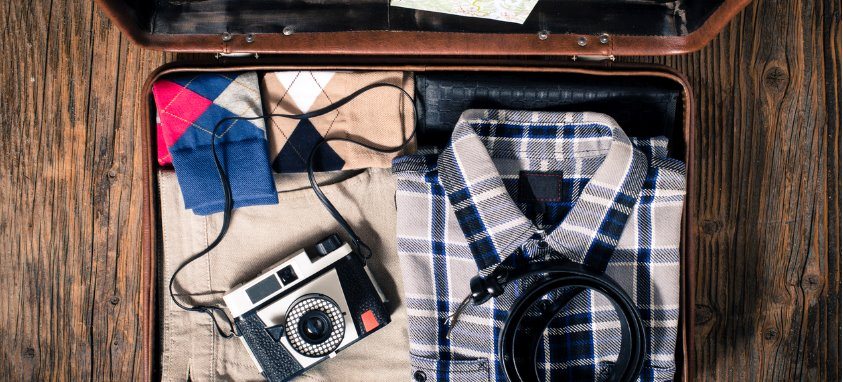
It’s hard to find a happy medium when packing for a trip. If you pack too much, a heavy bag is going to weight you down—both physically and mentally. Pack too little and you’ll be kicking yourself for not bringing that extra pair of flats.

Business travel is even trickier. The belongings you take will dictate more than your beach style. They will shape your professional image and ability to excel at the tasks presented.

Here are some tips for eliminating packers’ remorse:

1. Suck it up and Plan

It’s not the most thrilling activity, but physically planning what you will wear, down to the accessories—ties and socks or scarves and jewelry—will pay off big time. Not only will limiting what you bring to what you will actually wear conserve space, it’ll save time during the trip. Bring some staple pieces that can be repurposed. Also choose one color pallet, preferably a darker shades. This will facilitate mixing and matching, plus stains are not as visible on darker items.

2. Layer it in

Now that you’ve followed our first step, it’s time to layer those outfits into the bag. Always put the heaviest items at the bottom and close to the suitcase’s wheels. This keeps luggage balanced and prevents crushing or wrinkling other items. Keep the clothing you’ll be wearing soonest at the top, the last one on bottom and so on.

3. Be Selective on the Heavy Stuff

Be discerning with shoes and heated hair styling tools (straightener, blow-dryer, etc.). As a rule of thumb, a trip that’s five days or less only requires two pairs of shoes and one (if any) hair styling tool. If needed, one coat can be worn onto the plane—and that’s it, so be sure that it’s versatile and easy to match.

4. Make it Fit (in a carry-on)!

Fitting everything into a carry-on is well worth it. Waiting at the carousal is a major time suck, and just imagine the ordeal if your checked bag gets lost. To maximize space (and reduce wrinkles) roll up your clothing instead of folding. Make sure you’re taking advantage of every crevasse. For instance, if you’re packing boots, fill them up with socks. Ultimately, question the necessity of every item. Try evaluating what was packed versus what was actually used after each trip.

5. Never Part with the Important Stuff

Anything valuable, whether it be expensive jewelry, clothes, your most important outfit, medication, contacts or devices for you work, must be in your carry-on. If you end up checking a bag, be prepared for the worst-case scenario, as lost luggage isn’t exactly a rarity. Decide on carry-on essentials by evaluating what you’d need for the next three days.

6. What’s on the Outside Counts

Packing smart involves more than strategic planning, it also demands the right suitcase. Sure, luggage can be expensive, but the time saved and relief provided is priceless. Many luxury bags have wheels that glide in every direction. Plus, their appearance is also more impressive. This is a huge help when you’re on the clock, as you never know who you might run into or where you might need to go at the last minute.

Another thing to consider when choosing a bag is a soft case. This encasing fits more easily into overhead bins, making them less likely to be selected for checking if the flight is full. Plus, the flexibility allows for more packing freedom.

7. Segment the Toiletries

If you’re a frequent flyer, a ready-to-jet toiletry bag is a must. Keep it separate from your everyday products and check to see if products need to be restocked after every trip.

One pro-tip for non-pre-checkers is putting your toiletry bag in the same compartment as electronics. Therefore if products are liquid, you only have to open up one section during security check.

8. Digitize All

It’s 2018—everything can be digitized and accessed through your smart phone. Additionally, most things are synchronized through the Cloud. It would be a huge waste to stuff your bag with paper items. If, however, a hard copy is necessary, make arrangements beforehand. Either ship it to your destination or have it ready to be printed at a local copy store. For a remote destination, scope out the printer sites in advance.

9. Make Room for Client Gifts

It shouldn’t be elaborate, but a little trinket can be a big and memorable gesture. Even for a short trip, bring two or three tokens of appreciation that reflect your brand. You never know who you might need to woo.

Conversely, make sure you have room to bring back any gifts received while on the road. You wouldn’t want to leave that special something behind because your luggage is bursting at the seams.

How can you truly enjoy an event when plagued with sleep deprivation and stress? Find the right hotel, and you won’t have to. We’ve compiled a short list of top hotels from Jetsetter’s 2018 Best of the Best Hotel Awards that have mastered the art of kicking back after a successful day.

1. Four Seasons Hotel-London at Ten Trinity Square

This Four Seasons is located in the heart of the financial district, making it a property that easily combines business with pleasure. With 89 rooms, 11 suites, two ballrooms and three meeting halls, the space totals 7,857 sq. ft.–perfect for boutique events.

While the historic details and stately woodwork make a statement,  the customizable mattress toppers speak for themselves. After a stressful day, you deserve the most comfortable sleep designed for you. For an extra dose of relaxation, take a dip in the indoor vitality pool, or sit in the sauna and steam room, engineered to melt stress away.

2. Las Alcobas, a Luxury Collection Hotel, Napa Valley

With 68 rustic-chic rooms and more than 4,500 sq. ft. of blonde wood-accented meeting space, this exclusive wine country retreat is a contender for escape of the year.

In addition to unique meeting essentials, a boardroom, a barn that splits into two spaces and an event lawn with an adjacent winery, this property is ideal for fulfilling your physical and mental needs as well. Book a massage featuring ancient techniques and essential oils, spend time in the yoga and meditation studio or relax around a fire pit at the end of the day. Never underestimate the healing power of me-time.

3. The Ned-London

Want to loosen up after a long day’s work? Enter The Ned-London. Boasting 320,000 sq. ft. of walnut paneled, light-bathed meeting elegance, these grand spaces will add an air of importance to your gatherings.

The 252 bedrooms range from “cozy” to “crash pad,” but each room is a personal oasis clothed in 1920s glamour. A visit to Ned’s Club Spa is the perfect place to schedule a personal reboot with everything from facials and massages to IV vitamin drips. You’ll feel rejuvenated in no time.

4. Detroit Foundation Hotel

At 62,000 sq. ft. with 100 guest rooms, Detroit Foundation Hotel has the necessities for a no-stress event. From the view-drenched fifth-floor commissioner’s suite to the intimate board room, it is like walking into a sigh of relief.

Another feature that’s off the beaten path is the offering of grooming options. As a guest at the hotel, you are allowed into “add-on experiences.” This includes Detroit Blows, a salon offering full grooming services, from blow-outs to makeup applications. TEN, a nail bar, will take care of your fingers and toes. Lay back and let the pros work their magic.

5. UNICO 20˚ 87˚ Riviera Maya, Mexico

Located on the sparkling beaches of Mexico, UNICO 20˚ 87˚ Riviera Maya is perfect all-inclusive solution for planners tasked with hosting an event in a take-your-breath-away local. With 448 guest rooms and more than 15,000 sq. ft. of indoor and outdoor meeting space—including a main ballroom and 10 breakouts—you don’t have to worry about the details.

But your stay isn’t complete without utilizing its spas and beauty bars. Get your exercise in with Pilates or spinning before you head over to this fully-equipped hydrotherapy facility, which includes reflexology, candle and volcanic stone massages. Need a touch-up? The beauty bar will cut and color your hair or paint your nails. You’ll be refreshed and ready to go the next day.

6. Grand Hyatt Baha Mar, The Bahamas

In a dream world, we would host all of our events along the beach. With the Grand Hyatt Baha Mar, that’s a possibility. This tropical paradise is home to 1,800 oversize guest rooms, a self-contained conference center with three ballrooms and 16 breakout rooms totaling 200,000 sq. ft., making it the ideal place for groups large and small. It also might be one of the most idyllic places on this list.

After sunning in the cabanas at one of seven resort pools, or swinging on the Jack Nicklaus Signature golf course, be sure to check into ESPA spa for a sea shell massage or aromatherapy treatment. The signature lounge is the perfect place to shift to island time.

Ah, another year, another bizarre food craze. Now that we’re already into January, meeting and event planners are pretty much expected to be familiar with wild refreshments. But if you’re a tad late, don’t sweat it. We’ll keep you up-to-date with the latest unconventional F&B trends. Present some of these in the near future for a guaranteed image boost.

Mushroom-Infused Coffee

Mushrooms have long been praised as a dietary supplement that boosts antioxidant levels and protects the immune system. Certain varieties of mushrooms are about to explode. It will become pretty commonplace to see reishi, chaga and cordyceps infusing your coffee, chocolate, broths and tea. According to Whole Foods, fungi are also emerging as an ingredient in soaps and hair care.

Flower Flavors

Pedals are no longer just for garnish. Fragrant floral flavors such as elderflower, rose, hibiscus and lavender will be aromas permeating foods and drinks this year.

Cannabis Snacks

Times they are a-changing. At this time, eight states have legalized recreational cannabis, while many others have done so for medical use. It’s no secret that the marijuana industry is growing across the country. With this new wave, there will not only be infused foods, but beverages, as well. All in accordance with state and federal laws, of course.

Nordic Influences

New to the mainstream food world, Nordic cuisine will be making an impact very soon. Kimpton’s Culinary & Cocktails Trend Forecast for 2018 predicts an emergence of fish and colorful ingredients such as carrots, beets and cabbage. Additionally, it says that alternative berries such as juniper and ligonberries will be seeing a boost in popularity.

Wellness Cocktails

Wellness is becoming more of a priority each year. Although there’s no way to engineer healthy alcohol, we can still control what we mix with it. Think green juice and vodka or a high-alcohol content kombucha. Talk about drinking responsibly!

Next-Level Wine Packaging

Traditional wine bottles have become a bore, now that there are a slew of creative new ways to hold the red, whites and pinks. Creative wine encasings offer a more versatile range of options, often providing transportable or durable packaging. Plus, many offer dual functionality, such as edible glassware, or promote sustainability through things such as repurposed household items.

Moringa

Matcha is so 2017. Moringa is a powder high in protein, potassium, calcium, fiber and Vitamin A. The substance alone supposedly tastes like dried spinach—yuck. But mix that with other flavors in lattes or hummus, and you’ll be pleasantly surprised.