Couldn’t make it to Anaheim for Destinations International’s Imagine 2018 Annual Convention? Or even if you did, this is your hub for updates on your favorite destinations, session highlights and lessons learned. Bookmarking this page is your ticket to real-time updates and memories to last until we do it all again next year.

See you in St. Louis, Missouri July 23-26, 2018.

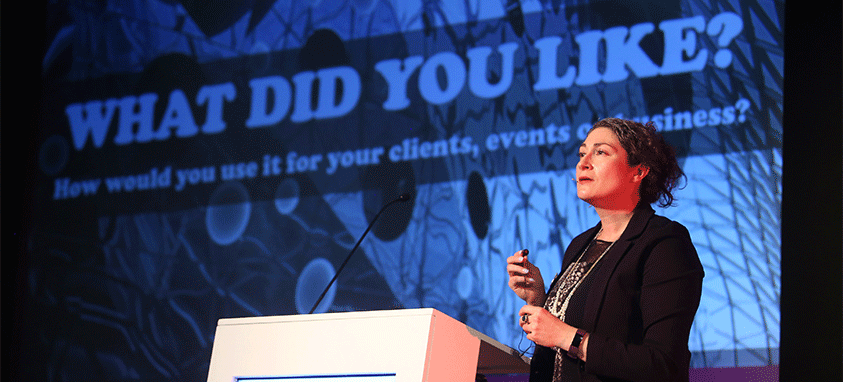
Kristi Casey Sanders of Meeting Professionals International (MPI) talking at IBTM Americas 2017

Knowledge is power, and that is why IBTM Americas is putting education at the forefront of its upcoming trade show. The organization has announced its 2018 Knowledge Program, which includes a wide range of topical education sessions attendees attend.

Topics covered in the 25 knowledge sessions include destination marketing, medical meetings, event marketing, sustainable events, trends and innovation, event production and sporting events. Mark Cooper, CEO of IACC, will share findings on research conducted about the future of meetings, and futurist Vito Di Bari will give a presentation on how he predicts meetings will look in 2030.

IBTM Americas hopes planners will pick up new tools to inspire meetings of today and tomorrow.

“We know that education is a major draw for attendees, especially in growing markets like ours,” says David Hidalgo, IBTM Americas show director. “We’ve worked hard to create a schedule of CPD-accredited content that is fresh and relevant to our attendees, and which will enhance their events expertise, keeping them on the cutting-edge of industry trends and see them leaving with new thinking, expertise and know-how.”

Last August, IBTM Events, part of Reed Travel Exhibitions, announced the merging of IBTM America and IBTM Latin America into one event, thus creating the new IBTM Americas, which represents South, Central and North America. The organization anticipates that this broadened trade show will see North American hosted buyer participation increase by a whopping 800 percent. One thousand meeting professionals are expected to attend this year.

Planners can expect to meet with representatives from destinations located within the Americas—such as New York City, Las Vegas, Los Angeles, Toronto, Vancouver, Montreal and Cancun, Mexico—as well as Dominican Republic, Peru, Jamaica, Cuba, Portugal, France, Czech Republic, Thailand and Dubai, in the United Arab Emirates.

The event is scheduled for Sept. 5–6 in Mexico City. Registration is now open. The organization also hosts annual events in the Arabian, African and Chinese markets, as well as a worldwide event that will be held in Barcelona in November.

Off-site meetings and events offer meeting professionals not only a day out of the office, but also an opportunity to connect with co-workers and people from other companies. Professionals also get a break from their usual routine and look forward to giving tired eyes solace from endless hours staring at computer screens. Once they arrive at the meeting location, however, it is easy for meetings to revert to the usual hum-drum of business conversation.

Whether your role as an event planner is focused on internal meetings or a broader event-marketing strategy, plenty of time, money and organizational skills are invested into their success. To maximize on that investment, you need to keep attendees engaged.

Boredom: It’s Worse Than You Think

The best marketing campaigns are far from boring, and the same is true for events. Boring means you aren’t memorable. All-day meetings in hotel ballrooms often become tedious. For instance, if six of your company’s leaders each deliver a 45-minute PowerPoint presentation, that’s 4 1/2 hours with nothing but slides. It doesn’t take long for the doodling and daydreaming to begin.

And, as it turns out, the feeling of boredom might be even more negative than you think. Peter Toohey, a professor at Calgary State University, shares his view of boredom in the preface of his book, Boredom: A Lively History. He explains that boredom can refer to a variety of terms, including, frustration, surfeit, depression, disgust, indifference or apathy.

Psychologist John Eastwood and his colleagues at York University in Toronto interviewed hundreds of people, asking them to describe what boredom feels like. They concluded that rather than simply having nothing to do, bored people want to be stimulated, but are unable to connect with their environment. When your attendees are bored, they are actively seeking something to grab their attention. They want to be engaged, but your event isn’t doing it.

So, how do you ensure your event isn’t boring? Find ways to incorporate fun and unexpected elements into your event. One way is to offer experiential activities that provide hands-on interaction. According to a study by MPI Outlook for IMEX Group, 69 percent of event planners expect to include experiential elements in their meetings and conventions. Only 9 percent of meeting professionals reported they do not plan to implement these elements.

Exciting Experiential Elements

Overcoming boredom comes down to breaking convention. What can you do to make your meeting or conference different? How can you create an experience that involves more than sitting in a standard conference room and listening to a speaker? Create a fun experience!

Having fun isn’t just for kids. Adults also crave it, but find fun much more difficult to attain. When you include surprising and enjoyable elements in your events, you ensure the results will be memorable. This provides an excellent way to build a positive, ongoing relationship between you and your audience.

Look for hands-on activities; they don’t have to be expensive, and can include collaboration or team building. For example, help co-workers build internal relationships by creating a memory wall. Provide papers, markers and tape, and ask them to write down some positive memories they have shared together.

Then, ask them to draw a few of those memories. (Be sure to stress that artistic skills will not be judged!) Put the pictures up on the wall, and you’ll find yourself with a one-of-a-kind mural for your website and social media—maybe a snazzy Facebook, Twitter or YouTube banner—in addition to happy, engaged attendees.

Start a full-day event with something other than a keynote address. Some conferences begin with attendees doing the wave, a performance by a live band or even tap dancing.

You can also include activities before the official sessions start. Consider yoga or a walking tour—activities that don’t involve a high degree of fitness, but get people moving.

Also, find ways to incorporate a business event theme. It can be as simple as a color that ties into your brand or a theme that focuses on the event’s goal, such as “building for the future.”

Look for ways to be innovative with your team. Set aside time to brainstorm or research activities and themes other companies have successfully used. Collaborate and see how you can build on each other’s ideas.

A little time dedicated to creativity will go a long way toward your event’s success.

Kristen McCabe is a senior marketer at G2 Crowd, who calls both Chicago and Sydney home. Her background includes marketing, events and public relations across a range of industries, including film, publishing, professional associations, and tech.

CEO Marin Bright at The Pierre, a Taj Hotel

When Smart Meetings sketched out an agenda for a meeting of planners and suppliers at the epic The Pierre, A Taj Hotel, New York, our event architects made room for breathing right alongside the networking and presenting. Here are three tips from experts who attended Smart Meeting Northeast July 19 for staying on track by turning off those distracting voices inside and outside your own head.

Practice Servant Leadership

Matt Tenney

Matt Tenney, author of Serve to be Great: Leadership Lessons from a Prison, a Monastery and a Boardroom, took the worst experience of his life—being sentenced to a form of solitary confinement—and turned it into the best thing that ever happened to him—discovering the power of meditation. He has taken his insights to many corporations, where he shares the power of shifting focus away from one’s self to service to others. In so doing, he believes, we can create the conditions for achieving better outcomes, a happier life and more compassionate world. He calls it “the mindfulness edge.”

“Event professionals have a lot of anxiety,” Tenney acknowledged, citing everything from reduced budgets to learning new technology and proving ROI, to responsibility for event security. The solution, he suggested, is to shift from an “I” to a “we” focus—as companies such as Southwest Airlines have done. This change allows an entire organization to capitalize on the increased engagement, more stable team dynamics and better outcomes that accompany a selfless outlook.

Such an adjustment requires a change in the way we look at the world (not easy), but it can have powerful results. As Tenney puts it: “The ultimate warrior is not one who masters his fists, but one who masters his mind.”

Take Time to Breathe

Dylan’s Candy Bar

Neurologist Dr. Romie Mushtaq learned to integrate Western medicine and Eastern wisdom after a health scare of her own. She has become an energetic advocate for practicing mindful leadership in the business world. As chief wellness officer at Evolution Hospitality and a busy speaker and physician, she knows too well the devastating side effects of letting the body’s air-traffic control system—the amygdala—get hijacked with self-doubt and worry. Lack of sleep, distraction and health problems are symptoms of a mind that won’t stop spinning.

“You can’t control a situation until you control your mind,” she told the event professionals after a busy day of one-on-one meetings. That is why she prescribed regular doses of focused breathing. “Being present creates a relaxation effect so you can be the calm you want to see in the world,” she said.

The antidote to manic activity, Mushtaq explained, is turning off all devices before bed, taking a few moments to cultivate self-awareness with a “heart-dump” writing exercise, meditation and setting positive intentions. “Your mind is strong medicine,” she said.

Unplug to Connect

Smart Meetings Founder and CEO Marin Bright suggested looking at an event such as Smart Meeting Northeast as an oasis in an always-online world. “This is an opportunity to get off your phones and make real connections,” she said. Or, as The Pierre general manager Francois-Olivier Luiggi advised the group, “Keep a little space in your diets for meeting classics.”

Using Vacation Days

Do you have a hard time waking up in the morning without a lot of coffee? And do you find yourself reaching for even more caffeine to ward off the invariable mid-afternoon slump? How’s that working for you? Is it giving you the energy you need? What’s the most effective form and dose of caffeine to help us maintain optimal productivity? Read on.

Caffeine and Energy

Realize that if all you were to eat or drink was coffee or tea, you’d eventually die of starvation. That’s because black coffee and tea contain just 5-10 calories. And, if you look up “calories” in the dictionary you’ll find that it’s a measurement of energy. We can’t get energy from just 5-10 calories.

To get energy to move our bodies, make decisions, and stay emotionally balanced, we need food and drink that contains calories. That’s why it’s important, even if you want a morning caffeinated beverage, to still eat a nutritious breakfast to provide the fuel to optimally operate this body.

While caffeine doesn’t provide energy, research finds that caffeine does increase focus and attention. So, caffeine may help you better focus on the task at hand or react faster.

Optimal Dosing

If caffeine is a must for you, consider switching to smaller cups throughout the day, rather than a big mug mid-afternoon. Research shows that just 50-100 mg is adequate for increasing alertness. And, too much caffeine increases symptoms of nervousness and anxiety, which make focus more difficult.

What does 50-100 mg of caffeine look like? A lot less than what most of us drink. That’s the amount found in one shot of espresso, a can of caffeinated soda, a cup of tea, or just 6–8oz of coffee (that’s tiny).

Dosing Strategies

If you’re thinking, “Heck no, I need more caffeine than that” my guess is that your body is craving something other than caffeine–more sleep, small amounts of food more often (rather than just a couple of large meals) or maybe even more water.

Yes, water. Did you know that just 1 percent dehydration can cause lack of focus, fatigue and irritability? It may even bring on headaches for those who are susceptible. Have you ever looked at the color of your urine first thing in the morning? Chances are it is bright yellow…which is a sign of dehydration. If some of your morning sluggishness is due to dehydration, you might get similar alertness results from drinking a large glass of water before having a smaller cup of caffeine.

And because caffeine’s half-life is 4–6 hours—meaning that your body removes half the caffeine from your blood stream in 4–6 hours—your focus and attention might benefit from consuming a smaller cup in the morning, followed by a small cup at noon and again mid-afternoon.

Caffeine and Sleep

Considering caffeine’s average 4–6 hour half-life, realize that even when you get ready for bed in the evening, some of the caffeine from your early morning beverage will still be floating around in your body. Watch this quick 1 minute video for a visual explanation of why it takes roughly 24 hours to eliminate the 400 mg found in one venti cup of coffee at 6 a.m. That’s why it’s a good idea to skip the large mugs and drink a few smaller cups throughout the day—stopping around 3 p.m.

Dr. Jo is a wellness expert and certified speaking professional who focuses on inspiring busy professionals to stay energized, healthy and sane. She’s the author of six books, including Reboot – how to power up your energy, focus, and productivity. Often called the “voice of reason” in this over-crowed wellness arena, she prefers her morning caffeine in the form of a can of Diet Coke and a few squares of dark chocolate.

For more information, visit https://www.drjo.com.

Marketing is key when hoping to drive attendees to your event. You’ve set up Facebook events. You’re tweeting regularly and the ticket sales are beginning to come in. So, it might be easy to overlook the non-digital promotion technique—posters. But done right, eye candy can draw people in to read the details.

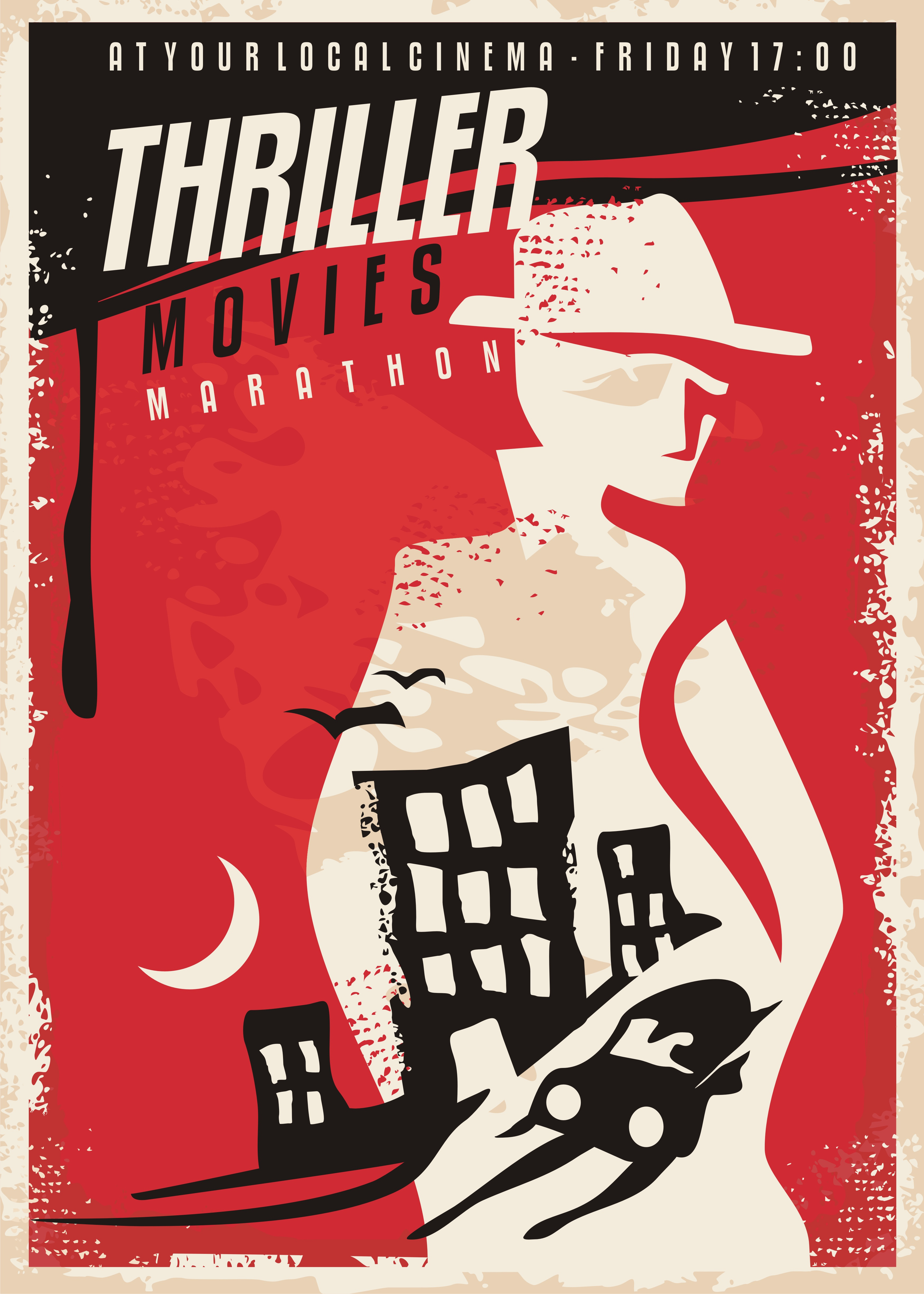
There are plenty of templates and designs to choose from, with many companies offering them online. But perhaps it’s best to look to the past, when posters were at the forefront of event promotion, to see what worked best to drive sales and attendance.

1. Take the Text Out

With social media and email campaigns filled with every minor detail, it’s easy to drown a poster in text. But visual calls to action don’t need to include everything. Boil wordy designs down to the basics, then add the website they can go to for more details. Clutter officially cut.

2. Title, Heading, Who, What, When

That’s the formula. Similar to the above, overwhelming amounts of information won’t excite people. So, use the title of the event, provide a short heading underscoring what the event is about and the details that matter most. Skip what type of food will be served to save space for the sizzle.

3. Make the Graphic Relevant

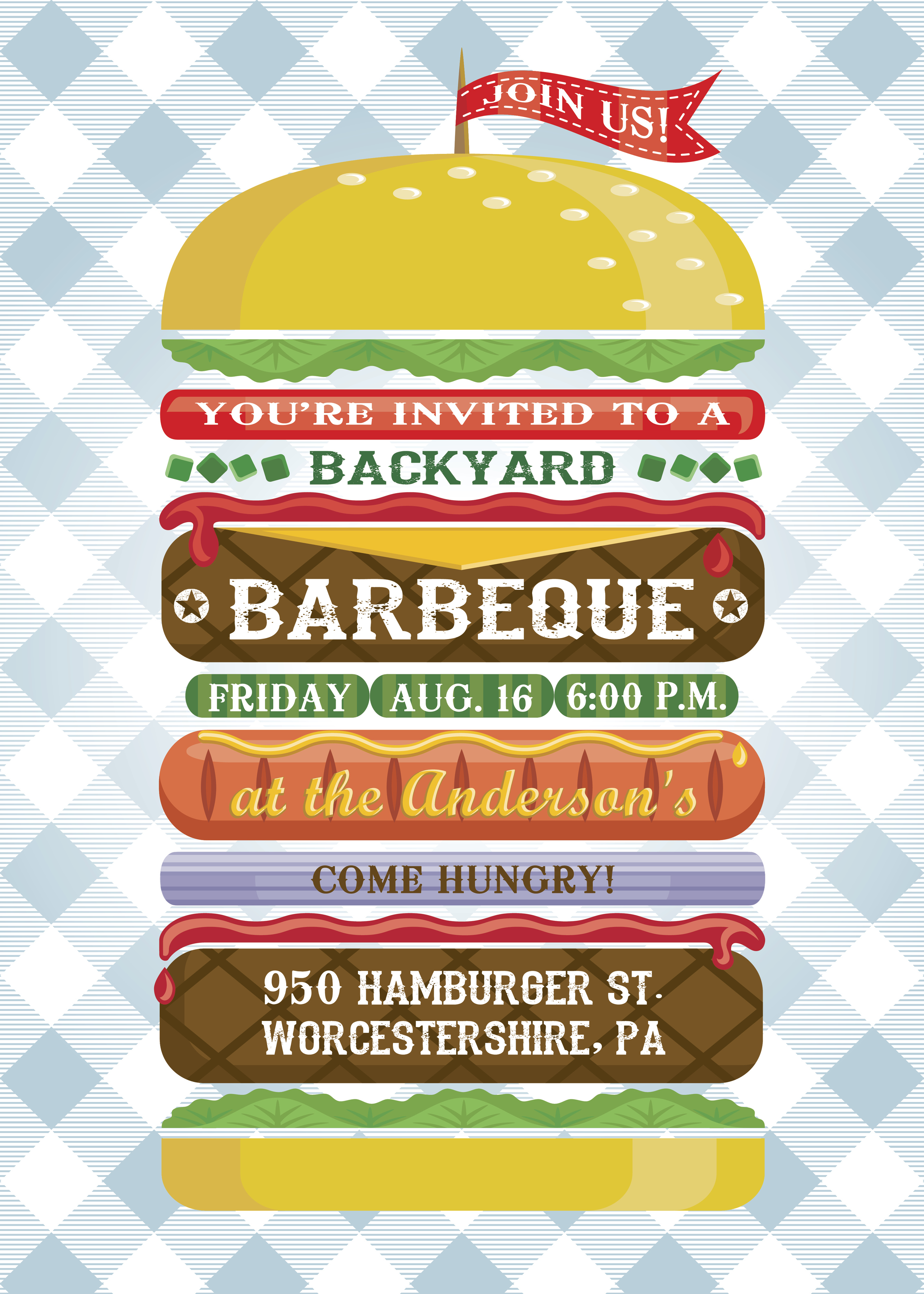
Is it a beach party? Add some sun and waves to your poster. A concert? Add some musical instruments. A barbecue? Place text in the layers of a burger. Basically, give your poster a theme. Once you’ve chosen that, consider how you’ll design the text to fit it, rather than the other way around.

4. Color it In

Black and white is for newspapers. Vintage posters were bursting with color, and emulating them will give you the best results. You want potential attendees’ eyes to be drawn to the poster in the store window, rather than glossing over it. Bright colors and color contrast are important and more appealing to the eye.

5. Make it Big

Make the title one of the largest parts of the page. Ideally, the graphic—which is full of color, right?—will catch their attention, and they’ll be able to read your event name from six feet away. Font choice is also extremely important, and while some may look aesthetically pleasing, they may be impossible to read. Test out fonts and see if you can read them from across the room before making a concrete decision.

duck boat tourism

Tragic boating incidents in which tourists and crew members were killed and injured on Hawaii Island and in Branson, Missouri made headlines this week.

On Hawaii Island, a volcano exploded, shooting a fireball flying through the roof a Lava Ocean Tours vessel, injuring 22 passengers on July 16, according to Hawaii Department of Land and Natural Resources.

https://www.facebook.com/HawaiiDLNR/photos/a.276310779076837.60998.262623323778916/2048456281862269/?type=3

Yesterday, a duck boat carrying 31 passengers capsized on Table Rock Lake’s turbulent water in Branson, causing 17 fatalities, Stone County Sheriff Doug Rader confirmed this morning. High winds were also reportedly a contributing factor. Onlookers on Branson Belle Showboat posted video on social media that shows two duck boats struggling with the waves. One boat made it safely back to shore, while the other sank.

The tour company, Ride the Ducks Branson, removed its usual website information this morning, and posted an apologetic message on the homepage. “We are deeply saddened by the tragic accident that occurred at Ride The Ducks Branson,” it reads. “This incident has deeply affected all of us. Words cannot convey how profoundly our hearts are breaking.”

The message goes on to say, “We will continue to do all we can to assist the families who were involved and the authorities as they continue with the search and rescue. The safety of our guests and employees is our number one priority. Ride the Ducks will be closed for business while we support the investigation, and to allow time to grieve for the families and the community. Thank you for your support, and we ask that your thoughts and prayers be with the families during this time.”

Safety First

Meeting professionals often plan an outing on the water to enjoy the sunset or see the sites. There are risks involved in every type of transportation and activity, but what do planners need to do to minimize risk and avoid being liable in the unlikely event things go awry?

  1. Book your trip with a reputable company that carries insurance.


  1. Have guests sign waivers.


  1. Make sure the boat has proper safety measures, such as life vests for every passenger that are easily accessible.


  1. Have crew member review safety procedures before departing the port.


  1. Whistles and flares can be used to draw attention to an emergency and alert first responders where to concentrate their rescue efforts. Time is of the essence, so the sooner rescuers can intervene, the more heroic the outcome will be. The duck boat incident occurred after 7 p.m., giving rescuers very little daylight time to find people who had gone overboard.


  1. Print a predeparture checklist, provided by boatsafe.com.


  1. Monitor the weather and water conditions to determine if it is safe not just for when you leave the dock, but for the entire duration of the trip. If there is any concern, it’s better to err on the side of caution, and cancel the boat ride. Have a Plan B activity ready to go in your back pocket.


“It’s upsetting to hear people say the storm at #TableRockLake ‘came out of nowhere.’ It did not. Moreover, those in charge of water activities and/or duck tours need to rethink their plan when it comes to storm safety. There was plenty of time to get those boats out,” tweeted JD Rudd, meteorologist for WEWS-TV in Cleveland. “It absolutely could have been prevented…if the right people had been paying attention.”

It’s Better to Be Proactive Than Reactive

The death toll in Missouri could have been even higher. Some ticketed passengers, such as Tony Burkhart, made a last-minute decision to cancel his plans. “We saw high winds + bad weather roll in, so I decided to get a refund and leave with my wife,” he tweeted. “Headed out, countless first responders + emergency vehicles were going in #Branson to help with the #DuckBoat incident. Branson Belle crew helped toss life preservers to those overboard.”

Many tourist-centric cities with waterways offer duck boat tours that provide sightseeing excursions on the land and sea. Before putting this on your group’s itinerary, research the safety history of such vessels.

The timeline of duck boat-related accidents shows this tragedy in Branson is not the first. According to WCVB-TV in Boston, 13 passengers were killed when their boat sank near Hot Springs, Arkansas, in 1999. There have also been fatalities during the land-based portion of tours. Five college students were killed in Seattle in 2015 when their vehicle collided with a bus, and one woman was killed in Boston in 2016 when her scooter was hit by a duck boat.

As a result, Massachusetts implemented stricter safety regulations for such tours, including prohibiting drivers from narrating and installing new technology, such as sensors and cameras. “We do not allow our ducks to go into the Charles River if there is lightning in the area or if conditions are forecasted to exceed our operating parameters set by the U.S. Coast Guard,” Bob Schwartz, director of marketing and sales for Boston Duck Tours, told the news station.

Some accidents are just a fluke and are impossible, or more difficult, to predict. People visiting active volcanos should be made aware that they can erupt at any time with little to no warning, and that they are putting trust in the tour company to stay within the safe zone established by the U.S. Coast Guard.

There are also many risks involved in land and air travel. And some companies, such as Hornblower Cruises—with fleets in major area including San Francisco, Southern California and New York City—have a great reputation for providing fun event venues.

Association for Women in Events Names 2018 Inductees

Five inspiring industry leaders have joined the Women in Events (AWE) Hall of Fame. The nonprofit is honoring those who have made a positive change in the meetings and events industry, and are proven supporters of gender equality, diversity and inclusiveness in the workplace.

The five award-winners were selected from more than 140 nominations from around the globe, with entries open to both women and men, members and nonmembers. AWE board members and event industry veterans selected these 2018 inductees, who will receive lifetime membership to AWE, special recognition and promotions, and free flights and accommodations for IMEX America 2018.

Watch the official announcement via Facebook Live on the AWE Facebook page.