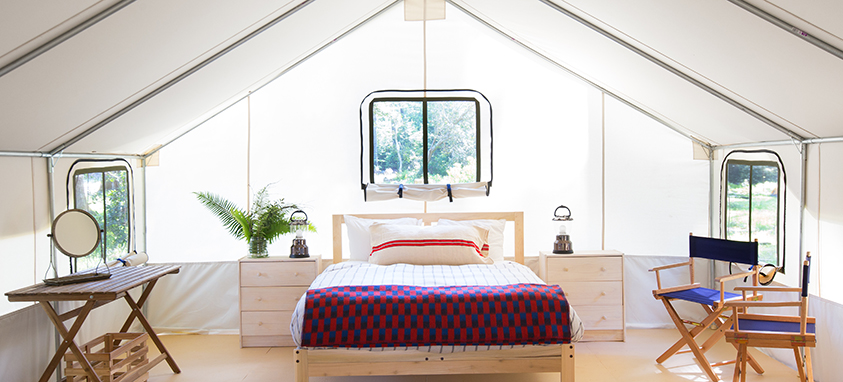
Photo credit: Mendocino Grove

Glamping, sometimes referred to as modern camping, gives unfiltered access to the fresh outdoors. Simultaneously, it adds luxe, comfort and sophistication to the pot—a perfect stew for meeting planners looking for teambuilding, wellness and business all in one unique spot.

Now, the glamping industry might become a little more respected.

On July 19, the American Glamping Association launched to establish professional industry standards and educate travel seekers about what they should expect during an elevated camping adventure. It’s the first association of its kind.

Sarah Dusek, the CEO of Under Canvas, a glamping provider, has pioneered the association alongside Ruben Martinez, co-founder of Glamping Hub, the TripAdvisor of the glamping world.

“There is a lack of clarity for the consumer about what glamping is,” Dusek said in a press release. “We are simply starting the conversation and encouraging all the major players in the glamping community to join the association,” says Dusek. “We want to build and grow the industry together.”

The press release said the American Glamping Association wants to teach people that price isn’t always the only indicator of quality—whether it be good or bad.

“We hope to help prepare people better and potentially set them up for a great experience and opening the door to more consumers giving the experience a try,” Martinez said in a press release. “Because one bad experience can potentially stop someone from ever glamping in the future, the importance for standards is crucial.”

Glamping for Meetings

You can easily take your team to soak in some sun and catch views of rippling rivers. Several resorts and specialized glamping companies have package deals for corporate events that spruce up typical ballroom offerings—making your time in the great outdoors a little more meaningful.

The portability and versatility of tents allows you to set up shop anywhere, and for any reason. Shelter Co., a tent rental service based in San Francisco, can set up for warm, amber lit dinners, serious sit-down meetings or homey tents equipped with large beds, butterfly chairs and tribal accents.

Under Canvas has tent options that can accommodate up to 500 guests. The tents can be designed to incorporate a seated dinner, a bar, a buffet and dance floors.

Glamping for Teambuilding

Itching to hike into the woods with your laptop and team in tow? They’ll love the fresh air and flexible activities they can partake in.

Glamping is a great way to incorporate wellness into your team-building activities. Being surrounded by nature has been proven to have added health benefits, including lowering stress and improving cognitive function. Glamping also lends itself to activities not so accessible within the office’s reach.

One of many properties offering the best of both worlds is Mendocino Grove. It’s a luxury glamping site along the rocky coastline of California, open from May to October. It boasts 60 safari-style canvas tents outfitted with rustic furniture and available for corporate buyout. The whole campground can accommodate up to 154 people.

The Bath House located on-site provides hot showers, complimentary EO body products and cotton towels.

In addition to the plush accommodation, breakout sessions glimmer under the sun and the moon at this campsite. Communal campfires can be used for intimate gatherings, or for cooking during the morning and evenings. For groups, Mendocino Grove also organizes yoga, guided hikes, wine tastings, kayak outings and more.

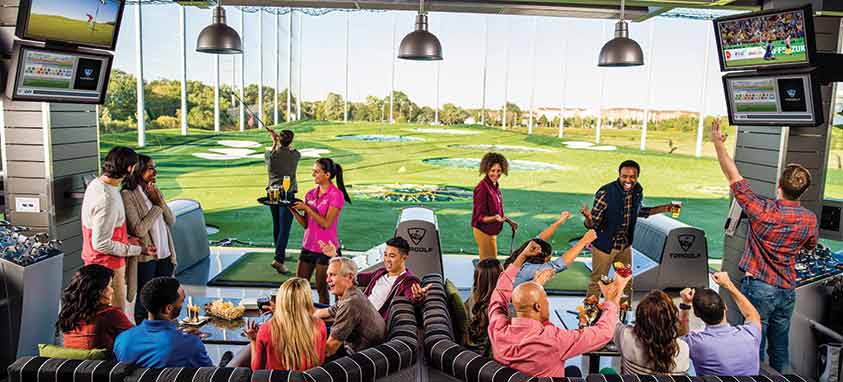
Photo credit: Corey Perrine/AP Images for Hard Rock Hotel & Casino Atlantic City

Ah, FAM trips. The glitz the glam—the gift baskets! With all the star treatment and the wining and dining, it can be easy to forget that you’re actually at work. Fatal error No. 1. Familiarization trips are no doubt a perk for those in the meetings industry, but they are not your next vacation. You’d be surprised how many professionals fail to realize that. Don’t be one of those people.

Smart Meetings CEO Marin Bright has seen it all in her years in the events industry. We asked her what it takes to be a standout—nigh, FAMtastic—trip participant. Here are her tips:

1. FAMs are business trips. Act like you’re at the office—even if you’re in Hawaii.

2. Only accept FAM trips to destinations and hotels that could actually serve your attendees.

3. Hit the tarmac dressed for success. You never know who you will sit next to you on the plane.

4. Be punctual. To everything.

5. When you’re getting a tour of the guest rooms, don’t test out the bed.

6. We mean it. It looks bad.

7. FAM with a plan! Go in with a list of events in the planning stage so you are open to any possibility for designing brilliant experiences that may cross your path.

8. Be open. That thing you have never considered before may be the perfect thing to mix up an annual meeting that has become predictable.

9. Don’t get too personal. Your hosts need to know more about your business than they do about your latest diet cleanse.

10. No jeans to dinner. C’mon.

11. No uninvited guests.

12. No breaks! You’ll want to take measurements, jot down notes and snap photos—these will serve you when you’re searching for the perfect venue six months down the road.

13. Come away with three action items every day. Three people you can connect with when it comes time to make meeting magic happen.

14. While you might feel VIP, be humble. This needs to be a win-win experience for the hosts.

Golf is an age-old ice breaker and deal-closer in the business world, but when it comes to providing lively group activity, the game has undergone a much-needed facelift. New ways to play the ole’ sport pop up regularly. Here are three golf alternatives sure to wow attendees

Topgolf—Tee Off and Bottom’s Up

Topgolf

OK, this one you probably already know about—but it doesn’t make it any less of an above-par team-building experience. Topgolf’s sports entertainment concept has risen in popularity like its 41 venues rise within sight of interstates across the United States, flooding the green with music, light and 13 million annual guests (more than half of which are nongolfers). Rows of high-tech, climate-controlled hitting bays offer private and semi-private event space for groups of all sizes.

How to play: Hit the supplied, micro-chipped golf balls toward targets on the outfield (you’ll be measured for each shot’s accuracy and distance). Order something off the chef-inspired menu. Drink merrily.

Speedgolf—Ready, Set, Golf

No frills here: speedgolf combines golf and jogging for a faster, fitness-oriented golf game. It abides by the same rules and courses as traditional golf, with the added element of being scored on time. Your speedgolf score is your golf score plus the time it takes to complete your round—and yes, you need to carry your own bag. Who, you ask, will want to sign up for an activity like this? Wellness enthusiasts. A group of golfers who think they are very short on time. The executive board of Nike?

Where to play: Many courses offer speedgolf-friendly times at open and close, including Bandon Dunes Golf Resort in Oregon and The Lakes at El Segundo in Los Angeles.

All-Sport Golf—Touchdown

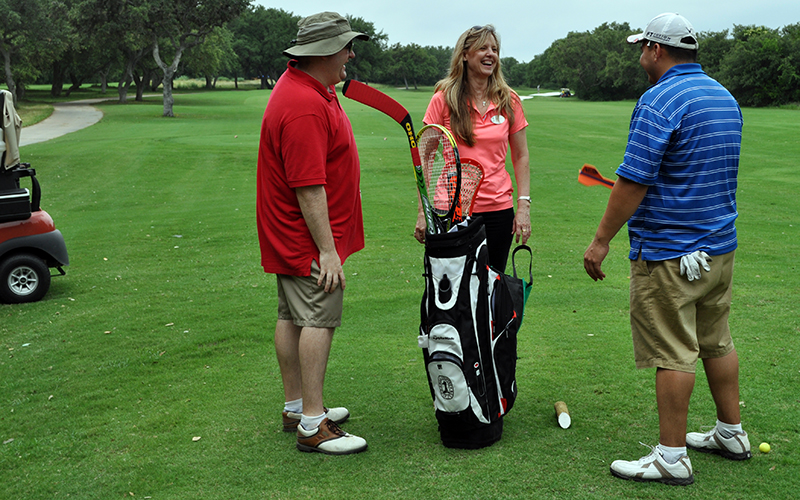
Imagine teeing off with a lacrosse stick, a tennis racket or a soccer ball. Now, imagine doing so in friendly competition with fellow coworkers or conference attendees. It goes without saying—all-sport golf is not for traditionalists. But it is a fun, inexpensive, innovative and collaborative way to build team bonding.

How to play: Find a golf course, divide attendees into teams and hand out sports bags to each team, containing footballs, soccer balls, lacrosse sticks, tennis rackets, nerf guns, et all. Players pick their sporting equipment of choice—and meet the challenge of teeing off with said equipment. Once at the green, all team members use hockey sticks to sink the golf ball into the hole. Hilarity ensues. In the distance, the sound of successful team bonding and high-quality networking rings like bells of victory.

Where to play: The Hill Country Golf Club at San Antonio’s Hyatt Regency Hill Country Resort and Spa offers all-sport golf packages in addition to speed golf, frisbee golf, glow-in-the-dark putt putt, professional golf clinics and the traditional 27-hole championship golf.

Cvent reveals top meeting destinations

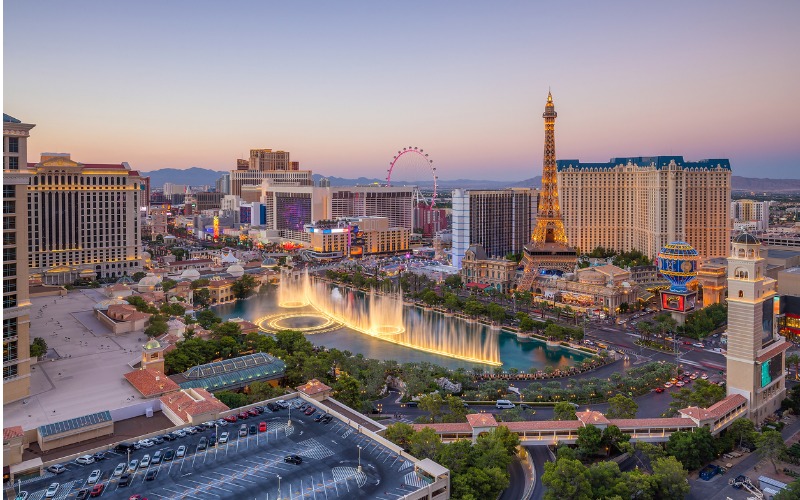
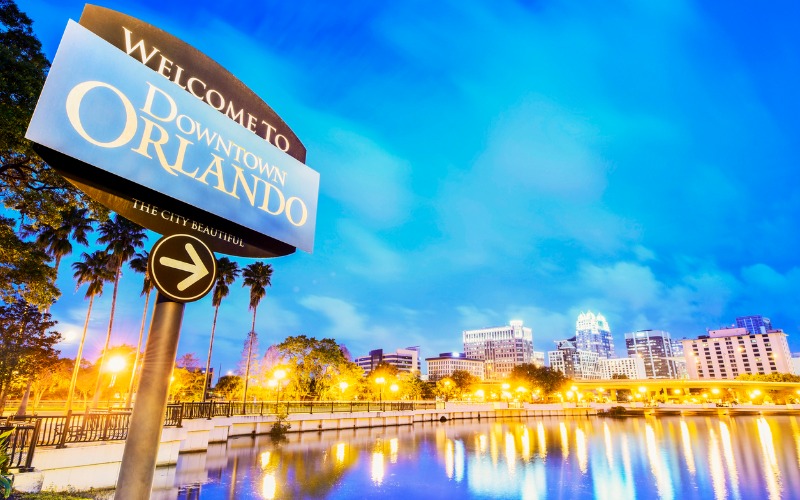
On Thursday, event management software company Cvent named the Top Meeting Destinations in a press release for the seventh year running. While many are big event cities expected on such a list, some may have been surprises to even veteran planners and each was named because of a specific appeal for groups.

“The cities featured in this year’s Top Destinations lists have invested significant time, energy, and resources into building premier locations that entice organizations, large and small, to plan meetings and events in their areas,” Chris McAndrews, vice president of marketing for Cvent Hospitality Cloud, said in a press release.

Cvent evaluated more than 11,000 cities in its supplier network on a variety of factors, including the number of request for proposals received, total room nights requested through those RFPs, awarded room nights, percentage of qualified meeting venues in the destination and number of profile views.

The company added three new regions to its list this year: The Caribbean and Latin America, Canada and Europe. Here are the top destinations in the United States and some notes on why planners can’t stay away.

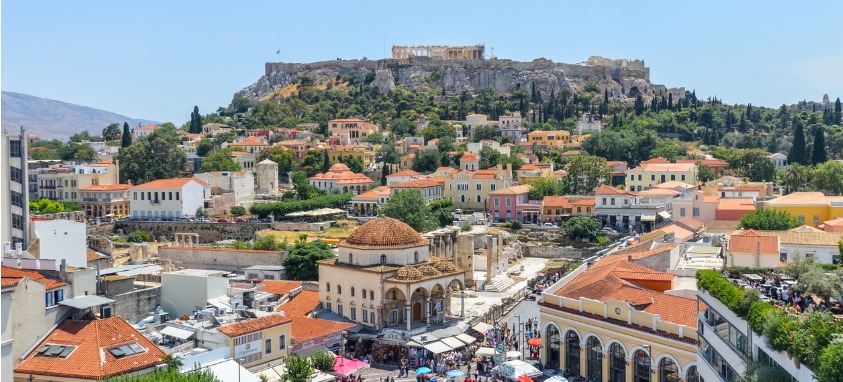
athens

Raging wildfires near Athens, Greece—said to be the worst in more than decade—are reported under control. Greek tourism authorities are trying to reassure travelers that the country is ready and able to welcome them.

At least 80 people were victims of the flames and nearly 200 more were injured, NPR reports. Thousands of tourists and residents around popular beach towns on both sides of the capital were forced to flee, many into the sea. Strong winds drove the fires toward resorts and seaside residences. At least 700 people were rescued from the waters.

The areas hit are popular summer getaways for Athenians and European visitors, but Athens has not been affected. About 15 miles east of Athens, the port town of Rafina, which did suffer damage, is a departure point for some of the Cyclades Islands, including Mykonos, so travelers have been advised to depart from the port of Piraeus instead.

Mina Agnos, a Conde Nast Traveler travel specialist, says it’s business as usual elsewhere in the country.

“I am currently working from our Athens office located on the Athenian riviera in Voula, approximately 20 kilometers (12 miles) from downtown Athens and 20 kilometers (12 miles) from Athens International Airport. Currently, we have blue skies, no ash in the sky as there was yesterday, the beaches are busy, and it’s a sunny 86-degree day,” she says.

British Airways announced it is offering flexible rebooking for passengers in Athens wanting to leave early. The British Foreign Office, however, is not warning against travel to Greece, nor is the U.S. State Department.

Fifty-two percent of planners saw an increase in their budgets in 2018, according to Cvent’s 2018 Global Planner Sourcing Report, marking a sizable increase compared to 2017, when just 31 percent experienced a significant change and 50 percent saw no change.

This was among the key findings in the report, which covered topics ranging from budgets to technology, based on a recent survey. More than 2,600 meeting and event planners around the world responded to the survey, doubling the size of last year’s study. Half were from Generation X, 36 percent were millennials, 10 percent were baby boomers and 3 percent didn’t reveal their age.

The budget increases could be due to more companies being confident due to the current economic situation, but other companies may still be waiting to gauge the economic impact of key global events, such as the presidential election, before potentially increasing their budgets. Maurice Echevery, global congresses and events projects specialist at Abbott Laboratories, says planners’ budgets rely on “the economic landscape and profitability of companies’ bottom line.”

Budgets are not solely being applied to the venue cost, though that is still considered the most important factor when sourcing. The location and “unique atmosphere” of venues, as well as their customer service ratings, have also risen in importance, the survey showed.

“As a planner, you want your event to be unique and different so that committees and attendees [provide] great word-of-mouth PR,” says Danielle Furnari, event coordinator at Geisinger Health Foundation. “And we are always looking for a vendor with amazing customer service. As a planner, you are so busy with every little detail, having a vendor that you can trust takes a huge weight off your shoulders.”

Generational Technology

Millennials are playing a major role in changing the meeting planning game—especially when it comes to technology. While older generations are learning to adapt to the growing technological landscape, millennials grew up in the age of tech advancements.

“Millennials and Generation Z…are more engaged via the use of apps, games and other tools that are now available to keep the audience alert and engaged,” Echervery says.

While desktop and laptop computers still lead the typical sourcing devices, the use of mobile phones has doubled—from 6 percent to 12 percent—and the use of tablets has seen a significant rise, from 3 to 9 percent. The use of computers, on the other hand, has dipped from 90 percent to 79 percent.

“More and more, events are gaining RSVPs through social media platforms such as Facebook, Instagram and Snapchat,” Furnari says. “Also, being able to track the ROI through views, likes, filters used, etcetera on social media is instant.”

Room for Improvement

Despite increasingly positive developments, planners are hoping venues will improve in some specific areas.

Trustworthiness has risen in importance to planners, increasing by 9 percentage points. This could be addressed by suppliers boosting transparency, responsiveness and customer service. Planner complaints about response times and thoroughness have decreased, but they are still very important. “The timing of responses is sometimes an issue for us,” Furnari says. “Generally, if the venue does not get back to me within 24 hours—within business days—we will not consider them.”

Other difficulties include negotiating and researching venues, and possible resolutions include training sales staff to provide clear and detailed answers to all questions, setting targets for faster response times and ensuring transparent and accurate pricing. Also, respondents cite creating the rising number of proposals as a challenge, with formats and insufficient information being pain points.

Forty-five percent of planners expressed that responsiveness and professionalism of the staff influences whether they will return to the venue. “One of the biggest frustrations planners face today is dealing with personalities, professionalism and responsiveness with the venues they are working with,” Echevery says. “Venues are responsible for bringing profits to their own bottom line, and quotas they need to meet. However, this creates a big issue for the planners, as they are looking for a responsive and more personalized service at their events.”

Sixty-five percent of those surveyed source and plan meetings for their own companies, while 11 percent plan meetings for other organizations, 11 percent source and plan meetings for personal associations, 7 percent describe themselves as social/occasional planners and 6 percent do not plan meetings or events.

michelin star mean to planners

A meal at a Michelin-starred restaurant could be a powerful addition to any event. We want to know just how important access to these highly rated dining experiences is to you. Take this one-question poll now and we will report back on how starry-eyed the industry is about these rankings.

Yes, the Michelin Guide is produced by the same company that sells the tires. Many meeting planners choose to plan an event at a venue that features a Michelin-starred hotel, but aren’t quite sure how restaurants obtain them or what judging criteria is used. Michelin stars are awarded in three series.

One star: An excellent restaurant offering high quality cuisine prepared to a consistently high standard

Two stars: An outstanding restaurant, featuring skillfully and aesthetically pleasing cuisine that definitely warrants a visit

Three stars: The rare award is presented to restaurants that are of such prestige that they should be considered destination points. Guests should expect to dine extremely well. Dishes use the most gourmet ingredients possible and impeccable service is provided.

Michelin is very secretive about the criteria used to award stars, but some information is available. Michelin only focuses on the food—not on decor, table settings and such, like other reviews. Now that you have this valuable information, you will be able to not only plan a great event, but hopefully couple a great meal along with it.

Photo credit: Kentucky International Convention Center

Louisville is a happening city these days as it celebrates its rich history of Southern hospitality and expands its efforts to welcome more visitors in the coming years.

Here’s an update of developments at Kentucky’s booming gem.

A Glittering, New Convention Center

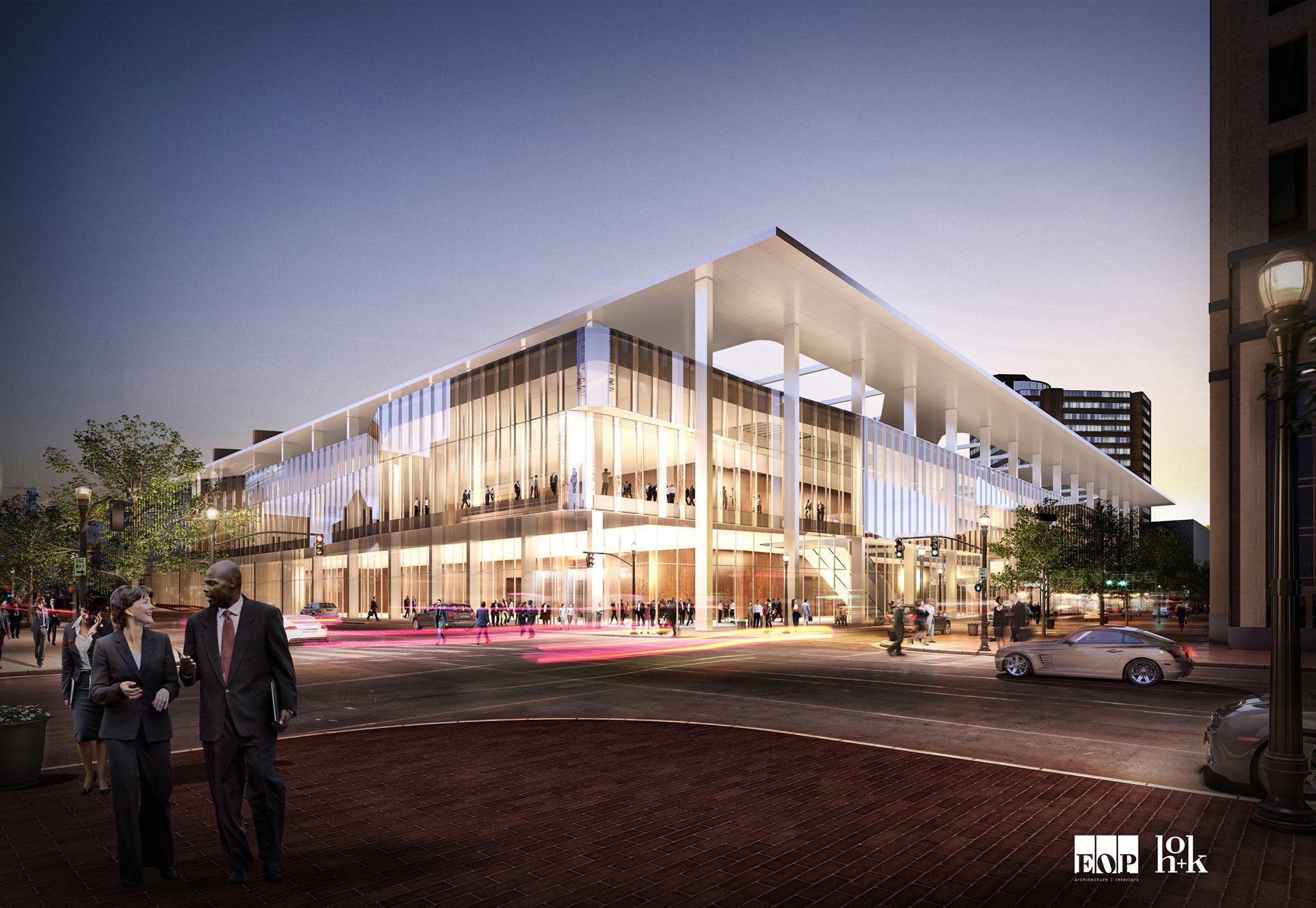
Uniquely designed with the same oak wood trimming as bourbon barrels, Kentucky International Convention Center (KICC) will bring a Kentucky flare to meetings when it opens Aug. 6.

The $207 million project has been designed by the same masterminds behind Ghirardelli Square Plaza in San Francisco and LaGuardia Airport Central Terminal B in New York City. The innovative layout carefully considers navigation, pedestrian flow and water conservation. Project members hope to stick a LEED Silver certification from the U.S. Green Building Council on its walls, as well.

The old convention center was torn down to make room for this one, which will benefit meeting planners immensely. A 40,000-square-foot ballroom with color-changing LED walls, more than 200,000 sq. ft. of exhibit space, 52 meeting rooms and a 175-seat conference theater are just some of the highlights.

Looking for more of a taste of what’s to come? Oak & Brew is a daytime coffee spot that will turn into a bourbon bar at night in true Kentucky fashion. Levy Restaurants, a Chicago-based and award-winning restaurateur, is spearheading the project. KICC’s kitchen capacity will top off at a whopping 15,000 meals per day.

KICC will be located near more than 6,000 hotels, including Omni Louisville. The new, elegant hotel has more than 600 guest rooms, 70,000 sq. ft of meeting space and a swanky bowling alley that doubles as a speakeasy.

Louisville CVB Gets a Makeover

Louisville Convention and Visitors Bureau is celebrating its 50th year of marketing the city by changing its name to Louisville Tourism. It’s a move that commemorates the city’s rapid growth and its more than 16.4 million annual visitors.

Karen Williams, president and CEO of Louisville Tourism, said she appreciates the work of the hospitality industry and the locals for welcoming many visitors with so much warmth.

“On the occasion of our 50th celebration, we want to recognize the work of our entire industry and our local community by simplifying what we call ourselves,” Williams said.

Additionally, the CVB is introducing two new website features, including a new jobs portal that will list hospitality industry openings and career path information for the aspiring tourism professional. Another portal will spotlight free speakers, who will educate prospects about utilizing visitor resources and planning any kind of event.

“Though the operating name of our organization has changed several times since 1968, our mission has not,” Williams said. “We exist to grow Louisville’s economy through tourism in its many forms, from conventions and meetings to group and leisure travel.”