In a meetings world where attendee expectations are changing faster than the event app technology, anticipating the needs of groups is essential. PCMA and Marriott International joined forces to commission innovation consultancy Fahrenheit 212 to look into their analytical crystal ball and determine what trends would result in long-lasting shifts—and more importantly, what business event strategists can do to meet those evolving needs.

“The meetings and events industry’s future is being shaped by so many factors–from people’s desire to be part of a broader community to their expectations when they travel,” said Tammy Routh, senior vice president, of global sales at Marriott International. “This study brings a real-world and provocative lens to where planners, attendees and suppliers will be heading in the years to come.”

The team mined everything from data about tweets from The London Underground to layout of Google cafes and the impacts of weather on productivity, then interviewed industry leaders. The resulting report, The Future of Meetings & Events, was released at PCMA Convening Leaders 2019 in Pittsburgh in January. The five trends—and what that means for you—follow.

Related: Attendee Evaluations Ensure Better Meetings

1. Emotional Intelligence

“Business events will need to move past reactive adjustments to adopt a proactive approach to personalized experiences, understanding the needs of participants before they arrive.” That will require combining artificial intelligence and a human touch by setting up smart systems and then empowering staff to do the right thing in the moment, based on those insights.

What can you do about it? Imagine if participants could opt-in to a database and create profiles that would develop over time and suggest events catered to their specific interests, thereby making each event more personalized.

2. Orchestrated Serendipity


“Experiences must embrace freedom and surprise, freeing consumers from the constant constraint of schedules or agendas. By embracing the unexpected, we can engage participants and leave a lasting impression.” If one face-to-face conversation is equal in productivity to 34 emails, then setting the stage for lots of “casual collisions” could be the most effective way to improve the bottom line.

What can you do about it? Some programming could be designed with the intent of cancelling it, thereby creating free moments for participants to explore, or an agenda could function like a choose-your-own-adventure book, with participants picking their own path based on interests.

3. Multimodal Design

“Every event has a unique objective and audience, and a space must reflect each event’s specific personality and needs. Space is critical to any event and should be designed to adopt to the ways that participants will engage.” Flexible furnishings already allow people to move chairs and tables to fit the need of the moment. The entire space—meaning all the elements that effect the senses—must be adjustable so people can use it in different ways at different times.

What can you do about it? Matching the programming and experiences with the physical space based on individual preferences, or letting attendees adapt the environment for themselves, could result in the message resonating more clearly.

Related: Discover Your Ideal Convention Center Personality Type

4. Bigger than Oneself

“You can’t just provide content anymore. Every event must have a message. Participants want to understand what’s important to a business, and experience events that deliver that message down to the smallest detail.” From implementing zero waste to choosing sustainable venues, events are the perfect vehicle for companies to show their values by incorporating a meaningful message rather than simply talking about it.

What can you do about it? Consistency between what is said on stage and the details of logistics communicated in a visual way can make the message much more impactful.

5. Sense of Place

“The most memorable events celebrate local surroundings, enriching visitors, exposing them to the local culture and connecting them with the community to increase engagement.” By leveraging authentic geographic elements, business event professionals can help attendees escape daily routines and reach their goals—learning and experiencing new things in the real world.

What can you do about it? Off-site volunteer opportunities at schools, conservation areas or social nonprofits can make a visit more personal and offer a break from the conference setting.

Strategies for integrating the five trends into meetings will be discussed as part of Marriott’s new Mastermind peer mentoring program, which starts in March. “Mastermind by Marriott is an investment in the meetings industry. Our vision is to inspire, empower and connect planners with a collaborative community,” says Amy Popper, senior marketing manager of Marriott’s Convention & Resort Network.

More6 Smart Moves at Monterey CVB, Wolfgang Puck and More

A decade after the 2008 recession, the industry appears to be stable, with steady growth on the horizon according to a new report from American Express Meetings & Events (M&E), a division of American Express Global Business Travel (GBT).

“2019 will be a growth year for the meetings industry, with activity expected to increase across all meeting types and regions,” said Issa Jouaneh, M&E senior vice president and general manager.

Related: Market Trends Point to Strong Growth for Meeting Venues

Global Growth

 Overall, an upward trajectory is predicted for around the world. Customer advisory board meetings are expected to grow 1.3 percent in North America, 1.5 percent in Europe, 1.9 percent in Central and South America. Incentives and special events are predicted to increase 1.8 percent in Central and South America, and conferences and tradeshows will grow 1.4 percent.

Meetings are also expected to grow larger. Attendees are projected to increase by 2.4 percent, while length could increase by up to 1.9 percent. In Europe, all meetings but internal team meetings will be longer, while Central and South America anticipate all meetings to increase in length, especially conferences and tradeshows, which are expected to be 1.4 percent longer, and incentives to be 1.9 percent longer. North America, on the other hand, expects many meetings to be lengthy, including project launches, incentives and customer advisory boards.

Per-attendee costs will see increases by over one percent in APAC and Central and South America. Europe will see smaller increases, with the exception of advisory meetings, which will increase by slightly over one percent. Respondents expect 1.08 percent increases with incentives in North America.

While planners expect a less-than-one-percent growth in space in 2019, 2020 is looking more positive. One notable shift seen for 2019 in both Europe and North America is a flight to mid-tier properties for larger meetings. Non-traditional meeting spaces are also growing in popularity, with a 2.7 percent increase in demand expected in 2019. Small meetings, especially, are increasingly attempting to find unique spaces to hold events. Because of this, hotels are investing in boutique properties.

Growth in technology, hotel commissions and ROI affect regions differently. Below are some of the major changes in each region.

Europe and North America See Small Growth

 North America and Europe will experience slight budget increases despite rising costs of hotel rates (0.8 percent and 2.4 percent, and 0.7 percent and 1.6 percent, respectively). However, two thirds of North American respondents said that the increase in hotel rates, as well lower commissions, will be a hinderance. Both areas anticipate growth in number of meetings, with Spain and Germany leading the way in activity in Europe. Europe is also expected to see increases in attendees for product launches and customer advisory board meetings.

Asia Pacific Puts Pressure on ROI

 While there is predicted growth in APAC, planners are still hoping to create more with less, with hotel rates raising 1.1 percent. However, this puts demand on ROI, causing planners to choose second-tier destinations in an attempt to save costs. Per-attendee spend is not homogenized across the region—Japan spends most on incentives; China spends more on senior leadership meetings; and Australia focuses most on product launches.

Central and South America Focus in on Technology

 A majority (76 percent) of planners are expected to employ virtual meeting technology in an attempt to meet demand in the growing region. “Strategic meetings built around defined goals that prioritize the attendee experience and embrace technology will continue to elevate meetings as a business tool despite these challenges,” says Jouaneh.

More popular regions for tourism, including Rio de Janeiro, Cancun/Riviera Maya and Mexico City, are considered top meeting locations and continue to climb the chart. Brazil, especially, is a growing contender, with planners flocking to the destinations due to its recent facilities for global sporting events.

Related: Infographic: IACC Report Identifies Trends in Meeting Growth

Christine Cashen award-winning conference strategy video

Conferences can be powerful catalysts for learning, networking and growing together—an efficient way for industry professionals to meet other professionals and share their experiences. But what happens when the event is over?

Most people go home with a pocket full of business cards they’ll likely never look at again and too many companies head back to their headquarters without much to show for the event except a slightly longer email list to manually update—if that.

How do you get more out of your next conference? Film it! Capturing your conference on video is an excellent way to not only get the most out of the money you spend on your conference, but enhance your overall branding efforts.

Let’s take a look at how videoing your conference can actually help your business succeed and how you can get started.

Benefits of Videoing Your Next Conference

1. Spread Information to a Larger Audience

Conferences are, by their very nature, limited in size and scope. Only people who live or travel to their location can attend. When recorded, however, your conference can reach exponentially more people. Expert sessions can be spread far and wide, increasing not only the reach of your brand or a particular speaker, but of the information itself.

Sharing this information is a huge value-add, too. The more open you are to educating your audience, the more you’ll be seen as a credible and authoritative source within your industry.

2. Generate More Leads

Remember that pocket full of business cards and the signup sheet with people’s email addresses? Generating leads this way is cumbersome and ineffective and doesn’t scale very well.

Instead, focus on generating leads by recording specific speaker sessions, topics or other snippets of the event and gating that video content behind a lead generation form. That will allow you to gather the exact information you need, segment it on the appropriate lists and continue to remarket to these contacts however you see fit.

3. Promote Future Conferences

Whether you’re putting on the entire conference yourself, or just want to promote the fact that you’re attending, having video footage of the event can help you promote it in new and exciting ways.

You can show potential attendees the type of information they can expect, drive more conference signups and convince more speakers to participate. Market your conference directly to other companies and feature your video prominently, so executives have a clear idea of the purpose and benefits of attending.

4. Repurpose Footage

Want to promote your conference on social media? Send out a promotional email to one of your segmented lists? Retarget users you think will be interested in your event via paid ads?

Recording your conference means you have the footage to do all that, and more. Filming your event means you can create a video to suit every one of your needs, from the typical event video that summarizes your event succinctly, to shorter clips for social media, to more promotional content and beyond.

Because you have different marketing goals (more website visits? More product purchases? More speaker invitations?), you can have different videos made to accomplish each of these separate goals. Having the right footage on hand is a necessary first step.

5. Unify and Rally Internally

Nothing is worse than putting a ton of effort into an event—building a website, designing branded materials, launching ads—and never seeing the fruit of your labor. You put so much into making sure your event goes off without a hitch, but unless you’re the speaker running an expert session or you were put on conference booth duty, you’re likely not seeing all your work payoff.

Conference videos allow employees to see the direct results of their efforts manifested. They can see audience reception, hear all the action and get a feel for the final product—creating pride in their work and a stronger interoffice bond.

Conclusion

If you’re wondering whether or not you should film your next conference, stop wondering and do it! The results are huge and the cost is small with help from a video marketing and production company to film, edit and distribute your video. The right company should provide everything you need, from an experienced videographer to day-of instructions and more. Then, you’ll have a piece of content that’ll keep paying off for years to come.

Laura Cueva is content strategist at Lemonlight, a video production company based out of Marina Del Rey, California. She helps plan, create and execute content initiatives that spread brand awareness and engagement, serving as the brand’s primary voice and proponent of high quality, affordable video production at scale.

loyalty program marriott

In a move that will impact meeting professionals around the world, Marriott International will be unveiling a new, unified loyalty program on Feb. 13 that will replace its three current loyalty brands.

Marriott Bonvoy will replace Marriott Rewards, The Ritz-Carlton Rewards and Starwood Preferred Guest, which were integrated in August under one account, profile, login and points balance. This has resulted in the company’s loyalty members earning an average of 20 percent more per dollar spent.

“Marriott Bonvoy marks an evolution in travel because it represents more than a loyalty program,” said Stephanie Linnartz, global chief commercial officer for Marriott International. “It is a travel program designed to bring life to our extraordinary portfolio of global brands in 129 countries and territories, while also providing endless inspiration for members to keep traveling and pursuing their passions.”

MoreUnified Rewards for Marriott Brands to Begin

Under the program’s five Elite tiers, members will be able to accelerate the points they earn with co-branded credit cards from Chase and American Express. When members book directly on Marriott.com, they will receive all the perks that come with Elite status, including free and enhanced Wi-Fi and exclusive member-only rates. On the Marriott app, they will be able to utilize mobile check-in and check-out, Mobile Requests and Mobile Key (in locations where it is available).

When the new program is launched, a new logo and branding will roll out across all consumer touch-points, including on-property, marketing and sales channels, digital, mobile and co-brand credit cards. A multimillion-dollar global media campaign will begin in late February.

“Represented by a simple, bold and modern logo, Marriott Bonvoy is welcoming and optimistic,” Linnartz said. “Our 120 million members have access to the world’s leading hotel portfolio at the best room rates and member benefits, as well as our collection of Moments experiences that bring exploration and discovery of the world to the forefront.”

Starting on Feb. 13, Marriott Rewards Moments and SPG Moments also will be integrated to create Marriott Bonvoy Moments, which, along with Marriott Moments, will feature some 120,000 experiences in 1,000 destinations that are available for purchase or by redeeming points. These include experiential adventures, local excursions, global treks and unique experiences such as cooking alongside renowned chefs Daniel Boulud and Eric Ripert.

Photo credit: Waldorf Astoria Hotels & Resorts

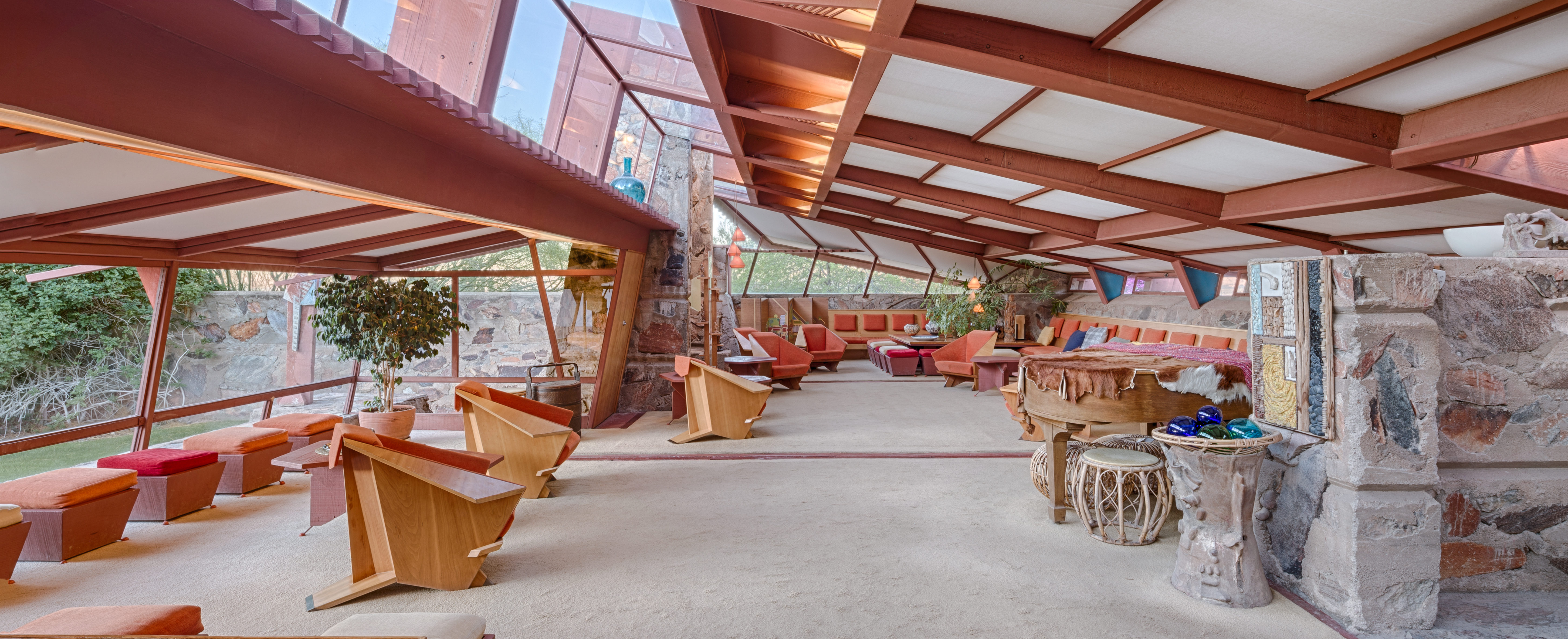
Want to leverage the simple elegance of a natural, balanced space for your next gathering? You can rent many of the masterpieces from the early 1900s designed by iconic architect Frank Lloyd Wright. The connection to nature, quality craftsmanship and calming lines he became famous for are the same elements that will elevate the thinking at your next meeting.

Arizona Biltmore

Photo credit: Waldorf Astoria Hotels & Resorts

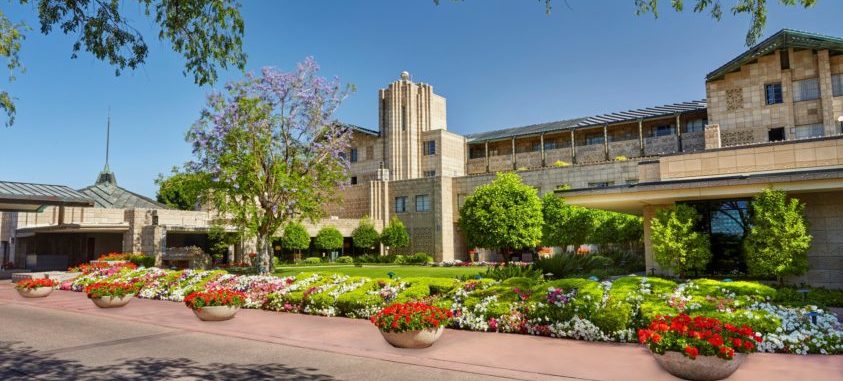
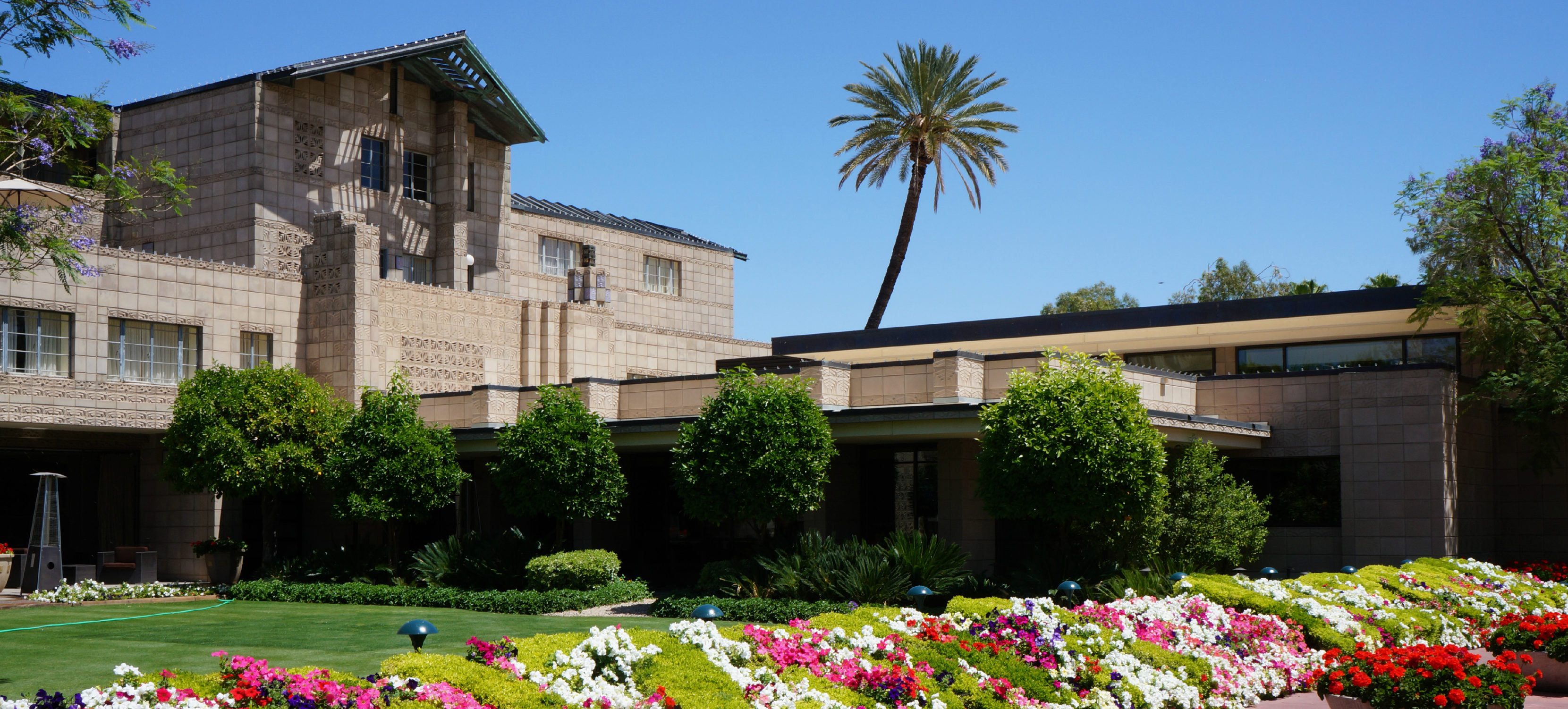
This classic Phoenix destination incorporates Biltmore Blocks—pre-cast textile panels made from desert sand in 34 geometric patterns to lace together a unique exterior. The resort was renovated by Barry Design Associates of Los Angeles in 1992 to preserve Wright’s innovate 1930s aesthetic.

When approaching Arizona Biltmore, you immediately know that luxury is the resort’s forte. Greenery spreads across the 39 acres of land while the hallways and rooms have an elegant design that is constantly catching visitor’s eyes.

Event spaces include Frank Lloyd Wright Ballroom (24,576 sq. ft.), McArthur Ballroom, Conference Center, Grand Ballroom, Aztec Room and Patio, Gold Room, Valley Room and Terrace Court.

Related: Arizona Biltmore on Full Display During Smart Event

Historic Park Inn

As one of the last original Wright designed and built hotels, Historic Park Inn in Mason City, Iowa, earned its spot on the National Registry of Historic Places by preserving the classic design with updated amenities. Vintage furniture and decor are consistent with the sleek roof-lines and nature themes. The meetings space includes eight meeting rooms that combine to create a 2,400-square-foot great room for up to 200 people.

Wingspread Retreat and Executive Conference Center

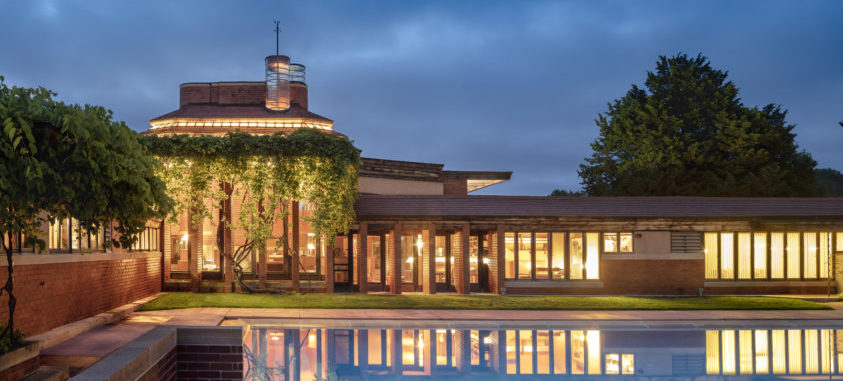
H.F. Johnson, the third-generation leader of S.C. Johnson, worked with Wright to create Wingspread in Wind Point, Wisconsin. This sprawling prairie-style house built into the landscape served as the Wright family home after it was completed in 1939.
Its novel design creates four distinct outdoor quadrants that complement the building’s exterior. The event space is split into three carefully manicured wings: Conference Center, Sam and Gene Johnson Guest House and Wingspread. The Conference Center’s outdoor courtyard is the largest space in the center at 3,615 sq. ft.

Solomon R. Guggenheim Museum

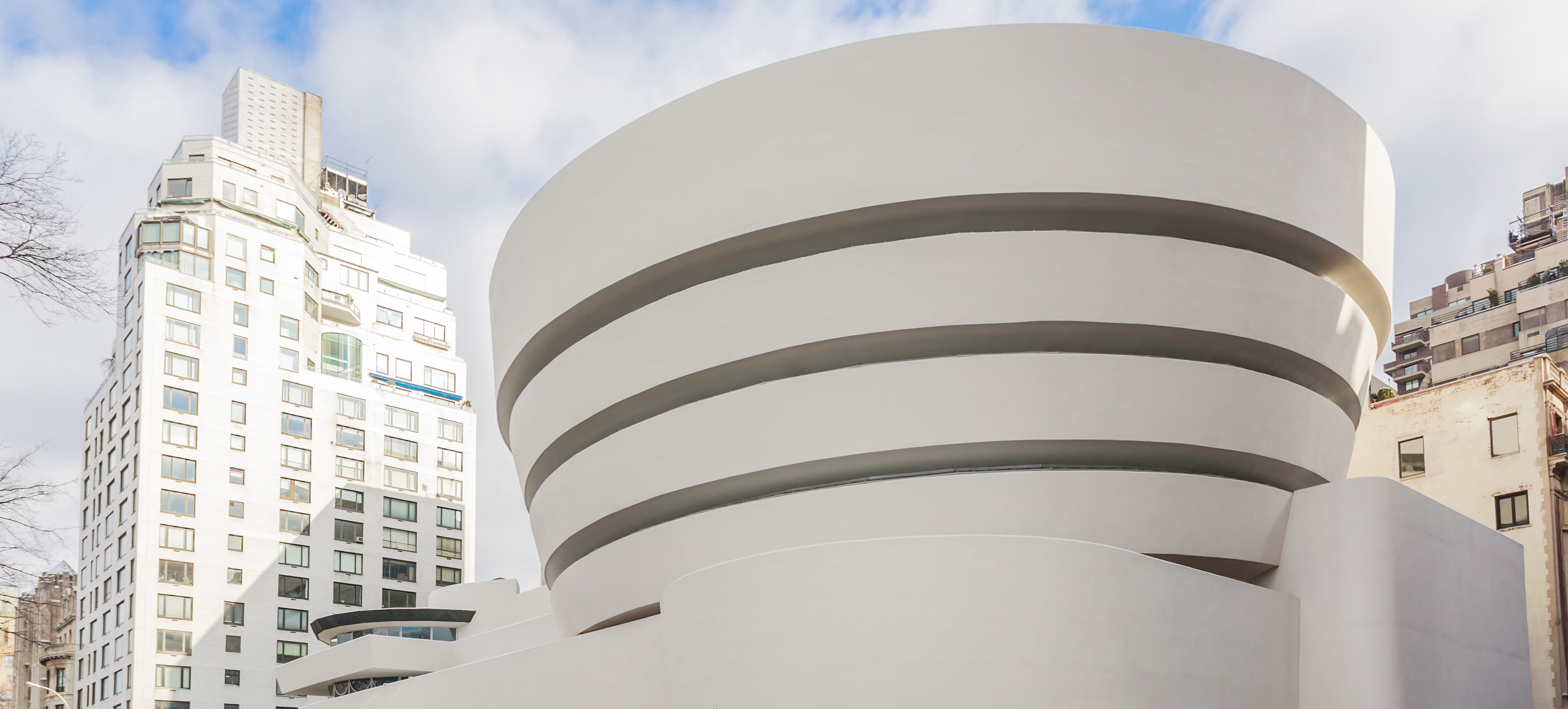
The museum designed by Wright to house the famous New York City businessman’s massive art collection was the result of more than 700 sketches over 16 years. The modern, spiraling space finally opened in 1959, 10 years after Guggenheim’s death. The curving ramp inside and swirling channels in the exterior bowl may bring to mind the image of giant peeling a strip from the building, but the effect on visitors is both calming and compelling.
Five different event spaces call the Guggenheim Museum home: Ronald O. Perelman Rotunda, Peter B. Lewis Theater, News Corporation Media Theater, The Wright and Cafe Three. For larger events, 1,000 can mingle in the Rotunda for cocktails with a multi-level view of the venue.

Price Tower Arts Center

Originally imagined as a wide, short building, Wright convinced Harold C. Price, a pipeline construction company owner who spearheaded its creation, to transition to a tower structure when the Great Depression shifted the project from New York to Bartlesville, Oklahoma. Considered one of Wright’s most important architectural works, the building’s interior and exterior share copper and concrete accent themes while connecting to their natural environment.

Standing at 221-feet-high with several triangles and sharp corners jutting from the walls, Price Tower soars into the attention of anyone looking to the east. It boasts more than 4,600 sq. ft. of event space with a combined 550 sq. ft. of outdoor terrace space.

Monona Terrace Community and Convention Center

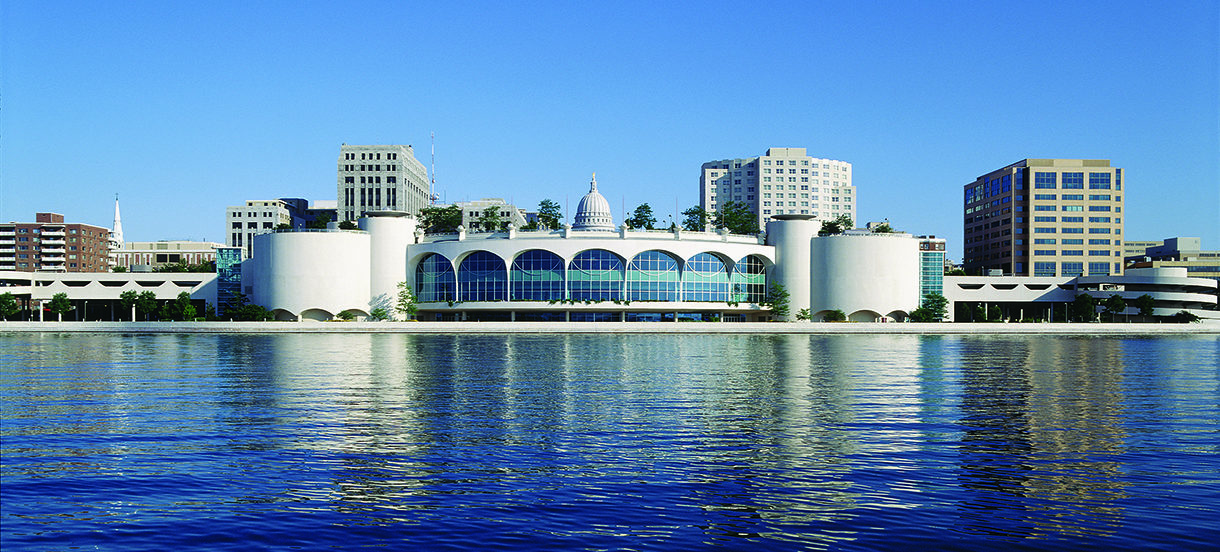
This curving testament to the rolling landscape of Madison, Wisconsin, calls the shores of Lake Monona home. Wright envisioned the project as a dream civic center with access to a jail, courtrooms, a rooftop garden and a railroad station. Almost 60 years after he presented his original design to the city—some 38 years after his death—Monona Terrace finally opened in 1997.
A well-groomed rooftop garden affords views across Lake Monona, and new angles on the stunning scenery Madison offers. If it is too cold or wet to enjoy the garden, the centerpiece of the grand rooms is the sweeping views through arched windows. The geometrically designed structure offers 85,000 sq. ft. of event space spread across six levels.

Taliesin West

Photo credit: Andrew Pielage

When this living, working laboratory rose out of the Scottsdale, Arizona, earth in 1937, Wright carefully designed it to be elegant without taking the attention away from the serene desert environment. Wright personally cared for the establishment for years and used it as a winter retreat.

Now a public space, Taliesin West has grown into a beautiful, angular event space that mixes modern and classic flare. The rooms include Cabaret, Cabaret Terrace, Garden Living Room, Garden Room Lawn, Garden Squares, Kiva, Music Pavilion, Pavilion Terrace and Prow and Sunken Garden/Sunset Terrace. The largest space, Garden Squares, can hold up to 550 people while the smallest, Kiva, can hold up to 20 people.

Related: ‘I’ is for ‘Icon’ of Architecture

For groups looking for places to connect with nature, Wright-designed spaces are a streamlined way to get back to basics.

festivals mountain

An armor-clad soldier thrusts a sword toward the sky in a mountain meadow.  No, it isn’t a scene from a Viking battle—it’s an attendee at one of the many mountain festivals where travelers can enjoy good food, wine and lots of alpine recreation. Here are some of the top upcoming celebrations.

Savor the Summit 

Loosen your belts, foodies. On June 22, diners and winers from all walks of life will flock to Park City, Utah, as Main Street turns into one long alfresco dinner table for Savor the Summit. This is not your average dinner party, however: Celebrity chefs from more than 30 restaurants will be serving their specialties to more than 2,500 participants, making it the largest dinner party in the state. The summer solstice fling features a portfolio of menus and pricing, plus live music, which can be enjoyed free by nonparticipants at The Spirit Garden.

Wanderlust Festival

If you crave fitness more than food, trek on over to Squaw Valley Alpine Meadows in Olympic Valley, California, on July 18–21 for live music, outdoor yoga classes (think Acroyoga) and guided adventures at Wanderlust Festival, an event for the inner explorer to unplug and recharge.  The setting in Squaw Valley spreads across six peaks and 4,000 acres, and is the perfect venue for wellness worshipers to partake in mountaintop meditations, sample sustainable food and enjoy a “speakeasy” of mindful living.

Vermont Renaissance Faire

Think Game of Thrones when you head to Vermont Renaissance Faire, a hit since it opened in 2016. On tap for the event, slated for June 22–23 in Stowe, are a fist-full of festivities, including fiddling, dueling, jousting and living history reenactments. If you stay at Stowe Mountain Resort, you can end the day with a Gondola SkyRide offering panoramic views.

Alaska Iditarod Trail Sled Dog Race

One of the most famous outdoor festivals is Alaska Iditarod Trail Sled Dog Race, held every spring come rain, shine or blizzards. On March 2, more than 40 dog mushers will gather in Anchorage to face bone-chilling weather as well as grueling bumps and roots as they and their canines race through whiteouts, wind chill sometimes reaching minus 100 degrees, and a harsh landscape of tundra, mountain passes and rivers.

Read more in Kristine White’s story, “Shredding New Heights for Meetings: Wide Variety of Rad Mountain Resorts are Available Year-Round,” in the January issue of Smart Meetings. Coming soon online.

The home of the San Francisco Giants will have a new name next season, but will offer the same outstanding features for groups attending games and private gatherings.

Oracle Park, formerly AT&T Park, is situated in the city’s South Beach neighborhood and has been widely praised as one of the most gorgeous sports venues in the United States. Oracle has sponsored Giants Enterprises, the wholly owned subsidiary of the Giants that is responsible for its nonbaseball and special events. The annual Oracle CloudFest concerts, held during Oracle OpenWorld, have been hosted at the stadium for the past three years.

Ben Feder, marketing coordinator for Giants Enterprises, described the park’s virtues as a meetings venue.

Why is Oracle Park a great place for meeting groups to meet at or to tour?

From the speakeasy vibes of the Gotham Club to the rich baseball history coloring the walls of Cooperstown S.F., the park has a set of unique venues that are unlike any other around San Francisco.

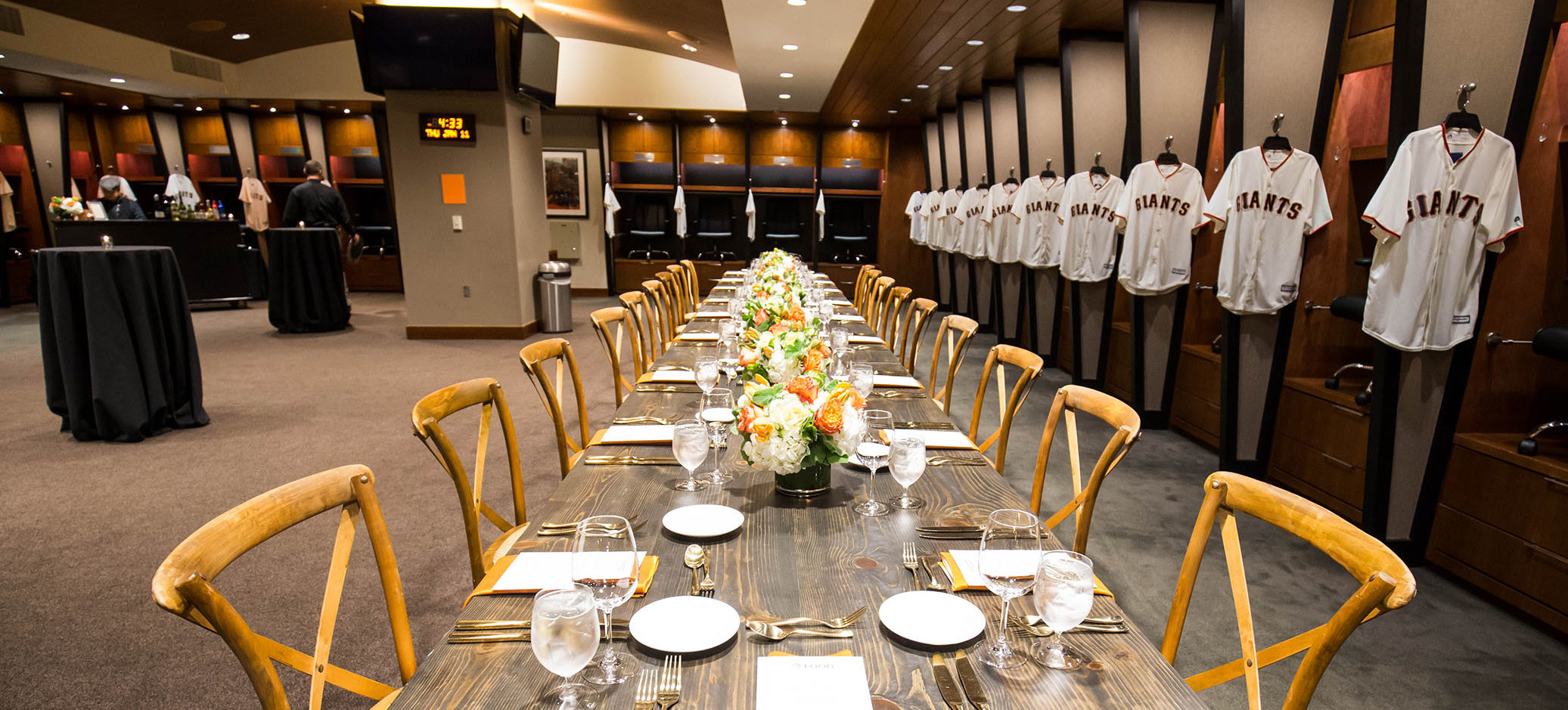
Tours serve as the perfect complement to your off-site meeting, lunch or dinner at the ballpark. Guests will enjoy breathtaking views, step foot onto the field, enter the visitors’ clubhouse and take a peek inside our ballpark museum, the Giant Vault.

How do private events at Oracle Park give people a feel for the Giants?

Giants Clubhouse

Whether it is an intimate dinner in the Giants’ clubhouse or a cocktail reception on the field, guests gain exclusive access during private events at the park. It is not every day that you get to walk into the Giants’ clubhouse and get a behind-the-scenes look at where the three-time World Series Champion San Francisco Giants suit up and hang out before hitting the field.

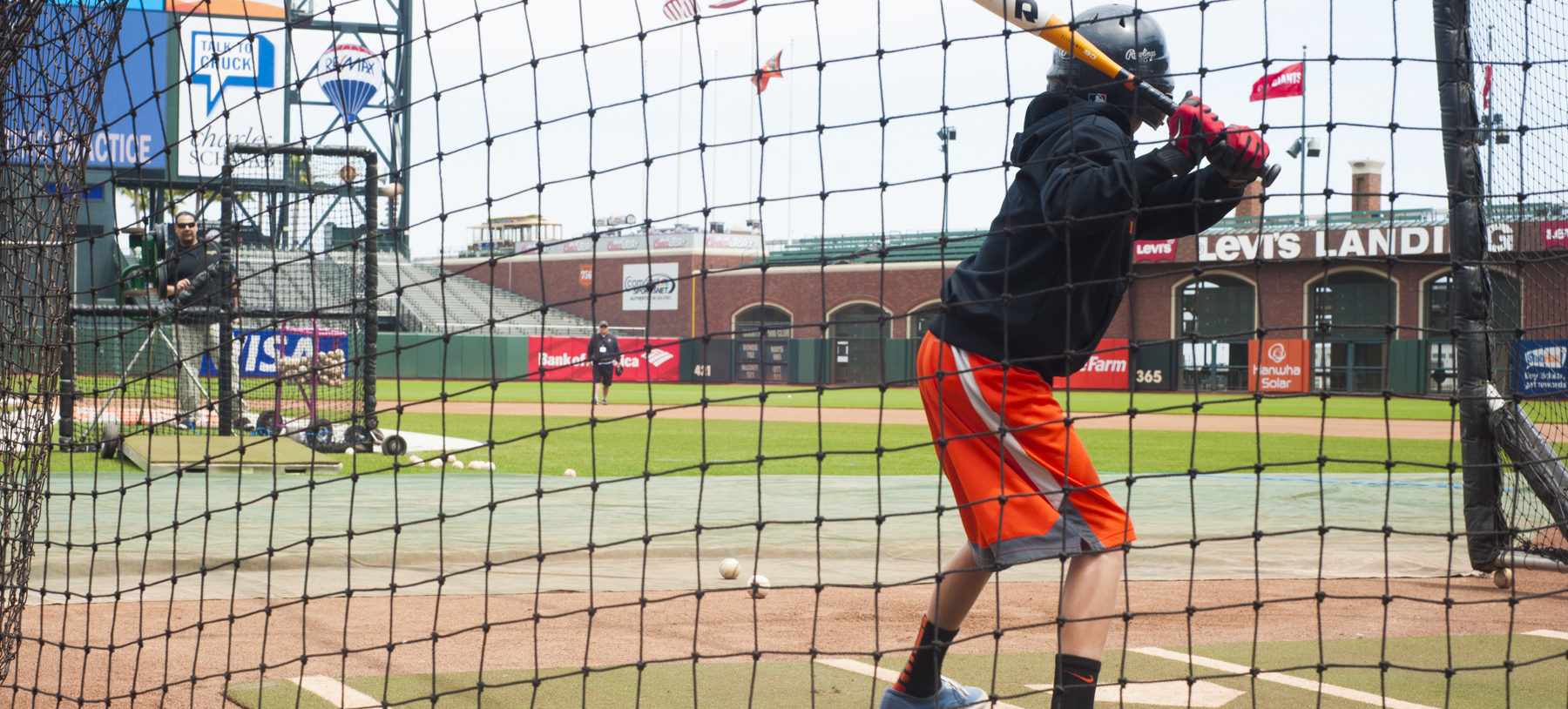
While on the field, guests can enjoy a variety of events—from fantasy batting practices to intimate concerts in the outfield and everything in between. We want our guests to be immersed when they step foot into our venues. One of the premier examples is the ability for a guest to step foot into the same batter’s box as some of Major League Baseball’s best players.

How do private events at your venue give people a feel for the personality and character of your city?

Giants Enterprises takes great pride in providing experiences that help celebrate the rich tradition and history of San Francisco. The city is in one of the most innovative and forward-thinking regions of the world, with the park being at the center of it all. World-renowned events like the Rugby World Cup Sevens and 34th America’s Cup serve as great opportunities to not only show off the park, but allow visitors and tourists to experience the City by the Bay.

Read more about U.S. sports venues in Dan Johnson’s story, “Win the Local Game with an Action-Packed Backdrop: Sports Venues are Offering More Authentic Experiences for Attendees” in the January issue of Smart Meetings, coming soon to online. 

pcma

PCMA has become known for lining up top speakers—this year, Convening Leaders added author Seth Godin and actor Geena Davis to the mix—and sessions that speak to the problems that keep planners up at night—“turning sponsors into partners” and “managing risk in a complex world” come to mind. But how does an organization with more than 7,000 members keep the content fresh?

Hack It

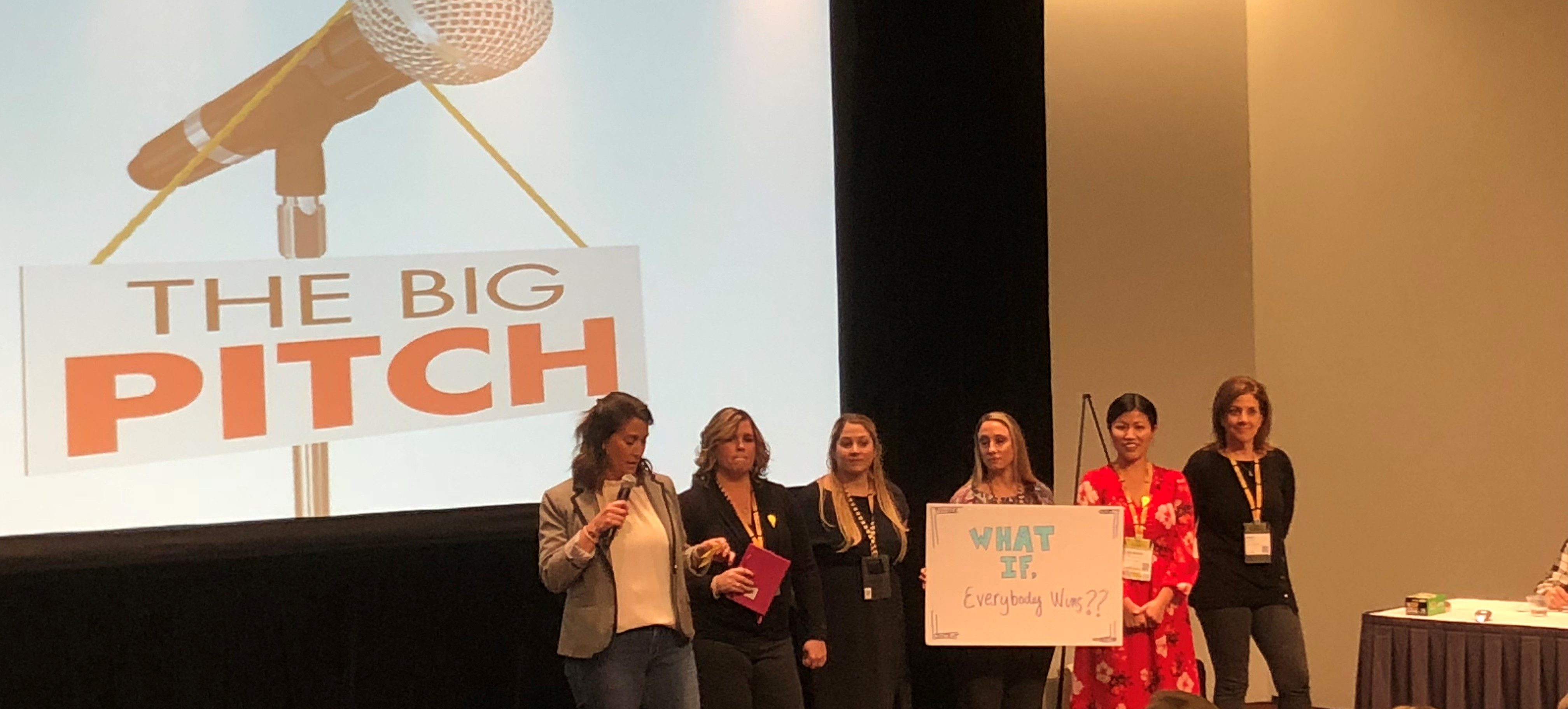
Hackathon teams pitched their ideas for making PCMA conferences even stickier.

Before the first drink had been poured at the opening reception for the gathering, held in Pittsburgh, a group of planner-disrupters had been crowned for coming up with a way to make the next gathering even more effective.

Hackathon Mastery, led by Experient Vice President of Sales Jamie Murdock and Retirepreneur founder Donna Kastner, gathered 40 participants early Sunday morning and challenged them to come up with new strategies to ensure sticky learning so that PCMA can remain relevant and attract a diverse audience. The seven teams used unorthodox methods normally employed in the technology field to find innovative solutions. This included starting with bursts of questions, rather than going right for the solutions, gathering diverse teams and encouraging everyone to contribute.

“If you are an event strategist who likes timetables, this isn’t for you,” Murdock said. “It requires getting really comfortable with beautiful chaos, but it is very powerful.”

At the end of the day, the teams pitched their ideas in three-minute, low-tech presentations in front of a panel of judges. Ideas ranged from creating “educon tribes” to helping attendees “move from knowing to doing” by holding them accountable for actually implementing what was learned at the conference when they return to their desks to a Cause Lab that would make it easy for planners to help local charities with mentoring. The winner was a #knowthyself quiz that would allow attendees to find out what learning style works for them and suggest an agenda based on the results.

Play to Your Strengths

pcmaAn informal poll of attendees at the opening night reception at David L. Lawrence Convention Center showed that the overwhelming majority had never been to the Pennsylvania metropolis before. However, thanks to some careful—and memorable—Pittsburgh placements, they now know a lot more about it.

The city has moved on from its less-than-environmentally friendly manufacturing roots and is now one of the greenest cities in the country. To prove it, recycling areas were at the end of each table in the LEED-certified platinum building.

Former brick warehouses are now trendy condos, restaurants and tech companies, including a major Uber research facility for self-driving cars. That tech-forward vibe was visible in the drones delivering cocktails and one agile “robot” dancing with attendees to Journey’s “Don’t Stop Believin’.”

The city is also home to the thriving Cultural District, which boasts seven theaters and is within walking distance of the convention center. Since one theater happened to be hosting a production of Hamilton, three of the actors stopped by to surprise guests with a few numbers from the hit Broadway play. Now that was memorable.

Meeting professionals often find themselves managing multiple priorities. After all, we all have a variety of responsibilities that need to be handled adroitly. That is simply the nature of our work today. Unlike factory workers of 100 years ago, hardly anyone today focuses solely on one specific task repeatedly. Today, we are all knowledge workers to greater or lesser degrees. Meeting planners, especially, are required to balance time management, self-management and effective allocation of resources. At no time, however, should such workplace skills be confused with the current, if ill-advised, phenomenon known as multitasking.

Multitasking is Not Prescribed!

On the surface, juggling multiple projects appears to be an effective way to handle a plethora of issues that compete for your attention. It seems intuitive that if you can handle both A and B concurrently, you are achieving a productivity gain as well as notable time savings. The fallacy is believing that the human brain can easily double-up and triple-up on activities with no loss of focus, attention or effectiveness.

Tens of thousands of years of human physiological development, however, as well as current studies, suggest that the human brain only offers its sharp attention in one direction at a time. Attempting to simultaneously work in two directions results in reduced attention given to each activity with a predictable loss in productivity and mental acuity.

Related: 8 Tips to Let Distractions Fuel Your Productivity

For certain types of tasks, especially familiar tasks, multitasking may be acceptable. You can run a print job while you work with a file on your screen. As long as the printer has adequate toner and the paper feeds through as designed, there is little harm in multitasking in this manner. Nevertheless, the fact that you are running a print job is likely to diminish your focus on the document in front of you as a portion of your attention is worried about the print job. The loss in mental acuity will be relatively minor and you might not even be aware of it, but it is there.

In the course of the work day, each of us multitasks several times, often without thinking about it. If we traced our actions, we would see that for virtually all of the tasks that we executed effectively, we either stopped multitasking and focused on the task at hand, or continued to multitask because we were so thoroughly familiar with what was required of us, that applying our self wasn’t too taxing.

The real risk of multitasking is that, done often enough, we never quite retreat to that mental space in which we can offer our best concentration and hence, our best work.

Sending the Wrong Message

Over time, the ability to focus and perform at the highest levels is what separates those who rise to the top of their professions and those that continually find themselves scrambling to keep pace. How can this be so? Doesn’t multitasking offer some benefits, even if we’re not our sharpest selves while diverting our attention to this project and that? The answer lies in our physiological hard-wiring.

Related: 4 Ways That Set Successful Leaders Apart

Consider the production manager who focuses on too many tasks at once and starts knocking over boxes, making math errors or having to rework documents. The multitasker in this case has trouble “seeing the forest for the trees” and is barely able to focus on the big picture of what’s needed. He or she becomes more adept at handling those tasks which seemingly can be done simultaneously, while abandoning other tasks that appear less palatable because they require concentration, analysis or creativity.

If you work for a multitasker, you might find yourself frequently trying to handle an array of assignments doled out to you in random fashion. This type of boss is less likely to engage in planning that facilitates effective dispensation of assignments. If you are a multitasker and supervise others, you likely find yourself frequently in start and stop situations–your staff has too much to do, then too little to do, all as a result of your inability to sit quietly in a chair and plot out schedules.

The more important the task, the more vital it is for you to focus intently. In 2019, make a resolution to practice the art of doing one thing at a time. When you’ve finished the meeting agenda or invoicing, or have taken it as far as you can, then and only then, turn to the second most important task facing you. That is effective priority management.

Jeff Davidson is “The Work-Life Balance Expert®” and a thought leader on work-life balance issues. He is the author of 65 books, including Breathing Space, Dial it Down, Live it Up, Simpler Living, 60 Second Innovator and 60 Second Organizer.