Vote for the Best in the Meetings Industry

Click the button below to vote for the venues and CVB/DMOs you know for distinguished characteristics from hospitality to facilities. Help to shine the spotlight on your favorite brands.

Vote by March 21st for your vote to be automatically entered into the contest, where three lucky voters win a $100 gift card!


The “Planner Choice Award”

The 13th Smart Stars award is based on the actual experiences of Smart Meetings magazine readers at venues and destinations around the world. This is your chance to rate suppliers who partner with you to elevate the meetings experience based on a range of amenities from the most all-inclusive hotel to the best CVB/DMO.

We’ll calculate the results and feature the top-rated properties and places in the June issue of Smart Meetings and on a dynamic landing page dedicated to delivering solutions from the winners.

2025 Smart Stars Winners Receive

– Feature in the June edition of Smart Meetings (print and digital editions)
– Recognition via smartmeetings.com, national email newsletters and social media
– Exposure in a nationwide press release distributed over a major newswire

New figures reveal what moves meeting profs should make in 2025

This week, Meeting Professionals International’s (MPI) Northern California Chapter held its Annual Conference & Expo (ACE) at Monterey Conference Center, where planners, destinations, venues and a range of other vendors mixed, mingled and made the connections that keep this industry thriving. Here, Smart Meetings brings you the key takeaways.

#1 2028 is Poised to Spur a Significant Market Shift

With the demand for meeting space continuing to soar, event planners are increasingly feeling the pressure to lock in venues ASAP. Mike Dominguez, president and CEO of Associated Luxury Hotels International (ALHI), highlighted a significant wave of upcoming renovations and new builds, many of which are on track for completion by 2028.

Read More: Event Case Study: MPI Southern California WeCon 2024

Because of this expanding inventory, Dominguez offered different recommendations for planners and hoteliers preparing for events during that year. Meeting profs can expect to have more breathing room when selecting venues, as the increased supply should ease some of the current space constraints. However, for hotels considering bookings for 2028, he emphasized the importance of securing that future revenue now, ensuring they have committed business in place before the market shifts with the influx of new and upgraded properties.

#2 Affordable Childcare Could Revolutionize the Hospitality Industry

The Covid-19 pandemic dealt a significant blow to the daycare industry, further shrinking an already-small pool of flexible childcare options—a challenge that has been particularly difficult for hospitality workers, who often work irregular hours outside of the traditional 9-to-5 schedule. With fewer daycare services available, many of the remaining providers are priced beyond affordability for hospitality employees.

Read More: The ABCs of Onsite Childcare

This shortage of accessible childcare has had a direct impact on staffing levels within hotels and event venues, contributing to stagnant employment growth across the industry. Dominguez pointed to data showing that, on average, hotels currently have 14.5 open positions each—only one job above pre-pandemic levels—which underscores the ongoing disconnect between the number of workers needed and those available.

Dominguez strongly believes that expanding access to affordable childcare would have a significant impact on these hiring challenges, enabling more hospitality workers to rejoin the workforce and help close the labor gap in the industry.

#3 You Might Want to Rethink That Celebrity Speaker Line Item

David Saef, senior vice president and “chief instigator” at Freeman Company, made planners gasp when he revealed that data shows only 1% of attendees want to see a celebrity keynote—instead, they classify innovators as their top draw.

Read More: What to Expect When Booking A-List Event Speakers

With Millennial and Gen Z attendee percentages set to reach a combined 75% by 2030, research reveals that these demographics view innovators as contributing key insights on non-attendees—those who have been either disinterested in or unaware of an event—and how to bring those people into the fold. When considering speakers for your next meeting, remember that thinking outside the box can majorly pay off.

#4 Group Travel Average Daily Rates (ADR) Outpace Inflation

August 2024 year-to-date figures show that group ADR is outpacing inflation much more significantly than transient or leisure travel, showing the strong price control hotels currently hold due to high demand for event-driven stays. Thanks to early negotiations and booking further out, hotels are able to adjust for inflation more effectively, and as business and conference travel continues to rebound post-pandemic, they can also raise prices more aggressively.

Planners can expect higher room rates for meetings and events, and budgeting for accommodations will require more flexibility and potentially higher spending allowances. Hotels will likely give less room for discounts or concessions, and early contract negotiations will be crucial to locking in favorable rates.

Make your mark on small to mid-size meetings

If you’re seeking the latest and greatest space to host your small to mid-size meetings, these new and renovated properties have your back. Maybe you’re seeking wellness centric comfort in California’s capital. Or perhaps convenience and ease certain to bring a smile to your face. Maybe you’ll opt for design-forward space in the heart of Music City. Wherever you go, your groups can experience those amplified close connections that are a special touch of smaller meetings, whatever your budget and vision.

Make Your Meeting Riverfront-Wonderful

Westin Sacramento Riverfront Hotel & Spa for new and renovated
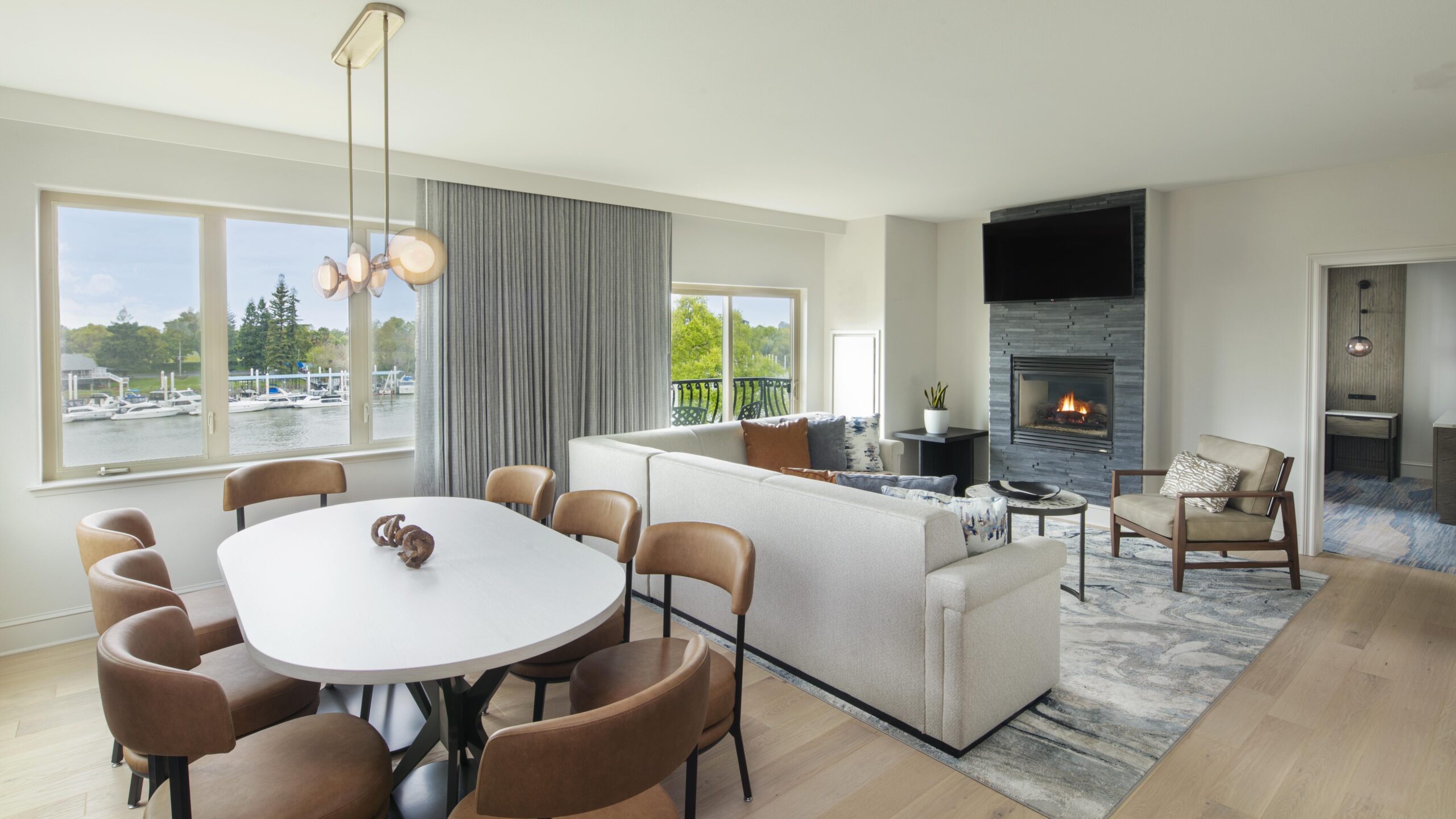
Westin Sacramento Riverfront Hotel & Spa, presidential suite

The Westin Sacramento Riverfront Hotel & Spa has unveiled a multi-million dollar renovation alongside the debut of its new name. The sleek, contemporary hotel is perfect for a stay that is both refreshing and exciting. Its location situates visitors right on the historic Sacramento River and nearby popular attractions like Old Sacramento and the Golden 1 Center.

At the center of its design is the Westin brand’s wellness pillar. Bight, airy spaces with elevated fixtures and warm wood accents are tied together by sofas and chaise lounges throughout the lobby. The thoughtful arrangement intends to inspire social connections in a residential atmosphere. A curated art collection depicts the Sacramento River and surrounding agricultural landscape. From 101 guest rooms and suites, guests can enjoy sweeping waterfront views. New guestroom features include stylish marble counters and spacious clawfoot tubs alongside the classic Heavenly® Bed.

In the lobby, the first thing guests will notice is the expansive live plant and pottery display by ceramic artist Giselle Hicks. The next thing they’ll notice is the signature Westin fragrance, with notes of white tea, woodsy cedar and soothing vanilla scents to place them in a mindset for wellness and rejuvenation. At the check-in area, guests can fill up their complimentary, reusable water bottles with still, alkaline or sparkling water at the newly-built marble Westin WELL. To create true sense of place, the hotel also offers wine on tap from neighboring wineries in Clarksburg and Napa Valley, available through the purchase of a wine card at the front desk. After all, Sacramento is the gateway to California’s wine country.

Those looking for a meal can opt for grab-and-go coffee and pastries at the latte bar, which receives fresh local pastries each morning. For something more substantial, Scott’s Seafood on the River, voted one of Sacramento’s best restaurants, is open for breakfast, lunch and dinner, and offers fresh, sustainably harvested seafood.

From three event rooms, two breakout rooms and the outdoor Portofino on the River, the hotel offers a total of 7,887 sq. ft. of meeting and event space. With towering drapes and neutral lighting, spaces are easy to customize to create whatever atmosphere is ideal for your event, whether classy and upscale or cozy and intimate.

Read More: Defy Conventional Meetings in Sacramento

Your Next Station for Innovation

Drury Plaza Hotel College Station for new and renovated
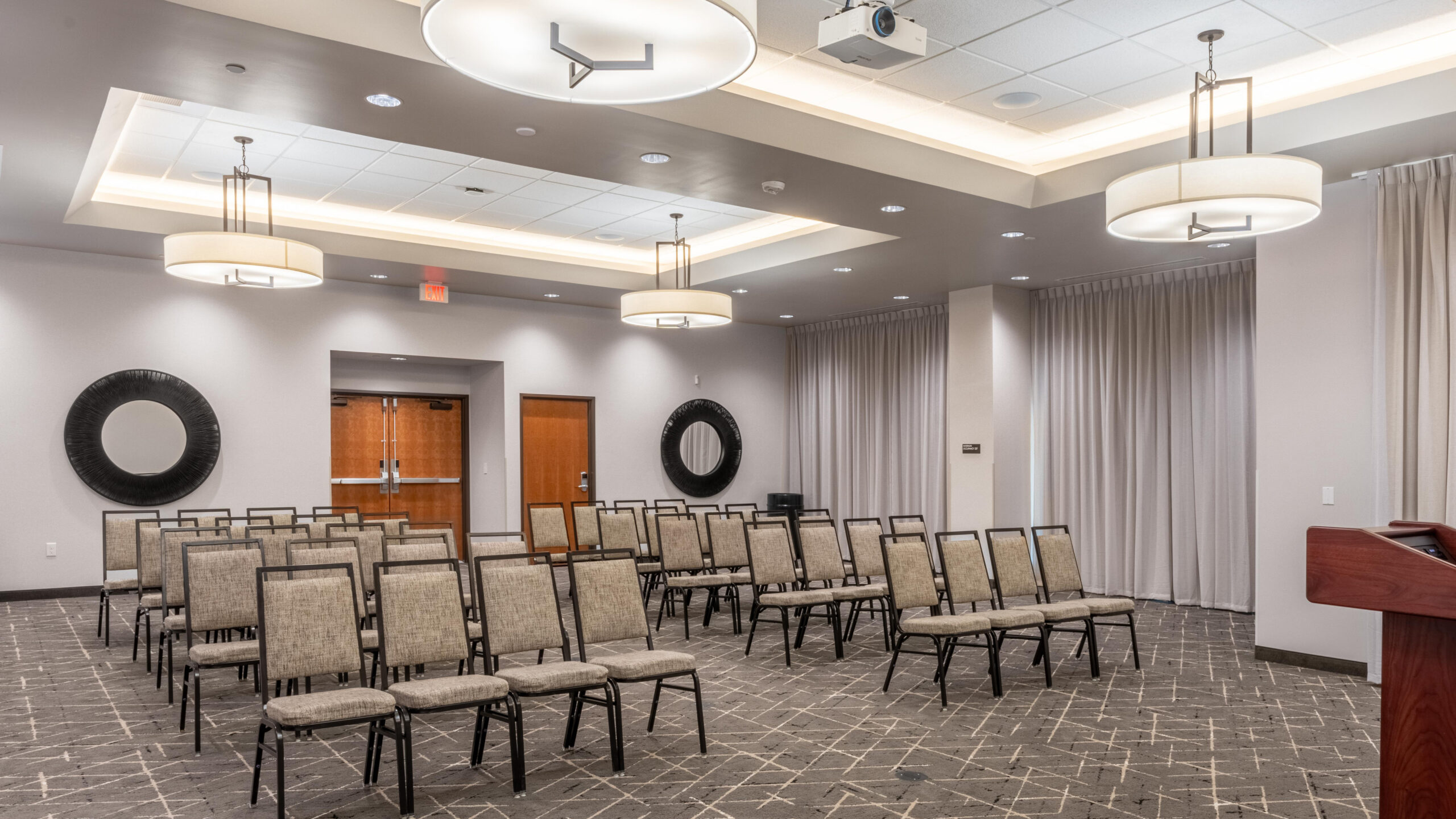
Drury Plaza Hotel College Station, meeting room with theater setup

Drury Hotels Company opens its newest hotel in Texas, with Drury Plaza Hotel College Station. It is the brand’s 18th property in the state. Guest are just blocks away from Texas A&M University, and less than 15 minutes from historic downtown Bryan, a recognized Texas Cultural District. There, they can discover a celebrated arts scene and top-rated restaurants, eclectic boutiques and antique shops.

Business and leisure travels alike will enjoy convenience at their fingertips, with complimentary amenities, including Wi-Fi, parking, an indoor pool, and 24-hour business and fitness centers. The property also offers free hot breakfast and, beginning at 5:30, Kickback® dinnertime snacks and beverages.

From the 160 guest rooms to 1,100 sq. ft. of meeting space, groups with up to 120 attendees have everything they need for an outstanding experience. The meeting space at the property includes pre-function space, and planners will be pleased with customizable set-up options, catering and audiovisual options that suit their budgets. With Drury Hotels’ Meetings with More program, planners get access to award-winning service, free Wi-Fi for all meeting attendees and no food and beverage minimums.

Read More: The Rise of Small Meeting Workhorse Hotels

Explore Design-Forward Spaces for Immersive Experiences

Caption by Hyatt Downtown Nashville - The Gulch for new and renovated
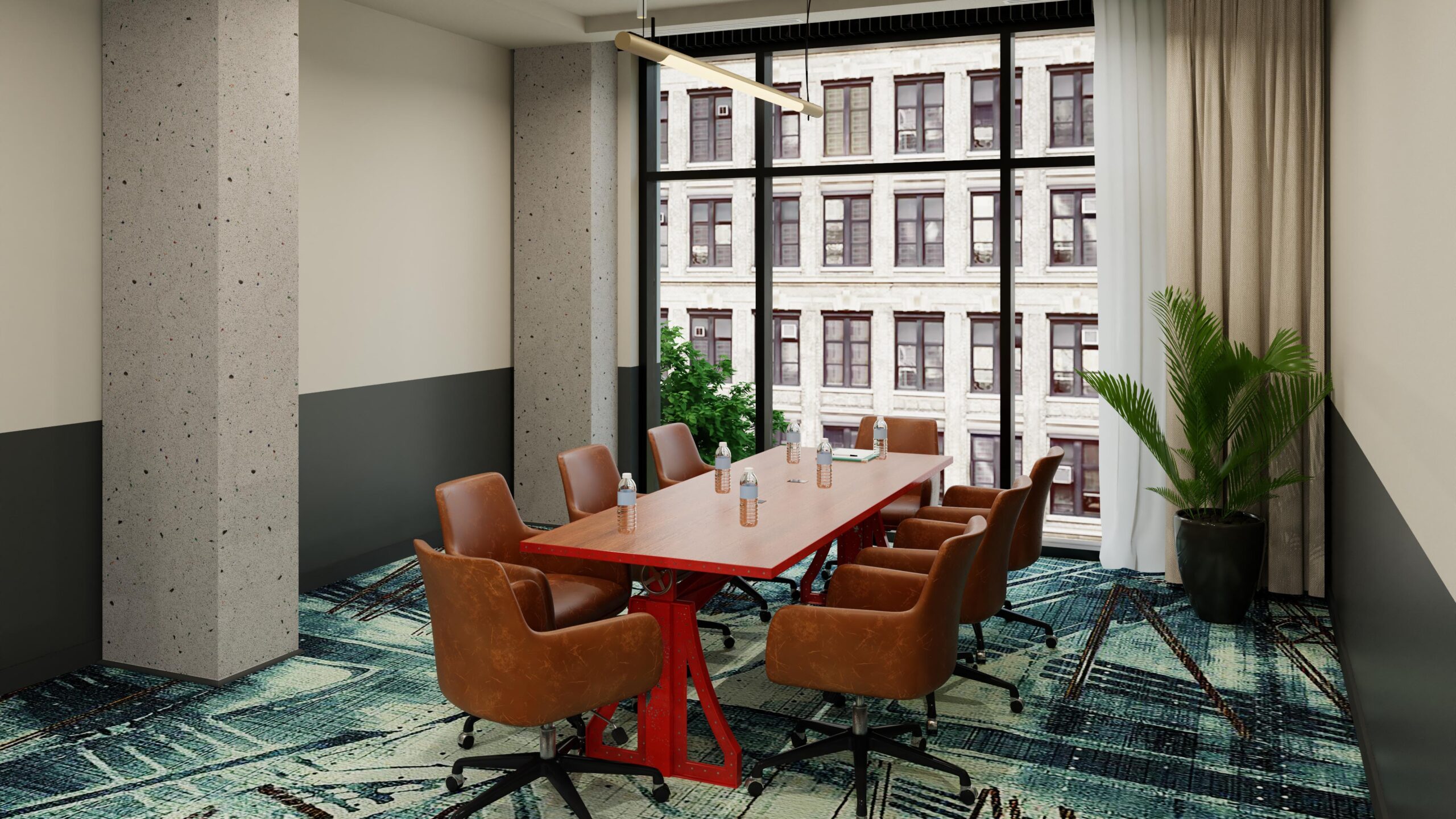
Caption by Hyatt Downtown Nashville – The Gulch, boardroom

Caption by Hyatt Downtown Nashville – The Gulch has opened its doors to provide an immersive experience in downtown Nashville’s Gulch neighborhood. The property features an industrial inspired design  to celebrate the neighborhood’s history as an industrial railway hub and now a center for the city’s top dining and entertainment.

In the first floor entry, guests are immediately immersed in the theme with an art installation that weaves together train imagery with lyrics from iconic train songs. Vintage inspired leather sofas, modern hardwood floors, dark wood worktables and vibrant pillows and accent chairs, alongside decorative murals, create an inviting, community-centered space.

Corridors feature large sketch-style drawings of trains. Once guests arrive at the door of each of the 210 guest rooms, they’ll find stenciled room numbers, nodding to boxcar numbering. Inside, the headboard murals inspired by train yards continue the theme. Perfectly blending a stylish, rugged atmosphere with practicality and modernity, guest rooms also feature elements like front-lit mirrors, step in showers with glass doors, flat screen TVs, blackout curtains, coffee makers, a mini fridge and more.

The train theme continues throughout the 2,200 sq. ft. of meeting and event space, with meeting rooms named after rail industry terms. Across four distinct, adaptable spaces—an elevated boardroom, two customizable meeting rooms and an outdoor terrace—meeting groups will discover a warm, inviting color palette with contrasting bold patterns, playful colors, natural wood and copper finishes.

When it’s time for a meal, Café Between offers all-day café dining and serves as a cocktail lounge, with cozy sofas, stylish bar seating and versatile dining seating. The property is also committed to sustainability, with a state-of-the-art rainwater harvesting system which significantly reduces water waste by capturing, filtering, disinfecting and distributing rainwater collected from the hotel’s rooftop.

Read More: Nashville Eats

How to use scientific evidence to support attendee energy and boost your ROI

When we consider attendee energy—the capacity of an individual to be engaged, their real-time level of engagement and how long they’re able to keep it up—there are some must-know tips that should exist in every planner’s back pocket.

Armed with some insight into how attention spans work, what spikes people’s energy and what stifles it, planners can discover a more efficient way to do events; a formula, even, for ensuring that everyone involved gets the most bang for their buck.

Experts David T. Stevens, of Olympian Meeting and the Return on Wellness podcast, and Dr. Jess Garza, Ph.D., of Legacy Mindset, joined Smart Meetings in the recent webinar, “Elite Performance Tips for Managing Attendee Energy.” For a deep dive into the capacities of human energy and how planners can optimize it to improve event experiences across the board, you can view the webinar on demand. Plus, check out the recent white paper on attendee energy.

The bottom line? Stevens says, “[Attendees] are going to have a memorable experience regardless. It’s up to you if it’s going to be positive or not.”

Attention Span of a Goldfish: Fact or Fiction?

You’ve heard it before: Attendees want more breaks. The greatest challenge? You still only have three days, give or take. How can you meet this need without depriving attendees of the content they’ve come for?

Even if you’re giving attendees all the content they want, if they don’t have adequate time to rest and recharge, they are far less likely to retain the information.

The Forgetting Curve

Dr. Garza breaks down the attention span and retention into categorizable chunks of time. Typically, she says, “Immediately after you learn whatever the information is, you’re at 100% retention. Twenty minutes later, you’re at 60% [retention]. An hour later, 50%; a day later, 30%; a week later, 10%; and one month later, two to three percent.” This is called the forgetting curve, which occurs, Dr. Garza explains, because as we have new information constantly coming in, our brains are constantly assessing whether or not that information is relevant.

Optimizing Focus
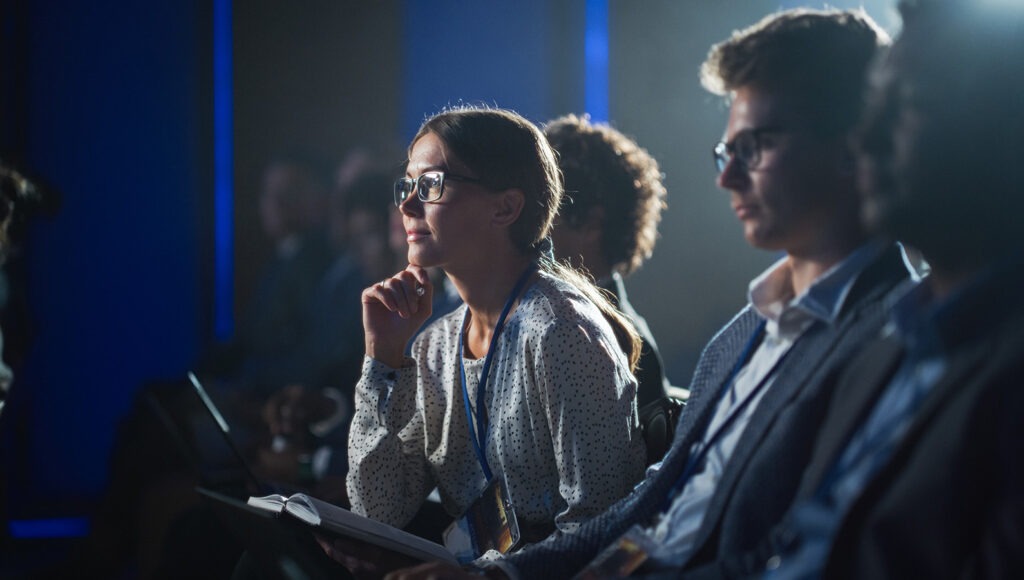
attendee energy and attention spansHowever, there are some simple, often overlooked, elements that can slow forgetting. Elements that increase bottom-up focus—that is, the stimulus-driven aspect of a presentation—helps people feel more interested and develop an emotional stake in the presentation.

To amp up bottom-up focus, consider the quality of the speaker down to their tone, inflection and voice. “If the material or event feels very monotone, or there isn’t a lot of change in movement, bottom-up attention is being missed,” says Dr. Garza. If there isn’t enough stimulus coming from the presentation, essentially, it’s harder for people to maintain their top-down focus—intentional focus on the material.

With the technical understanding of attention spans in mind, how do you ensure attendees are getting all the information you can offer them, but also have enough time to take those much-needed breaks? Stevens says, “Cut the fluff.” He works with his executives and presenters to have an honest conversation about attention spans, and what elements of their presentation they want people to remember—and cut the rest.

So, do we really have the attention span of a goldfish? Definitely not. An audience’s attention span is determined by how engaging the material is and if individuals are able to establish an emotional connection to it. Planners can make a big difference by prepping their speakers on engagement techniques, being concise and creating an interesting story arc.

Read More: Bridging the Gap: The Key to Engaging Gen Z

Strategize with Circadian Rhythms

For the sake of maintaining your attention span throughout this story, let’s cut to the chase. What does that ideal agenda look like? Dr. Garza, an expert on performance psychology, mental readiness and emotional intelligence says to base it on circadian rhythms.

Being strategic with an event agenda that reflects how attendee energy fluctuates throughout the day maximizes impact.
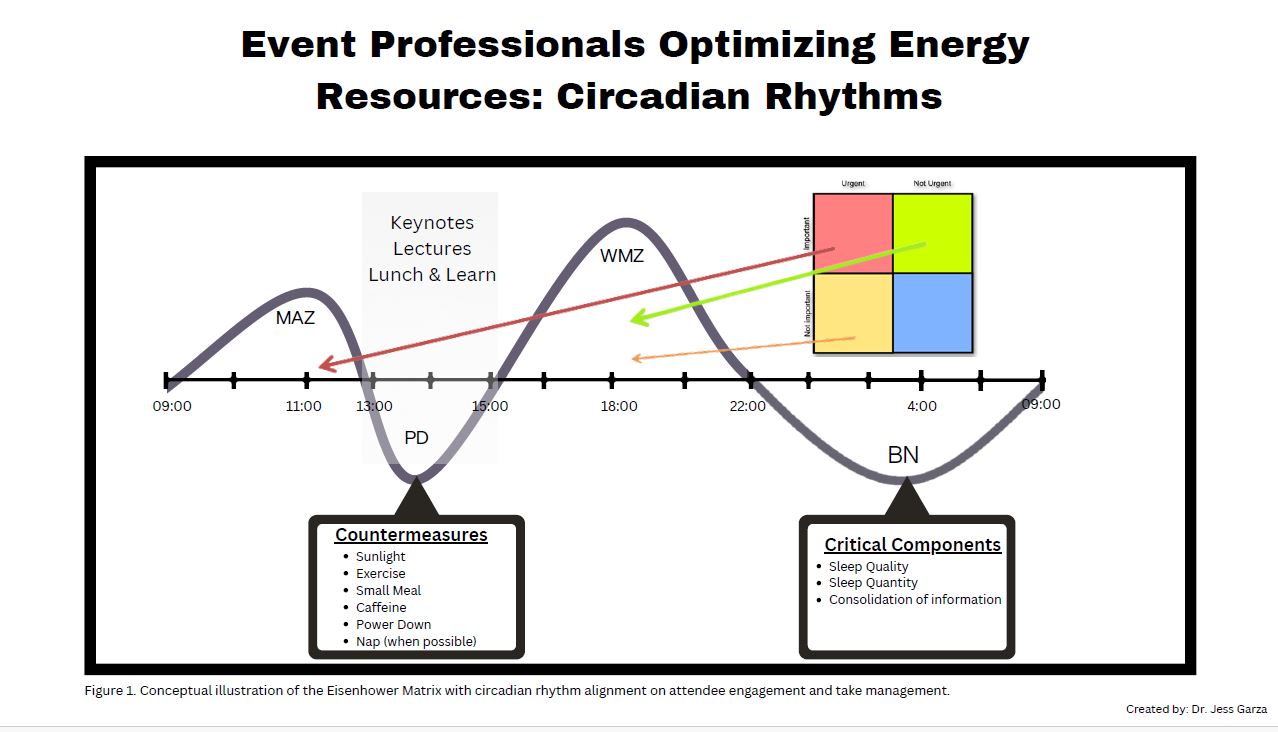
Dr. Jessica Garza Circadian Rhythm Chart

Morning Alert Zone (MAZ)

9 a.m. to 9:30 a.m. Start Time. By beginning at 9:30 a.m., you give attendees time to wake up and prepare for their day however they choose, whether it’s with a workout or their personal morning routine.

9:30 a.m. to 11:30 a.m. Opening Keynote and Strategic Content. Because people have the highest alertness for deep learning and cognitive engagement at this time of day, this is the ideal time to place your keynote and strategic content. Hold activities that are both important and urgent.

11:30 a.m. to 12 p.m. Short Break to Restore Attention. Around 11:30 a.m., energy begins to dip. After absorbing all the content from the morning sessions, some time to reset helps get attendees in the zone for the remainder of the day.

Post-Prandial Dip (PD)

optimize attendee energy with more engaging sessions in the afternoon12 p.m. to 2 p.m. Lunch, Networking and Lunch-and-Learn Activities. Around 12:00 p.m., and until around 3:00 p.m., energy dips. After lunch, people are in a lower cognitive state, making this the ideal time for non-priority tasks. If people have to balance work while attending a conference, this is the best time for them to check emails and not contribute a lot of energy to problem solving.

2 p.m. to 3 p.m. Movement Break. People are at a lower state, cognitively, after a meal. Ever heard of the infamous “food coma”? Getting in some light activity, sunlight or a caffeine fix—or all of the above—can help boost the energy back up.

Wake Maintenance Zone (WMZ)

3 p.m. to 5 p.m. Active Engagement. After getting energy back up, hold more energizing panels, where there is more opportunity for conversations, creative brainstorming and social engagement. Leverage social energy spikes where people can feed off of each other. This is the time for activities that are important, but not urgent; or that are urgent, but not important.

5:00 p.m. to end of day. Networking and Socializing. Follow up the energizing panels and social engagement with your open network social events. Plus, with all that energy attendees will have when your agenda optimizes circadian rhythms, think of all the great content they’ll have to talk about!

Biologic Night (BN)

10 p.m. to 9 a.m. This is the time of day that attendees should be getting quality sleep. During sleep, short-term memory is converted into long-term memory, so an adequate night’s rest is crucial for retention.

Menus to Maximize Energy

What you feed people matters just as much as how you schedule the day. By considering circadian rhythms and menus that energize in tandem, you’re that much closer to holistically happy and energized attendees.

Protein: What’s the Point?
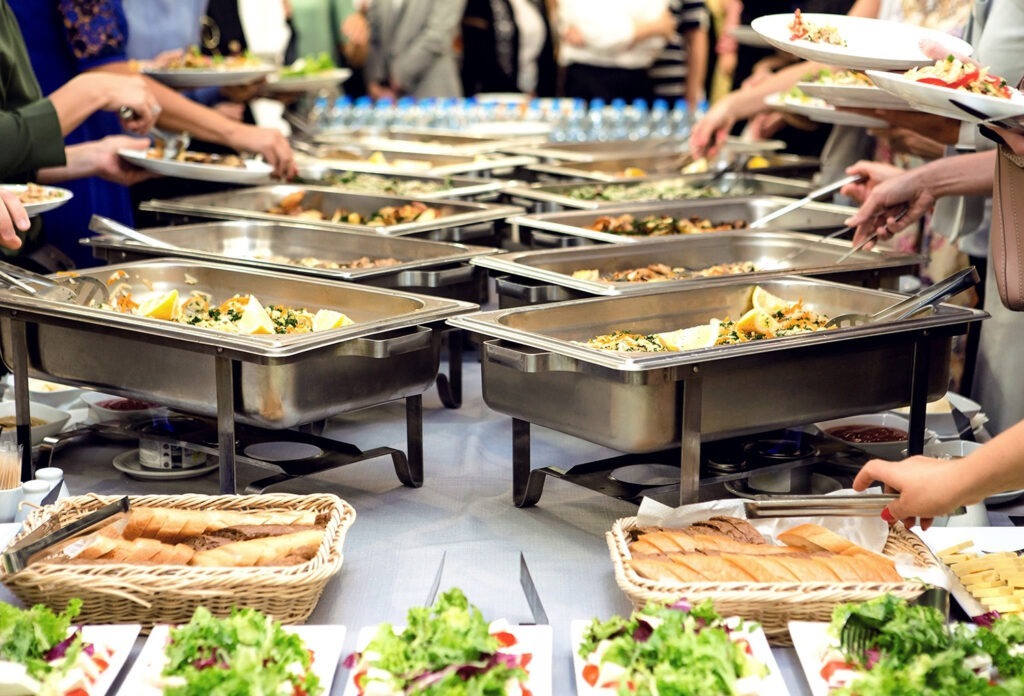
Give attendees options to encourage healthy choices

Protein in the morning makes a big difference. Some research supports that protein in the morning is particularly beneficial for people with ADHD.

Stevens explains, “Amino acids [the building blocks of protein] support your neurotransmitters, which helps maintain focus.…Not only does the protein help moderate your blood sugar, but it fuels your brain to pay attention.”

Starting the day with protein brings benefits for every attendee in optimizing attention and energy. But when it comes to ADHD, the benefits can be even more crucial. “If you’re spending $25,000 on a keynote speaker, and 25% of your audience is potentially on that spectrum, how important is it to have protein at that breakfast? Because if you don’t, you are potentially undermining a quarter of that spend,” says Stevens.

Yes, and…

For every meal, Stevens says, “It really comes down to giving people the ‘yes, and,’ options.”

Give people the opportunity to choose between a range of options. However, to encourage people to make choices that helps fuel attention and energy, Stevens recommends encouraging people to make food choices that will energize them by putting protein at the front of the buffet line. From there, have options follow in the order of veggies and salads, then starches and pastas, then desserts.

“You can leverage that to help people feel fuller longer and moderate their blood sugar, which then helps maintain that attention span,” he says.

Dr. Garza adds, “If we’re only focusing on a heavy carb load, that is where it leads to the blood sugar spikes and crashes, which naturally causes that afternoon slump.” Provide attendees with the options they need in order to have a balanced plate with lean proteins, whole grains and healthy fats, and avoid excess sugars. But don’t deny them of that cookie—if they’re filling up their plate with proteins and veggies, a cookie just might be in order! Not only will your attendees be energized for an outstanding event day; they’ll rate your event as one that truly demonstrated care for the whole person.

Read More: Food Rules to Effectively Navigate Your Meeting Menus

Elevating Excellence: Why Meeting Planners Are Choosing the Pennsylvania Convention Center

With over 1 million sq. ft. of saleable space and the largest ballroom in the northeast, Pennsylvania Convention Center offers meeting planners an unbeatable blend of scale, service, and sustainability. Located in the heart of Philadelphia, the Center is steps away from premier hotels, and some of the city’s iconic attractions, including the Liberty Bell and LOVE Park. Add in a multimillion-dollar investment in cutting-edge technology, customer service training, and progressive exhibitor policies, and it’s easy to see why the Center continues to attract some of the industry’s most significant events to Philadelphia.

A Commitment to Seamless Experiences

Managed by ASM Global, Pennsylvania Convention Center boasts 1 million sq. ft. of meeting space and a level of hospitality and service that feels personalized. A key part of that experience is the recent $78.8 million capital investment dedicated to improving sustainability, technology, and customer experience. Meeting spaces now feature, upgrades such as LED lighting, wireless AV technology, modernized restrooms, and refreshed carpeting ensuring a polished, professional setting for every event.

The venue’s adaptable spaces provide the flexibility to host everything from massive trade shows to intimate corporate gatherings. And with more than 14,400 downtown Philadelphia hotel rooms within walking distance—alongside award winning restaurants and cultural attractions—attendees can maximize their time both inside and outside the Center.

Raising the Bar on Hospitality and Service

The Pennsylvania Convention Center’s commitment to service excellence goes beyond upgraded spaces—it’s ingrained in its workforce.  A new 1,000-square-foot on-site training facility ensures staff and labor partners are well-versed in safety, technical skills, and hospitality best practices. Developed in collaboration with trade show labor partners and ASM Global, this state-of-the-art center is part of the Hospitality Industry Advancement Trust Fund, a pioneering initiative that fosters a skilled and service-driven workforce. The training program revolves around three pillars – “Safety, Skills and Smiles.” For meeting planners, this means working with a team that is not only highly trained but also genuinely invested in the success of their events.

Sustainability That Makes an Impact

Meeting planners looking to align with eco-conscious venues will appreciate the Pennsylvania Convention Center’s sustainability initiatives. The Center boasts sustainable features like energy-efficient LED lighting, advanced building automation, a reflective energy-saving roof, and water-use reduction measures. These efforts earned it prestigious certifications, including LEED Silver for Existing Buildings and Gold Level Certification from the Events Industry Council Sustainable Events Standard. As part of ASM Global’s pledge to reduce energy consumption by 25% by 2030, the Center also partners with planners to implement green meeting practices. This aligns with Philadelphia’s broader goal of becoming a zero-waste city by 2035—ensuring that all events contribute to a more sustainable future.

Plan Your Next Event in Philadelphia

With its unmatched combination of prime location, cutting-edge sustainability, and exhibitor-friendly policies, Pennsylvania Convention Center in Philadelphia is more than just a meeting venue—it’s a strategic partner in your event’s success.

Start planning your next event at discoverphl.com.


Pondering whether Dubai would be the perfect fit for an upcoming meeting or event? The destination’s Expo City has just secured two major pre-certifications you need to hear about. Or maybe Australia? Yet another major airline has announced plans for new direct flights for your attendees. Perhaps Jordan is calling? The country’s tourism board has teamed up with a leading travel app to spread the word on why you should keep its hat in the ring.

As always, Smart Travel is here to bring you the latest must-read news in the travel and tourism industry.

Scandinavian Airlines’ “Destination Unknown” Flight Service Sells Out in 4 Minutes

The second iteration of Scandinavian Airlines’ “Destination Unknown” flights sold out in four minutes, echoing the success of the company’s debut of the program. The concept was brought to reality in 2024, when the airline took members of EuroBonus, the company’s frequent flyer and loyalty program, on a surprise journey to Athens. The destination remained a mystery until the flight departed, and 96% of participants reported they would return for a second trip.

The overwhelming appeal is likely behind the doubling of cost for each traveler from 30,000 EuroBonus points in 2024 to 60,000 points this year. It’s worth noting, however, that this covers roundtrip flights and onboard meals only—accommodations must be booked upon arrival, though Scandinavian Airlines does provide hotel partner options.

The megahit service has some meeting profs considering implementing the concept in their incentives and team building planning—while still risky, the heaping praise Scandinavian Airlines is basking in highlights the potential upside. Aron Backström, the company’s vice president, product and loyalty, pointed to the personal connections the program fosters, saying, “One of the most remarkable things about the first ‘Destination Unknown’ trip was seeing how quickly complete strangers formed connections. When you remove all expectations and share an adventure like this, it creates a special bond among travelers. The excitement, the curiosity and the sense of being part of something unique made it an unforgettable experience for everyone on board.”

Expo City Dubai Lands Two Major Pre-Certifications

Expo City Dubai has secured two prestigious pre-certifications for its master plan, marking a significant milestone for growing social and environmental sustainability in the Middle East and North Africa (MENA) region. The city has achieved Platinum pre-certification in the globally recognized LEED Cities and Communities standard and is the first in the region to attain WELL Community pre-certification, underscoring its goal of creating a vibrant urban development.

The LEED Platinum pre-certification highlights Expo City’s holistic approach to economic development, environmental preservation and inclusivity. Notably, Expo City Dubai is already home to 123 LEED-certified buildings, and future developments aim for a minimum of LEED Gold certification.

Read More: Case Study: How One Event Achieved Renowned Sustainability Accreditation

The WELL Community pre-certification, developed by the International WELL Building Institute (IWBI), focuses on health and wellbeing. The standard assesses ten critical areas, including air and water quality, nourishment, light, movement, sound, materials, mental health and community connectivity.

For meeting profs planning MENA events, Expo City Dubai’s Dubai Exhibition Centre and Expo Village provide a compelling venue that promises world-class facilities within a sustainable community. Its proximity to Al Maktoum International Airport, Jebel Ali Port and public transport options enhance accessibility for international attendees.

Situated in Dubai’s dynamic South area, the city’s efficient grid system and expansive spaces create a tempting backdrop for corporate events; with a vision to host 35,000 residents and 40,000 professionals, Expo City is positioned as a central hub within the Dubai Economic Agenda (D33), majorly contributing to the city’s 2040 Urban Master Plan, which focuses on elements such as land use optimization, an increase in green spaces, boosted tourism capacity and energy efficiency.

Qatar Airways’ Virgin Australia Investment Approved

Another significant advancement in Australian air connectivity was gained this week after the country’s Foreign Investment Review Board (FIRB) approved Qatar Airways’ pursuit of a 25% minority stake in Virgin Australia. The decision is a major step toward fully authorizing the airlines’ integrated alliance, with final approval from the International Air Services Commission (IASC) expected in March/April 2025. Together, they help open the door to the airline’s return to long-haul international flights.

The partnership would mark the return of Virgin Australia’s long-haul flights, set to begin in June of this year with routes from Sydney, Brisbane and Perth to Doha. Melbourne is scheduled to be added to the list in December 2025. Projections predict a major boost to the Australian visitor economy, including the tourism sector, with an estimated $3 billion in economic value over the next five years.

Read More: From the Experts: Key Takeaways from Australia’s AIME 2025

Qatar Airways joins Delta Air Lines, Juneyao Airlines, and Qantas Airlines in launching new direct routes to Australia. Delta will connect Los Angeles and Melbourne, and Qantas will add flights between Sydney and London, New York and Las Vegas.

Engr. Badr Mohammed Al-Meer, Qatar Airways’ group chief executive officer, told the press, “We are confident in our ability to deliver an alliance between our two airlines that will provide immense benefit to customers, Australian businesses, Australian jobs and the wider economy.”

Jordan Tourism Board Teams Up with Wego to Draw Global Travelers

The most popular travel app in the MENA region, Wego, has announced a new partnership with the Jordan Tourism Board to highlight the country’s unique draw as an international destination with rich history, beautiful landscapes and a top-tier hospitality sector. Targeted campaigns and initiatives will include a strong focus on sustainable tourism and highlight both world-renowned locations like Petra, one of the New Seven Wonders of the World, alongside lesser-known gems across Jordan.

Mamoun Hmidan, chief business officer at Wego, said of the partnership, “We are incredibly excited to partner with the Jordan Tourism Board to bring the magic of Jordan closer to our global audience. Jordan is a destination like no other…Through this collaboration, we aim to inspire travelers to explore Jordan’s iconic landmarks and discover its hidden treasures, creating memories that will last a lifetime.”

Jordan also offers meeting profs venue options such as King Hussein Bin Talal Convention Center at the Dead Sea and Amman International Fair and Exhibition Center, with major events and conventions including the International Conference on Sociology of Education and Society (ICSES) and the International Conference on Engineering and Natural Science (ICENASCI) scheduled for this year.

Hyatt Hotels Announces New Upper-Midscale Brand Hyatt Select

Hyatt Hotels Corporation has unveiled Hyatt Select, a new upper-midscale brand designed for transient travelers that promises a streamlined, efficient guest experience. Under the umbrella of Hyatt’s Essentials portfolio, Hyatt Select will complement Hyatt Studios, the company’s extended-stay brand that recently opened its first property in Mobile, Alabama. The new brand aims to meet the needs of travelers seeking shorter stays for business or leisure, particularly in secondary and tertiary markets where Hyatt has had a limited footprint.

Hyatt Select will initially focus on the Americas before expanding globally and will aim to strengthen the company’s presence in the upper-midscale segment. Hyatt Studios, the extended-stay counterpart to Hyatt Select, has seen rapid growth with over 50 executed deals since its launch in 2023, reflecting strong market demand for flexible accommodations. The dual approach of catering to both transient and extended-stay markets allows Hyatt to expand its brand presence and appeal to both owners and travelers in new markets. A focus on affordability balanced with comfort in emerging markets could offer meeting profs an enticing option for hosting smaller meeting and event stays associated with regional events and conferences.

“Seeing Hyatt Studios come to life with the opening of the brand’s first property is an exciting milestone—not just for Hyatt, but for our owners and developers who have been integral in the creation of this brand,” said Dan Hansen, head of Americas development, Hyatt. “From the beginning, Hyatt Studios was designed with owners in mind, and the strong momentum we’ve seen is a testament to the demand for a flexible, extended-stay product backed by Hyatt’s world-class support.”

Modernity and history entwined to welcome European meeting professionals

The best ideas happen when diverse points of view come together. The 2025 European Meetings & Events Conference (EMEC) gathered meeting professionals in Istanbul, Turkiye, for three days of education, exploration and networking in a city that blends old and new, East and West, business and pleasure.

The gathering at Istanbul Lutfi Kirdar International Convention & Exhibition Center (ICEC) was the first time the group had met in the city since 2014 and it was a chance for attendees to preview renovations taking place at Hilton Istanbul Bosphorus. The 5-star luxury hotel was the first Hilton built outside the U.S. in 1955 and has long been host to celebrities and business clients. The renovation will include the addition of Turkish baths, a new lobby inspired by Sophia Loren’s sapphire necklace and a Royal Suite.

The Peninsula exterior
The Peninsula Istanbul

Also featured was the ultra-luxurious The Peninsula Istanbul fronting the Bosphorus with four landmark buildings, the opulent Yali Ballroom and the highest service standards.

“When everyone comes together as unique individuals, we create beautiful music,” said MPI President and CEO Paul Van Deventer. We break down some of the innovative notes at the conference and the destination below.

Mandatory Sustainability Goals

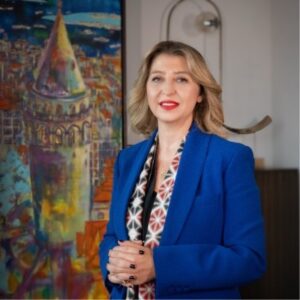
Dr. Elif Balci Fisunoglu in blue coat
Dr. Elif Balci Fisunoglu

As the fifth-leading tourism destination in the world, Türkiye Ministry of Culture and Tourism sees a comprehensive sustainability strategy as a priority for staying competitive, according to Dr. Elif Balci Fisunoglu, who serves as Türkiye vice general manager of tourism operations and development.

The mandatory phased program includes targets for protecting the environment with green energy and recycling standards. But it also includes protecting cultural heritage, promotion of local traditions and biodiversity protection in addition to promoting local gastronomy, labor force development and human rights standards. Compliance requires continuous improvement and annual compliance checks.

Read More: The Best of 2024 Sustainability Trends

“If we can provide the transformation with the hotels, then we can ask tour operators, restaurants and international partners to do business with sustainable suppliers. This will also elevate the quality of their businesses,” she said.

Megacity Opportunities

As home to one of the original megacities, tourism is a growing part of the economy. In 2024, travelers—including groups and conventions—brought $61.1 billion in revenue and 62.2 million visitors to the country of 85 million people, a 9% increase from 2023. Many took the time to explore outside the gateway metropolis to Cappadocia and Prince Islands.

Read More: MPI Gears Up for EMEC 2025 in Türkiye

The country is a tapestry of seven distinct regions, each offering its own culinary, cultural and even dancing traditions. The conference highlighted a number of forms of traditional dance, including a Sufi whirling dervish, a young woman who demonstrated spinning as a way to elevate the spirit outside the body by raising one arm toward the heavens and pointing one to the ground.

One of the most popular modern traditions that has spread around the globe is Turkish coffee, which dates back to 1540 when Sultan Suleiman the Magnificent made the strong beverage, ground in mortars and brewed in copper ibriks, a staple of the palace.

It is usually enjoyed after a meal and social customs include reading of the dregs of the coffee grounds after the liquid has been consumed.

The variety of local dishes, including a vibrant street food scene capped by “Turkish delights”—pastries and sweets with recipes dating back thousands of years—were featured at the closing Rendezvous celebration.

A Bucket List Destination

Handan Boyce resting head on fist
Handan Boyce

Handan Boyce, founder of the Turkish Meeting Professionals Association chapter and now immediate past president is optimistic about the future of Istanbul and Turkey as an incentive and meeting destination. She is an honorary board member of the Turkish Hotelier and Investors Association and founder of Handan Boyce Consulting. “The uniqueness of Turkey, it’s richness of cultural and historic heritage is in demand,” she said. “It’s a bucket list experience.”

Some ancient sites go back 10,000 years to pre-Neolithic settlements. The first organized city in the world, Catalhoyuk in southern Anatolia, dates to between 7,500 and 5,700 BC. “This is something that you cannot find everywhere else,” she explained.

“In a world of AI and the hustle of business life, going back to the roots of civilization can help people remember where we are coming from,” Boyce continued.

A conference in a modern facility such as ICEC with a reception in an antique theater or, in the case of the MPI EMEC Opening Reception in the restored Rixos Shipyard, epitomizes the mix of innovative and historic the city lives every day. “You can only predict the future if you know your past,” she concluded.

Türkiye’s past is a mosaic of Byzantine, Roman and Ottoman influences along with Scots, Irish and Armenians.

For the Love of Cats

Grey and black cat
Photo: Jan Buteijn

In Türkiye, cats are protected by law and welcomed in public places, including some mosques and were even spotted in ICEC convention center. “We love them. They’re part of us, part of our city and they make people’s hearts warmer for a minute,” explained Boyce.

Read More: 6 Pawsome Pet-Friendly Hotels Your Attendees Will Love

Universal Demographic Changes

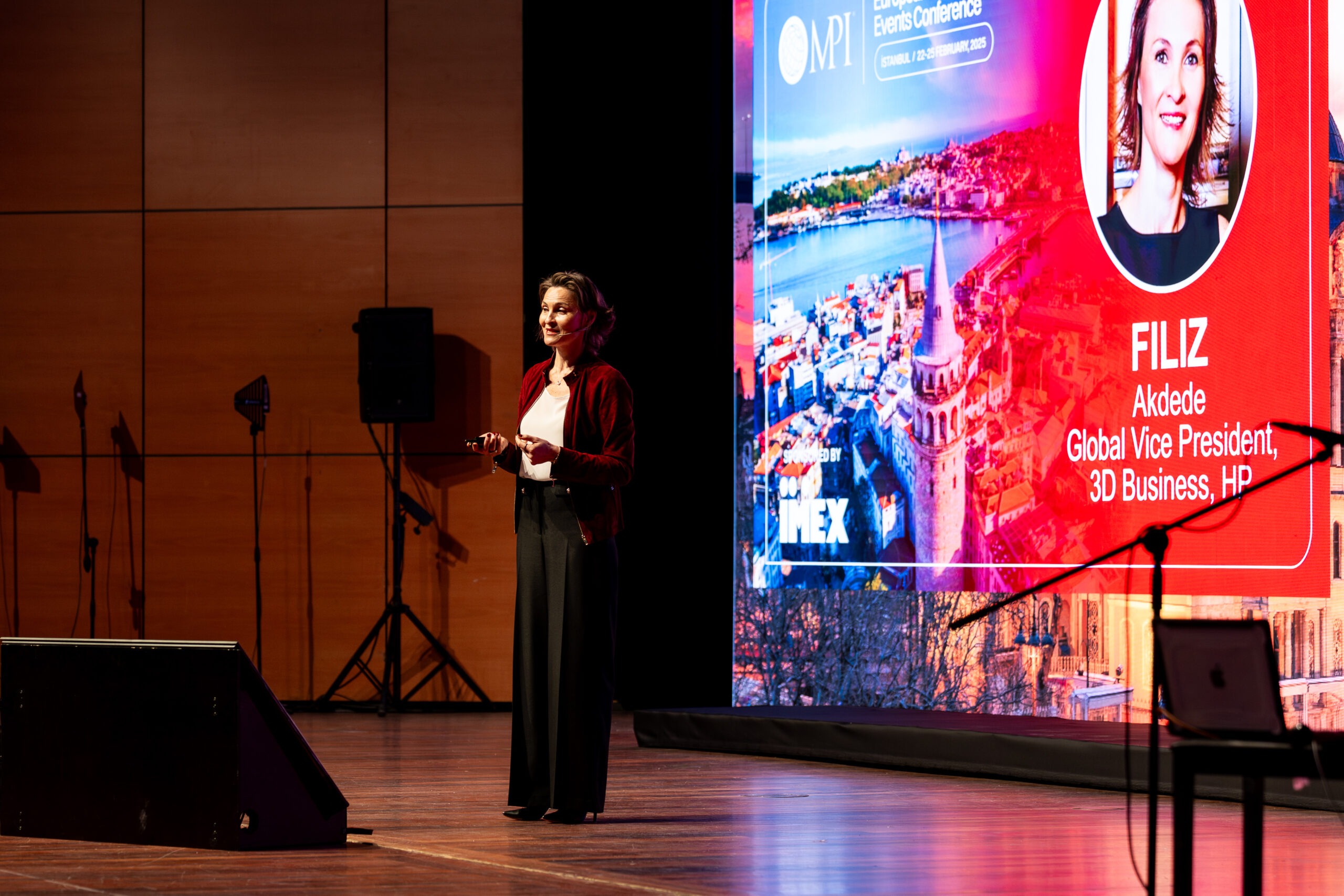
Feliz Akdede, photo: Jan Buteijn

Feliz Akdede, global vice president of 3D business for HP, shared the challenges all destinations and the meeting planners who produce events there will have to face in the coming years, including changing demographics, an aging population, lower fertility and healthcare pressures. “Gen Alpha, who were born after 2010 and lived through Covid, are more sensitive about diversity and against biases, are digital natives and look for a sense of purpose and flexibility,” she said.

She saw female leadership as perfectly aligned for working with the more collaborative generation entering the workforce. By prioritizing people, giving young employees leadership opportunities and using technology to elevate the human experience, everyone benefits.

“Instead of resisting, walk hand in hand with the change,” she suggested.

If you’re seeking a sense of adventure, these new and renovated hotels are where you’ll find it.

If you want to take your attendees on the journey of a lifetime, these new and renovated hotels are the place to do it. Whether you prefer to stay a little closer to home or venture far away, you’re certain to find an experience way outside your day to day here.

A Century of Stories Before Your Eyes

The Lodge at St. Edward State Park for New and Renovated
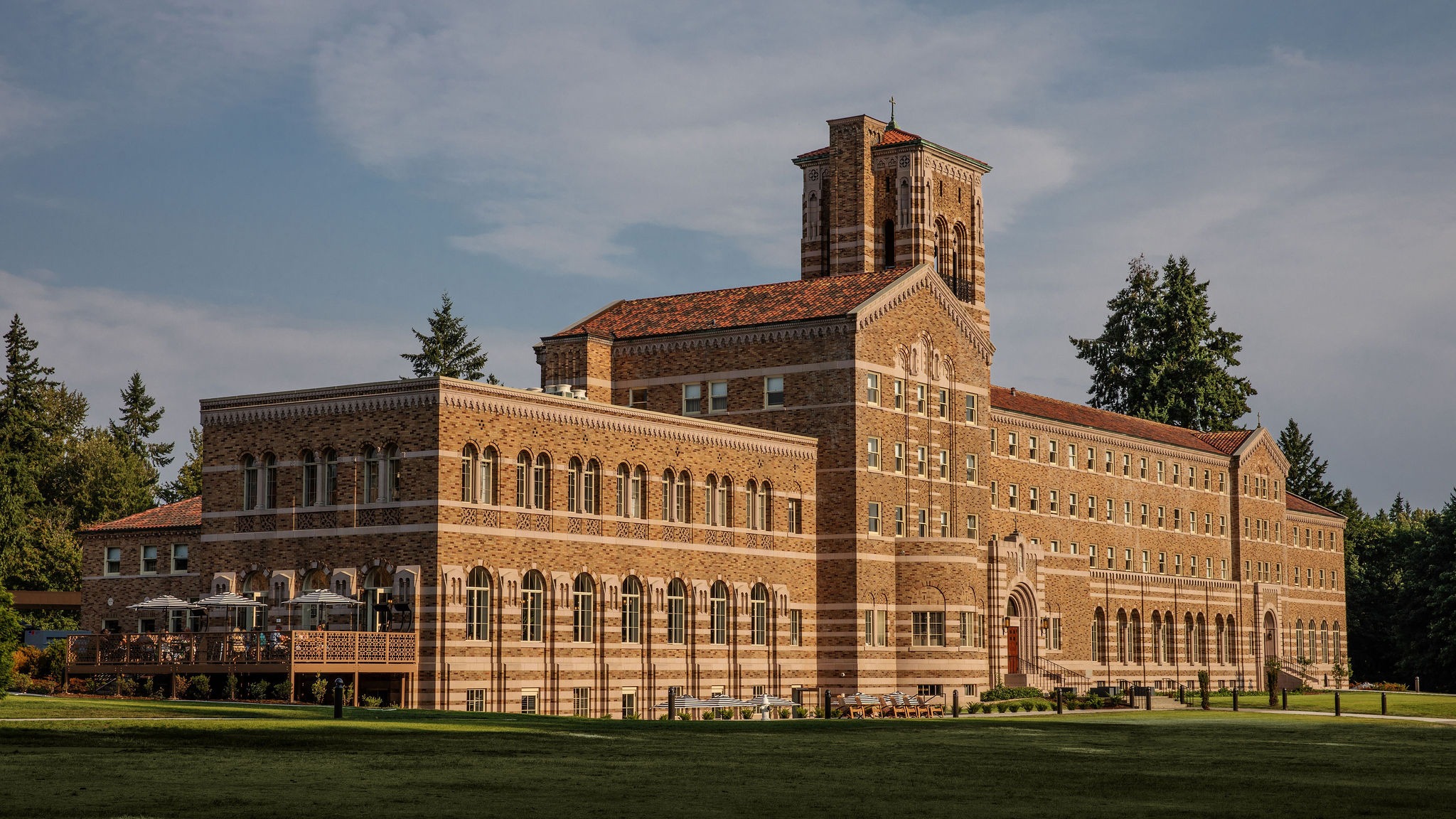
The Lodge at St. Edward State Park

If you’re looking for a space with a story, look no further than The Lodge at St. Edward State Park. Once a seminary, it is now a Michelin Key-awarded 84-guest room luxury hotel.

Although just 20 minutes from downtown Seattle—meaning easy access to and from both city experiences and the airport—visitors enter a world all its own in the heart of a lush 326-acre old growth forest.

Bishop Edward John O’Dea purchased the lot the late 1920s and later donated the land to the Roman Catholic Archdiocese of Seattle, which constructed the Saint Edward Seminary in 1931. Its notable design can be attributed to celebrated Seattle architect John Graham Sr.—whose firm, John Graham & Company, is also to thank for the iconic Space Needle. When the seminary closed in 1976, Archbishop Raymond Hunthausen worked with the state of Washington to preserve the grounds as Saint Edward State Park. Today, it’s beloved for its trails, lake views and lush fir, cedar and maple trees. Though an iconic symbol of the park, the building fell into disrepair—which you can see immortalized in the 2016 Macklemore music video to “Kevin” filmed onsite prior to the restoration!

In 2017, Daniels Real Estate entered into a public-private partnership to restore and transform the building into The Lodge at St. Edward State Park, which opened in 2021. The result of the adaptive reuse project was a Pacific Northwest-inspired lodge, with the building’s exterior façade, roof and original windows restored. What were once dormitory rooms became the 84 guest rooms; former classrooms became meeting and event spaces; the dining hall became the acclaimed Cedar + Elm restaurant, while the social hall became Remington Ballroom. It also offers a world-class spa, three on-site restaurants and bars and even a Gallery of Fine Arts in the Grand Hallway, which features a rotating showcase of works by Pacific Northwest artists.

Today, the property celebrates its achievement of a One Michelin Key for hospitality excellence—one of the highest distinctions available to hotels, which identifies properties that stand out within their categories for their character and quality of service, accommodation, amenities and guest experiences.

Cliffs and Canyons at Your Door

Red Cliffs Lodge Zion for New and Renovated
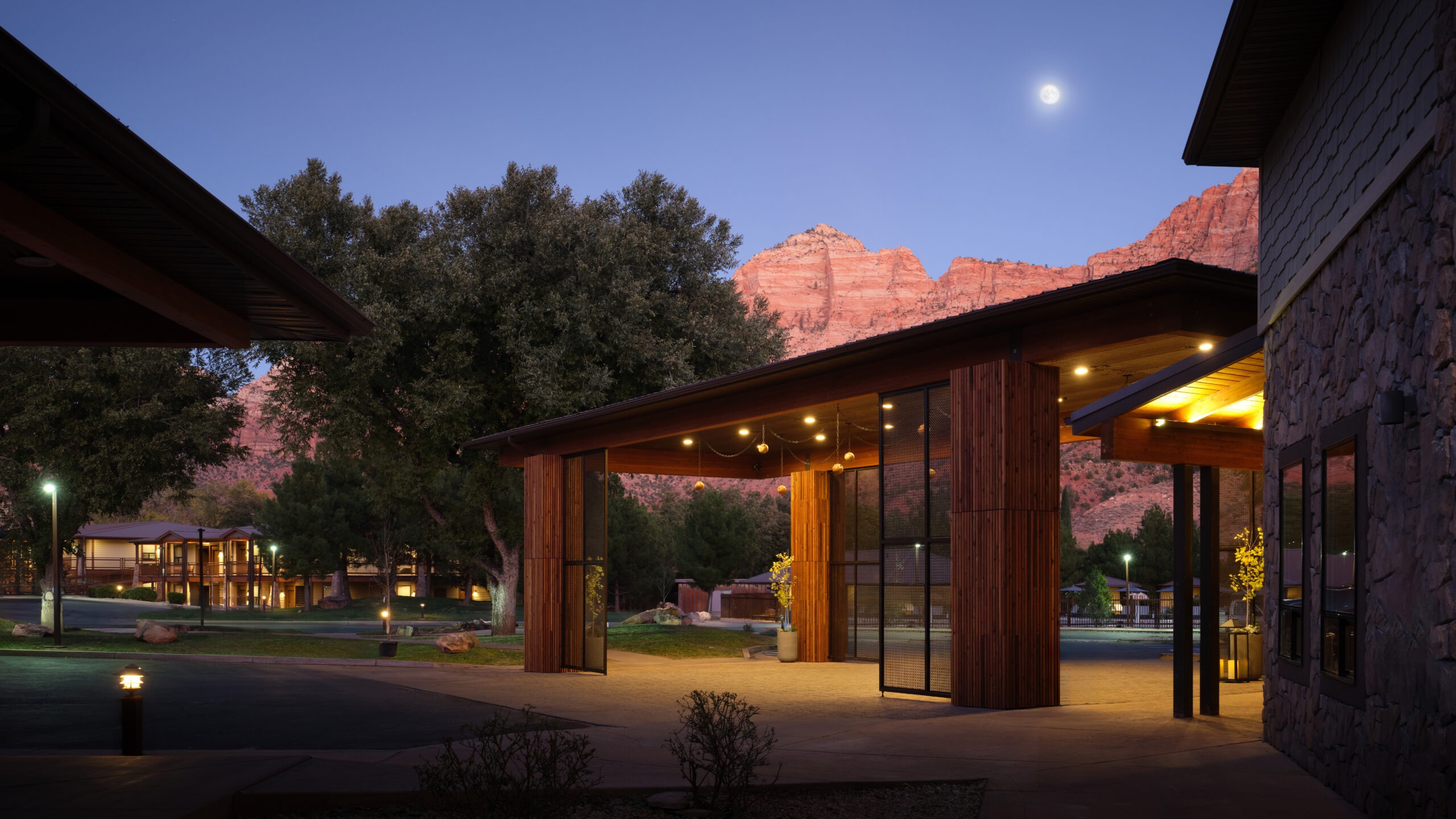
Red Cliffs Lodge Zion, A Tribute Portfolio Hotel

After completing a full property renovation, Red Cliffs Lodge Zion joins Marriott Bonvoy’s Tribute Portfolio. The redesign amplifies Zion’s natural beauty and the adventurous spirit that draws visitors to the region. Less than a mile from Zion National Park, in the heart of Springdale, Utah, it is an ideal home base for adventures throughout the park and immersive experiences in Springdale’s local culture. For those who want to take advantage of the proximity to the incredible park, the hotel’s premier activities partner and long-time National Park outfitter and guide service Zion Guru makes it easy to do so.

If you’ve ever seen Zion National Park, you know that the great sandstone formations feature everything from warm oranges and browns to bright ruby reds—the color scheme of the hotel reflects it, with bold pops of color against neutral hues. Custom artwork is inspired by the animal kingdom and Zion’s spiritual significance. The lodge feel truly comes to life when gathering around the expansive lobby fireplace. All 132 guest rooms continue this aesthetic with features like walking stick-inspired mirrors and backpacking benches with petrified stone elements. Abundant natural light alongside amenities like mini-refrigerators, coffee makers and flat-screen TVs blend style with functionality.

Alongside this renovation launch, the property debuts a new signature restaurant with Scout Bar & Grill. Whether visiting for breakfast, lunch or dinner, guests are immersed in a space inspired by a crackling campfire, with an open-flamed grill and global comfort food. Meetings and events can enjoy over 1,000 sq. ft. of meeting space; plus, post-meeting, there’s nothing like gathering around one of the many campfire pits under a clear sky filled with stars.

Read More: National Parks: A Natural Choice for Meetings

The World at Your Window

W Sao Paulo for New and Renovated
W São Paulo

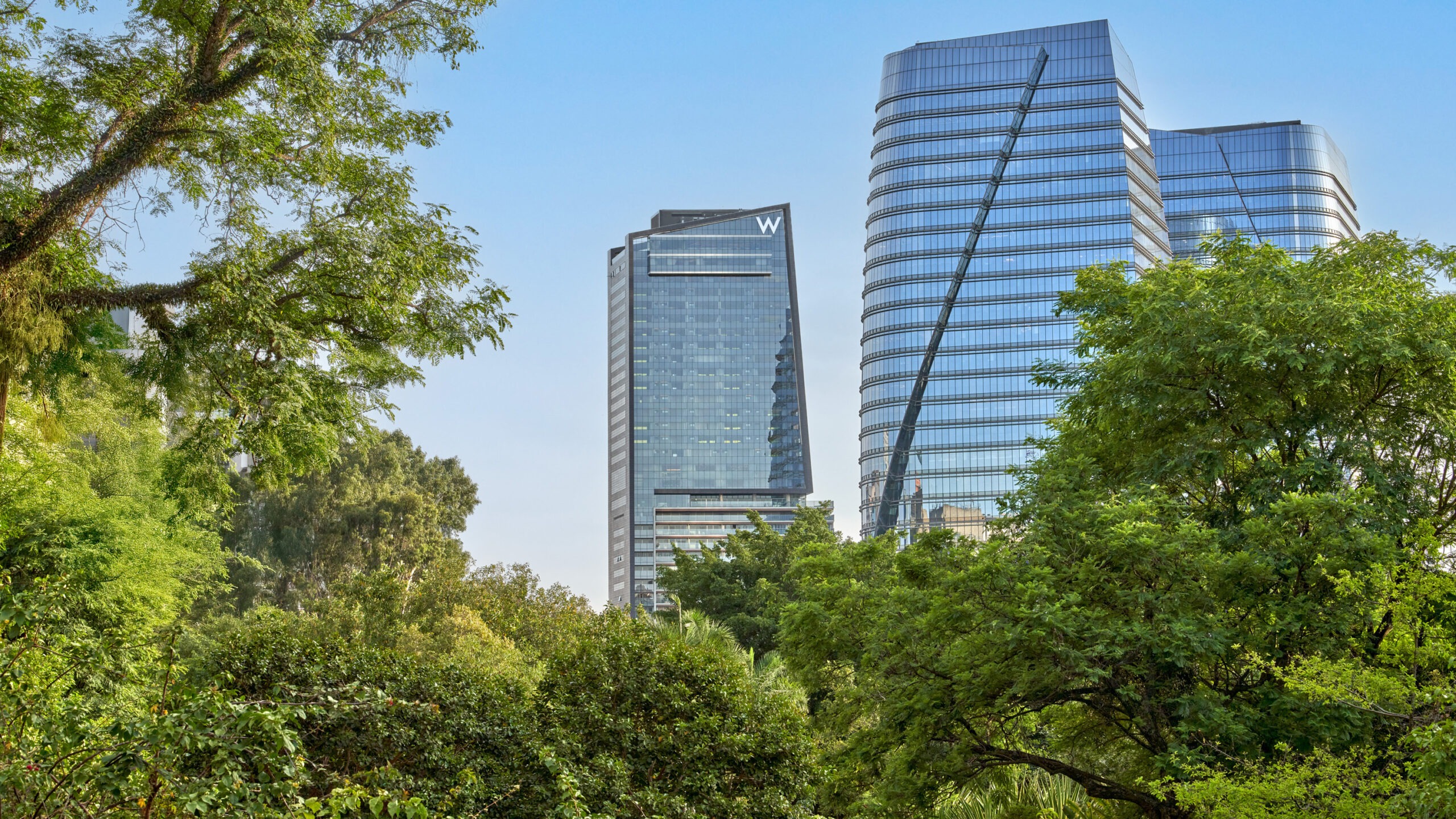
If your heart is set on venturing a bit further from home, set your sights on W São Paulo. The brand’s first property in Brazil, the property marks a significant milestone for the brand. The sleek modern skyscraper stands in the center of the city’s bustling southern business district and features a design inspired by the city’s art and music scene with a Brazilian modernist architecture style. Angular lines, sinuous curves and a vivid color scheme of greens, blues, metalics and golds characterize the space, alongside features like unique design pieces, rich textures and organic materials including Brazilian stone and wood. The 179 stylish guest rooms, including 16 suites, begin on the 25th floor, offering incredible views of the city skyline and the Pinheiros River, which are certain to inspire. From the 2nd to the 22nd floor, the hotel also offers 216 W residences.

São Paulo is a gastronomic hub of Brazil, and the hotel’s three dining experiences bring that high regard right inside the hotel. Each offers its own unique atmosphere. Head to L40 Cozinha de Latitude on the 40th floor for a blend of culinary traditions from countries along the 40th latitude, including Portugal, Spain, Italy, Greece, China, Japan and the United States, while seamlessly integrating Brazilian ingredients and techniques. Baio Cozinha Sulista offers an innovative, contemporary take on Southern Brazilian cuisine with seasonal, local ingredients, while Yōso Bar and Café offers a Japanese mixology experience in a sophisticated atmosphere.

Visitors also enjoy plenty of opportunities to relax and unwind. At the AWAY Spa, guests can enjoy personalized spa experiences crafted with Brazilian ingredients including açaí, bacuri, buriti, umbu and butià for an immersive wellness journey. The property also offers a FIT Gym and WET deck with an outdoor pool. Meetings and events can take advantage of five event spaces, including the 4,305-square-foot Great Room. When not exploring the city—which is easy to do with the ornate walkway that bridges Rua Funchal to Rua Helena—guests can enjoy a curated selection of programs, including the Sunset Ritual at the WET Deck, Stretching Bozza Nova at FIT, wine tasting at Baio Restaurant, and more.

When you invite 300 people to showcase your company’s recent products, you have to make an impact.

That’s what French car manufacturer Renault did when they partnered with European event producer Europalco at MH Atlantic Hotel in Peniche, Portugal, to display the company’s cars in an engaging, immersive way for the audience who attended its annual Renault Group Convention 2024.

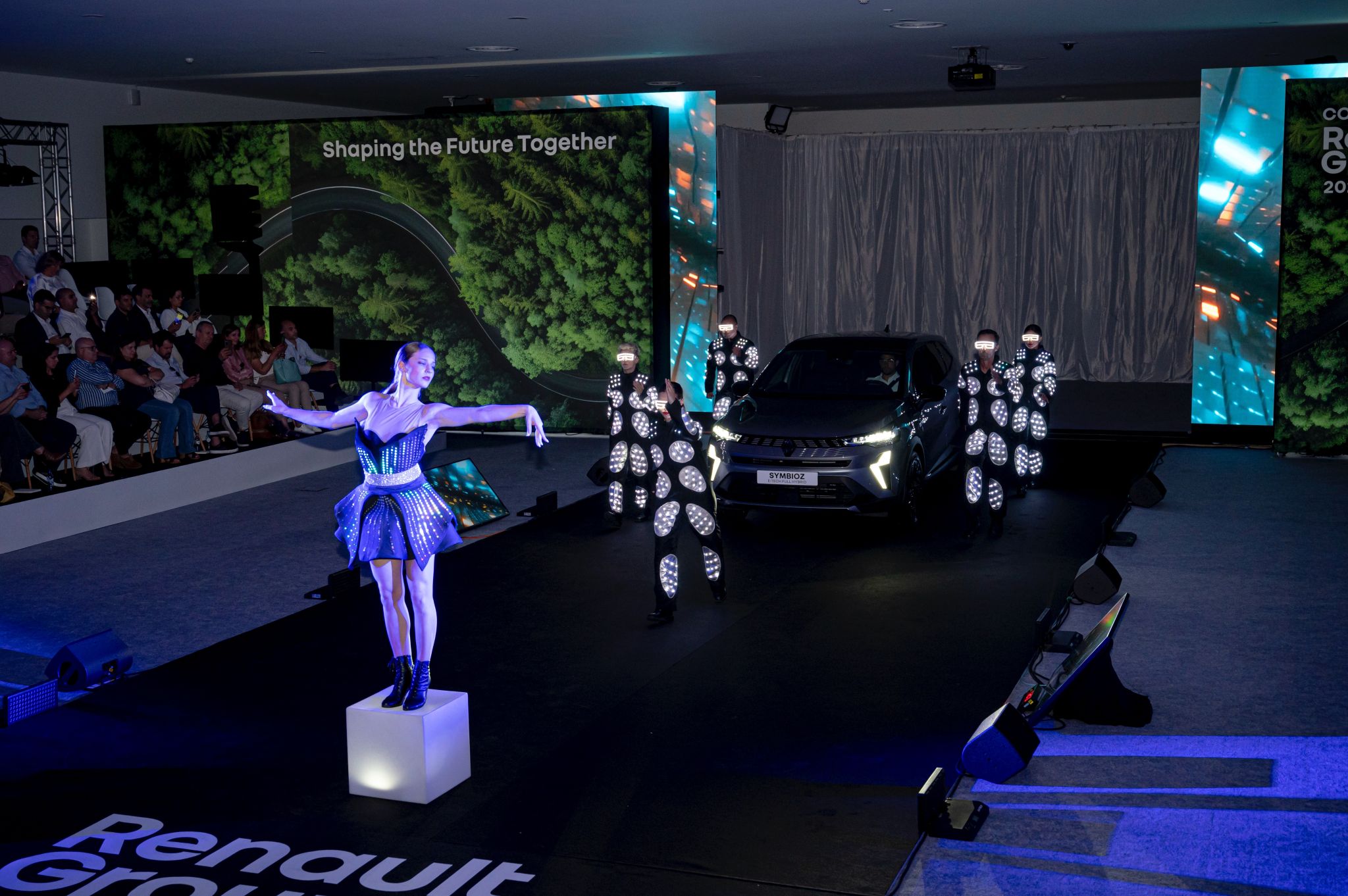
The last time Europalco created an event for the car manufacturer was in 2019, for its Clio R-Evolution Show—six years later, there were a lot more moving parts and event features made to engage. Design elements like a central stage entrance (think a fashion runway, but for cars), automated features, like an LED wall and moving rails with automated horizontal movement, and robotic lighting.

Europalco’s Uses Event Tech to Engage Audience

The LED wall had two uses. Along with the visual element, just behind the wall was a storage area where the cars waited for their debut. “When each reveal moment arrived, the car was moved to the opening area, allowing for an interesting and well-coordinated visual dynamic,” Magalhaes explains. “The use of robotic systems to move the cars accuratelyand synchronized with the LED panel effectshelped create a modern and innovative atmosphere, giving the audience a sense of high technology in action.”

Read More: How Technology Can Help Us Build a Greener Events Industry

The company wanted to experiment with integrating these automated features, paving the way for future developments—but they also provided a solution to a problem.

“The idea behind the stage design and automated features, like the horizontal movement rails and robotic lighting, came from the challenge of [how to] reveal various vehicles to different groups of people,” says Pedro Magalhaes, CEO of Europalco. “The solution was to create a space where the cars could be hidden, allowing for a dynamic and surprising reveal. The movement rails played a crucial role in creating this effect, allowing the vehicles to appear smoothly and dramatically.”

Robotics played a key role in engaging the audience and facilitating the message Renault and Europalco wanted to get across. “The concept was to link the event to a futuristic and technological idea, and the automated lighting, combined with precise movements, helped create that atmosphere,” Magalhaes says. “The robotics not only enhanced the visual effect but also ensured smooth and immersive transitions between moments, making the overall experience more engaging for the audience.”

Technology and robotics may be linked to futuristic ideas, but an event’s design layout is not to be underestimated; it’s the foundation of an immersive experience. Europalco’s central stage design played an integral part in how attendees experienced the event. “One of the strong points was the structure of the stands with platforms, which allowed the audience to have a 180-degree view, ensuring everyone could follow the event up close and without blind spots,” Magalhaes says. “This made the experience more inclusive, allowing everyone to feel part of the moment.”

Solving the Problem Before It Happens

“One of the key lessons we learned from this year’s Renault Group Convention production was the importance of anticipating every detail of the event,” Magalhaes says.

Read More: Evolution of Spatial Design Technology Could Simplify Event Planning

From the beginning, the Europalco team conducted technical site visits, allowing them to measure the space and analyze the infrastructure. They then developed a 3D model of the venue and created the necessary technical drawings for carpentry and production. Magalhaes says this approach helped identify potential issues before they arose, making the logistics and production smoother.

“As the event took place in a hotel with a strong presence in the event market, the priority was always to have the space designed in 3D with all the exact floor plans and measurements,” he says. “This process, which we regularly follow with all the venues we work with, ensures we have a clear view of the space and its limitations. This way, we can centralize our experience and optimize the work of the different departments, ensuring a smoother execution without unexpected issues.”

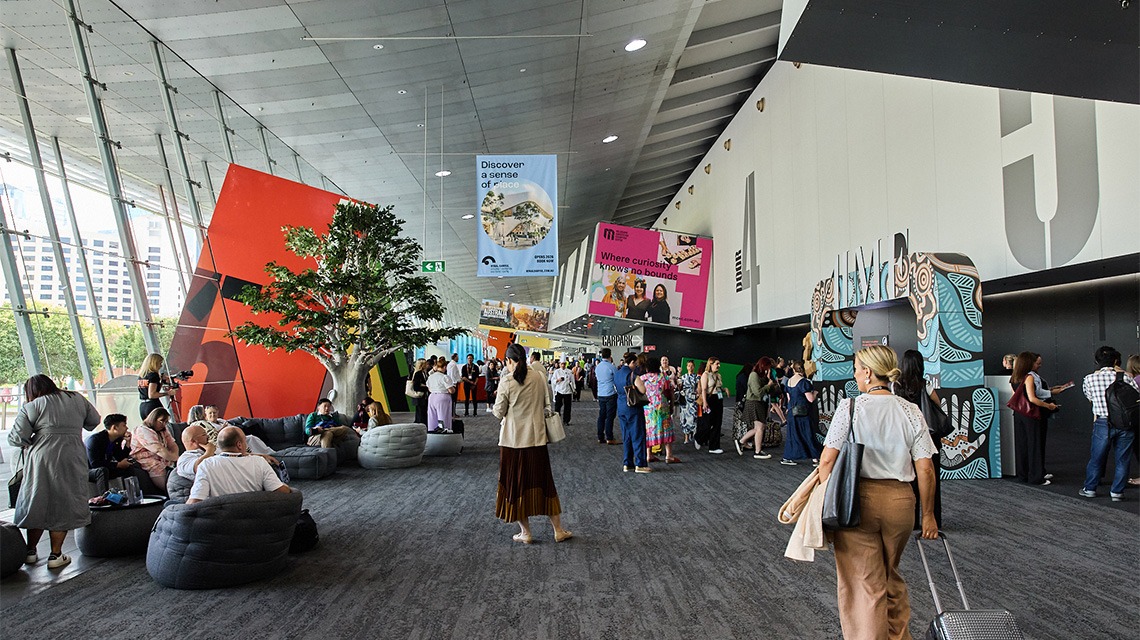
Earlier this month, Melbourne played host to AIME (Asia Pacific Incentives and Meetings Event) 2025—it’s been called the “IMEX of APAC” —at Melbourne Convention and Exhibition Centre. The event broke previous records by drawing over 4,500 attendees and 675 exhibitors, all while leveraging an AI-powered meeting matching platform that’s been fine-tuning business connections at AIME for three years.

Smart Meetings was there, and as part of a growing influx of international visitors—from American buyers to global industry leaders—I had the opportunity to speak with three key players in the region’s MICE industry: Robin Mack, executive general manager for commercial and business events at Tourism Australia; Julia Swanson, CEO of Melbourne Convention Bureau; and Matt Pearce, CEO of Talk2 Media & Events, which produces AIME. Their insights reveal not only how Australia is bouncing back post-pandemic, but also the trends and innovations they’re seeing across the meetings and events industry.

Australia Is Back

Robin Mack of Tourism Australia emphasized that, following the pandemic, the destination is rebounding robustly. “We’re back 100% on the spend we had pre-Covid for the sector. Overall, we’re about 76% back on numbers [of visitors], so we’re getting fewer people spending more when they come in,” he explained. That percentage is expected to climb; Mack also noted, “The outlook we’re hearing from our industry is super positive—incentives and associations are driving a healthy pipeline with wins already lined up out to 2029.”

Read More: The World Is Open for Business

When asked what makes Australia unique as an incentive destination, Robin pointed to the There’s Nothing Like Australia campaign. “It sets us apart from other destinations. One of the key selling points is our natural environment—you can be in a bustling city and still be minutes away from expansive natural wonders. For instance, in Far North Queensland you’ve got the Great Barrier Reef alongside the world’s oldest living rainforest. This kind of diversity, combined with excellent connectivity and competitive pricing, really gives you a sense of place that’s hard to match.”

When asked about headwinds facing the business events sector in Australia, he remarked, “I think the challenges we had have been overcome. Aviation is returning, and for the U.S. market, we’re now seeing connectivity improvements with direct links from Dallas, L.A. and San Francisco into Brisbane, Sydney and Melbourne. With new long-range aircraft on the horizon, the future looks very bright.”

Melbourne: A World-Class Destination

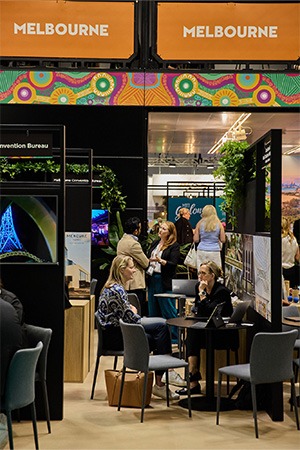
Melbourne booth at AIME showfloorJulia Swanson of Melbourne Convention Bureau highlighted how the city differentiates itself on the global stage. “We really are a significant international player within the Asia Pacific region,” she said. “Our bureau is a full-service partner that goes beyond simply providing venues. We build deep connections across sectors—from health and science to business and engineering—and bring in keynote speakers, policymakers and subject matter experts to support every event from the bidding stage through to execution.”
Discussing the trends shaping the industry, Swanson noted the increasing importance of sustainability and innovation. “Sustainability is at the forefront. We focus on low environmental impact by leveraging our convention center’s 6-star Green Star rating [Note: MCEC was the first convention center globally to attain this level of environmental sustainability] and promoting walkable, transit-free event options. Moreover, the use of AI for business matching, like with the Grip platform that’s been running for three years, is transforming how meetings are scheduled and ensuring that every connection is meaningful,” she explained.

Read More: Sustainability Tools for Easier Green Planning

The AIME Advantage: Making Every Connection Count

Matt Pearce of AIME shed light on what sets the event apart. “AIME has established itself over its 32-year history as the place where Asia Pacific meets,” he stated. “While IMEX might be in [America’s] backyard, people still travel from Europe and beyond because they know the value and distribution opportunities that IMEX brings to the table. It’s the same with AIME.”

When discussing how AIME fosters meaningful connections, Pearce explained, “We’re not just about hitting vanity statistics, like 20,000 meetings. It’s about ensuring the right people are meeting for the right reasons. With our AI-driven platform, we go behind the scenes to fine-tune every match. We’re not a transactional sale—it’s about building relationships that lead to real business outcomes.”

On the emerging trends, he shared these thoughts: “It used to be all about value for money, but now it’s value for time and personal development. People expect their time at a show to yield not just business opportunities but also meaningful professional growth.”

That professional growth should also come with efficiency and sustainability in mind. Pearce said, “There’s also a growing trend toward scheduling multiple, complementary meetings—maximizing travel efficiency without necessarily increasing your carbon footprint.” It’s a trend AIME jumped on this year; Pearce told me at the time, “So this week, we have AIPT (Australian Institute of Personal Trainers), and there is also UFI, which is the International Exhibition Association. They have their Asia Pacific Congress here on Thursday and Friday. That was deliberate because there is a group of people who cross over, so they can come to AIME, they can go into AIPT and they can go to UI.”

Wrapping Up

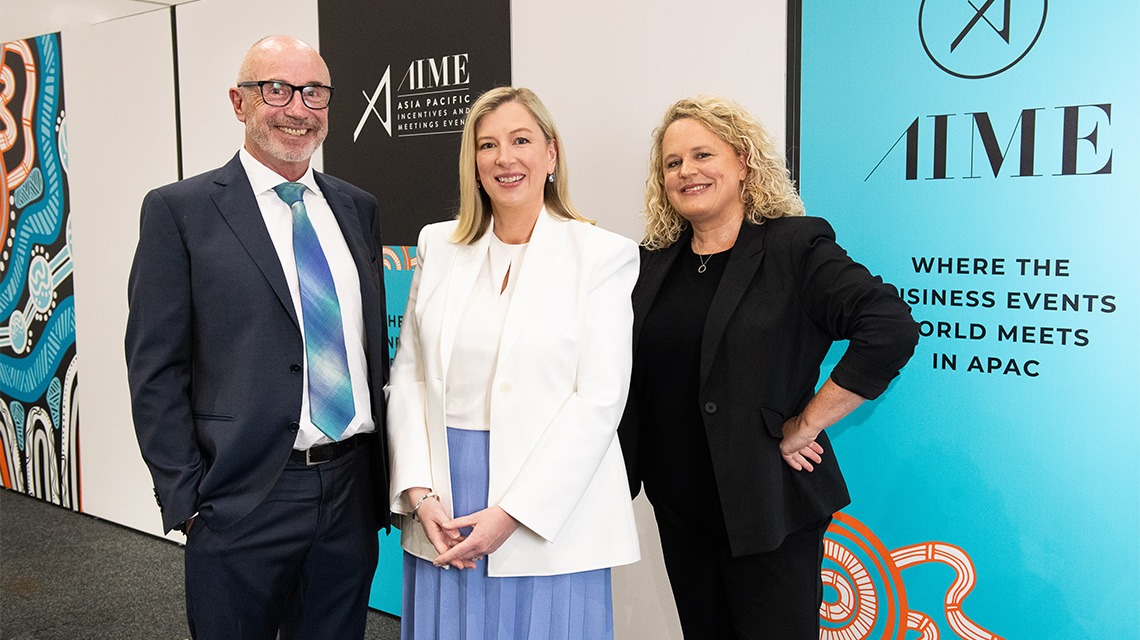
Matt Pearce on left and Julie Swanson in center
Matt Pearce (left) and Julia Swanson (center)

The insights from Mack, Swanson and Pearce underscore a pivotal moment for Australia’s business events industry. With robust recovery, innovative technology and a strong focus on sustainability, AIME 2025 is more than just an event—it can be used as a blueprint for the future of global meetings. As Australia maintains its status on the international stage, planners now have a wealth of lessons and trends to guide them in crafting events that are engaging, efficient and forward-thinking.

Whether it’s harnessing AI for smarter meeting matching or capitalizing on Melbourne’s unique blend of urban connectivity and natural beauty, the takeaways from AIME 2025 are clear: the business events landscape is evolving, and Australia is among those leading the charge.