Office Holiday Party Season

It’s that time of year again: office holiday party season. Instead of overindulging at the open bar or trying to make moves on a colleague under the mistletoe, use the year-end gathering to your advantage. Avoid committing the obvious faux pas and boost your professional image for a bright year ahead.

1. Lay off the booze, or at least limit yourself to two drinks. The next day, you’ll be thankful no one is gossiping about your potentially bad behavior.

2. Use the office party as a chance to network. Mix and mingle with colleagues you don’t normally interact with, and be prepared to engage in small talk.

3. Leave work talk aside. Try discussing co-workers’ interests and families instead, and they may come to see you as a friend.

4. Don’t bring a guest, unless it is specifically stated that he or she can attend. Plus, if they over-do it at your office shindig, it will reflect badly on you.

5. Be a team player by helping out during the party, as it will leave a lasting impression. It’s also wise to thank the host before you go.

dining-etiquette-tips-for-event-professionalsBusiness is not just conducted in the office…quite often it takes place over a dinner table in a restaurant or hotel. Whether dining with clients or co-workers, it behooves event professionals to bone up on their dining etiquette.

Which is the salad fork? Should you order the pasta? What about alcohol? To avoid a faux pas, Lindsay Kolowich has compiled a comprehensive list of dining etiquette tips that will help you make a positive impression at your next business function. Here are some of the highlights:

Prior to Meeting

Have a snack. You don’t want to be so ravenous that you can’t concentrate on the conversation.

Disable your phone’s ringer and vibrator, and do not take it out during the meal.

Arrive promptly. It is better to be early than late. If your host is late, wait at least 15 minutes before calling them.

The Meet Up

Greet everyone professionally. Say hello to those you know, shaking hands and maintaining eye contact. Introduce yourself to those you don’t know, and try to remember their names.

Stash your gear. Don’t put your purse, sunglasses or cell phone on the table; discreetly store all belongings on the floor or behind your back on the chair. If you have a coat, hang it up or neatly drape it over the back of your chair.

Remain standing until the host takes a seat. If there is no host, wait until the oldest person sits down.

Lay your napkin in your lap. Do not tuck it in your shirt. If you leave the table to visit the restroom, place the napkin on your chair rather than on the table.

Acknowledge your place settings. Your bread plate is on your left; glassware is on your right. Utensils are set in their order of use; start from the outside and work inwards. The salad fork is smaller than the meal fork.

Ordering

Limit alcohol consumption. If the host suggests a drink, it is appropriate to imbibe; however drink it slowly and have just one.  Good non-alcoholic alternatives include club soda and iced tea.

When ordering, follow the lead of the host. If he or she does not choose an appetizer, don’t order one. Avoid complicating your order by requesting substitutions, and don’t select the most expensive item on the menu.

Stay away from sloppy foods such as spaghetti or lobster, as well as items that can get stuck in your teeth (such as things with seeds.) Better choices include chicken, fish or salad.

Dining Tips

When pouring water from a pitcher, fill the glasses of your neighbors first.

Bread and butter. If there is a bread basket, help yourself and then pass it to the right. If it comes in a loaf, tear off a piece by hand rather than using a knife. When eating, separate it into bite-sized chunks. Use your butter knife to select some butter from the communal dish, and smear it on the side of your bread plate.

Wait before digging in. Make sure all guests have been served and your host starts eating before you begin.

Correctly hold utensils. Cultures vary with this. European/Continental style dictates that you hold the food down with your fork in your left hand and cut it with the knife in your right hand. Keeping the fork in your left hand, bring the food to your mouth so the back of the fork faces upward. American style has you cutting the food the same way, but placing the knife down on the edge of the plate, and transferring the fork to your right and turning it so the tines face upwards before taking a mouthful. With either style, never lean the handles of the utensils on the table. Make sure they fully rest on your plate. When eating with chopsticks, avoid spearing the food or using the chopsticks as pointers.

More on utensils. If you leave the table but are not yet finished eating, indicate this to the server by correctly resting your utensils. European/Continental style has you placing the knife turned inward and fork with tines down, crossing the knife in an “x” position.  In the American style, place the knife on the right hand edge of the plate with the blade turned inward and the fork tines up. Rest chopsticks in a chopstick holder or side-by-side on top of your bowl instead of sticking them into the food.

Eating etiquette. Don’t cool down hot food by blowing on it. Spoon shared sauces on your plate. Don’t salt your food before tasting it. Cut the food one piece at a time, instead of all at once. Consume soup from the edge of the spoon instead of putting the whole spoon in your mouth. Although slurping is considered rude in America, it is an acceptable practice in Japan*, where you can also tilt the soup bowl and drink from it.

Quantity. Don’t overeat or volunteer to finish someone else’s food. Also, don’t leave your food untouched; that may communicate that you disliked your meal. Eat at the same pace of the other diners.

Conclusion

Finishing up. Indicate you are done by properly retiring your utensils. In the European/Continental style, place the fork (tines down) and knife side-by-side on your plate. In the American style, place the fork tines up.

Offer to pay, even if you know the host will take care of it. Do not argue or request to cover the tip.

Thank the host, and follow up with an email or handwritten note.

* In some regions of the world, etiquette differs. When dining in a foreign country or with guests from another nation, investigate the particular etiquette traditions in advance.

dressed-for-successIt has been said that clothes make the man (or woman), but what exactly does the phrase dressed for success mean, especially as it relates to business?

Long ago the rules were formal and precise. Men sported dark suits with pressed shirts and ties; women wore conservative dresses or skirts with sensible heels and hose. For both sexes, shoes were polished, accessories were modest and hair was neatly trimmed.

The tide shifted several years ago when companies began to embrace casual Fridays. Dress codes in all industries were relaxed. Men arrived for work in khakis and collared sport shirts; women wore slacks and sweaters. Casual Fridays then went berserk—basically occurring Monday through Friday.  Employees became increasingly lax about their wardrobes, often showing up to the office in T-shirts, jeans and sneakers.

A New Trend of Dress for Success

Blogger Sherri Scheck-Merrill suggests that times are changing again. In a post on hotelsmag.com, she happily notes that the days of workers wearing pajama bottoms and Uggs seem to be over, at least among younger workers.

Business professors and Internship programs “are spearheading a movement where students are encouraged to dress in business attire… in class, while participating in job interviews (mock or real) or attending intern and career fairs,” she writes. They are recognizing that when they sport proper business attire as opposed to casual wear, co-workers tend to act, speak and think differently towards them.

According to Scheck-Merrill, research confirms that the way people dress affects how they act and feel. “The psychological association between business attire and possessing traits of intelligence, confidence and charisma are actually installed during childhood. And the same holds true for casual attire and its association with being easygoing, laid back and easily approachable. Ironically, the same psychology can be applied to how society views those dressed in a uniform—whether it’s a police officer, flight attendant or front desk attendant,” she writes.

Hotels Are Re-Examining Uniforms

Most hotels require employees to wear standard uniforms, however a growing number are revamping them to suit the style of the millennials who sport them. In a recent posting on travelandtourworld.com, 93% of millennials say they want a job where they can be themselves at work, which includes dressing in a way that makes them feel comfortable and stylish. In response, many hospitality companies are moving to more fashion-forward uniforms.

At the JW Marriott Grand Rapids in Michigan, male employees are wearing fashionable suits with colored pocket squares. Like the sleek, downtown hotel, the attire is sophisticated and polished, yet unpretentious. In Florida, Hilton West Palm Beach has gone casual chic; valets sport black Adidas shirts while bartenders have leather vests and baristas wear trendy flat caps. In sexy South Beach, employees who work at the W South Beach WET deck are draped in a collection by Wet & Sea, a local Miami brand, and sport eyewear by designer Garrett Leight.

tips-for-building-great-teamsThe strongest organizations excel at building great teams. While there is no set formula for building great teams, there are certain tips planners can use to improve their chances. A recent blog posting on HubSpot offers the following 9 hints:

1. Seek out potential stars in your organization that have high standards and want to contribute to a project where they can have real impact.

2. Look for those who embrace debate. When handled civilly, disagreements actually bring cohesion to teams.

3. Avoid individuals who tend to dominate discussions. Concentrate on those who are not afraid to contribute to a conversation, but also possess good listening skills.

4. Welcome diversity. Include team members of different ages, genders and races who have different backgrounds and strengths.

5. Certain people possess the ability to read others’ emotional states. This can be a very valuable trait. When assembling a team, look for those with high emotional IQs.

6. Focus on workers that are committed to doing their best on a daily basis.

7. Ego can get in the way of achieving corporate goals. When building great teams, handpick those who consistently focus on what’s best for the company rather than their own individual goals.

8. Choose team members who will value and maintain a work-life balance. If they are going to work hard for the company, they will need to devote equal time to their families and social lives.

9. Create informal opportunities for group engagement and communication outside of formal workplace settings.

Trade Show Tips for Exhibitors

Exhibiting at trade shows is a guaranteed way to increase business and find new opportunities to share products and services. But it can also be a daunting task. With hundreds of people walking by your booth and several other groups clamoring for attention, it can be a challenge at times to stand out from the crowd. Thankfully, there are a few simple ways to make sure your next trade show experience is a successful one. Nicole Lininger of InventHelp is an expert at pitching ideas and preparing for trade shows.

She offers these five trade show tips for exhibitors:

1. Pitch Perfect— Companies want to hear why your product should be in the market place. In order to draw visitors to your booth, you need a hook that includes product features, benefits and statistics to back up your statement. Finish your pitch with a call to action, such as offering a business card. Because trade show attendees are walking by several booths in a short span of time, keeping pitches less than 2 minutes is crucial.

2. Appear Approachable—Remember to stay calm and have an approachable persona even if you are feeling frazzled. Let your personality shine through and be passionate about your business. Body language is everything—avoid crossing arms and stand up straight to exude confidence. Maintain eye contact to appear genuine. Every first impression is essential to building your brand and business, so make it count.

3. Booth Buddies— Trade shows can often be overwhelming, with numerous events happening in the course of the day. That’s why it’s helpful to bring a business partner who is equally knowledgeable about your brand and services, and can also man the booth. While networking with another company or attending scheduled meetings, someone can keep a presence at your station in order to avoid losing potential business or exposure. Having another person by your side also gives you the chance to take breaks and stay positive.

4. Be Memorable—You don’t have to spend a lot of money to make your booth an inviting place. But it is important to keep it looking professional and reflective of your brand and services. Make sure to provide business cards or flyers with your information. This could include meeting apps, mobile networking devices and QR codes that make it easy to exchange contacts and keep track of whom you’ve met. Treats and giveaways also help increase foot traffic to your booth.

5. Network with Everyone—Some exhibitors might think that it’s unhelpful to network with fellow competitors, however this is not always the case. Trade shows are in opportunity to talk to everyone and take advantage all the opportunities and resources available. You never know when a connection could be of service in the future.

Productive Stand Up Meeting

Ask any employee how they feel about meetings, and the responses might be less than enthusiastic. The number of meetings that occur in a day can have a detrimental effect on the amount of productivity that happens in the workplace. On the other hand, meetings are often the most effective way to share ideas and make sure staff is on the same page. But fear not, because there is a happy medium.

Stand-up meetings, also known as scrum meetings, are changing the way group discussions take place. Simply by the mere act of standing instead of sitting, these types of meetings are shortened to avoid the discomfort of standing for an extended period of time. Stand-up meetings typically last around 15 minutes, making it imperative that participants stay on topic and keep conversations short and to the point.

For optimal results, follow these eight pointers for productive stand-up meetings.

1. Schedule a regular time and place for meetings to occur. This way, group members can anticipate issues that need to be addressed and come up with questions and talking points beforehand.

2. Regular stand-up meetings can be structured to promote follow-up conversation and identify problems early on.

3. Take turns speaking and avoid interruptions by passing an item around to show whose turn it is to speak.

4. Discuss progress made since the last stand-up meeting, and plan for any future challenges. It’s also a good opportunity to ask for help or collaborate.

5. Keep number of participants to as few as possible to increase engagement and allow enough speaking time for everyone.

6. Take account of slowly progressing items and immediate deadlines to determine what actions can be taken.

7. Hold stand-up meetings across different departments to transmit important information at once, thereby lessening emails and improving communication.

8. During conferences, hold breakout sessions around standing-height tables to reap the benefits of scrum meetings and stay within session time limits.

make-a-good-first-impression

It has been said that you never get a second chance to make a first impression. Whether it’s a job interview, a preliminary meeting with a potential client or even a blind date, research indicates that you will be judged in the blink of an eye. In fact, Princeton psychologists Janine Willis and Alexander Todorov discovered that it takes people just one tenth of a second to form an impression of another person.

Give yourself an edge to make the most of that time flash. In a posting on Hubspot, Jacqueline Zenn offers some valuable tips for putting your best foot forward, sharing some suggestions to ensure that the first time you meet with someone won’t be the last.

9 Ways to Make a Positive First Impression

1) Be aware of your posture and body language. Whether you like it or not, you are always communicating subtle nonverbal messages. Adopt an open stance, which means not crossing your arms or legs. Lean in when talking. Avoid foot tapping, excessive face touching and blinking.

2) Control your tone of voice and pitch. A high-pitched voice sounds nervous and childish, while a deeper voice appears more self-assured. Women tend to add a rising inflection at the end of their sentences, which gives the impression that they are less knowledgeable. Although they may be hard to follow, fast talkers come off as more confident. Avoid conversation filler phrases such as “um” or “like,” which communicate hesitation.

3) Select words with care. Use positive and persuasive words and phrases. They will make people around you feel more comfortable, which will ultimately make them more eager to work or bond with you.

4) Consider your appearance. It is more important that apparel be neat and clean, as opposed to stylish. Aim to match or slightly exceed the level of formality of the person or business you are meeting with. Accessories can accent your personality or be used as conversation starters.

5) Focus your attention on the person you are speaking with. Mute your phone, disable email message alerts and don’t doodle. Attempt to make eye contact, however be aware that certain cultures eschew eye contact. Also, if the other person disagrees with you, they may purposely avoid eye contact.

6) Do background research before arriving in order to learn more about the person you are meeting with. You will make a more positive impression and conversation will proceed more smoothly if you know a bit about the person or the company in advance.

7) Don’t waste people’s time. Showing respect for other people’s schedules is an important component in not only making a positive first impression, but building a long-lasting relationship.

8) Be yourself. Don’t pretend to be someone you’re not. Be honest if you don’t know the answer to something that is asked.  Don’t hide your weaknesses, however avoid over emphasizing your shortcomings.

9) Follow up after an initial meeting with a short email or thank you note. The small gesture will make you stand out in the crowd, and give you another chance at making an impression.

presentation-tips

Meetings industry professionals have an ever-growing number and variety of digital and other choices when making presentations to clients and stakeholders, but often make wrong choices because they don’t carefully consider the groups’ mindset and needs.

Ranjith Kumaran, CEO of Hightail, makes four recommendations for delivering presentations in several contexts, including face to face, by email, phone, video conference and specialized software.

1. Provide a clear context: Come prepared, with a thorough knowledge of the situation and an understanding of what the clients would like to achieve. But don’t assume that your clients have been spending as much time as you have mulling over your subject matter. Introduce key goals and how you are able to achieve them.

2. Control the environment: Rather than requiring your clients to download an email attachment or navigate through a shared folder, use dedicated software to host your video, image, presentation or PDF. By providing access to the work via a simple link click and using a well-designed app, your presentation becomes more polished and professional, As a result, the presentation is easier for clients to understand.

3. Guide their feedback: Remember that you aren’t merely trying to put on an impressive show for your clients; their response is vitally important. Provide a streamlined way for them to give meaningful feedback by using a dedicated collaboration tool that collects comments and conversations in one place. Otherwise, you will need to sort through a flood of emails, text and phone messages, and more. Also, be clear about when their feedback needs to be submitted.

4. Sweat the small stuff: Mistakes made in face-to-face presentations usually can be easily rectified, but digital errors, such as sending the wrong version of a file, can stand out for a long time. So, it’s important to check and double-check your work, and when sharing visual files, send the best quality version possible.

business-travel-tips

A recent study conducted by Booking.com surveyed 4,555 global business travelers to find out what stresses them out about international travel and how wide reaching these stressors were.

Those polled have traveled internationally four times or more in the last year, and the study found that 93 percent of them agreed that international travel overall stresses them out.

Travel in general can be stressful—anything that isn’t home is foreign—but take that outside of your home country, and there are so many variables to account for, yet business must be performed as usual.

“While business travel has so many positives, including the opportunity to experience new cultures, broaden horizons and the chance to meet colleagues face-to-face, the logistics of business travel can get in the way,” Ripsy Bandourian, director of product development at Booking.com for Business said in a statement. “Airport queues and delays, the accommodation at your destination lacking home comforts and lack of personal time can add a layer of unnecessary stress.”

The study identified some of the biggest factors that stress out international travelers. We’ve identified some additional tips to cope, prepare for and/or prevent those stressors.

32% — Missing a flight/train

If you’ve missed the first leg of travel (i.e. it’s not due to late arrival of your first flight) it’s likely due to poor timing. There will always be unexpected factors such as bad traffic and long security lines. Give yourself plenty of time to get to the airport or station. If you’ve never been there before, factor in some extra time for getting familiar with the area and finding your gate.

You should also consider an expedited security plan such as TSA PreCheck, Global Entry, or Clear, that will get you into shorter security lines so you can be on your way.

Of course, traffic and delayed flights that ruin your next flight plans happen, and there is no way of preventing them. The best thing you can do is expect the unexpected. These factors are out of your control and something many of your fellow travelers are also dealing with. When possible, leave yourself some wiggle room in your schedule so that your appointment doesn’t fall immediately after you’re expected to land.

26% — Language barriers

Nothing is more stressful than the inability to efficiently communicate. Depending on the amount of notice you’re given, quick preparation is key. The plane ride itself is a great time to brush up on the key phrases you’ll need. Focus on common questions about directions, lodging, and food.

These days there are lots of language translator apps that can help when you’re in a crunch, too. Try iTranslate Voice, which has an AirTranslate feature that connects two users wirelessly so they can communicate in their native languages and conduct a real-time translated conversation. Or iVoice Translator Pro, which acts as a double-sided translation service, allowing the second party to speak back to the app (ideal for when the other person doesn’t have the same app or a device handy).

Trouble reading menus or signs? The Word Lens app can take a photo of written text, menus, and street signs in a foreign country and translate them into the user’s native language.

If you find yourself often traveling to the same foreign-speaking country, it may be worth the investment of taking a course in order to speak more fluently (and each trip will serve as some great practice).

22% — Possible loss of luggage

Standing at an empty baggage claim after all the bags have come through but your own is a dreadful feeling. But there are several things you can do to make it less so. First, always keep your most valuable items in your carry-on, such as medication.

These days, there are several different suitcase companies equipping their luggage with GPS technology—which won’t necessarily prevent it from being lost, but it can definitely help to track it quickly and expedite its return.

21% — Unfamiliar surroundings  / 18% — Getting around the city

I’ve grouped these together, because they often go hand-in-hand. When it comes to getting to the hotel or the office, give yourself plenty of time. It’s much better to be early than to be stressing yourself out when you’re lost and the clock is ticking. When time is on your side, getting lost can actually be a fun part of the experience.

Use downtime to explore, even if just walking around the neighborhood of your hotel or office. As immersive travel becomes a bigger trend, more local tour companies pop up—there are plenty of options to suit your needs, including local, informal guides happy to show you the ropes (and this can make for a great team outing when the work day is done). Check out  tourguides.viator.com or Shiroube.com for guides based on your specific interests.

18% — Losing important documents

Have a specific, consistent place you keep your documents, and be sure it’s an enclosed pocket. Most carry-on bags make zippered front pockets specifically designed for easy access to your passport. Try to stay out of the habit of stuffing documents into your pocket, airplane seat pocket, or leaving them on your hotel nightstand. Getting into the habit of putting them in the same place every time pays dividends.

Many documents including airline boarding passes are now available digitally, too. Facebook just recently allowed select airlines to provide boarding passes via it’s Messenger app. (But that means you musn’t lose track of your phone!)

17% — IT setup/ will devices work?

Research, research, research. Find out what you’ll need where you’re going, and reach out to others who have been there to inquire what you’ll need to be working efficiently. There are lots of international travel adaptors on the market that include USB ports. Three highly acclaimed adapters are the  4-in-1 Universal Travel Adapter, with color-coded pieces that correspond to various regions of the world; Travel Adaptor with USB Ports, which has one universal outlet on top and two charging USB ports; and PowerCube ReWirable USB + 4 Travel Plugs, a compact power strip that comes with three international adapters for use abroad, plus an adapter.

13% — Cultural norms/differences

This is another one that must be researched. There is endless literature on the cultural norms of every region around the world. Now, reading it and understanding it enough to comply are two different things, but remember to be patient, open, and unoffended by things that are new to you.

Pick up a copy of Say Anything to Anyone, Anywhere! 5 Keys to Successful Cross-Cultural Communication by communications and global business etiquette expert Gayle Cotton to learn how to tweak your body language and demeanor while abroad.

Most importantly, give yourself time to recuperate, either by extending your travels for some leisure time or when you return home. Learn how to fight jetlag, schedule some me-time, and stay healthy with plenty of rest and healthy eating. If you’re sick or exhausted after each international trip, you’ll begin resenting them before you’ve left home!

pack for a business trip

Business trips are an integral part of planners’ lives. Whether you’re jetting off to site inspections, corporate retreats or fam trips, this list will help ensure you’ve packed everything you’ll need.

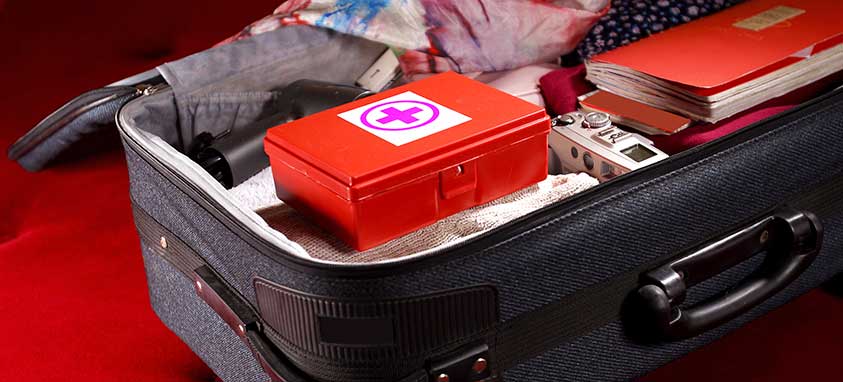
1. Travel first-aid kit

Meeting planners are no strangers to long flights, hectic events and stressful contract negotiations. A portable first-aid kit filled with essentials such as Band-Aids, aspirin and sleep aids will keep you from getting sidelined by headaches, jetlag or minor injuries.

headphones

2. Noise-canceling headphones

You never know who you’ll be sitting next to on the airplane, so it’s always best to come prepared. Whether you encounter crying babies or snorers, noise-canceling headphones or earplugs will allow you to travel in peace and quiet.

wipes

3. Facial wipes

Whether you need to rush to an event immediately after your flight or just want to quickly freshen up after a long journey, you’ll be glad you have a travel pack of facial wipes stashed away in your purse or briefcase.

charger

4. Spare chargers, cables and batteries

These days, it’s not an exaggeration to say that our lives depend on our smartphones, laptops and tablets. It’s crucial to make sure you have everything you need to keep gadgets powered on and get the job done.

granola-bar

5. Snacks

Although meals on business trips can usually be expensed, corporate budgets might limit your options. Keep hunger from getting the best of you by packing a few portable, healthy snacks—trail mix, nut bars and granola are three tasty options.

mints

6. Breath fresheners

Fresh breath is essential for planners who are often out meeting new people and making valuable connections. Ensure that you are making great first impressions by keeping breath spray, mints or strips handy.

expensify

7. Travel apps

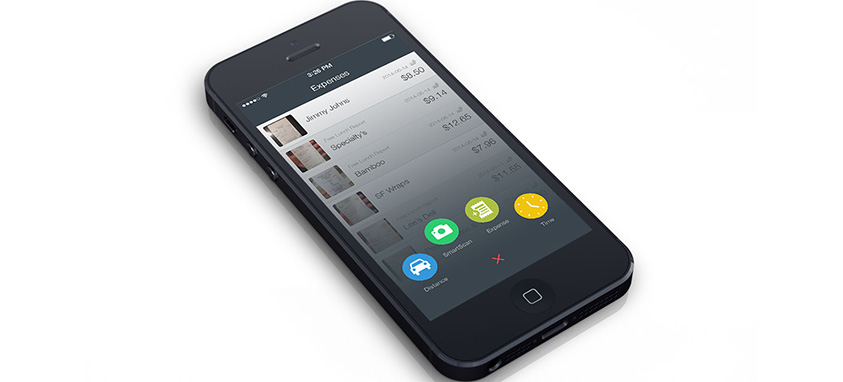
Many apps are designed to help business travelers have productive, stress-free business trips. TripIt is one standout that makes it easy to keep all the details of your itinerary organized. Expensify (pictured) is another popular app that simplifies business trips by automating the expensing process.