Just like social media, event planning relies heavily on understanding ever-changing consumer preferences and behaviors. In order to make the best recommendations for clients in the event space, beyond examining platform updates and algorithm shifts, it’s important to evaluate broader cultural shifts and audience behaviors to anticipate the best way to deliver a strong message, while of course, ensuring those messages break through the noise.

Meeting planners face the same problems as social media managers—competing for the time and attention of potential attendees. As these experts work to understand changing consumer trends, preferences and behaviors, considerations must be made into meeting design to craft a truly relevant event, which target audiences will not want to miss.

Not sure where to start? Consider these three key trends and how they can positively impact meeting design.

The Independent Traveler
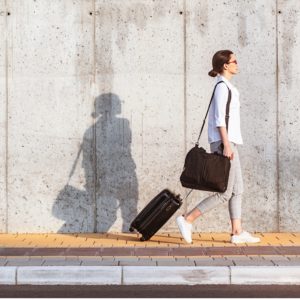
Attendees are more empowered than ever to explore host cities on their own. With access to ride-sharing apps, peer review sites such as Yelp, unique accommodations courtesy of AirBnB and bucket lists inspired by Instagram and Pinterest, it’s no surprise that “bleisure” travel is on the rise. Armed with their mobile device and a hunger for authentic experiences, event goers long for a chance to explore while attending out-of-town meetings. Meeting planners must build in formal and informal opportunities for attendees to explore, providing useful and inspirational destination information before, during and after the event. Not only will attendees thank you for your proactive efforts to make the event more exciting, but this event will also leave a longer-lasting impression in attendees.

The Hyper-Savvy Audience

Forget the myth of the “six-second attention span.” Consumers aren’t losing their ability to concentrate; rather, they live their lives awash in messages and have become ever-savvier digital consumers. Audiences are able to tell within just a few seconds if something is relevant to their needs, and if not, they’ll quickly move on. In order to break through, meeting planners must remember that they’re not selling a badge or education credits: they’re selling an experience.

MoreExperiential Marketing and YOU

When marketing an event, meeting planners must lead with an emotionally compelling benefit of attending—empowerment, community, etc.—in order to capture the attention and earn those RSVP commitments. Similarly, planners can work with sponsors to offer more value through a campaign to establish stronger relationships before, during and after the event. A value-driven, inspirational campaign can tell a more compelling story than a standard, “Thank you to ABC Sponsor, please visit them at Booth XYZ” message. If it’s the latter, your audience will not be inclined to bite.

Authentic, Ephemeral Content
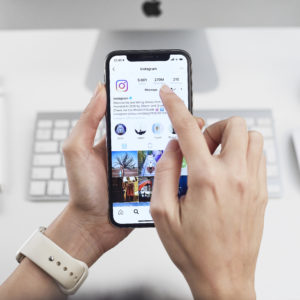
Inspired by the meteoric adoption of Instagram Stories, Facebook has continued to invest in the in-the-moment format, indicating that ephemeral content is here to stay. Instead of asking attendees to shift their day-to-day behavior while attending conventions, meeting planners should embrace the stories binge by getting in on the action on Instagram, Facebook, and LinkedIn.

In order for this to be successful, planners must keep in mind what makes stories so compelling in the first place: authentic human experiences. Consider a partnership with compelling members or industry folks to takeover accounts during conventions, showing a first-person meeting experience that prioritizes storytelling over news and announcements.

Finally, remember that meetings are about bringing a community together to create value—meeting planners should keep the loftier mission front and center and bring a compelling human element back to meetings and conventions.

Corrine Turke is a senior account executive at the Washington, D.C., office of Portland-based Sparkloft Media, where she leads the company’s B2B social media marketing efforts, focusing on how social can be used to support meetings objectives across conference stakeholders.

When incorporated correctly, digital can light a fire in your attendees. Often, people think adding a digital element means disengaging attendees by taking them from the convention floors to their phone screens. But digital is the bridge between your attendees and the experience you want them to have. Offline-online audience journey is a cyclical one that your attendees need to experience in order to be fully immersed in your convention or meeting experience.

MoreFrom Distraction to Engagement Supercharger: Putting Your Audiences’ Phones to Use

To get started, here are four engaging conference ideas that incorporate digital:

1. Elevate Your Event App Tactics 

It’s common for conferences or meetings to incorporate an app that includes an agenda or other logistical information, but chances are, they’re not taking advantage of the app’s full capabilities. Whether this means adding gamification, a private social feed, live audience interaction, or interactive maps, take full advantage of your app’s capabilities to increase your attendees’ engagements.

2. Incorporate Real-Time Feedback in Communication Tools

Your audience engagement ideas need to include tactics that allow you to gather direct feedback and observe at-event behavior of your attendees both in real-time and pre- and post-event. For example, using these tools during your convention can help you find heavily trafficked spots and prevent bottlenecks, or help inform when to use push notifications to indicate sudden changes. And getting attendees’ feedback during or immediately after an event is a much stronger indicator than soliciting it days or even weeks later.

3. Play with Gamified Networking Ideas

Through noninvasive, but engaging tactics, you can deliver value by creating ways for them to build relationships with one another beyond scheduled breaks and social events. Offer attendees points or digital stamps for connecting with someone on the event app and collecting their contact info. This is a prime example of bridging online and offline experiences.

4. Enhance Your Pre- and Post-Event Touchpoints

When you’re looking for ways to engage your audience, pre- and post-event communications are as essential as during-event communications; however, it’s easy to fall short in both areas. For pre-event touchpoints, provide attendees with useful content about what’s in store and proactively give them guidelines detailing how they can make the most of their time. After the convention, remind attendees of popular moments from the event and use social sharing buttons to help them post their experiences to their networks. Remember, throughout all your communications, let your attendees know what’s in it for them.

Conference engagement ideas encourage attendees to return for future events because their experiences have gone above and beyond expectations. With digital, you’re creating a dialogue with your attendees the way they speak and where they speak it. Digital should not be an afterthought; digital should be the first thought.

Sami Ari is a digital strategist at Kindle Communications. Kindle manages live and virtual events, communications campaigns, digital solutions and development programs.

The Islamic Holy month of Ramadan is here and as a meeting professional, if you have upcoming events, you should be aware some of your attendees may be fasting this month. Ramadan is observed by Muslims all over the world; during this time they fast from dawn to sunset. This means they refrain from any food and drink during those hours.

Every year, Ramadan falls on a different date according to the lunar calendar, which is based on the phases of the moon. These 12 months add up to approximately 354 days—11 days shorter than the Gregorian calendar. Therefore, each year, the lunar calendar moves backward by 11 days. This year, Ramadan began on May 6 and will last for either 29 or 30 days.

MoreHow to Make International Attendees Feel Welcome

While you cannot reschedule an event during this month, all you need to do is make a few accommodations during your meeting for attendees observing fasts. This will help you stand out as a culturally competent company.

  • If your meeting includes physical team building activities, try scheduling it at the beginning of the day when all your attendees’ energy levels are high.
  • Be mindful of where you place food at the meeting venue. If possible, serve all your meals in a different hall so those fasting don’t have to be around food while they cannot eat.
  • Do not serve strong-smelling foods like popcorn, fish, bacon, or spices like garlic. This can be very distracting for attendees.
  • Do not hold working lunches. These are awkward for those observing Ramadan.
  • Be aware of the different prayer times and try to schedule regular breaks at the event based on those timings.
  • Provide a prayer room close to the meeting room at the venue and inform your attendees of its availability. Since Muslims around the world pray in the direction of Mecca, try indicating the direction for prayer in the prayer room.
  • Since those observing fast can only eat after sunset, schedule dinner service accordingly so all attendees can enjoy a meal together. Include healthy salads and protein-rich food.
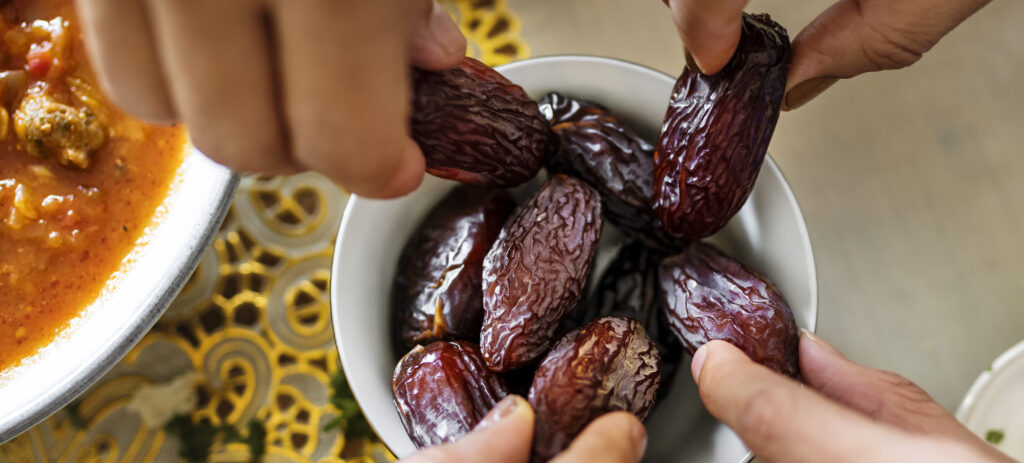
  • It is Islamic tradition to break a fast with dates and water. So make sure you have them on your menu as well.

Is your daily routine leaving you tired and burnt out? Do you find it hard to build up the energy to get even the smallest tasks done? Well, you’re not alone. The job of event professional is consistently rated one of the most stressful after emergency responder and surgeon—a condition that can lead to stagnation. But even the most junior meeting manager knows that nothing gets the blood flowing like crossing things off a checklist.

Here are 10 daily habits you can implement in your event planner life to help increase your productivity:

1. Get Enough Sleep and Don’t Snooze

On average, 40 percent of people in the United States get less sleep than recommended. Not only is this damaging to your health, but it also negatively impacts your productivity levels. Setting your alarm clock to triple or quadruple snooze confuses your body and disrupts your REM sleep, creating a draining habit. Understand that your body needs ample time to rest so you can give 150 percent at whatever you do.

2. Eat a Good Breakfast

Breakfast really is the most important meal of the day so don’t be part of the 31 million Americans who skip it. It will zap your productivity and take a toll on your health. Even on the road, be sure to break the overnight fast with something nutritious.

More: Research Shows That Business Travel Sparks Creativity and Productivity

3. Re-Energize by taking Breaks

Taking a break once an hour has been shown to re-energize and give a creative boost to those who find themselves on empty. At the end of the day, you may find you out-perform those who don’t take breaks. It’s backed by science. So, take a break, meditate and come back to your job with a sense of purpose.

4. Focus on Yourself

Don’t compare yourself to others. When employees compare notes or talk about their salaries, they become restless and frustrated in the workplace.

5. Celebrate Small Victories

No matter how small, celebrate your victories. Even if it’s just remembering to bring your reusable water bottle with you, celebrate it and reward yourself! By rewarding yourself, you’re reinforcing your habits.

6. Leave Work at Work

Don’t worry: it will all be there when you get back. Take the weekend to gain a fresh perspective and enjoy life.

7. Keep Your Eye on the Prize

Setting a large and exciting goal for yourself is great, but don’t let it get lost in all the clutter. Write it down somewhere where you will constantly see it. A sticky note on the bathroom mirror, on the refrigerator, wherever: it will give you the motivation to get on with your day and start achieving whatever it is you want to do.

More: 4 Crucial Steps to Making a Positive First Impression

8. Plan Each Day the Night Before

It can take as little as 15 minutes and you can do it right before bed. Create a to-do list and prioritize what needs to get done first. It will give you a head start on your day and make it easier to remember everything you need to do.

9. Remember, it’s Alright to Say “No”

Saying no is hard. With new projects and opportunities popping up all the time, it’s easy to want to say yes to everything. But too many opportunities and commitments can be draining.

“We can be much more productive by focusing on doing the right things instead of focusing on doing more things,” said productivity expert Mark Shead. By having less to do, you can be more focused and spend your precious time on the important things.

10. Stay Positive

It’s harder than it sounds. Optimism is the key to being happy, productive and positive at work. So, just take a few minutes out of your day to think about the things you’re grateful for or shout affirmations in the mirror. It’s all up to you.

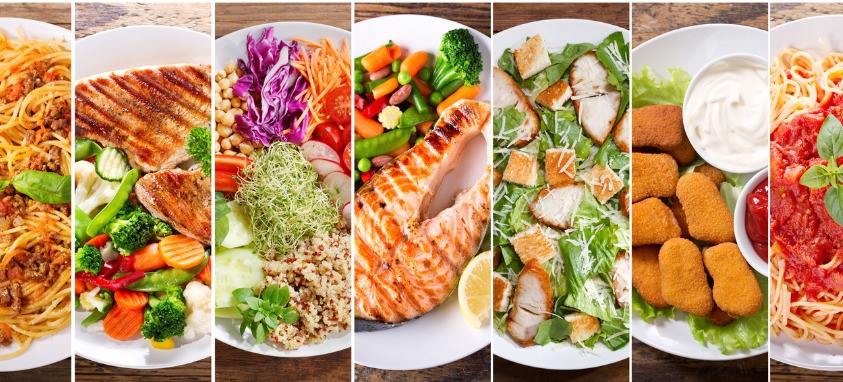
Planning a menu for an event can be a hassle, especially in our gluten-free, keto and vegan world. Whether an attendee has a food allergy, is health conscious or stands firmly by their personal or religious beliefs on how food should be prepared, creating a menu that accommodates everyone can be a headache.

Luckily, most venues are pretty accommodating to dietary restrictions. They just need to know ahead of time.

Start from the Beginning

One way to know if attendees have dietary restrictions is to do your research at the beginning. The best time to do this is when an attendee first registers for your event. Adding a section that asks if they have dietary restrictions, needs or allergies will help eliminate issues and confusion down the line for both you and your attendees. Keep questions clear, short and to the point.

Related: 6 Tips to Get the Most Out of Post-Event Surveys

Be as Accommodating as Possible

You want attendees to feel welcome, but if they can’t enjoy their meal, they may not feel so. A good experience usually results in guests sharing with their friends and colleagues. The same goes for a negative experience, so be as accommodating as possible—even if an attendee gives you their request or preference last minute.

Know What Types of Restrictions you Might you Face

  • Gluten and Wheat Free: The Gluten-free diet is fairly common. People with this restriction avoid foods that contain gluten, which is a general name for the proteins found in wheat. It is most often found in bread products but is also found hiding in many other products like: soy sauce, salad dressings, cereals and even oats (in some cases).
  • A Wheat-free diet is similar to gluten-free but has its own specifications. In a wheat-free diet, a person cannot have any wheat or wheat by-products. The difference between gluten and wheat free is that it’s possible for someone who avoids wheat to eat foods containing gluten,  but it is not possible for someone who avoids gluten to eat wheat. This is because all wheat products have gluten. Many menus avoid gluten and wheat all together to make choosing easier.
  • Lactose Intolerance: Lactose is the sugar found in milk and dairy products. Some attendees may be lactose intolerant, meaning they aren’t able to digest lactose. While there is no extreme danger to those who consume the sugar if they are intolerant to it, they will most likely experience an upset stomach and some discomfort.
  • Pescatarian: The pescatarian diet doesn’t include any meat except for fish. This shouldn’t pose much of an issue since most event menus have seafood options.
  • Vegetarian: There are three variations of the vegetarian diet: Lacto-ovo-vegetarian, Lacto-vegetarian and Ovo-vegetarian. Lacto-ovo-vegetarians eat both eggs and dairy products, Lacto-vegetarians eat dairy products but avoid eggs and Ovo-vegetarians eat eggs but avoid dairy products.
  • Vegan: More people are becoming vegan now than ever before, with a 600 percent increase in the U.S. in the last three years, according to GlobalData. People on this diet avoid any food that comes from an animal. This includes; butter, eggs, milk and cheese. Some vegan dieters also avoid foods that are processed using animal products like refined white sugar and certain wines.
  • Ketogenic: The ketogenic diet (keto for short) is a low-carb, high-fat diet. People on the keto diet reduce their carbohydrate intake and replace it with fat, putting their body into ketosis, a metabolic state where the body burns fat for energy. Foods to avoid or reduce on this diet include: sugary foods; grains or starches; all fruit except for a small portion of berries; beans and legumes; root vegetables; low-fat or diet products; condiments or sauces that contain sugar and unhealthy fat, such as mayonnaise; alcohol and sugar-free foods.
  • Paleo: The Paleo diet consists of foods that early humans are presumed to have eaten, such as meat, fish, vegetables and fruit. Processed foods, grains and dairy products are excluded from this diet. Paleo dieters do not find it difficult to find something on to eat on most menus. So, if your meeting or event’s meat and vegetable choices are clean and not smothered in butter, cheese or sauces you should be good to go.
  • Nut-free/allergies: Nut allergies can be very serious. Even if only one person at your event is allergic to nuts, you might want to consider keeping them off the menu entirely. Consider asking attendees to refrain from eating nut-based foods to protect those who are allergic.
  • Diabetic: Those who are diabetic have a medical condition in which they cannot produce insulin and must monitor their blood sugar levels. Providing healthier beverage options, limiting the number of starchy menu options—such as potatoes and rice, and providing alternative desert choices are easy ways to accommodate diabetic attendees’ needs.
  • Other allergies or restrictions: Some attendees’ dietary restrictions may be rooted in religion. For example, those of the Islamic faith eat only Halal meat which is prepared and blessed in a specific way. They do not eat meat derived from pigs and during Ramadan, they fast from sunrise to sunset. Those who practice Judaism eat Kosher foods—meaning meat must be prepared a certain way and cannot contain shellfish or pork. Attendees who eat Kosher foods will also not eat dairy and meat at the same time.

Finally, there are many types of food that attendees could be allergic to, so be sure to ask about their needs and never make assumptions.

Medical Meetings Summit Trade ShowWhenever I attend a trade show, I am always interested to learn about the suppliers who participate in order to promote their destinations and spaces to attendees. The medical meetings genre is particularly intriguing because of international suppliers and planners who stage events outside North America. Continue reading “Medical Meetings Summit has International Appeal”