Photo credit: CWT

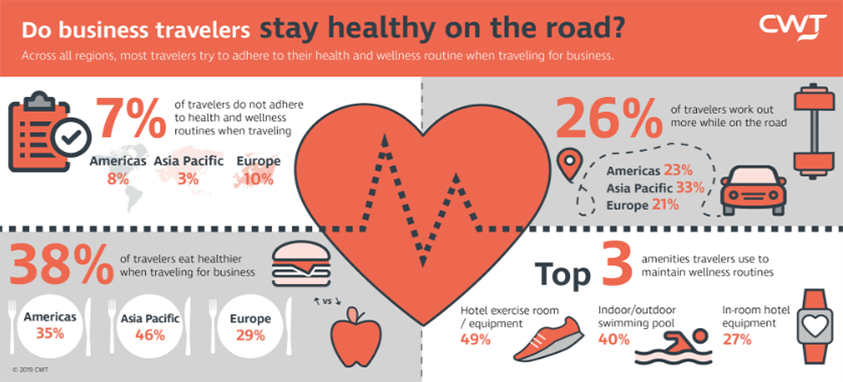
A growing trend around healthy eating habits has been gaining momentum for quite some time, and now business travelers are hopping on the train. Business-to-Business-for-Employees (B2B4E) travel management platform, CWT and research firm Artemis Strategy Group conducted a survey and found that 38 percent of travelers eat healthier when traveling for business.

“Maintaining healthy habits while traveling is nearing the top of the priority list for travelers around the world,” said Niklas Andreen, CWT’s chief traveler experience officer. “At the end of the day, being in tune with what matters to your employees is indispensable for retaining and attracting the best talent.”

The Growing Trend

Since 2017, the trend around maintaining health and wellness routines on the road has become a growing priority for travelers. In 2017, travelers were asked if they work hard to stick to their health and wellness routines while on business and 38 percent said yes.

Answering the same question in 2019, the percentage of travelers sticking to their routines has jumped to 42 percent. Asia Pacific travelers are ahead of the pack, with 52 percent of travelers adhering to their wellness routines. The Americas came in second at 37 percent while Europe came in third with 32 percent.

MoreShow Your Attendees Some Health Love

Survey Results

While on the road for business, Asia Pacific travelers are the most likely to eat healthier (46 percent), followed by travelers from the Americas (35 percent) and Europe (29 percent).

The survey highlighted some interesting points, like the top three amenities travelers use to maintain their wellness routines are use of hotel exercise room or equipment (49 percent), indoor or outdoor swimming pool (40 percent) and in-room hotel equipment (27 percent).

It was also found that 26 percent of business travelers work out more while they are on the road. Asia Pacific travelers came in first with 33 percent, followed again by the Americas at 23 percent and Europe at 21 percent.

MoreSimple Practices to Encourage Wellness at Your Next Meeting

Being health conscious is a big trend these days and the survey results definitely support this; on average only 7 percent of travelers don’t adhere to any health and wellness routines while on the road. The percentage is highest in Europe (10 percent) then the Americas (8 percent) and finally Asia Pacific (3 percent). This means that 93 percent of business travelers do keep up with their health and wellness routines while on the road, and that’s a pretty large percentage. Since keeping up with health and wellness routines is becoming a top priority for business travelers, try booking hotels with exercise rooms, equipment or pools for your attendees to keep on exercising, and consider offering breakout sessions during your meeting that are focused on health, wellness and exercise.

Two years after the largest mass shooting in the country killed 58 people at a music festival in Las Vegas, MGM Resorts International announced an $800 million settlement to resolve pending lawsuits. MGM is the owner of Mandalay Bay Resort and Casino, where the killer used an upper-floor room to fire into the crowd of 22,000 people below.

RelatedCoalition to Prevent Gun Violence at Events Throws Down Challenge to Industry

The total settlement announced on Oct. 3 is expected to be between $735 million and $800 million, depending on how many people seek payment, and the entire process is expected to be completed by late 2020. An estimated 700 people were injured in the attack and resulting rush to escape.

“Our goal has always been to resolve these matters, so our community and the victims and their families can move forward in the healing process,” said Jim Murren, chairman and CEO of MGM Resorts.

“Today’s agreement marks a milestone in the recovery process for the victims of the horrifying events of 1 October,” said Robert Eglet, a lawyer for the plaintiffs.

New Security Efforts

MGM Resorts and many other hotel companies have updated security policies in the last two years, including procedures for guests who post Do Not Disturb signs. At check-in, guests are notified that staff will conduct health and welfare checks after two days if no interaction has been made. Many properties had similar policies in place before the mass killing. MGM reported that staff did have contact with the shooter, Stephen Paddock, in the days leading up to the incident and all seemed normal. He was found dead of a self-inflicted gunshot wound in his hotel room after the attack.

MoreMetro Toronto Convention Centre Tests Weapon-Detecting AI

No motive for Paddock’s actions has ever been determined.

Although other mass shootings have occurred in the last two years, none has been at an event or convention. Still, some in the hospitality industry have recently created a petition calling for industry-endorsed measures to pass gun safety legislation, citing the effectiveness of economic pressure after some states passed anti-LGBTQ regulations. Howard Givner, CEO and founder of Event leadership Institute, is collecting signatures as part of the Coalition to Prevent Gun Violence at Events.

As autumn advances and summer holidays come to a close, it’s time to book the years’ remaining holidays and work trips. Whether you’re booking end-of-year incentive trips or flights to snowy conferences, CWT’s Air Trends report takes the surprise out of buying flights this fall.

Global Trends

Average ticket prices (ATPs) increased throughout July and August and are expected to continue to do so in September and October. Prices are forecasted to climb an additional 2 percent month-on-month this fall. This steady increase in ATPs is despite falling fuel prices, which were down approximately 17 percent compared to last year before the recent attack in Saudi Arabia. CWT encourages travel managers to “continue to carefully monitor their air programs and targets, and engage their airline partners for reviews, if required.”

More:

Economy class usage on airplanes is expected to stay relatively stable. With a decrease of just 1 percent in coming months, this change is most likely attributed to the influx that summer brings regarding vacations.

Book in Advance!

The summer holidays that many people in the Western hemisphere enjoyed recently also account for the increase in advance booking usage—those flights that were booked at least two weeks prior to the date of travel. Summer saw advance booking usage at 49 percent, although that number is expected to drop down to ‘normal’ and be at 43 percent through Sept. and Oct. CWT suggests that travel managers encourage clients to always book in advance to get the best prices.

Popular flight comparing tool Skyscanner suggests that airline prices are at their cheapest anywhere between 14 and three weeks before travel. Additionally, travel comparison website Kayak cites that three weeks before travel is the optimum time to buy tickets. The consensus seems to be that advance booking (remember: more than two weeks out) is always a good move. Not only will you and your attendees save money, it will save you unnecessary stress and procrastination.

Online Booking ToolsHere to Help

The last global trend that CWT looked at was the use of online booking tools (OBTs) to book flights. The use of OBTs is expected to continue to increase as technology and user interface improve. The better the experience of booking online, the more travelers will rely on OBTs and the more corporate travel management teams will encourage their travelers to use such tools, according to CWT. The report states that OBT usage is expected to rise by 4 percent from August to 55 percent of bookings being made online by the end of October.

While the September and October CWT report focused on air travel prices and fluctuations, the 2020 Global Travel Forecast delves more broadly into global travel trends, including those around hotels, ground transportation, technology and a ‘people first’ ethos.

IMEX Group and partners extend waste-reduction efforts

Legacy was the theme of IMEX America 2018, fitting for an event that carries an impressive history of sustainability and CSR initiatives. Since 2012, 416.8 tons of event material were recycled, 526.8 tons of combined material were diverted, 8,790 badge lanyards have been collected and donated, 161,418 pounds of organics were composted and 6.5 tons of food have been donated.

In 2018 alone, 93 percent—IMEX America’s highest waste-diversion rate ever—of waste was diverted from landfill and into recycling, compost and donation channels. Some 1.17 miles of single-use PET plastic straws were saved; 25,328 pounds of show materials and more than 4,969 pounds of food were given to the community; and 2,566 badge-back lanyards were donated to Shade Tree Shelter in Las Vegas.

IMEX America 2018 shined an impressive light on corporate social responsibility, too. For example, attendees donated 180 books and $345 to Spread the Word Nevada, volunteers assembled 600 hygiene kits for Clean the World and donors gave a total of $2,000 to Shade the Tree in support of homeless and abused women and children, as well as $1,000 to Opportunity Village in support of people with intellectual disabilities.

Leading the Way

But it should come as no surprise, since the IMEX group has always been a leader in sustainability and CSR initiatives. “Sustainability is at the forefront of our minds,” says Nalan Emre, chief operating officer at IMEX Group. “For everything we do, we look at ways we could do it more sustainably, benchmarking our performance against industry standards such as APEX/ASTM Environmentally Sustainable Event Standards at IMEX America, helped by our sustainability consultants, Meet Green.”

Moreover, IMEX Group shares its knowledge with others through educational programs on sustainability at IMEX events and by encouraging exhibitors and buyers to reduce their environmental impact.

“When we started looking into sustainability 17 years ago, [that] was ahead of the curve,” Emre says. “People didn’t really think business meetings and sustainability could coexist…we led by example. We encourage buyers to include sustainable questions into their RFPs, we encourage our general services contractors to offer sustainable materials to all of their other clients and we encourage our exhibitors to have water stations at their booths.”

And IMEX Group continues to educate suppliers, attendees, exhibitors and partners. In addition to talks and presentations at IMEX events, the Giving Back Booth offers ideas and activities for getting involved with CSR and sustainability initiatives, and it gives out guidelines to exhibitors on how to take action. Attendees can learn more about sustainability at IMEX America 2019 during EduMonday, the free preshow day of education for IMEX attendees, and at the show’s Inspiration Hub.

Collaboration is Key

Of course, it takes passion, dedication, hard work and—perhaps most importantly—team effort to pull off such a task and increase buy-in from participants. Each year, IMEX collaborates closely with its suppliers to help improve material choices and sustainability practices.

“The key is to take the suppliers on this journey,” Emre says, noting that IMEX’s key partners, Sands Expo and GES, have been very supportive. The Sands sorts event waste at the back of the house, ensuring the 93 percent diversion from landfill mentioned at the top of this section; and GES has sourced a 100 percent sustainable aisle carpet, along with recyclable banner material. GES also supplies exhibitors with paper recycling bins to help with sorting paper from other waste at exhibitor booths.

What to Expect This Year

“The refill movement is significant, and it helps to reduce single-use plastic,” Emre says. In addition to refill stations at exhibitor booths, IMEX Group is encouraging delegates to bring reusable water bottles. “On our You are Here boards, we mark the locations of water stations and promote those exhibitors who use refill stations, Emre says.

“Bring your own coffee cup” is another important initiative, she adds: “All coffee shops at the Sands Expo will fill participants own coffee mugs instead of using a plastic-coated, throw-away cup.”

IMEX Group plans to continue to collaborate with Sands Food and Beverage for locally sourced food and beverage, and refine exhibitor messaging and communication to help reduce waste. Attendees can expect all food packaging to be either compostable or recyclable. Look forward to an expanded menu of water-wise food choices.

Expect extended recycling and composting programs. “Even the pizza boxes at the Sands Expo are fully recyclable, even when they are contaminated,” Emre says. “The water cups on all the water stations at the Sands Expo look like they are plastic, but they are all made from 100 percent compostable material.”

International travel continues to grow every day; from more available flights to cheaper options, there are more opportunities for travelers and groups to discover new, exciting destinations. In a Smart Meetings exclusive webinar, Catherine Chaulet, president of Global DMC Partners, shared eight safety tips for your next intercontinental meeting.

Put Safety First

Whether you are planning a domestic or international meeting, attendee security is the top priority. Before the event, do a pre-assessment. Go beyond the headlines to talk to people who have been there. Staff on-site can tell you the real situation on the ground. They will be your partners if you decide to book there.

Choose Wisely

Just because a destination seems obvious or is famous, doesn’t mean it’s the right destination for your group. Be clear about your goals to determine what destinations or venues will be the perfect fit and the right time of year—summer in the U.S. is not the warm season in Australia.

More: Exciting Developments for Planners at 10 Top International Cities

Negotiate Carefully

International contracts for vendors and venues could require different negotiation tactics than in the U.S. Learn the “law of the land” and the country’s requirements where your program is happening. International venues will often require your group to pay up-front to guarantee the venue for the dates needed.

Contact the Authorities

Reach out to your country’s ambassadors. Embassies and consulates are eager to know who is traveling and usually have a plethora of information ready to give you. They are great resources to have as they can introduce you to venues or contacts that will be beneficial to your group. Additionally, if anything happens to your group, the consulate or embassy will know your group is in their destination and have you on their top priority list so communication will be instant.

Establish an Emergency Plan

An action plan doesn’t have to be complicated; a basic document with only the necessary information will be more helpful than a complex and confusing one. Your event safety plan should be comprised of an event summary, event crisis management team, pre-planning checklist, local emergency contact information, rally points, map of the local area, facility or venue site inspection safety questionnaire, crisis management checklist and an incident reporting form.

It is also wise to consider a communication plan for when technology isn’t available. You may want to rent a satellite phone to use if phone lines are down or there is no internet.

More: Macao, Israel and Iceland: International Destinations on the Rise

Hiring private security in some destinations may be necessary; it allows you to have peace at mind and reassures your attendees that they are being taken care of.

Communicate Tirelessly

Capture attendee information early, including emergency contacts. This should happen during registration. Keep it with information for the local police, pharmacies and hospitals, including which hospitals have doctors who speak English.

Smart Tip: Be mindful of oversharing information with outsiders. This includes information about your attendees (Hello GDPR), Wi-Fi information and passwords, signage throughout the event and titles on name badges during offsite events/tours.

At the same time, get prospective guests comfortable with the destination by sharing information about the destination and venue in advance. This will put their minds at ease and counter any misleading stories that might be circling on the Internet.

Be Aware

During the event, keep tabs where your attendees are at all times. Being able to connect with them regularly is of upmost importance. Work with local Destination Management Companies (DMCs), vendors and tour guides to choose a point of contact for each group so you can always reach your attendees.

Get Everyone Home Safely

It’s not enough just to make sure everybody is safe at the hotel. In case of evacuation, establish a relationship with the local DMC, which can help secure ground transportation and possibly private jets.

Embrace Undertouristed Destinations

Oddly enough, undertourism is possibly the result of overtourism. Cheaper, more readily available flights have allowed more travelers to go to certain destinations. And social media sharing hasn’t helped either. All those Instagram selfies in the most popular locations have boosted the appeal of certain destinations while leaving others out of the spotlight.

Seeking out those hidden gems could be the ticket to a better meeting. Under the radar local economies are eager welcome your group. Bringing your group to these destinations opens the door to exciting places; secondary destinations worth looking at now include Malta, Morocco and Costa Rica. It doesn’t hurt that social responsibility is big in these lesser known countries; sustainability and helping the economy have huge impacts on these communities.

Local DMCs have in-depth knowledge and access to unusual tours and activities to help discover these new places based on your groups’ specific needs.

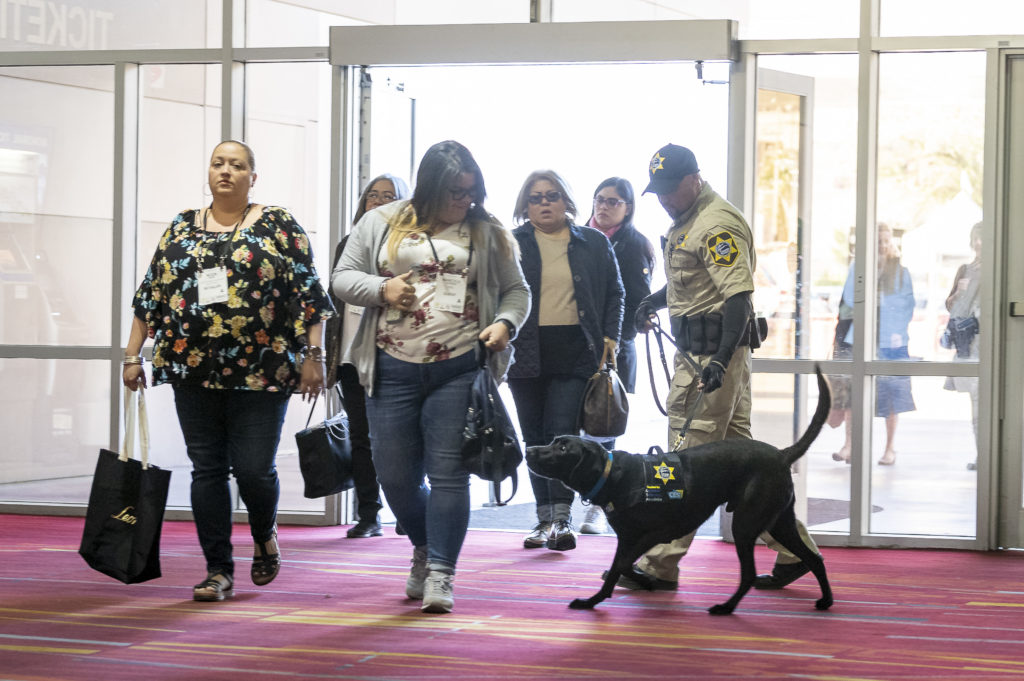
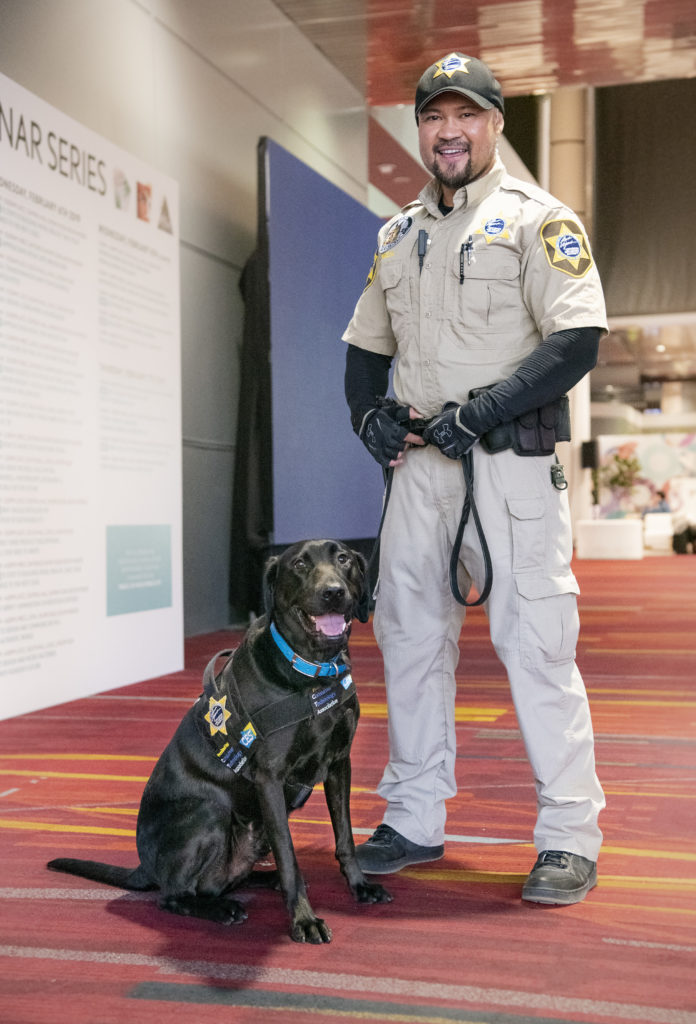
Canine security patrols have become a standard safety measure at many events, but one of the perks of meeting in Las Vegas is that four of these screening companions are on staff and ready for duty year-round. Thanks to a gift last year by the Consumer Technology Association (CTA), Las Vegas Convention and Visitor’s Authority (LVCVA) now has four dogs.

(Mark Damon/Las Vegas News Bureau)

LVCVA, which operates the 3.2 million-square-foot Las Vegas Convention Center, already had two yellow labs named Cooper and Pierce—and their handlers—on staff to search stationary items such as unattended luggage. This is a skill known as “sniff and sit.” The new additions, Bo and Wells, are black labs trained as “vapor wake” dogs because they look specifically for explosive materials and can wander through moving crowds, making them ideal defenses against suicide bombers. CTA, which produces the Consumer Electronics Show and brings in no fewer than 14 dogs for their massive event, also paid for ongoing training for resources that will be available for their event and any other that comes to town—something that could save planners money and give attendees peace of mind.

Smart Meetings talked to Woody Chan, LVCVA K-9 supervisor and Cooper’s handler, to find out what he—and the dogs—wished planners and attendees knew about the four-legged security details.

They are probably better trained than your rescue pup.

Bo and Wells trained at Auburn University’s canine performance school, a 7-week course for dogs and handlers, where they go through 280 hours doing scenario training—practicing sweeps of schools and office buildings. That is followed with weekly blind search training to keep them sharp and motivated. They have only ever found agents that were planted for them—so far.

Vapor wake dogs can screen up to 100 people walking through a crowd in a half hour. They are so well trained that their sense of smell works just as well at candy, marijuana or bath products shows. Even Cowboy Christmas, which features live bulls, gets their noses going looking for what is known as “air scent”, but doesn’t result in false alarms. “They can discriminate,” Chat says. Then he joked, “The pizza expo is a bit more of a distraction for the handler.”

They are on the job; don’t feed the dogs.

(Mark Damon/Las Vegas News Bureau)

“People get excited when they see the dogs at events,” Chan reported. They want to pet them and talk to them. If they are at a standing post and the dog isn’t working, he welcomes questions. But he suggests asking the handler before touching or engaging with the dogs. “They are friendly, but they have a job to do.”

People usually say they are grateful that they are there, Chan reports. Just their presence makes people feel more comfortable. When President Donald Trump was in Las Vegas for a rally, Cooper and Chan were stationed in the crowd and people came up to him to say, “Thank you” for keeping them safe.

They are also part of the family.

The dogs live with their handlers, go home with them, go to the park with them—they even go on vacation with them. Cooper has been to Walt Disney World twice.

They also do a lot of community outreach, visiting schools and, in one occasion, appeared at the LVCVA Board of Directors meeting.

Forecasters at the Lodging Conference, a gathering of senior executives in the hotel industry held in Phoenix last month, predicted that 2020 will see the “tipping point” at which planners will regain the upper hand in pricing leverage at hotels in many markets.

In a hotelinteractive.com article recapping the conference, Vail Ross, senior vice president of global business development and marketing at STR, noted that hotel demand in the United States will outpace supply for the rest of this year, but added, “That story will change as we move into 2020, where we will see that tipping point of the supply and demand relationship.”

Related: AMEX M&E’s 2020 Forecast Predicts Bigger Meetings Industry

Why? The main reason is the ongoing boom in new hotels and expansions of existing properties. Ross said there are currently 207,000 rooms under construction in the U.S. “That is up 10 percent from where we were this time last year. We’ve opened a little more than 690 hotels year-to-date and that represents a little more than 77,000 rooms,” she stated.

Vail’s assessment was echoed by other expert observers. JP Ford, senior vice president and director of global business development for Lodging Econometrics, said hotel room supply will expand by 2.2 percent this year. “And there’s much more ahead in 2020 and 2021,” he noted.

Another expert, Mark Woodworth, senior managing director and head of lodging research for CBRE, said some markets are already seeing a slowing of ADR (Average Daily Rate, a measure of how much hotels are charging per room). “One of the things that is in fact impeding ADR growth is the supply change we’re seeing in a number of markets” he said. “In 25 of the 60 [top markets], we’re calling for an average supply growth of 3.9 percent.” In markets where fewer new hotel rooms are available, he said, hoteliers will be more able to maintain or increase prices.

Event professionals and attendees appreciate an event that doesn’t require endless bus rides from venue to venue to experience all that is available in a destination. Sourcing a hotel partner that is in the middle of it all can simplify the logistics and amplify the effectiveness. Smart Meetings asked the experts at Renaissance Dallas Addison Hotel for tips on how to concentrate the agenda while preserving the sense of discovery.

Go Big

When the on-site event venue is more than 100,000 sq. ft. of flexible, newly updated space with the ability to reconfigure from breakfast to keynote and gala in record time, as in the case of Renaissance Dallas Addison, each day will feel fresh. With a total of 34 event rooms, finding the right fit is easy and on-site professional planning services can help map an attendee journey that is effortless and intuitive.

The same is true of the guest rooms. Look for spaces that are contemporary with thoughtful collections of modern amenities and deluxe bedding. A well-rested attendee makes a more focused audience.

Eat Right

Hotel dining has come a long way. Noell JCT, for instance, offers contemporary American-style cuisine made from fresh, locally sourced ingredients and a nightly punch bowl ritual with a craft cocktail served so guests can get to know one another in a more relaxed atmosphere.

Catering services should offer the same level of quality ingredients and thoughtfulness of the restaurant experience. Talk to the chef on-site about specific requirements for your group to get creative suggestions based on local specialties.

For those who want to mix it up, however, look for locations that have lots of options in walking distance. North Dallas has 200 such entertaining options, including Addison Circle Park, Pete’s Piano Bar, Addison Improv Comedy Club and Galleria Dallas.

The very week of the anniversary of the deadliest mass shooting in U.S. history—which just so happened to have taken place at an event, in Las Vegas—a meetings industry veteran has challenged event professionals to step up and do something. Howard Givner, CEO and founder of Event Leadership Institute, called such mass shootings “the most terrifying disrupter” that could happen to the $325 billion industry and believes only regulating gun ownership can get to the root cause of the problem.

MoreAvoid, Deny, Defend: Security Strategies Taught in Columbus

He warned that a shooting at a health-care or other conference would be devastating beyond the people killed, injured or traumatized by it. It could also have massive economic impacts as future events are rescheduled or cancelled, and prospective attendees become hesitant to come.

“Gun violence, and mass shootings, in particular, pose an existential threat to the meetings and events industry. In addition to death and injury of our event attendees, they also pose a significant economic risk to our businesses, and the livelihoods of the people they employ,” he said in an opinion piece that accompanied the launch of Coalition to Prevent Gun Violence at Events and a petition to Congress to pass gun-safety legislation.

Duty of Care Requirement

Just as event professionals are tasked with keeping attendees safe in emergency situations, such as fires and medical emergencies, the ‘duty of care’ principle requires planners to be proactive about minimizing the risk of a mass murder at an event, Givner said.

More: Call to Action: Security Threats Require Planners to be Proactive

Venues and planners are already adding additional security—guards, metal detectors, cameras, security guards and practicing active shooter drills. But these measures aren’t enough, he said.

Givner pointed out that planners have already waded into controversial issues, such as anti-LBGTQ legislation. The economic impact of their threat to pull out large conferences in states where these policies were being considered or were in effect helped to get them modified. “Why couldn’t we do the same thing on this very important issue?” he asked.

Common Senses

Givner insisted he is not anti-gun or Second Amendment. He has fired guns and says it is fun, but as the number of mass shootings increased over the last five years, he has increasingly worried about their potential impact on events. He began voicing his concerns in presentations, but he says more than talk is needed.

The petition calls for instituting universal background checks via Congressional passage of Bipartisan Background Checks Act of 2019 (HR 8), which would close the gun-show loophole and reinstate an assault-weapons ban that covers high-capacity ammunition magazines.

“The more deadly the weapons, the more rigorous the licensing requirement should be,” he said.

Reactions Followed

In the days following Givner’s plea, 192 people have signed the petition, and he has received more than 50 emails supporting his cause; others have told him their survivor stories. Gun safety groups have also approached him.

Among those who have disagreed with Givner are some who have maintained that guns are not the problem; that the people who misuse them are. “They have a right to say that, but there is a logical place to draw the line,” Givner said. “It is only a matter of time before [gun violence] has a dramatic impact on the industry. So the industry needs a voice on this important issue.”

If you’ve been to the pump recently, you’ll notice that gasoline prices have dropped to about $2.26 a gallon, the lowest since 2009. Avery Ash, AAA spokesman says, “It would not be surprising for U.S. consumers to save $40-$75 billion on gasoline in 2015 if prices remain low.” Although there is a big uncertainty over the cost of crude this year, there’s indication that the average U.S. household will save about $550 on gasoline. Continue reading “AAA Forecasts Drivers Saving $75 Billion on Gasoline”