csr-team-building

One of the main trends in the meetings industry during the past few years has been groups wanting to contribute to projects that have a lasting, positive impact to the destinations where they are gathering.

These efforts can help to establish friendly, long-term connections to the destinations while strengthening the cohesiveness of the business group. Here is a list, adapted from Bizbash.com, of five corporate social responsibility (CSR),  team-building activities that are popular among meeting groups.

Homeless Support: Clean the World collects and recycles soap and hygiene products discarded by the hospitality industry and other sectors that generate environmental waste. This organization offers a team-building event in which groups can help build hygiene kits for those in need. The kits are later distributed where they are needed, such as to homeless shelters, aid groups.

Developing Nations: Impact 4 Good coordinates many types of team-building activities, some of which directly help people in need in various countries. For example, in the U.S.-Mexico border community of Mexicali, teams take part in a scavenger hunt and then construct beehive frames that are donated to women there who use them to produce and sell beauty products, candles, baked goods, bee pollen and more.

Recycling and Environmental Education: Impact 4 Good’s Go Green Racing program tasks teams with create solar cars from kits, as well as from materials used and thrown away every day across the country. The cars, along with new solar car kits and a solar classroom curriculum, are subsequently donated to a local school that uses them to teach about energy conservation and alternative methods of transportation.

Children in Need: Feeding Children Everywhere is a social charity that empowers and mobilizes people to assemble healthy meals for hungry children. The program offers a team-building activity known as Hunger Projects, which provide high-energy and hands-on opportunities for groups to take action against global hunger. Volunteers have a sense of making a difference while building skills such as efficiency, organization and inclusivity.

Rescue Animals: Charity Team Building, which coordinates many team-building activities, offers Happy Trails, a workshop designed to help animals in need in local communities. Donations can be made to the American Society for the Prevention of Cruelty to Animals, a local pet shelter or a program of the group’s choosing. Participants in the workshop work as teams as they put together care packages full of items such as food bowls, collars, chew toys and other essentials for rescue pet adopters.

csr-event

Most companies know how to measure their meeting’s ROI with certain metrics such as delivering proper content, creating attendee interaction and stimulating provoking feedback. The return on investment formula provides a company with a justification for meeting expenses.  Many companies include community service activities within the meeting agenda because giving back is part of their corporate culture. However, the important question is, “How can your organization yield the greatest ROI with this activity?”  What is the true measure of success with corporate social responsibility (CSR)?

Establishing a connection with the community and making a difference with a meaningful donation are key goals for any CSR project. However, I believe that the metric needed to measure ROI with CSR is ROE.

ROE stands for return on emotion.  It is an acronym that measures the heartfelt emotions created when participating in a corporate social responsibility activity. ROI aims to provide the true measure of return on investment.

What is the recipe for a successful CSR activity?

1. Support your company’s existing cause when implementing your event’s CSR activity.  If your company supports education, hunger, the environment, youth issues or another movement, use your CSR activity to further the cause. By doing so, you are building on your company’s drive to support a cause that is already part of your organization’s framework. This activity’s donation will add to the company’s annual contribution goal. If your organization does not have a common cause, source a cause within the community that might best appeal to the demographics of your attendees. For example, if your financial institution is managing a conference for the sales team, supporting a school in a nearby under-served community and donating a financial literacy learning curriculum will certainly appeal to your audience.  Providing a local cooperative with needed tools to support its small businesses will also appeal to your financial sales team.

2. Include your core meeting objectives within the CSR activity.  You may want to include the three major pillars of team-building results—communication, trust and time management skills—in your activity to reach your meeting’s ROI goal. Although this has little to do with the beneficiary, a vibrant activity will stir up the energy and emotion among your attendees.  Working together on a fun and competitive team-building activity certainly provides synergy among employees and a better sense of community involvement with your CSR project.

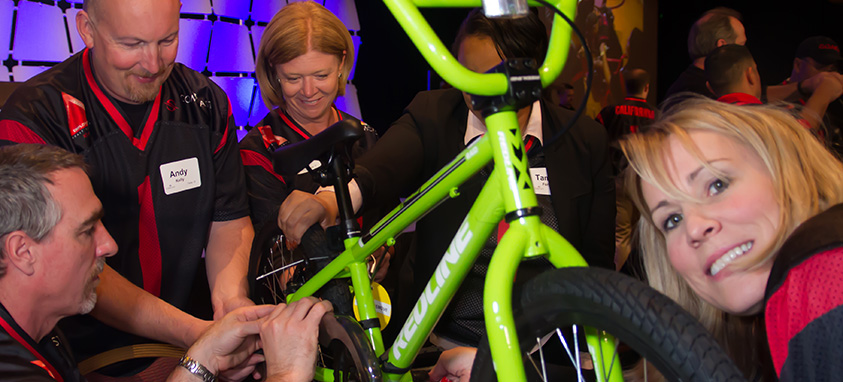
3. Your donation must be meaningful.  Don’t just assume it’s good to have attendees assemble or build bikes for distribution to students. Source the ideal beneficiary and discuss what is most needed that will truly make a difference for it. The value of the donation isn’t always as important to the beneficiary as making people aware of their organization and having an opportunity to pay it forward when your attendees travel back to their home cities. Acknowledging children in hospitals with bedside activity items and get well cards is not expensive, but to the sick child, these small gestures are priceless. Giving a bicycle to a child who already has one or who can easily ask their parents for anything is certainly not going to be particularly meaningful to him or her.

4. Connect with the community. Always invite a representative from the beneficiary to attend, and address your group.  This spokesperson will best explain the importance of the donation and how their organization supports the community and makes a positive difference to those most in need. Invite someone within the community who can stir up some emotion or reinforce the need for this donation. If appropriate, a soldier returning from a tour of duty can explain to the audience the importance of his or her family. The story will connect the audience with the cause and provide an extraordinary feeling that is priceless. Create a dossier of the recipients, with the goal of creating a human connection and highlighting the importance of this donation.

5. Follow up.  After the event, forward a thank-you letter and photos to your audience. The goal is to reinforce the importance of the donation and your company’s commitment as a good corporate citizen. The follow-up will certainly bring back fond memories and heartfelt emotion.

What are your metrics for return on emotion? 

Create a measurement of the emotion and build each year’s activity to exceed the audience’s level of expectation.  Be sure to have Kleenex in the room when the emotion level is reached!  Your event will be a win, win, win experience. Suggested metrics include:

  • Pulling on the heartstrings of your audience
  • Reinforcing the importance of the donation
  • Human connection with the community
  • Post-event survey that determines attendee feedback regarding the importance of a CSR event.  Do they feel good about their company? Do they see the value it adds to the meeting? Do they feel they can pay it forward within their own community?


Alan Ranzer, managing partner and co-founder of Impact 4 Good is a leading voice in the corporate social responsibility (CSR) movement. Under his leadership, the company has created and implemented hundreds of team-building activities for major corporations that have contributed immeasurably to local charities in the United States and abroad.

For more information, contact [email protected] or call 301-214-1472.

Photo credit: Odyssey Teams

Team-building and some form of corporate social responsibility (CSR) has been a meetings staple for years. Lots of conferences set aside time, space and resources to give attendees a chance to put together backpacks for school children or sort food supplies for those in need. But Bill John, president and CEO of Chico, California-based Odyssey Teams says most of those programs are not realizing their full potential. “CSR, volunteerism and team-building are terms that have lost their meaning because they have been used ineffectively,” he says.

For the past 25 years, he and partner Lain Hensley have been facilitating what he terms purpose-driven meetings that achieve business goals by doing two things:

First, by connecting participants to an activity that produces meaningful work. And second, by connecting them with each other and the reason for the meeting.

Odyssey Teams started with Habitat for Hounds, a program that guided groups through the building of dog houses that were donated to SPCA. It was a way for groups to learn how to work together by creating a tangible product. They then started Life Cycles, where groups built bicycles that were donated to children. “The bike was the product and the children were the customers. The reception from the kids was a game changer when it came to effectiveness in team-building, leadership development and community service,” he says.

In all those years, John has learned a few lessons about designing programs that do more than check a CSR box—they trigger emotions and change lives.

you may be doing CSR wrong

Photo credit: Odyssey Teams

Start by Asking the Right Questions

Why are you meeting in the first place? What do you hope to accomplish? Has there been a merger and people need to learn to work together? Is the company pivoting and a new goal or culture needs to be internalized? What is the goal? Design the program around that.

Make the Activity a Surprise

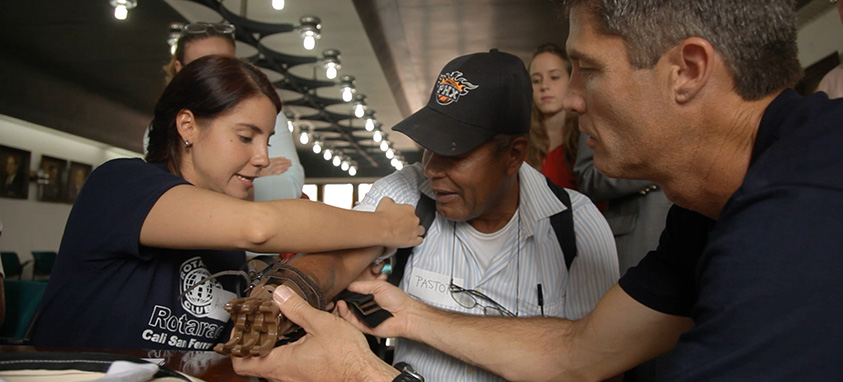
Focusing on the business concepts and using the activity as a metaphor creates a profound reaction that isn’t possible using only hypothetical examples. Another go-to activity, building prosthetic arms while learning to work as a team, brings meaning to the project in a way that bullets in a PowerPoint presentation can’t.

Put the Emphasis on the Meeting Objective

The power isn’t just in the building of product; it comes in the context and framing, he says. Focus on collaboration, alignment and culture to develop purpose-driven experiences.

CSR and wellness

A good run can often be interrupted by an unsightly confetti trail of litter. The constant disruption of stunning views with human debris signals a larger problem of ecosystem ruination.

Luckily, fitness fanatics in Scandinavia contrived a solution to help do their part. They’ve invented “plogging,” or picking up trash while jogging. The phrase is a mash-up of jogging and the Swedish phrase “plocka upp,” which means pick up.

Joggers in the Nordic country have been flocking to the forests for some time now to do Mother Nature justice. Now, the wave is coming to U.S. shores—it might even have a place in the meeting and events world.

Plogging for Planners

The activity can lend itself to a team-building session that blends CSR and wellness, two things attendees have come to expect from corporate events. Although picking up a bottle or two may seem insignificant, getting as a lot of people to participate can help attack a monumental issue.

Getting your group involved shows that your company cares about the environment and is taking active steps to remedy the many problems within it. It’s a more hands-on approach, rather than passive, and shows true effort and real-time results. Gathering to make a difference quickly establishes a warm rapport within a business.

Promoting healthy habits is a trend that’s also on the rise in the events sector. Attendees are progressively aware that they need to take care of their bodies. People want to feel energized and balanced, as opposed to groggy from sugar-loaded snacks and meetings that require sitting for much of the time.

It’s no secret that jogging has health benefits. But because plogging takes place outside, there are added health benefits. In Japan, being immersed in nature is known as “forest bathing.” The country has designated healing forests where people can experience nature uninterrupted. The act of connecting with nature has been proven to lower heart-rate and blood pressure, boost the immune system and improve metabolic health.

Dr. Darria Long Gillespie told Better, NBC News’ health website, that exercising outside makes physical activity easier and simply makes you feel better. Dr. Barbara Bergin said in the same article that bending over (to pick up trash) additionally stretches the back, buttocks, hamstrings and calves.

“Plogging is multitasking in its best form,” Bergin said.

Plalking, or walking and picking up litter, is an equally great option if attendees have health reasons preventing them from jogging or strenuous exercise.

How to Incorporate Plogging at Your Next Event

If your office or venue of choice is located near a forest, why not skip the amusement park for some socially responsible team bonding? Pick what’s simple and most suitable for your destination. Or, embark on a guided coastal hike, offered in states such as California, and ask if you can plog along the way.

Lifesum is a fitness app backed by Keep America Beautiful. The app has a special feature that allows users to input time spent plogging and calculates calories. Lifesum encourage users to take pictures while plogging using hashtags #plogging and #DoBeautifulThings to spread eco-awareness. You can make calorie counting a game, or widely disseminate your brand’s values across social media.

“Plogging is brilliant because it is simple and fun, while empowering everyone to help create cleaner, greener and more beautiful communities,” says Keep America Beautiful Senior Vice President Mark Rosen. “All you need is running gear and a bag for trash or recyclables, and you are not only improving your own health, but your local community too.”

top-all-inclusive-resort-incentives

All-inclusive resorts are the epitome of luxury—relaxation free of constant payment. If you’re looking for unforgettable all-inclusives for your next incentive program, check out our top choices. Some of these resorts are so remarkable that they need to go on everyone’s bucket list.

Here are 10 extra special all-inclusive resorts:

1. Nanuku Auberge Resort (Pacific Harbor, Fiji)

nanuku-auberge-resort-fiji-residences-hero1

Along the coastline of Fiji’s main island, Viti Levu, Nanuku Auberge Resort serves as the exemplary South Pacific getaway. Modern luxury meets Fijian culture to create a prime experience for vacationers. Some of the most amazing amenities include personal trainers, cultural tours, zip lining and workshops where guests learn to make Fijian handicrafts. The resort houses 18 unique suites and villa-style accommodations.

2. andBeyond Xaranna Okavango Delta Camp (Okavango Delta, Botswana)

andBeyond-Xaranna

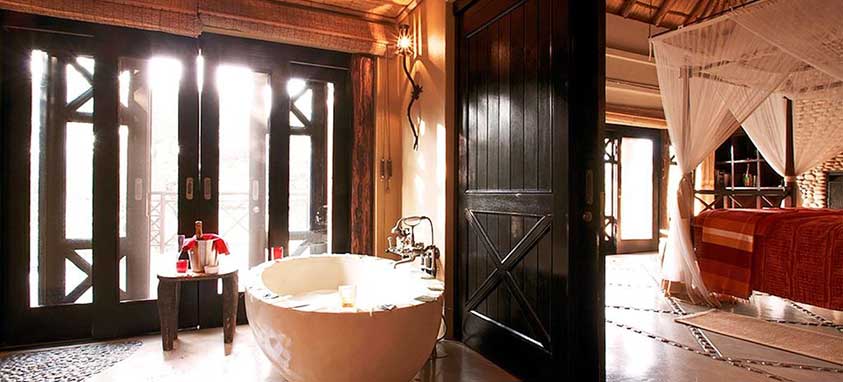
andBeyond Xaranna Okavango and Delta Camp in Botswana is much more than a vacation resort– it’s an exceptionally tailored experience. Guests can encounter exotic wildlife, enjoy mokoro canoe rides, venture out on a horseback safari and fly on scenic helicopter routes—everything is included with the all-inclusive package. There are nine lavish safari tents that guests can stay in.

3. Gran Velas Rivera Maya (Playa del Carmen, Mexico)

Grand-Velas-Riviera-Maya

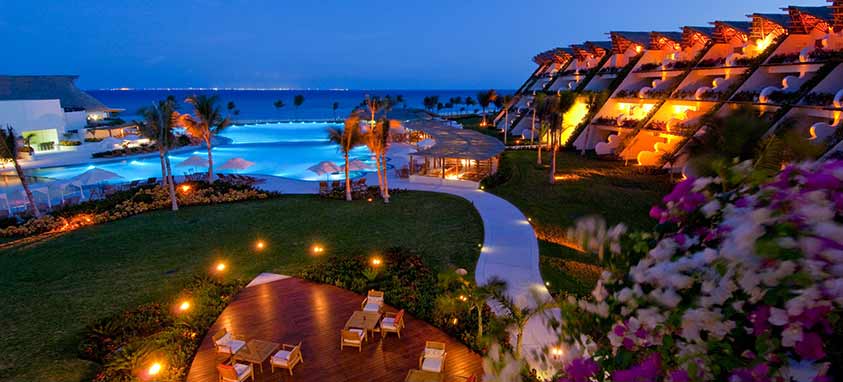
Gran Velas Rivera Maya encompasses the sophistication of Playa del Carmen, Mexico. The resort combines natural beauty with extravagant services and architectural design. The suites feature native artwork, whirlpool tubs and private terraces with stunning jungle- and sea-views. Gran Velas Rivera Maya provides butler-style service and eco-friendly amenities. Amid three splendid ambiances of contemporary Mexican decor, the resort offers 539 luxury suites.

4. Blackberry Farm (Tennessee, U.S.)

Blackberry-farm

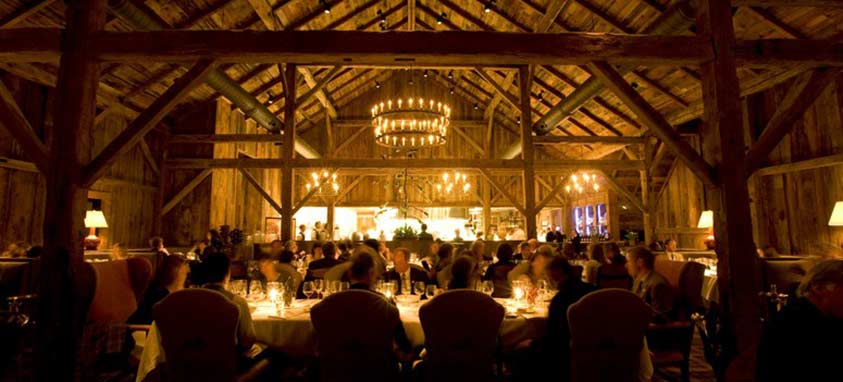
Blackberry Farm nestled in the Great Smoky Mountains in Tennessee is an ideal escape for those seeking genuine seclusion. The farm offers extraordinary food and activity options with a variety of wellness treatments and activities, such as kayaking, yoga and meditation, specialized massages, fly-fishing, horseback riding, paintball and more. Farm-to-table dining is elevated at the farm’s restaurant, The Barn. The produce used in the restaurant is mainly handpicked from the garden. The farm provides luxurious cottages as well as superb guest rooms in the Main House.

5. Constance Moofushi (Himandhoo, Maldives)

contance-moofushi

Upon arrival, guests can enjoy a supreme airport lounge experience before settling in at Constance Moofushi. The rooms are elegant, artful and delightfully rustic. All 110 rooms include premium minibars, the latest entertainment systems and striking beach views. Guests may choose from 24 beach villas, 56 water villas or 30 senior water villas, which are located next to the sapphire water of the Indian Ocean.  Each villa has been designed to emanate the tones of nature in a balanced, minimalist style. The beach is a prime location for snorkeling, water sports and diving—the resort is just30 minutes from some of the best diving reefs in the world.

6. Fowl Cay Resort (Exumas, Bahamas)

Fowl-cay

Fowl Cay Resort excels in privacy, evidenced by its promise of 50 acres of beach per 28 people. The resort claims no neighboring hotels, no passing ships and definitely no crowds. Fowl Cay Resort boasts six villas, each with its own fully stocked kitchen, wet bar and personal boat and golf cart. Snorkeling, fishing, sailing and tennis are some of the leisure activities available.

7. Thanda Safari (Hluhluwe, South Africa)

Thanda-Safari

Thanda Safari goes far beyond a simply enjoyable experience. Thanda, meaning “love” in Zulu culture, prioritizes environmental conservation and preservation of Zulu culture. Authentic safaris include views of Africa’s Big Five (African lion, African elephant, Cape buffalo, African leopard, and rhinoceros). The resort has three different types of accommodations: Thanda Safari Lounge, Villa iZulu and Thanda Tent Camp. Bushwalks and wildlife photography are just two examples of the dynamic activities guests can experience.

8. Four Seasons Resort Hualalai (Kailua-Kona, Hawaii)

Four-Seasons-Hualalai

Four Seasons Resort Hualalai offers the most picturesque environment a traveler could ask for. The resort contains 243 guest rooms and suites in two-story bungalows.  The fitness studio, seven pools, Ka‘upulehu Cultural Center and Hoku Amphitheater ensure constant, culture-infused entertainment options.

9. Rixos Sharm El Sheikh South (Sanai, Egypt)

Rixos-Sharm-El-Sheikh

Rixos Sharm El Sheikh South tastefully blends the heritage of Egypt’s Red Sea with modern luxury and attractions. The resort is in an exotic yet central landscape, allowing guests to venture out to local areas. The self-described ultra-all-inclusive resort holds 695 luxuriously furnished rooms.

10. Hilton Rose Hall Resort and Spa (Montego Bay, Jamaica)

hilton-rose-hall

Hilton Rose Hall Resort and Spa provides guests with upscale tropical amenities and interior designs. The resort holds 489 guest rooms, seven restaurants, a lazy river, a private beach, three terraced pools and an in-pool bar.

The world of food and beverage is one that allows planners to get really creative. Interesting ingredients, healthy (or not so healthy) refreshments, experimental drinks and other culinary innovations give planners a lot of opportunities to have fun. Let’s look back at some of the year’s best food and beverage ideas for events.

snacks-for-meetings

1. 6 Brain Food Snacks that are Office-Friendly
These smart snacks are not only delicious—they also provide a healthy energy boost that avoids the sugar crash while making you more productive throughout the day. Don’t believe us? Try serving a few of these at your next event.

stregis

2. A Healthy Focus on Wellness
Wellness was all the buzz in 2016, and it will continue to be a priority for many Americans in 2017. Naturally, one of the most important parts of wellness is diet. From healthy drinks to organic foods and health-conscious snacks at events, we break down 26 great ways to keep attendee wellness in mind.

2016 food trends

3. Serving Up 2016 Food Trends
Trusted trend analyst and hospitality industry consultant Andrew Freeman gave us a taste of the most anticipated food trends of the year. His predictions included Hawaiian specialties such as poke and delightful treats such as gourmet ice cream.

snacks-for-meetings

4. 7 Super Snacks for Your Next Meeting
Finding creative snacks for meetings can be a struggle. The usual finger foods and drinks might make attendees lose their appetites, so take some inspiration from the kitchen of Carlos Collado, executive director of catering at MGM Grand Hotel in Las Vegas.

2017-food-and-beverage-trends

5. Infographic: 11 Enticing Food and Beverage Trends for 2017
Planners who want to satisfy hungry attendees should get ready for 2017 by taking a look at these 6 inventive food trends and 5 experimental cocktail trends. With creative twists on childhood desserts and culinary-influenced cocktails, these trends are sure to impress.

healthy-meetings

During 2016, Smart Meetings shared lots of tips for healthy meetings and personal self-growth. Our motto here is healthy meetings equal healthy ROI.

Here are 8 strategies for healthy meetings and a healthier you in 2017.

Make Self-Help a Priority

We start by asking: How often do you put your needs first? No matter how many times people are encouraged to put their own needs first, it’s often a struggle.  Not only do planners, doctors, surgeons, parents and spouses rarely put themselves first, they usually push themselves to the brink of burnout. Self-care falls to the bottom of their lists…More

Strive for Work-Life Balance

Many New Years’ resolutions revolve around achieving a better work-life balance. This is especially true for meeting planners, who often work long hours, travel frequently and are separated from their loved ones. Creating work-life balance can be challenging, but experts agree that it is essential for health, happiness and success. If changes are in order, they may be physical in nature (such as getting more exercise or cutting down on caffeine) or behavioral  (such as learning to disconnect from technology or changing one’s working habits)…More

Flex Your Mindfulness Muscles

In the whirlwind of modern life, it’s not unusual to feel like you’re operating in an anxiety-ridden fog: multitasking, haphazardly knocking items off your to-do list and fretting about the past and what’s to come. That’s why we can all use a little mindfulness in our lives. It’s been touted as meditation, the new caffeine, a new religion and a new spirituality. There is nothing inherently new about the practice, but it is often misunderstood…More

Sleep is Crucial

In order to perform at their peak, meeting planners must be sharp and well-rested. A good night’s sleep is crucial to feeling refreshed and restored.  Westin Hotels & Resorts has long been an innovator in wellbeing programs, including sleep initiatives. Westin has 12 tips for a better night’s sleep…More

Minimize Jet Lag

Have you ever traveled to a different time zone and found yourself wide awake at 2 a.m. or hungry for breakfast in the middle of the night? If so, you’re one of the 93 percent of travelers who experience jet lag, according to statistics from the American Sleep Association. One of the most common sleep disorders, jet lag affects the body’s circadian rhythm, or biological clock. Symptoms can include fatigue, headaches and insomnia. But jet lag doesn’t have to ruin your business or vacation plans. These easy tips will show you how to avoid jet lag—or at least minimize it…More

Meet Somewhere Healthy

Meeting planners travel to many American cities; some of which are healthier than others. 24/7 Wall St. crunched health data from the County Health Rankings and Roadmaps program, a collaboration of the Robert Wood Johnson Foundation and the University of Wisconsin Population Health Institute, in order to determine which American cities are the healthiest.

Their conclusion? Rochester, Minnesota, home of the renowned Mayo Clinic, is the healthiest city in America. Rochester adults report an average of just 2.4 physically unhealthy days per month, the lowest in the country. When they require medical attention, the ratio is 180 primary care physicians for every 100,000 residents—more per capita than in any other city in America. Find out the top 25 cities for healthy meetings..More

Seek Out Options for Healthy Meetings

Health and wellness used to be an afterthought in the meetings industry. How times have changed! Today, airports sell kale salad, meetings occur in light-filled spaces and hotel gyms are bona fide fitness centers with impressive spas. Are you gluten-free? No problem. The hotel kitchen staff will happily prepare tasty dishes to meet your dietary requirements. The radical transformation is bringing joy to planners and attendees.

“A happy guest is a healthy guest,” says Dr. Ernest Brown, a Washington, DC-based physician who serves as medical advisor to several hotels in the nation’s capital. He cites Sofitel Washington DC Lafayette Square as an example of a property concerned about health. The hotel regularly hosts events where community partners provide information and free consultations. “And with the assistance of a dietician, their executive chef developed a fantastic menu that provides calorie counts,” Brown says…More

Stand Up to Sitting

While all meetings are different, one trait they share in common is that attendees often spend a lot of time seated. Dr. James Levine, a Mayo Clinic endocrinologist who has done extensive research on the dangers of inactivity, believes sitting is the new smoking. After three decades of work funded by the National Institutes of Health, Levine has concluded that excessive sitting is responsible for many chronic health conditions, including obesity, diabetes, cancer and cardiovascular disease, as well as premature death…More

charcoal-burger-bun f&b trends for 2017

Each year a new crop of buzzy ingredients and culinary novelties lands on food and beverage menus to tempt diners eager to try the hippest new dishes and drinks. According to Intercontinental Hotels Group, these trends are poised for a popularity spike in 2017.

Dark Arts

The well-worn fashion maxim “Black goes with everything” also applies to the food world, where the results prove more bold than basic. Black’s culinary breakout comes courtesy of ingredients such as black garlic, squid ink, black rice and charcoal. Yes, charcoal—but not the kind you’d use to grill a steak. A byproduct of burning coconut shells, wood and other plant material, activated charcoal is hailed as a detoxifier for its ability to bind to chemicals and carry them from the body. Charcoal recently gained popularity as an ingredient in beauty products. Now it also imparts an onyx allure to cocktails, burger buns, ice cream and more.

beet-soup

Soup’s On

The surest sign that soup has arrived in the spotlight? The sick-day staple has its own verb. Souping, a less extreme alternative to juicing, offers familiar vibrant flavor combinations and nutritional perks, plus added benefits. Making soup generates less waste than juicing, notorious for leaving behind piles of fruit and vegetable pulp. Not only is soup heartier and more filling, but it is also usually served warm, a welcome bonus for nutritionally conscious eaters fighting off winter hibernation urges.

lechon-pork-dishLechon, a spit-roasted pork dish, is a signature of Filipino cuisine

Emerging Ethnic Cuisines

There is a long tradition of immigrants sharing their native cuisines with U.S. diners in both authentic and adapted forms. Two cultures situated approximately 10,000 miles apart are among the latest to make their mark on America’s ethnic food scene. Caribbean flavors from the West Indies, Central American islands and nearby coastal countries incorporate influences from Africa, Latin America, Europe and Asia into dishes that make ample use of seafood, spices and chili peppers. Filipino food, another trending cuisine, enlists its own cultural mashup to invigorate palates with bursts of acidity and umami flavor.

vegan-shepherd's-pieVegan shepherd’s pie with lentils, mushrooms and sweet potato puree

Veggies in the Limelight

The rise of specialty diets, growing awareness of the resources required for meat production and desire for comfort food flavors from healthy ingredients are just a few of the factors propelling vegetables into prime dinner-plate position. More than a gimmick, the shift has attracted mainstream notice. The creative flavor combinations at vegetable-centric San Francisco restaurant Lord Stanley landed the Russian Hill eatery on Bon Appetit’s Hot 10 list of America’s Best New Restaurants 2016. But this trend isn’t only for the haute. Pizza crust can be made of carrots or a portobello mushroom cap. Tomato sauce now tops voodles, or veggie noodles, instead of pasta. Mashed potatoes might mean sweet potatoes or no potatoes at all. Cauliflower mash, anyone?

harvested-agaveHarvested agaves will be roasted and distilled to produce mezcal

Mezcal’s Moment

The craft spirits craze that bestowed cult status upon artisanal, small-batch distillers also fueled a larger appetite for underappreciated specialty liquors. Enter mezcal, a rare and smoky spirit rooted in Mexico’s centuries-old mezcalero tradition. Like tequila, its mainstream cousin, mezcal is made from the agave plant. But while tequila can be derived from only one variety, the blue agave, mezcal carries no such restrictions. Still, raw materials are in limited supply. Agave plants take years to develop the maturity and terroir, or environmental character, of a superior mezcal. Pit-roasting harvested agave hearts over smoking wood charcoal further boosts flavor. Enjoy mezcal in a cocktail or sip it neat like a true devotee.

healthy-foods dietary restrictions at events

It’d be so much easier if we all ate the same things—but we don’t.  There are over 100 food allergies and countless diet trends that planners might have to account for at an event. If handled incorrectly, it could severely impact your budget. It’s enough to make event planners want to pull their hair out. But fear not, we’ve got some handy tips for you to nail the execution and send everyone home with full bellies.

Rule #1: Find out your guests’ preferences.

Create a form for attendees to fill out along with the pre-registration information. This should include a check box section where they can mark their food allergies and preferences. List them all together—preferences and allergies should be of equal importance. You never know who is gluten-free by choice and who has Celiac disease. After they finish checking off the boxes, ask attendees a few simple questions about their preferred meals. Do they like to eat healthy or enjoy comfort foods while traveling? Do they often bring their own snacks to supplement meals? Do they usually eat breakfast? You can also ask attendees which planned food functions they plan to attend. You won’t get a perfect attendance number, but it might help you get a more accurate number of plates for the caterer to prepare.

Make it clear within the pre-registration packet that preferences and allergies not mentioned in this packet will be difficult to accommodate at the event. There will be some stragglers, but this type of wording reminds attendees they are responsible for letting you know. Also inform attendees that their meals will be tracked—they’ll be held somewhat accountable for their preferences and you won’t lose your shirt on uneaten food.

Additionally, give attendees a deadline to return these packets. Give your caterers and hotel at least a month of advanced warning, if not more, depending on how large your event is.

Rule #2: Streamline your menus.

If you know that a lot of attendees have different dietary preferences, there’s no need to try and create a single dish for each one. Instead, choose a cuisine that already accommodates a lot of the restrictions on your list, such as Mediterranean or Mexican. Yes, Mexican works—corn tortillas and rice are completely gluten-free! And grilled Mexican vegetables are just as delicious as the meat if done well. Southeast Asian cuisines also shy away from gluten and put vegetables in the spotlight—everyone loves a sesame noodle salad. Once you’ve chosen a cuisine, it should be relatively easy to pick one dish—for instance, tacos or shawarma and falafel plates—that is easy to replicate on a large scale, but with the flexibility to substitute ingredients if necessary. It’s just as easy if you choose to go buffet-style or plated.

Rule #3: Label everything.

Whether you’re listing ingredients on a menu or organizing a buffet, people like to know for themselves what’s in their food—and they know best what they can and can’t eat. Labels should say what the dish is (i.e. bacon mac n’ cheese) and if it appeals to a certain diet (i.e. gluten-free, dairy-free or vegan). Whether it’s on a menu, a card next to the dish on a buffet or a label on each ingredient in the salad bar, it will help attendees flag any oversights and make it easier for servers to help them find a suitable option.

Rule #4: Build the salad bar to end all salad bars.

Everyone loves a good salad bar, but take a cue from Whole Foods Market and make one that has endless options. A good salad bar has at least three kinds of greens, plenty of different vegetables to throw on top, a few sources of protein (chicken, tuna, beans and bacon are crowd favorites), some grains or legumes (go for quinoa or lentils to accommodate the gluten-free contingent) and of course a few different dressings. With that many options, you’ll appease everyone, your caterer can do most of the work upfront (salads are all about prep), and you can rest easy knowing that you’ve created a healthy, filling and flexible option for all of your attendees. Just don’t forget the labels!

Holiday Event Planning

With the holidays fast approaching, many companies have begun coordinating their annual holiday parties. These events have become a way for organizations to not only bring their teams together and celebrate, but also to give back to employees and thank them for all of their efforts throughout the year.

As holiday parties have come to symbolize a gesture of gratitude, it’s important to ensure a fun, memorable experience is had. From the menu to the bar tab, there are many unique and creative ways to host an unforgettable event—while staying within budget.

Flexibility is Key

Starting the event planning process as early as possible is a no brainer—at least six to 12 months ahead in advance is ideal, depending on the size. However, there are still some options available when booking at the last minute.

Most companies schedule holiday celebrations for Friday or Saturday evenings, so many of these timeframes may already be filled. By choosing an alternate day or time, planners may have more options to choose from. This can help cut costs on food and beverage minimums, as well.

It is also advisable to ask the preferred venue about unique event spaces. Even if ballrooms and other traditional spaces are fully booked, the venue may have another room available, such as outdoor terraces, elegant boardrooms or reception areas.

All-Inclusive Venues

Ideally, holiday event planning should be fun, without stressing about every detail. By holding a function at an all-inclusive venue, such as a hotel or resort, planners can save  time and money, and decrease stress.

Small, unexpected costs such as glassware, silverware and chairs tend to add up quickly, but with an all-inclusive venue there is no reason to consider add-on charges. The venue will provide additional elements—from tablecloths and linens to holiday decor and centerpieces—at no extra cost.

Most importantly, all-inclusive venues have onsite staff who can assist with every phase of arranging the meeting or event. Planners can then focus on coordinating more exciting elements, such as entertainment and activities.

Audience Engagement

The most important tip for planning any event is to know your audience. Once you are aware of the audience’s preferences, you can implement targeted and creative ways to gain their attention.

A themed party is a great way to provide authentic, destination-based experiences for your guests. At the Hyatt Regency Austin, the city’s popular patio-dining scene comes to life with outdoor decor, such as hanging cafe lights, patio furniture and yard games including cornhole, oversized Jenga, Connect Four and other fun elements.

Non-traditional holiday events are also worth consideration. For example, there is a growing trend of companies hosting family-friendly outings, rather than adult-only functions. With these events, you can provide activities for all ages, such as breakfast with Santa, cookie-decorating stations, arts and crafts projects, and more.

Fun With F&B

Holiday menus are another opportunity to think outside the box. Of course, you can have traditional, reception-style service or dinner buffets, but there are other ways to make ordinary meals more interesting. Take inspiration from classic holiday movies such as How the Grinch Stole Christmas! or A Christmas Story; another option is to bring in food trucks decorated in holiday lights.

For dessert, event planners can come up with interactive stations, such as an adult’s only cookies and cordials pairing, or cordial-infused milkshakes where guests can create their own concoctions. As guests begin to leave, it’s a good idea to send them away with one last treat. Surprise them with an unexpected pop-up snack stand supplying something tasty for the road.

Tackle the Bar Tab

Many hosts are intimidated by the bar tab, and some forego a holiday party altogether in fear of it becoming too expensive. Others decline paid beverage options and opt for a cash bar instead. However, it is possible to serve drinks while staying within your budget.

Sticking with punch bowls or beer and wine is one affordable option. Drink tickets are another way to limit expenses. One unique suggestion is to have beverage stations, such as providing Champagne and a variety of mixers for guests to make their own sparkling cocktails.

Event Attendance

The priority of any holiday gathering should be about giving back and saying thank you to employees. Not all organizations can afford to throw an extravagant party, but providing a few bonuses will go a long way in making your guests feel appreciated.

First of all, make sure to ask the venue if there are any ongoing promotions that will enhance the guest experience. It’s also important for planners to think of what will prohibit their guests from attending the event and finding possible solutions. For example, companies can consider providing transportation options, babysitting services or special overnight room rates.


Allison Jacques is director of events for Hyatt Regency Austin. She has more than 13 years of experience working in the events department with Hyatt Hotels. She graduated from Pennsylvania State University in 2003 with a degree in hotel, restaurant and institutional management.