| You are not alone. DMCs all over the world exist for the sole purpose of helping you design engaging, safe, smooth events. Consider this your need-to-know cheat sheet for working with destination management companies wherever your meeting takes you. | |
 |
 |
 |
 |
Concerning airline, hotel and credit card reward programs, the bottom-line benefits often seem nebulous. Are those 1,000 points worth buying? Or are rewards the equivalent of happy hours that scale back food portions to match “happy” prices?
WalletHub sorted mounds of discerning data to rank the pros and cons of the most popular hotel rewards programs and make the points game a little more transparent.
See also: Portland Ranked #1 Foodie City
WalletHub weighted categories for hotel rewards programs including geographic location, dollar value of rewards, earning limitations, and redemption options (like blackout dates and brand exclusions). Following are the top 5 choices, ranked by most overall benefits to least.
- Wyndham Rewards
- Radisson Rewards
- Best Western Rewards
- Choice Privileges
- Marriott Bonvoy
WalletHub was, however, quick to advise that the best program for travelers is heavily dependent on individual factors—primarily, how often you stay in hotels. As may be expected, heavy travelers are likely to accrue benefits more easily than light travelers. Because of this discrepancy, the WalletHub survey also provided an additional break down of benefits based on light, medium or heavy travel habits.
As an example of the individuality of the definition of “best program,” U.S. News & World Report also released a 2019-2020 Best Hotel Rewards Program survey, which ranked Marriott Bonvoy as No. 1.
- Marriott Bonvoy
- Wyndham Rewards
- World of Hyatt
- Choice Privileges
- Best Western Rewards
Difference in Methodology
For U.S. News, “ease of earning a free night” comprised 45 percent of the total score, and the “additional benefits” category was weighted at 25 percent, which included whether points can be earned through non-hotel expenditures, and availability of complimentary amenities and upgrades. In contrast, WalletHub’s two heaviest weighted categories were “value of rewards” and “redemption options.” WalletHub ranked Marriott Bonvoy best for international travel, noted World of Hyatt for having the fewest earning limitations, and pointed to Best Western Rewards as the only program with points that don’t expire.
A point of convergence between the two rankings is that Marriot Bonvoy, Wyndham Rewards, Choice Privileges and Best Western Rewards all ranked in the top 5 of both surveys.
 Today, CalSAE shared the sad news that Jason Neary passed away in a battle with Leukemia. Jason was a member of CalSAE since 2002, as well as a team member at North Lake Tahoe Resort Association, an organization he’d been with for more than 25 years.
A release by CalSAE stated “he exemplified many of the traits to which we all aspire—a consummate professional, always optimistic with a terrific sense of humor, thoughtful—and most of all, someone who created lasting friendships.” May he rest in peace.
A celebration of life for Jason will be held at some time in summer, but details on location or date have yet to be release.
A new forecast by U.S. Travel Association found that “sluggish demand” for overseas travel to the United States could continue through 2023. “The country is falling behind international travel growth worldwide,” according to U.S. Travel Association President and CEO Roger Dow.
Travel to the U.S. is still projected to grow at 2.4 percent, but that is half of the estimate for global long-haul travel, which is on track to clock in at 4.8 percent growth for the next three years.
That gap will further diminish the U.S. share of the total long-haul travel market to 10.4 percent by 2023, a 3 percent decline from its previous high of 13.7 percent in 2015. Dow estimates that the loss in market share over four years would mean a loss to the U.S. economy of $78 billion in visitor spending and 130,000 American jobs.
“International inbound travel is the No. 2 U.S. export, and making its pace of growth a national priority could be a difference-maker in helping to keep the country out of a recession,” said Dow. He suggested policy solutions that could help to address the decline, starting with congressional reauthorization of the Brand USA tourism marketing organization.
A new American Express Meetings & Events 2020 Global meetings and Events Forecast noted that there have been challenges with securing visas for some travelers to attend meetings in the United States, resulting in some people being unable to attend an event. “Group air specialists are taking this into account and whenever possible avoiding booking routes that transit the U.S. for nationalities who might need a visa,” the study reported. It also found a shift to more regional incentive programs rather than bringing everyone together from international offices to get around the travel challenges.
The report noted new airplane technology and an increase in direct international flight options—including one from the U.S. west coast to New Zealand—as advances that could improve travel experiences.
Domestic Slowing
The U.S. Travel report also projected soft growth in the domestic travel market, which the U.S. Travel report forecasts will increase by just 1.4 percent in 2020, the slowest pace in four years. The American Express Meetings and Events study projected increasing rates for North American air travel—to the tune of 3.2 percent.
Curacao Marriott Beach Resort
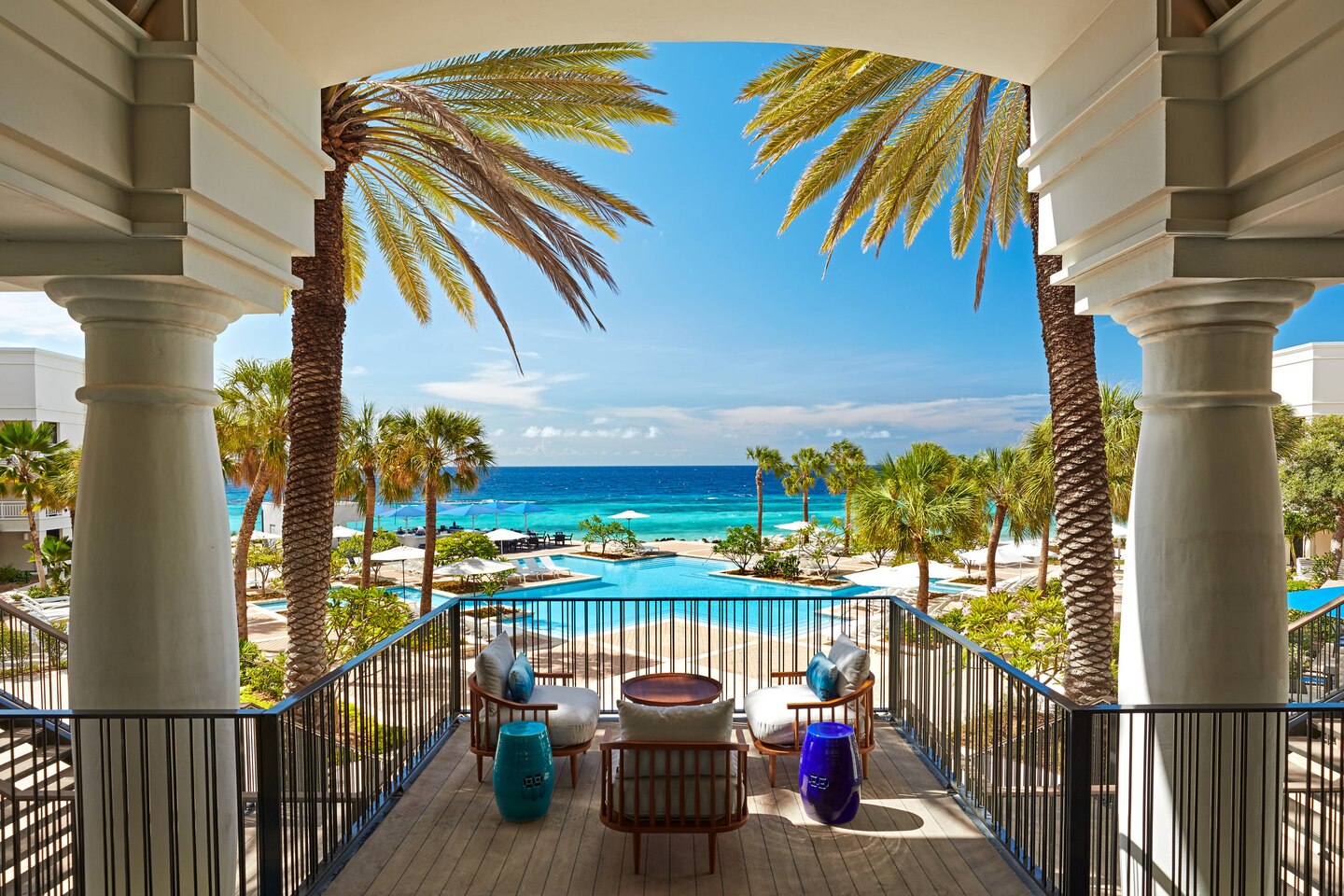
The newly renovated resort features 328 guest rooms and more than 51,000 sq. ft. of event space, including a 10,000-square-foot outdoor oceanfront venue. The hotel resides on 6 acres of property on the Caribbean waterfront, just 15 minutes from Hato International Airport (CUR) and a few miles from the island’s capital, Willemstad. One of several signature dining concepts, restaurant C-Spice features the flavors and dishes of the region with a bit of European influence, reflecting the island’s cultural history.
InterContinental San Juan, Puerto Rico
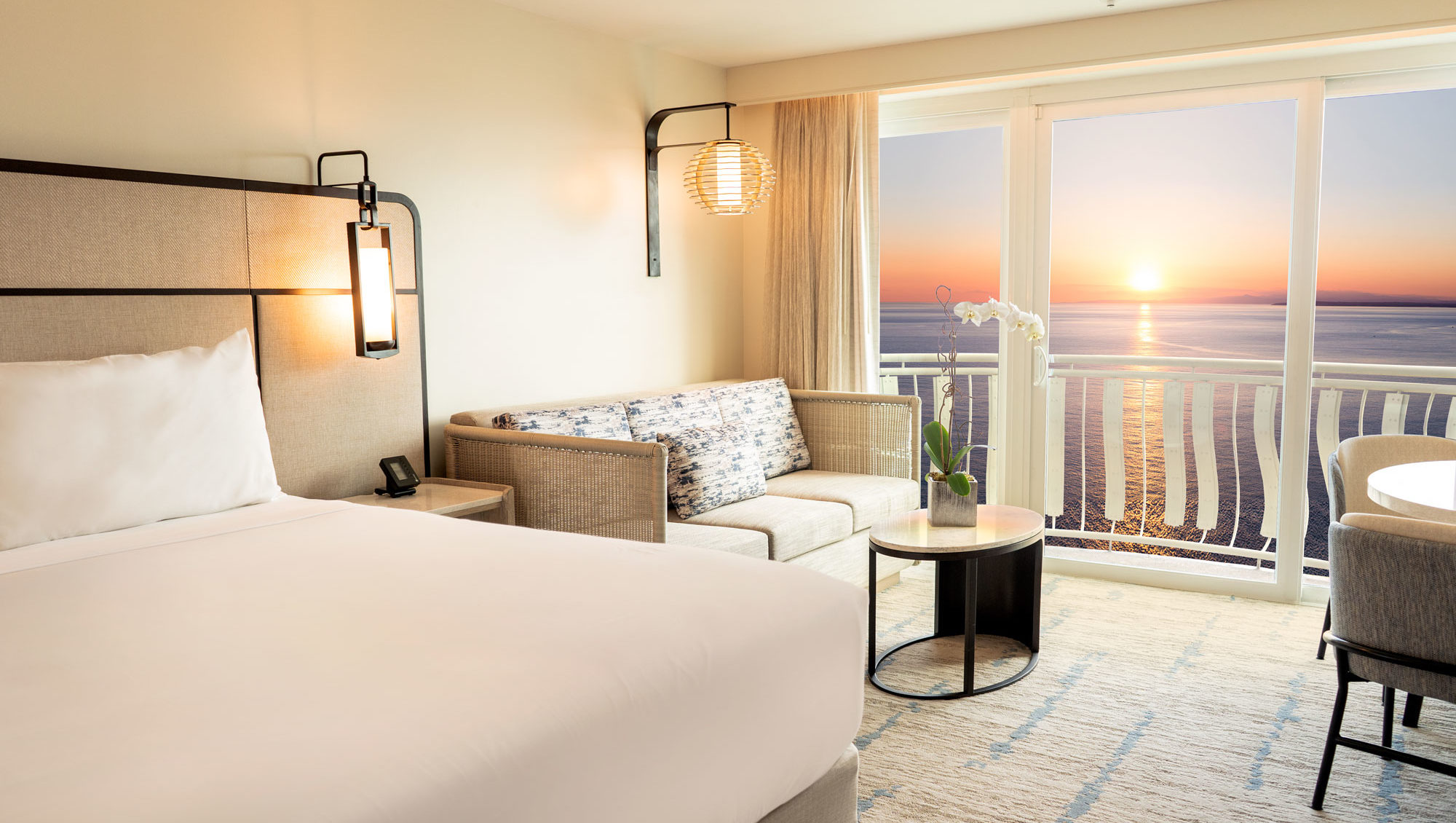
The property reopens its doors in January 2020 after a multimillion-dollar renovation, including full updates to its 398 guest rooms, club rooms and suites. Its location in the capital city, near golden sands, means the waves are rarely out of sight. Special to events planned here is InterContinental’s Insider Collection, offering programs, activities and spaces to customize your rendezvous. Insider Collection partners with National Geographic Center for Sustainable Destinations to offer localized itineraries that benefit and celebrate the hotel’s surrounding culture while providing experiences for your attendees, including an equestrian dinner, an event in the rainforest and a Puerto Rican coffee tasting.
Hyatt Regency Aruba Resort Spa and Casino
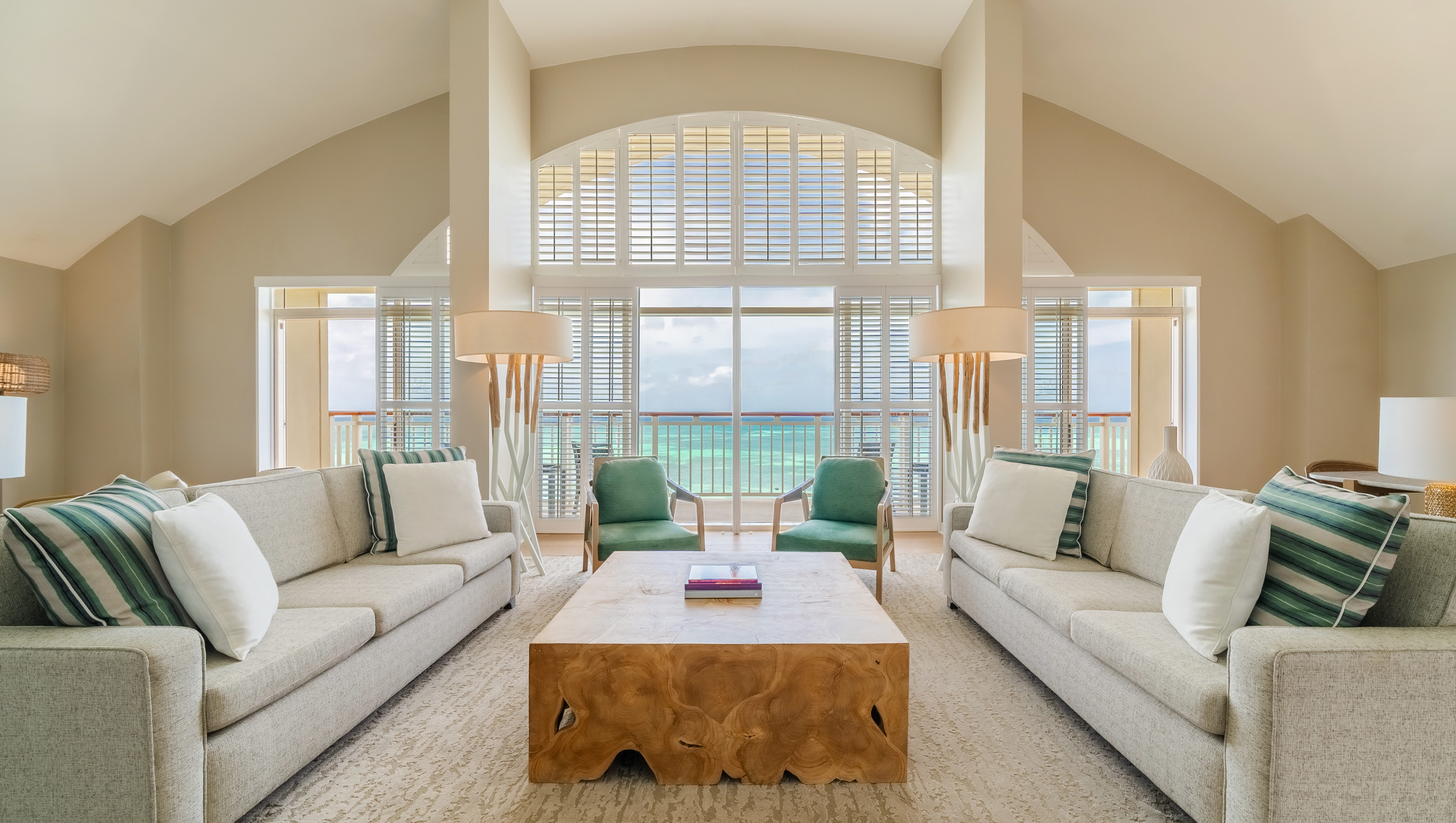
Host any magnitude of event—from a company gala to a private retreat—in this property’s 33,000 sq. ft. of meetings space, across beachfronts and ballrooms, poolsides and palapas. The 359 guest rooms feature contemporary style and balcony ocean or garden views. Regardless of the kind of business being done in Aruba by guests, the end of the day promises a respite with too-fun-to-miss amenities, such as a multilevel pool with a waterslide and nightly live entertainment in Hyatt Regency Casino.
The Resort at Coco Beach, Rio Grande, Puerto Rico
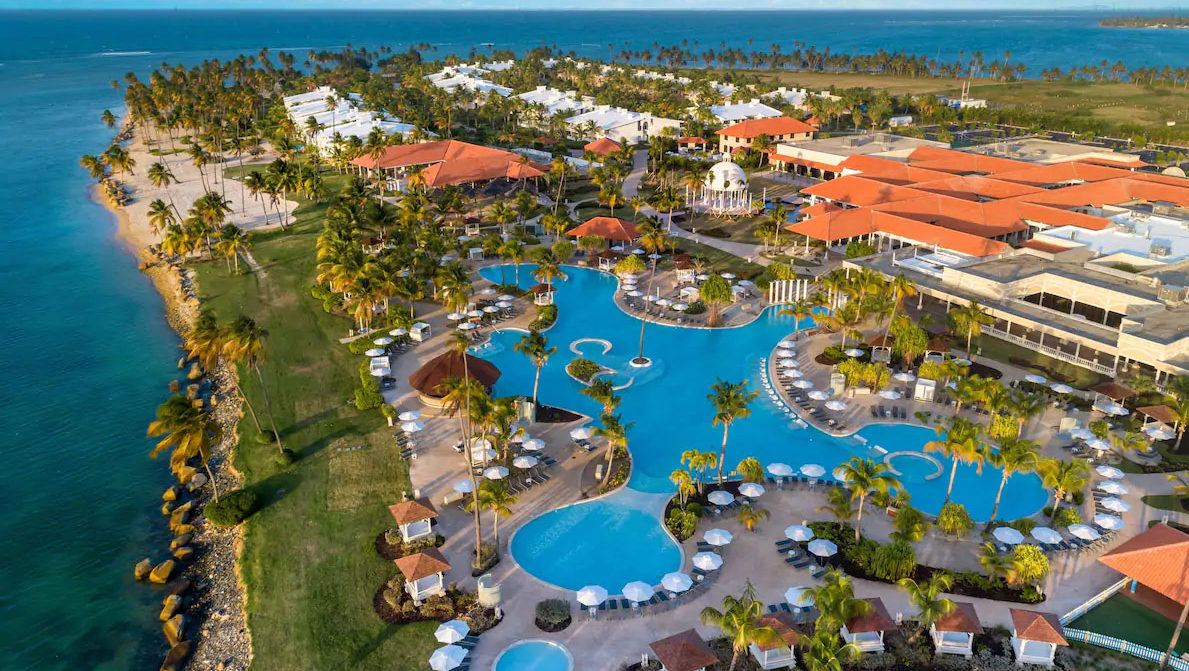
This Hyatt-affiliated hotel is soon to be rebranded as Hyatt Regency Resort at Coco Beach, following brand upgrades. The resort sits on the coast in Rio Grande, just miles from tropical El Yunque National Forest, where guest activities can include hiking or ziplining through the lush rainforest, or golfing nearby on one of two PGA championship golf courses. Indoors, the resort boasts more than 31,000 sq. ft. of function space, consisting of four ballrooms and multiple breakout rooms, and 579 renovated suites.
Being a great leader in the business event industry is not for the faint of heart! Location, logistics, diplomacy, technology, trouble-shooting, nutrition choices, environmental impacts, balancing on a high-wire—so much comes into play. But you have embraced this role, and you wouldn’t have it any other way. That is why we’re here to talk about the characteristics of leadership in this industry we love and tips and conversations that will be helpful to you in your SuperHero role. We’ll start with a few of my favorites.
Quiz: What Type of Meeting Planner Are You?
Vision: Knowing definitively what your event is about, what success looks like, what kind of engagement you seek from your attendees, what kind of outcomes will make this the best event of its kind ever! These things need to be defined in terms that all involved in planning and executing your event will understand and then communicated thoroughly until everyone can articulate the vision themselves and is committed to making it happen. While this might sound basic, it’s not always done. Ensuring people can see the full vision and how their particular role works into that can make all the difference in the world.
Decisions: Your event is dependent upon decisions that need to be made from beginning until end and they must be timely. This goes for every choice—small, large and everything in between. Starting with the vision, ending with the post-event follow-up, deciding on venue, suppliers, menus, technology, programming and all the rest of the details can be overwhelming. Having timelines, systems and parameters in place to help decentralize decisions, empowering team members to make decisions (and implicit guidelines around what that means) and, most importantly, having clarity around who makes decisions about what, what the decisions are, and who will execute on those decisions—these are immensely important. Don’t underestimate the impact of communicating that clarity!
Flexibility: The best laid plans often go awry—an oldie but a goodie, that saying. Being equipped and able to deal with changing circumstances, conditions and situations is a critical leadership component. Don’t mistake flexibility with diversion from the original goals—keep that vision in mind as you weigh alternative decisions that must be made.
Quiz: Which City is Best for Your Next Event?
Communication: Communication to everyone—stakeholders and boards, delegates, partners, sponsors, suppliers, speakers and more. Having a communications flow chart illustrating who needs to know about what can be a valuable tool for all members of your event team. You’ll have your formal, timed communications—notifications about the event itself. That flow chart can help ensure everyone who needs to know something hears it in a timely manner. The other important element is communicating in a “language” that our audience will understand. Ensuring everything from form of communication to the words and acronyms we use must be considered to ensure a minimum of ambiguity and help our target audience feel enthusiasm, not confusion.
There is much to talk about when it comes to business event leadership, and we’ll continue this series. Email us at editor@smartmeetings about what topics you’d like us to dive into next:
- Self Awareness
- Collaborative Cultures
- Integrated Workplaces
- Finding Your Why
- Mindful Leadership
- Sparking Innovation
- Leaders of Tomorrow
- Communicating Clearly
- Managing Up
- Mentoring
- Delegating
- Other ___________
In many ways, Chicagoans feel a closeness that’s rare for a metropolitan area of 10 million people. Many of them feel an intense closeness, as well, to the Chicago Cubs baseball team—a feeling shared by many devoted fans around the country.
For many years, it was a closeness that defied all logic…specifically, all logic saying that teams with such dedicated fan bases win World Series at least occasionally. Yet, locals kept coming to games, and their stadium, Wrigley Field, remained a favorite destination for visiting groups and individuals.
More: Incorporate Sports into Your Events: A Smart Play
The Cubs were called “lovable losers” for so long that it almost seemed like their official name. When they finally won the 2016 World Series, it ended a period of heartbreak that lasted 108 years. Consider…
- Two World Wars had taken place since the Cubs last won the World Series, in 1908.
- One gigantic Depression had occurred.
- The 1919 Black Sox Scandal—involving the other team in town, the White Sox—took place 11 years after the Cubs’ previous World Series victory.
Generations of diehard Cubs fans were born, lived and passed on without ever seeing a World Series victory. Sometimes, the team came close, giving rise to euphoric hopes that inevitably came crashing down in a sea of errors, wild pitches or just plain bad luck.
So, when the Cubs finally won the World Series three years ago, everyone on the streets of Greater Chicago that night was part of a “family” celebration. On that joyous night, strangers were family.
Even the dearly departed remain part of the Cubs family. After the victory, gravestones at local cemeteries were filled with notes such as “Grampa and Grandma, you can rest now. We finally did it.”
The Cubs have remained competitive since their World Series win, making them and their historic ballpark even more desirable attractions for meetings groups.
Read more about Chicago’s appeal to meeting groups in Steve Winston’s story, “Greater Chicago: Be a Foodie Your Way in a Midwestern Mecca” in the December issue of Smart Meetings.
Michael Lindenbaum

Dream Hotel Group promoted Lindenbaum to chief operating officer. He joined the company in 2010 as vice president of operations; most recently, he served as vice president of hotel development and operations. Before joining Dream Hotel Group, Lindenbaum held senior leadership positions for various brands, such as Gansevoort Hotel Group, Gotham Hospitality, The Library Collection (formerly HK Hotels) and Born-Druckier Hotels.
Jason Capra

Capra joined The Creative Engagement Group in London as client engagement director, where he will push forward the company’s live event and experiential offerings, among other things. Capra has a long history working for creative advertising agencies. Most recently, he was managing partner for Cheil Worldwide, a full-service, data-driven marketing agency. Before this, he worked for many other agencies, including AMV BBDO, Brothers & Sisters, Leagas, Delaney and D’Arcy/Leo Burnett.
Rosalie Mortillaro

Mortillaro is now director of marketing and communications for New Orleans Ernest N. Morial Convention Center. For the past 12 years, Mortillaro was the communications manager for the convention center; before that, she was the communications specialist. She is a former vice president of communications for the International Association of Business Communications—New Orleans Chapter.
Dan Lyle

Tenaya Lodge at Yosemite in Fish Camp, California, named Lyle general manager. Most recently, he served as general manager for Delaware North concessions operator at Grand Canyon National Park, where he oversaw Yavapai Lodge and Trailer Village. Lyle’s history of leadership roles includes working as director of finance for Delaware North at Yosemite National Park, and director of reservations and national revenue manager for Aramark in Phoenix.
Darin Matsuda

Matsuda was named hotel manager for The Portofino Hotel & Marina in Redondo Beach, California. He recently served as director of operations at Hotel Oceano in Santa Monica, California. Before this, Matsuda was assistant director of The Garland Hotel in North Hollywood, California, and transportation manager at Aria SkySuites as well as Aria Casino and Resort in Las Vegas.
Jon Hixon, CMP, CDME

Visit Indy hired Hixon as senior director of sales. His career began when he joined Experient, after which he began working for the American Bar Association. Hixon later moved on to Business Events Toronto before serving as vice president of sales and services for Arlington Convention and Visitors Bureau in Texas, his most recent position.
Paul Marsico

Marsico is director of sales and marketing for Somerset Hills Hotel in Warren, New Jersey. He recently served as director of sales and marketing for Hilton Short Hills in New Jersey. Marsico also served as director of sales and marketing for Embassy Suites Piscataway/Somerset in New Jersey, where he received the Circle of Excellence Award for Sales Team of the Year at Embassy Suites.
Some of the most unique sports-related attractions in the Dallas area sit outside city limits—and we’re not just talking about AT&T Stadium in Arlington, home of the Dallas Cowboys. Frisco, billed as Sports City USA and located 30 miles due north of Dallas, fields an impressive lineup of modern facilities featuring its very own Cowboys connection.
Cowboys corporate headquarters resides at The Star in Frisco, built in 2016. The versatile, upscale, 400,000-square-foot facility offers groups of 10 to 12,000 a one-of-a-kind experience. Convene a board meeting in the War Room, team owner Jerry Jones’ NFL Draft command center, featuring a football-shaped table and 90-inch interactive televisions. Entertain up to 150 guests in the Grand Atrium, set aglow by the 19,200 LED lights in Leo Villarreal’s art piece Volume, which hangs from the ceiling.
Other notable event spaces include Tostitos Championship Plaza, an outdoor area centered around a 50-yard replica turf field, and the 98,0000-foot-field at Ford Center, the Cowboys’ indoor practice facility, which doubles as home field for the Dallas Rattlers of Major League Lacrosse.
Give attendees the hall of fame treatment at the National Soccer Hall of Fame (NSHOF), located within Toyota Stadium, where Major League Soccer team FC Dallas plays its home games. A recent $55 million stadium renovation encompassed a new home for NSHOF, which had been without one since 2010, when its previous facility in Oneonta, New York, closed. The venue’s 19,350-square-foot NSHOF Experience area pays homage to players and ambassadors of the game through memorabilia and interactive exhibits. Groups of 250 to 600 can gather in the Hall of Fame Club, with a dance floor, 100-foot bar, lounge areas and stadium views—or even rent the entire facility.
The Frisco RoughRiders play at Dr. Pepper Ballpark, a minor league baseball stadium that provides major league entertainment. Standout features include Choctaw Lazy River, the largest water feature in a professional sporting venue, plus bullpens ensconced within seating areas and 26 luxury suites. Planners can book pool parties on the lazy river, picnics on the party deck and air-conditioned private suites for up to 100 attendees.
Read more about Texas’ offerings for meeting groups in Courtney Peter’s story, “Texas for the Win: The Lone Star State’s Elite Sports Scene Creates a Competitive Advantage,” in the December issue of Smart Meetings.
Are you looking for inspiration for your slate of 2020 events? With accessible and flexible spaces at your fingertips, plenty of fun activities and top talent just across the quad, a university setting could be the ideal environment to host next year’s corporate meetings and conferences.
An Abundance of Flexible, Convenient Spaces
One of the most important benefits is the abundance and diversity of meeting spaces across the campus. Universities are constantly innovating to attract students from all over the world, so you can count on pristine facilities with all the amenities that attendees will need. State-of-the-art technology is already integrated into the rooms, creating seamless AV equipment usage and effortless wireless connection for presentations. More than that, a campus can offer amphitheaters for a keynote address, smaller breakout boardrooms for planning and connections and every size in between, all in a central and convenient location. In between meetings, attendees can clear their heads with a picturesque walk around campus.
Access to Top Talent
Additionally, companies can start the search for their next generation of leaders. Colleges are filled with driven students who can add value and ingenuity to a company, so you can kill two birds with one stone and use the event locale as an extension of the recruitment process, attracting the best candidates before they apply to entry level positions. Universities are also the perfect location to scout management-level candidates, searching for the right fit to use their MBA or doctoral degree. You can connect with students and forge a positive brand association with your company through various avenues, big or small.
Extracurricular Activities
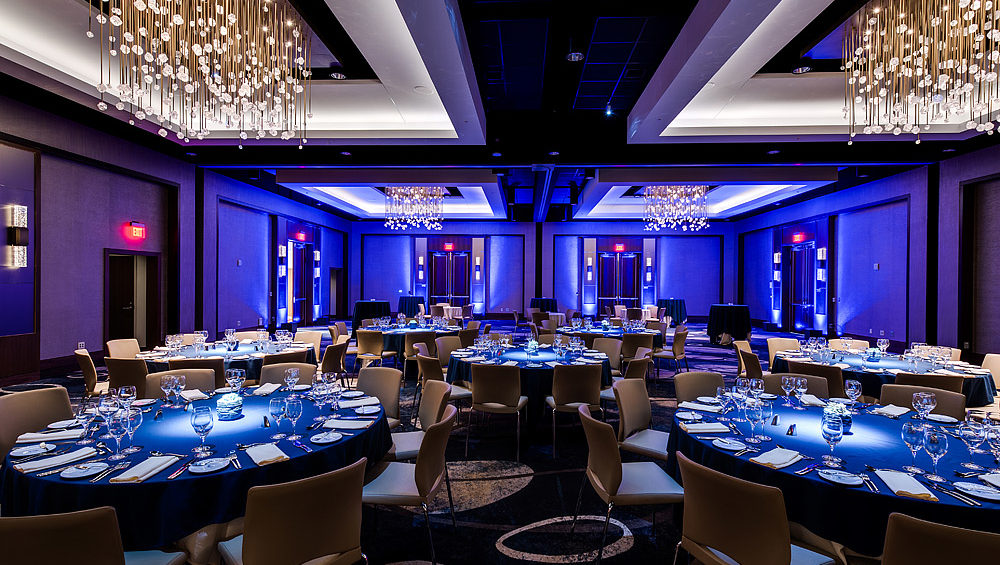
Corporate meetings don’t have to be all work and no play! Beyond the exceptional facilities, campuses provide well-rounded experiences beyond the agenda. Schedule a tour of the university to get everyone moving in between sessions or encourage alumni employees to share their favorite spots around town. Plan bonding activities for employees at an on-campus sporting event, a performing arts show or even construct a scavenger hunt around campus with a desirable prize. Local coffee shops provide a quick pick me up before a day of meetings and can serve as great networking spaces outside of the conference.
Big Thinking
Perhaps the biggest benefit of meeting on-campus is that it lays the groundwork for attendees to generate big ideas. Getting attendees outside their day-to-day environment can inspire creativity and spark something new in employees. Working at an on-campus property like Washington Duke Inn & Golf Club and JB Duke Hotel, I get to witness the excitement and ingenuity first-hand in our world-class event spaces. Our guests can utilize several different spaces depending on their goals, and even better, all stay in the same place, which cuts down on travel logistics. We work to accommodate the big ideas by handling the small details, so organizations can accomplish their objectives with ease. Planning comprehensive and engaging events requires planners to accommodate many people, between attendees and speakers, with different requests and requirements, but when all the boxes are checked by one location, it makes everyone excited to get to work.
Diane Tighe is area director of catering and conference services at JB Duke Hotel and Washington Duke Inn & Golf Club, the original AAA Four Diamond award-winning hotel on the campus of Duke University, handling meetings for Fortune 500 companies, non-profits like the Duke Children’s Gala and global academic powerhouse Duke University. Tighe has nearly 20 years of experience at the property.
