The new co-chair of Meetings Mean Business Coalition (MMB) appreciates the value of face-to-face meetings acutely. At his first press conference with co-chair Trina Camacho-London, vice president of global group sales at Hyatt Hotels Corporation, Fred Dixon, president and CEO of NYC & Company, reported that of 13 million business travelers to New York City in 2018, almost half were meeting delegates (6.2 million). That added up to $5.3 billion in direct spend out of a total $46.4 billion—just over 11 percent of total spending by other visitors, including general business, leisure and those who reported “visiting friends and relatives.”

Meeting delegates have remained an important foundation of the city’s hotel sector and visitation. They comprise about 10 percent of the total visitation in any given year, but their spending averages more per day and per trip than leisure visitors, Dixon said.

International delegates in the five boroughs spend a little more per day than their domestic counterparts and stay more than twice as long in the city—a common pattern for international travelers.

The two joined with Roger Dow, president and CEO of U.S. Travel Association, to announce that in 2019, the meetings economy topped $1 trillion globally. “Our work helped to strengthen the meetings economy…[it] continued to grow year-over-year across all major metrics,” Camacho-London said.

2020 MMB Goals

In the coming year, the coalition, which grew out of the negative publicity the industry received in 2009, will focus on preaching beyond the choir. The goal is to share the message of the economic, scientific and cultural impact of meetings to a larger business, government and media audience.

Dixon pointed to the power of the group’s “Worth Meeting About” message to remind policy-makers that particularly in an election year, they leverage face-to-face meetings in their own lives, whether on the campaign trail or at meetings with Congress or city councils. In fact, mayors are one of the target audiences in 2020.

“Elected officials consistently make decisions that impact the reputational and financial health of the industry, so the focus will be specifically on mayors, who’ve long championed the industry on the local level, as well as city councils and local chambers of commerce,” Dixon said. MMB will be attending the U.S. Conference of Mayors this week in Washington, D.C., to engage them directly.

GMID Expansion

Tuesday, April 14, marks the fifth annual Global Meetings Industry Day celebration. Last year, the demonstration of industry power materialized in the form of 275 events in more than 50 countries. This year, the group is looking for even more engagement and deeper exposure, on the heels of the 88 million social impressions generated in 2019. In New York City specifically, Dixon plans to continue to light landmarks with MMB blue and will again host the tristate meeting planner event.

“We are doubling down on external outreach to ensure the value of meetings is better understood by those who make decisions, policies and protocols that impact our industry,” Dixon said.

At the same time, more destinations are leveraging the platform, including chapters in Canada and India.

Industry Facts

That $1 trillion number is a powerful motivating force for government leaders, and MMB is investing in fleshing out even more data that will speak to policy-makers. The group will build on past coalition research and survey results by introducing new market dashboards with revenue and job data to highlight the economic impact of meetings, using state and local data. That information will be sent biannually to mayors, city council members, chamber leaders and federal legislators in priority markets.

New corporate case studies will tell the qualitative stories by influential businesses of how face-to-face meetings were a lifeline during the most recent economic recession.

Dow called MMB “an insurance policy for industry’s continued success” and protection for everything from security issues to weaponization of meetings for political purposes.
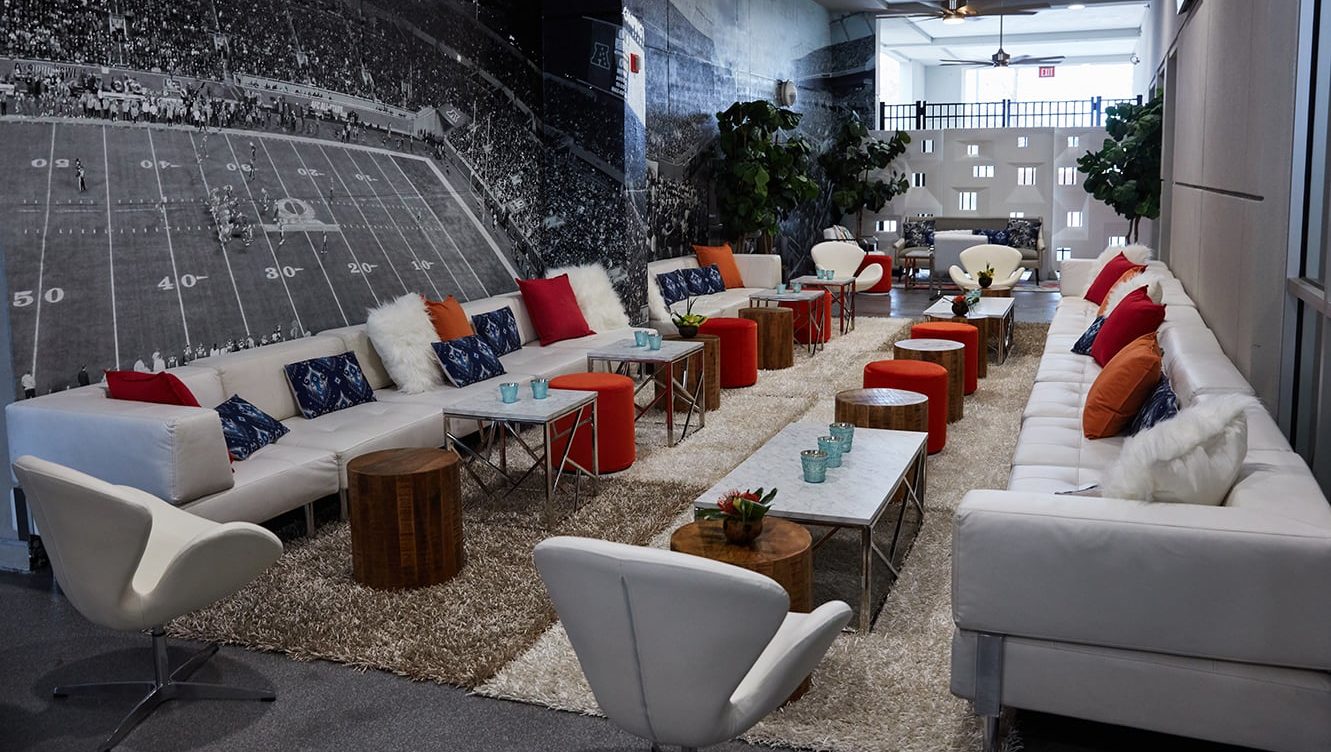
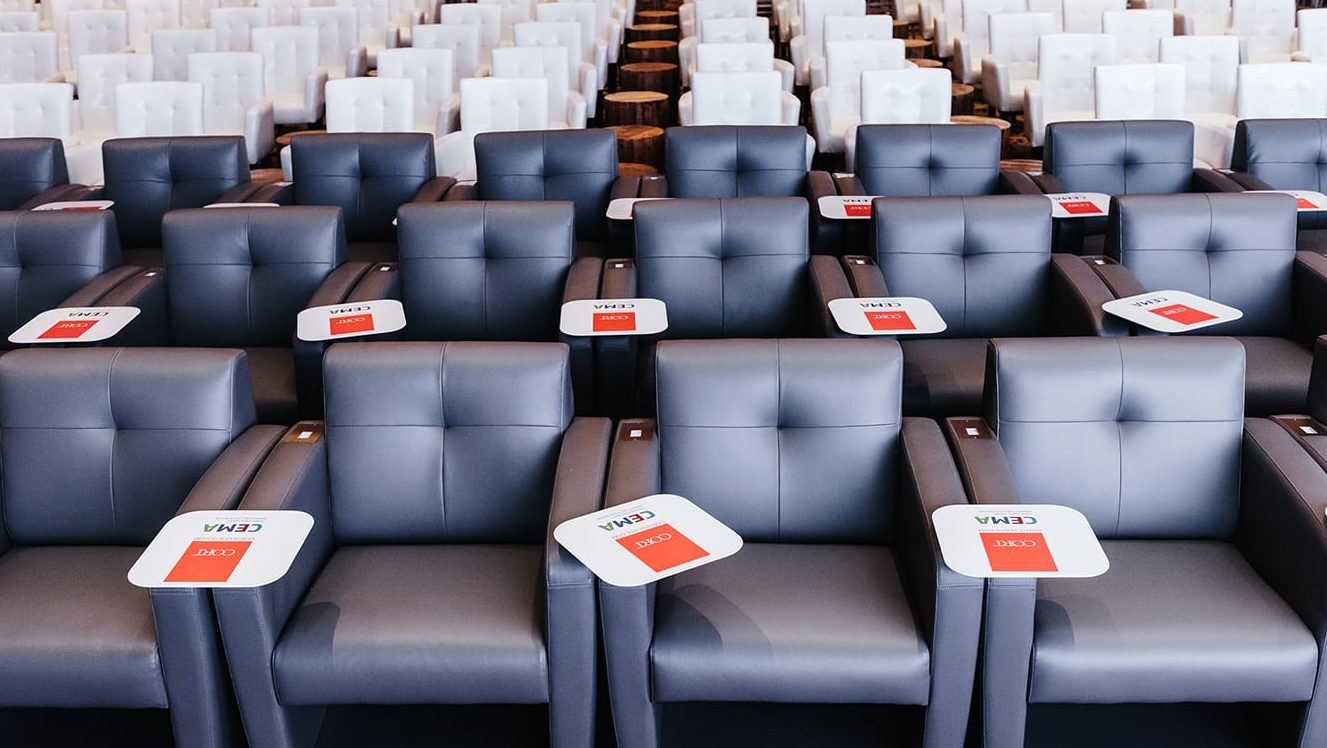
In 2019, trending in the meeting and events world were augmented reality, festivalization and mindfulness, to name a few. What should planners be adding to their design kits this year? CORT Events, a nationwide provider of rental furnishings, shared its vision of the top decor trends for 2020.

Going Green—in More Ways Than One

From straws to tote bags, reusability is a common denominator inside and outside of the meetings industry. However, rather than just incorporating sustainable products and having a green thumb, the color itself will be dominant in design. CORT Events says the color green represents health and wellness and adds life to any space. Even for more mellow, neutral looks, shades of green will offer guests moods of tranquility and serenity.

“Color has taken on new importance for today’s event planners. Choosing a color theme when planning the design of an event is always the first thing we do, whether it’s a social or corporate event,” says Jordan Carbotti of Carbotti Experiences. “Even if a client requests white seating, we layer colorful rugs, pillows, lighting and accessories to infuse color throughout the set and help make the design unique.”

Scores of Styles to Promote Comfort

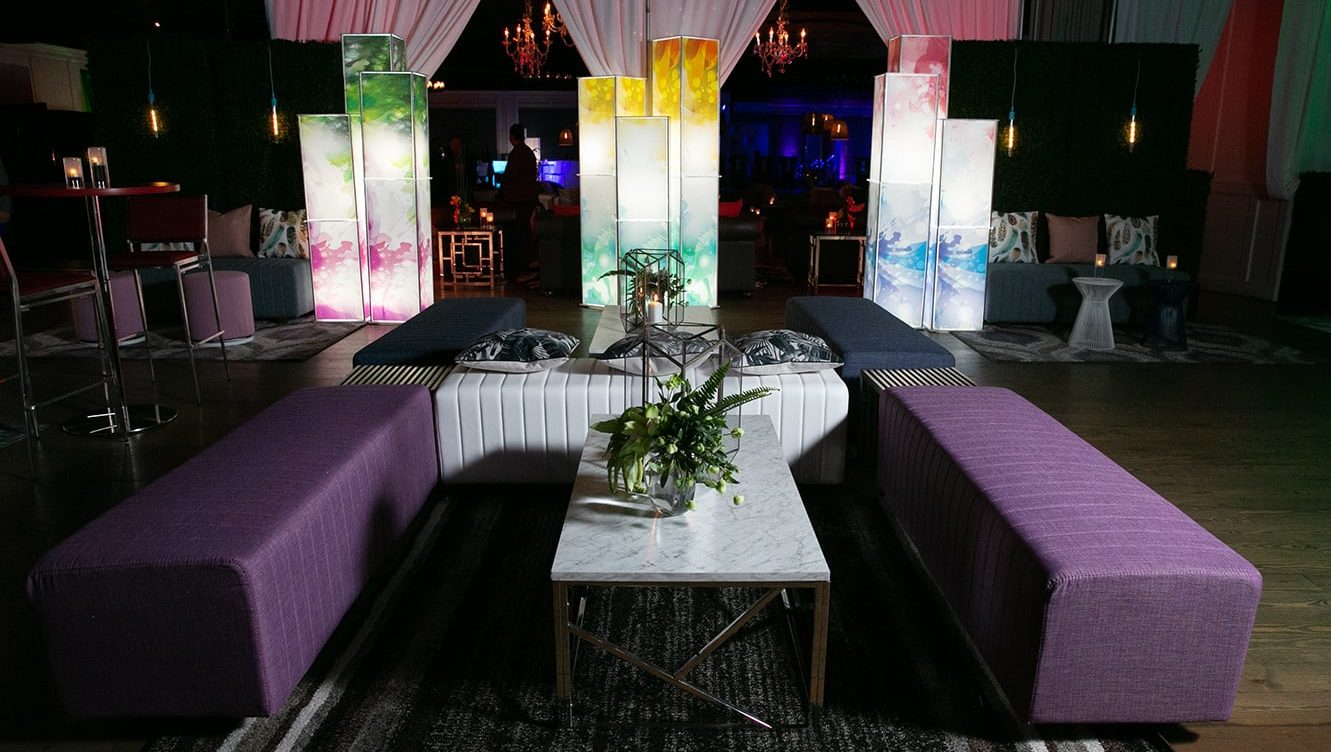
Planners this year can look forward to a mashup of styles to foster an eclectic, chic look. Modern-looking tables, chairs and fixtures usually reserved for the home will continue to make their way into the meeting arena. Different styles coming together include Danish modern soft seating and metallic frames paired with unusual textures, such as faux fur, to achieve an unforgettable, all-inclusive arrangement.

“There’s a strong move toward eclecticism in event design. By incorporating multiple style trends into one design, clients are able to reinforce diverse lifestyles and a global sensibility,” says Kevin Dana, executive director of merchandising and product for CORT Events. “These Bohemian chic and Mediterranean Craft trends put a modern twist on rustic design. It involves a lot of layering of warm organic colors with vibrant blues and linens to create the comfortable easiness that today’s guests crave.”

Feminine Features

The Roaring Twenties brought forth glittering golds and geometric patterns. And for this new decade, the unique features of Art Deco will take center stage. Along with unconventional shapes for arm rests, table frames and seating, feminine silhouettes will be present to soften the room’s feel. The au courant space for any meeting or event will include rounded backs and seats with velvet channel stitching to suggest elegance and sophistication.

“CORT Events’ Endless seating collection made history nearly a decade ago by enabling planners and designers to create customized large or small sectionals to suit any event space,” Dana said. “While the classics are still popular, we’ve modernized the original Endless seating collection to address today’s trends by softening the edges and updating the fabrics. The new collection features gorgeous emerald green velvet, sexy curves and black metal frames, and can still be configured for any event or show space.”

Editor’s Note: On Jan 15, Caesars Entertainment Corporation announced that it is selling Harrah’s Reno Hotel and Casino to an affiliate of CAI Investments for $50 million. In summer of 2020, the property will be closed and redeveloped into a non-gaming hotel and mixed-use development.

MGM Resorts International announced Tuesday that it will be selling two of its most prominent properties—MGM Grand Las Vegas Hotel & Casino and Mandalay Bay Resort and Casino, Las Vegas—for $4.6 billion to a joint venture that includes real estate giant Blackstone Group Inc.

See alsoMGM Sells Bellagio to Trust; Will Continue to Operate

Blackstone will own slightly less than half (49.9 percent) of the properties through its nonlisted real estate investment trust while MGM Growth Properties LLC, a publicly traded real estate income trust (REIT), will own the remainder (50.1 percent). MGM Resorts separated from MGM Growth Properties in 2016 and still controls the REIT, which owns Mandalay Bay and other MGM real estate.

Together, MGM Grand and Mandalay Bay cover 226 acres of prime real estate on the Las Vegas Strip and offer 9,743 guest rooms, some 3 million sq. ft. of meeting space and approximately 300,000 sq. ft. of casino space. MGM Resorts will continue to manage the properties and pay an initial annual rent of $292 million to the ownership group.

“These announcements represent a key milestone in executing the company’s previously communicated asset-light strategy, one that enables a best-in-class balance sheet and strong free cash flow generation to provide MGM Resorts with meaningful strategic flexibility to create continued value for our shareholders,” said MGM CEO Jim Murren in a statement.

MGM Resorts has been selling its real estate assets due to pressure from investors to shift to a business model that emphasizes developing, managing and operating hospitality, gaming and entertainment properties. The company also aims to expand its sports operating operations and its global reach in locations such as Japan, which legalized casino gambling in 2018.

MGM still owns MGM Springfield in Massachusetts, 50 percent of CityCenter casino resort and retail complex in Las Vegas, and 55 percent of MGM Growth Properties.

The new transaction follows two MGM sales in October—Bellagio Las Vegas, to the same ownership group, for $4.25 billion, and Circus Circus Las Vegas, to Phil Ruffin, who owns Treasure Island Las Vegas, for $825 million.

Jon Gray, president of Blackstone, emphasized the importance of the most recent transaction to his company.

“This transaction reflects our continuing strong conviction in Las Vegas,” he said in a statement. “We are pleased to once again partner with MGM Resorts, a world-class operator, as well as MGM Growth properties.”

The sale is expected to close in the first quarter of this year, subject to customary closing conditions.

Esther Barbosa

Barbosa is director of sales and marketing for Pestana Park Avenue in New York City. She has led sales teams at various properties, and most recently was director of sales and marketing for DoubleTree Times Square West in New York City.

Meghan Mongelluzzo

Mongelluzzo, who held her first general manager role at age 24, is general manager for Hampton Inn Pittsburgh Monroeville. Before this, she opened Hotel Indigo Pittsburgh-Technology Center as general manager. Prior to moving to Pittsburgh, she was general manager of Holiday Inn Express & Suites Altoona in Pennsylvania.

Logan Miller

Miller is general manager of Nanuku, Auberge Resorts Collection in Pacific Harbor, Fiji. He most recently served as director of operations for Calistoga Ranch, Auberge Resorts Collection in Napa, California. A Fiji native, Miller began his hospitality career in Sydney after graduating from Blue Mountains Hotel School there. His first stint was a one-year manager training program at Four Seasons Sydney. Miller later moved to the United States, where he began working at Amangani Resort in Jackson, Wyoming, as guest services manager.

Carlos Rojas

Hyatt Regency Boston appointed Rojas director of sales. Recently, he worked as director of sales, marketing and events at Andaz West Hollywood in California; he’s also worked as director of sales and marketing for Andaz Savannah in Georgia. His career with Hyatt began in 2002, when he began working as executive housekeeper at Hyatt Regency Boston Harbor. Rojas later transferred into sales, where he worked his way up into the position he now holds.

Alecia Beebe

Beebe is sales manager of Hilton Palacio del Rio in San Antonio. After receiving her Bachelor of Business Administration degree in marketing from University of Kentucky, Beebe headed to San Antonio in 2017. Her career in hospitality started when she began working at Tex’s Sports Bar at Hilton Palacio del Rio in San Antonio, where she was later promoted to guest service agent.

Megan Pierce

Pierce is director of group sales for The Curtis in Denver. She previously worked as associate director of sales for Embassy Suites in Denver, where she held several other leadership roles in the catering services and group sales departments.

Tomiko Burroughs

Burroughs is director of sales and marketing for Sagamore Pendry Baltimore. She previously worked as area director of sales and marketing for Kimpton Hotels. She has held leadership positions in sales and marketing for multiple properties, including Savoy Suites Hotel, Carlyle Suites Hotel, Fairmont Hotel, Hilton Arlington and Renaissance Washington, all in Washington D.C., as well as O’Callaghan Hotel in Annapolis, Maryland.

You may be vaguely familiar with feng shui (uhm…it’s a Chinese organizing thing, right?). Whether you feel the flow of chi or not, the issues that the practice aims to tackle with energy optimization have scientifically established effects on your performance.

Clearing clutter? Purifying the air you breathe? Adding personal touches to your space? They’re all familiar ways of improving the daily 9 to 5. Here’s how to blend ancient Chinese tradition with empirically backed changes to get the best of both worlds and optimize your work space.

Clear the Clutter

The least (or most) spiritual aspect of this process is getting rid of stuff on your desk that you don’t need at your fingertips. Stack of papers? File or recycle them! Business cards? Digitize the info. Cup of eight colored highlighters…even though you never use highlighters? You’re getting the hang of it. Feng shui guidelines recommend keeping 50 percent of your desk space clear. No one needs references to peer-reviewed articles to let them know that a clean room feels better than a messy, crowded one.

Let There Be Light

In feng shui, the fire element is represented by light, and the color, intensity and placement of light need to be considered. Scientific research increasingly shows that light is a nutrient—one that we’re deprived of when we sit in an office all day, where fluorescent bulbs can also have detrimental effects on our biology.

Make sure you get 30 to 60 minutes of natural morning light before you get to the office, to set your circadian rhythm. At your desk, if changing the lightbulbs around you isn’t an option, get a table lamp with a halogen bulb (which has full-spectrum light) or a portable light-therapy device to prop on your desk. Also, take breaks outside and get a dose of the real stuff.

Plant Friends

The wisdom of feng shui identifies plants as representation of the wood element. Different plants help achieve balances, depending on factors such as their symbolism, upkeep and potential purifying properties. But this article from The Atlantic points to evidence that rejects the findings of a NASA study claiming that a few house plants can purify the air.

But plants are still green, pretty and alive, and they mentally invigorate spaces dominated by inanimate tools. Plus, a study by Journal of Physiological Anthropology concluded that “active interaction with indoor plants can reduce physiological and psychological stress, compared with mental work.”

Bagua Mapping

OK, this one is full-on feng shui. A bagua map is a grid-patterned key for which areas of your desk correspond to certain energies. To implement feng shui principles at your desk, place items associated with the desired effects in the correct grid. For example, the lower left corner of your desk is related to wisdom and knowledge, so you might place a dictionary or a book you’re reading to learn something new in that area.

If you don’t subscribe to the energetic properties of mapping, it could just be a handy blueprint for reorganizing your desk. A study by Princeton University Neuroscience Institute concluded that a cluttered physical environment decreased focus and the ability to process information due to over-stimulation of the visual cortex.

Conclusion: Clear It

Whether you’re the type looking for objective ways to increase productivity or are more about mantras in the morning, ancient Eastern wisdom and objective data agree: Dust off that ficus and give your desk a little TLC to enhance your workplace wellness.

Super Bowl XLIX is over, but meeting professionals can score big with some of the main ideas and activities that are part of the mega sports event. In an article published on Associationsnow.com, Deputy Editor Samantha Whitehorne suggests three ways organizations can successfully introduce some smaller scale, Super Bowl-worthy fanfare into their meetings: Continue reading “Super Ideas from the Super Bowl”

Planners can look forward to new wellness offerings from Hyatt Hotels Corporation as a result of its just-announced alliance with Headspace, a leader in mindfulness and meditation. The new global well-being collaboration promises to bring mindfulness exercises, guided meditations and sleep content to groups, other hotel guests and even Hyatt employees. Look for Headspace at Hyatt-branded hotels around the world in the coming months.

See alsoHyatt Says a Louder ‘No!’ to Plastics

“Well-being is a true realization of Hyatt’s purpose—we care for people so they can be their best,” said Mark Vondrasek, chief commercial officer for Hyatt. “By teaming up with industry leaders like Headspace, we are better positioned to care for our guests and employees, and help them prioritize their own well-being both during and in between stays at Hyatt hotels around the world.”

“Traveling can often take you out of your routine—so it’s important to take the time to pause, be present and take care of yourself,” said Andy Puddicombe, co-founder of Headspace, a digital health company with nearly 60 million users in 190 countries.

Key points of the alliance:

  • Planners will have the option to “infuse Headspace content and experiences into meetings. Additionally, Headspace content will power Hyatt’s new meditation experience for meeting and conference attendees, which is expected to launch later this year,” according to a Hyatt statement.
  • Hyatt employees will get complimentary subscriptions to Headspace to support them “on their own mental-health and well-being journeys.”
  • Hyatt guests will get complimentary access to Headspace via in-room content. Included will be short meditations, soothing sounds for better sleep and expert guidance from Puddicombe, a meditation teacher and former monk.
  • Members of World of Hyatt, the company’s loyalty program, will receive special Headspace offers and have access to Headspace content during their hotel stays via the program’s app.

“We have a lot of uncertainty out there,” Mike Dominguez, chief executive officer and president of Associated Luxury Hotels International, started off by stating in the first Smart Meetings’ Accelerator “2020 Hospitality Marketplace: Everything You Need to Know.”

Michael Dominguez

Dominguez classified this moment in time as the fourth Industrial Revolution because of the rate of change in business processes and the implications that will have for years to come. “It’s a really important time for us to have dialogue and understand that everything may not seem as it is at face value,” he said.

Dominguez cited the shift in retail buying habits as an example of the split that is happening between luxury and discount products everywhere—including the hospitality industry. Upscale and luxury offerings are growing along with discount brands, while the middle brands are struggling.

“We are now in the longest-running upward cycle in the hospitality industry,” he said. What this cycle has been missing compared to other upward trends was in influx of supply. Although, in the middle of 2019, supply finally started to grow at a faster rate than demand, but it will take years to catch up, he cautioned.

Tourists are Booming

The biggest driver in the growth of hotels has been transient demand, which is growing at a much faster pace than group business and continues to be strong. That pits meeting professionals against individual travelers for scarce rooms. “We’re going to wrestle with that for some time,” he said.

Demand from tourists also explains the growth of limited service hotel supply. It also explains why convention centers have either added and/or renovated their meeting space, since hotels have not been building ballrooms.

Room Nights at a Record High

The result is record high occupancy rates. On a real, per-capita basis, the amount of consumer spending on lodging has grown at 271 percent since 1980, while the U.S. economy as a whole has grown 91 percent. He predicted those numbers will continue to get stronger as barriers to travel are lifted.

Living in the New Normal

Workers 35 years old or younger have never worked in an environment that was either a slowdown or a recession. “It is going to be alarming when it happens,” he warned, “Anybody coming out of school a decade ago thinks this is normal.”

Dominguez closed out by quoting Alvin Toffler, who believed illiteracy in the 21st century has nothing to do with your ability to read or write; it has everything to do with your ability to learn, unlearn and relearn. Dominguez stressed that in an environment of uncertainty, unlearning some of the things we think we know will be essential for planners who want to stay relevant.

Hyatt Regency Indianapolis

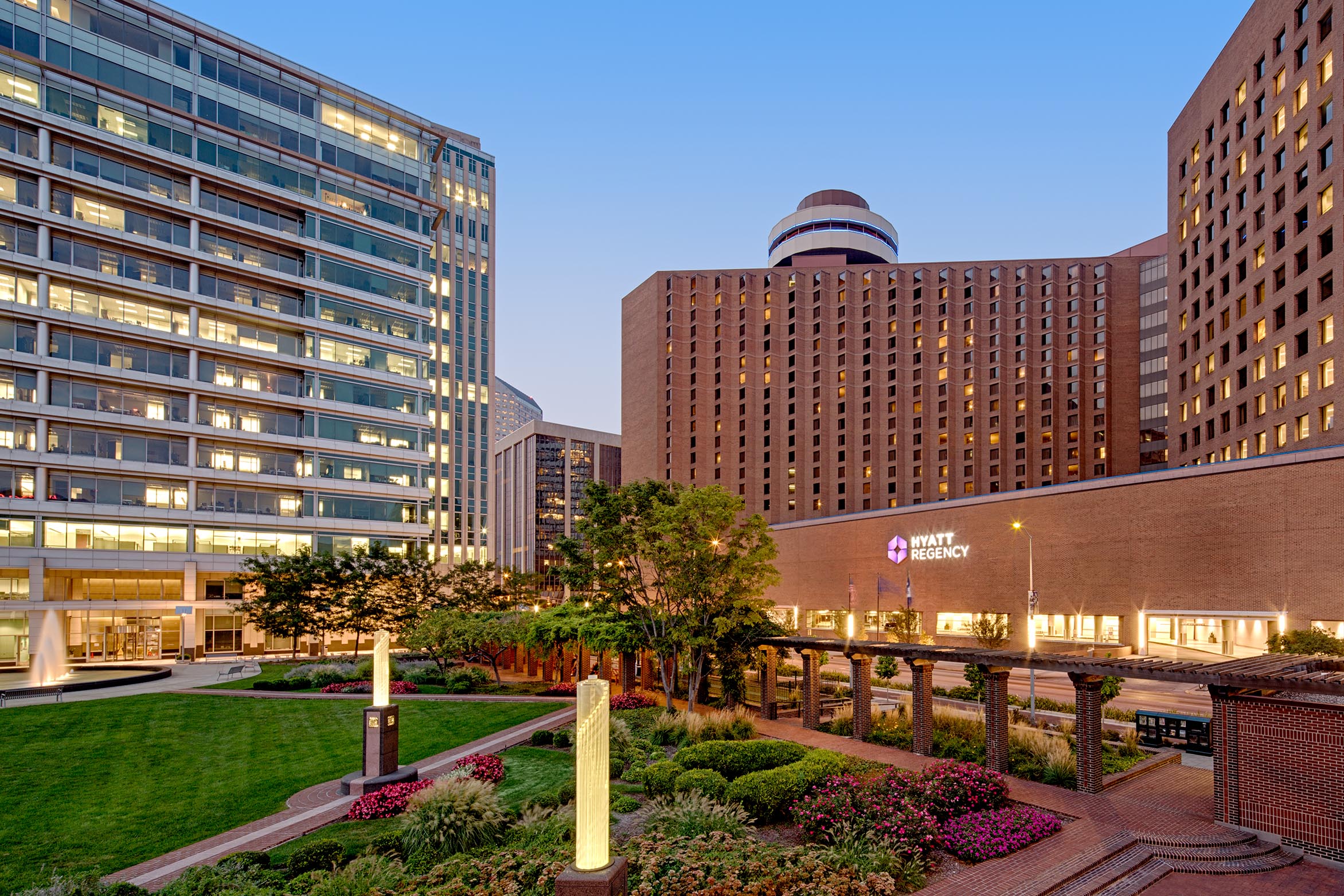
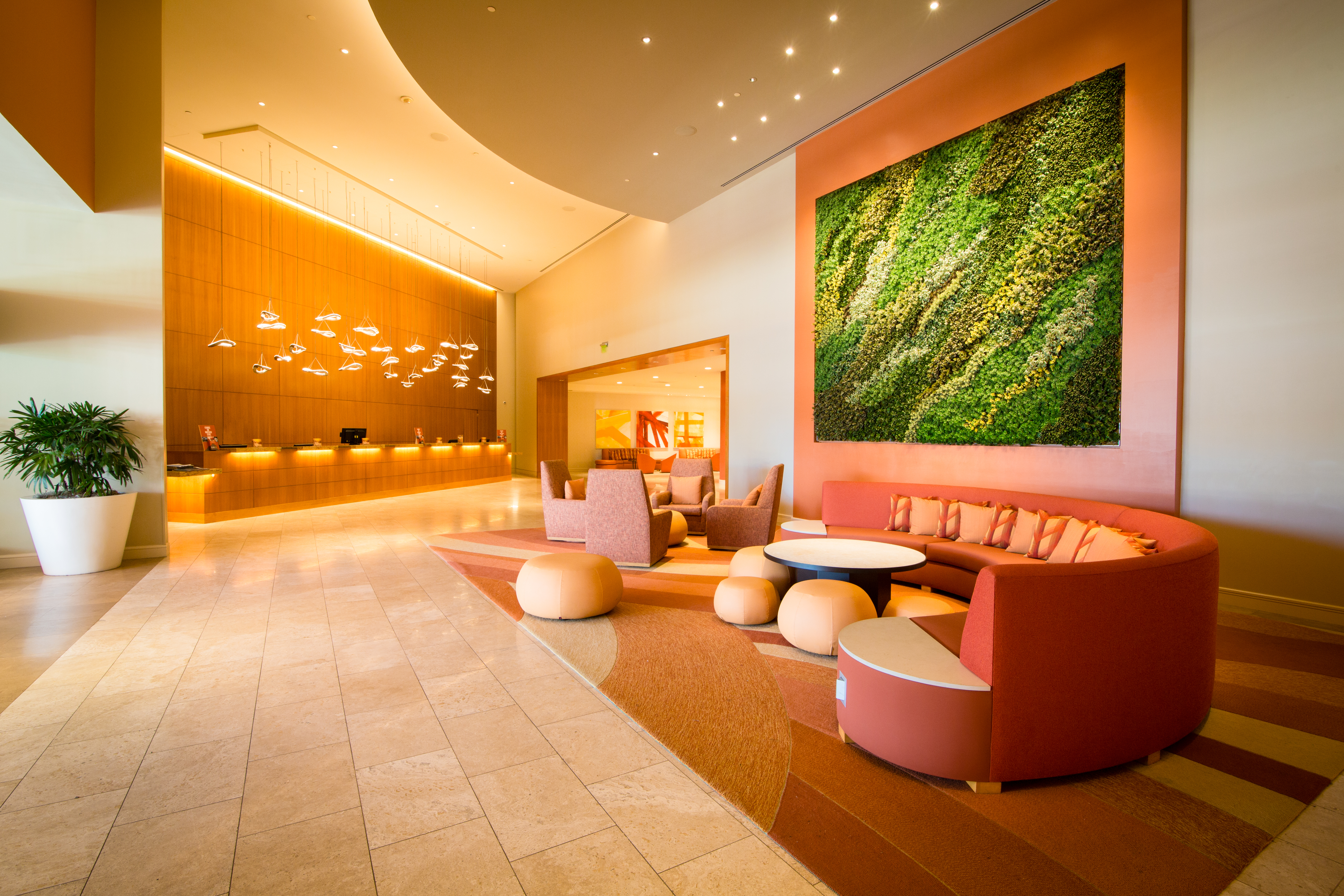
The 499-room hotel’s recent renovations include a redesign of 35,000 sq. ft. of meeting space, as well as its lobby, fitness center and The Eagle’s Nest, a revolving rooftop restaurant. New to the building is Fat Rooster, a concept marrying locally sourced ingredients to a Midwest diner fare menu. The property is connected to Indiana Convention Center and close to downtown attractions such as Lucas Oil Stadium.

Hotel Irvine, California

The 536-room lifestyle hotel renewed its vigor with bright, contemporary new furnishings for the lobby and meeting areas. Guest rooms feature new lighting, bedding and in-room tech, the better for streaming your current Netflix obsession onto a new 55-inch TV. Venues span across more than 30,000 sq. ft. of event space, including a 15,000-square-foot ballroom and 10,000-square-foot lawn with an adjacent enclosed outdoor pavilion, plus a leather-seated theater for up to 120.

Hotel Zena, Washington, D.C.

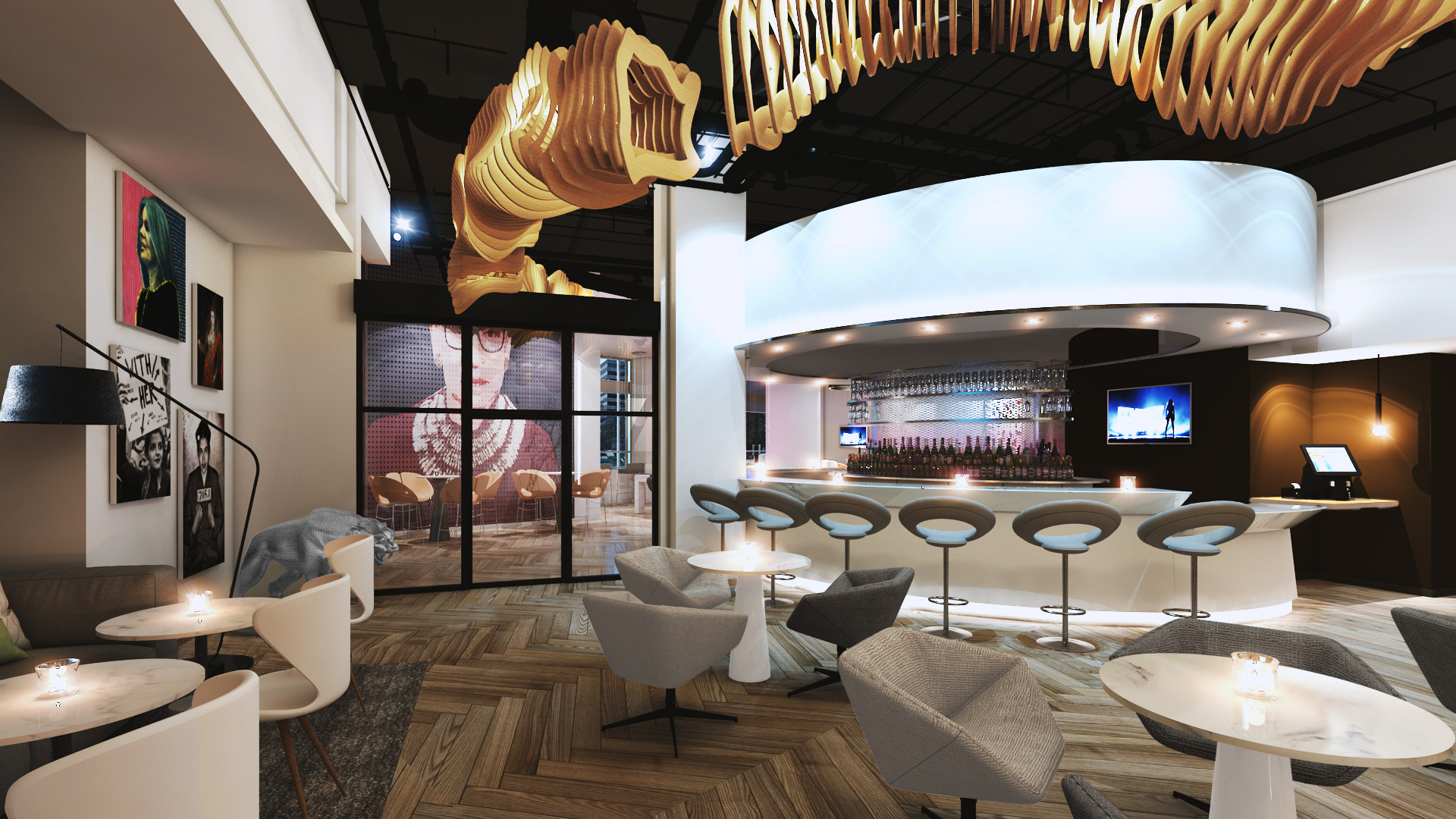
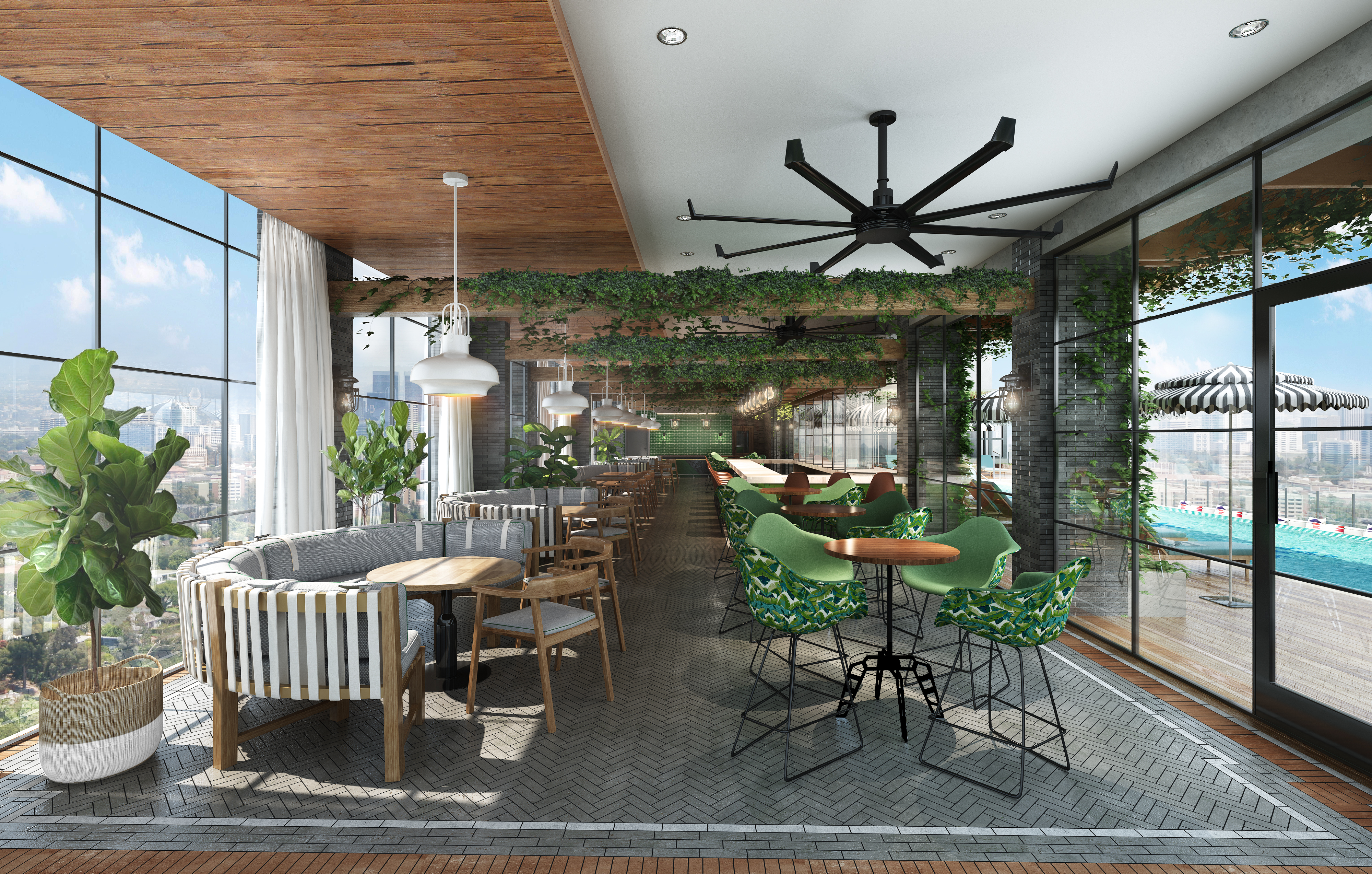
Keep an eye out in the spring for this upcoming Viceroy Urban Retreats hotel. Formerly Donovan Hotel, the property will be an arts-infused tribute to female empowerment, and will include programming, design and perspectives devoted to celebrating it (starting with the mural of judicial hero RBG). The 191 guest rooms in this downtown D.C. property are located near Logan Circle and within walking distance of the White House. A 14th-floor rooftop pool is adjacent to a private event space that will also feature local music and curated gatherings.

Virgin Hotels Nashville

The fourth Virgin Hotels location in the United States, this Southern spot is taking reservations for stays starting in May. It offers 262 chambers and all the freshly trending concepts of its Virgin-brand peers, such as the social, cocktail-driven Commons Club and cheeky Funny Library Coffee Shop. The Nashville location contains 9,000 sq. ft. of meeting space—not including the 14th-floor rooftop Pool Club, which is probably where you’ll want to rendezvous, anyway.

When the clock struck 12, and the new year began, the world was engulfed in the hope of possibilities and growth. Like every year prior, though, zeal for self-improvement doesn’t usually last very long. According to Forbes, only a quarter of people stick to their New Year’s resolutions more than a month, and only eight percent actually follow through to “mission accomplished.”

Just knowing this can be discouraging and demotivating. But what if your resolve had more to do with your location than your lack of the right stuff? That’s what a new ranking by Wallethub is claiming.

Wallethub scored 180 cities based on dozens of metrics, on the premise  that a lack of resources can play into whether someone starts, continues or drops New Year’s resolutions. To better understand where they are better kept and more likely to be achieved, Wallethub ranked cities on five of the most common resolution types: health, financial, school and work, bad habits and relationships. The overall rank for each city is a culmination of how it performed in each resolution type.

Top 10 Best Cities for Keeping Your New Year’s Resolution

  1. San Diego
  2. Scottsdale, Arizona
  3. San Francisco
  4. Seattle
  5. San Jose, California
  6. Irvine, California
  7. Austin, Texas
  8. Plano, Texas
  9. Salt Lake City
  10. Fremont, California

Even if you don’t live in one of these cities, don’t despair. From timing to framing, there are often a plethora of variables that go into resolutions and why they get abandoned. Here are three tips to help you stick to yours, even in an event planner’s busy life.

Set Specific, Attainable Goals

You want to be a better boss, you want to be healthier, or you want to be more frugal. What do all three of these resolutions have in common? They’re vague. People struggle with their resolutions because they’re too broad and unfocused. Goals are more effective when they are action-oriented and specific. To ensure you start and achieve these goals, be SMART. In other words, having goals that are specific, measurable, achievable, relevant and timely.

Related: 4 New Year’s Resolutions Meeting Planners Should Make—and Keep

Go Public

Going through anything alone can be lonely and more difficult, so having someone hold you accountable for your goals means you’re more likely to achieve them. In a professional setting, share your goals and ask for feedback in crafting them and carrying them out. For more personal goals, share the effort with another person. If you and a friend plan to meet at set times during the week for a run, you’d let yourself and them down by bailing.

Clear Consequences

Another problem with resolutions is that there tends to be a lack of consequence if you wimp out. So what if you don’t go for that morning run or get your desk organized? This type of thinking weakens will power and makes breaking your resolutions easier. Instead, let it be known, for example, that if you don’t abstain from drinking alcohol in January, you’ll donate $100 to a homelessness charity. Better still, hand over the money to a friend beforehand—with instructions to mail it to your charity if you cave into that glass of wine.