Companies are asking incentives to deliver more than a memorable reward
Incentive travel may begin with rewarding performance, but companies are increasingly looking for those trips to accomplish more.
NUBA, an international travel company specializing in tailor-made journeys, incentive travel and corporate experiences, is seeing programs evolve into tools for employee engagement, sales motivation and client retention. Cristina Amarante, NUBA’s incentive and events director, says expectations around the experience itself are changing, too.
“At NUBA, we’ve noticed that leading companies are no longer looking for traditional trips, but rather transformational experiences,” she says.
Read More: Elevating Business Strategy Through Incentive Travel
For employees, that can mean creating opportunities to connect outside the workplace. “With the rise of remote and hybrid work, incentive travel has become the primary vehicle for rebuilding a sense of belonging, corporate culture and deep interpersonal connections that don’t occur in day-to-day work,” Amarante says.
For sales teams, the value goes beyond the destination. “The public recognition and status gained from sharing exclusive experiences with senior leadership motivate sales teams far beyond the financial bonus.”
And some companies are extending these programs to their most important clients, creating environments where relationships can develop more organically outside traditional business settings.
Fewer People, More Personal
Amarante is also seeing companies rethink how incentive budgets are allocated. Spending per participant is rising, with some organizations opting for smaller groups in exchange for a higher level of personalization and privacy.
“Clients are willing to optimize the number of attendees in exchange for maximizing the level of exclusivity, accommodation quality (boutique hotels or complete property buyouts) and private logistics (chartered flights, helicopters),” she says.
Read More: Incentive Travel: Value in Motion
At the same time, planners are balancing the need to secure accommodations well in advance with increasing demand for flexibility closer to departure. Buyers are also placing greater emphasis on privacy, local authenticity, sustainability and 24/7 support.
Those priorities are influencing destination selection. Wellness, for example, has moved well beyond the spa appointment. “Wellness has evolved from an optional activity to a cornerstone of the program,” Amarante says. NUBA is seeing demand for programs incorporating holistic health, spirituality, organic cuisine and time for rest and reconnection with nature.
Food, art and culture are becoming more immersive as well. “It’s no longer just about dining at Michelin-starred restaurants, but about dining with the chef himself at his private residence or having exclusive access to artisanal markets.”
That desire for access extends throughout the itinerary. NUBA has arranged experiences including access to sites with ancient codices in Teotihuacán that are closed to the public, a private dinner at the Sphinxes of Giza and safaris guided by scientists working in species conservation.
“In today’s market, ‘exclusive access’ is no longer about VIP treatment that money can buy; it’s about unlocking doors that are simply closed to the public,” Amarante says.
What Happens After the Trip?
As companies ask more from incentive travel, measuring success is becoming more sophisticated as well. “We believe that true ROI is measured through qualitative behavioral impact and business performance metrics,” Amarante says.
That can include post-trip retention among key employees, sales performance in subsequent quarters and even whether relationships developed with B2B clients help accelerate business. Companies can also examine organic engagement after the trip and whether the program supported their broader social and sustainability goals.
Looking toward 2027, Amarante expects programs to become even more targeted. “Luxury incentive travel will be defined by hyper-personalization powered by AI, regenerative travel and ultra-exclusive micro-group formats.”
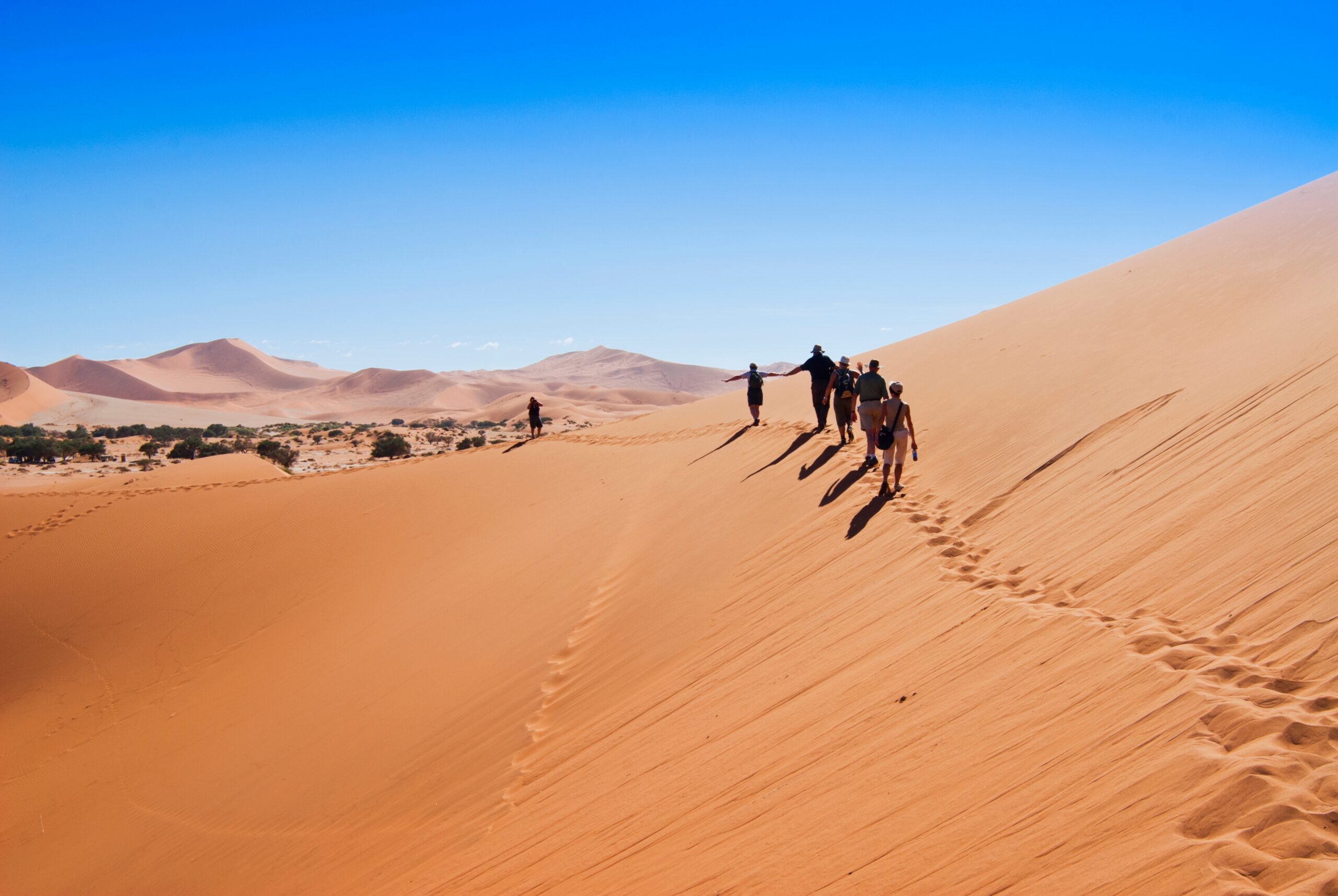
AI could help planners anticipate individual preferences and requirements, while smaller groups make it possible to privatize everything from remote resorts to trains and yachts. At the same time, Amarante expects greater interest in destinations away from established tourism circuits, pointing to Botswana, Namibia, Bhutan, Greenland, Saudi Arabia and destinations in Japan as ones to watch.
Whatever the destination, the incentive trip is becoming less of a standalone reward and more closely connected to what companies hope to accomplish before, during and after their employees board the plane.